Gamers Have a Bad Reputation...
Video games have never been more popular, but that doesn't mean gamers have as great of a reputation. Whether it's a family member who can't get a word in during a gaming session or a friend who's tired of canceled plans, plenty of people have found themselves frustrated by the habits that come with serious gaming culture. If you're a gamer or know someone who's pretty hardcore about it, some of the ones on this list will definitely sound familiar. Here are 20 things people hate about gamers.

1. Overly Competitive Nature
There's a fine line between enjoying a game and treating every session like a championship match, and plenty of gamers sprint right past it. Even casual, low-stakes games have a way of turning into intense competitions the moment a serious gamer sits down to play. The people around them often feel like they can't just have fun without someone keeping obsessive score.
2. Poor Sportsmanship
Losing gracefully is a skill, and unfortunately, it's one that a lot of gamers haven't quite picked up. Rage-quitting, throwing controllers, and blaming teammates or lag for every single defeat are practically a cliché at this point. It's exhausting to watch someone spiral every time a match doesn't go their way.

3. Gamer Speak
Gamers have developed their own language, and they'll use it around you whether you speak it or not. Terms like "sandbox," "buff," and "scuffed" get dropped into conversation with zero context, and there's often some eye-rolling if you ask what any of it means. It can feel less like a shared hobby and more like an exclusive club you don't know the secret code to.

4. Extremely Opinionated About Games
Ask a gamer which console is better and clear your schedule for the afternoon, because you're not getting out of that conversation quickly. They'll rank games with the confidence of a supreme court ruling and take it personally if you disagree with their assessments. What starts as a casual recommendation can turn into a full-blown debate before you even realize what happened.

5. Constant Distraction
Getting a gamer's attention when they're mid-session is a feat worthy of its own achievement badge. They'll nod along to whatever you're saying while their eyes stay locked on the screen, and they retain approximately none of it. It's hard not to feel like you're competing with a pixelated world for basic human interaction.
6. Often Cooped Up at Home
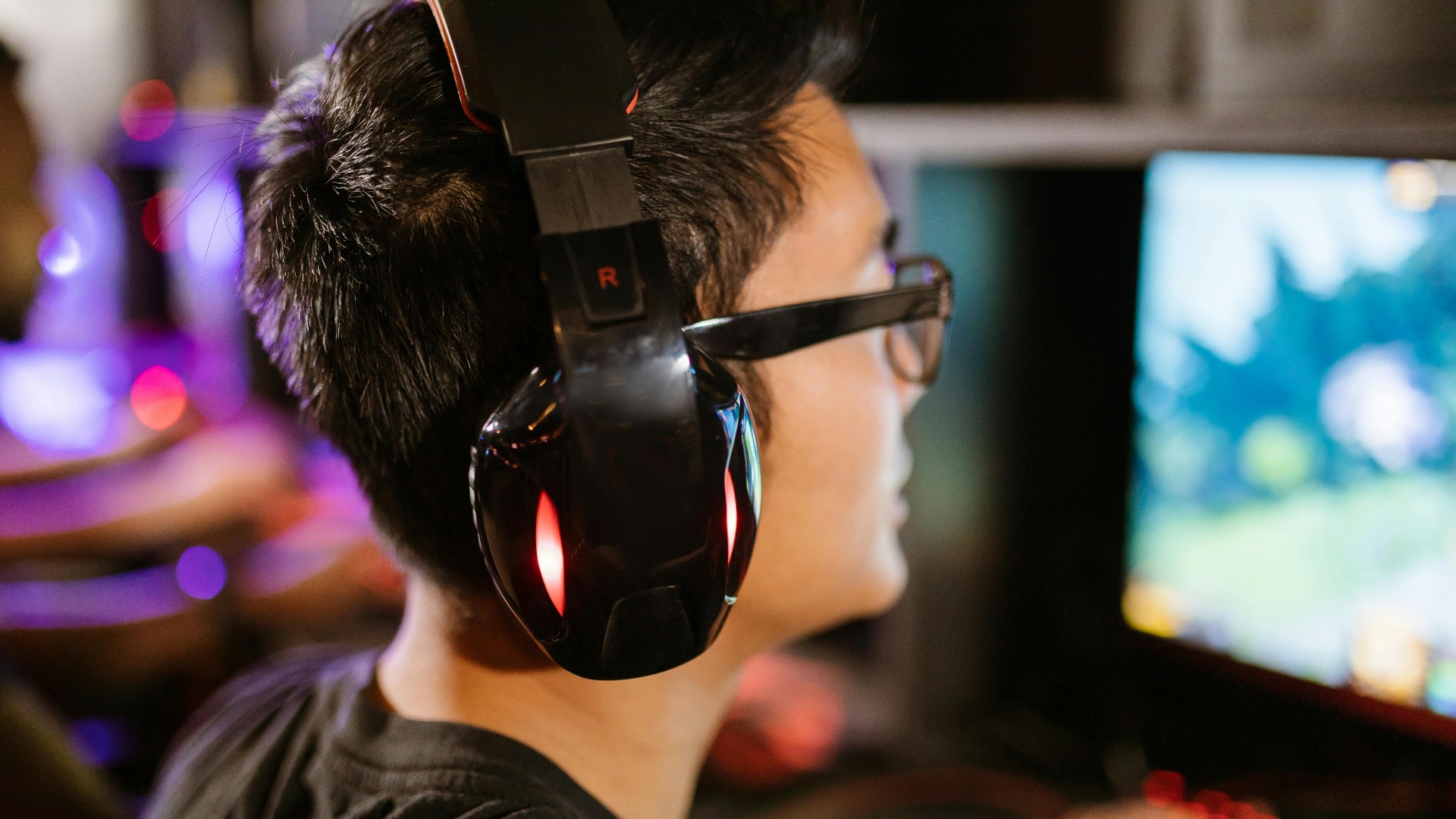
Fresh air and sunlight are apparently optional when there's a new game to finish. Gamers can disappear indoors for entire weekends without so much as opening a curtain, and any invitation that conflicts with a gaming session tends to get a polite but firm decline. The people in their lives eventually stop expecting them to show up.

7. The Never-Ending "Just One More Game"
The phrase "just one more game" is one of the most reliable lies in a gamer's vocabulary. One more game turns into three, which turns into two hours, which turns into you falling asleep on the couch waiting for them to wrap up. It's hard to make plans around someone whose schedule is entirely dictated by match timers and loading screens.

8. Acting Like an Expert on Game Development
A lot of gamers have very strong opinions on how games should be made, and they're not shy about sharing them even without any actual development experience to back it up. They'll confidently declare what would make a game "better" or what features shouldn't have been included, as if game development is something anyone could navigate. It can be frustrating to watch developers get criticized by people who've never had to write a line of code in their lives.
9. Dismissiveness Toward Non-Gamers
Some gamers have a subtle but unmistakable habit of treating non-gamers like they're missing a crucial piece of cultural knowledge. There's often an air of superiority when someone admits they don't play or doesn't recognize a reference, as if it's a personal failing rather than just a different preference. It doesn't exactly make outsiders feel welcome in the conversation.

10. Spending Obscene Amounts of Money
Gaming can be an expensive hobby, and the people funding it don't always seem to notice just how much is going out the door. Between new releases, downloadable content, limited-edition controllers, and subscription services, the costs stack up fast. Partners and family members watching the credit card statement tend to have a very different perspective on what counts as a "must-have" purchase.

11. Staying Up at Ungodly Hours
The gaming community runs on a schedule that doesn't align with the rest of the functioning world. Gamers routinely stay up until three or four in the morning, which then turns the following day into a fog of exhaustion and crankiness that everyone else has to deal with. A hobby that consistently wrecks your sleep schedule has a way of affecting more than just the person playing.
12. Loud Reactions to Everything
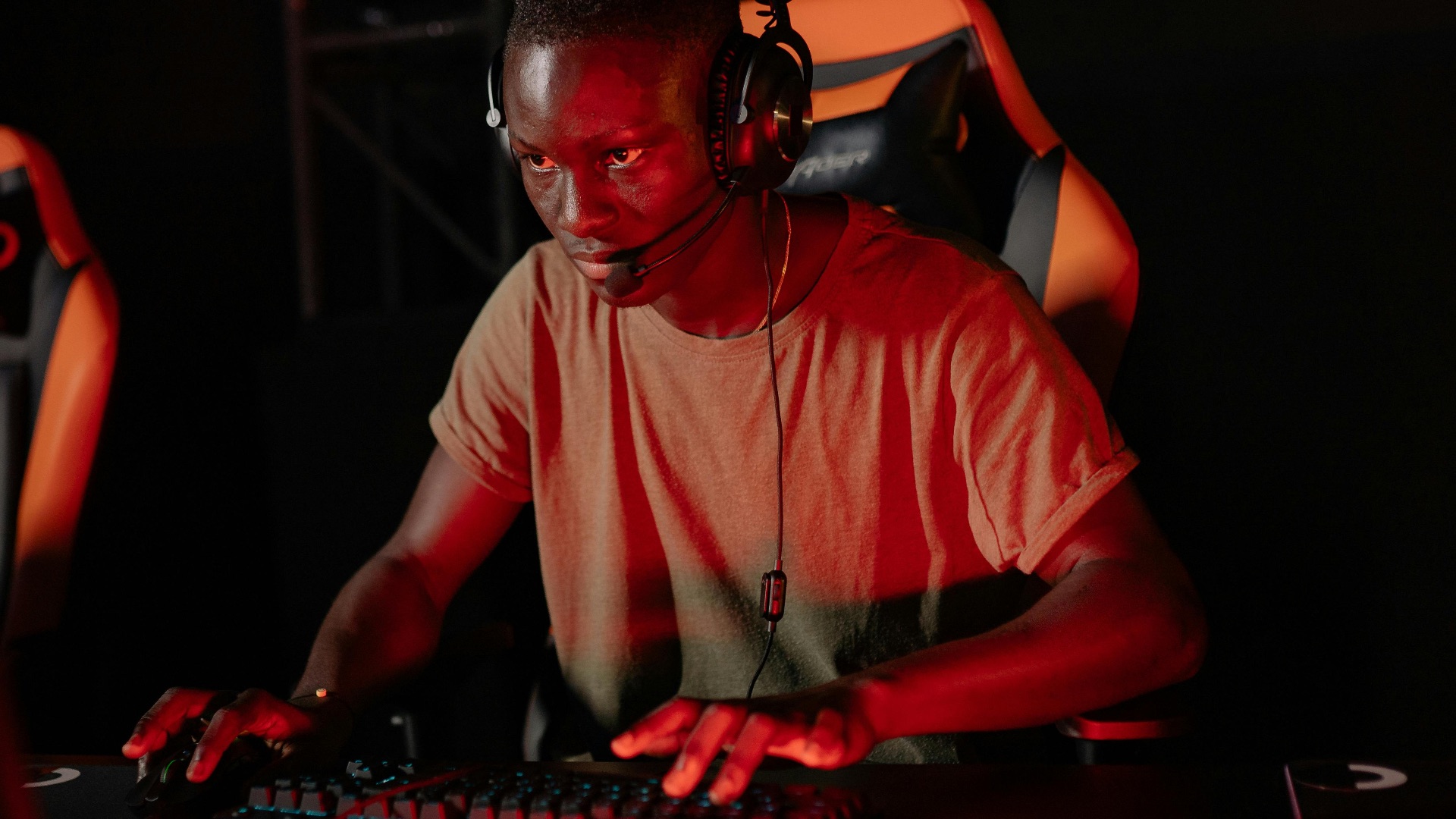
The vocal range during a gaming session can go from silent concentration to full-volume outrage in a fraction of a second. Neighbors, roommates, and partners find themselves subjected to sudden shouting, groaning, and celebratory whooping at all hours with no warning whatsoever. It's a lot to deal with when you're just trying to watch TV in the next room.
13. Neglecting Responsibilities
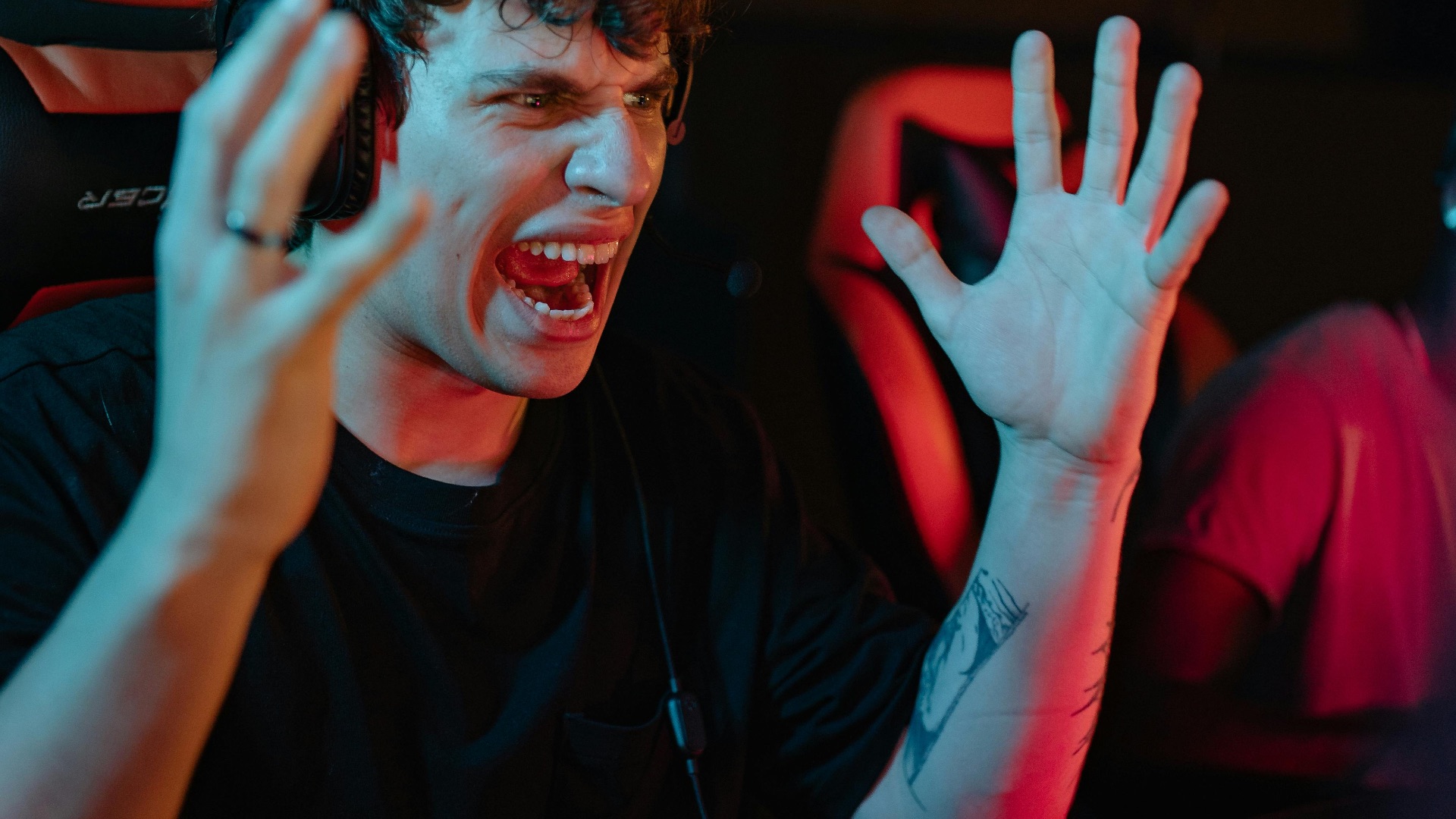
When a game is good enough, things like chores, errands, and basic adulting have a tendency to fall completely by the wayside. Dishes pile up, calls go unreturned, and deadlines start looking a little fuzzy while the controller stays in hand. The people around them are often the ones left picking up the slack.

14. Making Everything About Gaming
It's not just gamer speak that drives everyone crazy; somehow, every conversation also has a way of circling back to whatever game is currently consuming a gamer's attention, whether it's relevant or not. Bring up a movie, a news story, or a recipe, and there's a solid chance it'll somehow connect to a storyline they're playing through. After a while, it starts to feel like the outside world only exists as a backdrop for gaming references.
15. Toxic Online Behavior
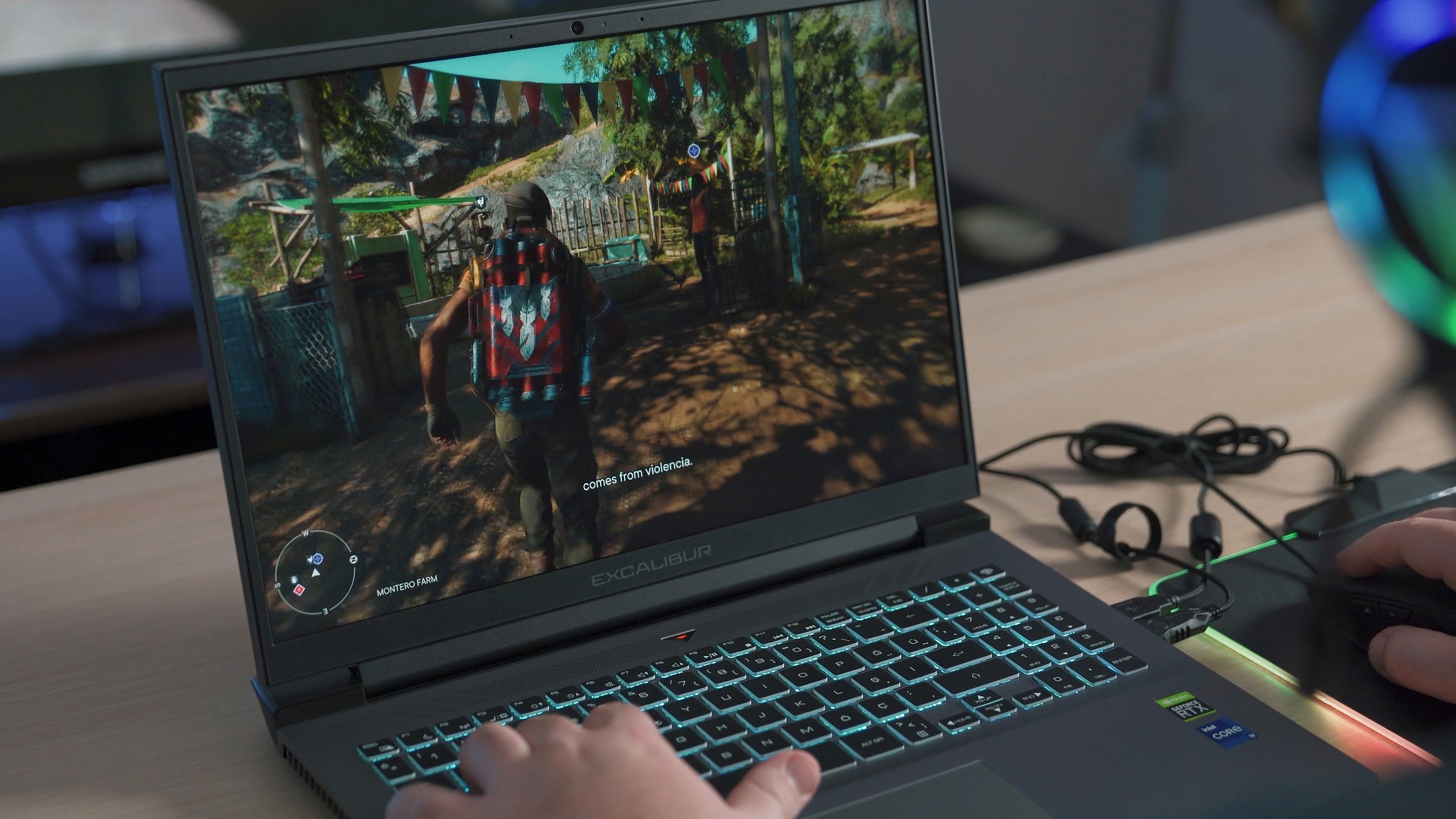
Online gaming can bring out a nasty side to people; trash talk, harassment, and rage-fueled messages toward strangers are disturbingly common, and many gamers who are perfectly pleasant in real life become entirely different people behind a headset. It's a pattern that makes a lot of outsiders deeply uncomfortable when they witness it up close.

16. Refusing to Try Anything New
Some gamers find a genre, a franchise, or a specific game and plant themselves there indefinitely. Suggesting they branch out or try something different is often met with indifference or outright resistance, as though variety is somehow a threat. It can make collaborative gaming almost impossible when one person has a rigid list of what they will and won't touch.

17. Hyper-Fixating on Specs and Hardware
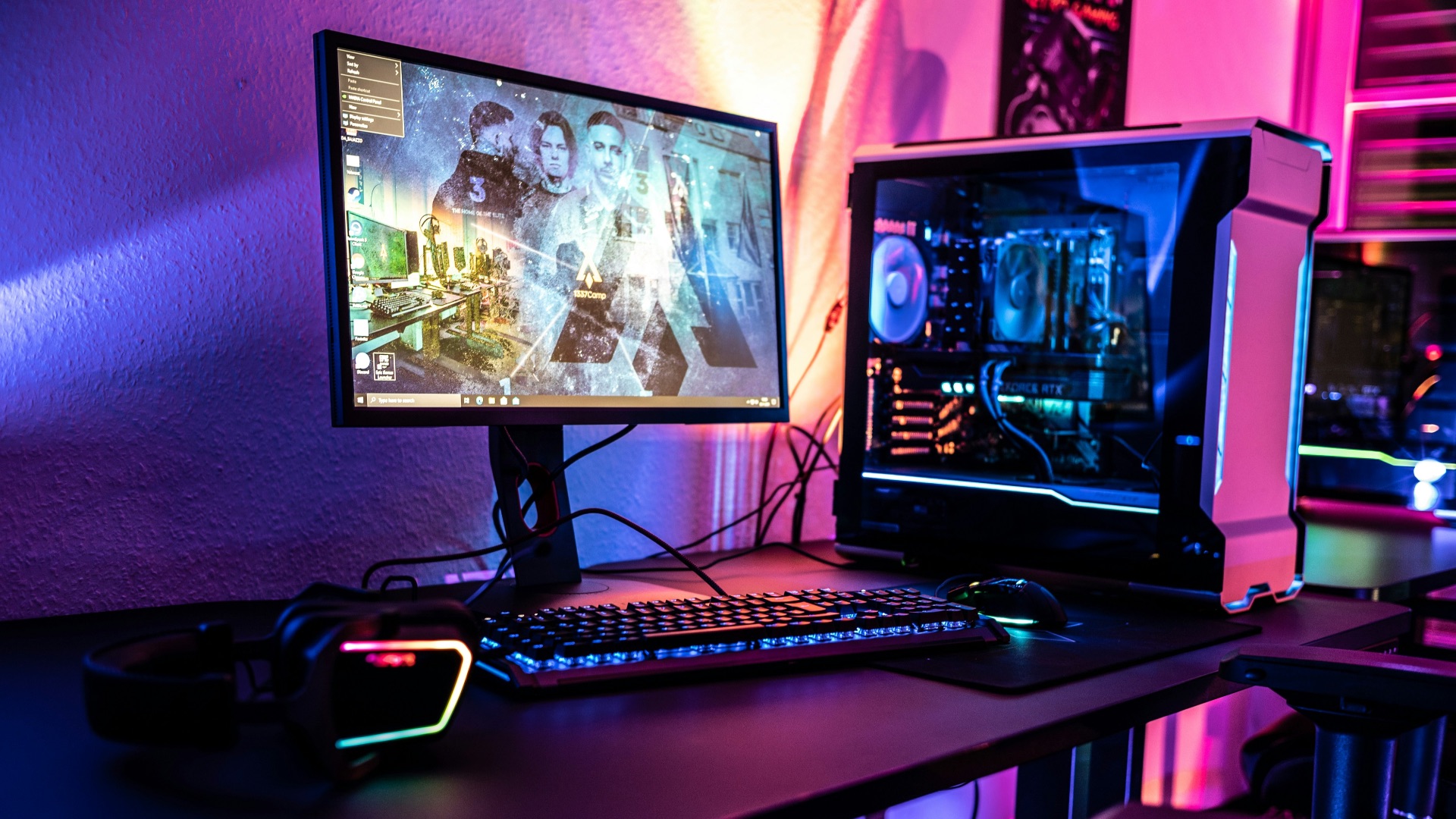
A conversation about gaming hardware can go from zero to overwhelming in seconds with a hardcore gamer. CPUs, frame rates, refresh rates, and GPU benchmarks get rattled off like everyone in the room is well-versed with the jargon. For the non-technically inclined, these conversations feel less like sharing enthusiasm and more like sitting through a computer science lecture.
18. Neglecting Physical Health
Extended gaming sessions don't exactly encourage movement, hydration, or balanced meals. It's not uncommon for a dedicated gamer to look up from the screen hours later and realize they haven't eaten a real meal, stretched, or gotten up in an alarmingly long time. Gamers themselves might think this is normal, but it really isn't.

19. Gaming During Social Events
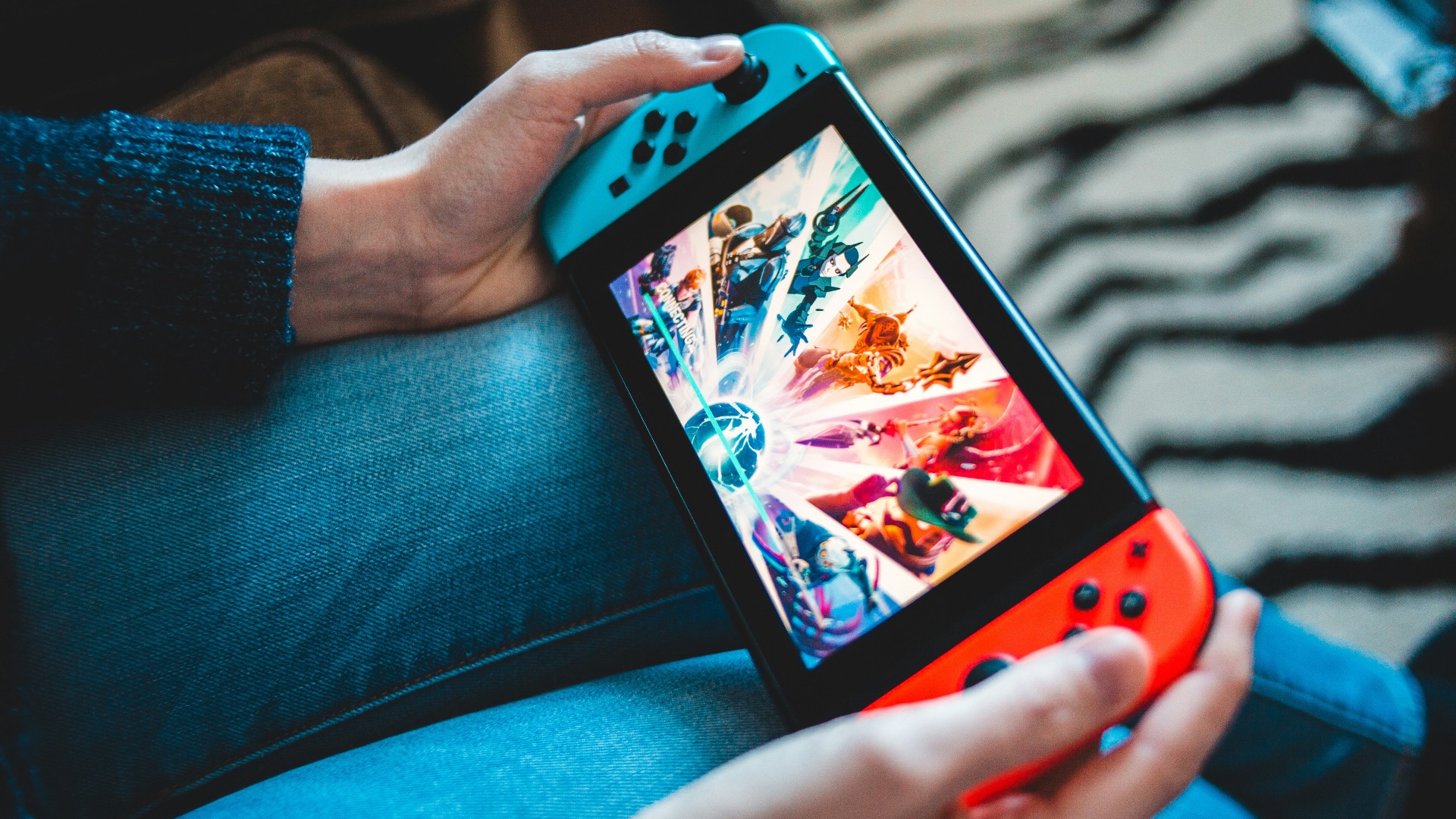
Gamers might not think this way, but anyone else would know it's pretty rude to pull out a handheld console or game on your phone during a family gathering or social event. It sends a clear message that everyone else ranks below whatever's on the screen, which isn't a good feeling.
20. Turning Gaming Into Your Entire Personality
Gaming is a hobby, but some people treat it like it's their whole identity. Every story, every opinion, and every interest somehow loops back to their life as a gamer, leaving very little room for conversations about anything else. There's nothing wrong with loving games, but when it crowds out everything else, it can be kind of annoying.