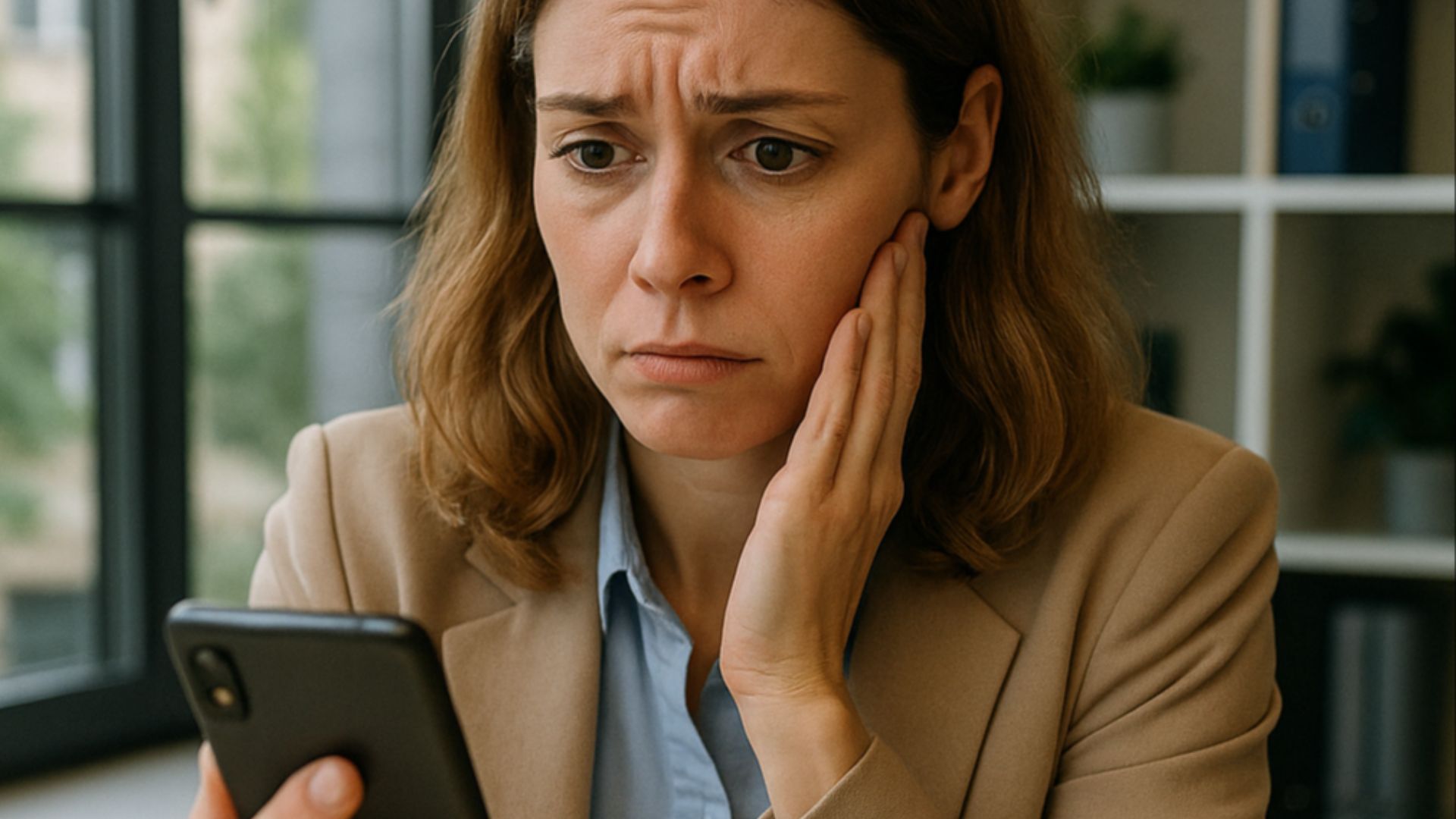
You might not have been able to tell from the first glance, but the header image of this article is AI-generated. Upon closer inspection, you'll probably only now see the differences, whether it's in the woman's expression, the folds of her clothes, or the background behind her. But what if we now told you that it isn't AI-generated and it is a real woman? Would you believe us then?
With AI on the rise, it's become more and more challenging to tell apart what's real and what isn't. Photos, videos, and even the voices of our friends and family can be cloned and made hyperrealistic. Even scarier is the fact that it's only taken AI about two-to-three years to get to this stage, and there's so much more waiting on the horizon. What does this mean for us? What happens when we can no longer recognize our reality?
Realistic Photos of People Who Don't Exist
If you've come across photos generated by AI that have come up on your social media feed, you'll know exactly why the whole thing feels so mind-boggling. Reality is starting to blur. Just a few years ago, you could easily tell between what was AI or not, such as the famous example of Will Smith eating spaghetti. AI-generated videos created in 2023 were instant memes because they looked so absurdly fake. People had extra fingers. Then they had extra limbs. They went through doors and disappeared in certain frames. Sometimes, they even morphed into a whole different person. But now? It hasn't even been three years since the viral Will Smith spaghetti example, and yet, the playground has changed completely. Now, people are having trouble telling apart real human beings from AI-generated ones.
Case in point: Google's Nano Banana Pro. Since the new update, images generated by the AI have fooled countless people on social media, so much so that you may only ever know that something is AI if it has a SynthID—a digital watermark—embedded into the image. To find if a photo has it, though...you have to use AI.
Familiar Voices
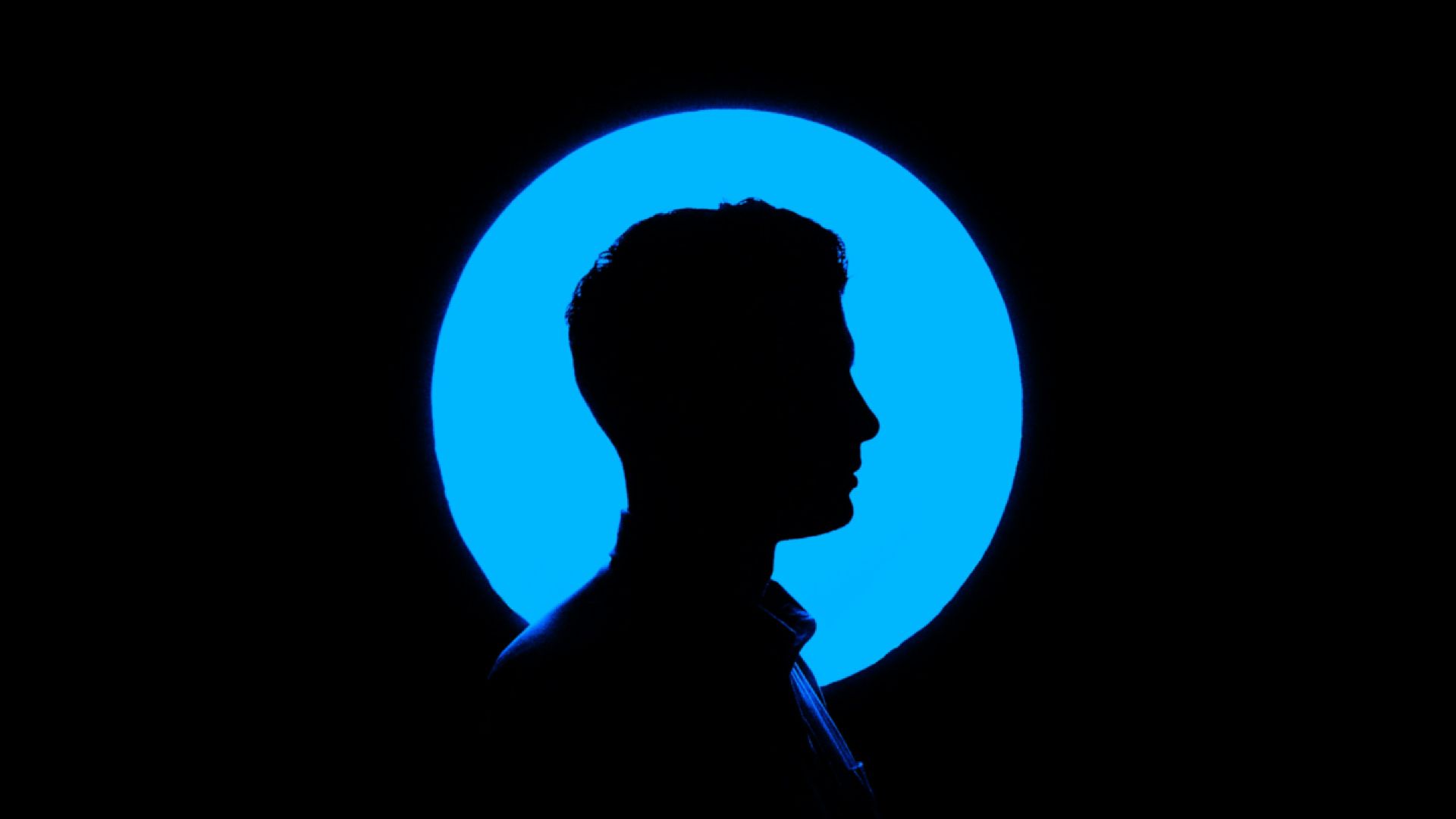
But realistic AI-generated photos and videos aren't the only thing that have been frightening people. It's the voices, too—the ones that mimic exactly how our loved ones sound like. With AI tools on the rise, and with how advanced they've gotten, scammers can now use them to clone your friends' and family members' voices perfectly. The only way you might know that they're not who you think they are is by dialling their number directly.
It's unsettling to think about, but a future where AI can clone a person completely is no longer an impossible feat. These tools can already generate hyperrealistic photos and videos. They can mimic how we talk, how we sound, how we laugh, how we cry. How long until they become us?
The Death of Creativity
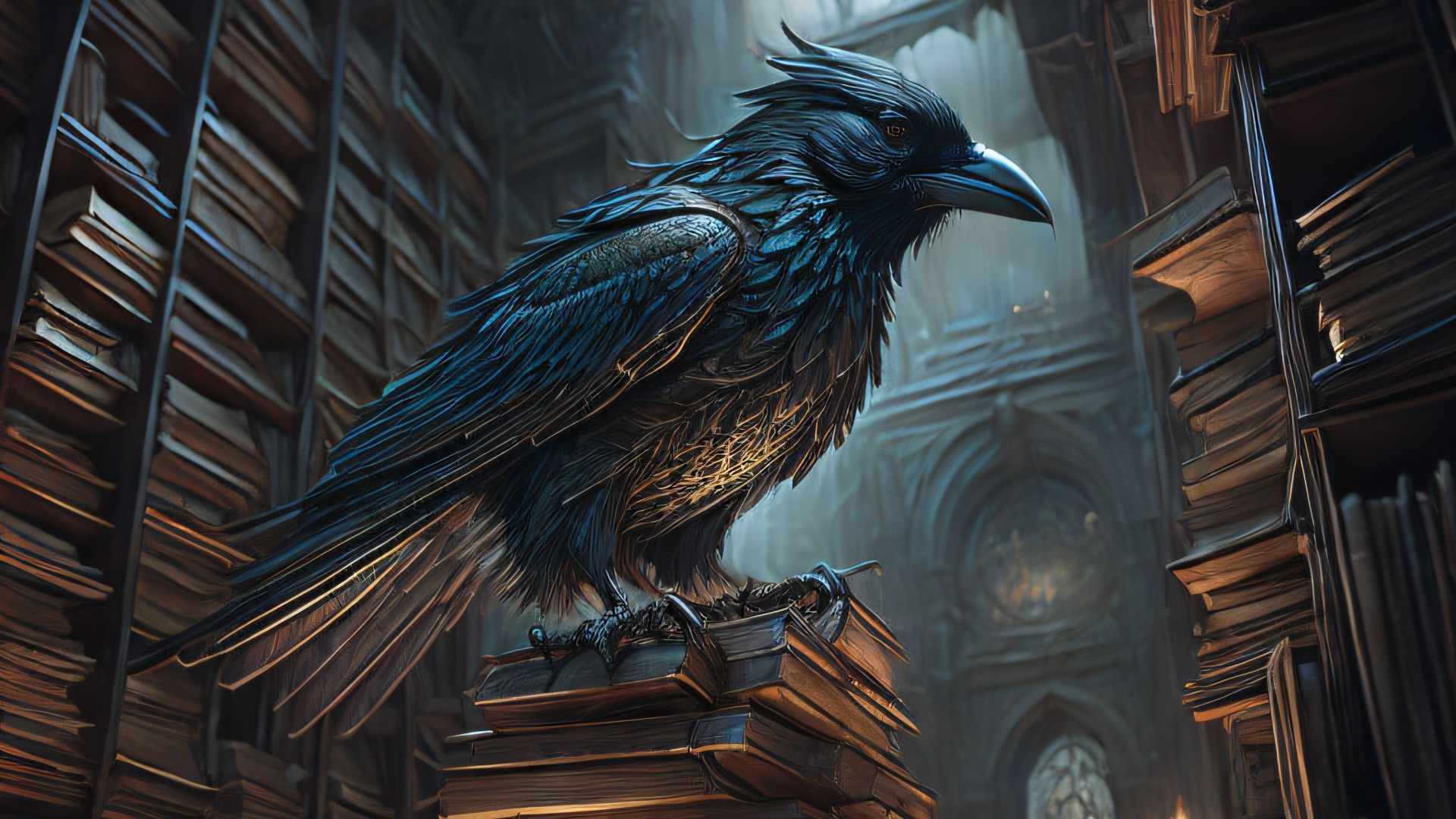 Prototyperspective on Wikimedia
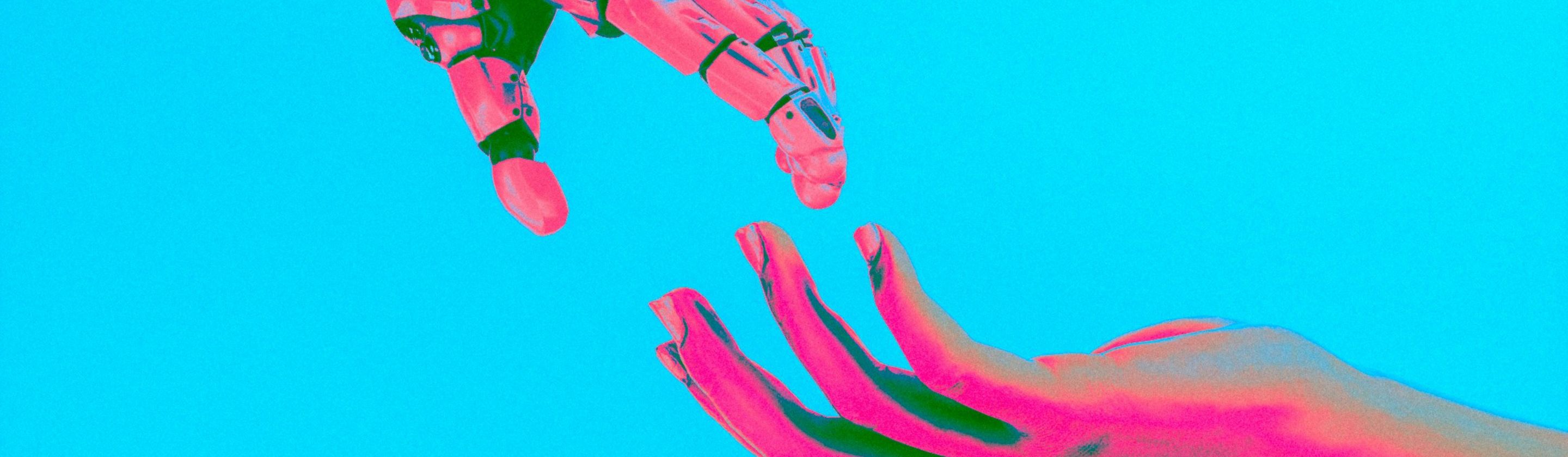
AI isn't just attacking our sense of identity, either. It's also attacking our creativity. How many times have you come across a song that had no real artist, because it was purely generated by AI? How many times have you been fooled into thinking a beautifully painted portrait was painstakingly drawn by an actual creator, only to realize it was AI? What's stopping you from suspecting whether this article was written entirely by AI?
AI is warping everything we know. Even though some may argue that these tools have made our lives easier, and that we're better with them than without them, it's worth pondering whether it's still worth it when AI takes over completely.
Where Do We Go from Here?
If there's one thing we might be able to take comfort in, it's the fact that AI isn't conscious. AI can mimic well, but what it spits out is purely based on the inputs we give it. Of course, it's hard to say or predict how much more advanced the technology will get, considering it has only taken two years for AI content to turn from memeable to hyperreal.
Where do we go from here? As AI tools get better, it's important to stay informed to keep you and your loved ones safe. This means, however uncomfortable, you'll need to actively study AI-generated media and content so you'll be able to pick out the uncanny details. That may perhaps be the only way to distinguish the difference between it and us.