The Hidden Privacy Risk of Using Your Face to Unlock Everything
Unlocking your phone, signing into your banking app, and authorizing online purchases can now be done without typing a single character. Facial recognition technology has made many of our everyday digital interactions much more convenient, saving us the trouble of remembering dozens of complicated passwords.
However, before you switch all your passwords to facial recognition, you should know that there's a fundamental difference between using a password and using your face to verify your identity. Unlike traditional login credentials, your facial features are relatively permanent, publicly visible, and increasingly valuable to companies that collect personal information. As facial recognition becomes more commonplace, it's worth taking a closer look at what happens to your biometric data and why you might want to think twice before using it for everything.
Your Face Isn't a Password You Can Change
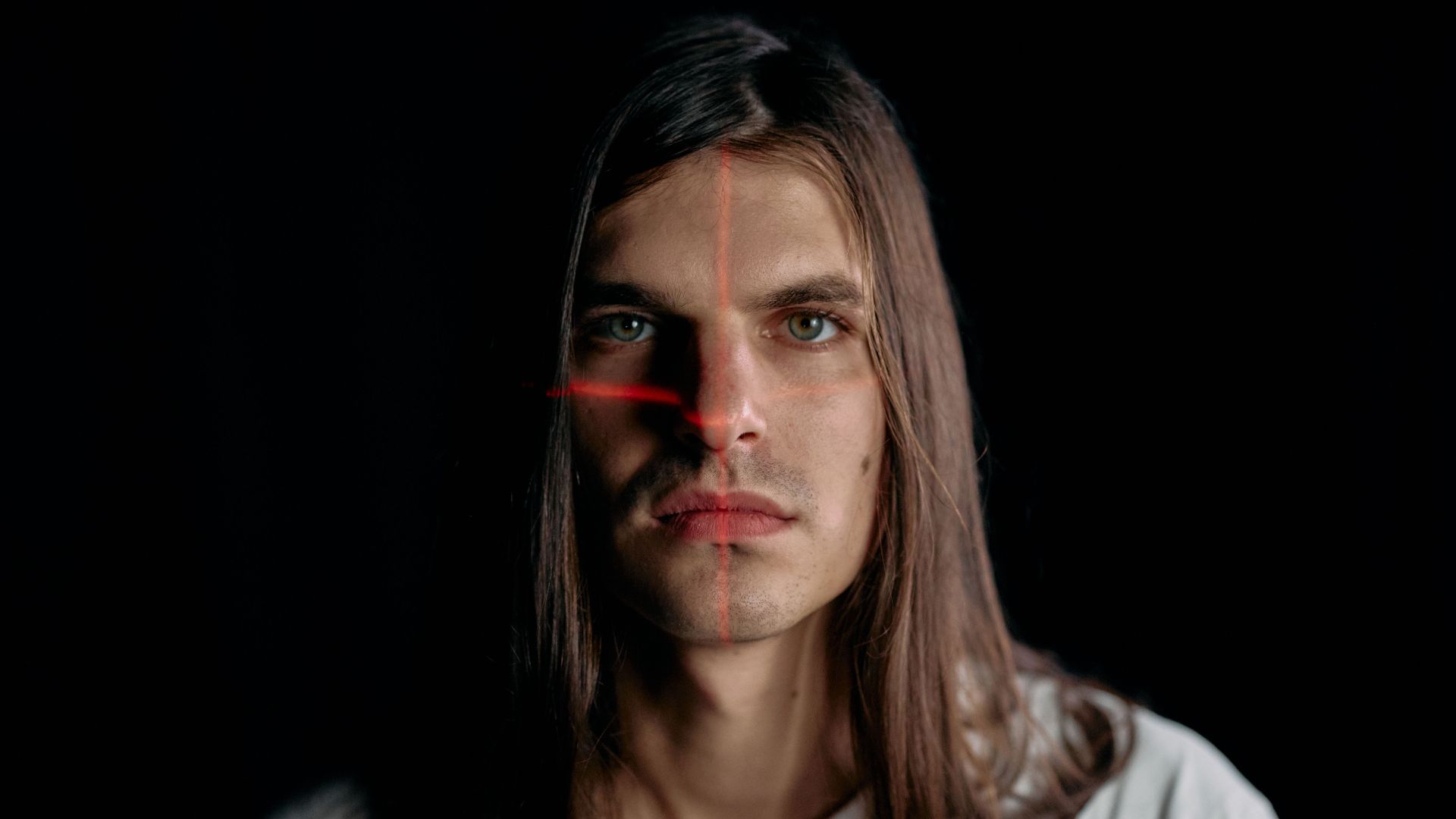
When a company experiences a data breach and your password is compromised, you can usually resolve the problem by creating a new one. Unfortunately, the same can't be said for biometric information, which includes the physical characteristics that make you uniquely identifiable. Facial recognition systems typically convert your facial features into a mathematical representation known as a biometric template, which is then used to verify your identity whenever you attempt to log in.
If a company experiences a security breach involving these templates or the original facial images, affected customers could face a much more complicated situation. Depending on the technology involved, stolen biometric information could potentially be used in fraudulent identity verification attempts. Although some systems allow compromised templates to be replaced, you can't fundamentally change the physical features from which that information was originally derived.
Another important distinction is that your face has never been particularly private in the first place. Between pictures on social media, company websites, and photos uploaded by friends and family, there's a good chance that several images of you are already circulating online. While sophisticated facial recognition systems have safeguards in place to prevent impersonation, less advanced technologies may struggle to distinguish a real person from a photograph or digitally manipulated image.
Not Every Facial Recognition System Protects Your Data Equally
One of the biggest misconceptions surrounding facial recognition is that every company handles biometric information in more or less the same way. Apple's Face ID, for example, encrypts facial recognition data and protects it using a specialized security component within the device itself. When you use Face ID to access a compatible banking application, the app simply receives confirmation that your identity has been verified rather than a copy of your facial data.
Things get a little more complicated when businesses operate their own facial recognition systems, particularly those that require customers to upload selfies or complete video-based identity checks. Depending on the company's policies and technology, facial images or biometric templates may be processed remotely and stored on external servers. Even if you trust the business you're dealing with, you might know very little about the third-party technology providers responsible for handling that information.
There's also the question of what companies might eventually do with the biometric information they've collected. Facial data initially gathered for identity verification could potentially be used for other purposes, depending on applicable privacy laws and the permissions customers have granted. The Federal Trade Commission has warned that biometric technologies can raise significant privacy concerns, particularly when they're used to identify people in sensitive locations or gather information about their activities.
As facial recognition becomes more commonplace in hotels, airports, workplaces, and retail environments, consumers may find themselves giving away increasingly personal information in exchange for fairly minor conveniences. Saving a few seconds when checking into a hotel might not seem quite as worthwhile if the company intends to keep your biometric information long after you've checked out. Of course, most people aren't particularly inclined to read through a lengthy privacy policy when they're simply trying to get on with their day.
How to Enjoy the Convenience Without Sacrificing Your Privacy
None of this means you need to immediately disable facial recognition on your smartphone and go back to typing in your passcode every time you want to check a notification. Well-designed, device-based biometric authentication can offer excellent security while reducing the chances of someone watching you enter your passcode in public. What's more important is being a little more selective about which services you allow to collect your facial information directly.
Before registering your face with a new service, it's worth finding out whether the information stays on your device, how long it's stored, and whether it's shared with other companies. You should also check whether the business gives you the option to permanently delete your biometric information if you close your account or simply change your mind. If facial recognition is entirely optional and the privacy policy leaves you with more questions than answers, you're probably better off leaving it disabled.
Having alternative authentication methods available is another sensible precaution, especially when it comes to financial accounts and other sensitive information. Strong, unique passwords, password managers, and physical security keys can provide effective protection without requiring more companies to collect your biometric data. It's also worth learning how to temporarily disable facial unlocking on your phone in case you ever find yourself in a situation where someone might try to unlock it without your consent.
While facial recognition isn't inherently bad for your privacy, becoming a little too comfortable with it can be. There's a significant difference between using a securely stored facial template to unlock your own smartphone and giving dozens of unrelated businesses permission to collect and retain images of your face. Convenience is certainly worth appreciating, but not every task needs to be accomplished with a glance.