Your Face Is the New Key Ring
It wasn't all that long ago that unlocking your phone with your face felt futuristic. Now, the same technology is being used to unlock cars, get through border crossings, and even dispense toilet paper in a Beijing public restroom. Most of these applications are still being tested or offered as an alternative, so don't throw away your keys just yet. Here are 20 things we could be unlocking with our faces by 2040, all of which are already being done somewhere today.
1. Your Front Door
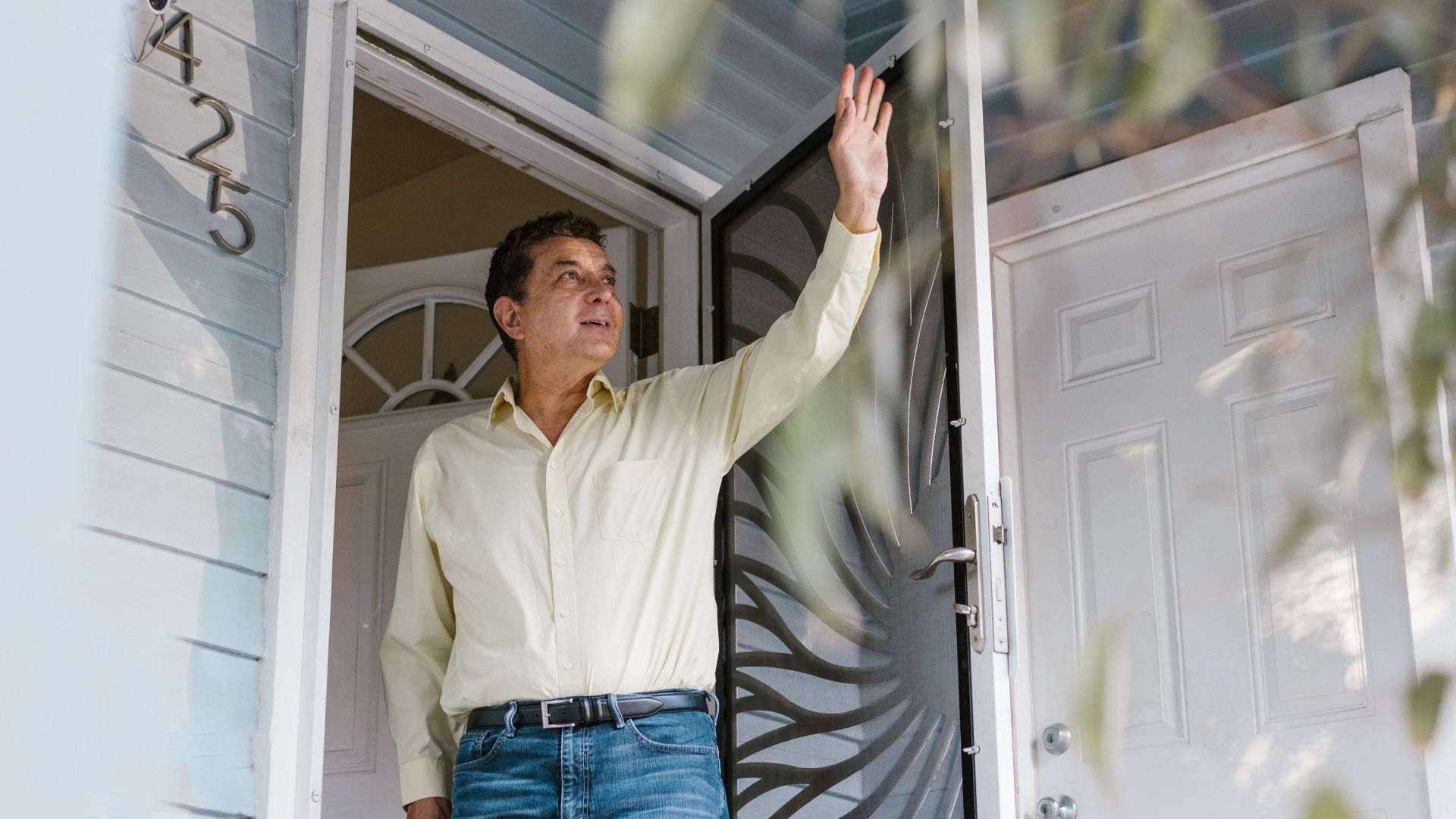
Imagine coming home with both arms full of groceries and not having to put anything down to find your keys. Smart locks that recognize their owner's face are already on the market, and some store that information on the lock itself rather than sending it to the cloud. Most still come with a keypad or a physical key in case something goes wrong.
2. Your Car
Some cars already let you unlock the driver's door just by looking at a small camera built into the side of the vehicle. Infrared technology means it works after dark, too. The car can even recognize different members of the household and adjust the driver's seat accordingly. It would certainly make a trip to the beach easier without having to worry about where to leave your keys.
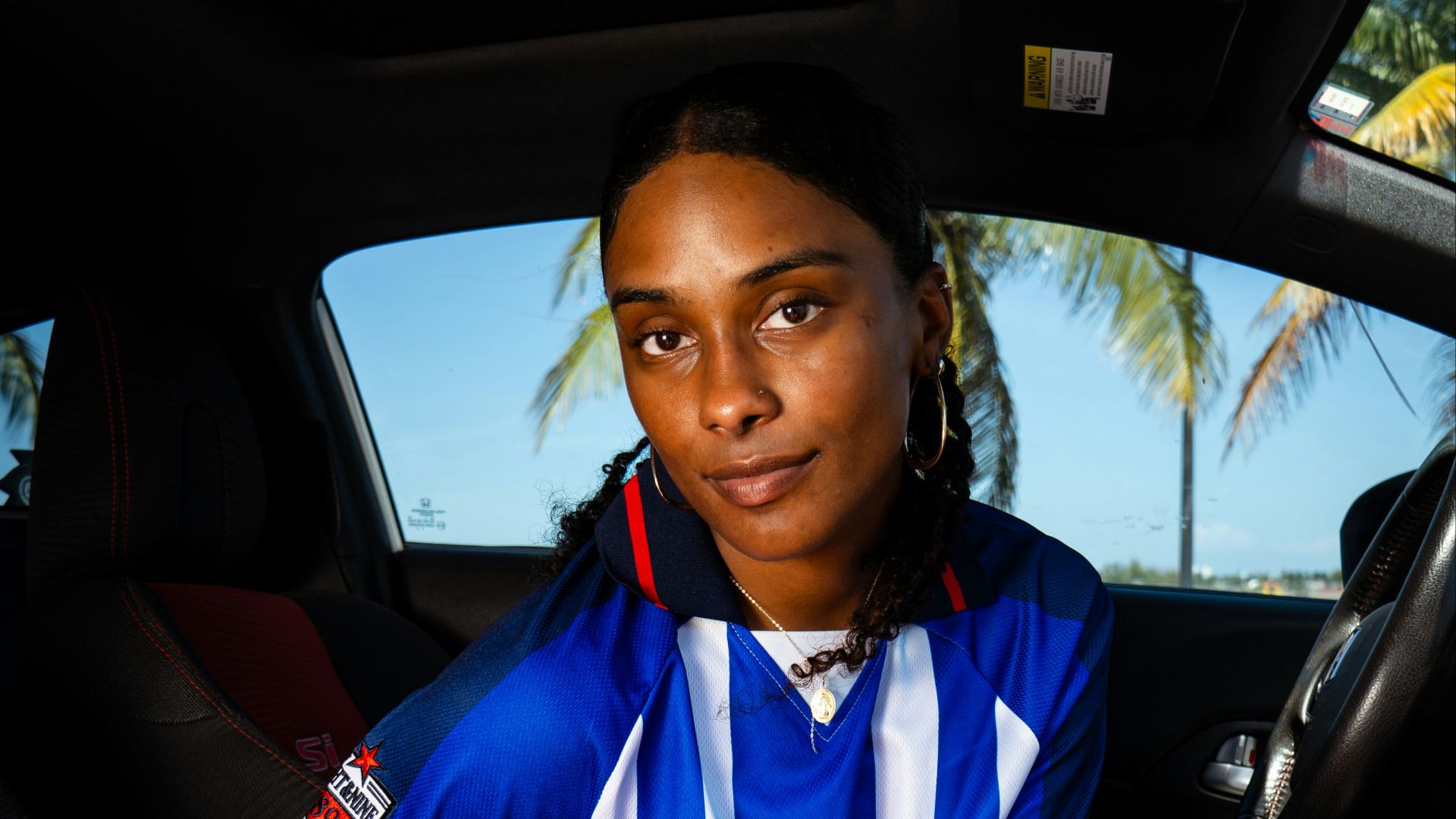 Moses Malik Roldan on Unsplash
3. Your Apartment Building
In parts of Shanghai, residents can get into their apartment buildings by looking at a camera beside the entrance. A few seconds later, the door clicks open. It's convenient for anyone who's ever misplaced their building access card, although not all residents have been happy about handing over their facial data just to get into their own homes.

4. Your Office Turnstile
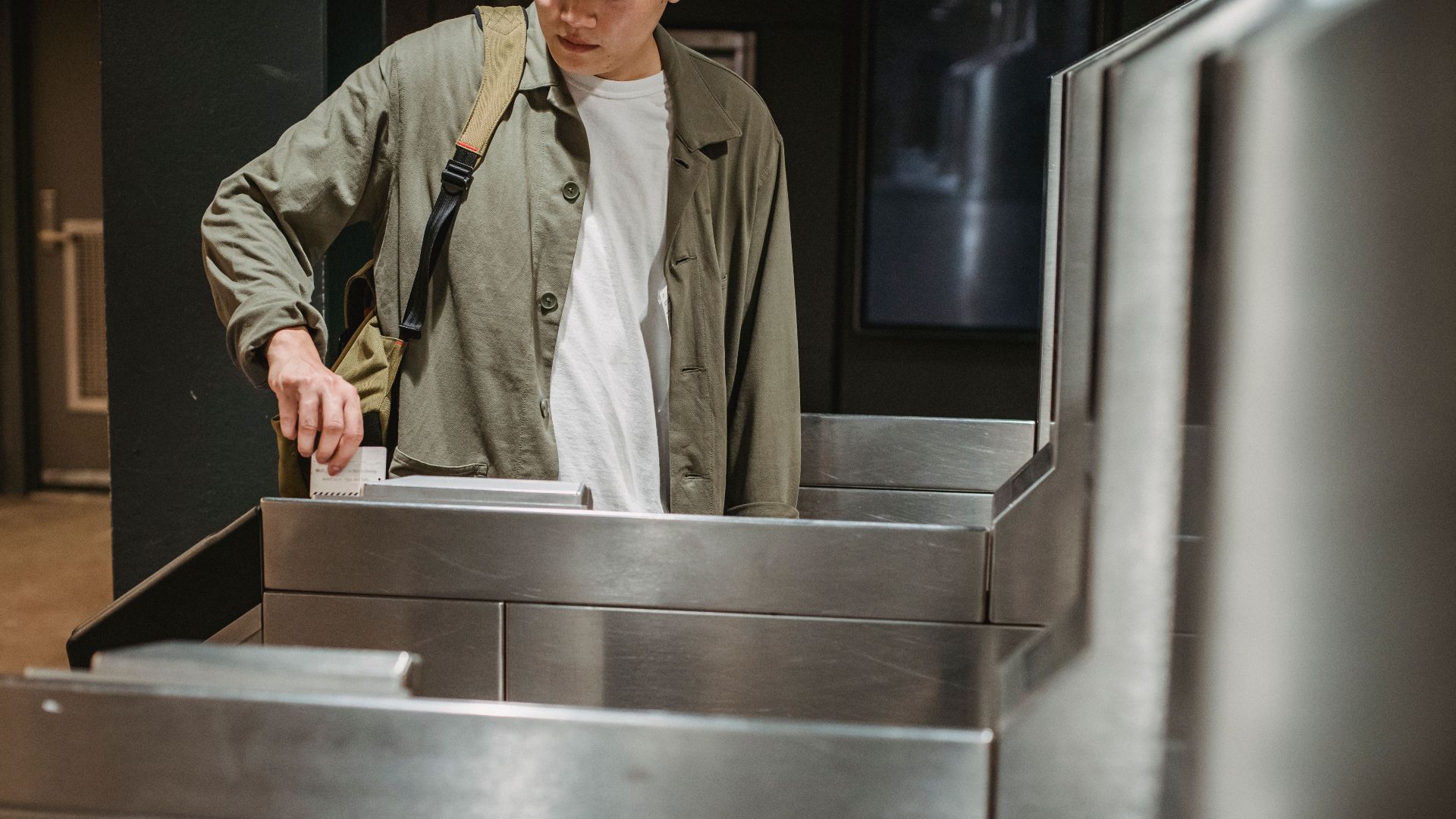
Several New York office buildings already give employees the option of using their faces instead of an access badge. In some buildings, around 40% of workers have taken them up on it. The technology can work alongside existing card readers, so companies don't necessarily have to overhaul the entire building to introduce it.
5. The Elevator
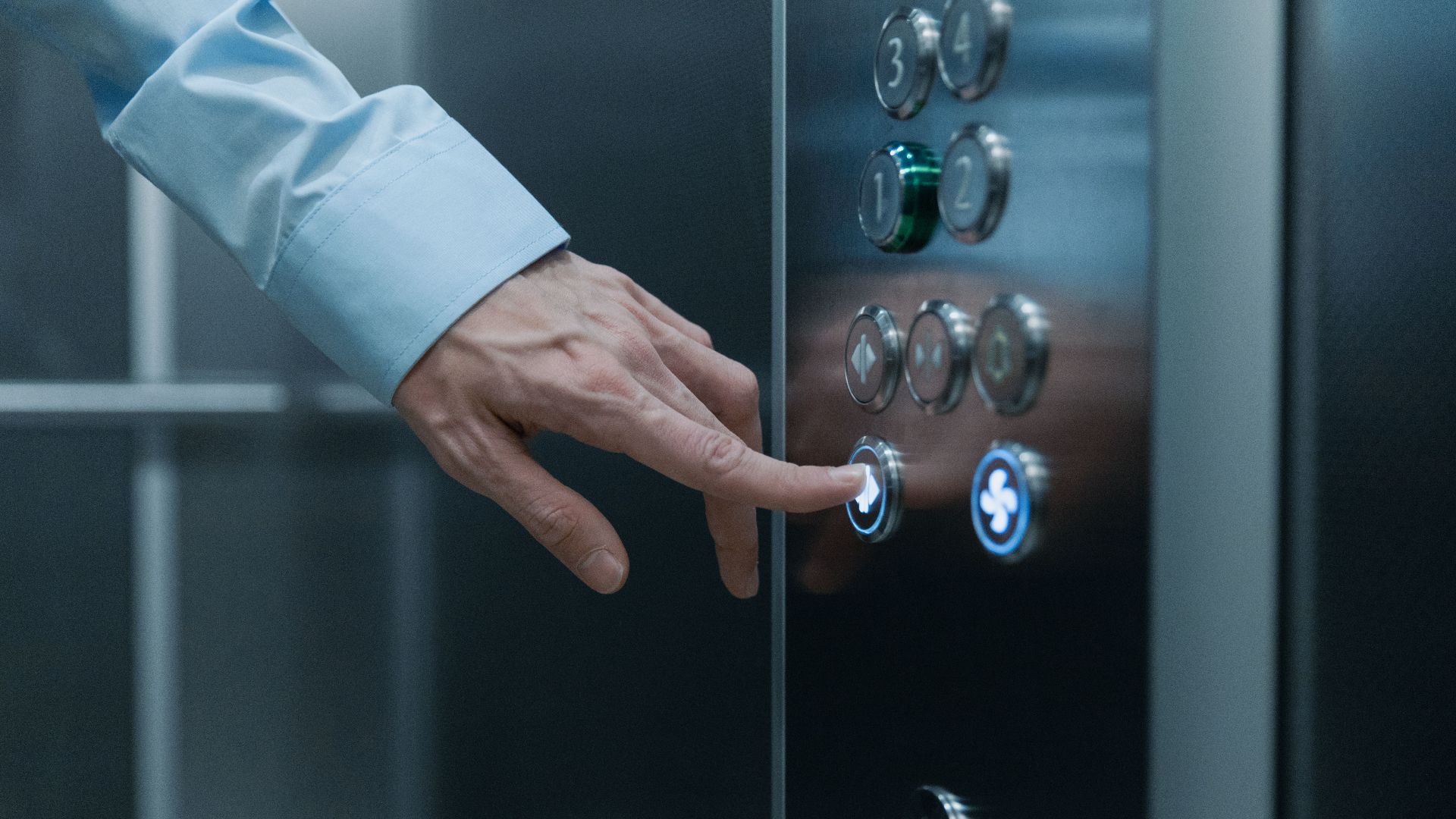
At an office complex in Budapest, the elevators know which floor you're going to before you've even stepped inside. The facial recognition system at the entrance passes that information along and calls an elevator for you. Eventually, getting from the sidewalk to your desk could involve very little more than walking through the building.
6. Your Hotel Room
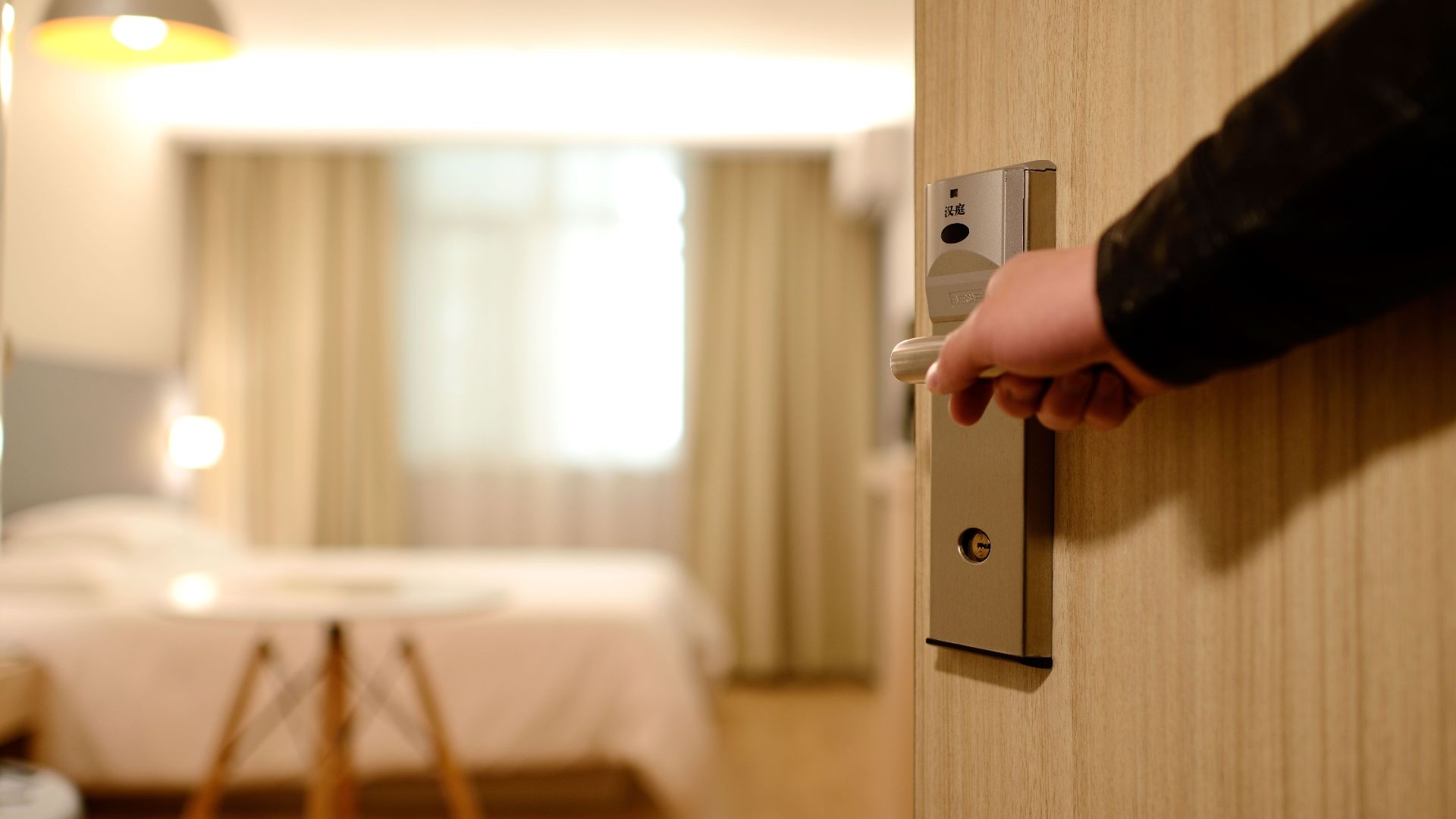
Forgetting your hotel key card on the way down to breakfast might eventually be a thing of the past. A hotel in Hangzhou, China, already lets guests access their rooms and operate the elevators with their faces. Guests can even have purchases added to their room bill the same way.
7. Your Gym
Gyms have a fairly practical reason for adopting facial recognition. Membership cards get lost, and sometimes they get passed around among friends. Some facilities have replaced their key fobs with cameras at the entrance, letting members walk straight in without having to stop at the front desk or fish around in their gym bags.

8. Airport Bag Drop and Security
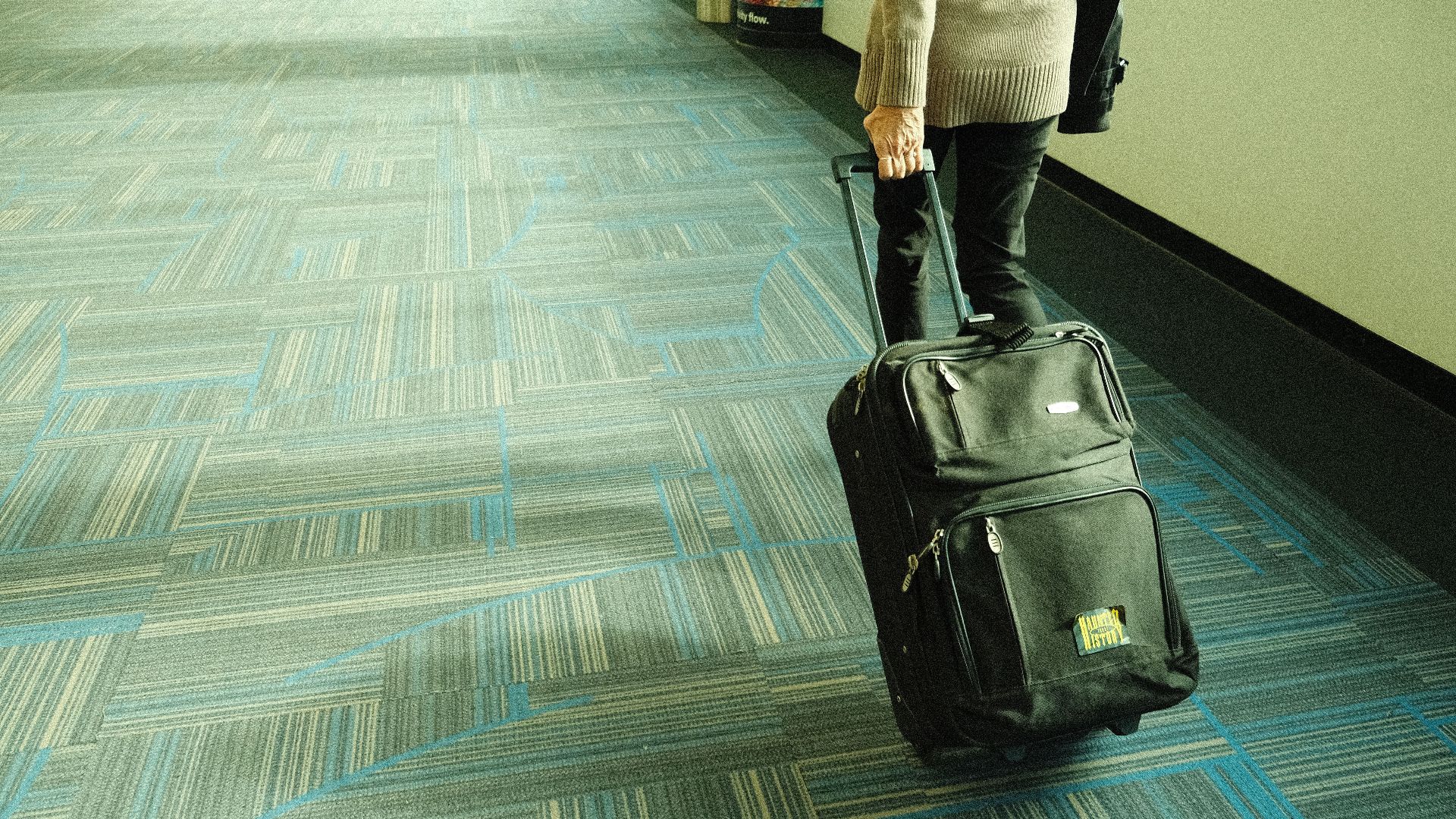
Getting through an airport involves showing the same identification surprisingly often. Some American airports now let enrolled travelers check their bags and pass through certain security lanes by looking into a camera. A bag drop that would normally take two minutes can be done in around 30 seconds.
9. International Borders
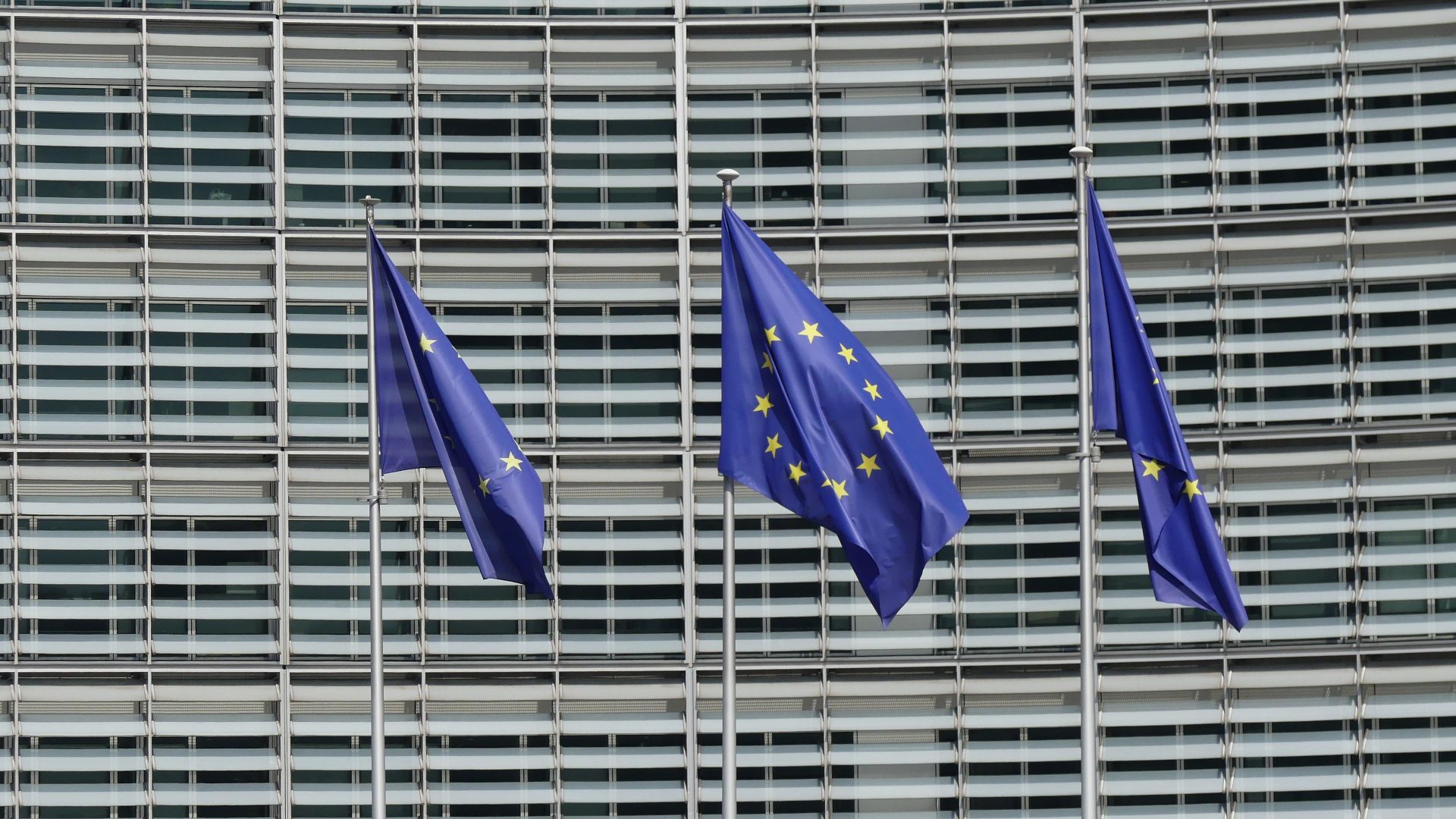
The European Union has begun replacing traditional passport stamps with electronic records for non-EU visitors making short trips into the Schengen Area. Travelers register their facial image and fingerprints on their first visit under the system, making subsequent identity checks simpler. You'll still need your passport, but there may be considerably less flipping through its pages.
10. Subway Turnstiles
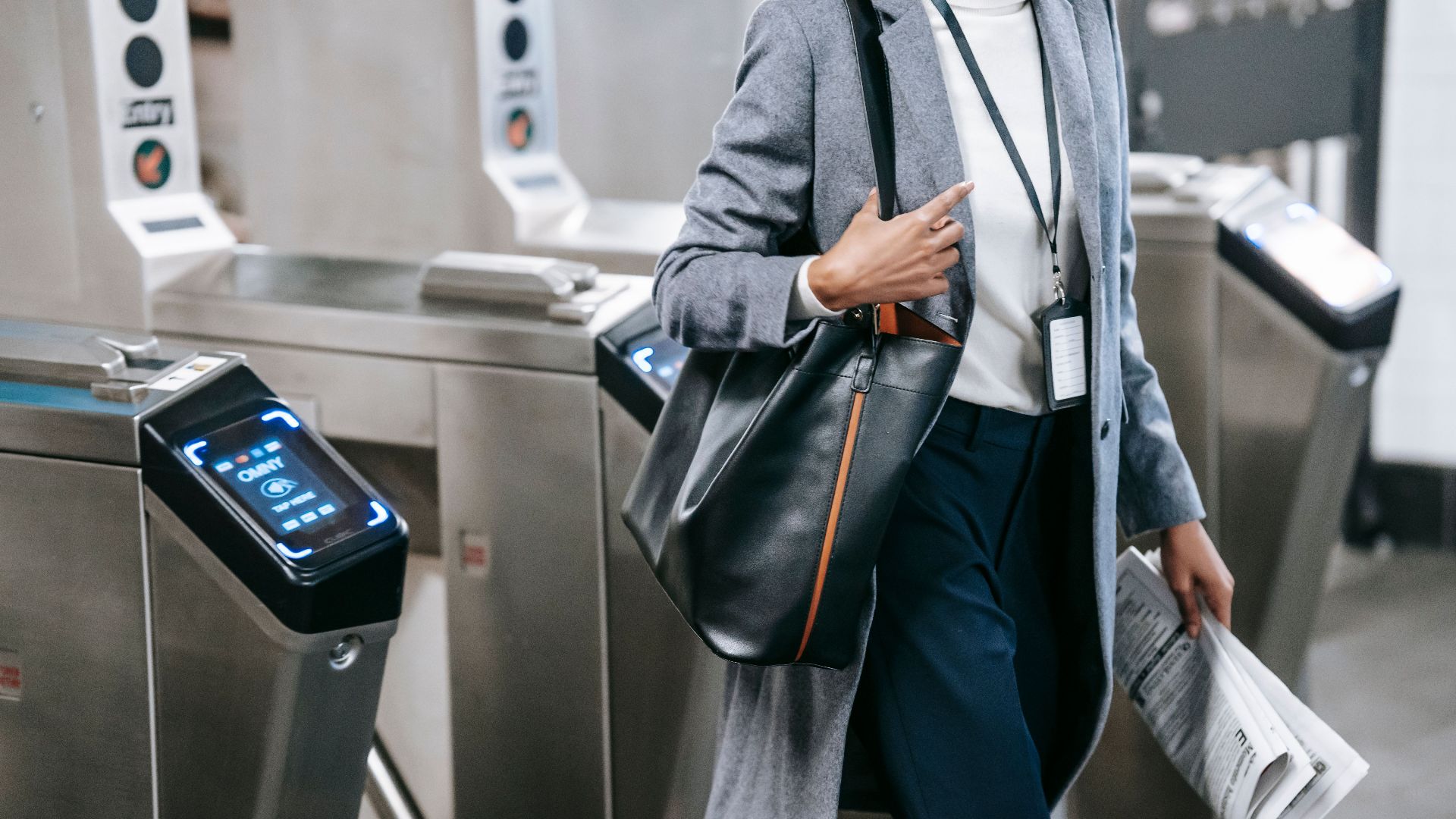
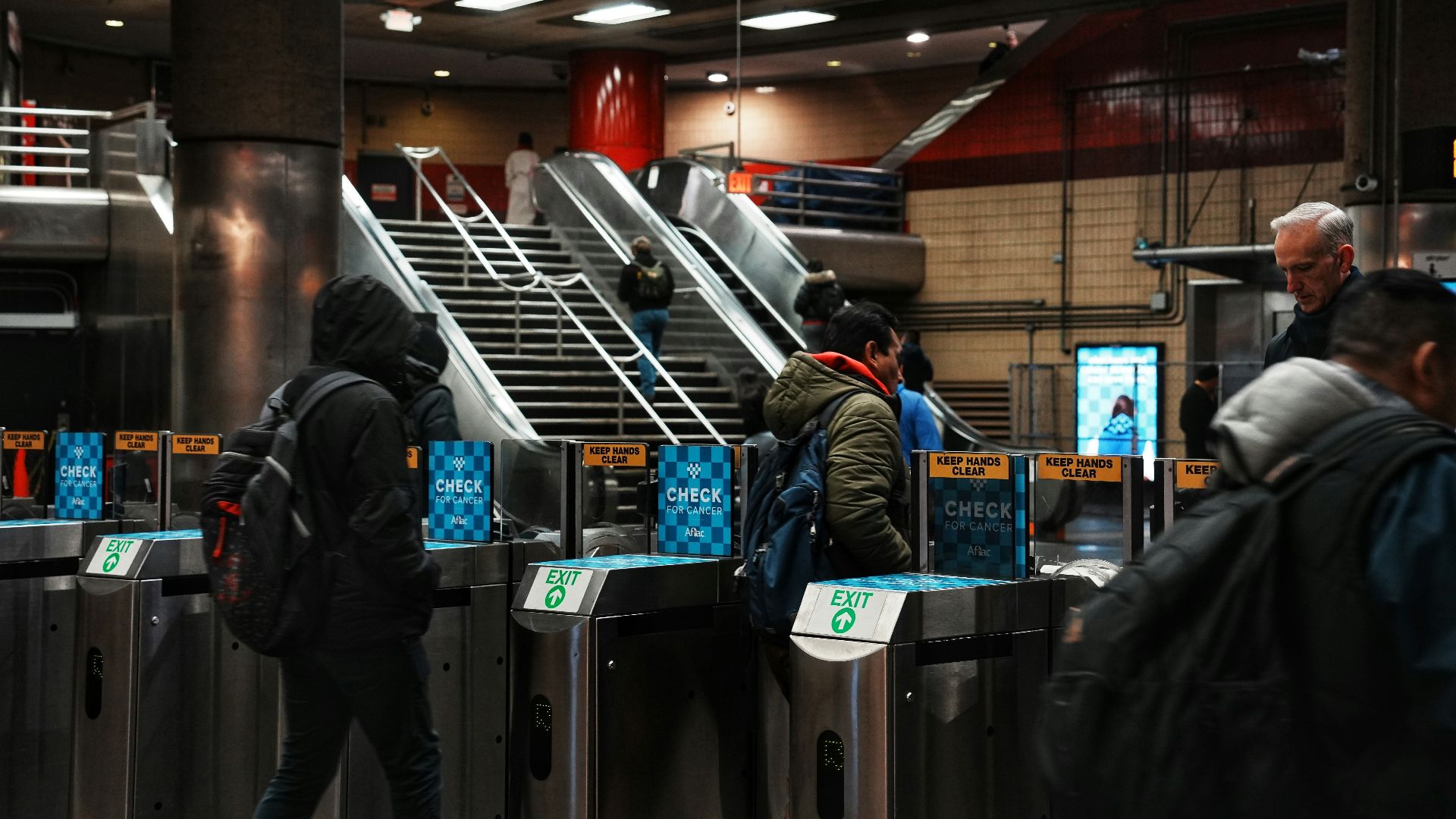
Commuters in Moscow have been able to pay for subway rides with their faces since 2021. Riders register a photo and link a payment card beforehand, then look at a camera as they approach the turnstile. There's no need to get your phone or wallet out during the morning rush.
11. Ballpark Gates
Getting into a baseball game could soon be as simple as walking through the gates. Several Major League Baseball stadiums already let fans register a selfie ahead of time and enter without showing their tickets. According to the league, these dedicated lanes can move people through considerably faster than traditional ticket scanners.

12. The Snack Bar
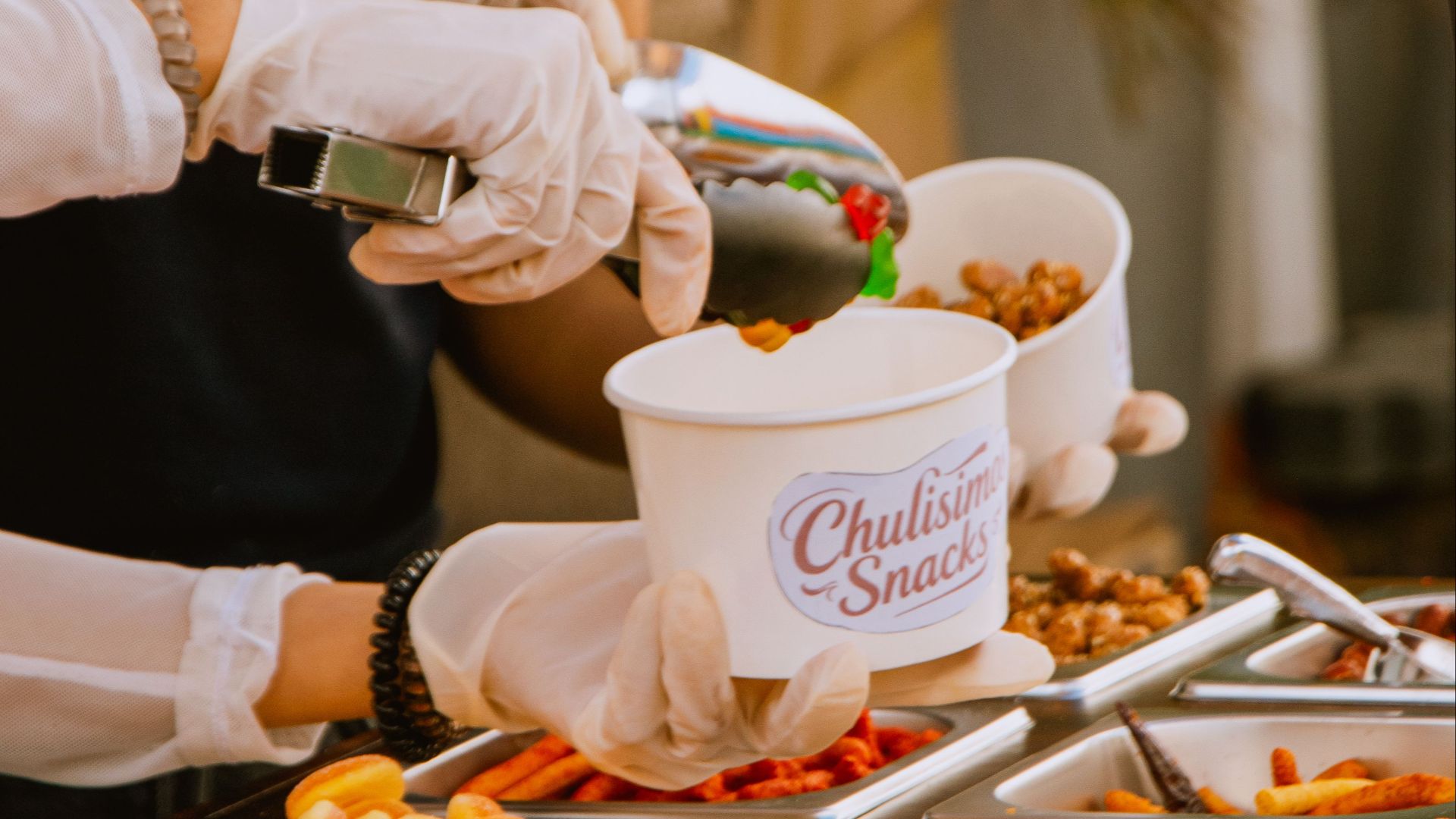
At a basketball arena in California, fans can enter certain concession areas using facial recognition, pick up their food, and walk out without visiting a cashier. The money comes out of a payment card they've linked beforehand. It sounds ideal when you're trying to get back to your seat before the game resumes, provided the technology cooperates.
13. Theme Park Gates
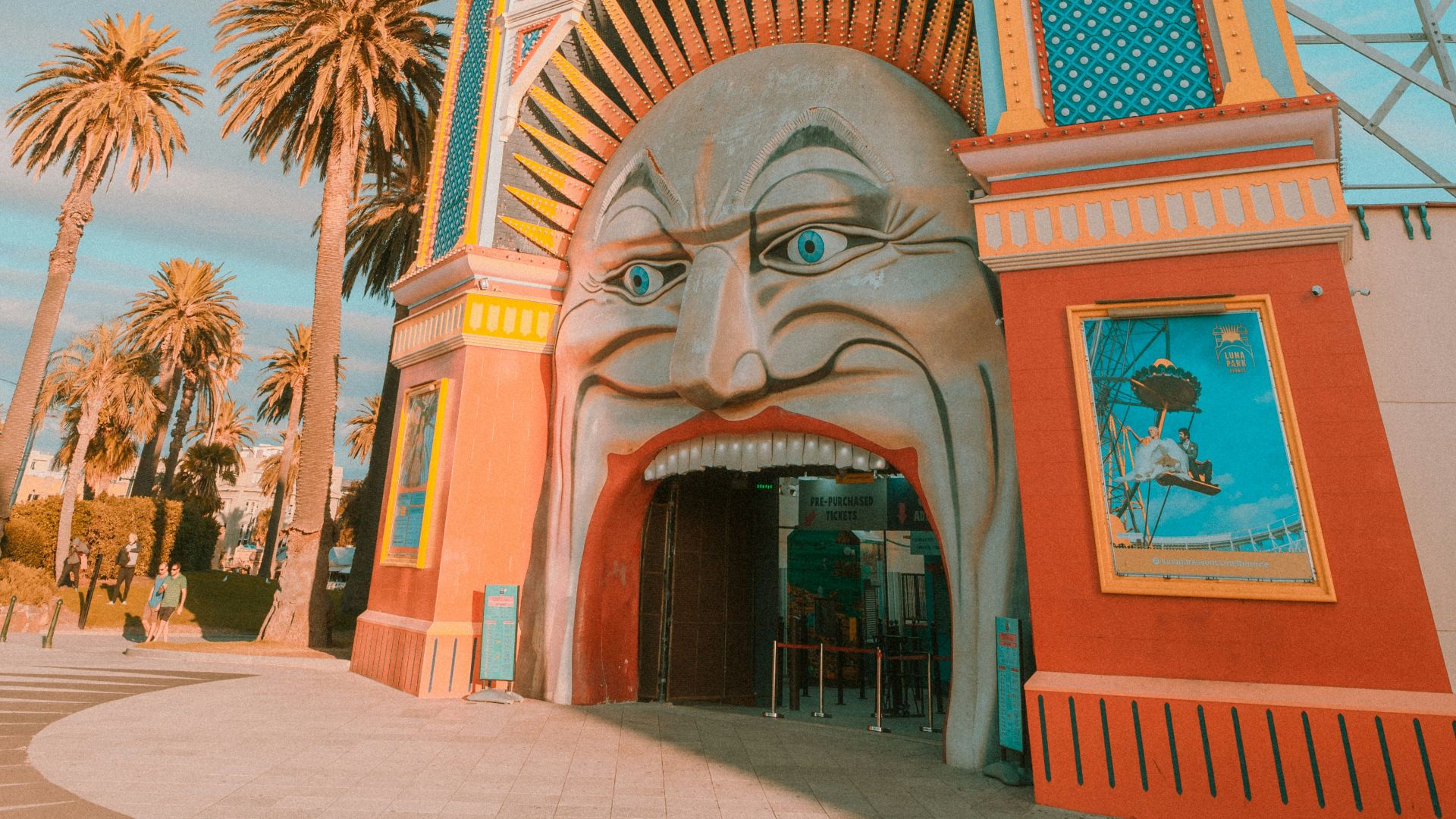
Disneyland has introduced facial recognition at its entrances, matching returning visitors to a photo associated with their ticket. It helps prevent people from sharing passes and makes getting back into the park a little easier. Guests can still opt out, though dedicated lanes without facial scanning have become less common.
14. Cruise Ship Boarding
Nobody particularly enjoys spending the first morning of a vacation standing in a boarding line. Cruise lines have been experimenting with facial recognition since 2017, using selfies submitted before departure to speed things along at the terminal. Similar technology can help passengers get through customs when their vacation is over.

15. The ATM
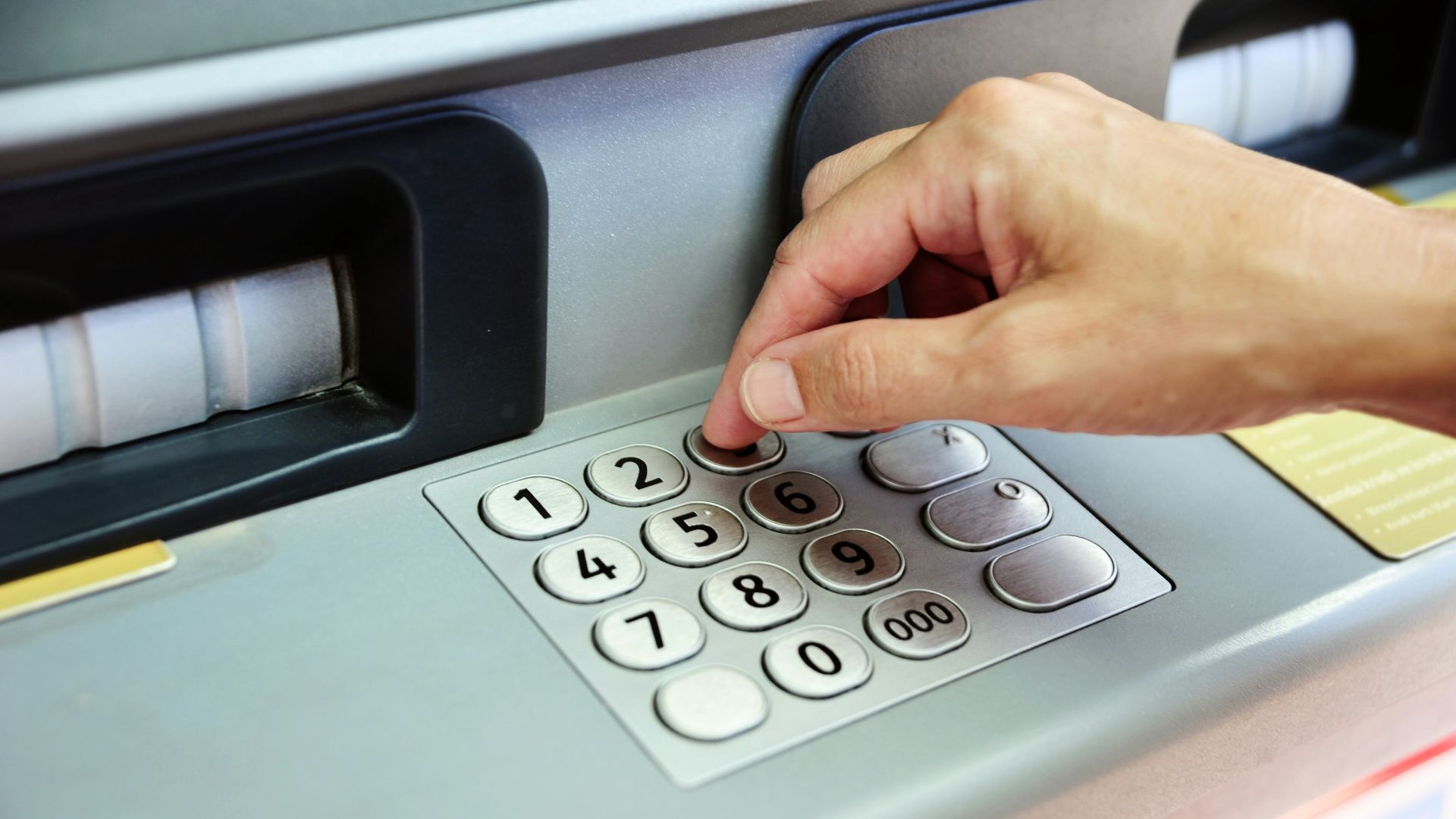
Some ATMs in Spain have been letting customers withdraw money using facial recognition instead of entering a PIN since 2019. A camera verifies the customer's identity before releasing the cash. For anyone who has ever stood in front of an ATM trying to remember four digits, there's an obvious appeal.
16. The Restaurant Checkout
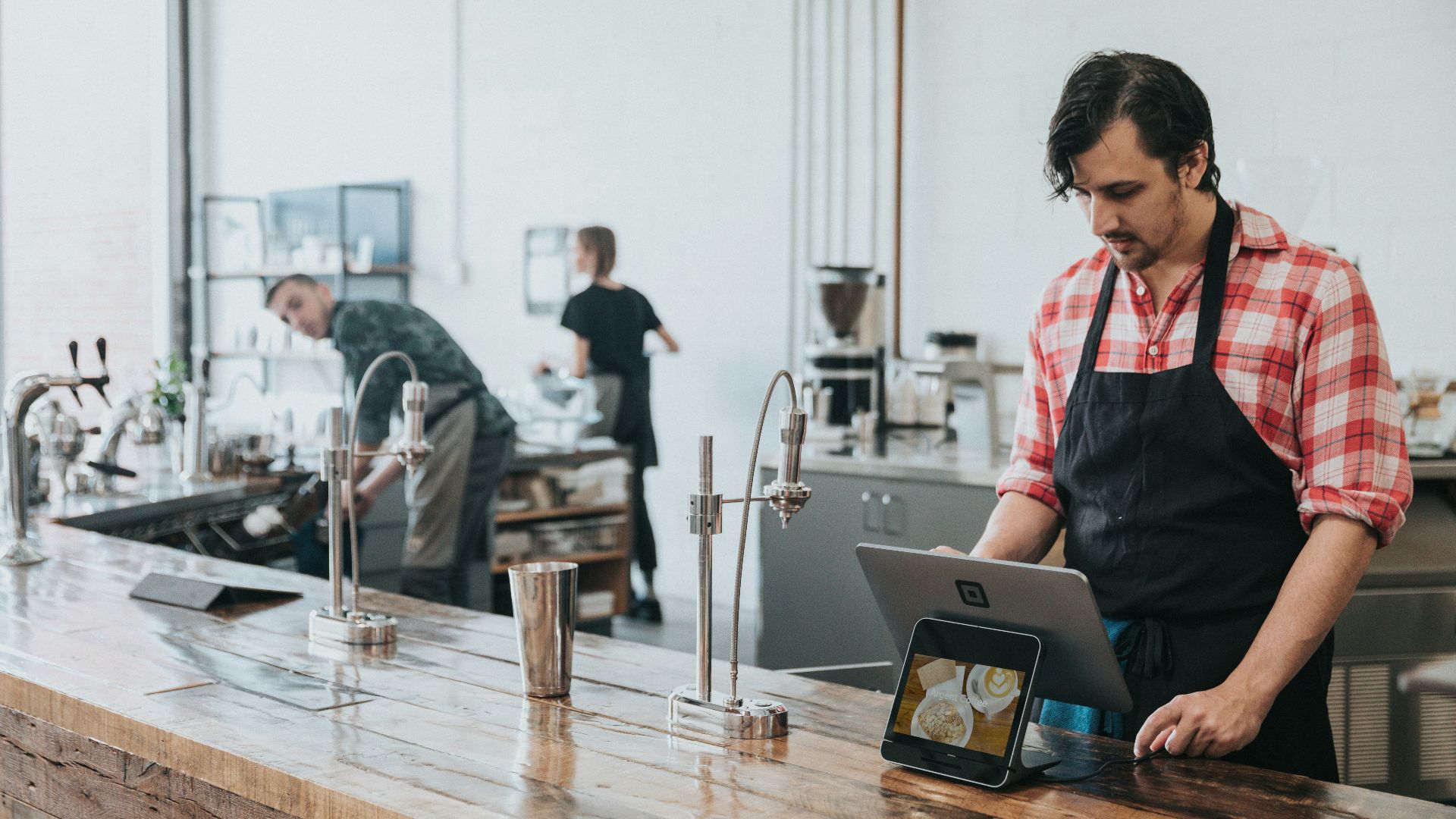
You might eventually be able to leave your wallet and phone at home when you go out for lunch. Some restaurants already let customers link a payment card to their face and settle the bill by looking into a camera at the checkout. The catch, of course, is that getting a new credit card after a data breach is considerably easier than getting a new face.
17. Your Online Accounts
You may already be doing this without giving it much thought. Passkeys let people sign into websites and apps using the same facial recognition they use to unlock their phones. As more websites adopt the technology, remembering which variation of your usual password you used for a particular account could become less of an everyday frustration.
18. Your Rideshare Driver App
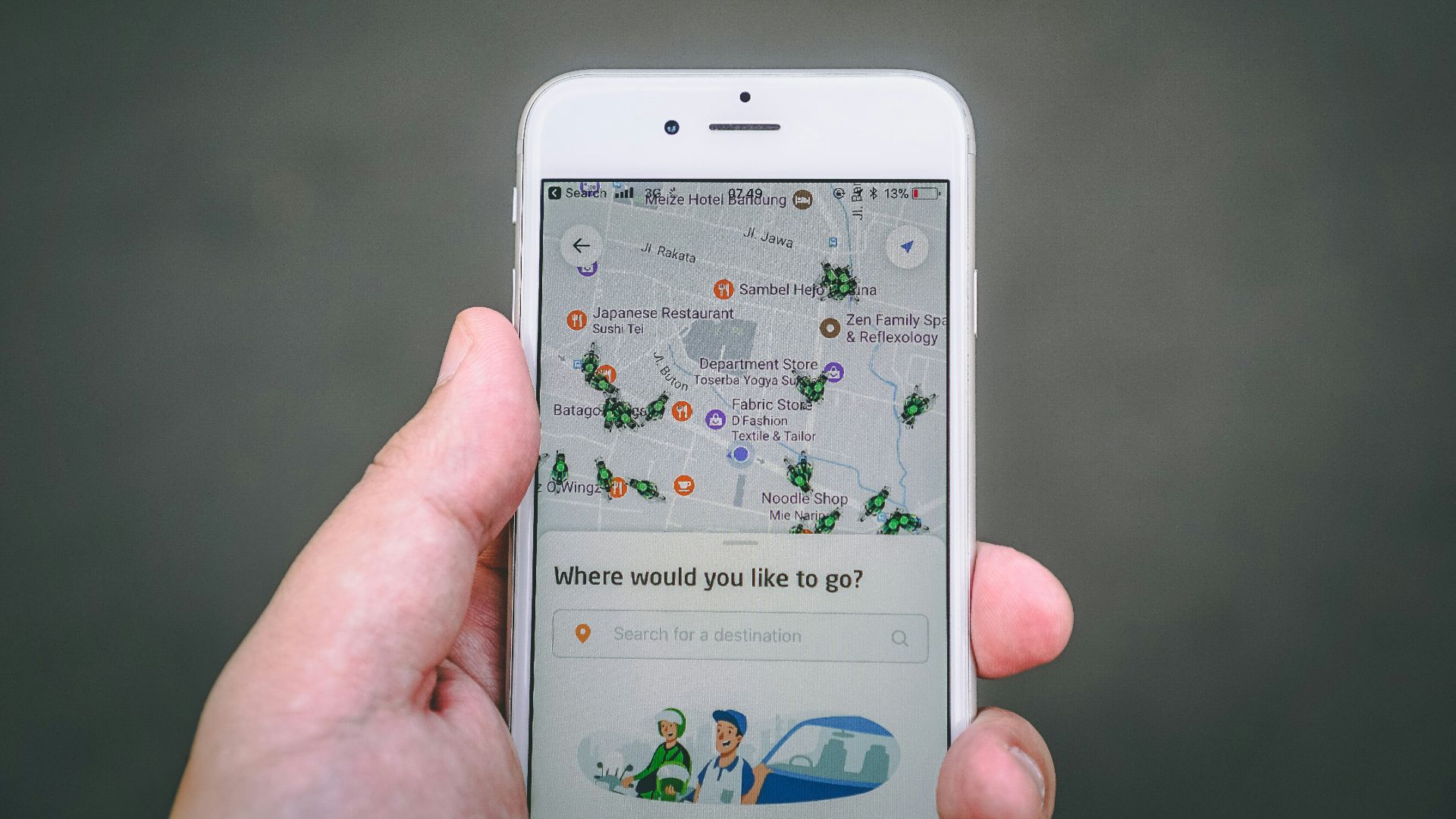
Rideshare companies want to know that the person behind the wheel is actually the person registered to drive. Some have been asking drivers to take occasional selfies before accepting passengers for years. If the photo doesn't match the account, the driver may temporarily lose access while the discrepancy is investigated.
19. The School Lunch Line
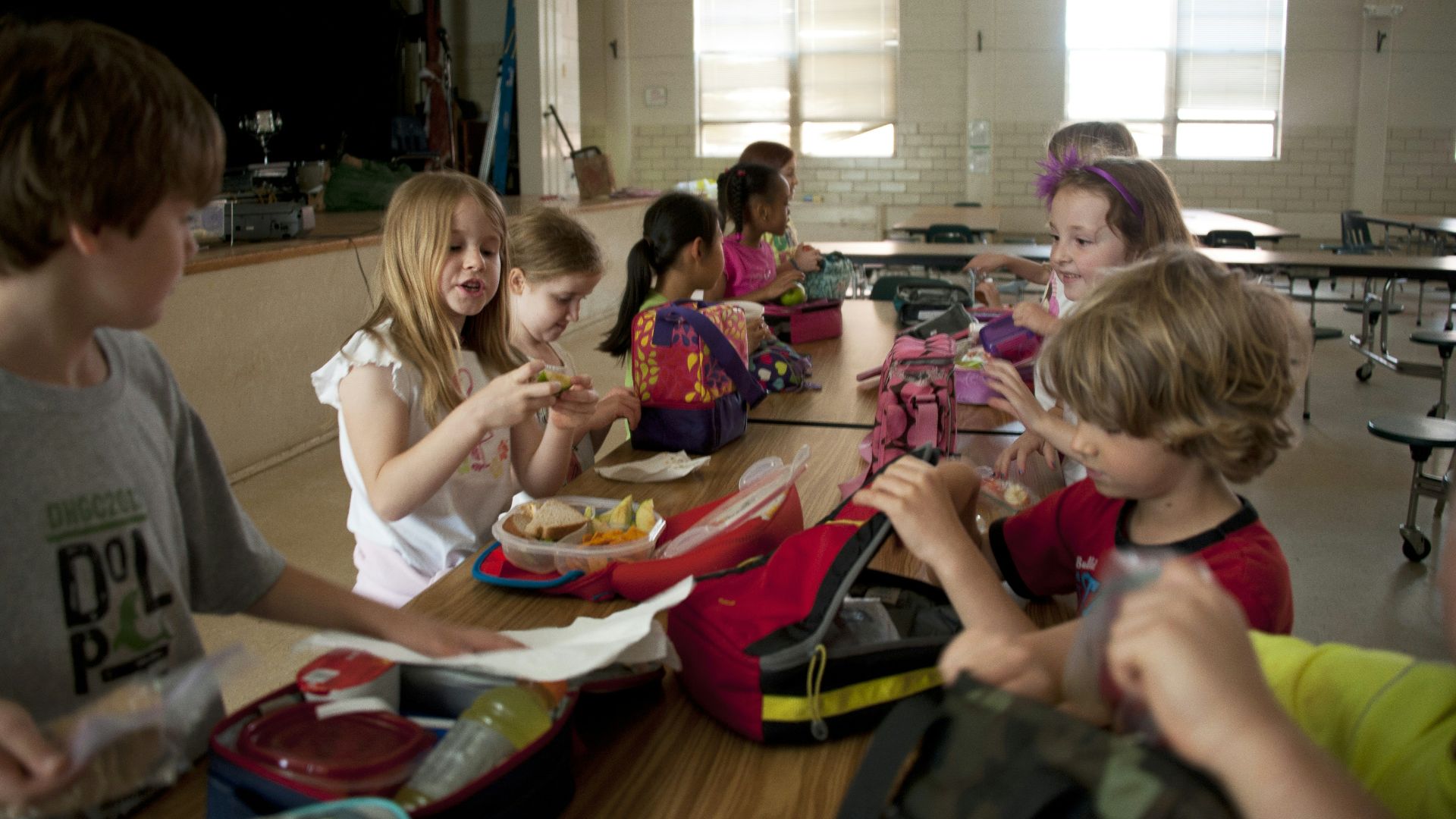
Several secondary schools in Scotland introduced facial recognition for school lunches in 2021. Students could look at a camera at the checkout rather than carrying money or remembering a lunch card. The idea was to shorten queues, although concerns about collecting children's biometric data put the program on hold within weeks.
20. Public Toilet Paper
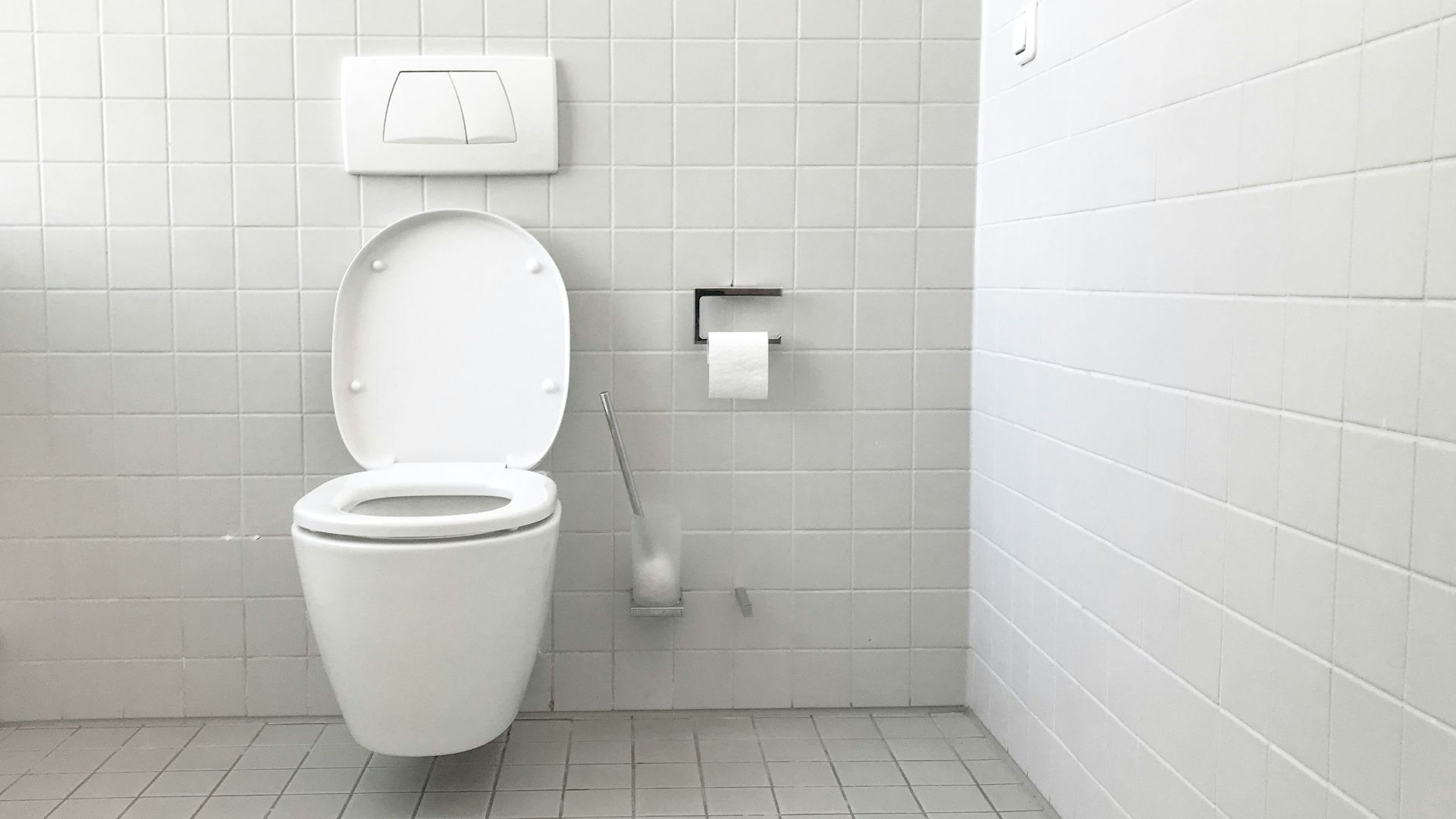
Apparently, even toilet paper isn't immune to technological progress. In 2017, a park in Beijing installed facial recognition dispensers because visitors kept helping themselves to entire rolls. Each person received about two feet of toilet paper and had to wait nine minutes before the machine would recognize their face again.