When Innovation Goes Horribly Wrong
Technology companies love celebrating their groundbreaking inventions, but they're usually less enthusiastic about revisiting their biggest mistakes. Over the years, some of the world's most recognizable brands have released products that malfunctioned, compromised user privacy, wasted enormous amounts of money, or simply failed to deliver what they promised. While a few disasters became famous almost immediately, others quietly disappeared from store shelves or were discontinued after disappointing launches.
1. Samsung's Exploding Galaxy Note 7
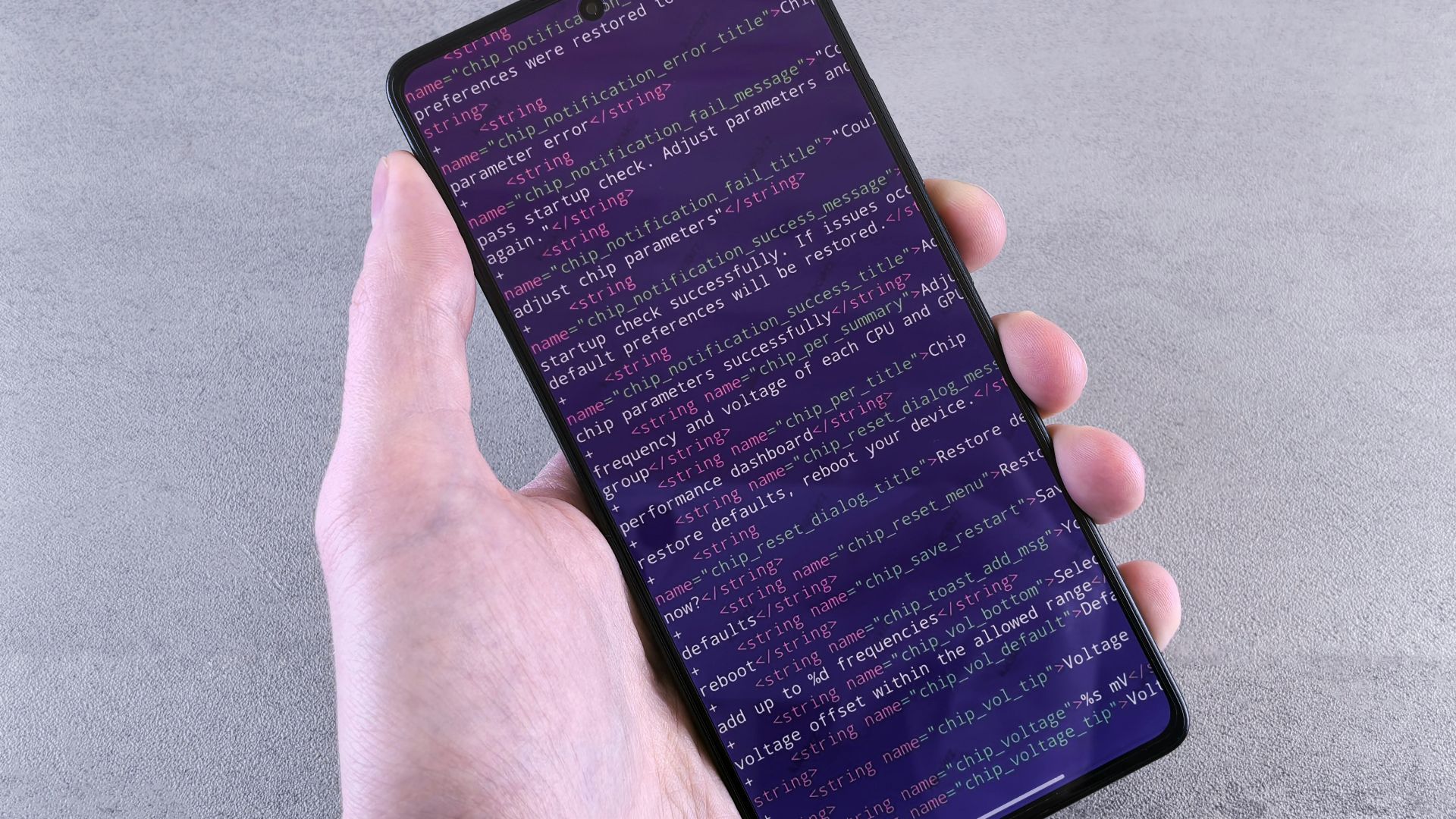
This phone was released in 2016 and suffered from a range of issues, most notably that it would overheat and sometimes ignite. Not only were large numbers of these phones recalled, but many airlines banned them from flights, and ultimately, all production ceased. Samsung later identified battery design and manufacturing defects as the causes, making the incident one of the most expensive smartphone failures in history.
2. Microsoft's Infamous Windows Vista
Microsoft hoped that users would benefit from greater security and other enhancements when it released this OS in 2007. However, it was plagued by a host of issues, including slow speeds and a lack of compatibility with many existing devices, meaning that many people preferred to stick with what they already had. Although Vista introduced several important features, its negative reputation helped make Windows 7 a particularly welcome successor.
 BoliviaInteligente on Unsplash
3. Apple's Disastrous Maps Launch
As of 2012, all new iPhones came preloaded with Apple Maps rather than the widely used Google Maps. There were all manner of errors with this, such as roads and buildings being in completely the wrong locations, along with inaccurate and blurry pictures. The backlash became so significant that Apple CEO Tim Cook publicly apologized and recommended alternative mapping services while the company worked on improvements.
4. Google's Failed Glass Experiment
People were very intrigued by the first iteration of Google Glass in 2013 and all that it would potentially offer them. There were many objections to wearing such a device publicly, the functions available on it were fairly sparse, and most people didn't want to wear something so conspicuous, all for around $1,500. Google ended sales of the original consumer-focused Explorer Edition in 2015, although the technology later continued in enterprise-oriented versions.
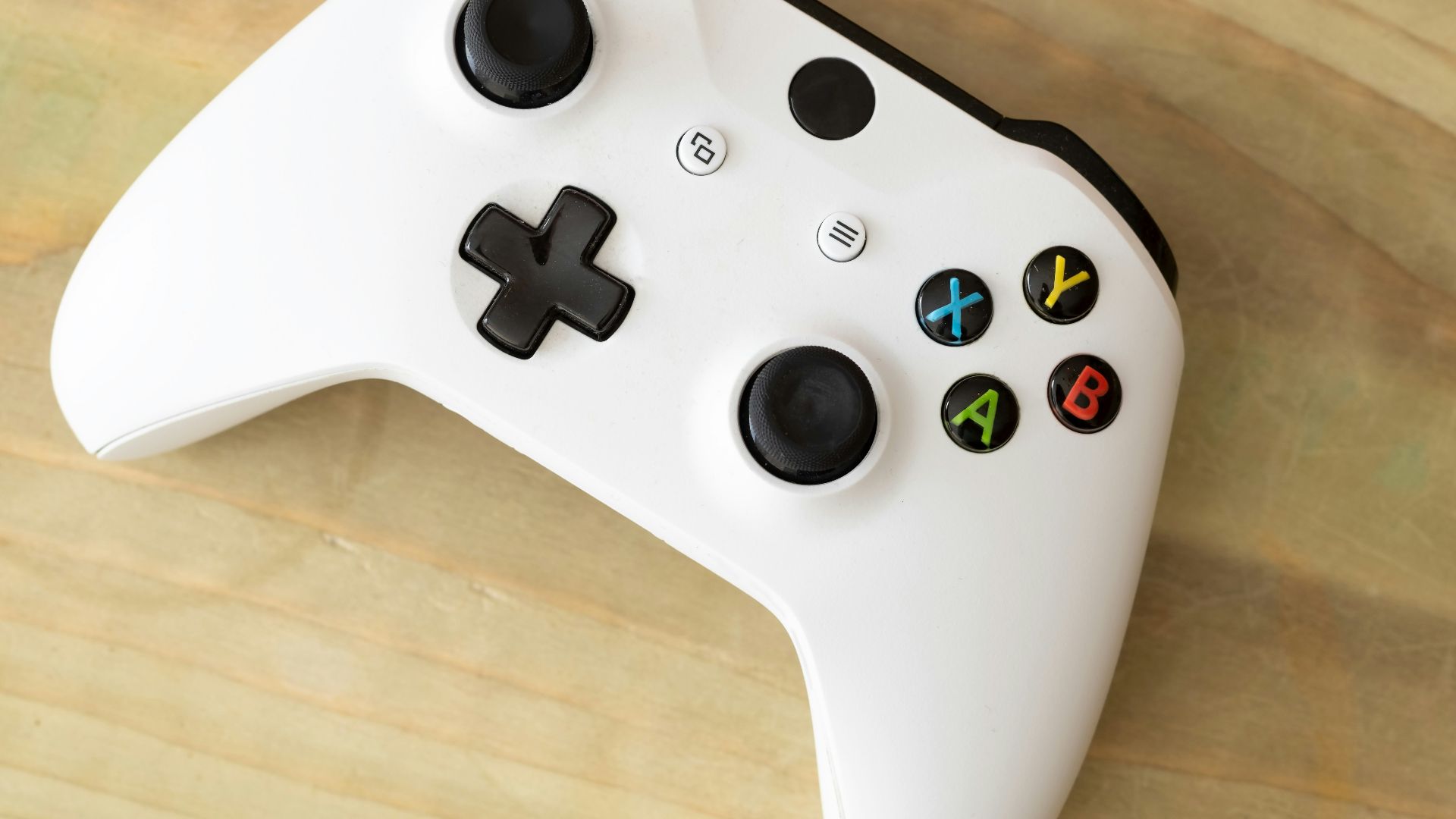
5. The Xbox 360 Red Ring of Death
Despite being one of the most popular consoles of all time, many early versions of the Xbox 360 failed after a comparatively short period of use. Three flashing red lights on the console signified a range of possible problems. Microsoft extended warranty coverage for the problem and announced a charge of more than $1 billion in 2007 to address console repairs and related expenses.
6. Amazon's Fire Phone Disaster
Amazon decided to try to produce a rival smartphone to those produced by companies like Samsung and Apple. It had some interesting features relating to 3D images and easy access to shopping, but clearly, people were not sufficiently interested in buying one, especially with a fairly high starting price. Amazon recorded a $170 million charge related primarily to Fire Phone inventory and supplier commitments, and the phone was discontinued the following year.
7. Microsoft's Tay Chatbot Meltdown
This chatbot was created by Microsoft to hold conversations via tweets and began operating in 2016. It took users very little time to lead it into tweeting highly offensive comments, highlighting obvious failings. It was quickly withdrawn by Microsoft with an apology, but by this time, it had made considerable headlines as a cautionary tale.
8. The Theranos Blood-Testing Scandal
With only a few drops of blood, Theranos claimed to be able to conduct many different tests. There were substantial doubts as to whether its machines were capable of accurately conducting the breadth of tests that the company claimed, meaning potentially erroneous information could be given to patients. Founder Elizabeth Holmes was eventually convicted of fraud-related charges, and the company dissolved in 2018 after its highly publicized collapse.

9. Apple's Butterfly Keyboard Nightmare
Apple's butterfly keyboards, introduced in 2015, became notorious for problems involving sticking or unresponsive keys. Many users experienced difficulties with typing, sometimes requiring repairs or keyboard replacements. Apple introduced repair programs and eventually abandoned the butterfly mechanism in favor of a redesigned scissor-switch keyboard.
10. The Facebook-Cambridge Analytica Scandal
Many millions of people were alarmed to learn that a company called Cambridge Analytica had gained access to large amounts of information relating to their use of Facebook. Around 87 million people's details may have been affected through a particular app and its access to users' friends' data. The controversy prompted investigations, congressional testimony from Mark Zuckerberg, and increased scrutiny of how social media companies handle personal information.
11. The Boeing 737 MAX Software Crisis
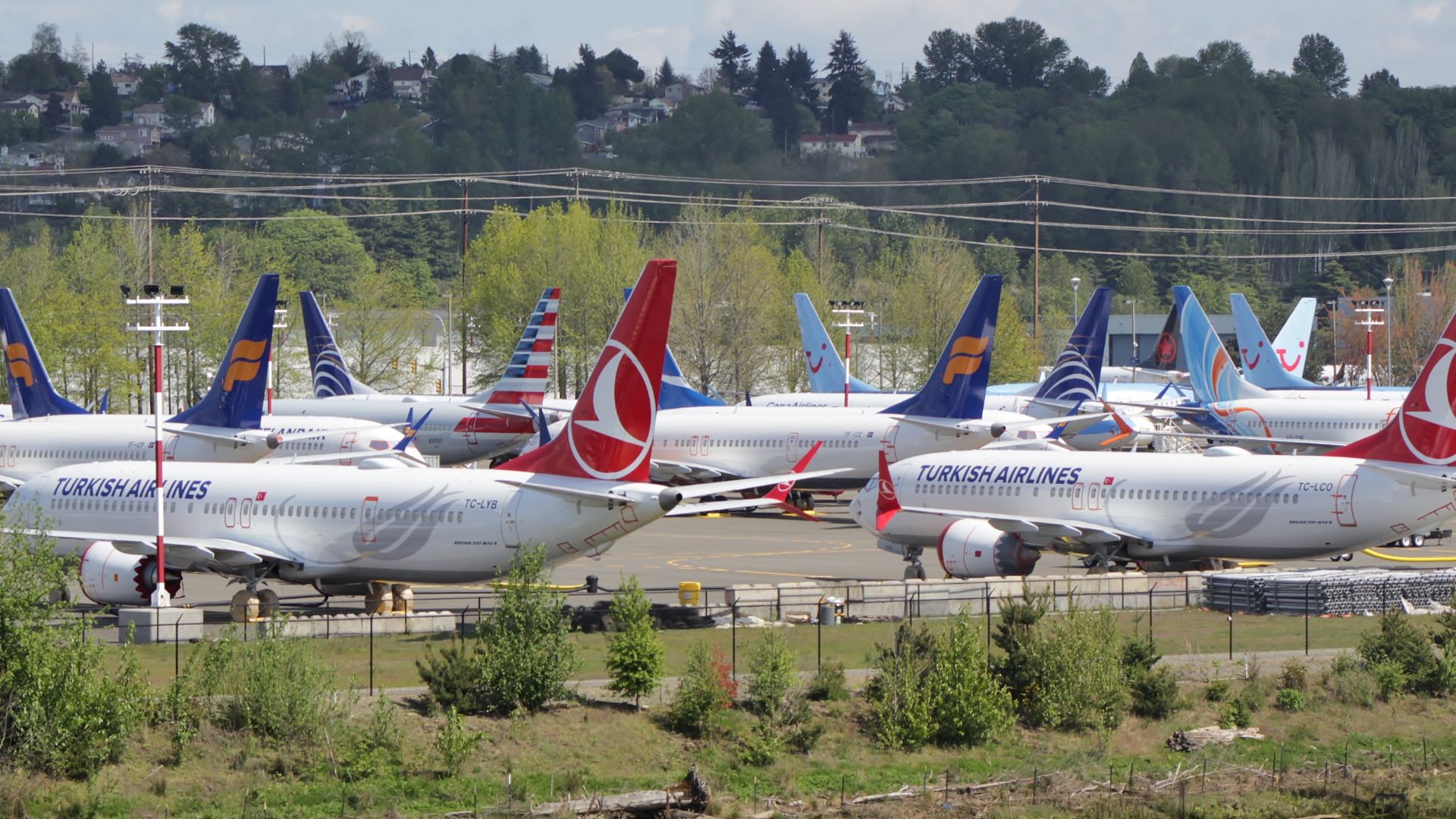
Boeing's 737 MAX faced a devastating safety crisis following two fatal crashes in 2018 and 2019 that killed 346 people. Investigators identified serious problems involving the aircraft's Maneuvering Characteristics Augmentation System, known as MCAS, along with failures in design, oversight, and pilot information. The aircraft was grounded worldwide while Boeing and regulators worked on corrective measures, making the crisis one of aviation's most consequential modern engineering failures.
12. Google Stadia's Short-Lived Gaming Revolution
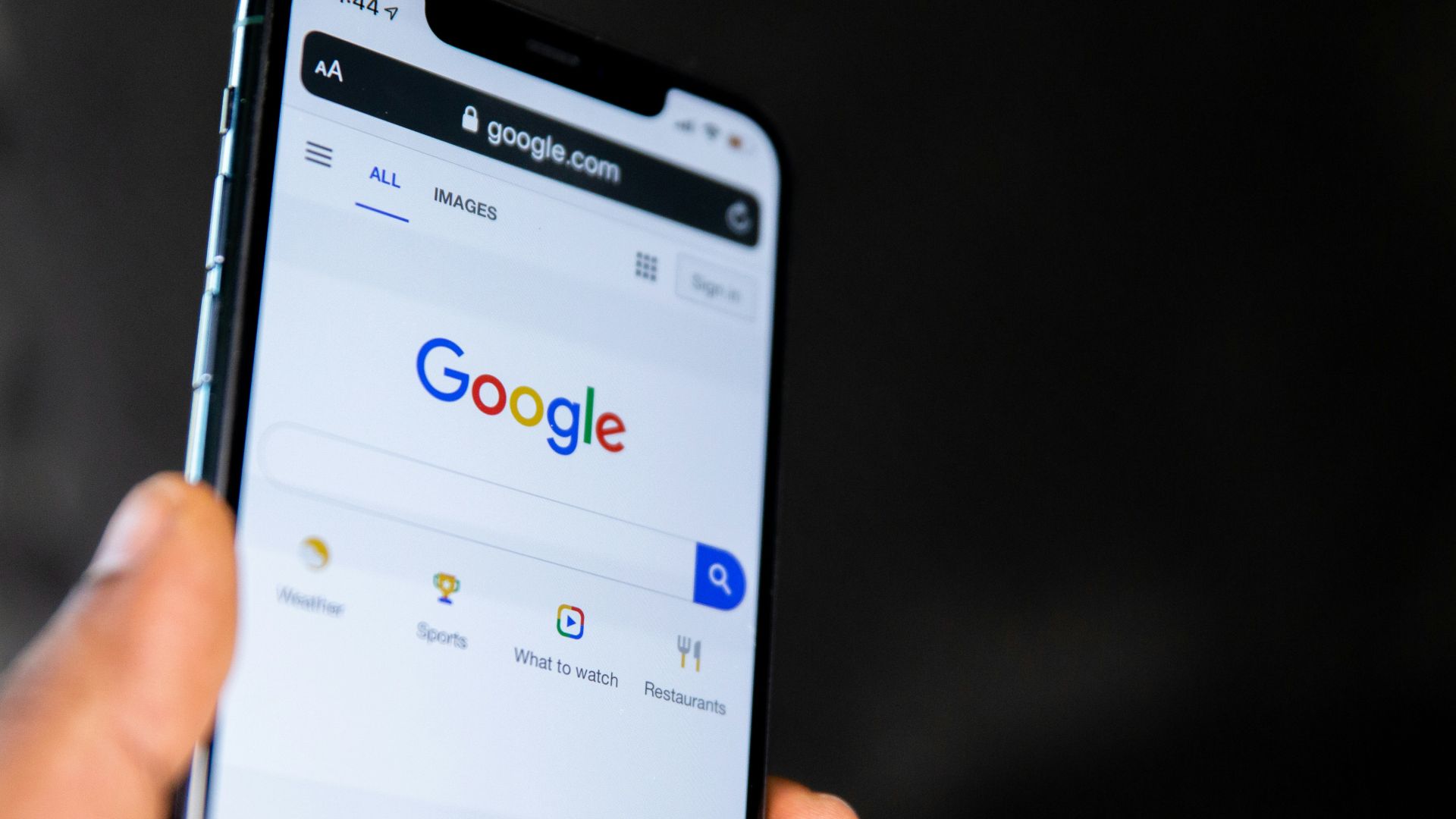
The idea behind Stadia, released in 2019, was attractive to many people, allowing them to play high-quality games without needing a console or powerful PC. However, the number of games available was low, and it wasn't obvious what the benefit might be to some other people. Google announced Stadia's shutdown in 2022, and the service officially closed in January 2023, with refunds offered for many purchases.
13. The Windows Phone Collapse
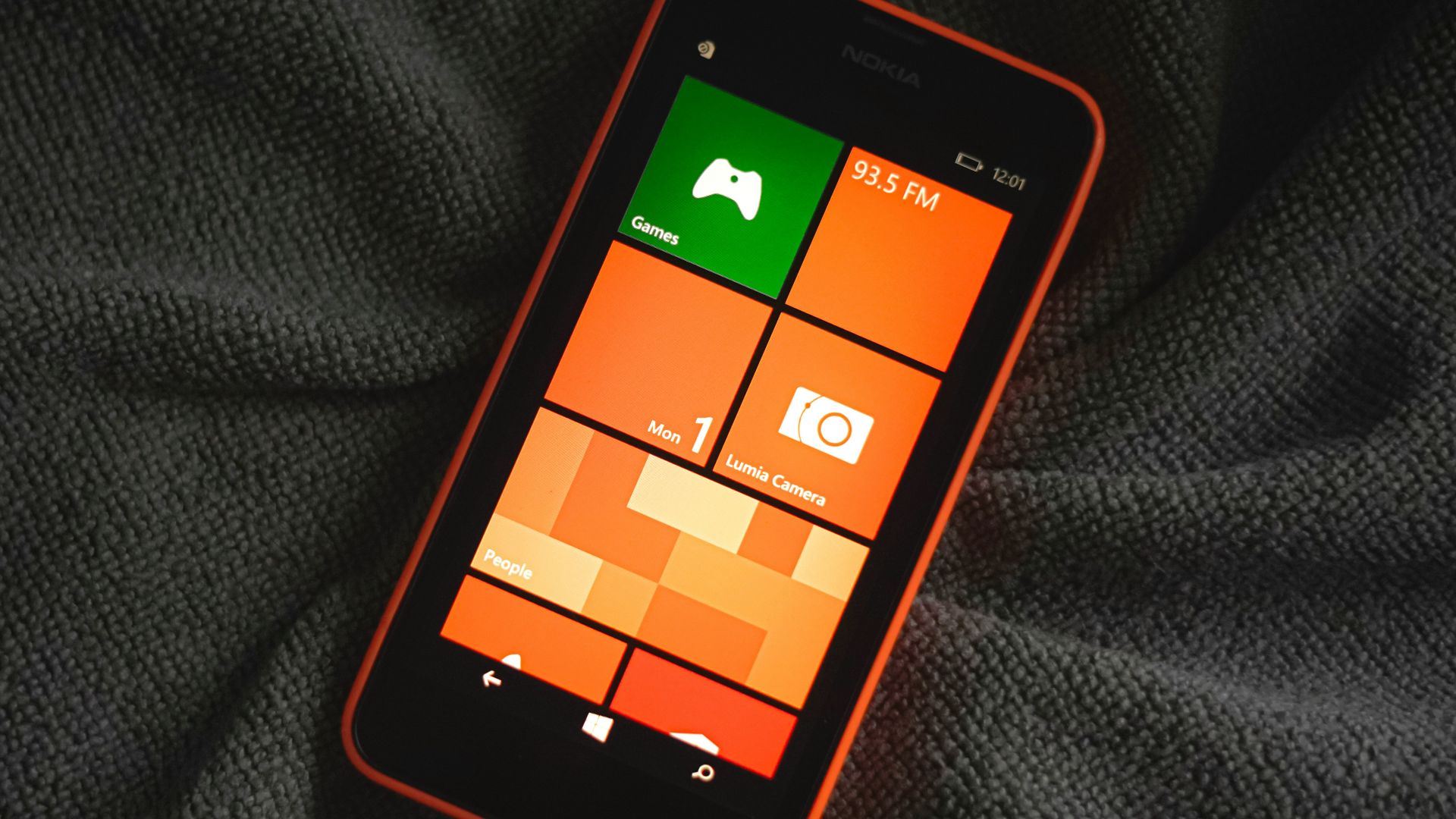
Microsoft had several iterations of phone operating systems in a bid to be successful alongside the iOS and Android systems. Its most recent incarnations were generally well-liked, but there were still insufficient numbers of appealing apps available. Microsoft eventually ended support for Windows 10 Mobile in 2019, leaving behind another unsuccessful attempt to challenge the smartphone industry's dominant platforms.
14. The Juicero Smart Juicer Fiasco
This company developed a "smart" juicer, initially selling for around $700, and consequently raised substantial amounts of money from investors. It would take specially prepared packets and press out juice ready to drink, although it was later revealed that the packets could also be squeezed by hand. The revelation severely damaged the company's credibility, and Juicero shut down later that year.

15. The CrowdStrike Update That Crashed Computers Worldwide
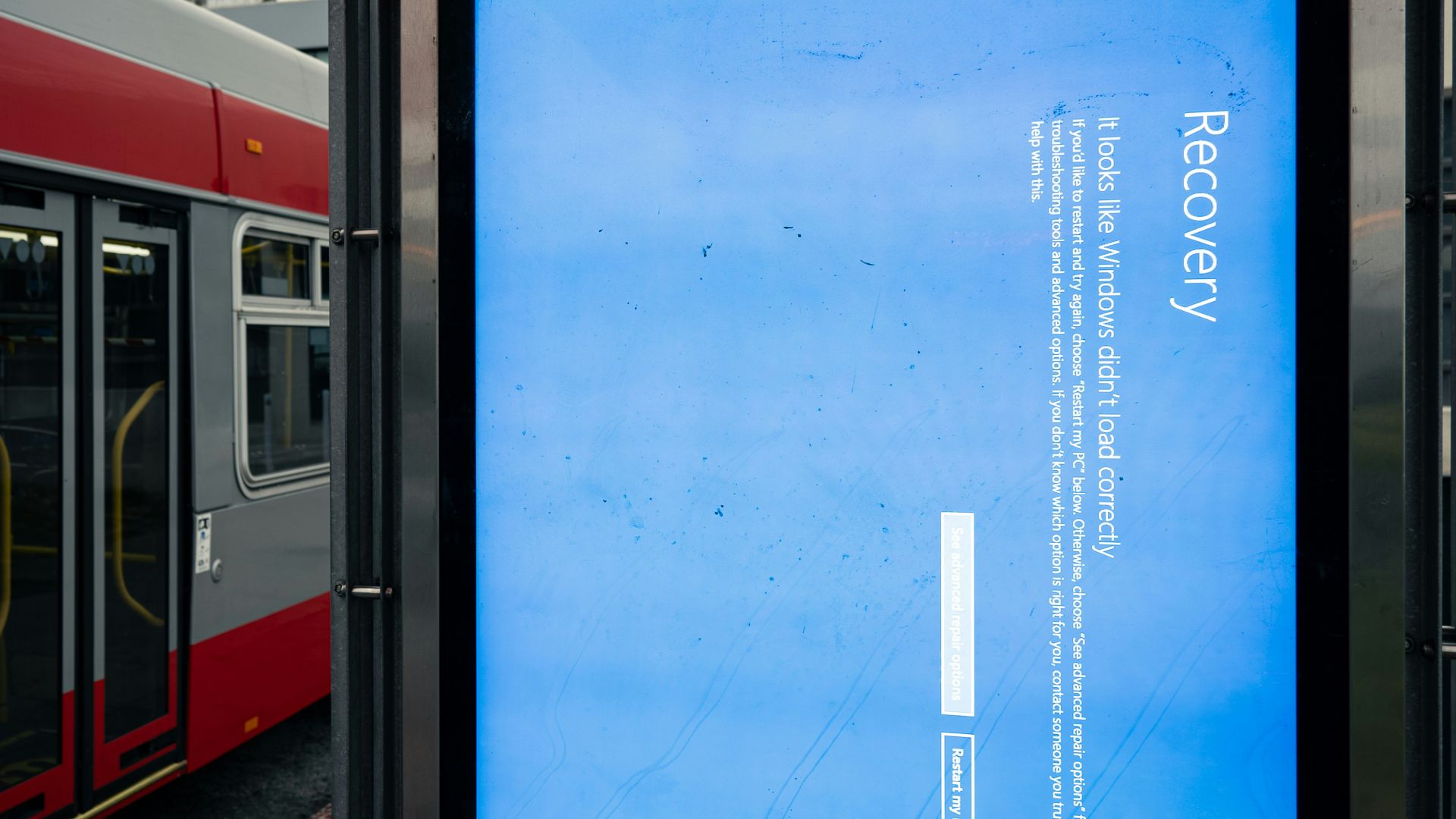
A bad update pushed out by CrowdStrike to customers led to many millions of machines around the world malfunctioning. All kinds of industries and services were severely impacted around the globe as company computers malfunctioned. CrowdStrike identified the defective update and worked with Microsoft and customers on recovery, but the incident demonstrated how a single software failure could disrupt critical systems on an enormous scale.
16. The Quibi Streaming Service That Barely Survived
Having raised nearly $1.75 billion, Quibi began streaming content in April 2020. It aimed to provide high-quality, short-length shows to view mostly on mobile devices. A large number of well-known actors, writers, and others were involved, but it was still unable to gain a following against existing offerings.
17. The HP TouchPad's Seven-Week Lifespan
With this release, HP wanted to have a foothold in the tablet market, relying on its webOS to stand out. Sales were poor, and HP soon decided that it would no longer produce any further webOS hardware. As a consequence, large discounts were applied, which actually led to reasonably strong demand.
18. The Google+ Social Network Failure
Google hoped that this addition to its suite of offerings in 2011 would allow it to become a strong alternative to Facebook. It clearly never gained enough popularity, even with links and interactions with many other Google products. Some bugs allowing people to access other users' private information, among other issues, ultimately led to it ceasing operation for general users in 2019.
19. The PlayStation Network Hack of 2011
Sony had to shut down its PlayStation Network and Qriocity service following a huge security breach. Around 77 million accounts were affected, with varying amounts of user information potentially exposed to hackers. As well as being down for a lengthy time, Sony attracted much criticism for various aspects of its security and how it handled interactions with its customers.

20. The Cybertruck's Shattered Window Demonstration
There was a great deal of buildup and fascination around the unveiling event in 2019. A highlight was meant to be throwing steel balls at the specially strengthened windows, but both windows ended up badly cracked when Tesla designer Franz von Holzhausen threw the balls at them. Musk saw fit to continue with the rest of the event, but this aspect has received widespread press coverage since.