The New Credentials Are All Imperfections
Proving you're a real person used to be pretty straightforward. Now AI can mimic a familiar voice and create convincing photos of events that never happened. Suddenly, a typo or a badly framed selfie can feel strangely reassuring, even if neither proves much. As convincing fakes become harder to spot, people are looking for new ways to show they're the real deal. Some are already catching on in workplaces and online, while others might soon become part of everyday life. Here are 20 things people may start doing to prove there's an actual human on the other end.
1. Agreeing on a Family Safe Word
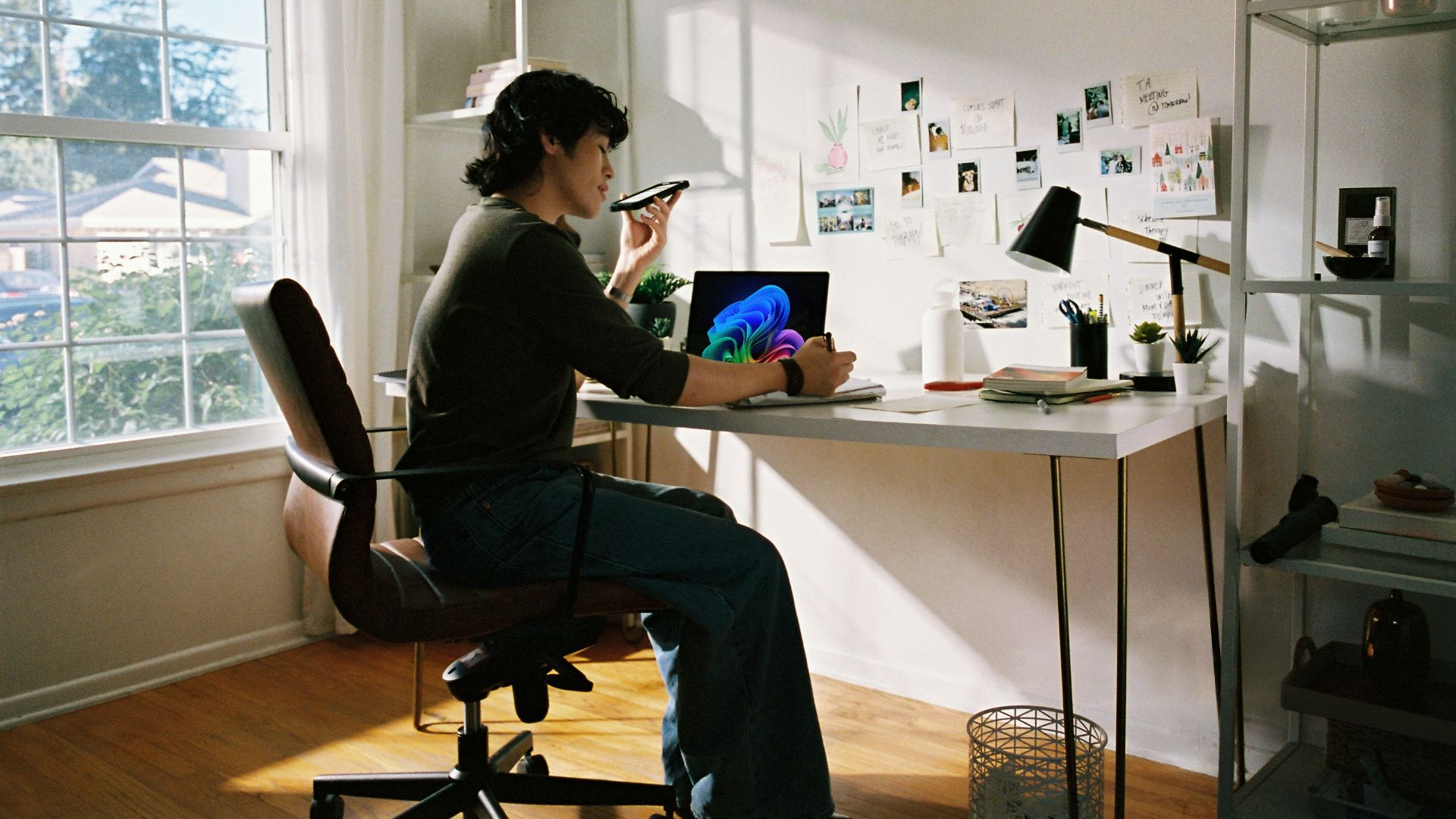
The FBI's advice is to pick a word with your family and ask for it when a call sounds urgent. Voice cloning needs only a short clip from a video you already posted, so a familiar voice proves nothing now. Pick it out loud at a dinner rather than over text. Then keep it somewhere it can't be scraped, which rules out the family group chat.

2. Hanging Up and Calling Back
Imagine getting a call from your boss asking you to transfer money. The voice sounds exactly right, but AI can now imitate familiar voices well enough to fool people. The safest move is to hang up and call back using a number you already know is genuine. If the caller insists you stay on the line or discourages you from checking, that's a major red flag.
3. Buying a Camera That Signs Its Own Photos
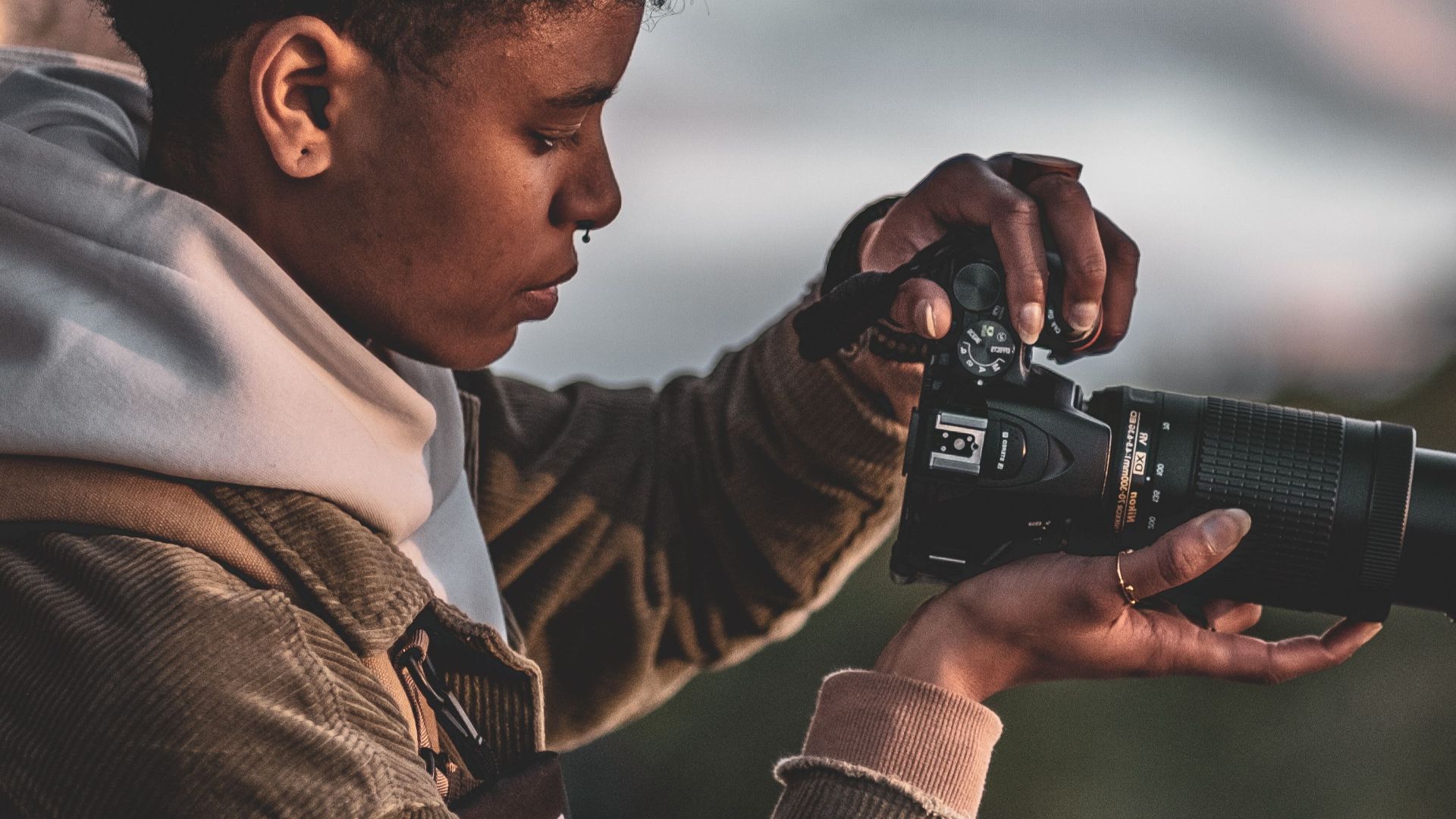
Some newer cameras can now attach a digital record to a photo the moment it's taken, helping prove where the image came from and whether it's been edited. It's becoming a useful way to distinguish original photographs from AI-generated images. There's still a catch, though. A genuine camera can photograph something staged or misleading, so the technology proves the photo's origin, not that everything in it is true.
4. Shooting on Film Again
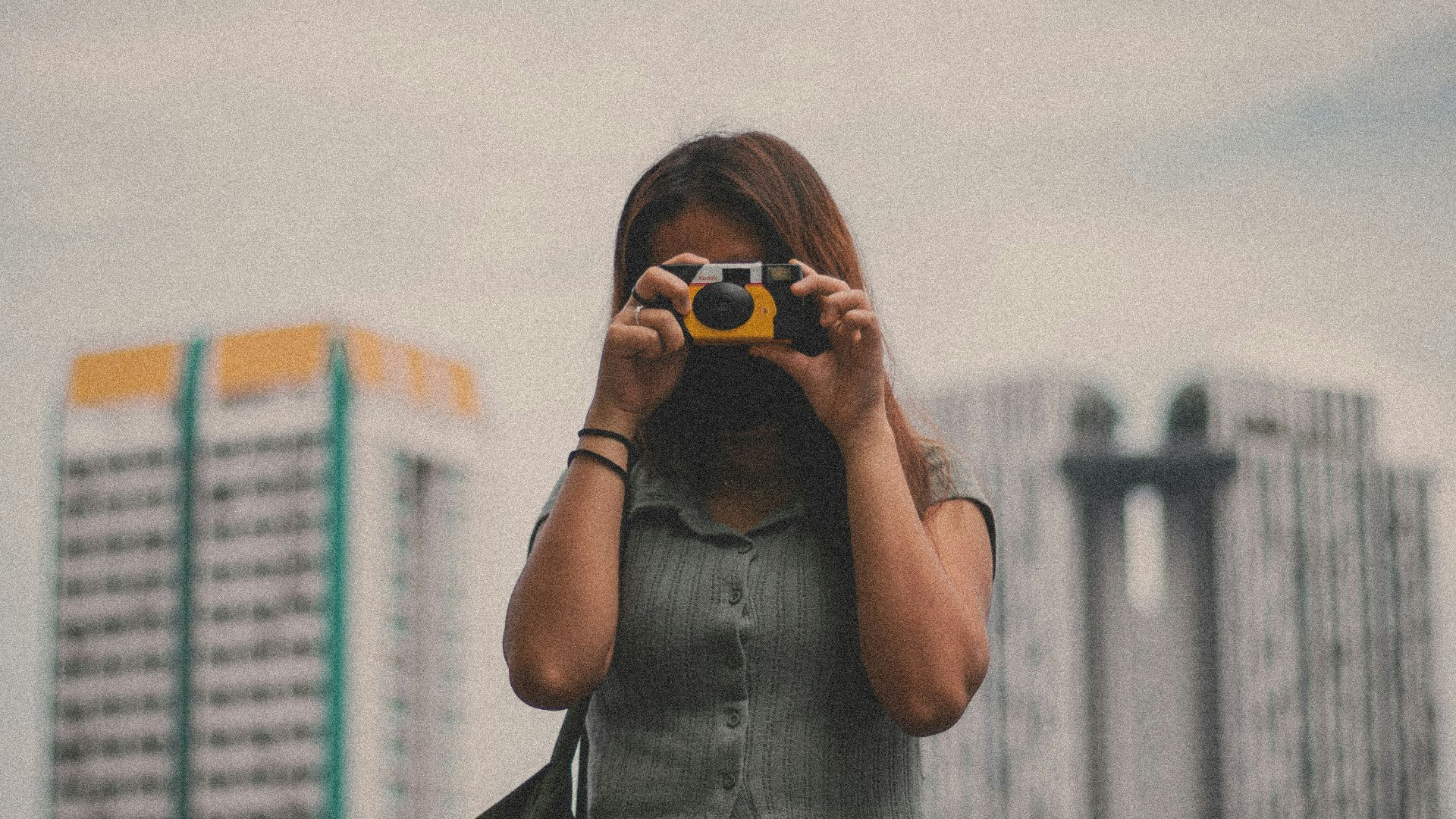
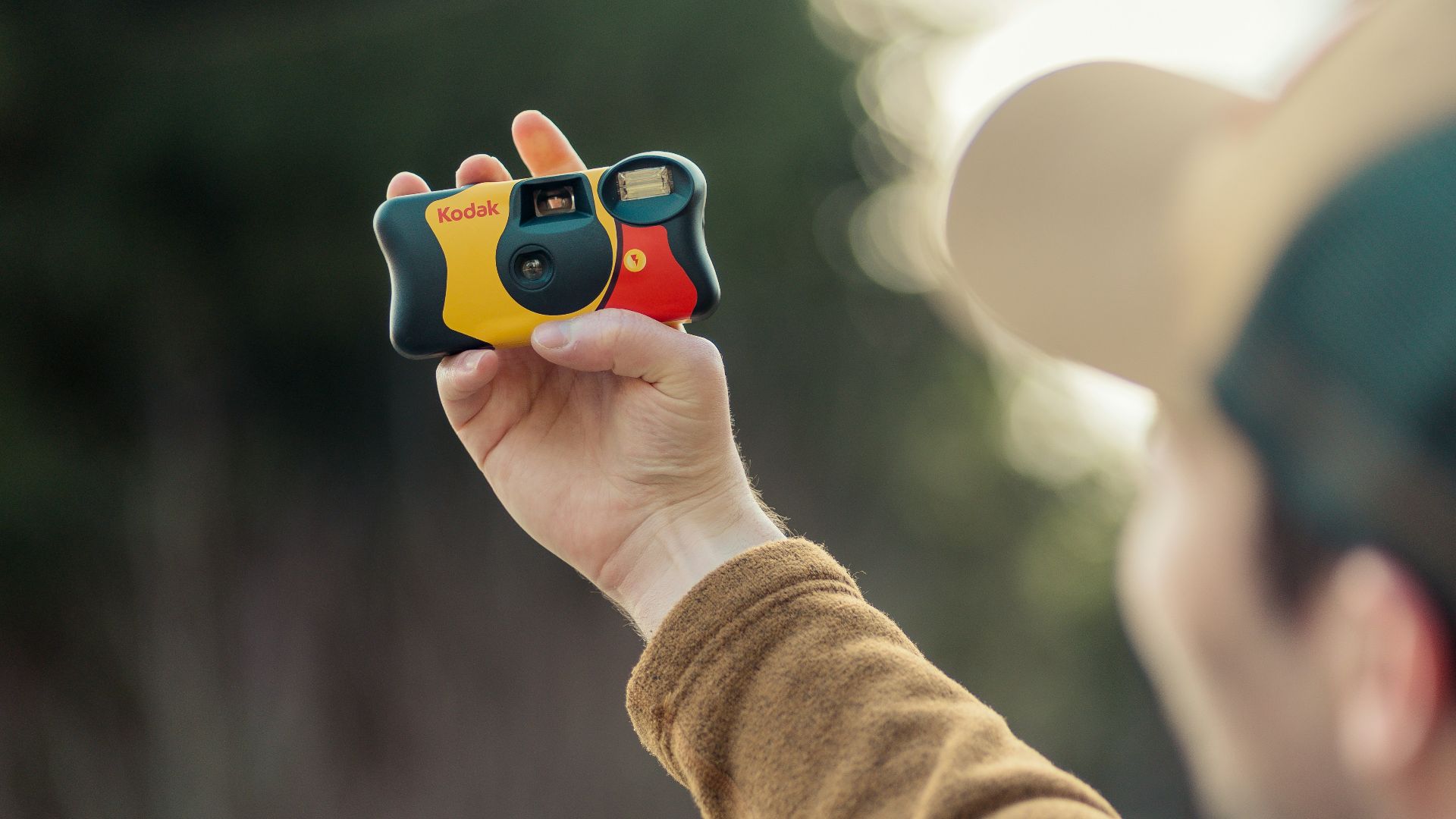
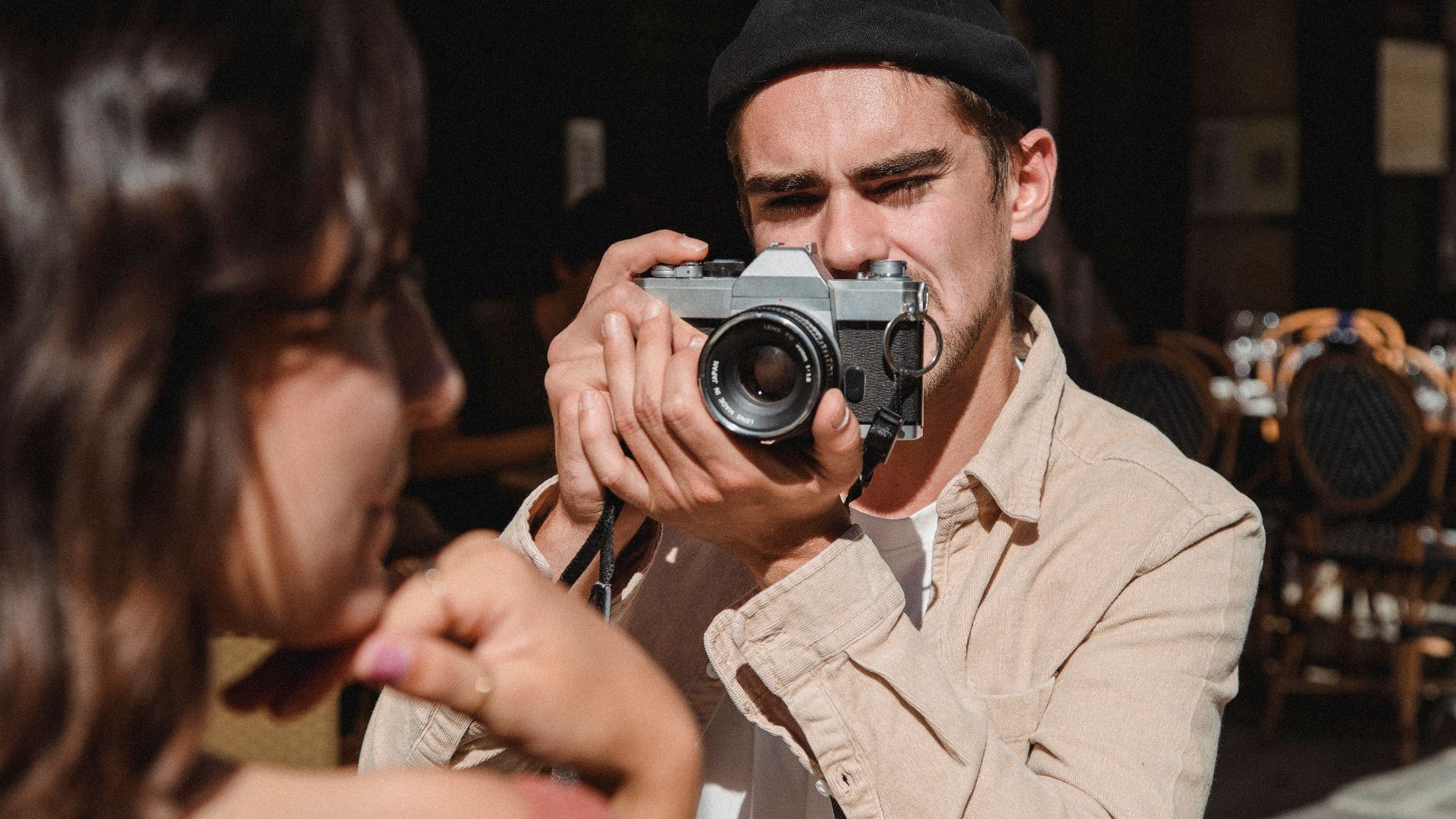
Disposable cameras are making a comeback, partly because their imperfect photos feel refreshingly real. There's no beauty filter or instant preview, just grainy images, harsh flash, and the occasional finger over the lens. You don't even know what you've captured until the film gets developed.
5. Leaving the Typos In
Funny how a typo used to be something you'd rush to fix, and now it can make a message feel more human. A missing word or misplaced comma suggests someone was typing in a hurry, while a perfectly polished paragraph can start to look suspiciously AI-generated. Of course, AI can make mistakes too, so it's hardly proof.
 Priscilla Du Preez 🇨🇦 on Unsplash
6. Exiling the Em Dash
The em dash became the loudest AI tell on the internet, and writers began dropping it in self-defense. NPR covered the backlash, editors have asked writers to strip them out, and a perfectly good piece of punctuation is now guilty by association. That's punctuation as a loyalty test, and here we are.

7. Keeping the Receipts
Remember when version history was just something you used to recover a paragraph you'd accidentally deleted? Now it can help show how a piece of work came together. Sharing earlier drafts and revisions lets people see the changes behind the finished product, including those first few paragraphs you'd rather forget.
8. Showing Up in Person
Remember when video interviews meant you could skip the commute? Some employers are bringing back in-person rounds as AI makes it easier for candidates to get answers fed to them offscreen. On video calls, interviewers may ask unexpected follow-up questions or have candidates move in front of the camera to check for suspicious glitches.
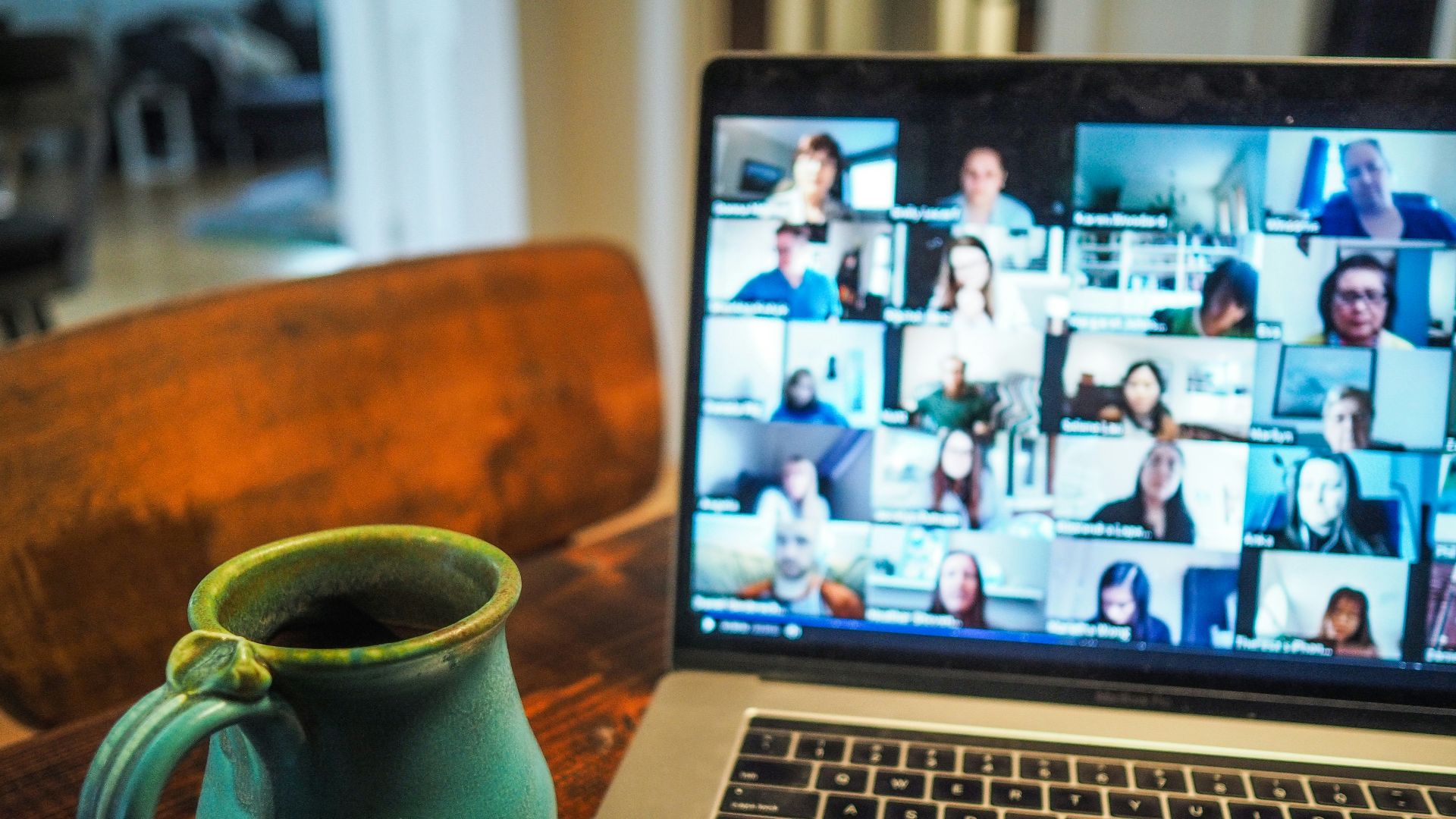
9. Getting Your Iris Scanned
World, formerly known as Worldcoin, is a digital identity and cryptocurrency project co-founded by OpenAI CEO Sam Altman. Its goal is to help people prove they're human online, and its method is pretty futuristic. A shiny metal sphere called the Orb scans your iris and helps issue a digital credential called World ID. You can then use that credential to prove you're a real person on supported platforms.
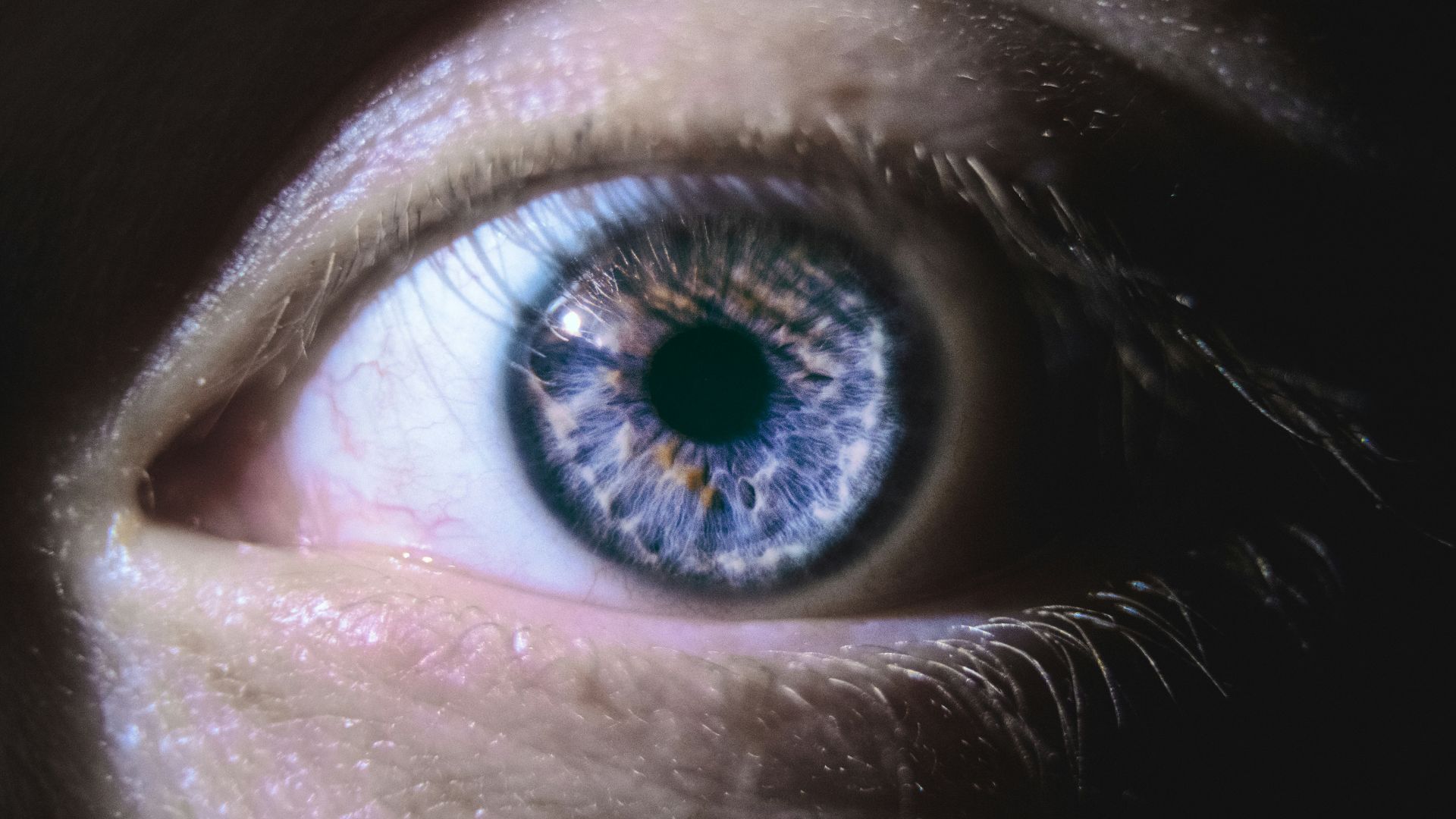
10. Certifying a Book as Human-Authored
Apparently, having your name on a book cover isn't enough to prove you actually wrote it anymore. The Authors Guild has introduced a Human Authored badge that writers can use to show their work was written by a person rather than AI.
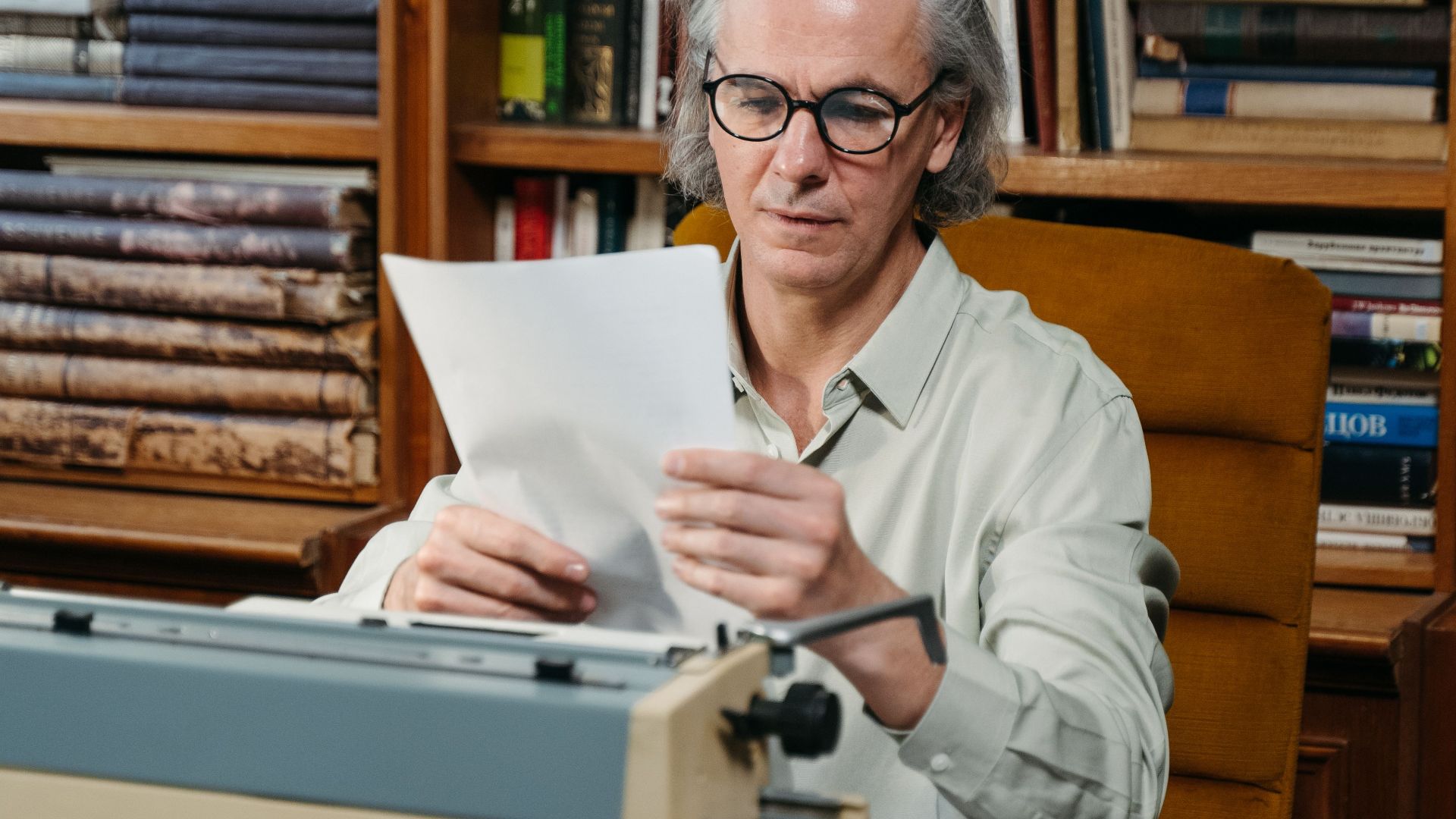
11. Buying Tickets in the Human Line
Trying to buy concert tickets can feel like a race against thousands of bots, and the bots usually have a head start. World has proposed a system that would let ticketing platforms verify real people before they buy seats. The idea is to give actual fans a better chance instead of watching tickets disappear into the hands of scalpers.
12. Sending Voice Notes
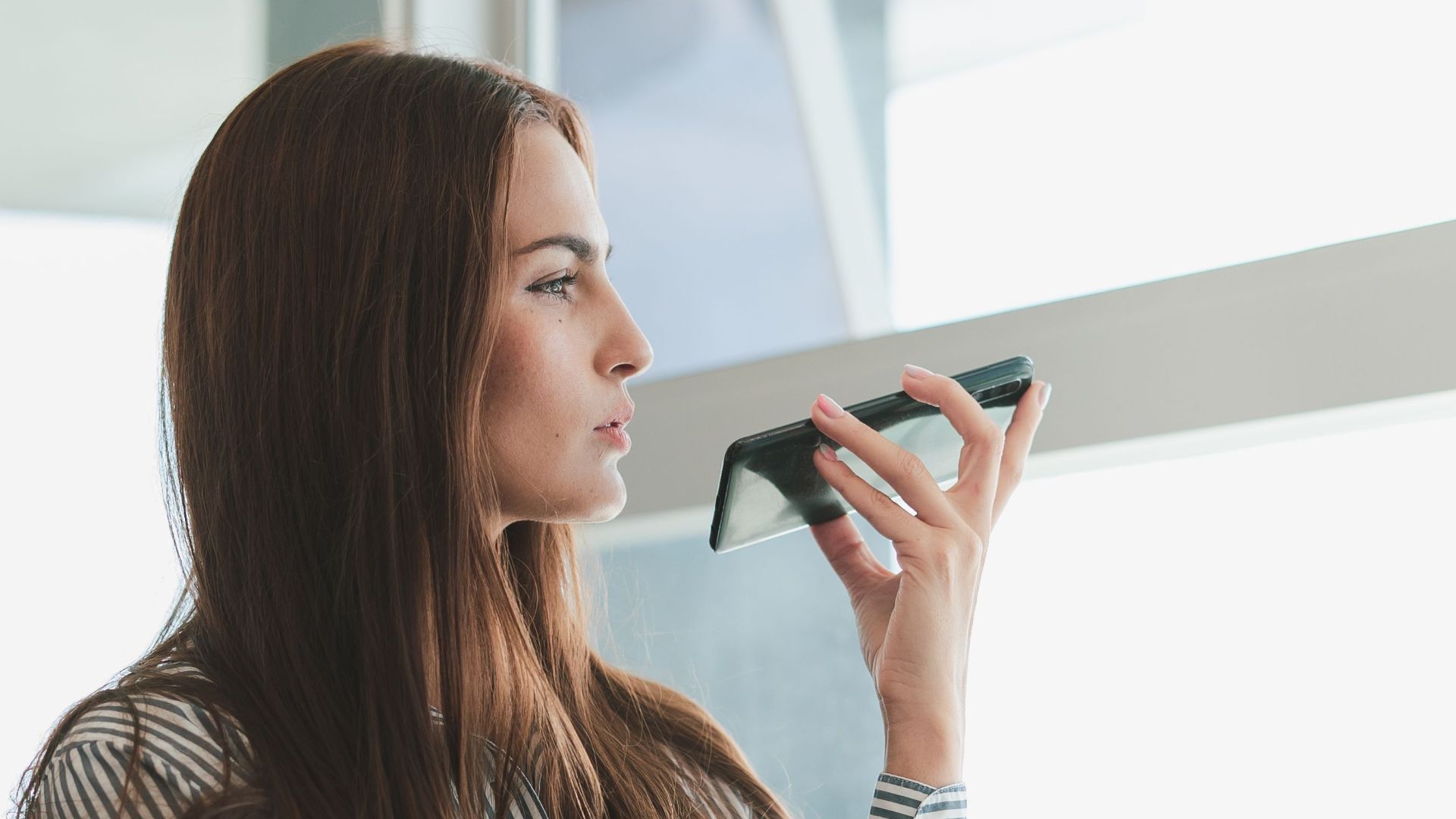
Text is the easiest thing in the world to generate, so people are sending audio instead. A voice note carries the background noise and the false start where you lost your train of thought. It isn't proof, since voices clone well now too, but it feels like contact in a way a tidy paragraph no longer does.
13. Writing by Hand
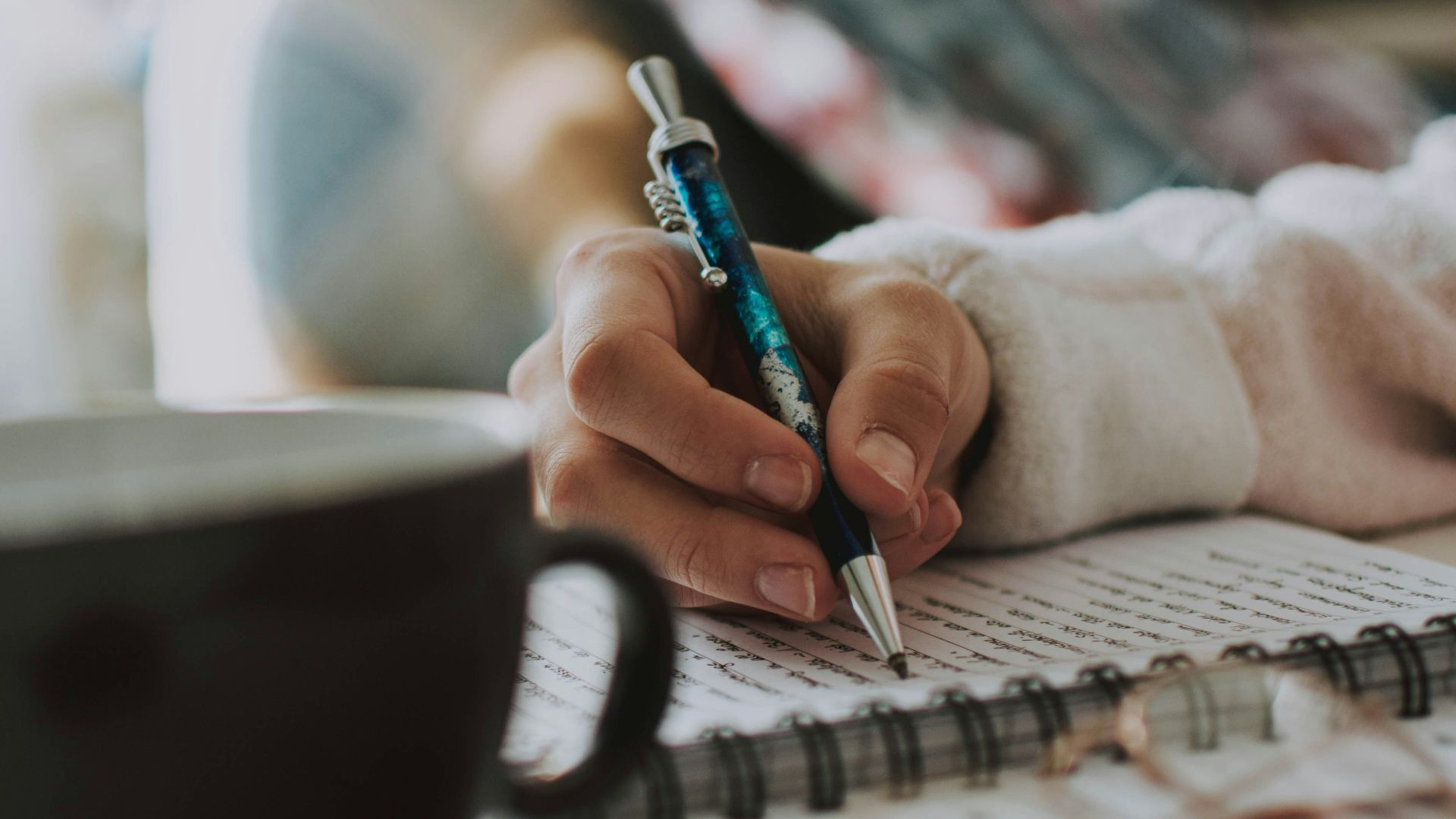
When was the last time someone gave you a handwritten note? With so much communication happening on screens, a thank-you card or a few scribbled words can feel surprisingly personal. Even brands are leaning into that appeal, adding handwritten touches to packaging to make things feel less automated.
14. Going Live
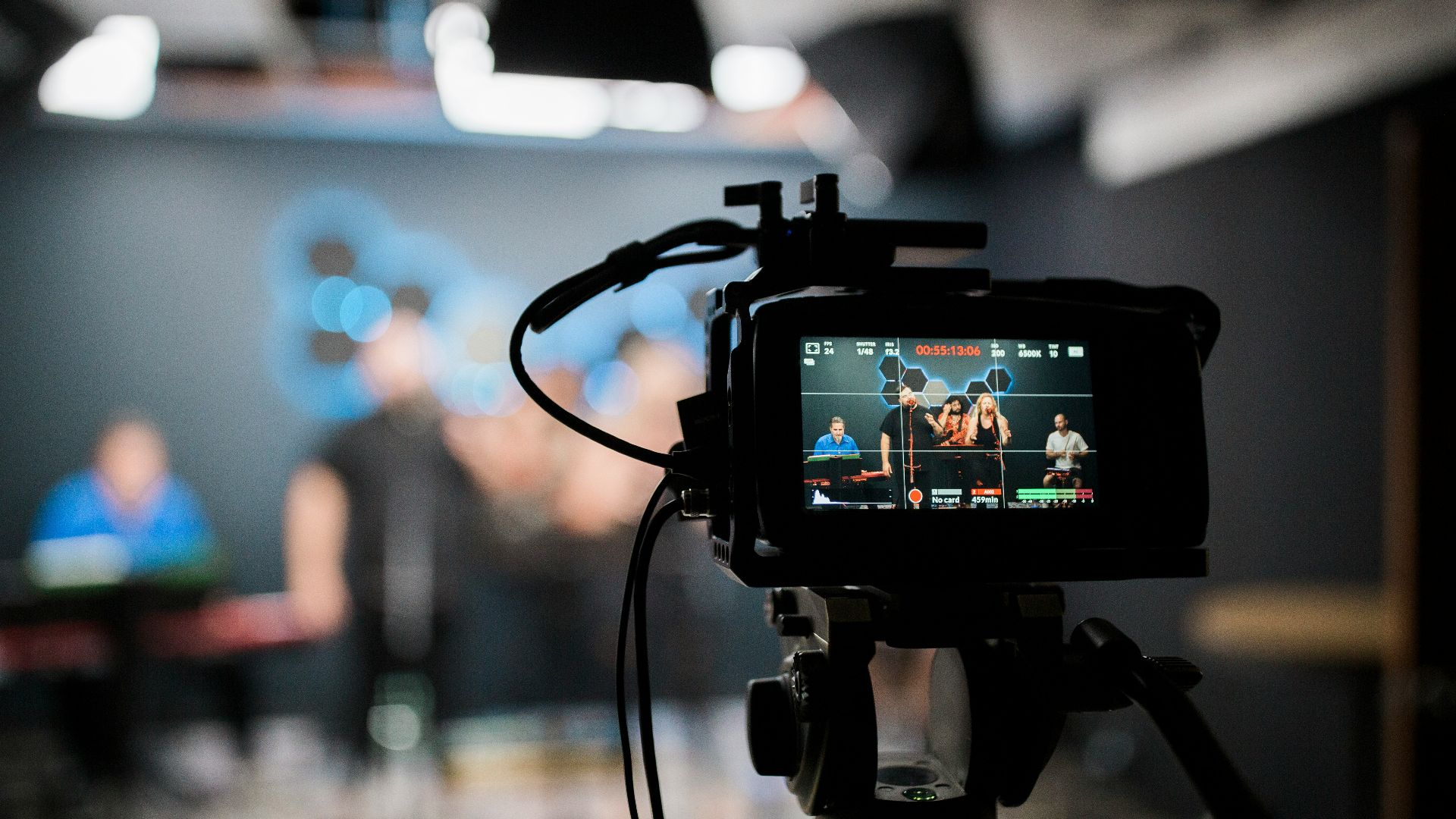
A perfectly edited video used to look more trustworthy, but AI is changing that. Now, live streams and one-take recordings can feel more genuine because viewers get to see everything as it happens, including the mistakes. There's no cutting out a stumble or hiding the dog barking halfway through your best point.
 Jesus Loves Austin on Unsplash
15. Disclosing What Was AI
Being open about using AI might actually earn you more trust than pretending you did everything yourself. A quick note explaining which parts were AI-assisted gives people a better idea of what they're looking at. Nobody needs a dramatic confession about asking a chatbot for help with a headline. It's keeping that assistance secret that could get embarrassing later.
 Glenn Carstens-Peters on Unsplash
16. Using Inside Jokes as Passwords
AI can imitate someone's voice and dig through their social media, but it might struggle with a private joke only the two of you understand. That ridiculous nickname from a family vacation or the word your brother has been deliberately mispronouncing for 15 years could help confirm who's really talking.
17. Holding Up Today's Newspaper
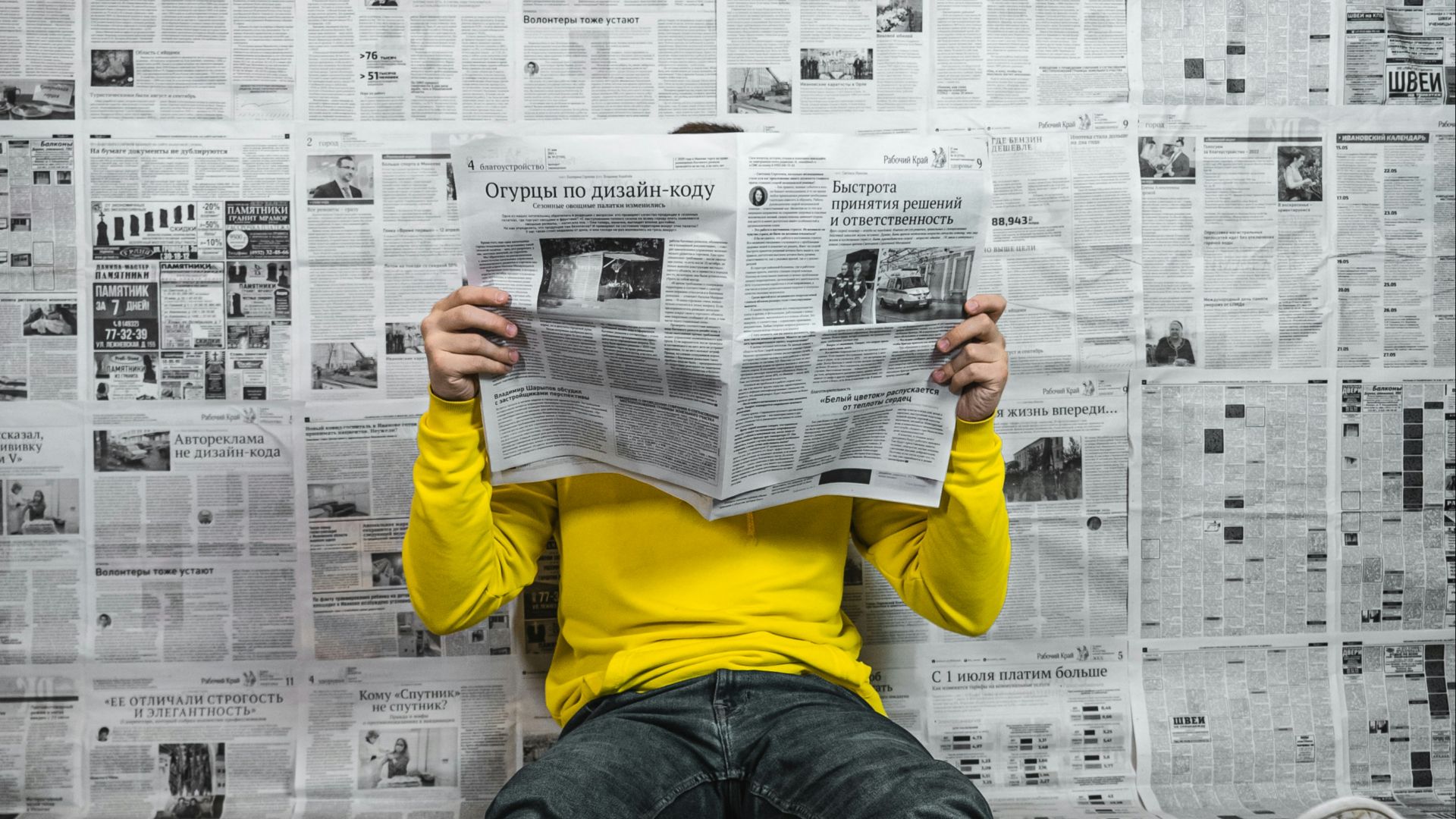
Remember when people held up a newspaper to prove when a photo was taken? That old trick could be making a comeback in the age of AI. Showing something current and unpredictable, like a live sports score, can help establish that a recording was made at a particular time. It's not foolproof, since images and videos can still be faked, but it adds another detail to check.
18. Carrying a Hardware Key
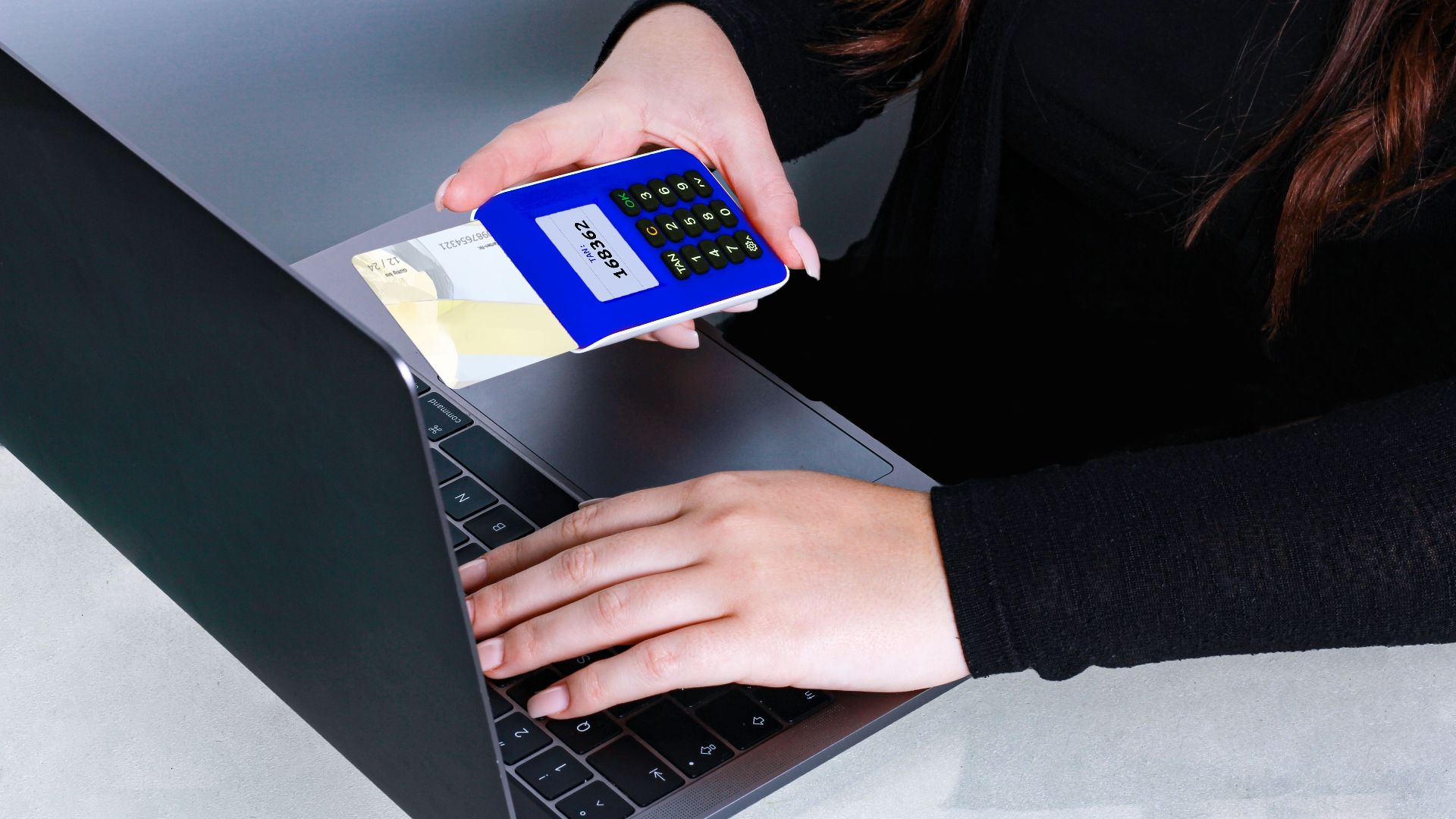
Passwords have always been vulnerable to guessing and theft, and AI isn't making things any easier. Passkeys and physical security keys offer a smarter alternative by requiring access to a trusted device or key instead of a password someone could steal. They're much harder to trick out of you through a fake login page, though they don't prove you're human.
19. Posting the Unflattering Photo
Remember when everyone wanted the most flattering profile picture possible? Now, a face with impossibly smooth skin can make people wonder whether they're looking at a filter or an AI-generated person. A little bad lighting or a stray hair can actually make a photo feel more genuine.
20. Telling a Story Only You Would Know
Sometimes it's the little details that make a story feel genuinely human. AI can invent a convincing childhood memory, but it doesn't have your actual memories of your grandmother's strange wallpaper or that one step on her staircase that always creaked. Those oddly specific details give personal stories their charm, even if they aren't proof of anything on their own.
 Mental Health America (MHA) on Pexels