Are you addicted to your phone? Unsurprisingly, you're not alone. More and more people are becoming aware of how consumed they are with technology, and it can be alarming once you realize just how much time you're spending staring at screens all day. From work to home, during the 16-18 hours we're awake, we're spending at least half of that time on our phones, computers, or TVs.
If you're thinking about cutting down your screen time, there are ways to do it. In fact, a group of teens in New York has started a no-screens trend that has rapidly influenced others around the world. While you don't need to immediately take such an extreme route, you can start small. You could, for one, get a "dumb phone."
The Addiction to Screens
If you're like most people, you probably can't fathom being more than a few minutes away from a digital screen, be it your phone, tablet, computer, or TV. Worldwide, the average person spends around 6 hours and 40 minutes looking at their screens. The average American spends even more than that, totalling more than 7 hours of screen time per day.
This comes as no surprise, given that our smartphones, tablets, and computers contain much of our daily life, from social media and text message platforms to work and entertainment. It's almost impossible to go a day without scrolling, given that our digital devices allow us to stay connected and communicate with our loved ones. Without them, we'd feel cut off from the rest of the world. So how can we so easily give them up?
The "Luddite" Club
 Unknown. 195 years since publication, copyright extinguished on Wikimedia
In 2022, the New York Times published a story about a group of Brooklyn teens who were starting a trend. Forming the "Luddite" club—named after a 19th-century movement by laborers opposing industrialization—these teens are fighting back against the spread of technology that's consuming the younger generation, which, for some, has led to constant doomscrolling and social media burnout. In an interview with CBS News, one teen phrased it perfectly: "The average American screen time is almost eight hours. And so, my days are eight hours longer."
To the Luddites, breaking free from screens doesn't mean cutting yourself off from the world. If anything, it only increases connection. Instead of spending hours looking at a tiny, six-inch screen and typing until your thumbs hurt, you're staying present and prioritizing face-to-face interaction.
What Are "Dumb Phones" and Should You Make the Switch?
But if you're not ready to make the leap and turn into a Luddite, that's okay, too. Digital detox can happen gradually, and it can still be effective as long as you're making the effort to reduce your screen time. For some, that's why they've taken a step in that direction without fully, immediately committing to the "no screens" rule. How? By switching to "dumb phones."
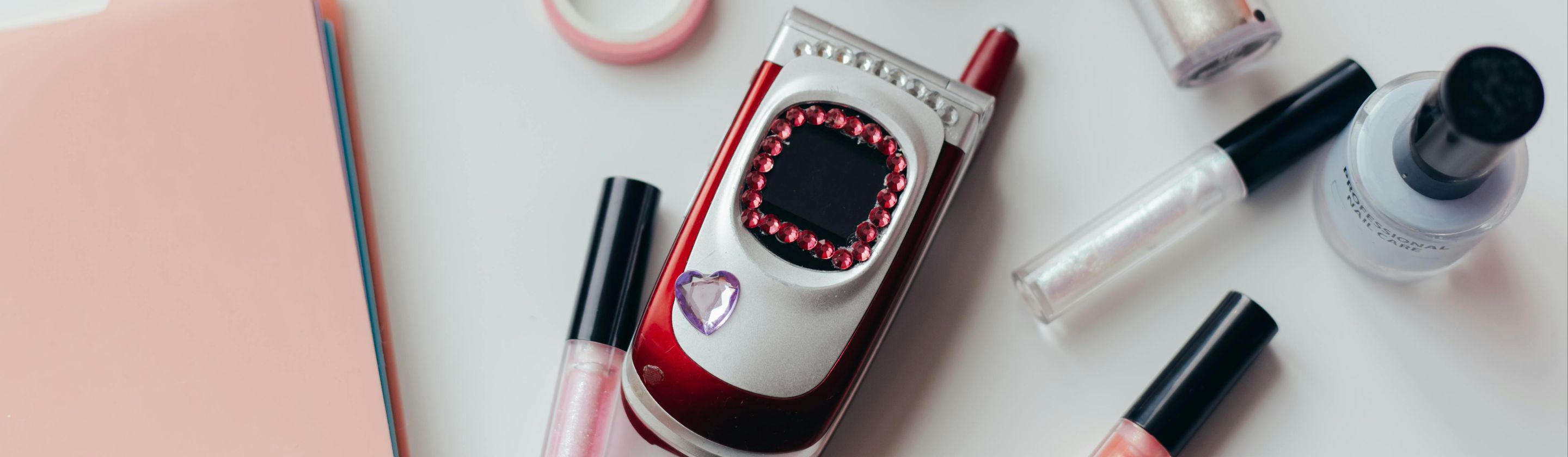
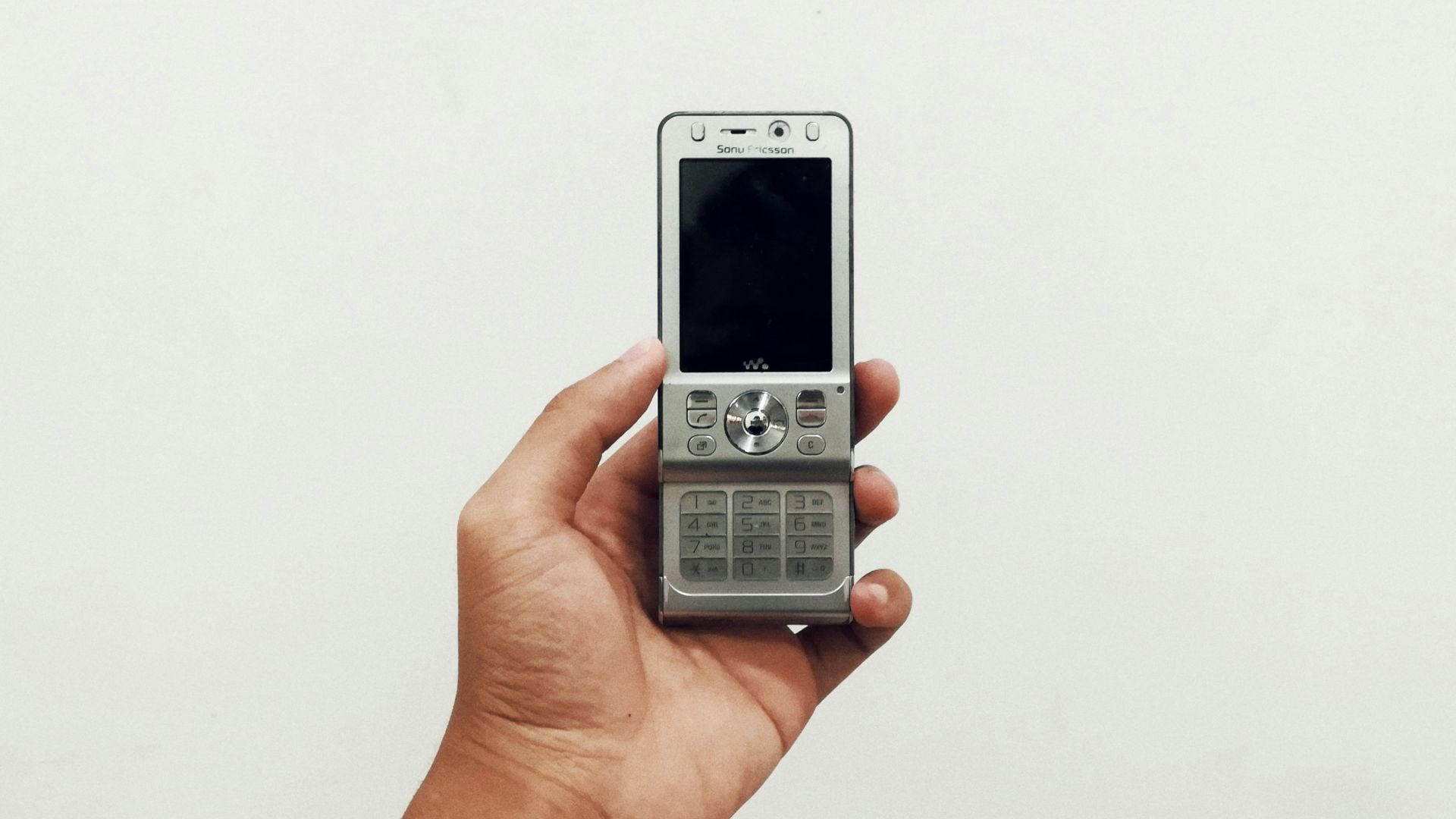
"Dumb phones" aren't what you might think they are. In fact, if you grew up in the '90s and early 2000s, you're probably more than familiar with them. You may even still own one, even if it's hidden at the back corner of an unused drawer. "Dumb phones" are basically flip phones. As defined by CNET, they're "essentially stripped-down cellular devices that lack the bells and whistles of modern smartphones." While you can still do basic things such as calling and texting, most lack the kind of advanced features you'd typically see on a regular smartphone. You might not even be able to connect to the internet.
For those who have never had a flip phone before, switching to a dumb phone might feel extremely jarring. You lack the apps you're accustomed to, you have limited songs to listen to (if at all), and typing a text means pressing tiny physical buttons several times in a row to get the right letter. But to '90s kids, dumb phones are a familiar gadget, and that familiarity might make it easier to switch.
If you're seriously thinking about swapping out your current smartphone for a simpler, dumbed-down one, there are options out there that may better fit your needs, so don't worry about being able to only choose from one kind. You'll find numerous guides on the web that help narrow down which one is right for you.
At the end of the day, whether or not you make the switch is entirely up to you. But if you've been feeling overwhelmed by technology and how consumed you are by it, it doesn't hurt to try thinning out your screen time so you can reconnect with your life.