
The Small Online Behaviors That Give Away More Than You Think
Most people imagine online tracking as something highly technical happening in the background while they go about their day. That's definitely part of it, but a lot of tracking also gets easier because of ordinary habits that seem harmless in the moment. If you want a better sense of how your own routine might be making things simpler for advertisers, data brokers, and platforms that love building a profile on you, these are 20 internet habits worth paying more attention to.

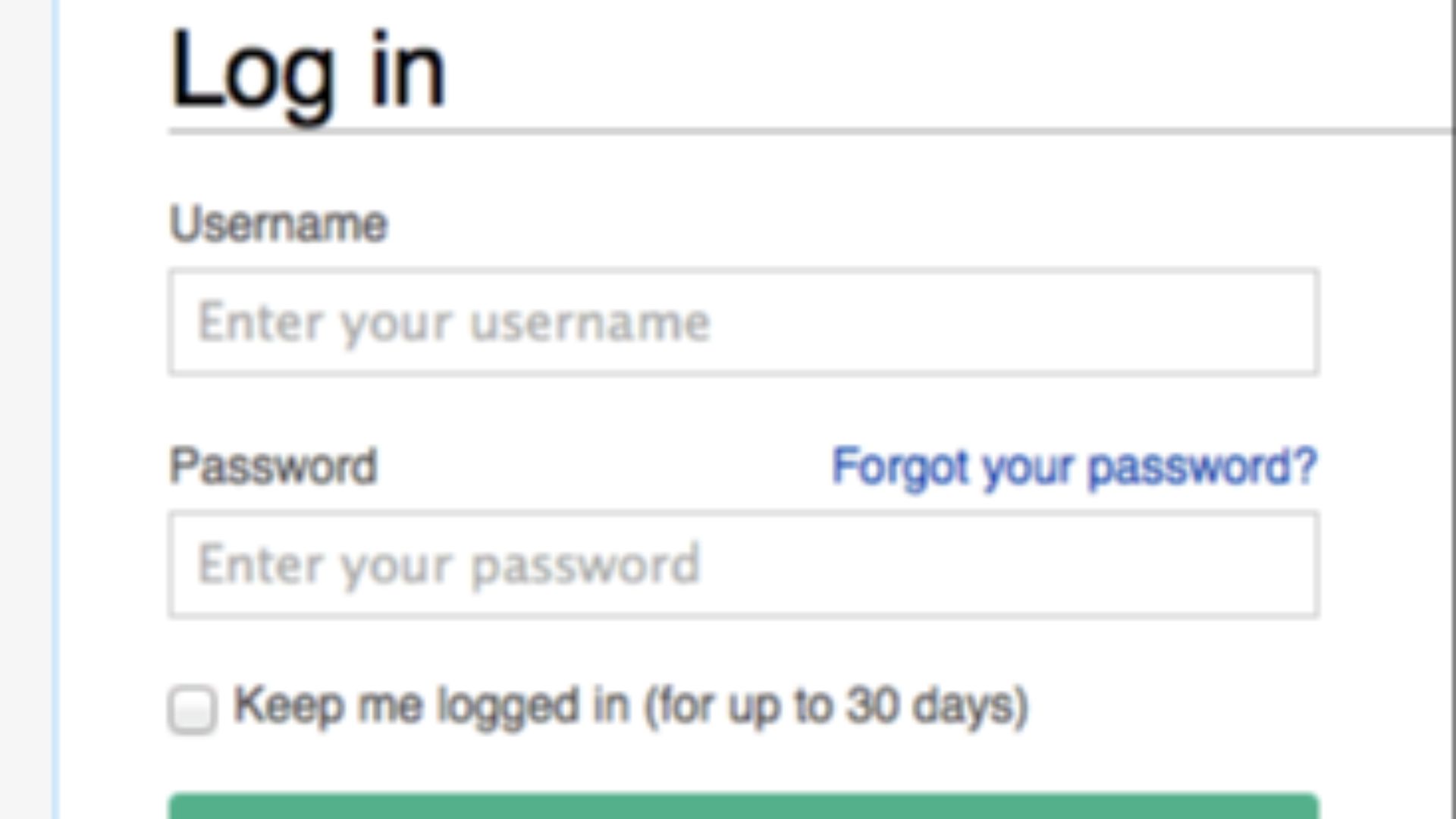
1. Staying Logged Into Everything All the Time
Keeping every app and website signed in may be convenient, but it also makes it much easier for platforms to connect your activity across devices and sessions. When your accounts are always open, there's less separation between casual browsing, shopping, and the rest of your online life. That means companies don't have to work very hard to recognize you from one visit to the next.
2. Using One Browser For Everything
If you do your banking, social media, shopping, work research, and random late-night searches all in the same browser, you're giving trackers a fuller picture of your habits. A single browser environment makes it easier for cookies, fingerprinting tools, and logged-in services to connect different parts of your life. Splitting tasks across browsers creates some helpful separation.
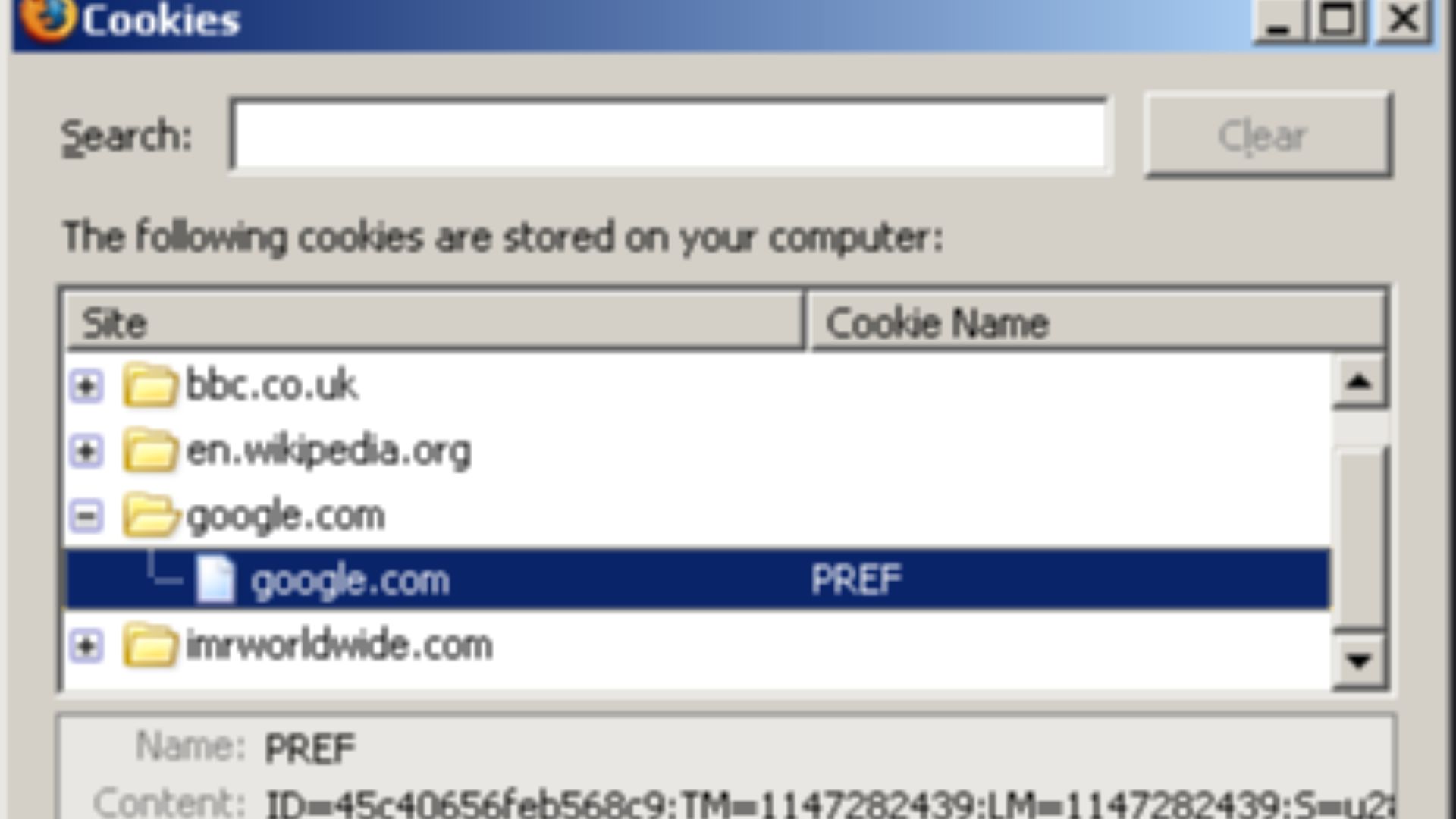
3. Accepting All Cookies Without Thinking
Nearly everybody has done this just to get a pop-up out of the way, so you're definitely not alone. The problem is that blanket consent can open the door to a wider network of third-party tracking than you probably intended. Some of those cookies help companies follow your behavior across multiple sites. It only takes a second to click, and the data trail can last a lot longer.
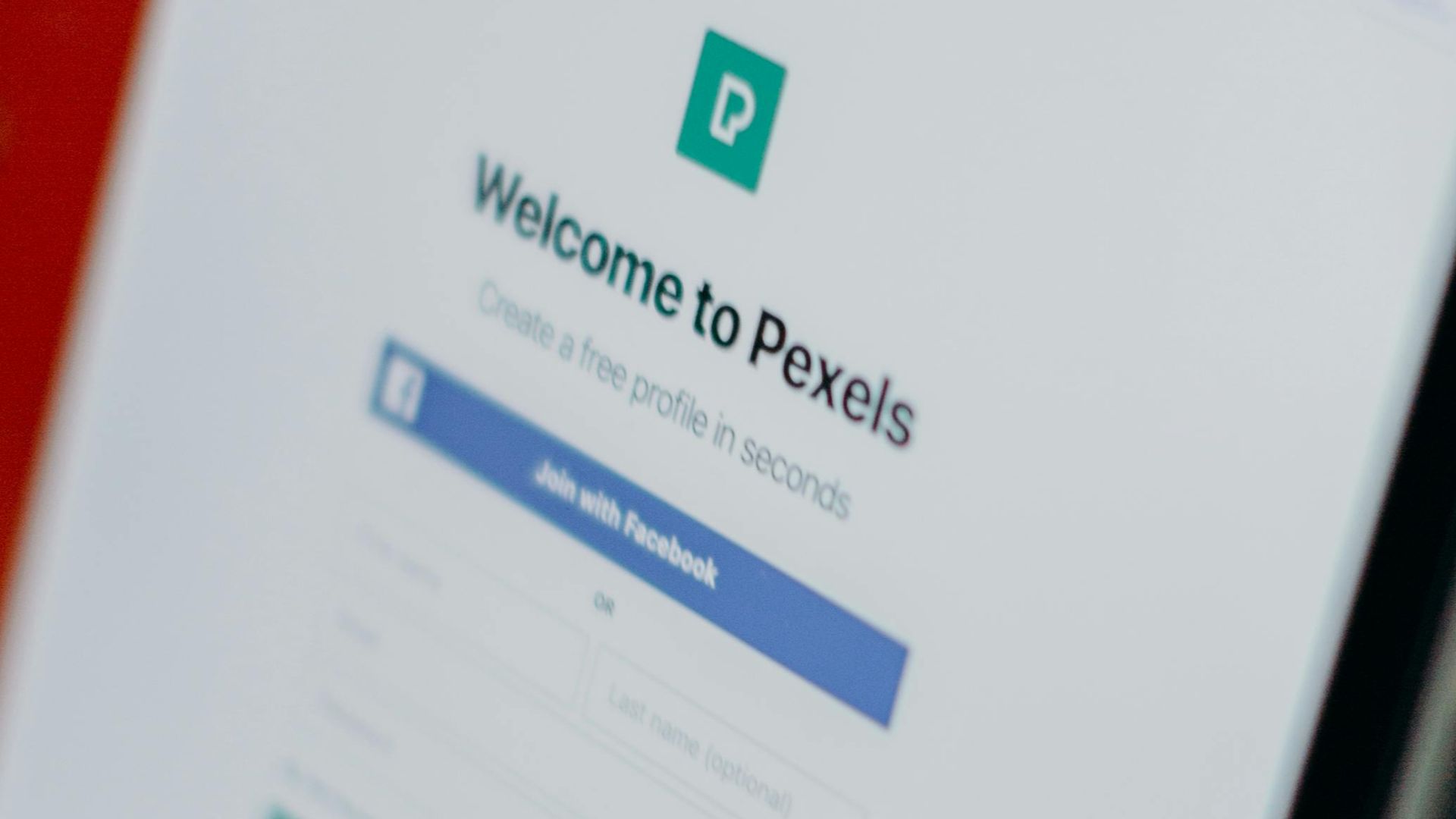
4. Signing Into Websites With Your Email Or Social Account
That little "continue with Google" or "log in with Facebook" button saves time, but it also ties your activity more closely to a major identity hub. The more often you use a single account to unlock other services, the easier it becomes to link those services back to one profile. From a tracking perspective, that kind of neat connection is incredibly helpful.
5. Posting Your Location In Real Time
Sharing where you are while you're still there gives platforms and other people a very clear look at your movement patterns. It can reveal your favorite restaurants, your gym schedule, your commute habits, and even how often you're away from home. That might seem harmless when it's just one post, but patterns build quickly when you do it often.

6. Leaving App Permissions Wide Open
A lot of apps ask for access to your location, contacts, microphone, camera, photos, or Bluetooth, and many people hit yes without revisiting those settings later. Once you've granted those permissions, some apps can collect far more information than their actual function seems to require. If you haven't cleaned up your permissions in a while, you've probably given away more access than you meant to.
7. Reusing the Same Email Address For Everything
Using one email for every account makes life simpler, but it also makes identity stitching much easier. Data brokers, advertisers, and platforms love stable identifiers, and a long-used email address is about as stable as it gets. When the same address shows up in shopping databases, newsletters, forum signups, and service accounts, connecting those dots gets much easier. You don't have to use ten email addresses, but using only one is doing trackers a favor.
 Stephen Phillips - Hostreviews.co.uk on Unsplash
8. Letting Apps Track Precise Location
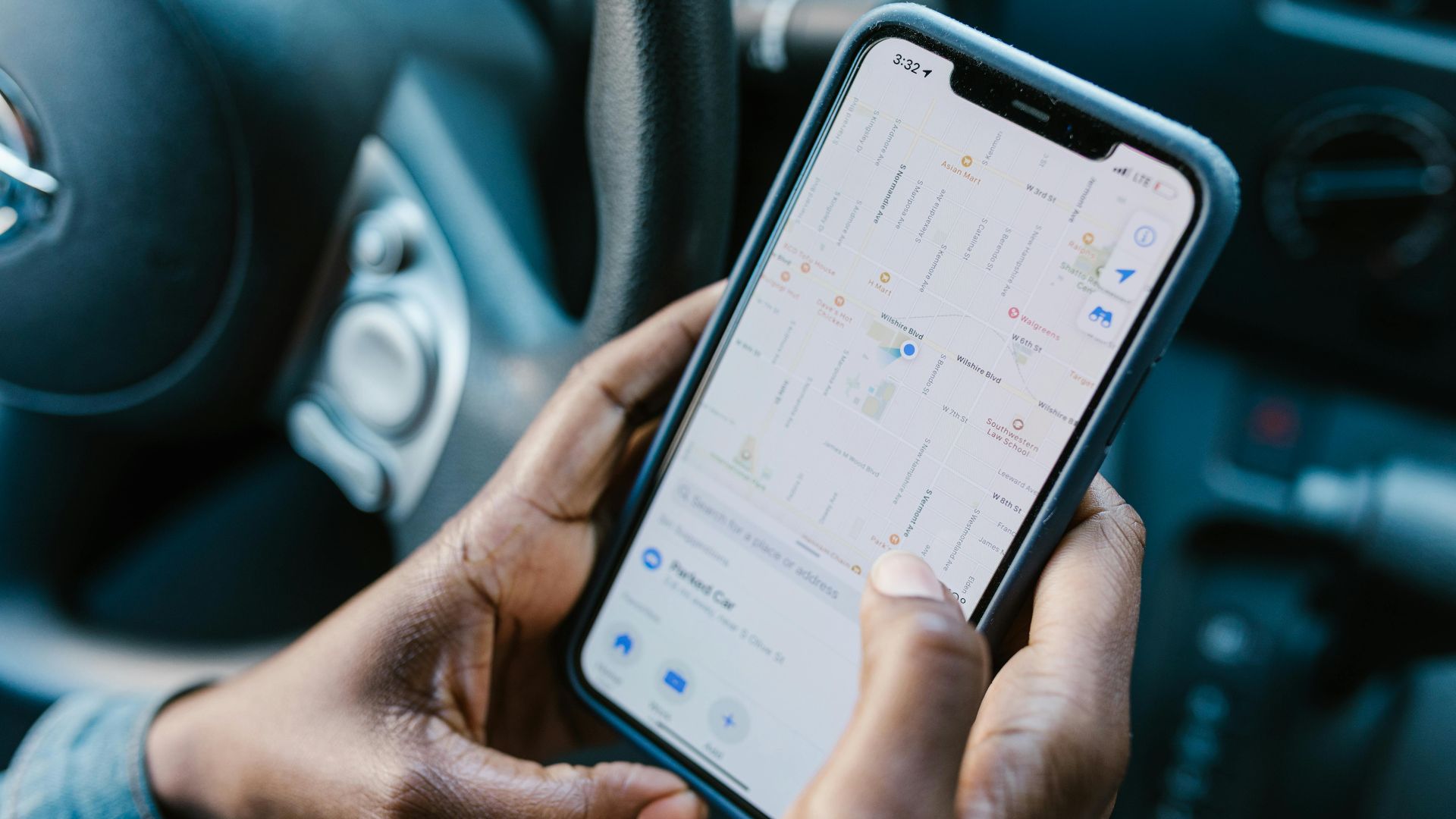
A lot of apps don't really need to know your exact location down to the block, yet people often grant precise access by default. That extra accuracy gives companies a more detailed sense of where you live, work, shop, and spend time. Once enough location data builds up, it can paint a surprisingly intimate picture of your habits.
9. Using the Same Username Across the Internet
A favorite username can feel like a personal trademark, but it also makes cross-platform tracking easier for humans and automated systems alike. That can expose more of your interests and behavior than you intended. Consistency is great for branding, just not always for privacy.
10. Oversharing in Quizzes, Polls, & Posts
The internet loves a playful question, and users love answering them more than they probably should. Those harmless-seeming prompts can reveal your age range, tastes, routines, hometown, family structure, and all kinds of little data points that help refine a profile. A dozen small details can say a lot when someone is actually paying attention.

11. Keeping Ad IDs Turned On
Your phone's advertising ID is designed to help marketers track behavior and deliver more targeted ads. Many people never think to reset it, limit it, or turn off personalized ad tracking when the option exists. That leaves a persistent marker attached to your device that advertisers can use to follow patterns over time. If you've never looked at that setting, you're in very crowded company.

12. Using Free Wi-Fi
Public Wi-Fi is convenient, but it can expose more about your browsing habits than you'd like if you're not careful. Even when the network itself isn't malicious, you're still using a shared environment that can make certain kinds of monitoring easier. Add in the temptation to log into personal accounts while half-distracted, and things get messy quickly.

13. Browsing With a Pile Of Extensions
Browser extensions can be useful, though some collect more information than users realize. If you've added a bunch of shopping helpers, coupon tools, grammar plug-ins, and random productivity extras over the years, there's a good chance at least a few have broad access to what you do online. That can include page content, search behavior, and browsing activity across sites. One forgotten extension with too much permission can quietly know a lot about you.
14. Never Clearing Your Browsing Data
Cookies and local site data aren't the only tracking tools out there, but keeping everything indefinitely does make it easier to maintain continuity. Over time, that stored data helps sites remember you, classify you, and reidentify you with less effort. Clearing data won't make you invisible, but doing nothing at all definitely doesn't help.
15. Using One Device for Every Part of Your Life
When the same phone or laptop handles work, shopping, private messaging, entertainment, navigation, and finances, it becomes a very rich source of behavioral data. That doesn't mean you need a spy-movie setup with separate burner devices, but total consolidation has obvious downsides.
 Howard Bouchevereau on Unsplash
16. Clicking On Personalized Ads Out Of Curiosity
A lot of people click targeted ads just to see why they were shown or because the product feels oddly well-timed. That reaction is understandable, but it also reinforces the system's learning what grabs your attention. Every interaction helps refine the profile behind the ad decisions, even when you don't end up buying anything.
 Antoni Shkraba Studio on Pexels
17. Uploading Contact Lists To Every New App
Many apps ask for your contacts to help you find friends, grow your network, or get started faster. Once you hand that information over, though, you're not only sharing data about yourself but also about other people who never agreed to it. That can help companies map relationships, social circles, and identity links much more effectively, which is honestly a lot more than most of us want corporations to have access to.

18. Shopping While Signed Into Major Marketplace Accounts
When you're signed into big retail platforms while browsing product links, reviews, or related ads elsewhere, those shopping habits become easier to tie together. Even before you buy anything, wish lists, clicks, abandoned carts, and comparison searches can all help build a behavioral profile. The result is a more complete picture of what interests you, what price points tempt you, and what you might buy next.

19. Forgetting That Smart Devices Are Part of Your Internet Life
People often think about tracking in terms of phones and laptops, but smart TVs, speakers, watches, and other connected gadgets are also part of the picture. These devices can collect usage patterns, app activity, voice interactions, or viewing behavior, depending on the product and settings. If you ignore them when thinking about privacy, you're leaving out a big piece of the puzzle.

20. Having the "I Have Nothing To Hide" Attitude
This habit is less about a specific setting and more about the mindset that stops people from checking anything at all. You don't need to be doing something shady for detailed profiling to feel invasive, manipulative, or simply annoying. Tracking isn't about catching you red-handed; it affects the ads you see, the prices you may be shown, the content pushed toward you, and the amount of personal data floating around places you'll never visit.