The iPod Days
Ah, the iPod. If you owned one during the era, you likely feel a pang of nostalgia now, thinking back to holding that slim device in your pocket, knowing that every song you'd ever loved was sitting right there, ready to play. After all, the iPod was more than just a gadget—it changed how people listened to and thought about music. But as streaming platforms like Spotify and Apple Music started to gain traction and technology advanced more and more, listeners discovered a whole new way to engage with music, one that traded physical storage for near-infinite access. Whether you were devoted to your click wheel or you've fully embraced the playlist algorithm, both eras have shaped the way we experience sound today.
1. Your Entire Music Library Was in Your Pocket
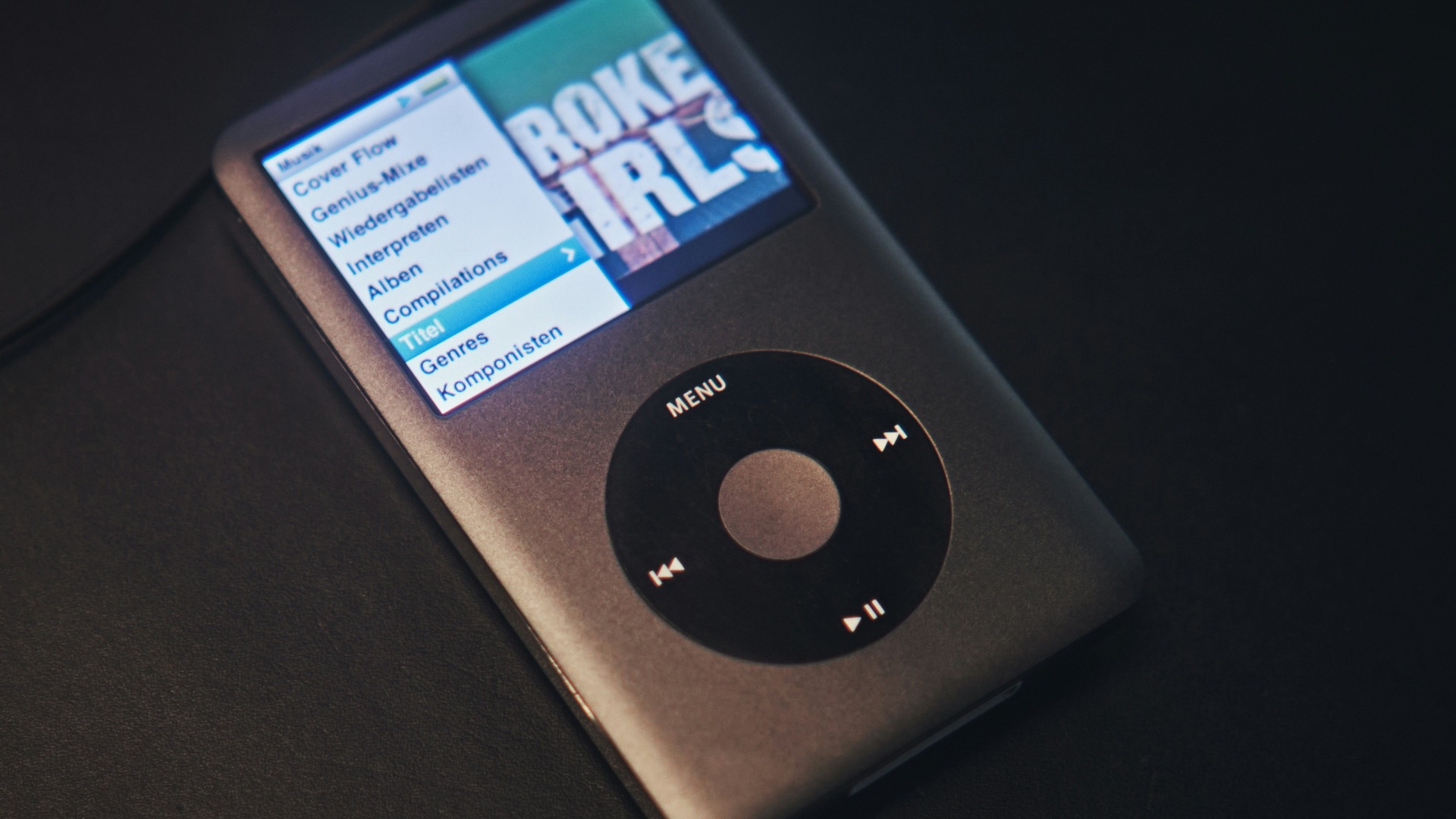
Before the iPod, carrying your music collection meant lugging around bulky CD cases or dealing with the limited capacity of early MP3 players. Apple's 2001 debut device could hold up to a whopping 1,000 songs, which felt almost unreal at the time. For the first time, your whole world of music was genuinely portable and always within reach.
2. The Click Wheel Was Satisfying to Use
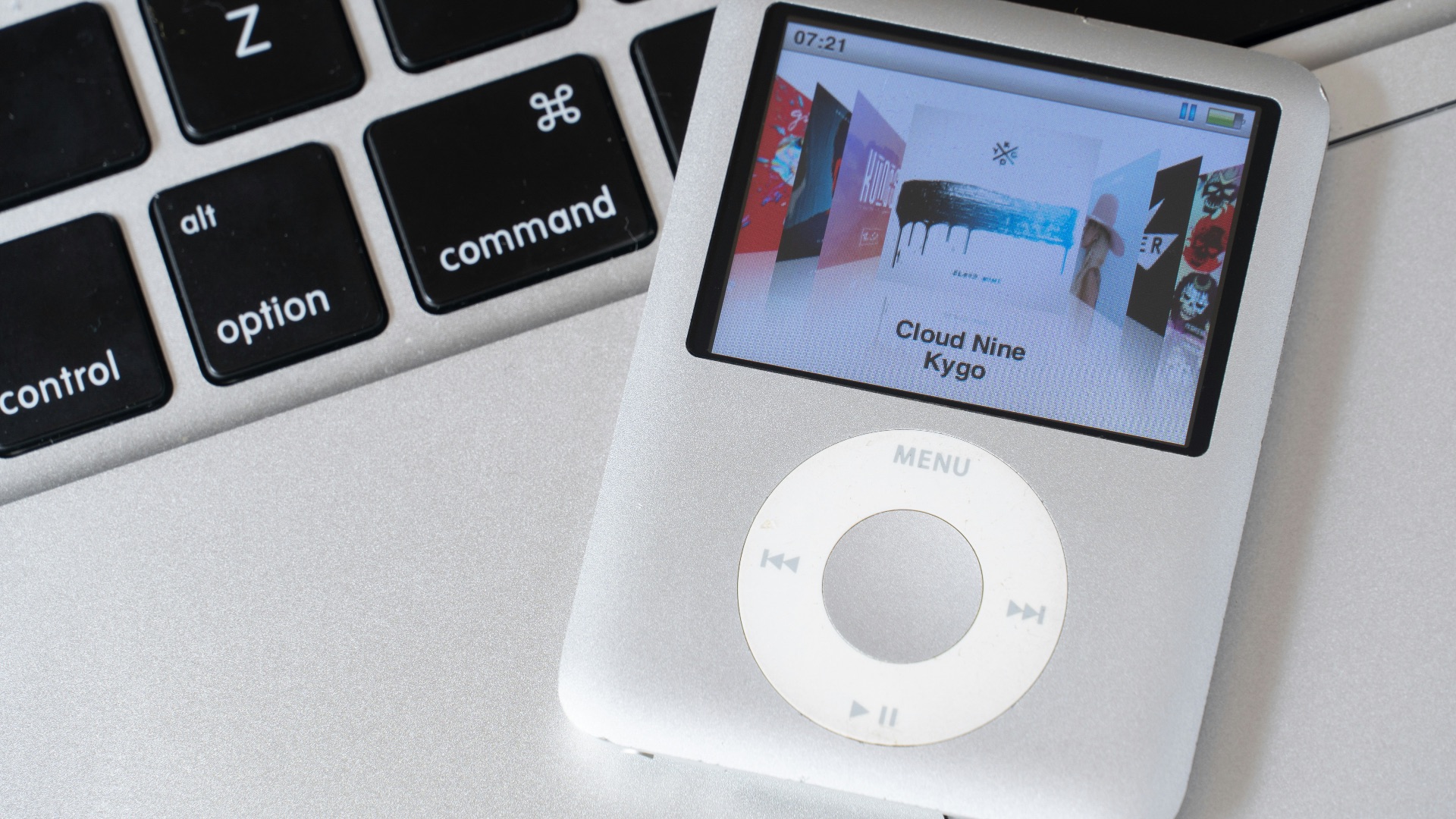
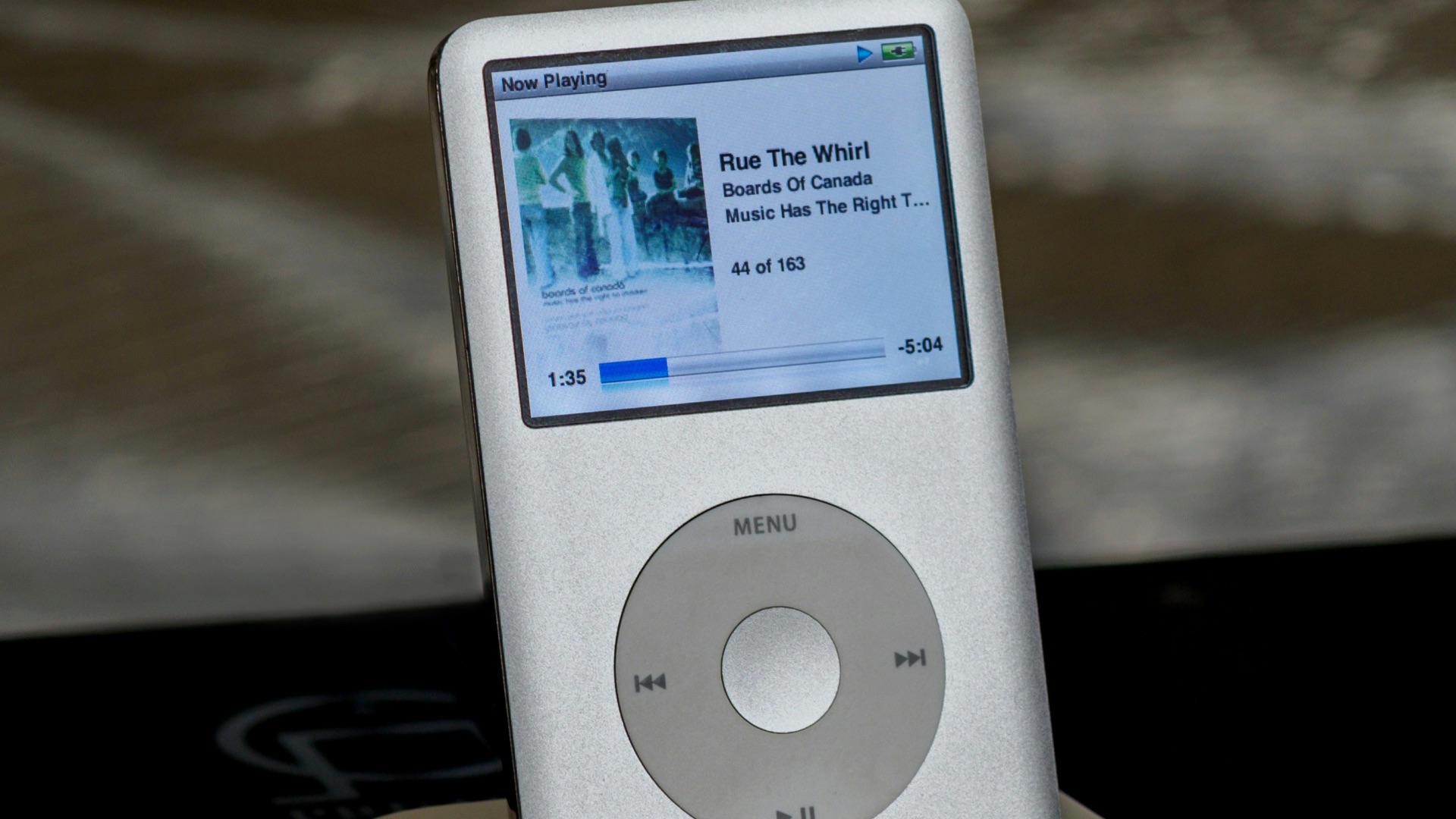
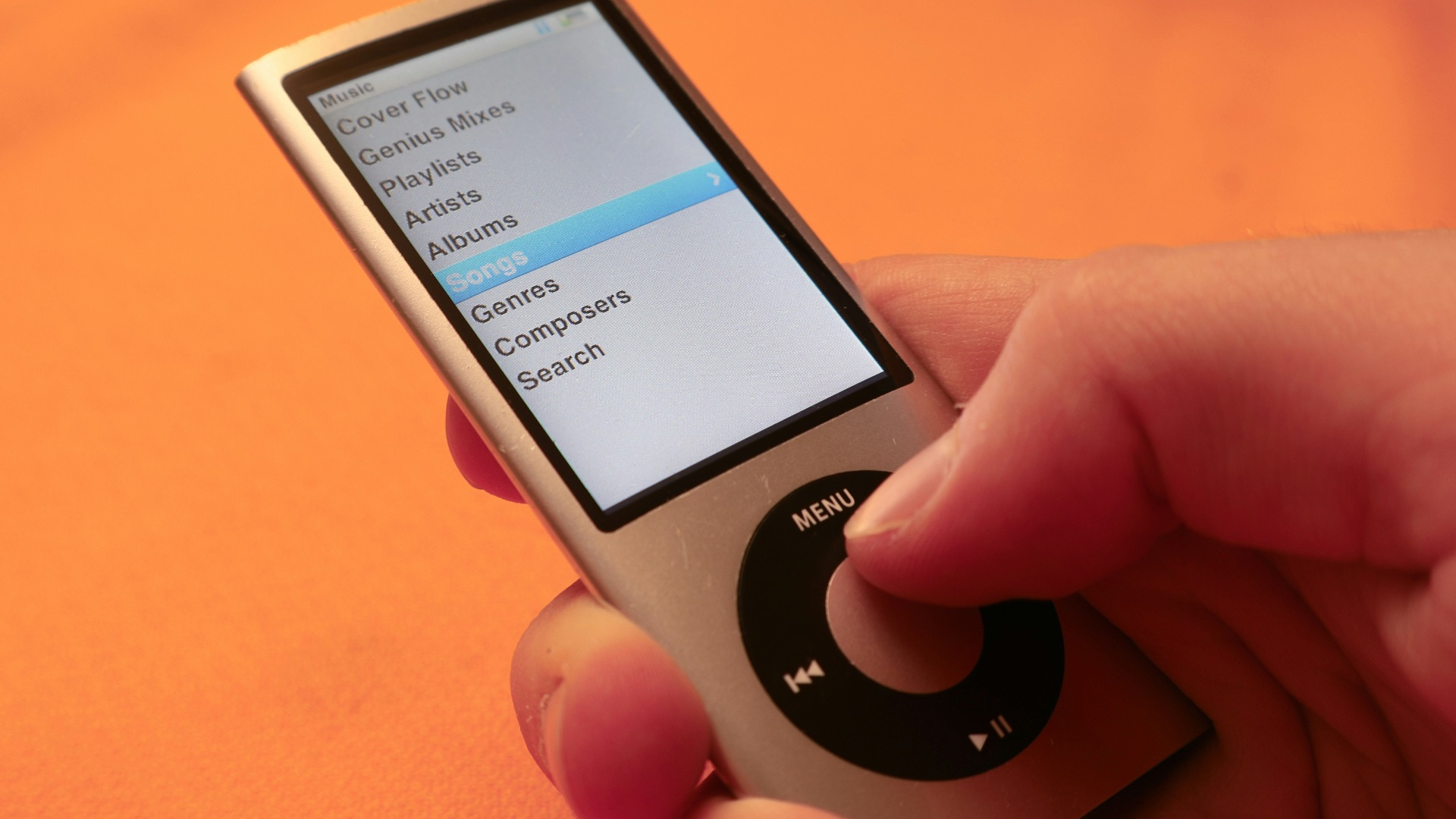
There's a reason people still talk about the click wheel with such fondness: it was one of the most intuitive interfaces Apple ever designed. You could scroll through hundreds of songs with a flick of your thumb and navigate menus without ever looking down at your hand. It felt responsive and tactile in a way that touchscreens, for all their versatility, have never quite replicated.
3. It Worked Seamlessly with iTunes
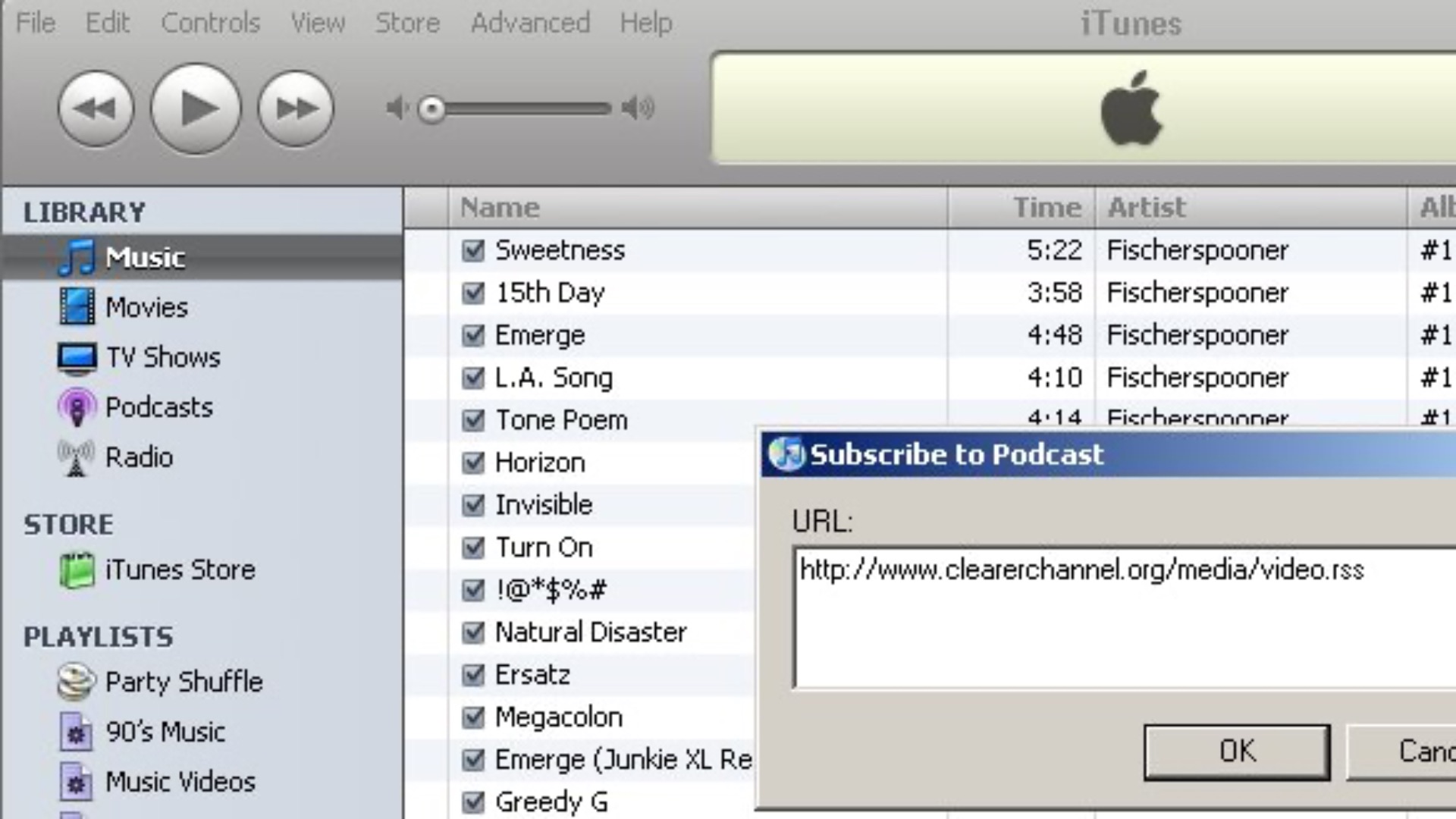
iTunes gave iPod users a centralized hub to manage, organize, and purchase music, which was a genuinely new kind of experience in the early 2000s. You could build playlists, browse the iTunes Store for 99-cent singles, and sync everything to your device in minutes. That tight integration between software and hardware made the whole ecosystem feel polished and easy to navigate.
 Mickfuzz at English Wikibooks on Wikimedia
4. Sound Quality Was Consistent and Reliable
Because your music was stored locally on the device, playback quality didn't fluctuate based on your internet connection or data signal. Whether you were on a subway, in a rural area, or on a long-haul flight, your songs sounded exactly the same every single time. That reliability was a big deal, especially for listeners who cared about audio fidelity.
5. It Was a Fashion Statement as Much as a Gadget
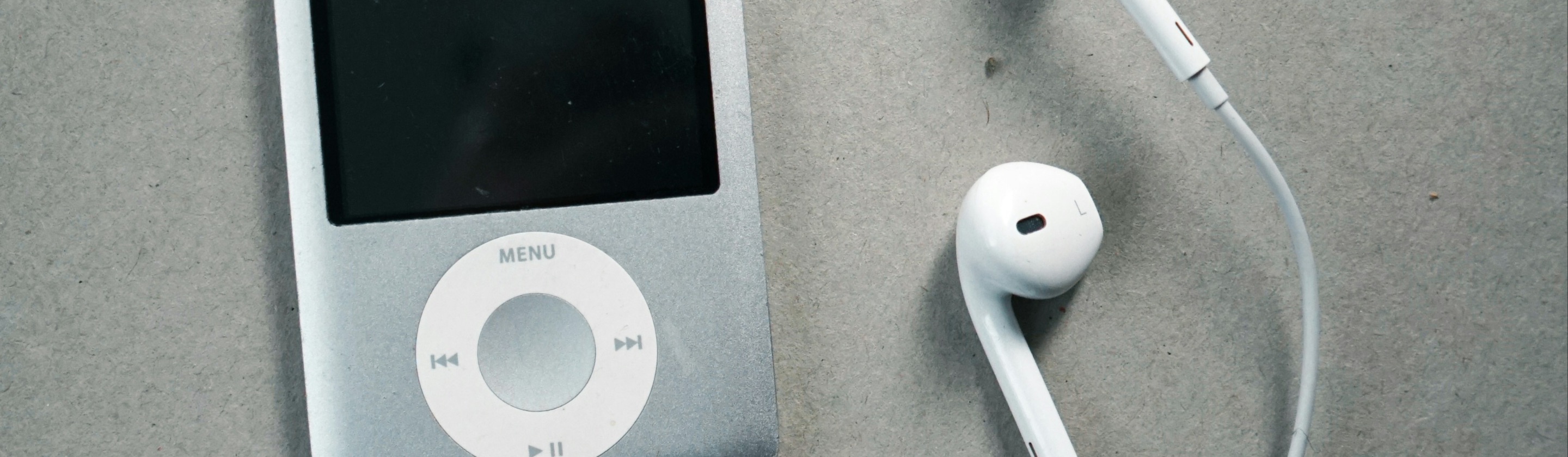
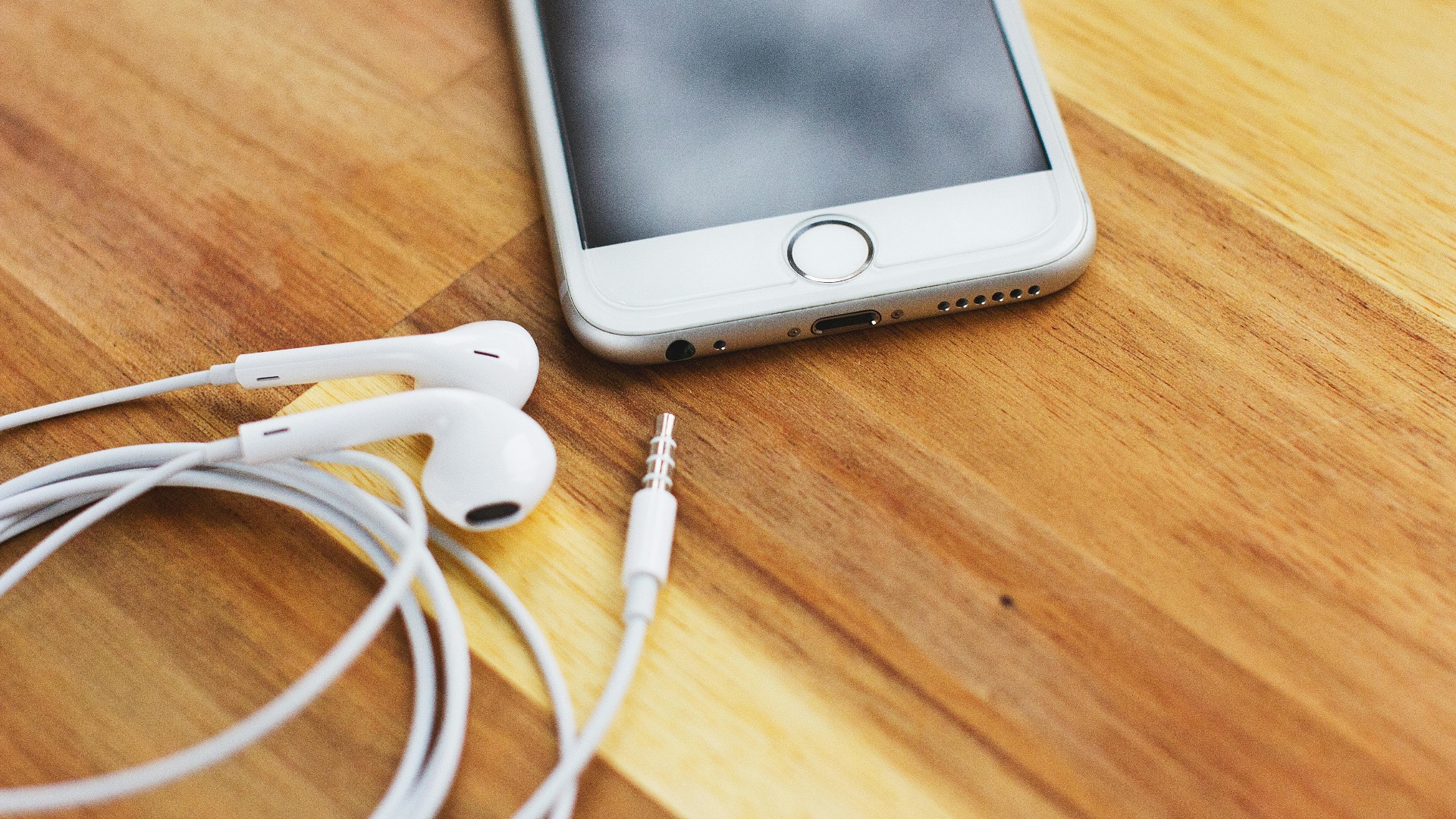
The iPod's sleek design, minimalist aesthetic, and iconic white earbuds made it one of the most recognizable products of its decade. Wearing those earbuds in public was essentially a cultural signal that you were plugged in, in every sense of the word. Apple's marketing leaned hard into that image, and it worked: the iPod became as much a style accessory as it was a music player.
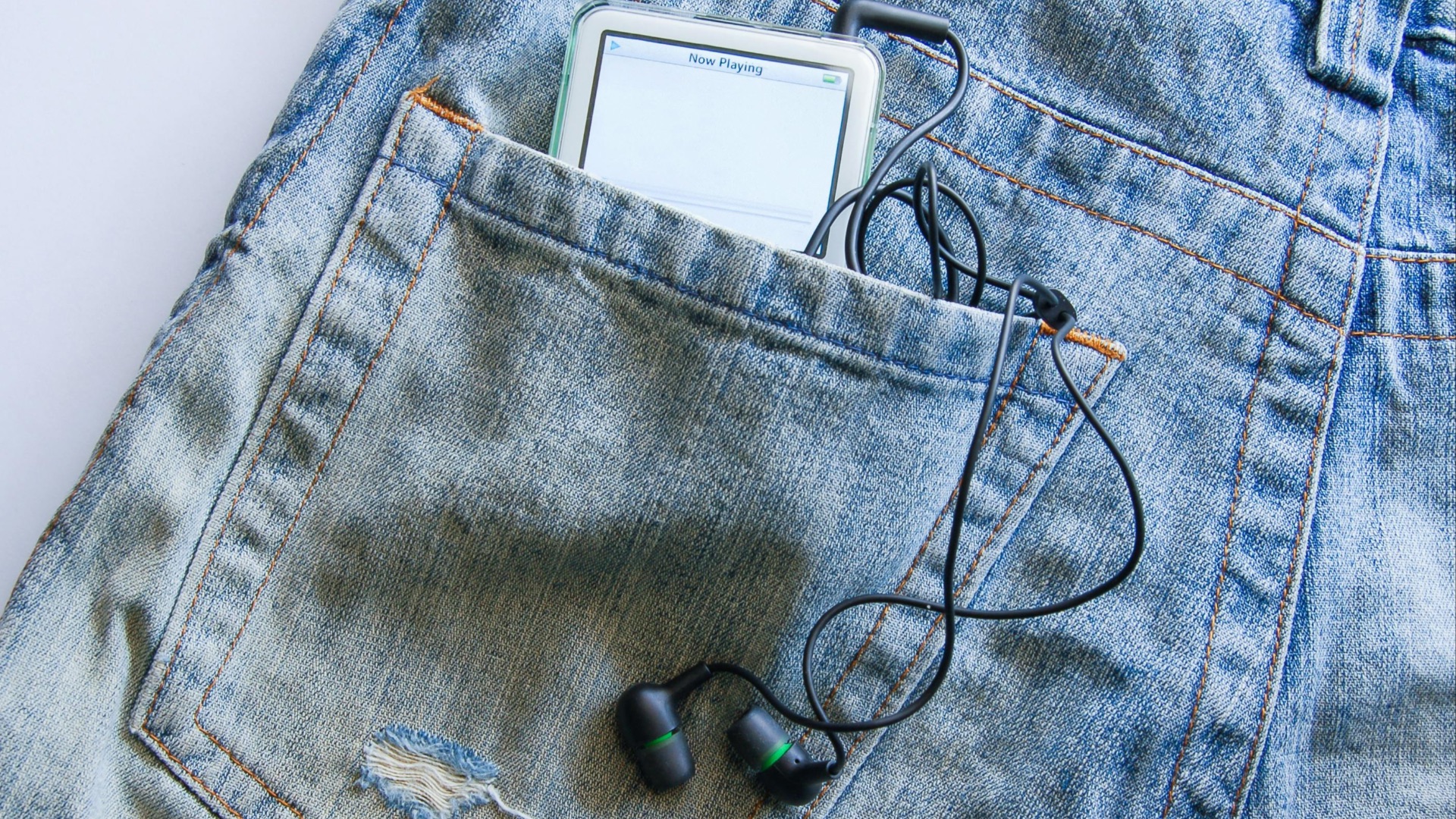
6. It Encouraged Intentional Music Curation
Owning an iPod meant you had to actively decide what went on it, which pushed people to think carefully about the music they loved most. Building a playlist felt like a creative project, and your library was a reflection of your personal taste in a way that felt curated rather than passive. There was real satisfaction in assembling the perfect collection and knowing every track on it was there because you chose it.
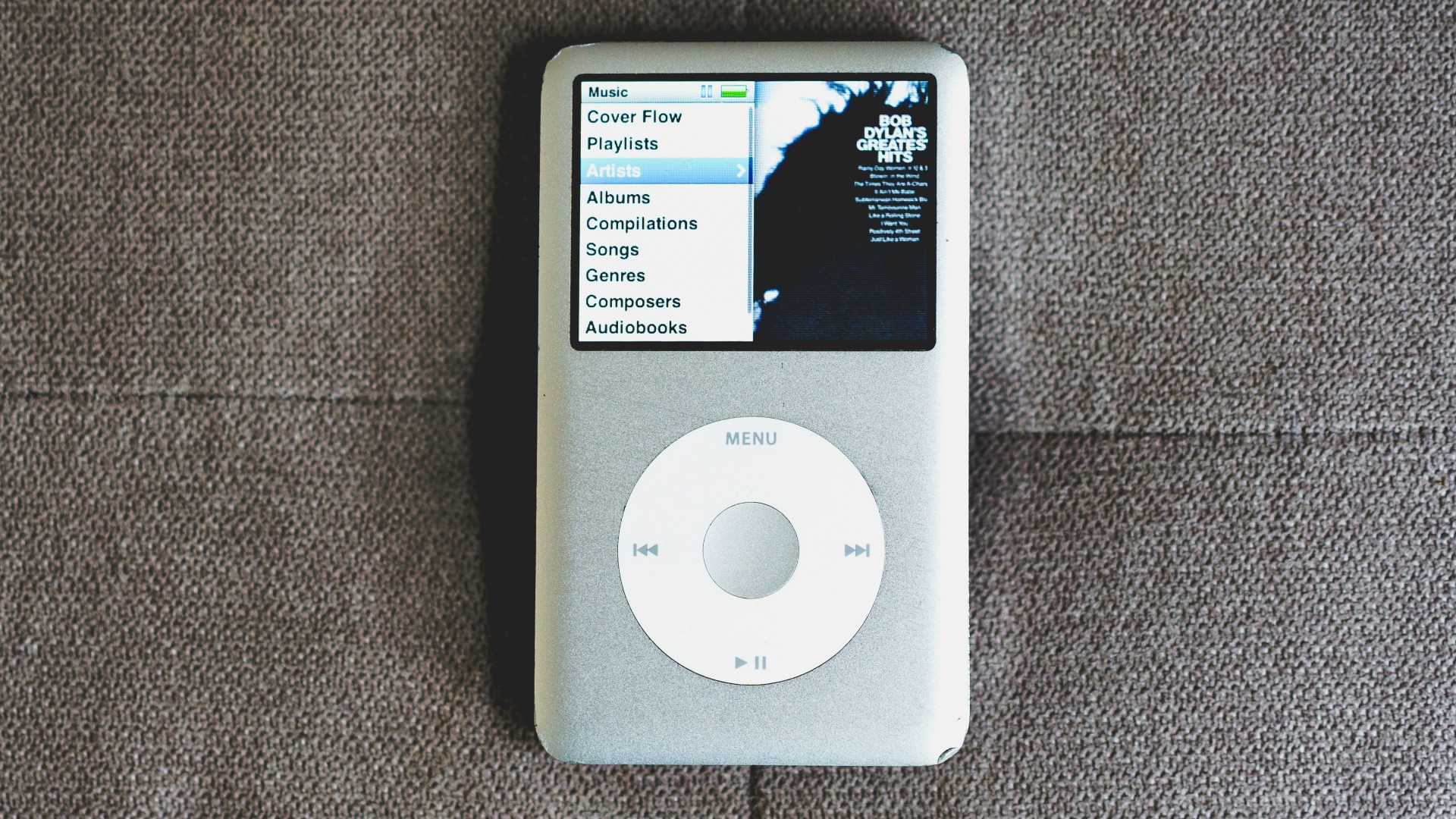
7. It Was the Gateway to the Modern Apple Ecosystem
For millions of people, the iPod was the first Apple product they ever owned, and it planted the seed for a lifetime of brand loyalty. The seamless experience it offered made the idea of an Apple phone, tablet, or computer feel like a natural next step. In many ways, the iPod is the product that built the devoted Apple customer base we know today.
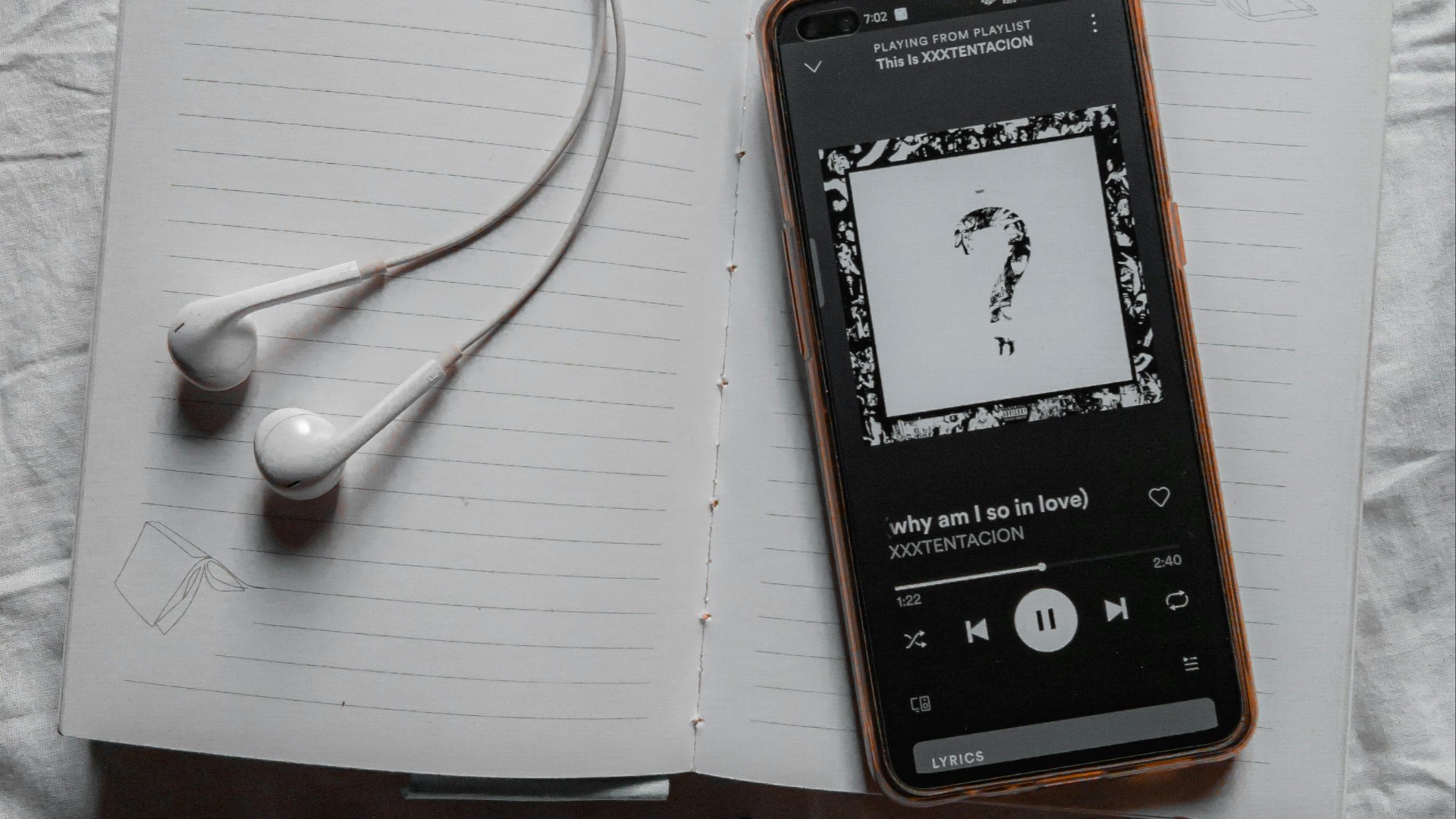
8. Battery Life Was Dependable for Long Trips
Early iPod models could run for up to 10 hours on a single charge, and later generations pushed that even further without the drain of a cellular radio or background app activity. If you were boarding a long flight or heading out on a road trip, you could reasonably expect your device to last the journey. That kind of consistent battery performance made it a trusted travel companion for years.
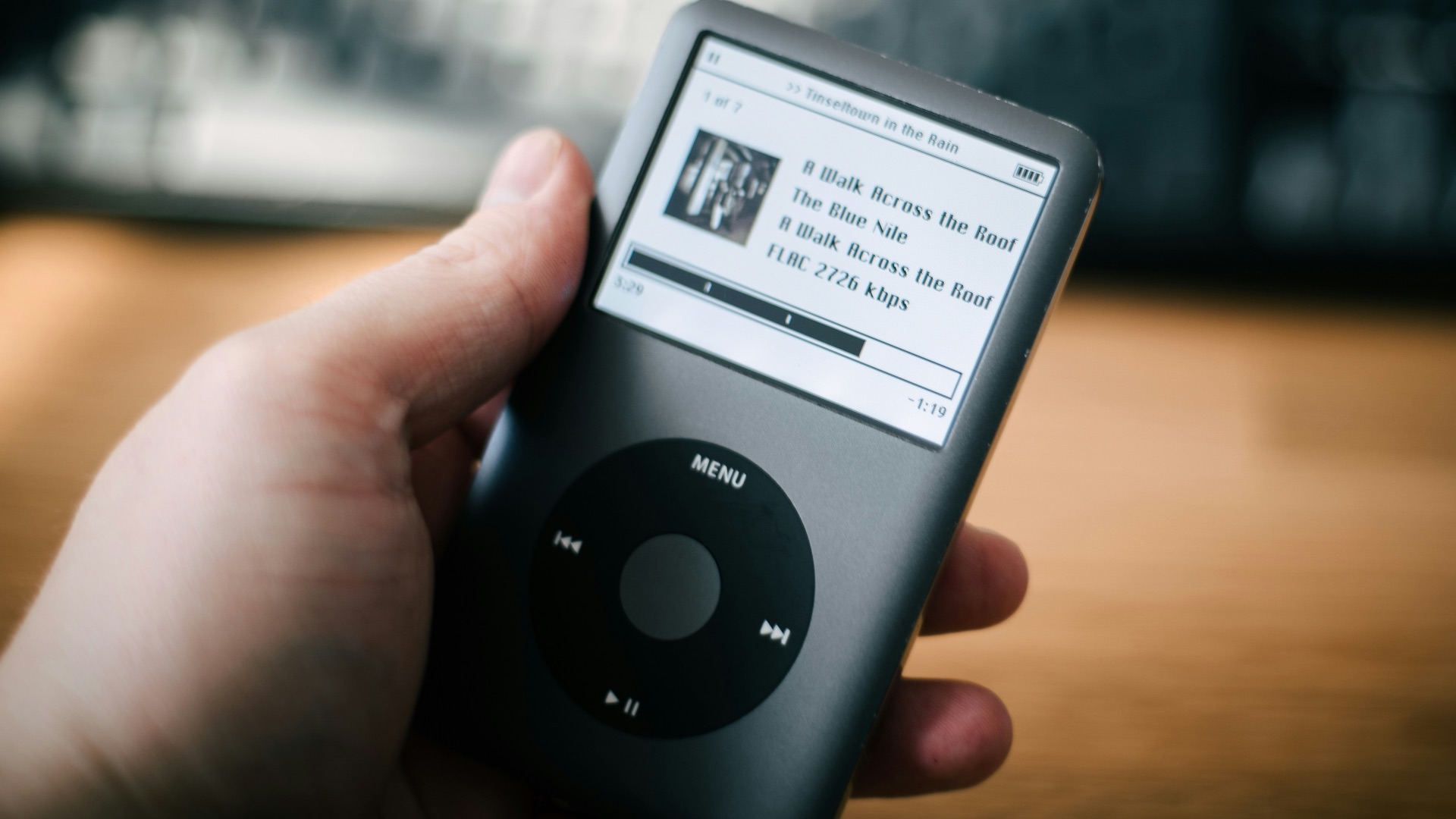
9. It Helped Normalize Paying for Digital Music
The iPod and iTunes Store arrived at a time when illegal music downloading was rampant, and the combination helped shift the culture toward legitimate digital purchases. At 99 cents a song, buying music felt accessible rather than expensive, and the iPod made that library feel worth building. It played a real role in reshaping the music industry's relationship with digital distribution.
10. It Gave You Total Control Over Your Listening Experience
With an iPod, there were no ads, no algorithm-driven recommendations, no buffering pauses, and no surprises; it was just the music you'd chosen, playing exactly when and how you wanted it. That level of control was deeply appealing to people who had strong opinions about what they wanted to hear and when. Owning your music meant it was always yours, with no subscriptions, no internet required, and no one deciding what came next.
For all the fondness we continue to reserve for the iPod, there's the other side of the argument. Let's now jump into why people largely prefer streaming, despite their nostalgia.

1. Access to Millions of Songs for One Monthly Fee
Services like Spotify, Apple Music, and Tidal give subscribers access to catalogs of 100 million or more tracks for a flat monthly rate that's often less than the cost of a single album. You're not limited to what you already own; if something exists, there's a very good chance it's already available to stream. For people with wide-ranging or constantly evolving tastes, that kind of breadth is hard to argue with.
2. Discovery Features Make Finding New Music Effortless
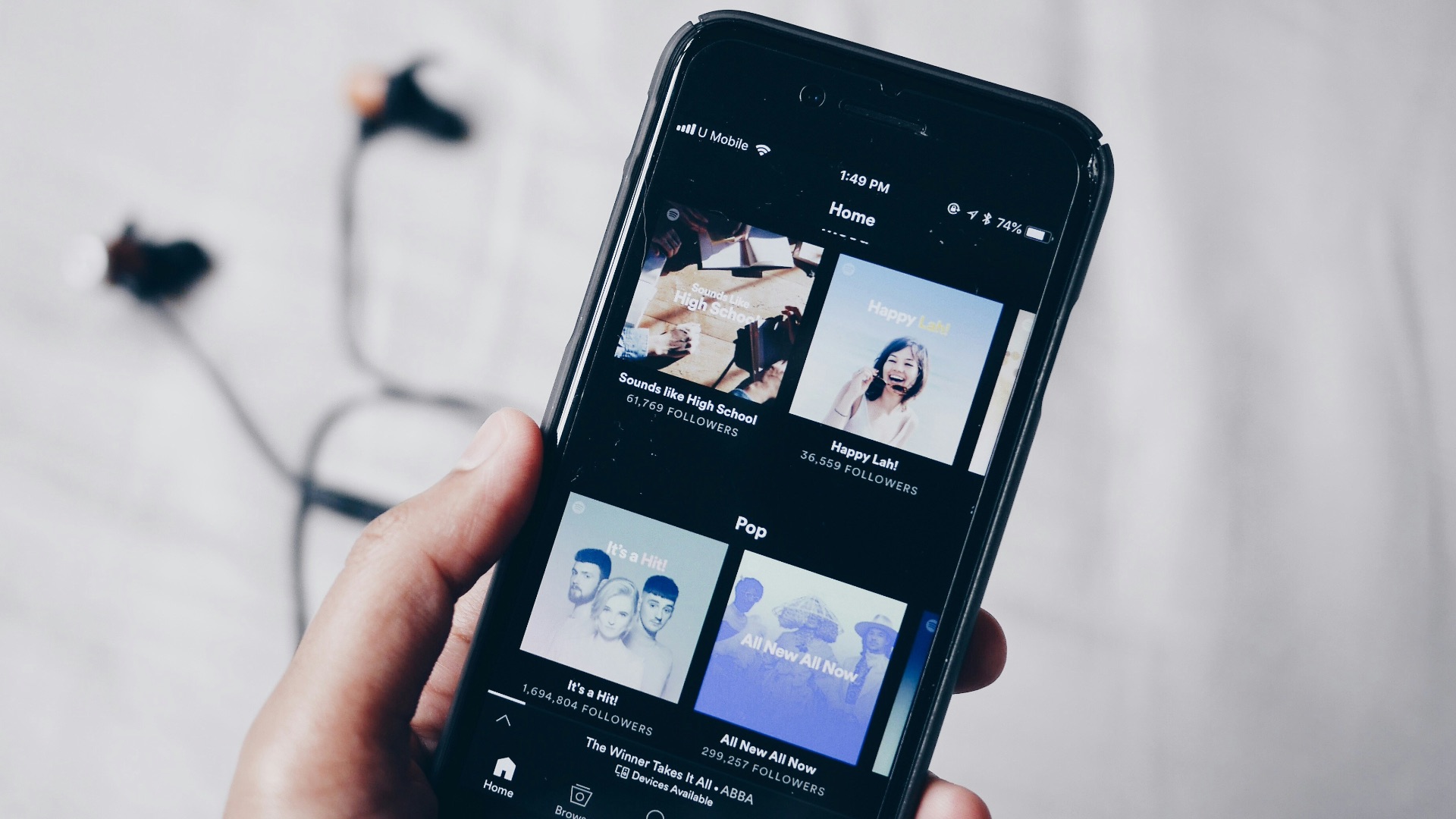
Streaming platforms invest heavily in recommendation algorithms and curated playlists that surface artists and songs you might never have stumbled across otherwise. Spotify's Discover Weekly, for example, has introduced millions of users to music they ended up loving deeply. That kind of personalized discovery simply wasn't possible when your library was limited to what you'd already purchased.
3. You Don't Need to Manage Storage
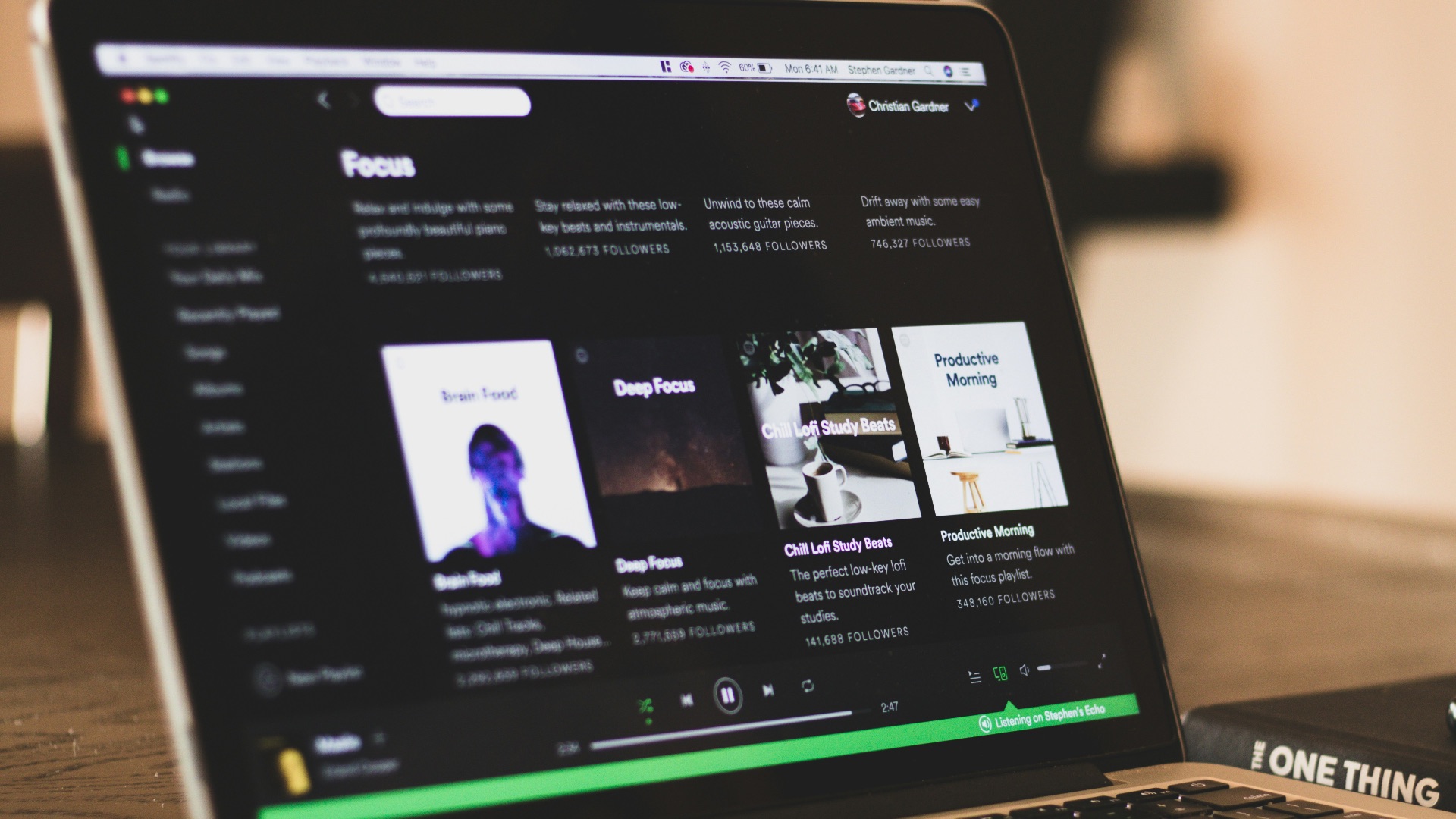
With streaming, there's no syncing, no storage limits, and no agonizing decisions about which albums to cut from your device because you've run out of space. Everything lives in the cloud, which means your "library" can be as expansive as you want without requiring any extra hardware. It's a level of convenience that the iPod, for all its strengths, could never quite match.
4. Streaming Works Across All Your Devices
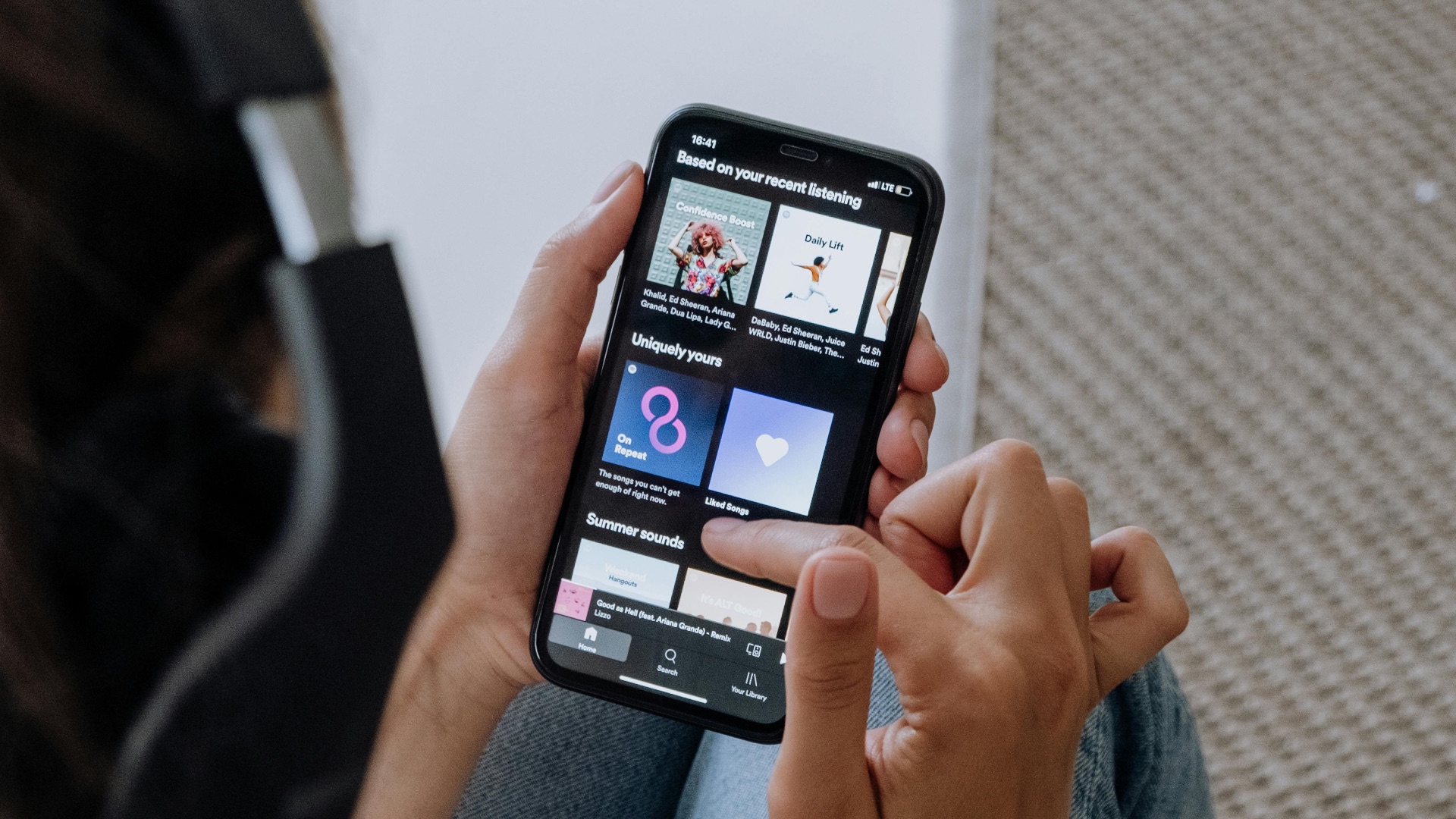
One subscription gives you access to your music on your phone, laptop, smart TV, tablet, and even your car's infotainment system, all synced and ready to go. You don't have to worry about whether you transferred the right playlist before leaving home or whether your library is up to date on a separate device. The experience travels with you seamlessly, wherever you happen to be.
5. New Releases Are Available the Moment They Drop
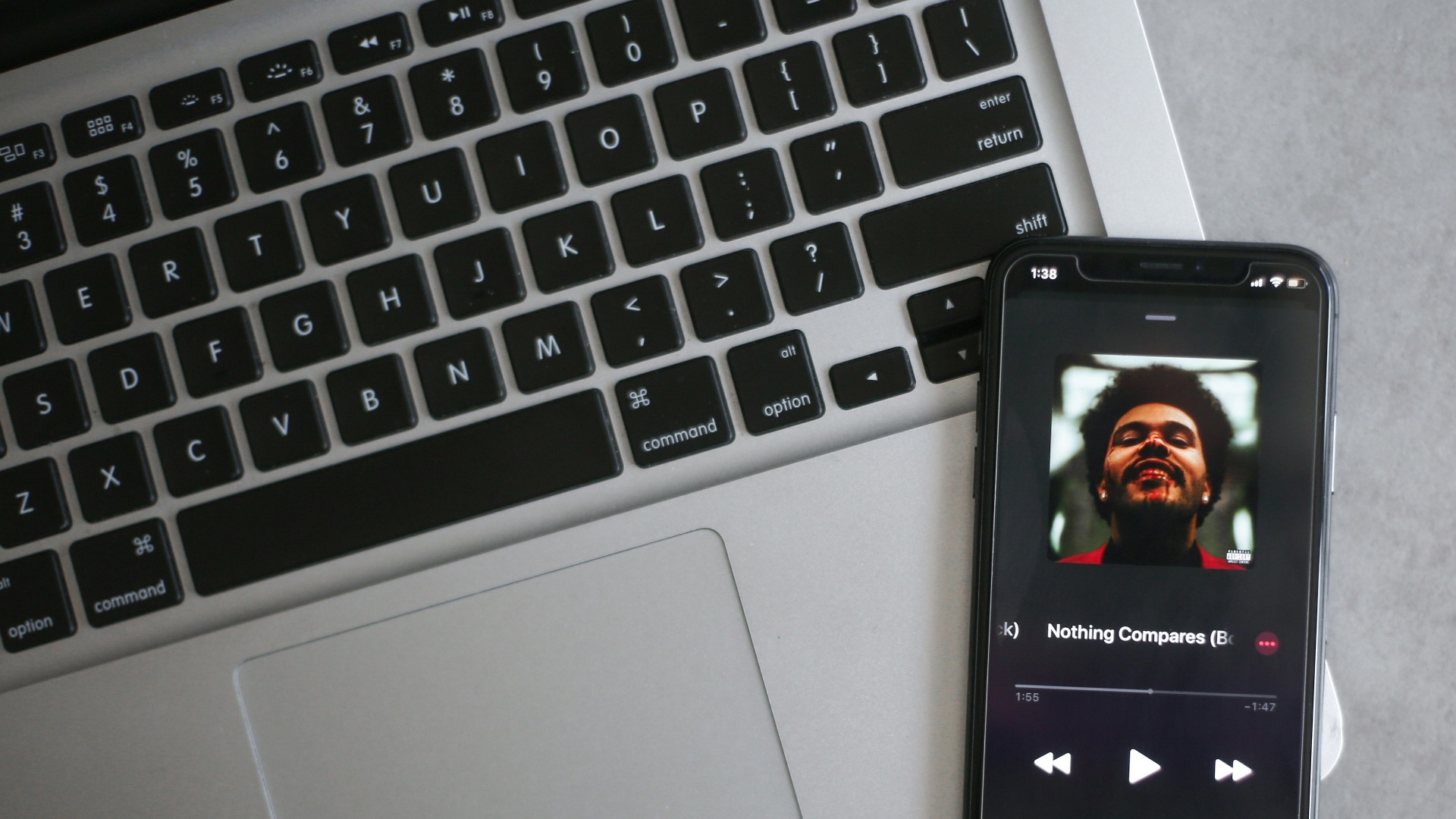
When an artist releases a new album on a Friday, it's on every major streaming platform almost immediately, with no trip to the store or digital storefront required. You don't have to pre-order, download, or wait; you just press play. For fans who want to be part of the cultural conversation around a new release in real time, that instant availability is a significant advantage.
6. Offline Listening Has Closed the Gap with Local Storage
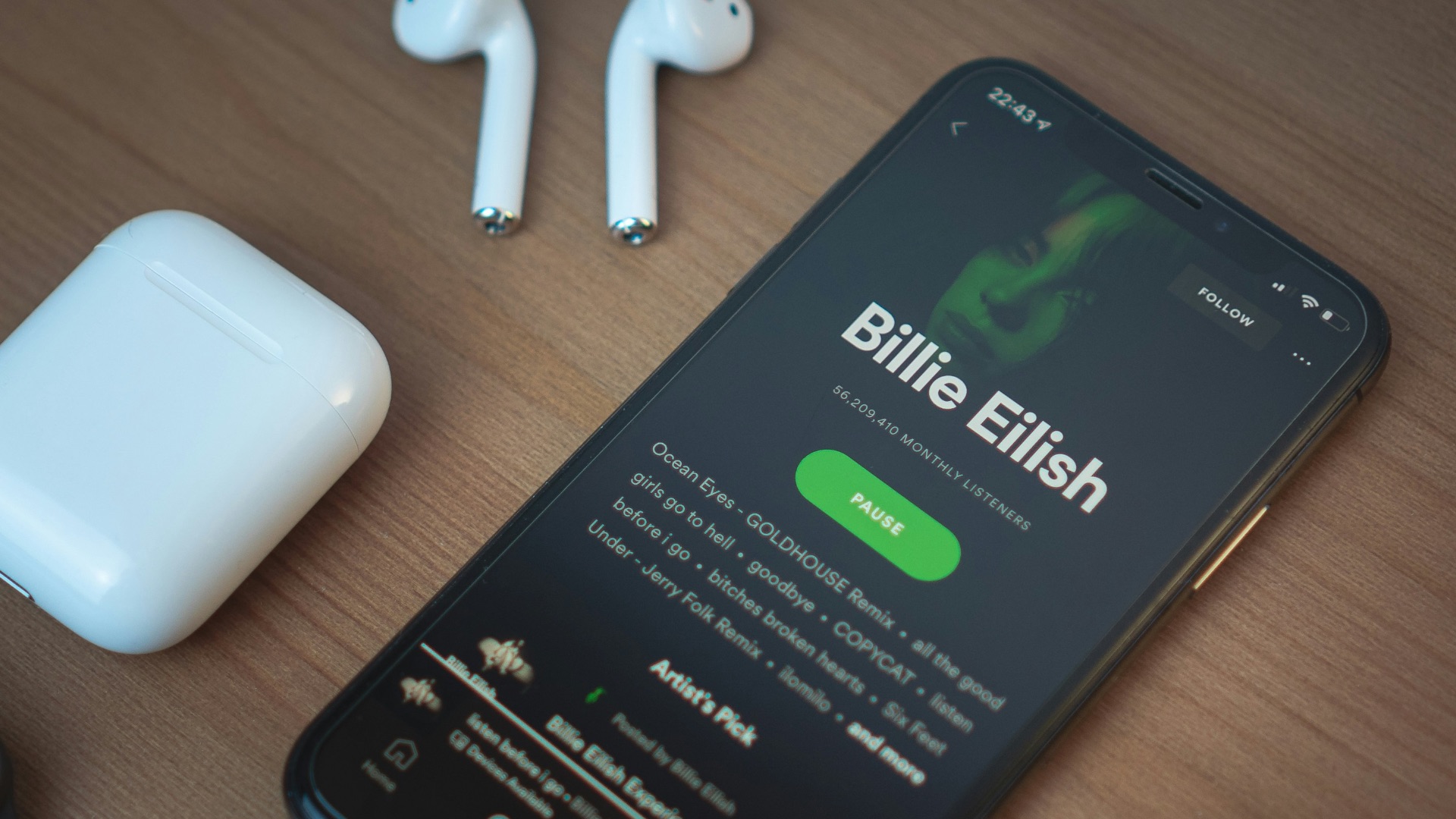
Most major streaming platforms now allow premium subscribers to download music for offline playback, which addresses one of the biggest complaints about streaming in its early days. You can load up playlists before a flight or a long drive and listen without any internet connection, much like you would with an iPod. The lines between streaming and local storage have blurred considerably as a result.
7. Podcasts and Music Live in One Place
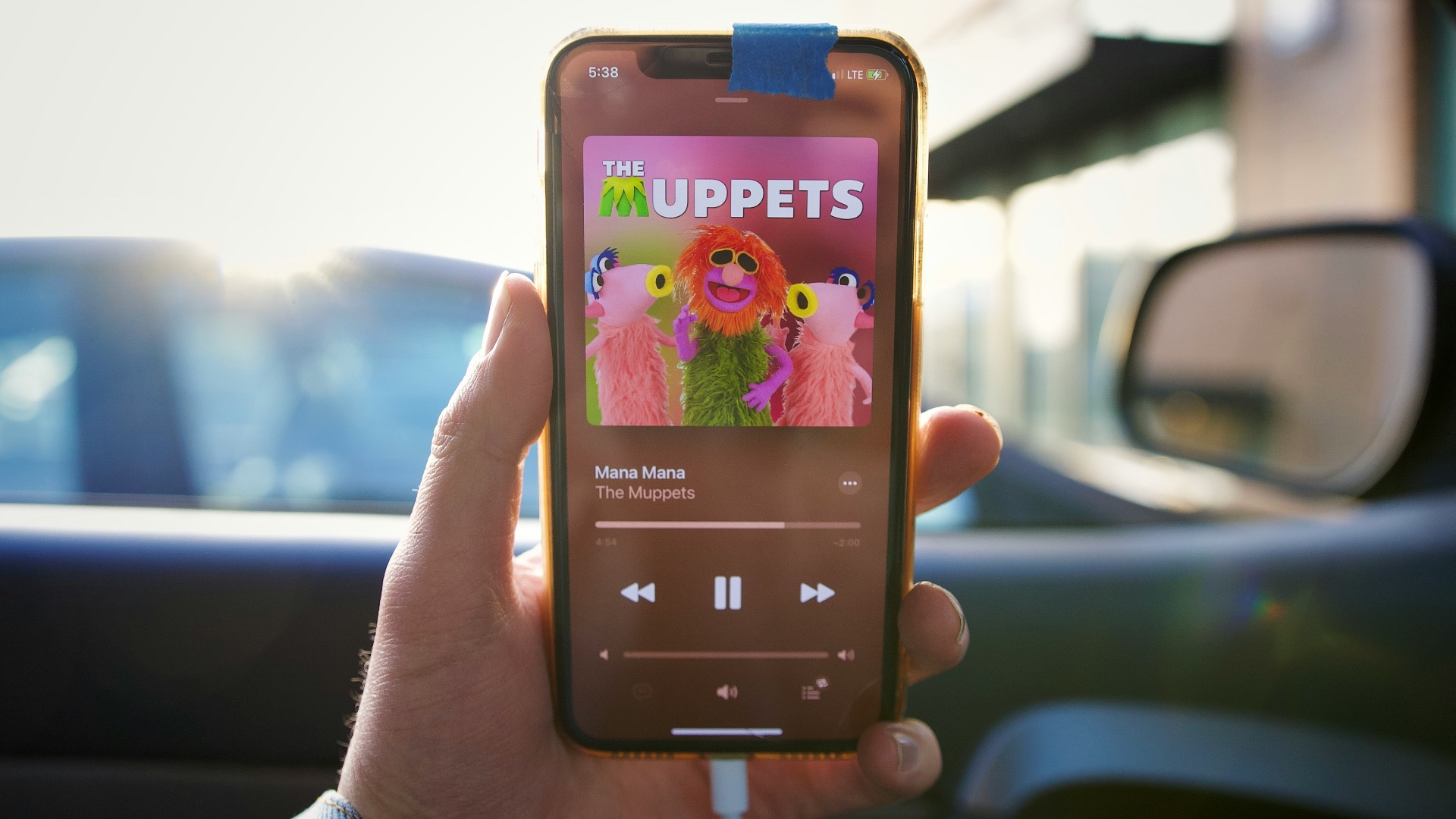
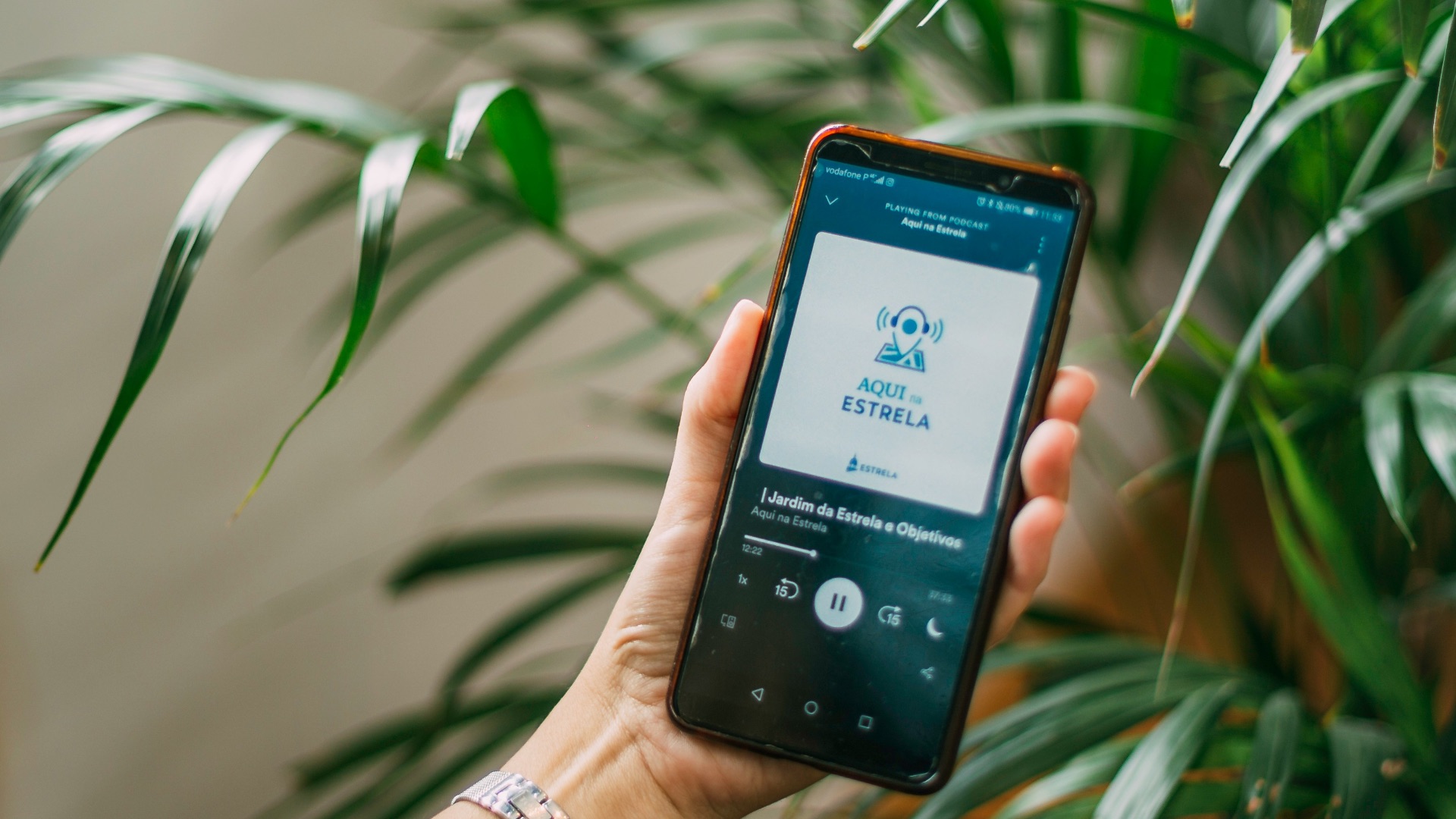
Many streaming platforms, particularly Spotify, have expanded well beyond music to include podcasts, audiobooks, and live audio content, all accessible from a single app. That consolidation means you can move between a true crime podcast and a curated workout playlist without switching platforms or juggling multiple apps. For listeners who want one app to cover their audio life, streaming delivers that in a way an iPod never could.
 Freguesia de Estrela on Unsplash
8. The Social and Collaborative Features Add a New Dimension
Streaming platforms have introduced features like collaborative playlists, shared listening sessions, and public profiles that let you see what your friends are playing. Music has always been a social experience, and these tools extend that into the digital space in ways that feel natural and fun. You can build a road trip playlist with friends in real time, which is a different kind of experience from simply swapping earbuds with someone.
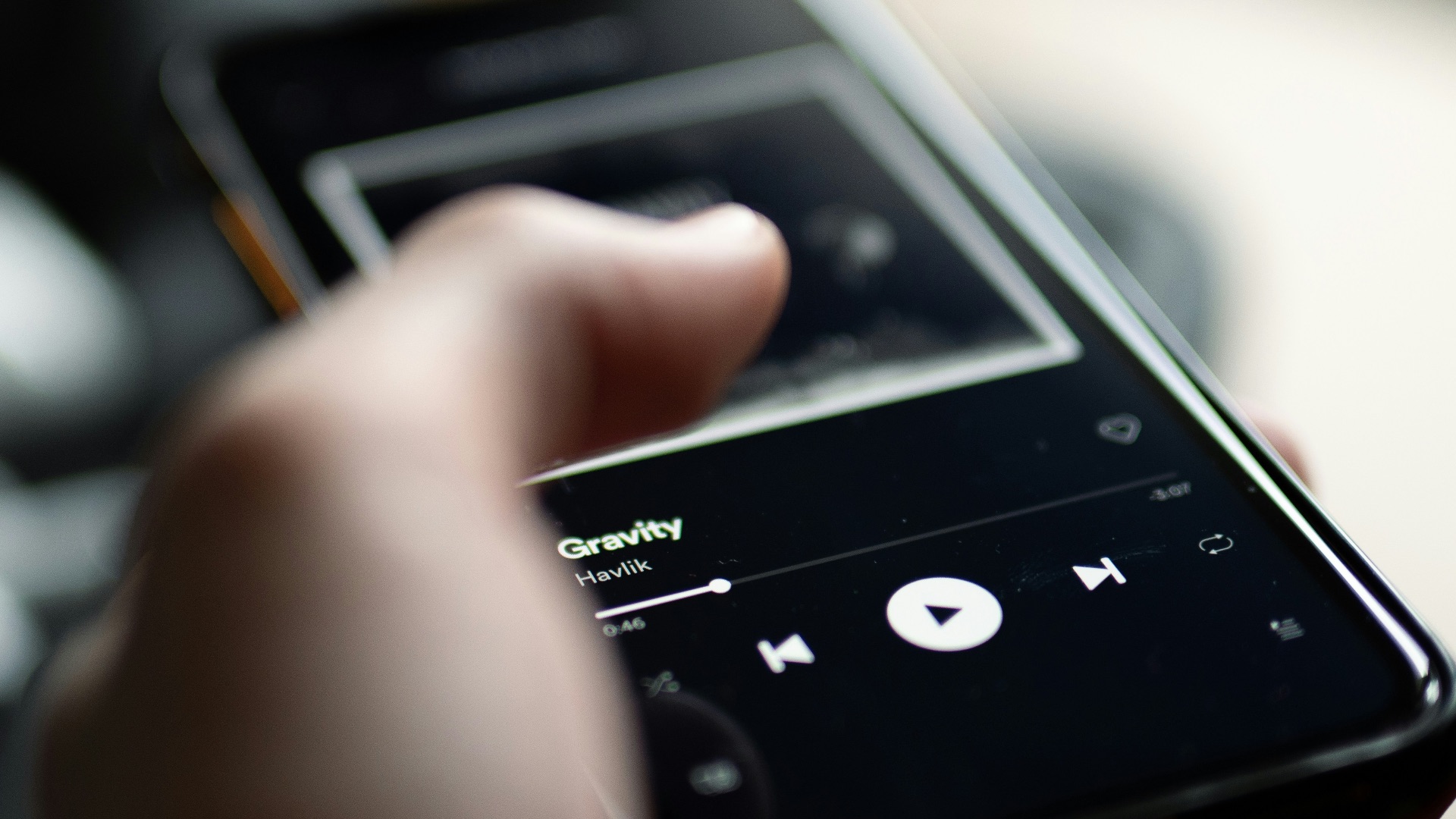
9. Lossless and High-Resolution Audio Is Increasingly Available
If sound quality is a priority for you, services like Apple Music and Tidal now offer lossless and even spatial audio options that rival or surpass what most people were getting from compressed MP3 files on their iPods. The quality ceiling for streaming has risen dramatically, which has quieted a lot of the audiophile criticism that dogged the format in its early years. In other words, you no longer have to choose between convenience and audio fidelity.

10. There's No Risk of Losing Your Library
With a physical device, a hard drive failure, theft, or a cracked screen could mean losing years' worth of carefully assembled music. Streaming eliminates that risk entirely because your library exists in the cloud and can be restored on any new device in seconds. For anyone who's ever experienced the sinking feeling of a corrupted iTunes library, that peace of mind is worth a great deal.