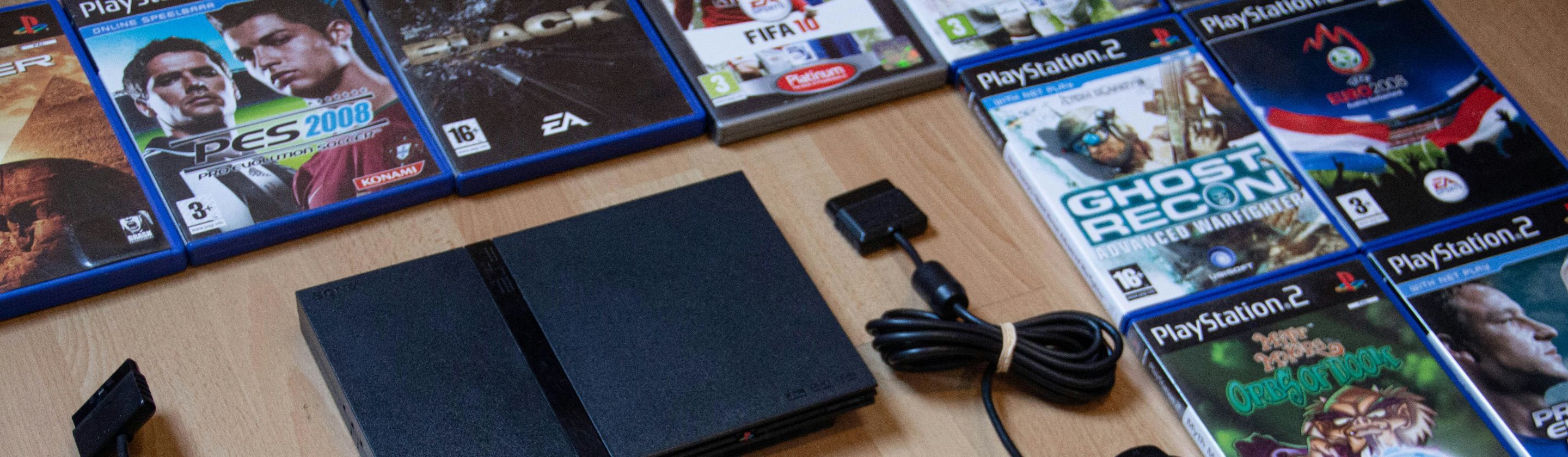

The PlayStation 2 is often remembered not just for its success but for the sheer size and variety of its game library. Released in 2000, it went on to become the best-selling console of all time, supported by a catalog of over 3,800 games worldwide. This massive range meant that players were never limited to one genre or style. Whether you were into action, racing, role-playing, or experimental titles, there was always something new to discover.
What made the PS2’s library feel truly endless wasn’t just the number of games, but the diversity in quality and creativity. Developers had the freedom to take risks, resulting in titles that ranged from blockbuster hits to niche experiences. Many of these games defined entire genres or introduced mechanics that are still used today. Looking back, it’s clear that the PS2 era created a unique moment where variety and accessibility came together in a way that hasn’t been fully replicated since.
A Library Built On Variety And Experimentation
One of the defining features of the PlayStation 2’s library was its incredible range of genres and ideas. You could go from playing a massive open-world crime game like Grand Theft Auto: San Andreas to a quiet, artistic experience like ICO without ever leaving the platform. This variety kept players engaged because there was always something different to try. It also encouraged developers to explore new concepts rather than relying on proven formulas.
This era also saw the rise of entirely new gameplay experiences that hadn’t been widely explored before. Games like Katamari Damacy introduced unconventional mechanics that stood out immediately. Meanwhile, rhythm games such as Dance Dance Revolution brought physical interaction into the gaming experience in a way that felt fresh and exciting.
At the same time, established genres continued to evolve and expand. Role-playing games like Final Fantasy X pushed storytelling and presentation to new levels, while action games like Devil May Cry refined fast-paced combat systems. Sports games also became more realistic, improving graphics and gameplay depth year after year.
Strong Third-Party Support And Global Reach
A major reason behind the PS2’s expansive library was its strong support from third-party developers. Companies from around the world contributed to its success, creating a wide range of games that appealed to different audiences. Japanese developers brought unique storytelling and design philosophies, while Western studios focused on scale and realism.
The console’s accessibility also played a role in its widespread support. It was relatively affordable and widely available, which made it an attractive platform for developers looking to reach a large audience. Because of this, even smaller studios were able to release games alongside major titles. This created a more balanced ecosystem where both big-budget and niche games could succeed. The result was a catalog that felt rich and varied rather than dominated by a few franchises.
Additionally, the PS2’s backward compatibility with PlayStation 1 games added another layer to its already massive library. Players could revisit older titles while exploring new ones on the same system. This feature extended the console’s appeal and made it feel like a complete entertainment platform.
Lasting Influence On Modern Gaming
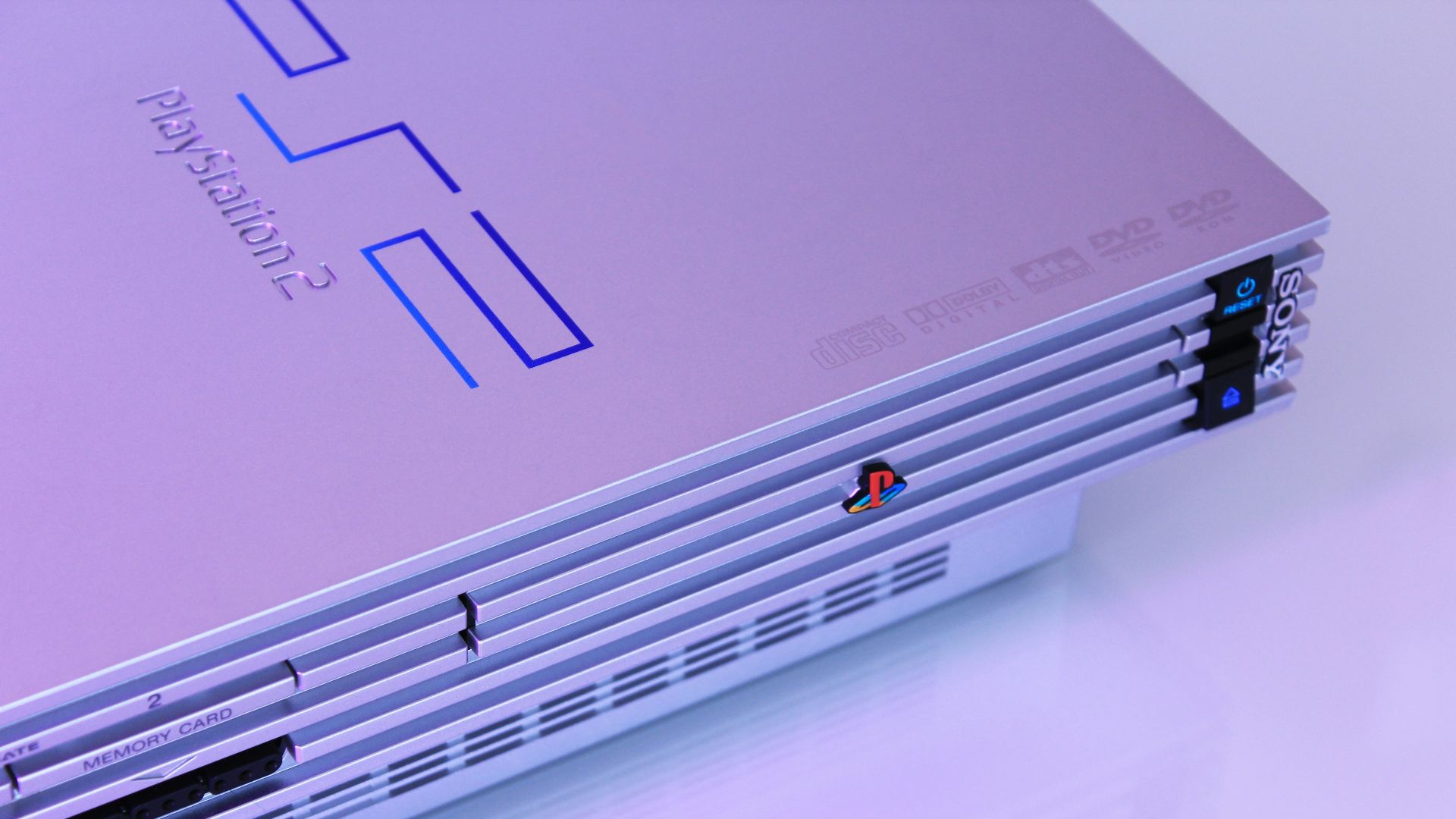
The impact of the PlayStation 2’s library can still be seen in modern gaming. Many franchises that started or gained popularity during that era continue to exist today. Series like God of War, Gran Turismo, and Ratchet & Clank have evolved, but their foundations were built on the PS2. These games helped define what players expected in terms of quality and depth, and their influence continues to shape game design and development.
Beyond individual franchises, the PS2 era also set expectations for what a successful console library should look like. Players came to expect a wide selection of genres and experiences rather than a narrow focus. This pushed future consoles to expand their offerings and support a broader range of developers.
Looking back, the PlayStation 2 stands out as a platform that truly delivered on the idea of endless choice. Its combination of innovation, accessibility, and global support created a library that felt unmatched at the time. Even years later, many players continue to revisit its games or discover them for the first time.
The PlayStation 2’s legacy is closely tied to the depth and diversity of its game library. It wasn’t just about how many games were available, but how different and memorable they were. By supporting a wide range of ideas and developers, the console created an experience that felt constantly fresh. That sense of discovery is what made it so special. Even today, it serves as a reminder of what’s possible when creativity is given room to grow.