Some Adaptations Succeed While Others Fall Short
Adapting video games for film or television has always been a challenge, largely because storytelling styles differ between media. Games often rely on player interaction, while movies and shows must stand on narrative and character development alone. When done well, adaptations capture the spirit of the source material while appealing to a wider audience. When they don’t, they tend to feel disconnected or overly simplified, leaving both fans and newcomers underwhelmed. Here are 10 video game adaptations that worked and 10 that missed the mark.
1. The Last of Us
This adaptation succeeded by staying grounded in character-driven storytelling. It focused on emotional depth rather than trying to replicate gameplay mechanics. Strong performances and careful pacing helped it resonate with both fans and new viewers. It showed that respecting the tone of the original material matters more than copying it exactly.
 BoliviaInteligente on Unsplash
2. Arcane
This series stood out due to its high-quality animation and layered storytelling. It expanded on its source material by building detailed relationships and a compelling world. The writing gave characters clear motivations and emotional arcs. As a result, it appealed even to audiences unfamiliar with the game.

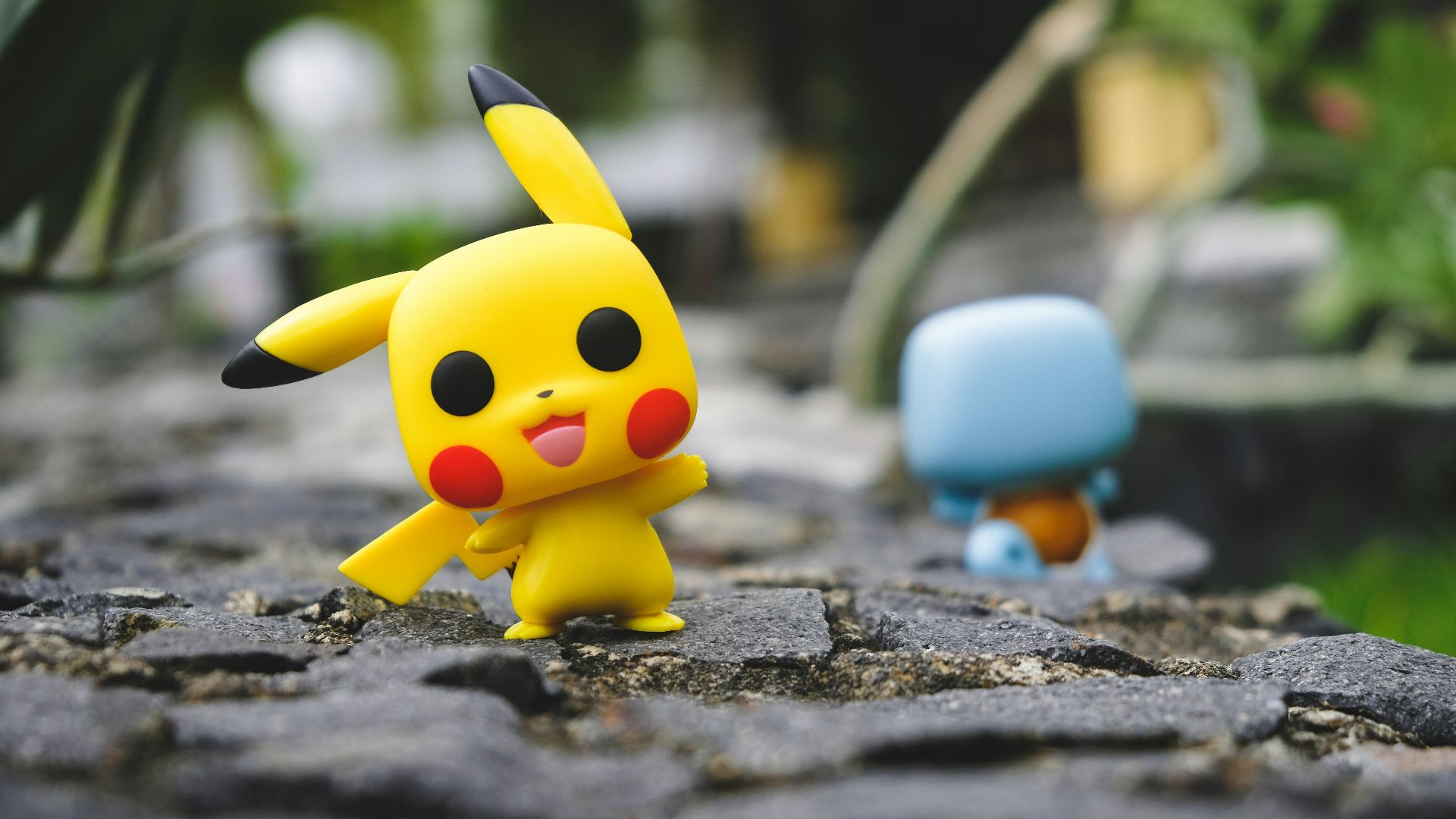
3. Detective Pikachu
By blending live action with stylized visuals, this film created a believable world. It leaned into charm and humor rather than complex lore. The approachable tone made it accessible to a wide audience and demonstrated that a lighter approach can work when handled thoughtfully.
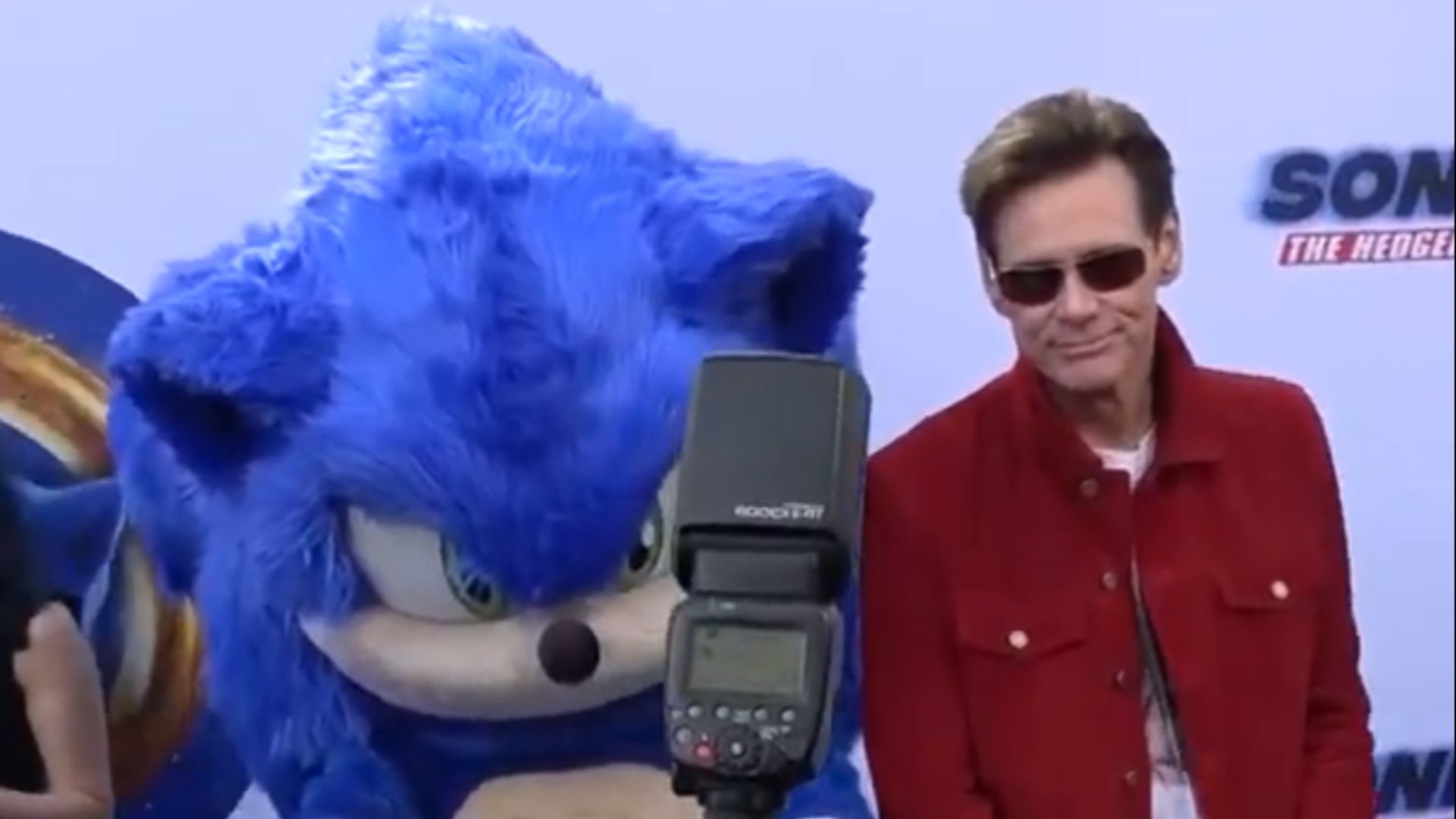
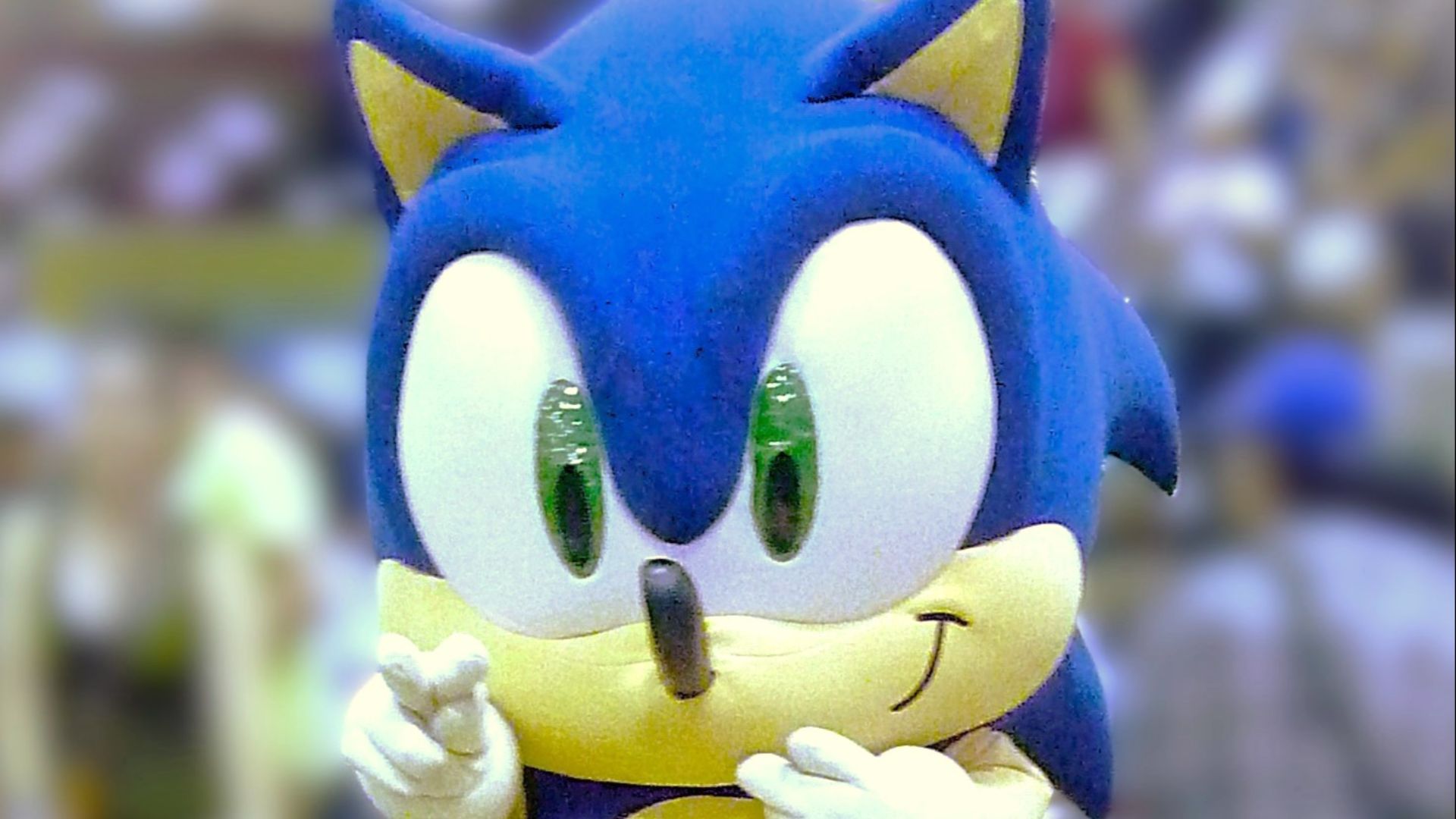
4. Sonic the Hedgehog
After early design feedback, the film adjusted its direction and found success with a more faithful representation. It balanced humor, action, and character personality effectively. The story remained simple but engaging. That combination helped it connect with both longtime fans and younger viewers.
5. Castlevania
This animated series embraced darker themes and mature storytelling. It expanded the narrative beyond its original format while keeping the tone consistent. The writing gave depth to characters that were previously more minimal. This approach made it feel both fresh and familiar.
 Bastian Stein (farbfilm) on Wikimedia
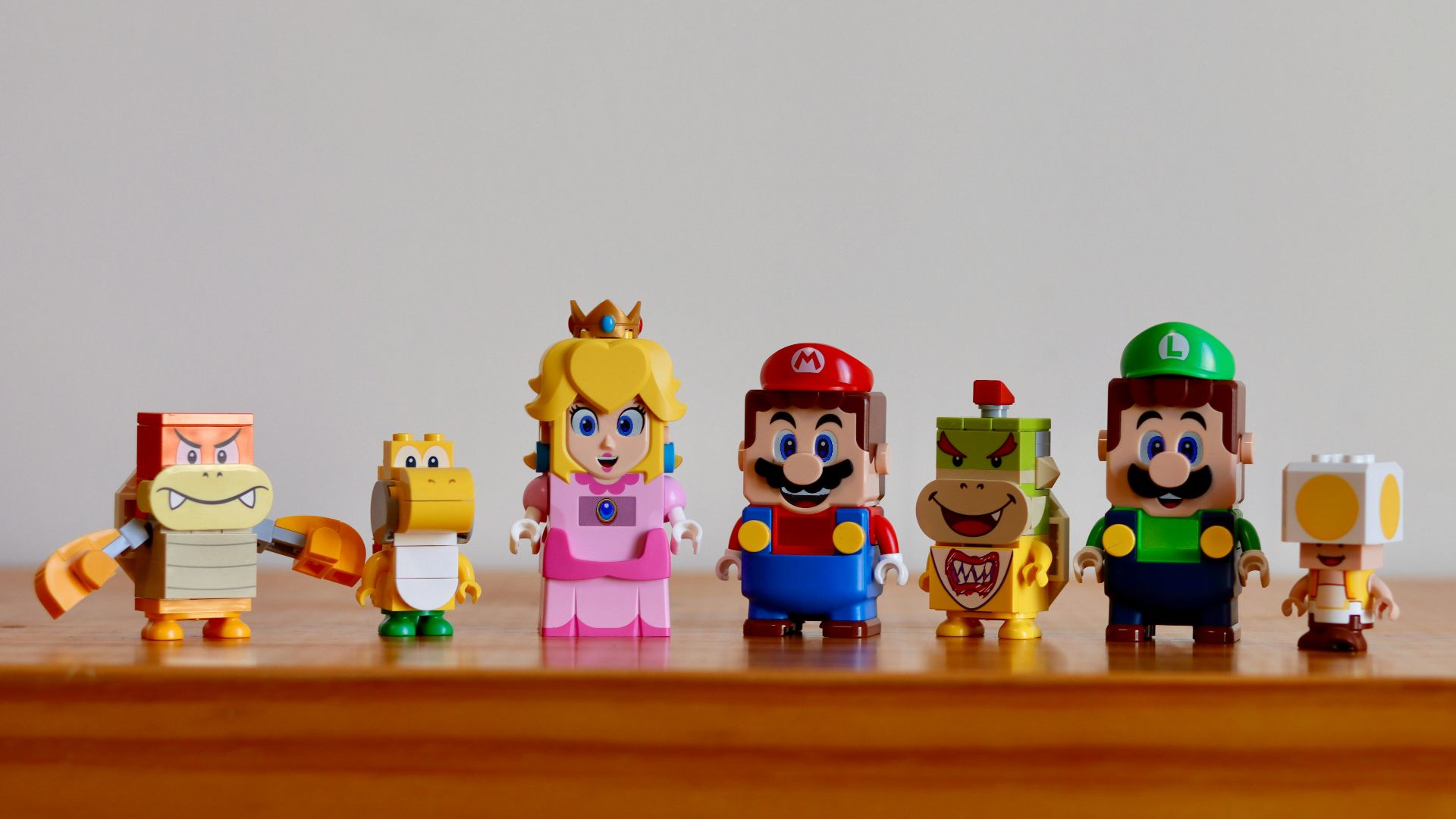
6. The Super Mario Bros. Movie (2023)
This version focused on capturing the playful tone of the games. It prioritized visual energy, pacing, and recognizable elements. The straightforward story worked in its favor by staying accessible. It succeeded by leaning into what audiences already enjoy about the franchise.
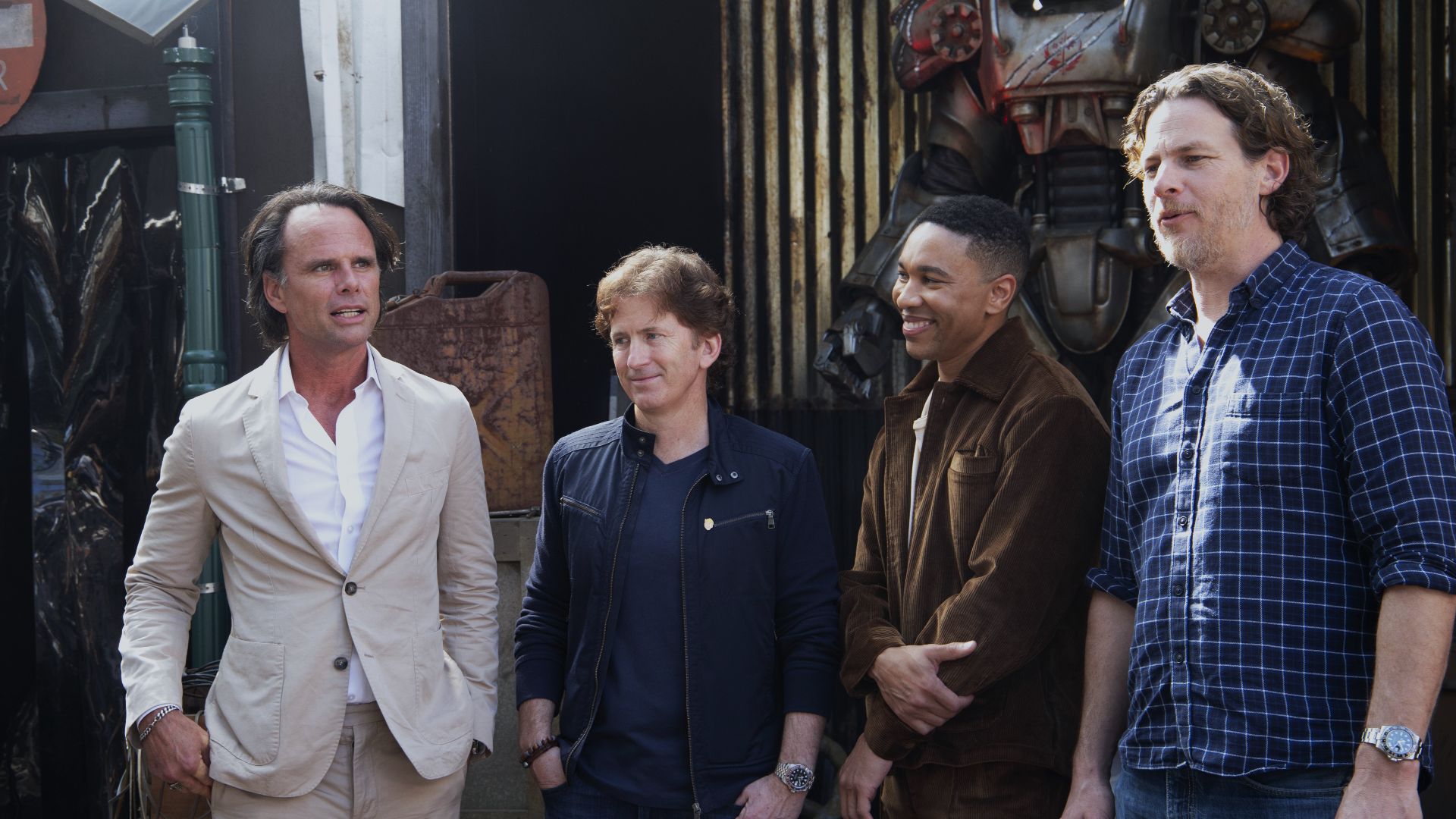
7. Fallout
The adaptation translated a complex world into a cohesive narrative format. It maintained the distinct tone and dark humor associated with the series. Careful attention to world-building helped it feel authentic.
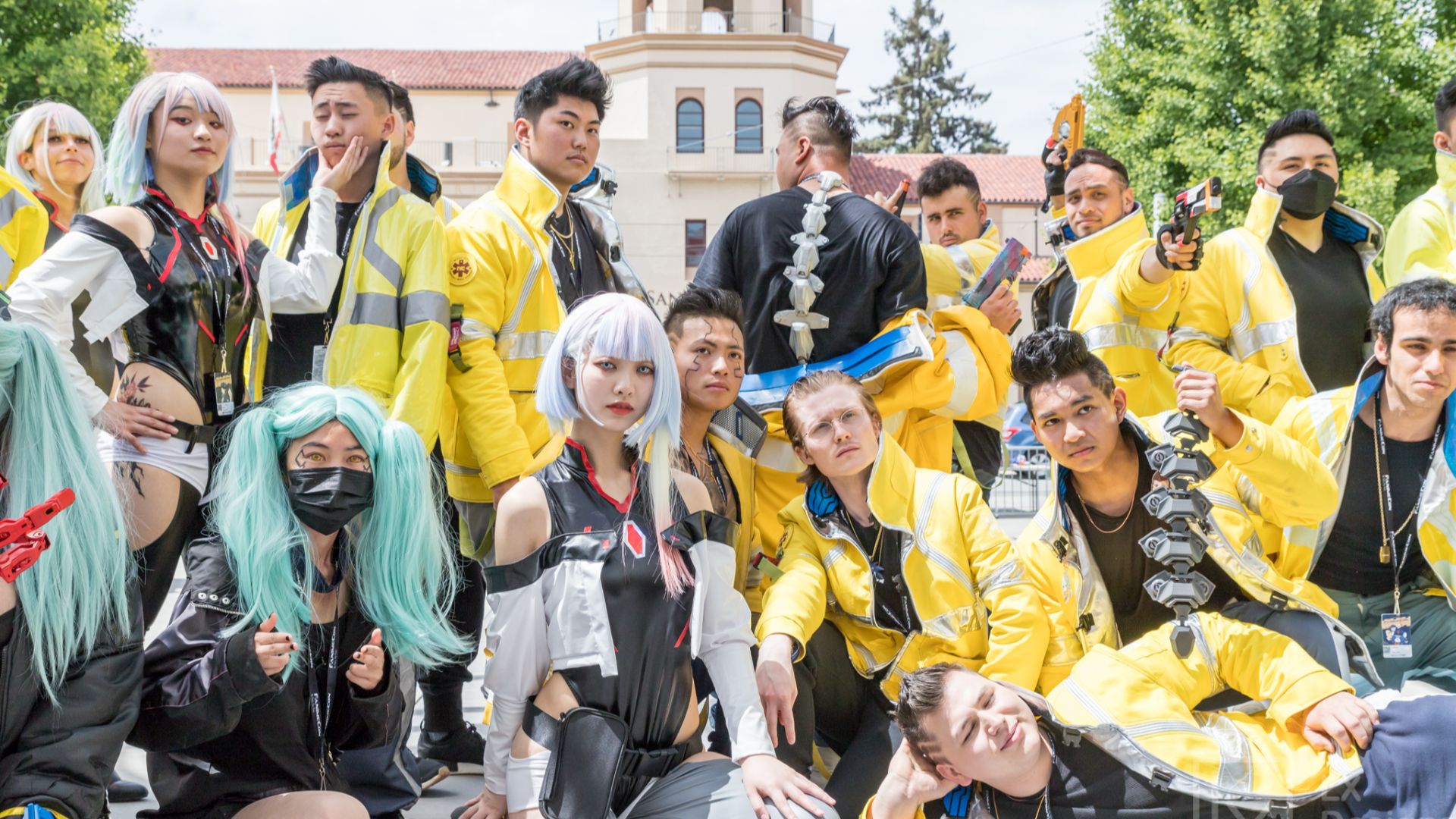
8. Cyberpunk: Edgerunners
Rather than retelling the game’s story, this series explored new characters within the same universe. It maintained the setting’s tone while offering a focused narrative. The emotional arc gave it a strong impact.
 LX-Designs from SF Bay Area, CA on Wikimedia
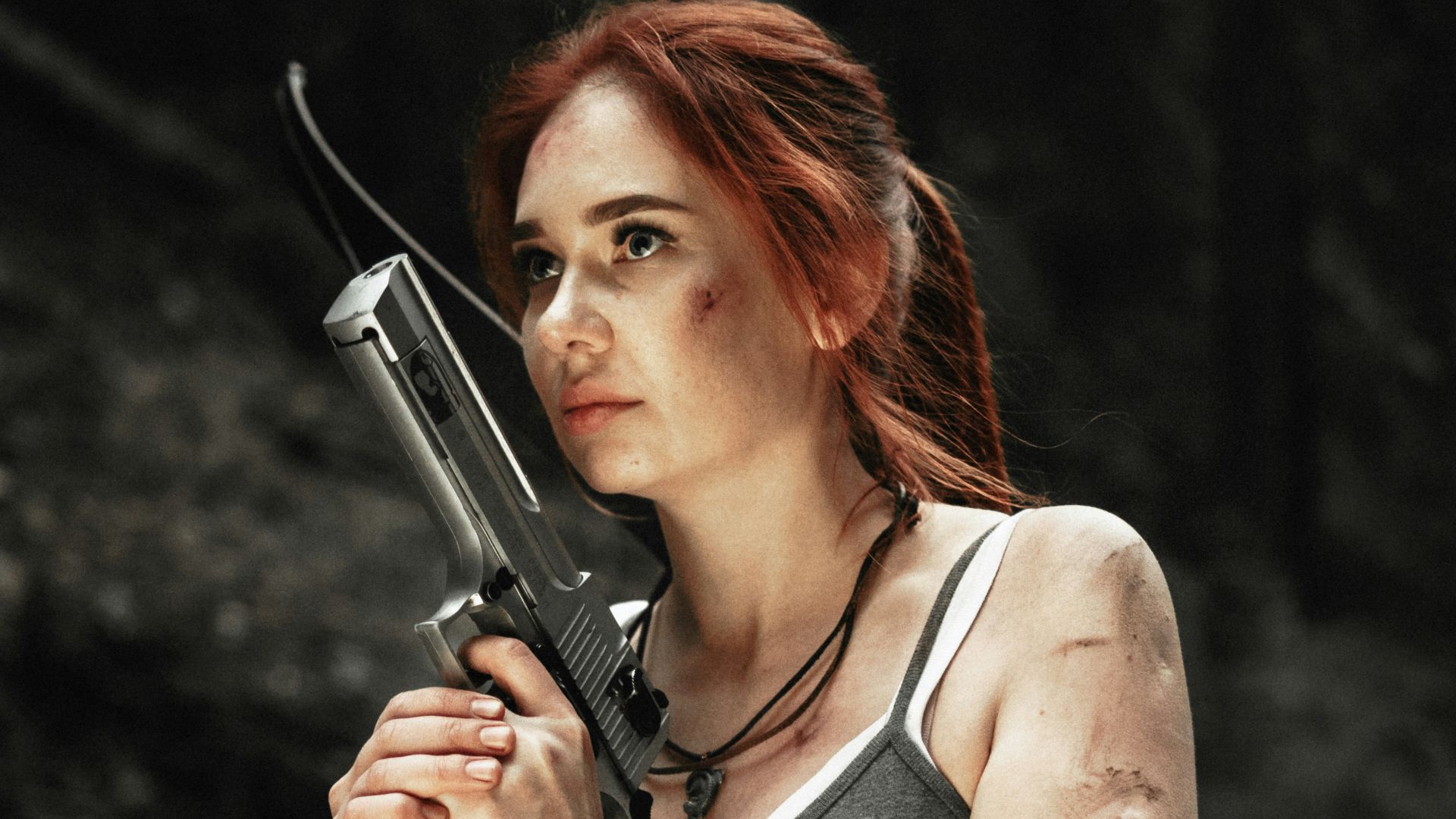
9. Tomb Raider (2018)
This adaptation took a more grounded approach to its protagonist. It emphasized realism and character development over exaggerated action. The story aligned more closely with modern interpretations of the character, and this shift made it feel more relatable and consistent.
10. Silent Hill
The film captured the atmosphere and visual style of its source material effectively. It focused on tone, tension, and environment rather than action. That attention to detail helped it stand out among early attempts.
1. Super Mario Bros. (1993)
This early adaptation struggled due to its departure from the source material. The tone felt inconsistent and didn’t reflect the original’s identity. Creative choices made the story confusing for audiences, and it became an example of how far an adaptation can drift.

2. Assassin’s Creed
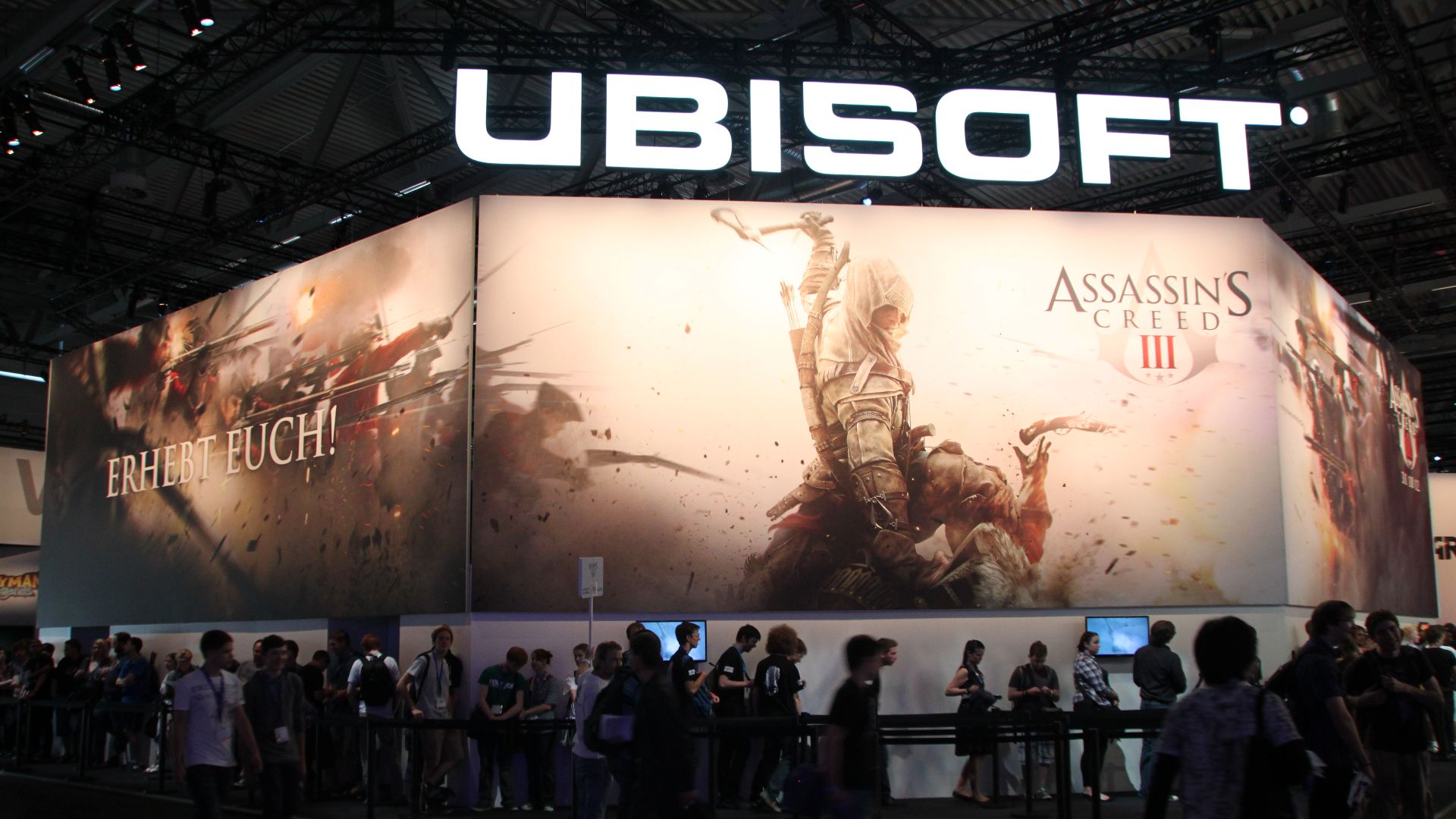
Despite strong visuals, the narrative felt overly complex and difficult to follow. It relied heavily on background concepts without fully explaining them, making it less accessible to general audiences. The lack of a clear focus limited its impact.
 Tim Bartel from Cologne, Germany on Wikimedia
3. Warcraft
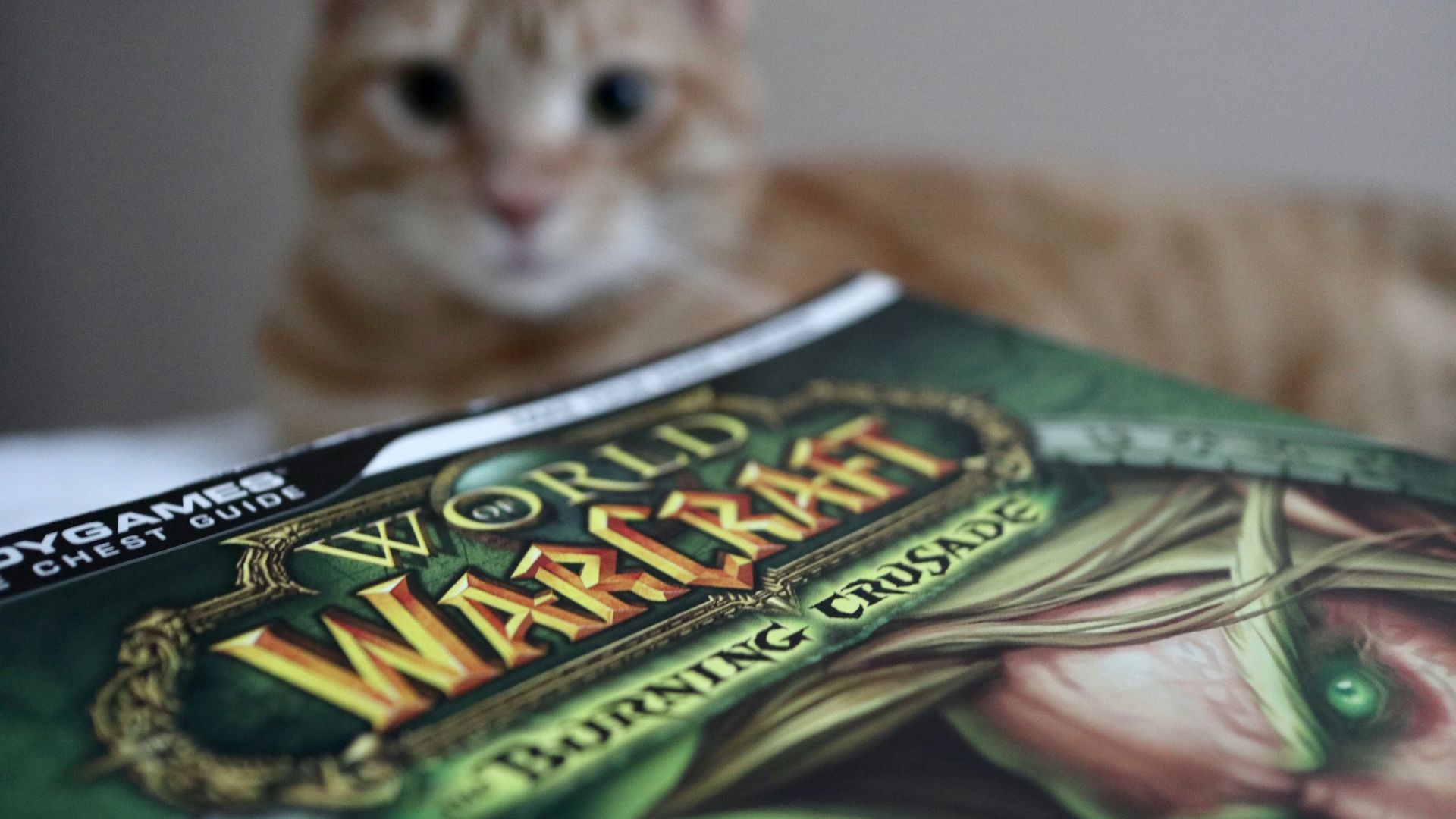
While visually ambitious, the story tried to cover too much at once. Multiple perspectives made it harder for viewers to stay engaged. It leaned heavily on existing knowledge of the franchise. As a result, it didn’t fully connect with broader audiences.
4. Prince of Persia: The Sands of Time
This adaptation simplified key elements of the original story. It focused more on spectacle than character depth. While visually appealing, it lacked a strong emotional core. This made it feel less memorable overall.
5. Resident Evil: Welcome to Raccoon City
Although it aimed to stay closer to the source material, execution fell short. The pacing felt uneven and rushed, and characters didn’t have enough development to create strong connections. This limited its ability to fully engage viewers.
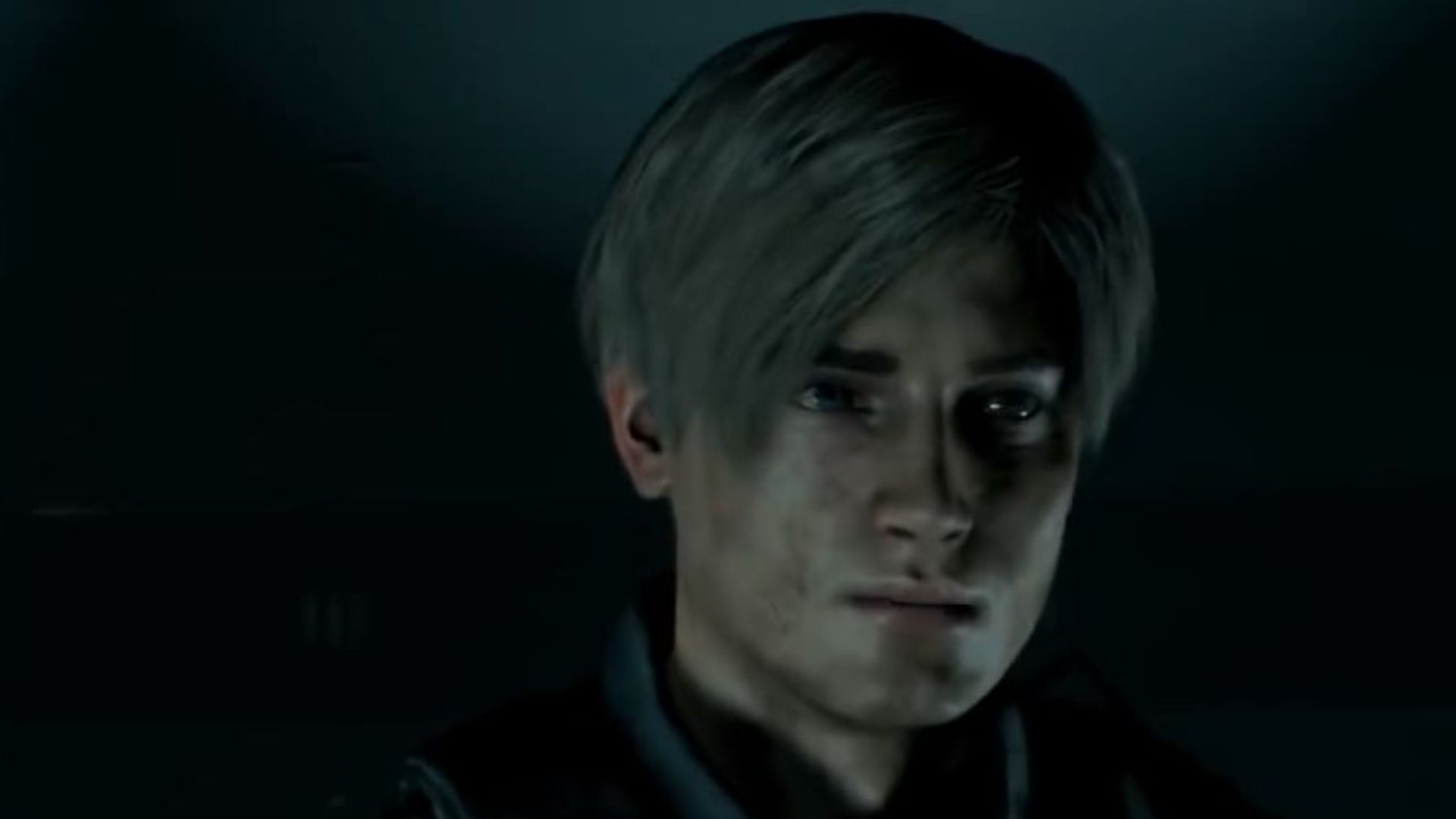
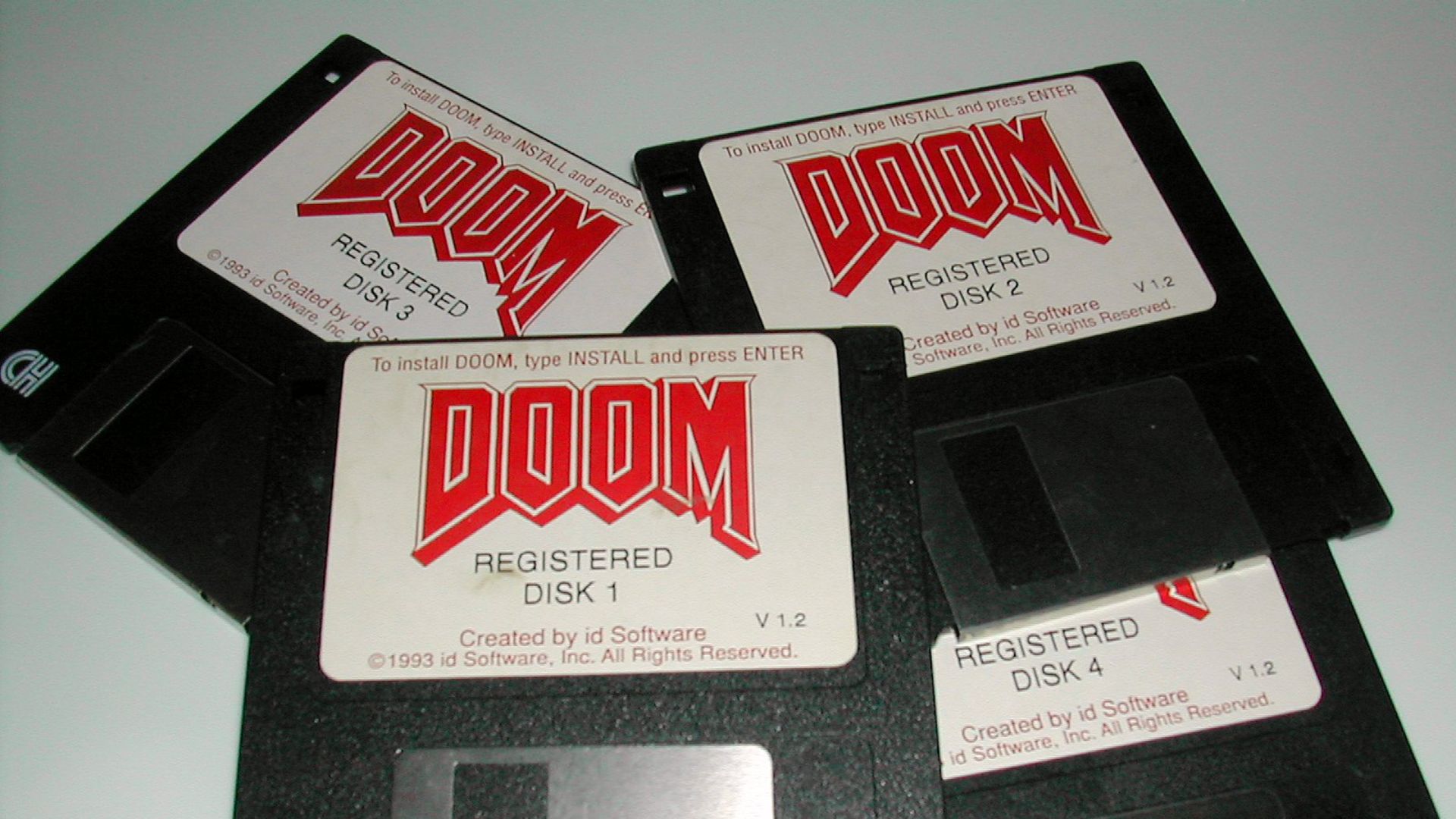
6. Doom
The film struggled to translate its fast-paced gameplay into a compelling narrative. It leaned heavily on action without building meaningful stakes, and the story lacked depth and character development. This made it difficult for audiences to stay invested.
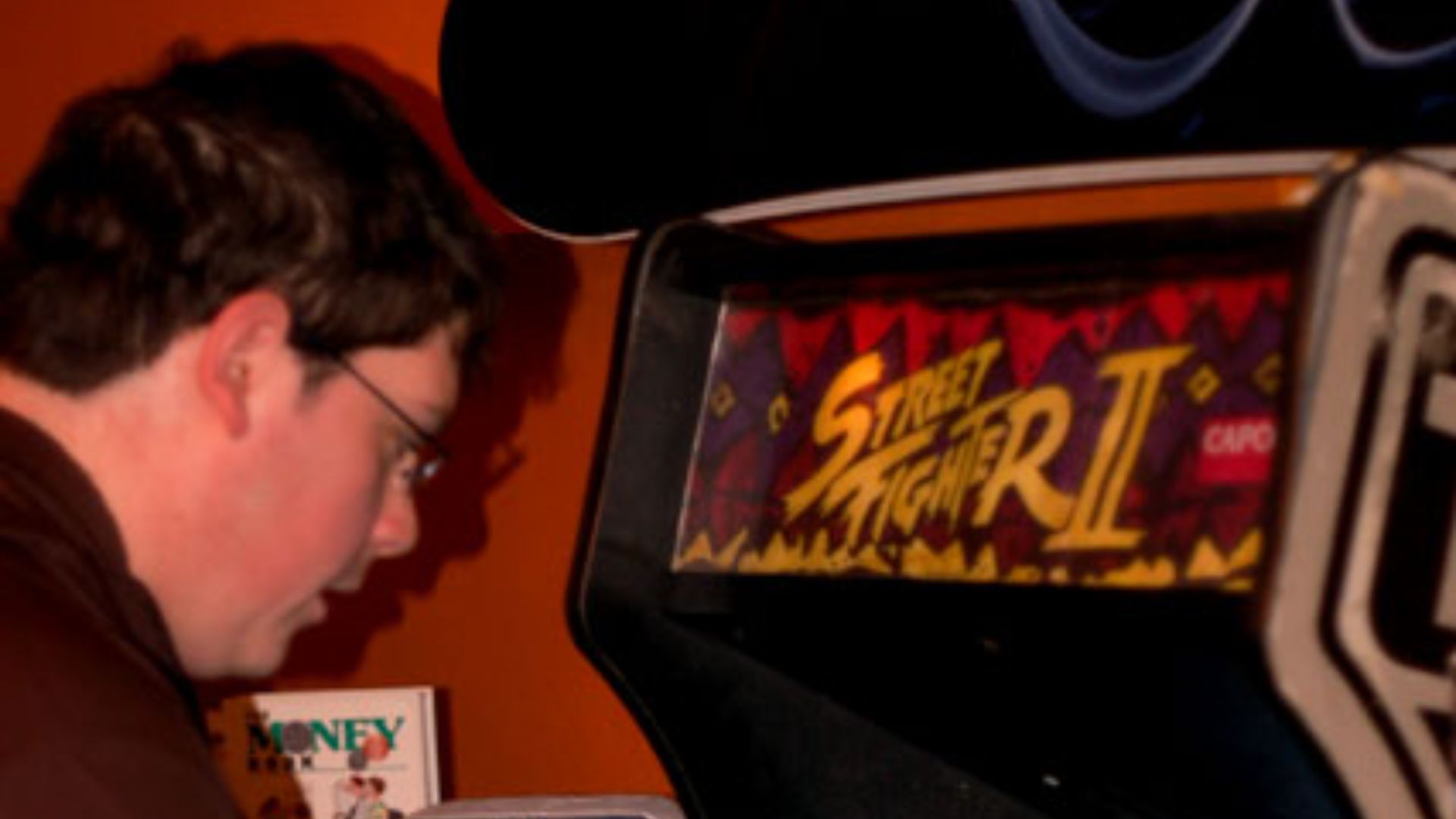
7. Street Fighter (1994)
This adaptation took a loose approach to its source material. The tone shifted unpredictably between serious and comedic. Characters felt exaggerated without a clear direction, and these inconsistencies weakened the overall experience.
 Jonathan Sloan from Burnaby, Canada on Wikimedia
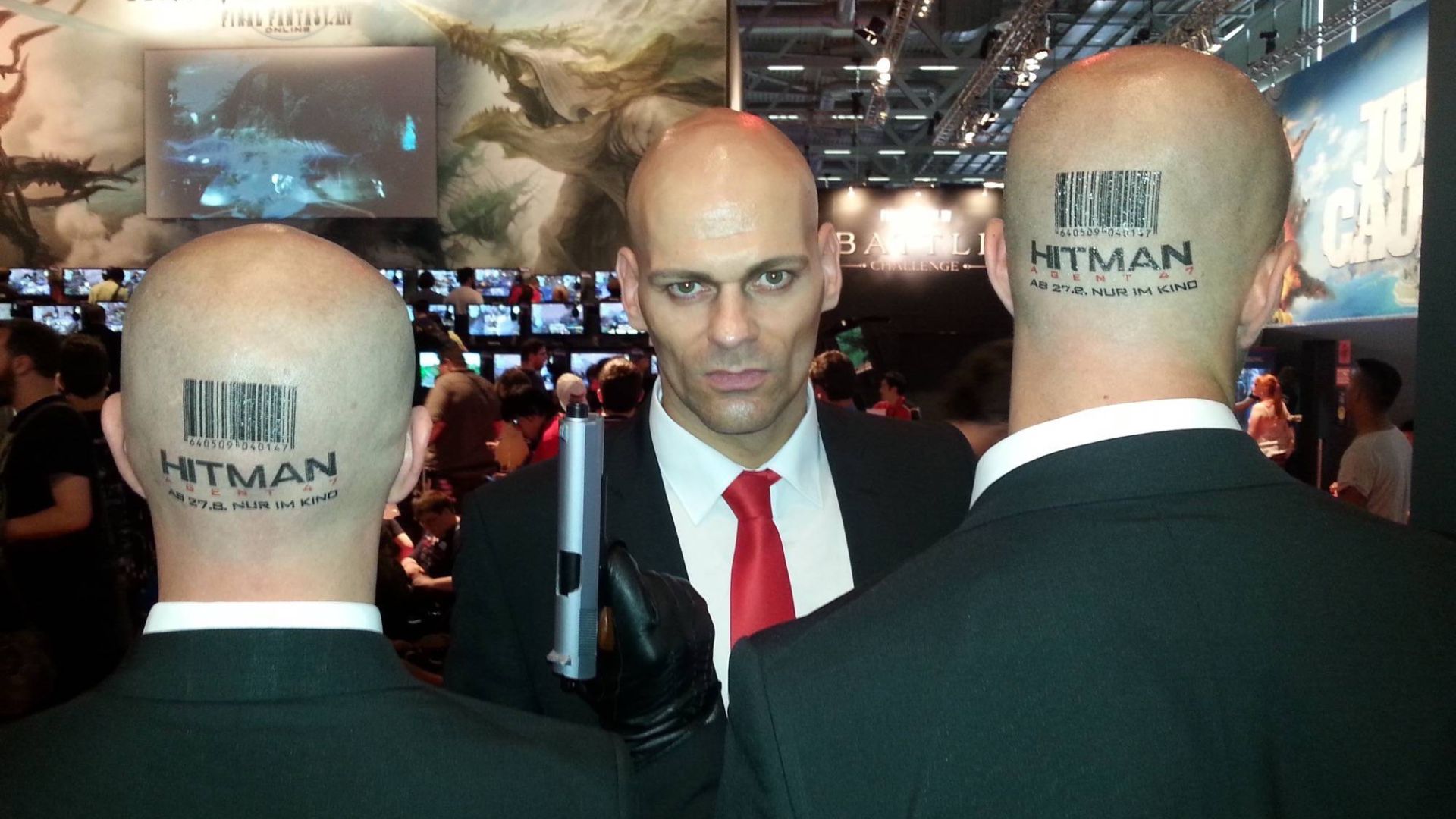
8. Hitman (2007)
While it captured some visual elements, it missed the nuance of its main character. The story focused more on generic action than strategic tension, reducing what made the original concept interesting. It ultimately felt like a missed opportunity.
 Tim Bartel from Cologne, Germany on Wikimedia
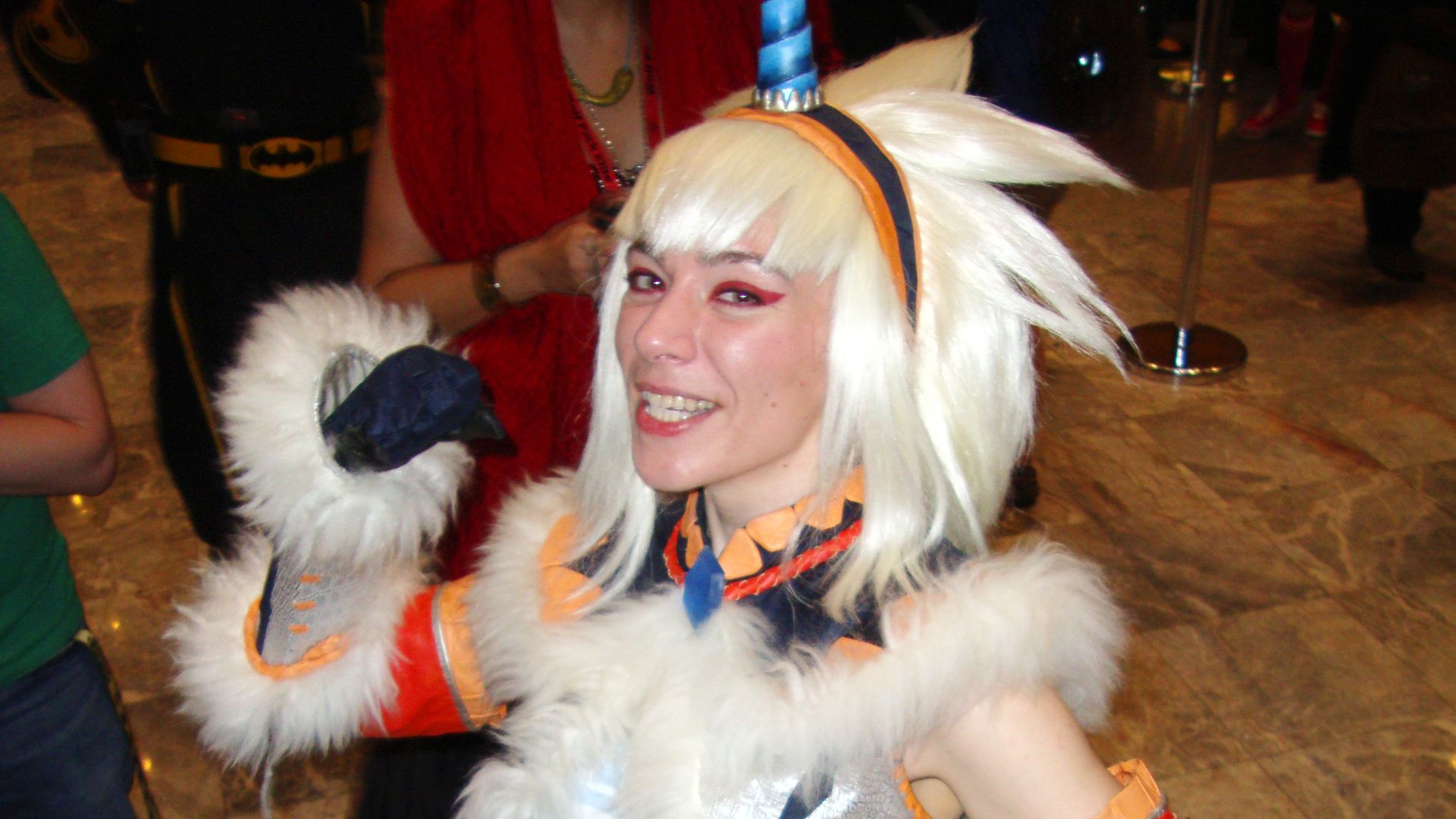
9. Monster Hunter
The film introduced elements that didn’t align well with the source material. Ultimately, it struggled to balance its setting with its characters.
10. Alone in the Dark
This adaptation faced issues with storytelling and production quality. The plot lacked coherence and clear direction. Weak execution overshadowed the source material entirely.