When The Web Felt Personal
If you were online from the late 1990s into the mid-2000s, you probably remember when getting on the internet still felt like a specific part of the day. You sat down at the family Dell or Gateway, opened AIM, checked GameFAQs for a boss guide, clicked into Newgrounds, and somehow ended up on a GeoCities page. A lot of it was clunky, and plenty of it looked awful, though people miss how direct it felt. You found things because a friend sent a link, a sidebar had something good in it, or a site owner cared enough to point you somewhere worth clicking. That’s the older version of the web this list is really about.

1. Feeds In Order
Before ranked feeds became standard on major platforms, social updates felt more immediate because what you saw was closer to when people actually posted it. Instead of seeing what the system decided was important, you could easily access posts by date and time of posting.

2. GeoCities Neighborhoods
GeoCities grouped pages into neighborhoods with names like Silicon Valley, Hollywood, and Tokyo, which gave the web a real sense of place. You could start on a page about PC hardware, click twice, and wind up on somebody’s anime shrine or personal journal without it feeling unusual at all.
 Marc-Olivier Jodoin on Unsplash
3. Pages That Looked Hand-Built
A lot of old personal pages still carried the marks of the person who made them, because they actually were made by that person. The internet felt warmer when pages looked a little off, a little overdone, and very obviously not approved by a product team.

4. GameFAQs Walkthroughs That Went On Forever
GameFAQs, founded in 1995, still hosts tens of thousands of user-submitted FAQs, guides, and walkthroughs, and some single games have absurdly large archives. Final Fantasy VII alone has 94 guides and walkthroughs listed, which says a lot about how much unpaid labor players used to pour into helping total strangers finish a game.

5. AIM Away Messages
By the early 2000s, AIM away messages had turned a simple status line into a tiny public performance. People used them for song lyrics, inside jokes, schedule updates, soft-launch heartbreak, and the extremely important task of letting everyone know they were out getting pizza.

6. Screen Names And ICQ Numbers
AIM and ICQ treated online identity as something looser than the polished profile systems that came later. You had a screen name, a buddy list, and, in ICQ’s case, a unique identification number.

7. The Stumble Button
StumbleUpon built its whole reputation around a Stumble button that sent users to semi-random sites and videos based on their interests. A lot of those clicks led nowhere, sure, though now and then you’d hit something so odd and specific that you remembered it for years.

8. Myspace Profiles
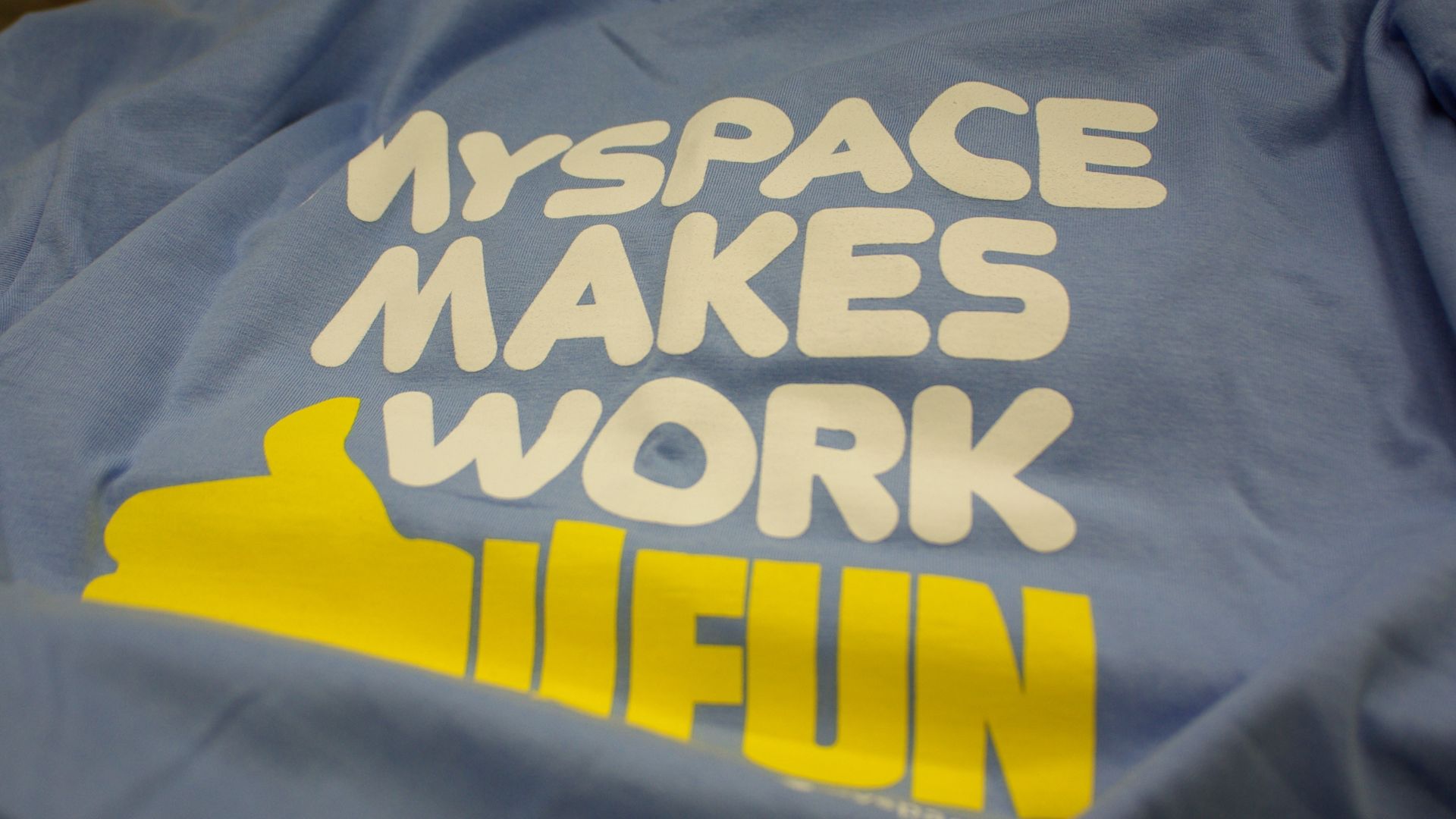
Myspace got huge in the mid-2000s, and part of the appeal was how much people fussed over their pages. Profiles felt less locked down, so they wound up looking more like people’s rooms, half finished in places, overworked in others, and full of choices that made perfect sense at 15.

9. Music Inside Social Media
Myspace was also a major platform for music artists, which gave the site a stronger connection to actual scenes and local taste than a lot of later social apps ever managed. If you were into pop-punk, emo, metalcore, or backpack rap in 2005, there’s a decent chance that part of your life passed through a Myspace page first.
 egg (Hong, Yun Seon) from Seoul, Korea on Wikimedia
10. A Front Page Built By Users
Digg took a simple idea and made it feel huge: people submitted links, other people voted them up or down, and the most popular stuff hit the front page. When something blew up there in the mid-2000s, it felt shared in a way that’s hard to fake, because regular users had plainly pushed it there themselves.

11. Niche Newsgroups And Topic-First Conversations
Usenet newsgroups were organized around specific subjects, not dumped into one giant stream, and that structure encouraged deep, nerdy conversation. If you cared about one operating system, one game series, or one tiny technical problem that only six other people on earth seemed to have, there was usually a place to talk about it.

12. Webrings That Did The Curating For You
A webring was a circle of related websites linked together around a shared subject, and that simple setup made discovery feel easier and more personal. You’d finish one fan page, hit next, and keep going because somebody else had already done the work of finding the good stuff.

13. Newgrounds
Newgrounds says it was the first site to allow real-time publishing of movies and games, and that gave the web a steady stream of rough experiments starting in 1999. Some of it was crude, some of it was hilarious, and some of it was better than it had any right to be.

14. Guestbooks And Little Public Notes
Website guestbooks were public spaces where visitors could leave a name, a message, and maybe a quick thought before moving on. That small gesture did a lot, because even a tiny anime page or Counter-Strike clan site felt inhabited once a few people had stopped to sign it.
 Philipp Katzenberger on Unsplash
15. Search Results That Mostly Looked Like Links
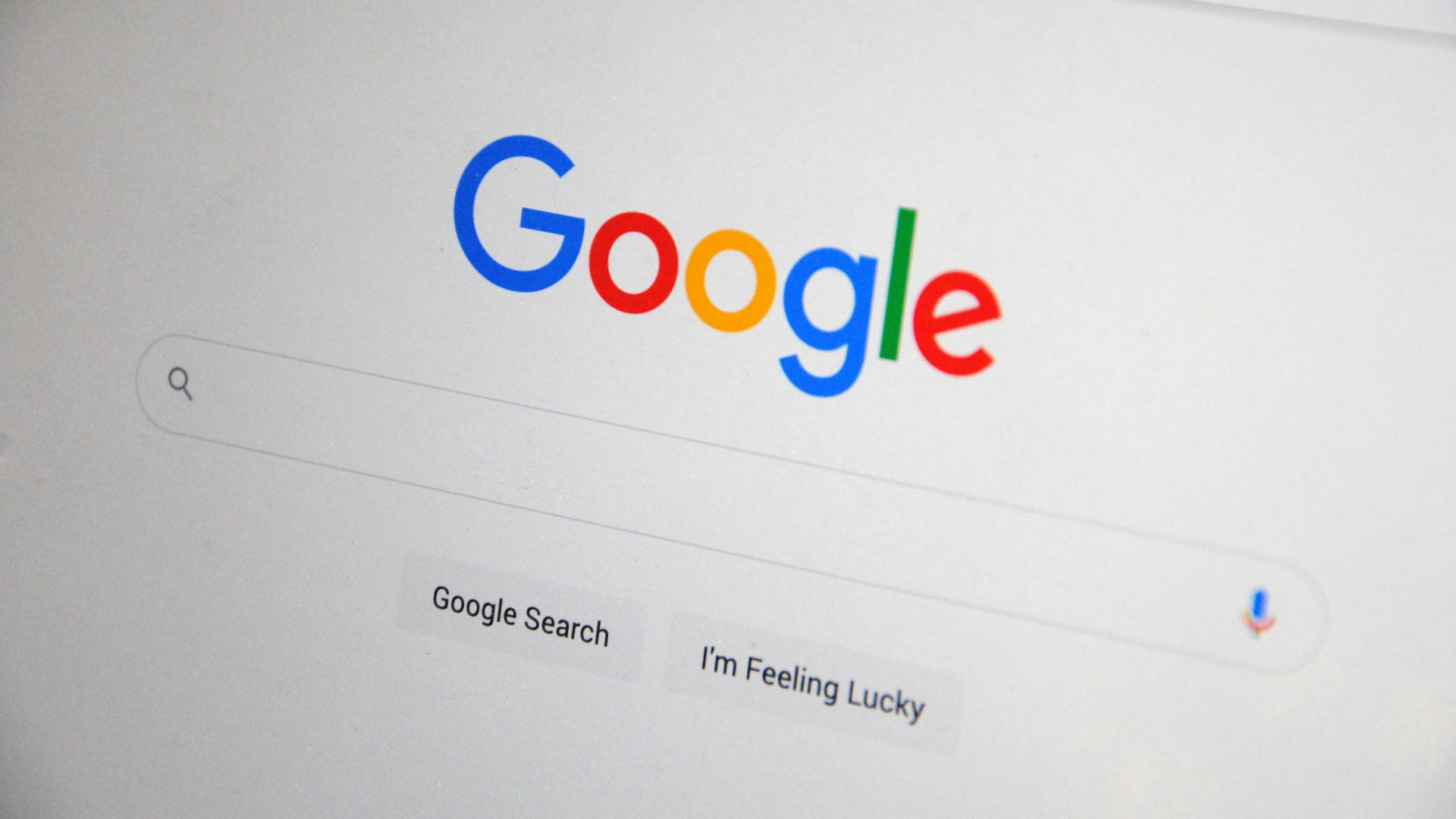
Search had plenty of junk back then, too, though the page often felt cleaner and easier to scan. Even now, Google separates paid results from organic ones with a Sponsored label, which gets at something people still care about: they want to know when they’re looking at a plain result and when they’re being sold to.
16. Blogrolls In The Sidebar
A blogroll was just a list of links to other blogs, usually parked in a sidebar, and that small feature did a lot of quiet work. One good site could turn into five more in half an hour, and the chain usually reflected one person’s taste instead of a ranking model trying to guess what would hold your attention longest.
 Glenn Carstens-Peters on Unsplash
17. Autoplay MIDI And Other Bad Decisions
The archived GeoCities world still includes pages with embedded sound, which tells you plenty about the era all by itself. People absolutely did make terrible design choices, though there was something kind of lovable about opening a page and immediately learning that its owner had far too much faith in a MIDI file.
18. Logging Off
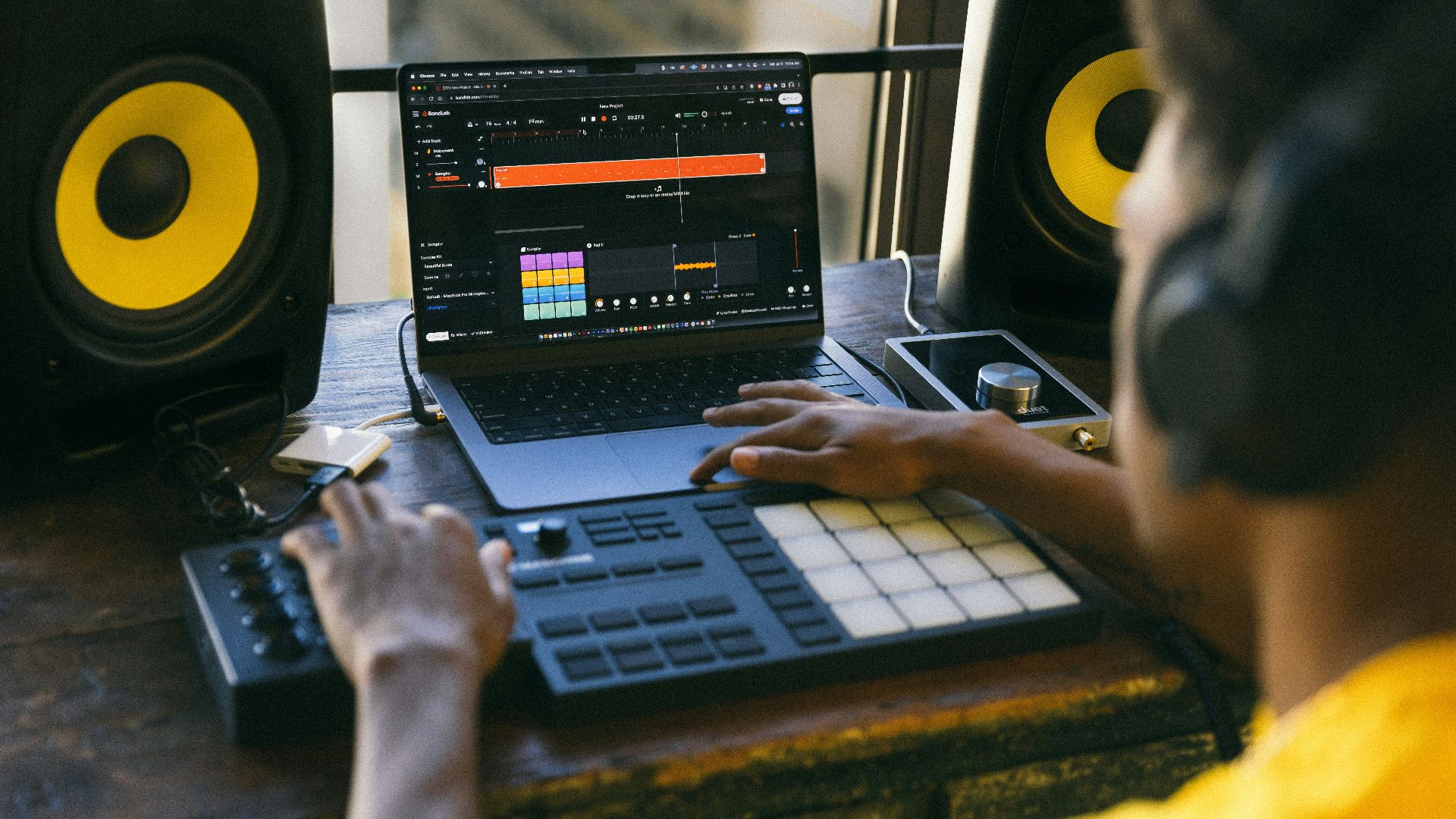
AIM’s own farewell post remembered fighting for time on the family computer, and that detail lands because it was true for a lot of people. Being online used to happen in blocks, after school, after dinner, late at night, and that made the internet feel more memorable because it wasn’t trying to fill every spare second of your day.

19. Gaming Boards
GameFAQs didn’t just collect walkthroughs. It also built message boards right alongside them, so the same place could hold a boss guide, a cheat code list, and a thread full of people arguing about whether you were underleveled or just bad at the game. That setup kept gaming communities scrappy and close to the ground.
20. The Sense That There Were Still Hidden Corners
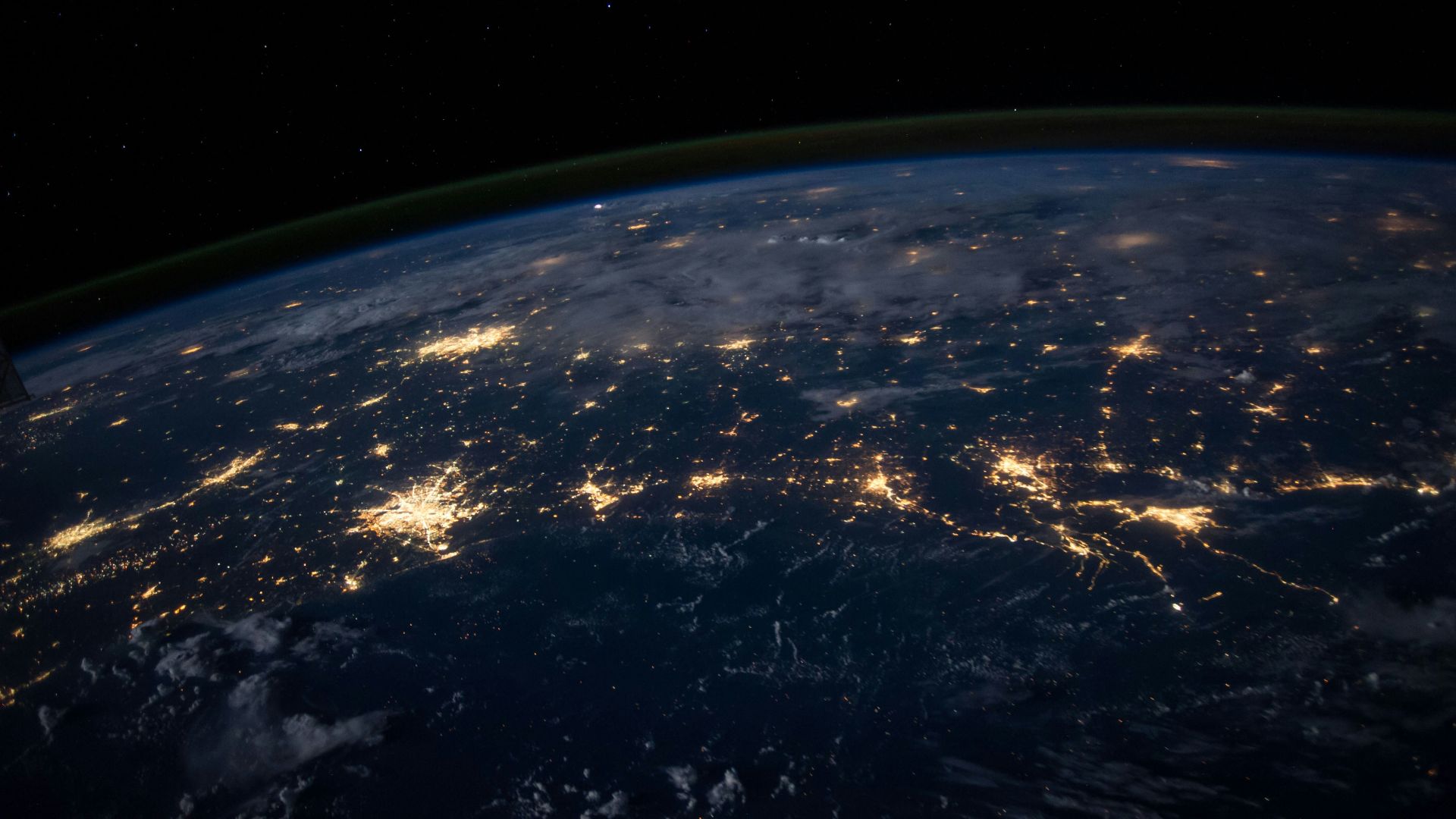
This is probably the part people miss most. A web built out of neighborhoods, blogrolls, webrings, fan pages, and one-click discovery tools gave you more chances to find something strange, personal, and unexpectedly great, and that feeling still lingers for people who were there.