Nostalgia, Value, and What Actually Holds Up
Retro gaming has become more than just nostalgia; it’s now a serious collector’s market where certain consoles continue to rise in value while others fade into obscurity. Some systems still offer strong game libraries, unique experiences, and lasting appeal, while others struggle due to limited titles, poor hardware, or outdated design. Not every old console deserves a comeback, and knowing the difference can save you both money and shelf space. Looking at both sides makes it easier to see which systems are worth revisiting and which are better remembered from a distance. Here are 10 retro consoles still worth collecting and 10 better left in the past.
1. Super Nintendo Entertainment System
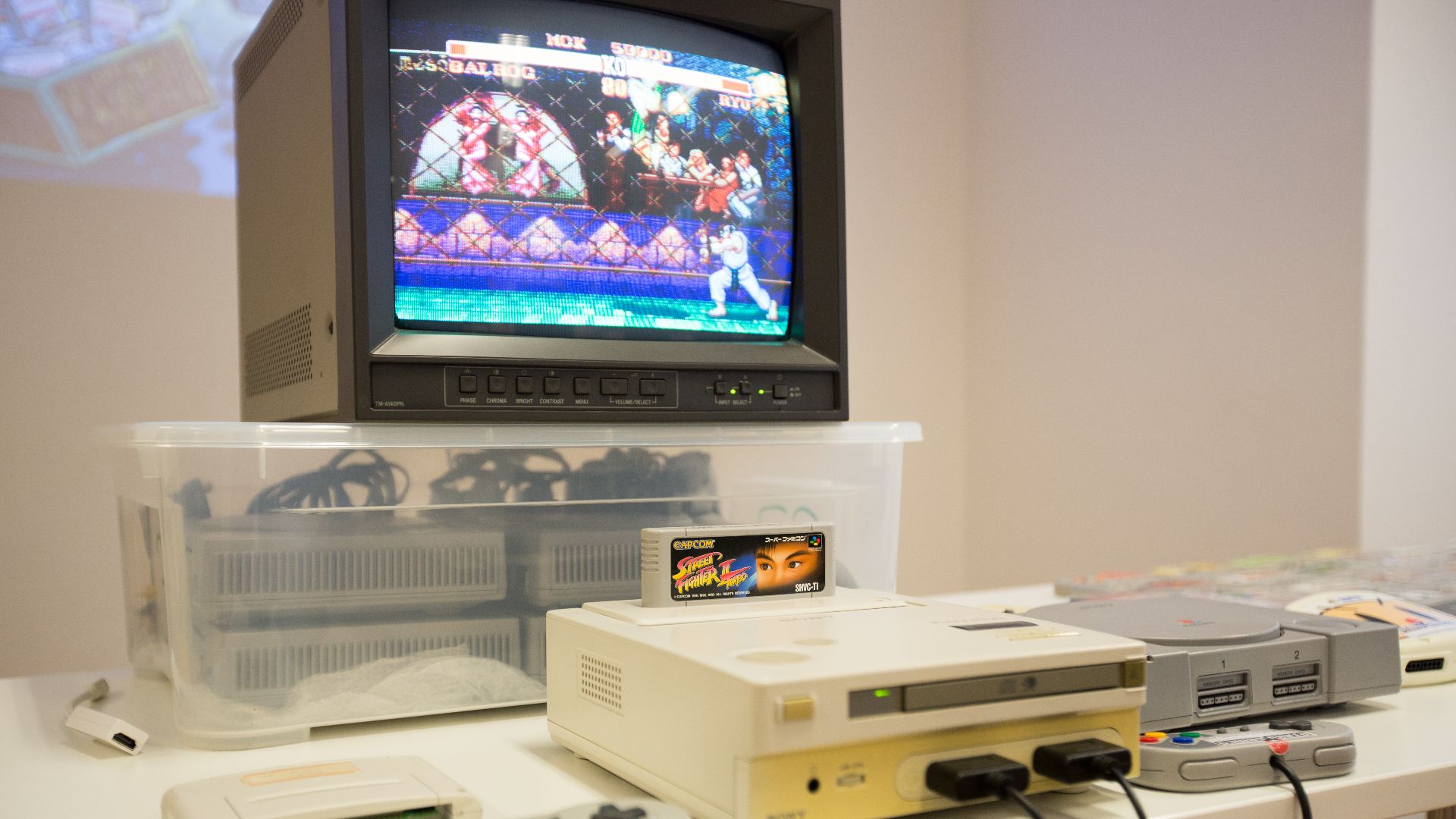
The SNES remains one of the most respected retro consoles thanks to its deep and high-quality game library. Titles like Super Mario World and The Legend of Zelda: A Link to the Past still play well today. The hardware is reliable, and original cartridges are widely available. Its strong design and timeless games keep it highly collectible.
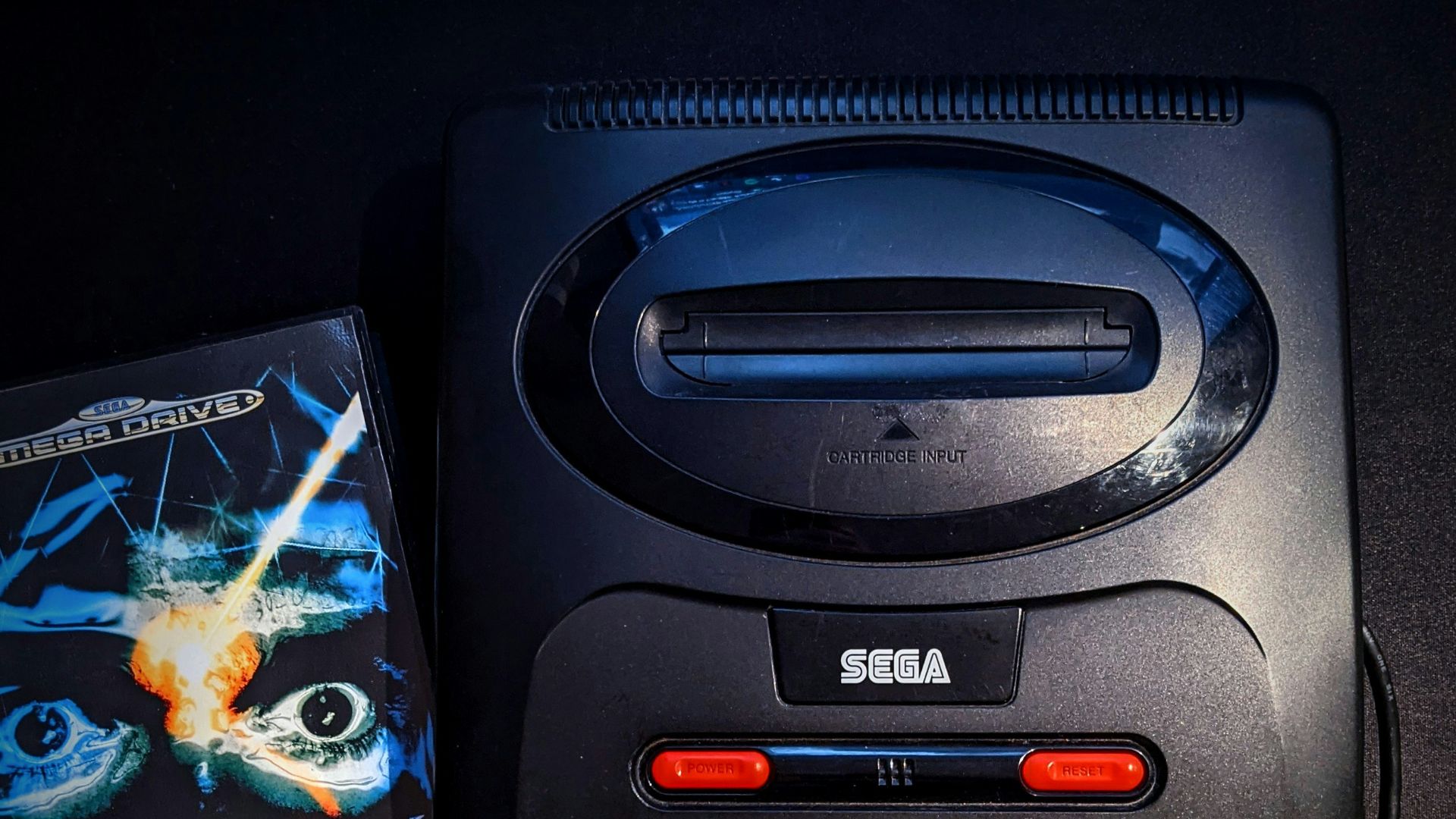
2. Sega Genesis
The Sega Genesis built its reputation on fast-paced gameplay and arcade-style experiences. With franchises like Sonic the Hedgehog and Streets of Rage, it still holds strong appeal. Its distinct sound and graphics give it a unique identity among retro systems. Collectors value both the hardware and its standout titles.
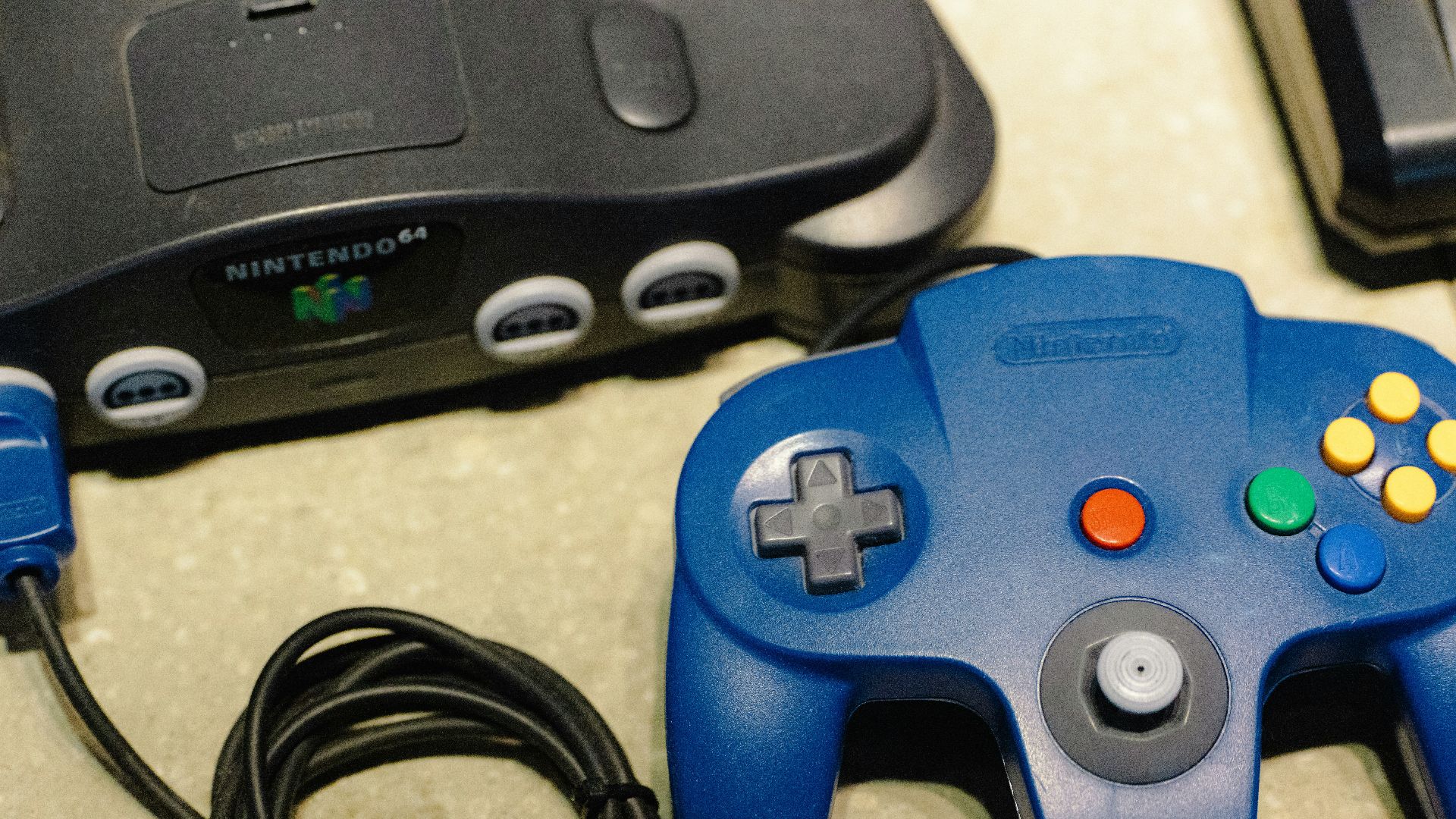
3. Nintendo 64
The Nintendo 64 introduced early 3D gaming that remains influential today. Its library helped define how movement, camera control, and multiplayer design evolved. The controller design was unusual but played a role in shaping modern input systems. The console’s legacy continues to hold value among collectors.
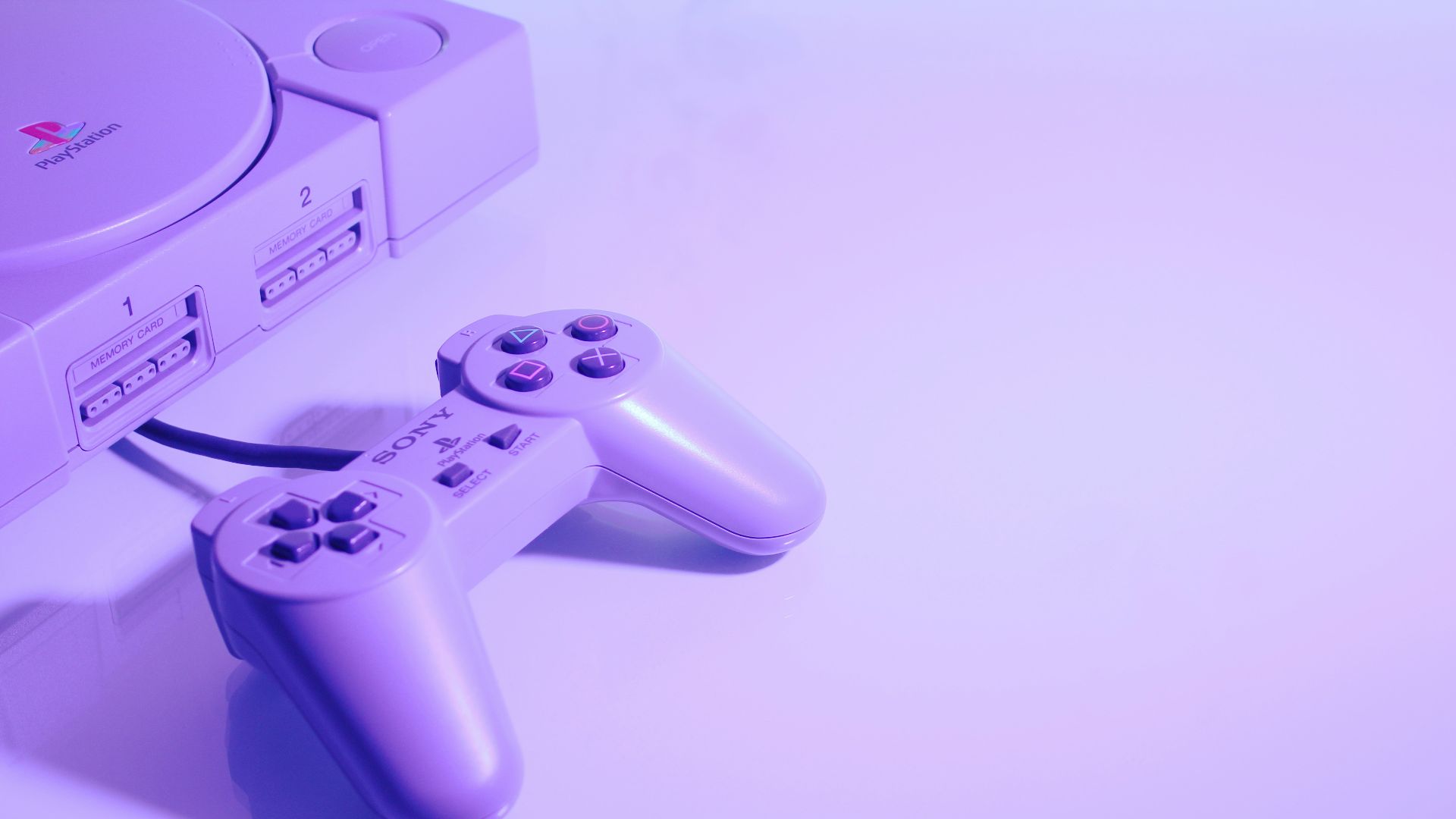
4. PlayStation (PS1)
Sony’s original PlayStation expanded gaming into a broader audience with a massive and diverse catalog. It helped push storytelling and cinematic design forward in gaming. The shift to CD-based media allowed for larger and more complex experiences. Its impact and library make it a strong collectible.
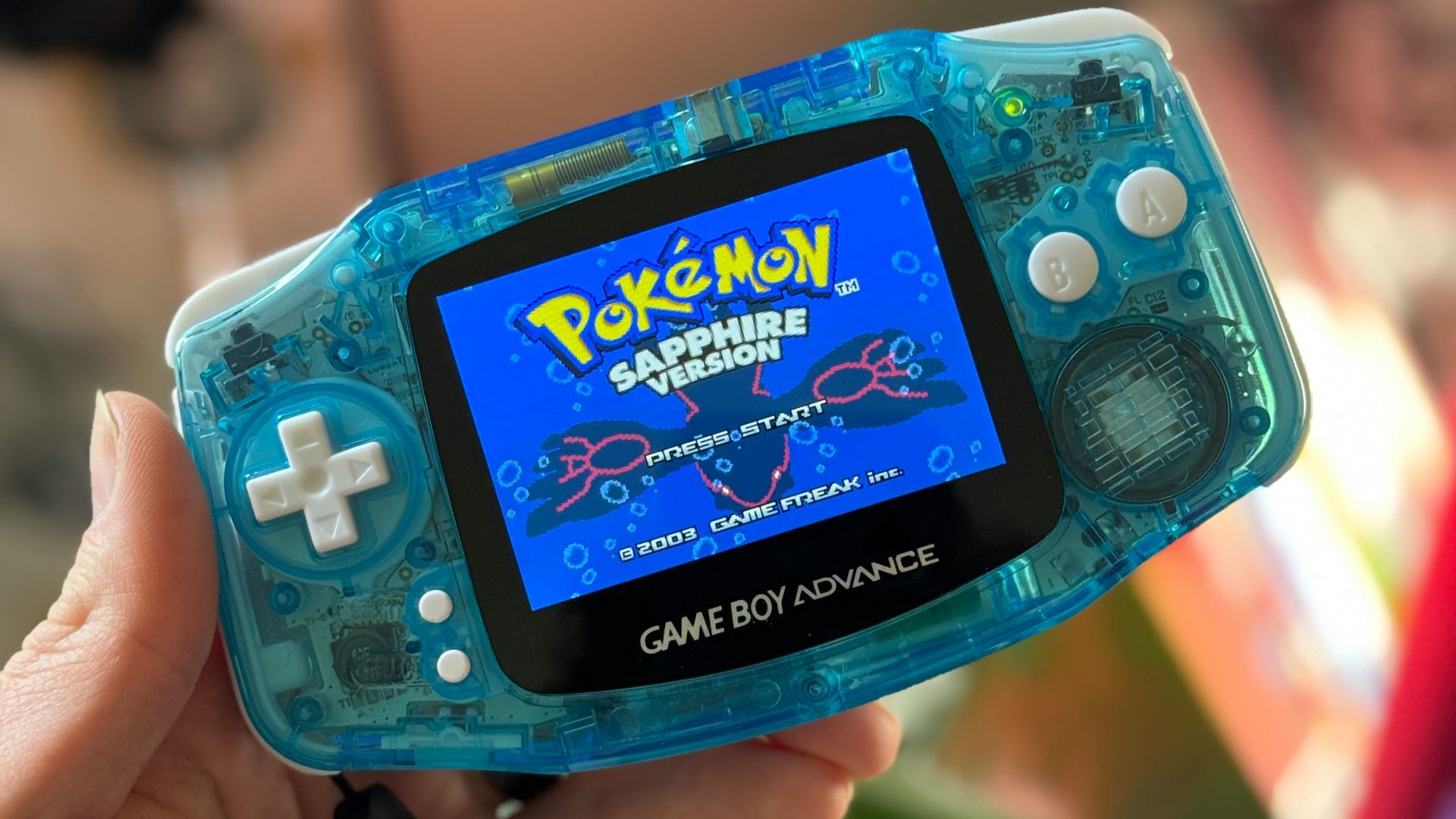
5. Game Boy Advance
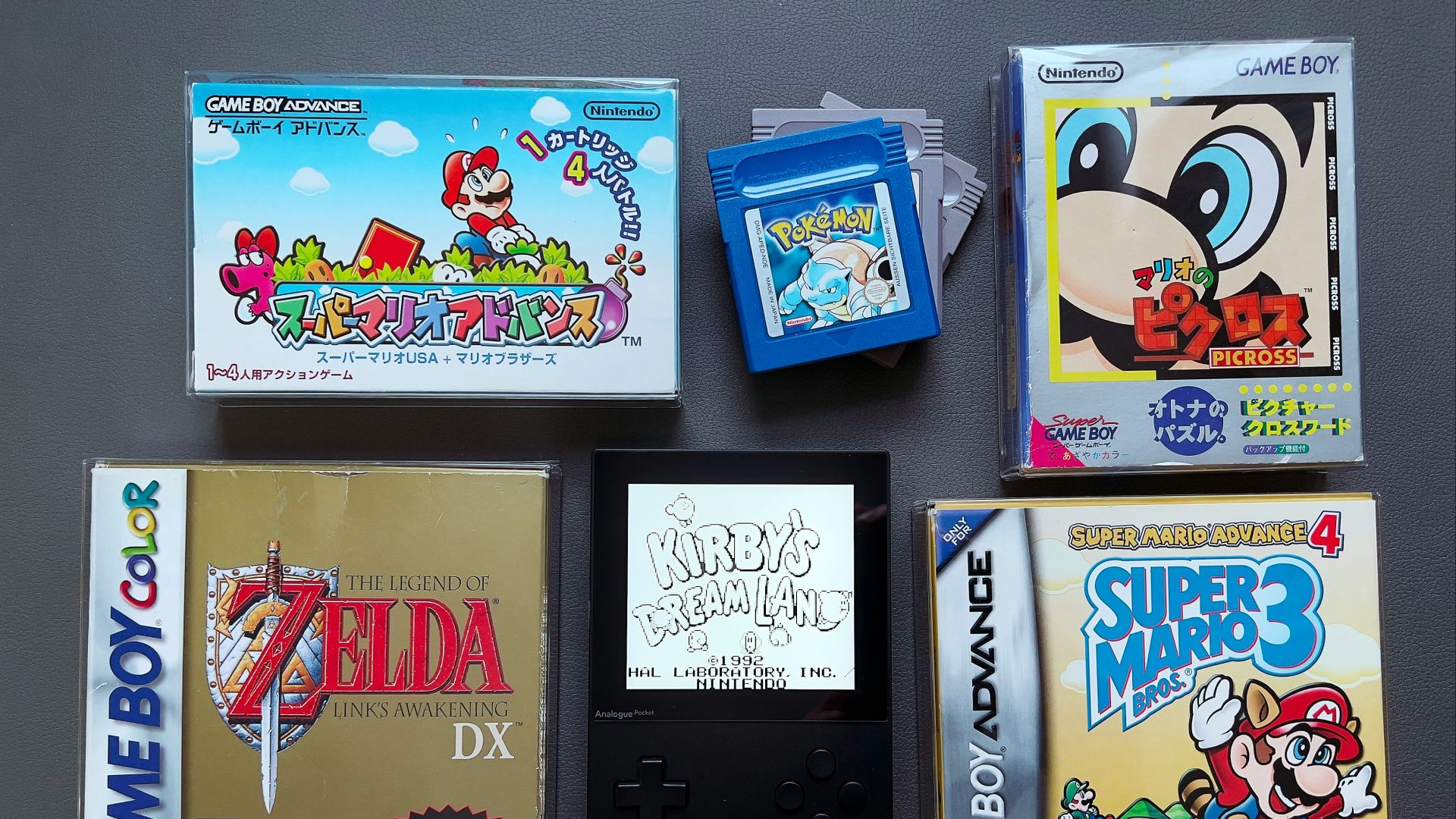
The Game Boy Advance combined portability with performance that rivaled earlier home consoles. It offered a large library that included both original titles and enhanced ports. Its compact design and long battery life made it practical and popular. Collectors still seek it out for its versatility.
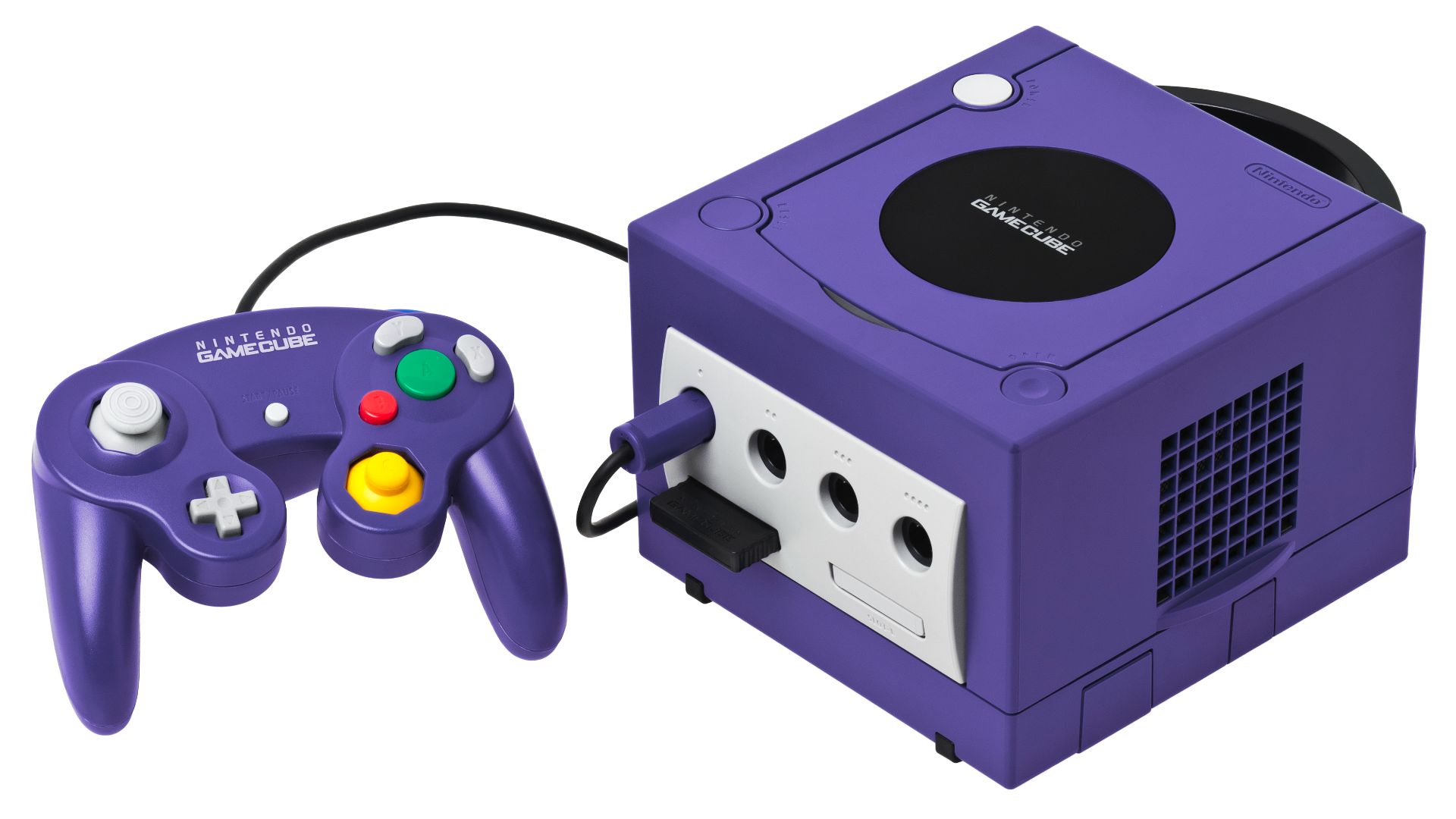
6. Nintendo GameCube
The GameCube didn’t dominate sales, but its library has aged extremely well. It became known for tight gameplay design and strong exclusives. Its compact build and durability add to its appeal. Interest in the system has grown steadily among collectors.
7. Sega Dreamcast
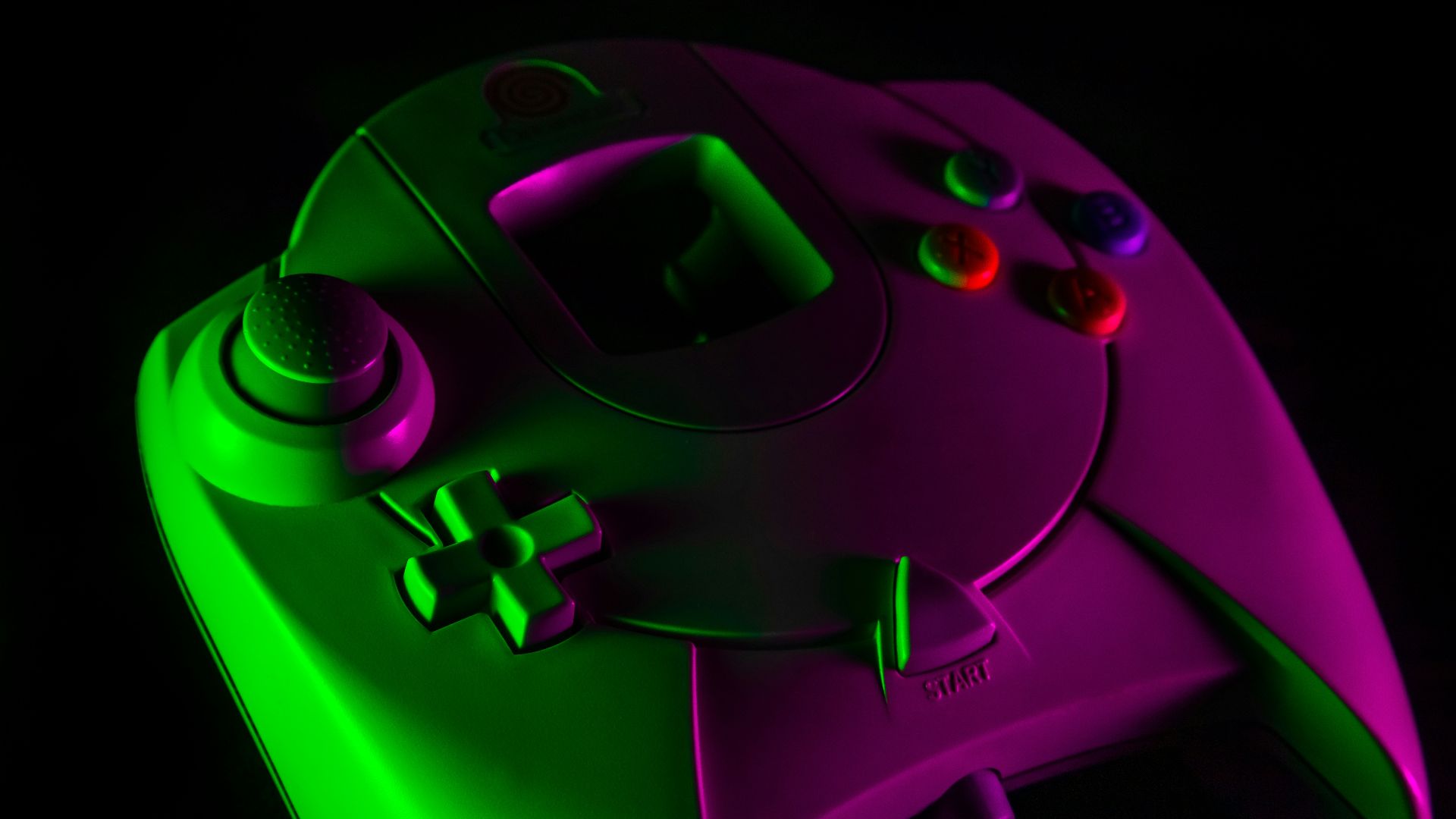
The Dreamcast introduced features like online gaming and advanced memory systems ahead of its time. Its library includes many creative and experimental titles. Despite its short lifespan, it left a strong impression on players. That uniqueness makes it attractive to collectors today.
8. Atari 2600
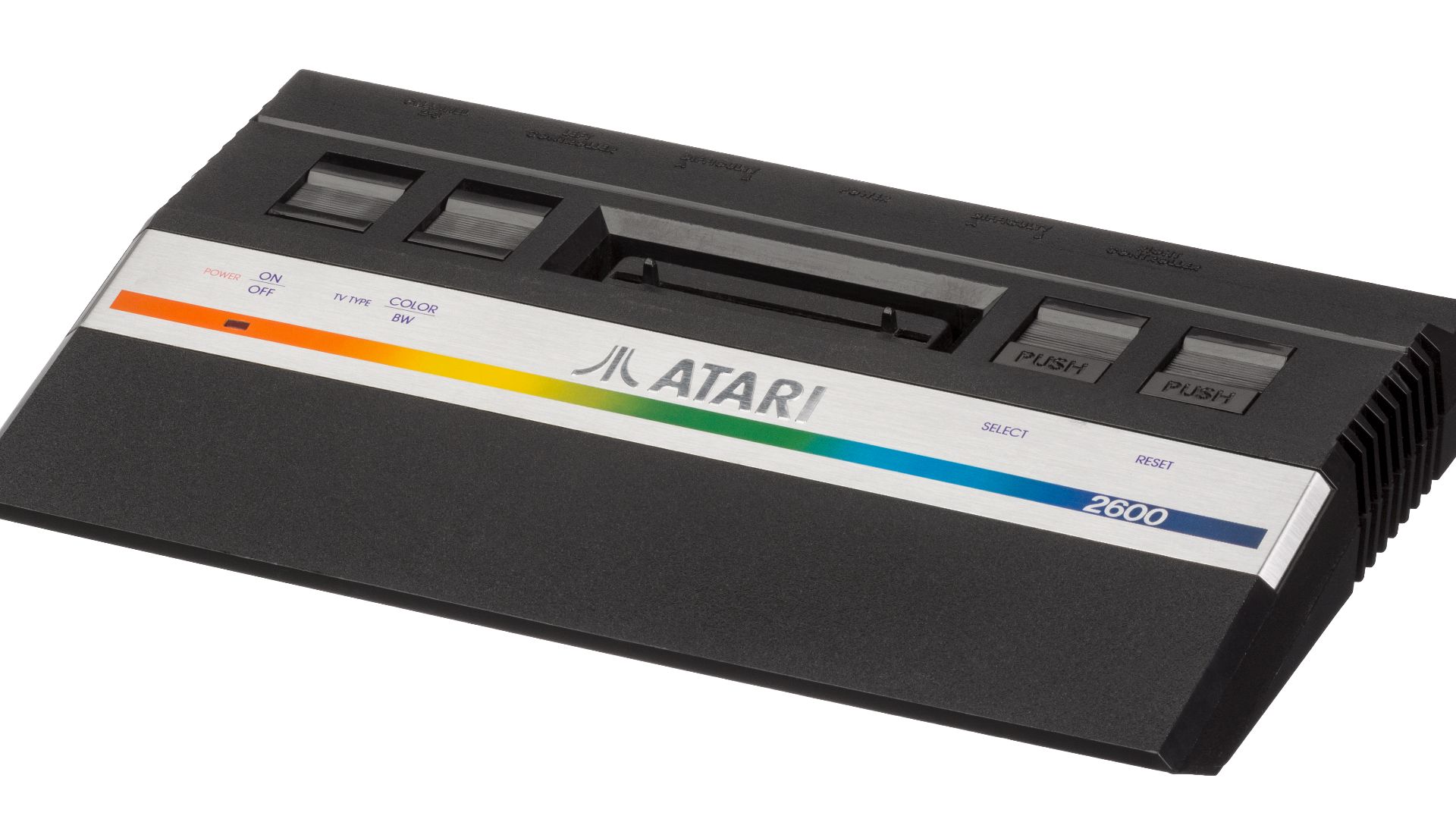
The Atari 2600 represents the early foundation of home gaming. While its graphics are simple, its historical significance is unmatched. It introduced interchangeable cartridges and helped establish the industry. Collectors often value it for its place in gaming history rather than gameplay depth.
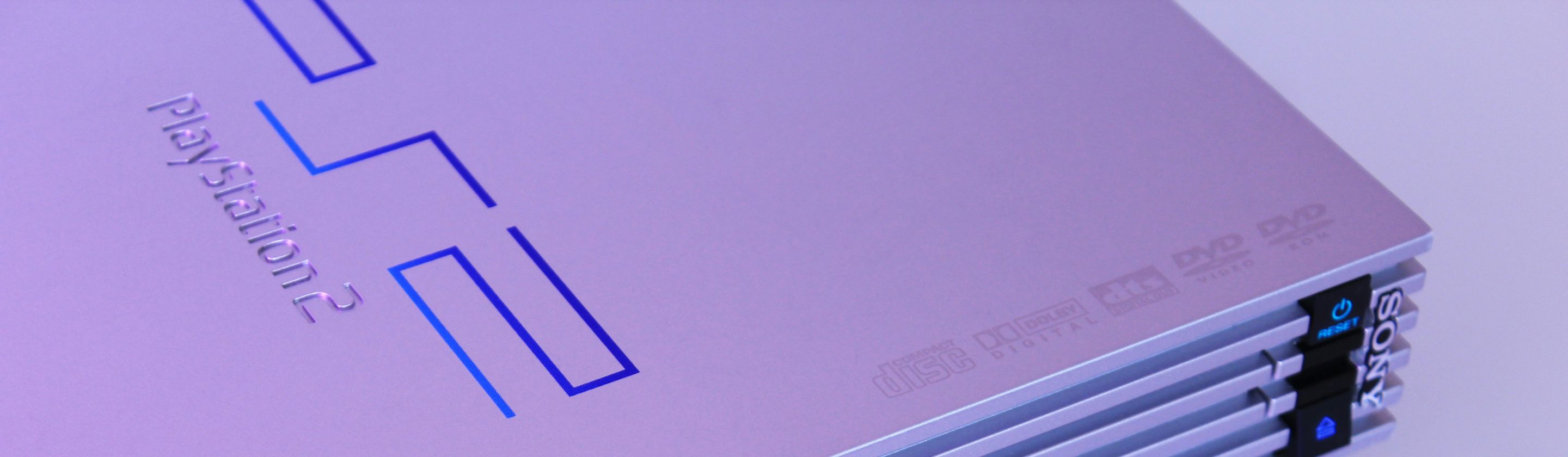
9. PlayStation 2
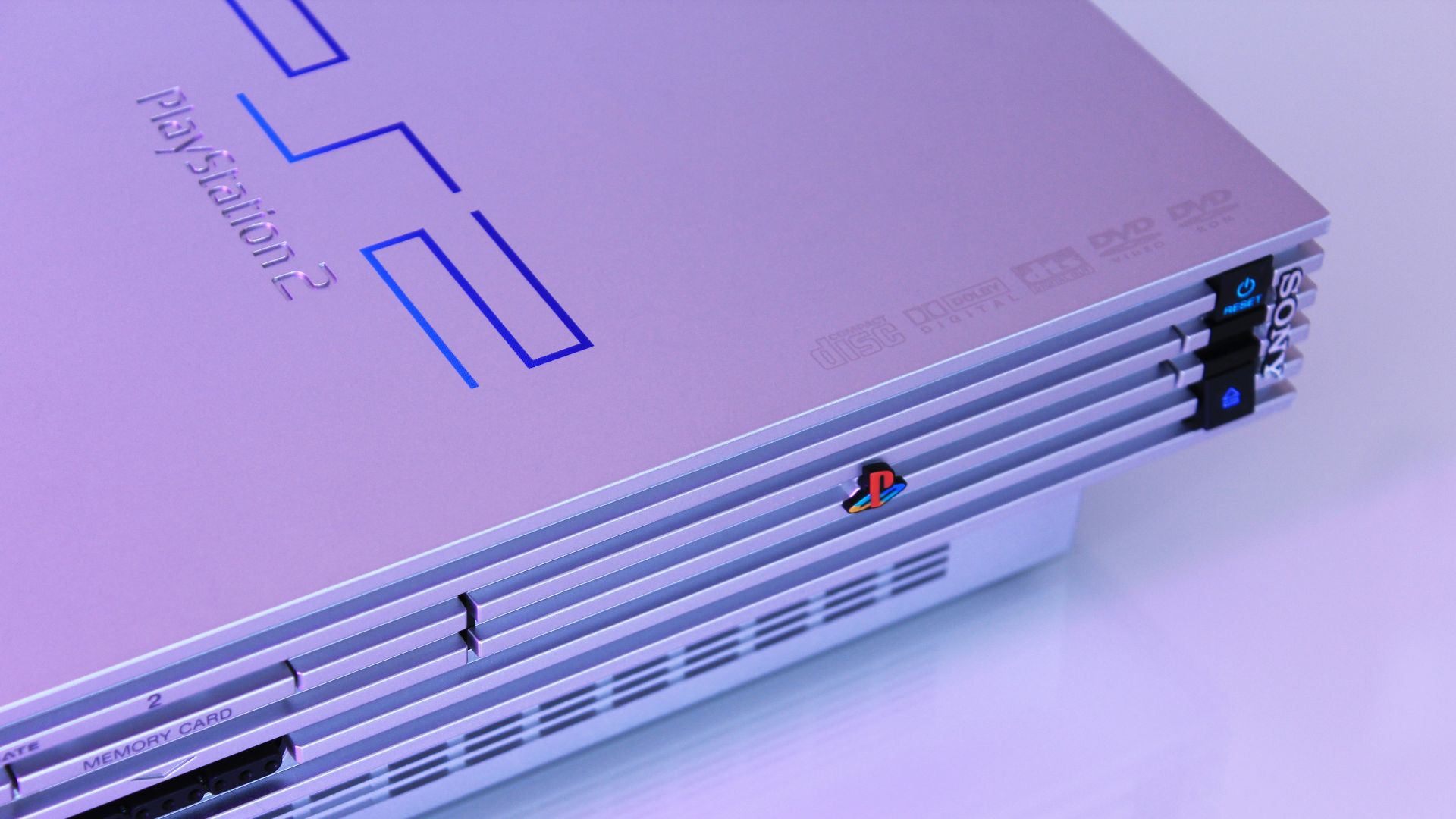
The PlayStation 2 remains the best-selling console of all time, with an enormous library of games. Its backward compatibility added extra value for players and collectors. The system’s durability and variety of genres keep it relevant. It continues to be one of the easiest retro consoles to collect.
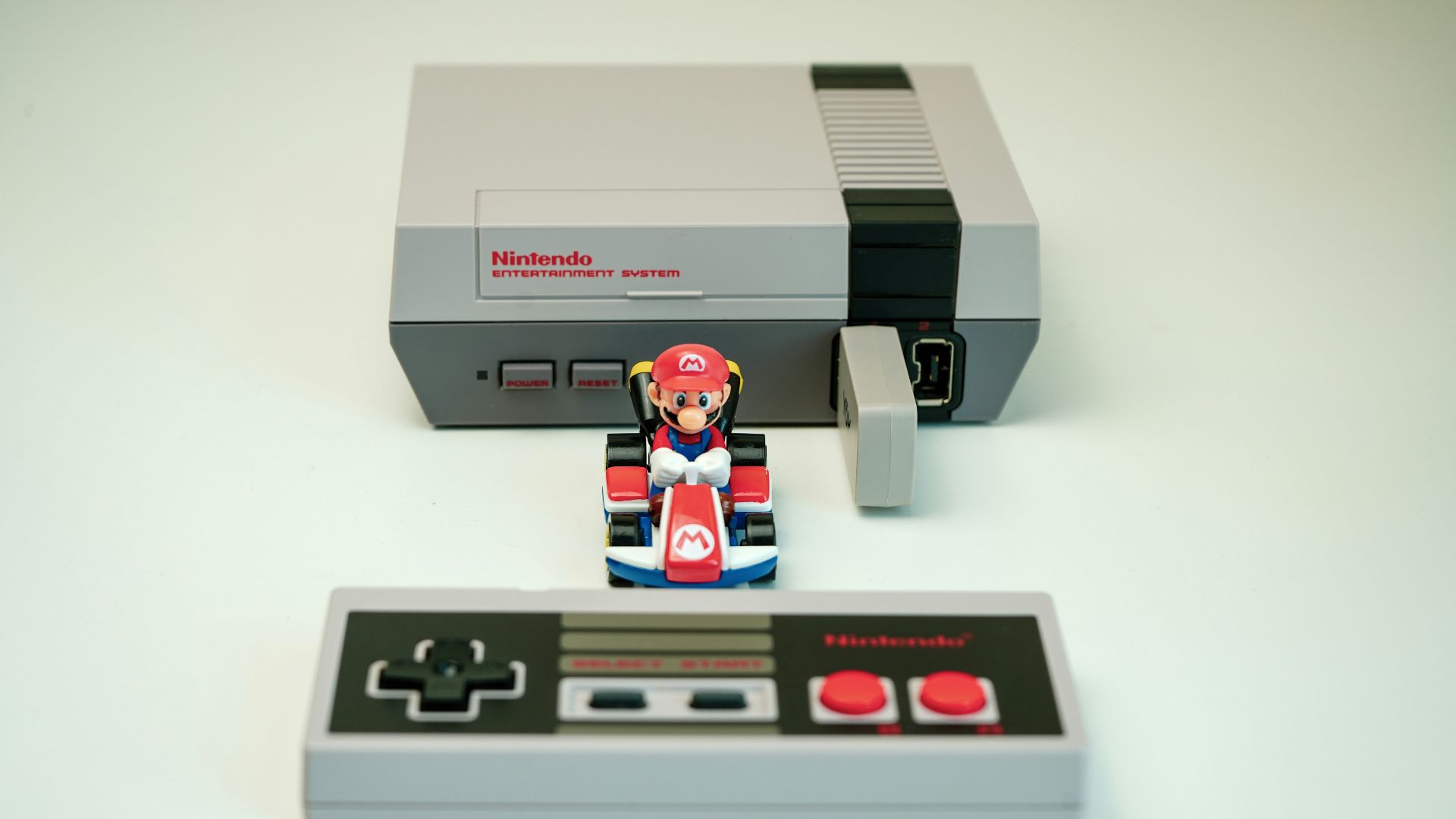
10. NES (Nintendo Entertainment System)
The NES helped revive the video game industry in the 1980s after the market crash. Its library includes foundational titles that still influence game design today. The hardware is simple, durable, and widely supported by collectors and enthusiasts.
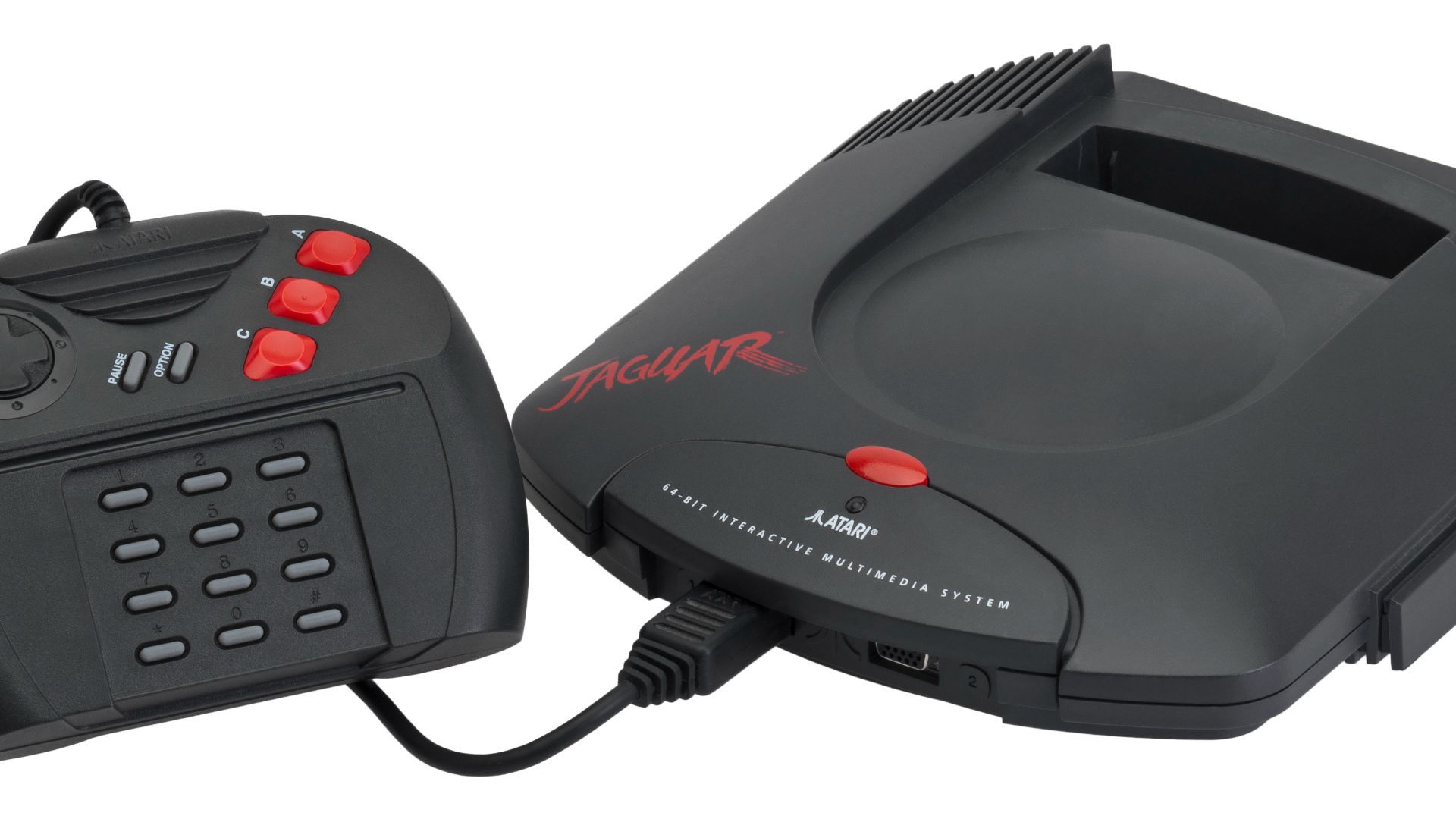
1. Atari Jaguar
The Atari Jaguar was marketed as a powerful system, but suffered from a confusing architecture. Its game library was small and often criticized for poor quality. Developers struggled to create strong titles for the platform. As a result, it failed commercially and remains difficult to recommend.
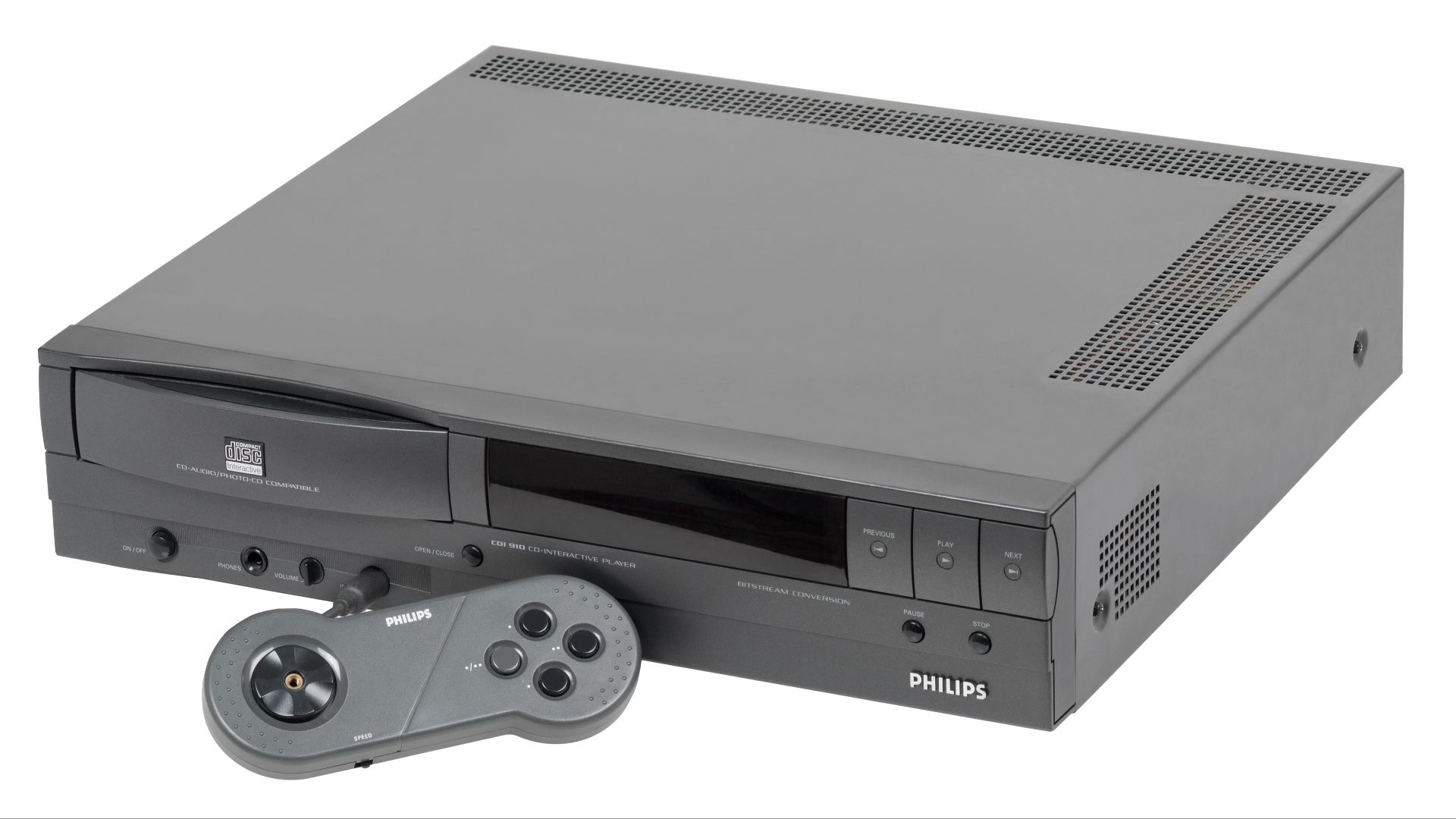
2. Philips CD-i
The Philips CD-i attempted to blend gaming with multimedia but lacked focus. Its controls were awkward, and its game library was widely criticized. Even licensed releases failed to meet expectations. It’s now mostly remembered for its shortcomings rather than its achievements.
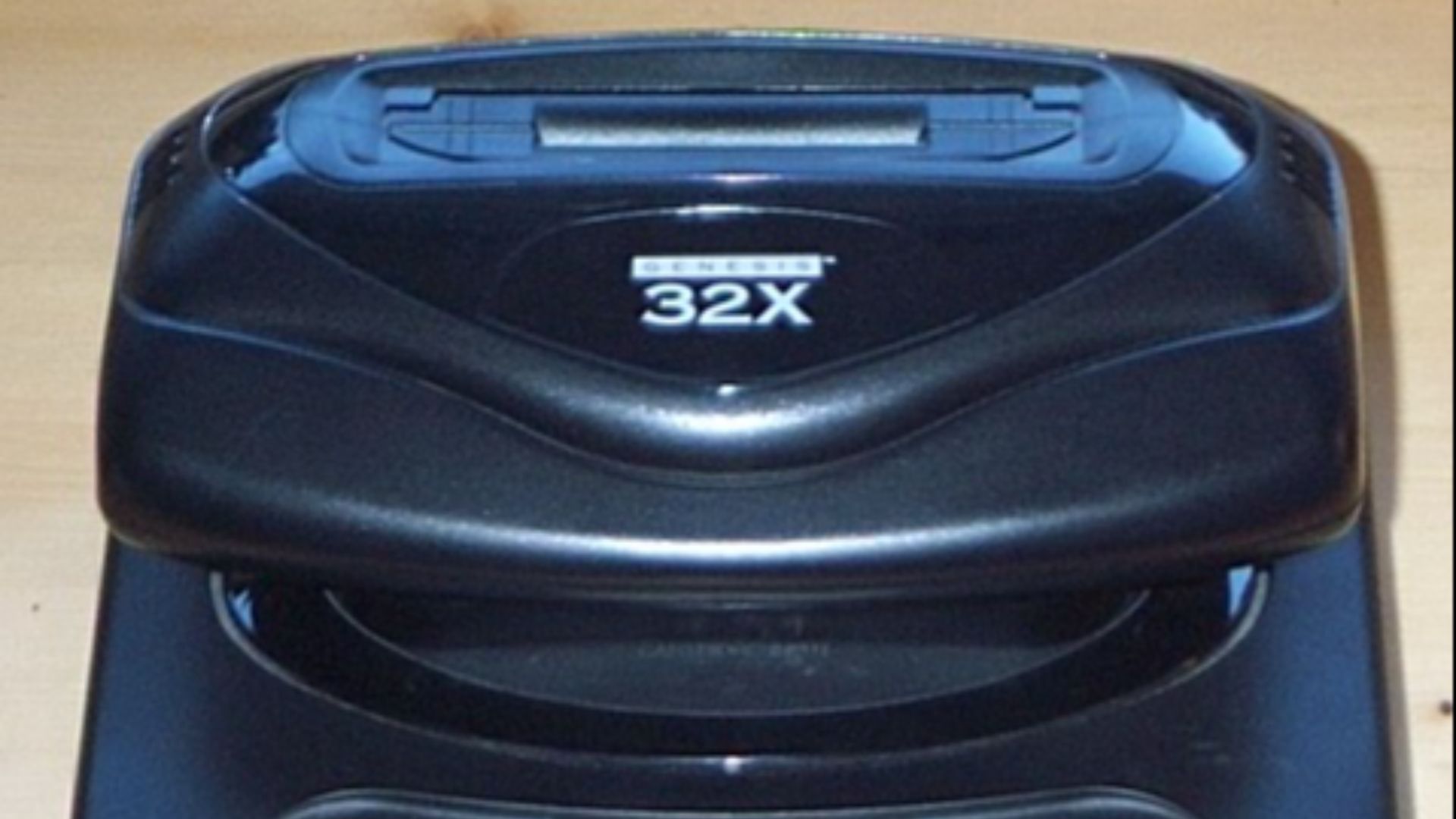
3. Sega 32X
The Sega 32X was an add-on that complicated the Genesis rather than improving it meaningfully. It required extra cables and power, creating a messy setup. Its limited library offered little reason to invest. Most players moved on quickly, leaving it behind.
 User Eike on en.wikipedia on Wikimedia
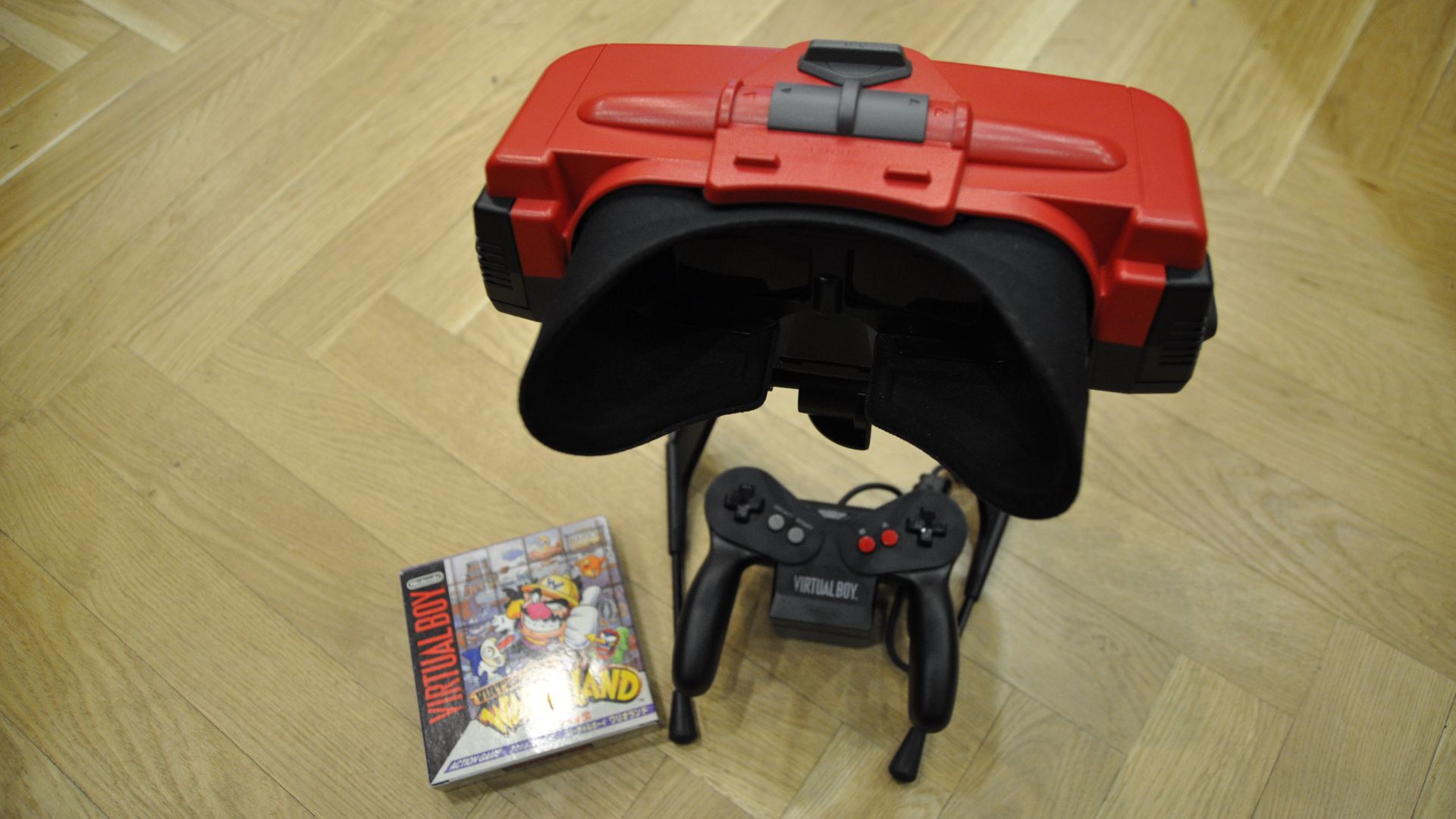
4. Virtual Boy
The Virtual Boy aimed to deliver 3D gaming but caused discomfort for many users. Its red-and-black display led to eye strain and headaches. The awkward design limited how it could be used, and its short lifespan reflects how poorly it was received.
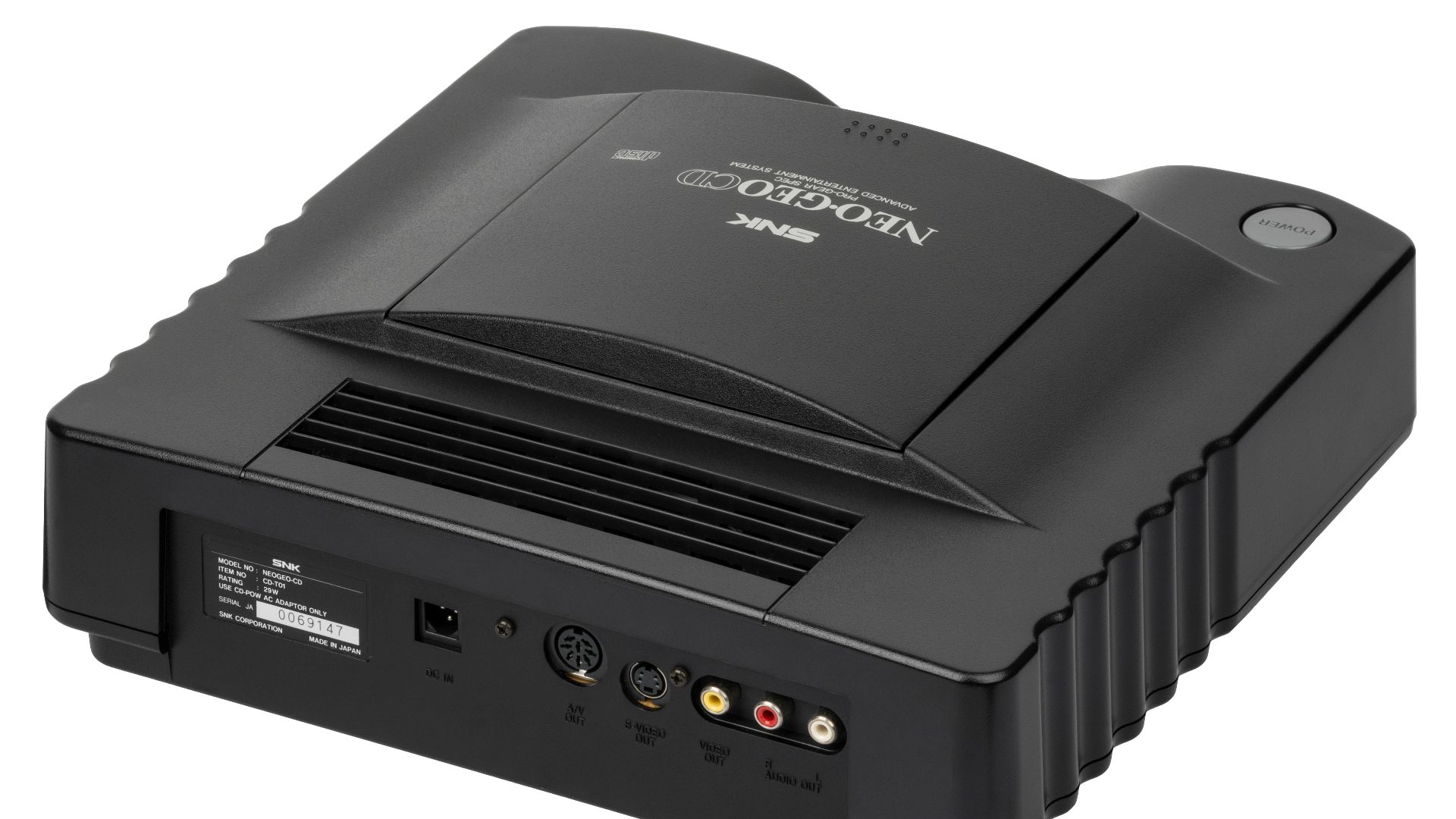
5. Neo Geo CD
The Neo Geo CD offered high-quality games but suffered from extremely long load times. This issue disrupted gameplay and frustrated users.
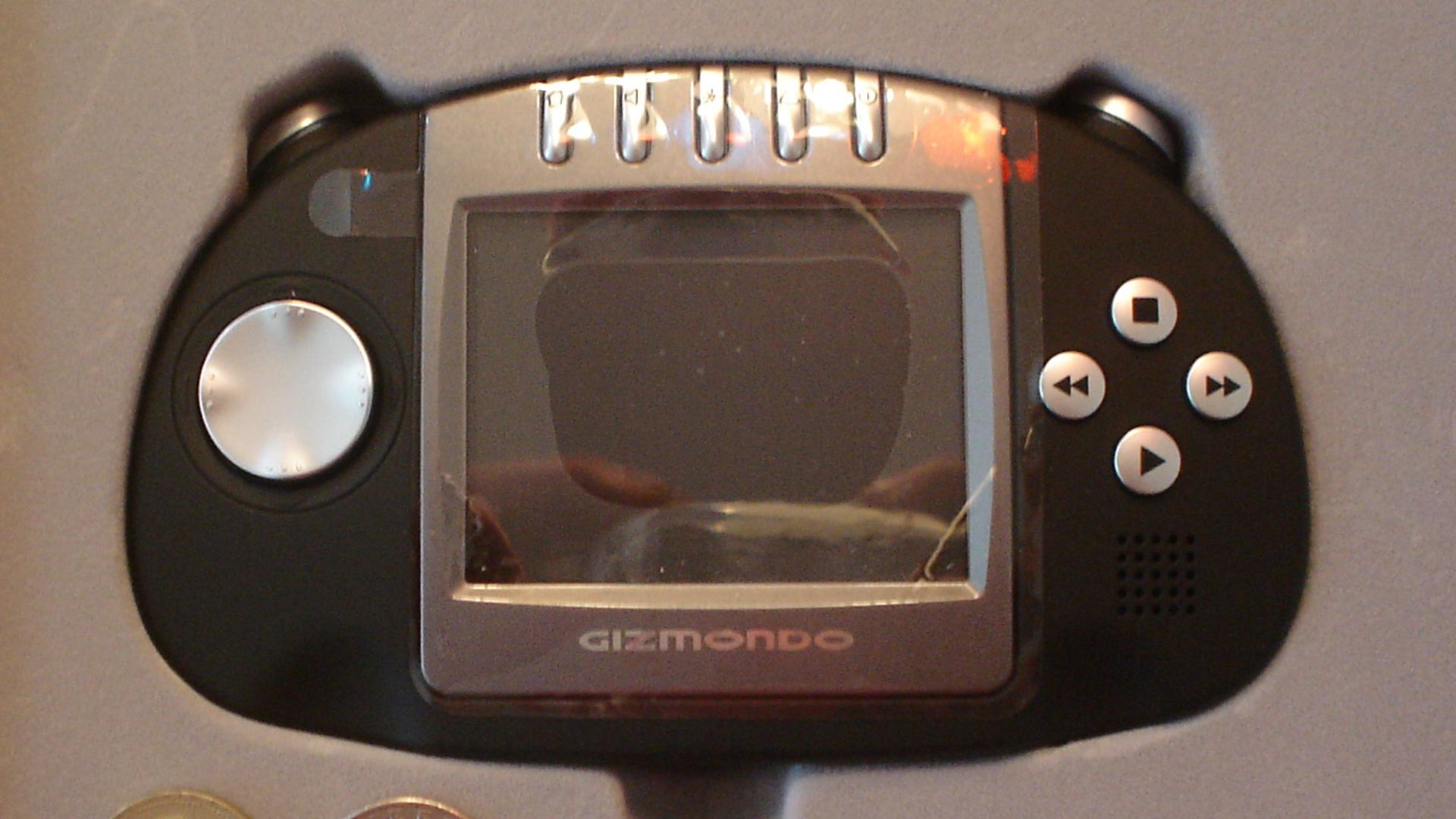
6. Gizmondo
The Gizmondo was a handheld system plagued by poor management and limited support. Its library was extremely small, and many promised features were never delivered.
 MadDreamChant at English Wikipedia on Wikimedia
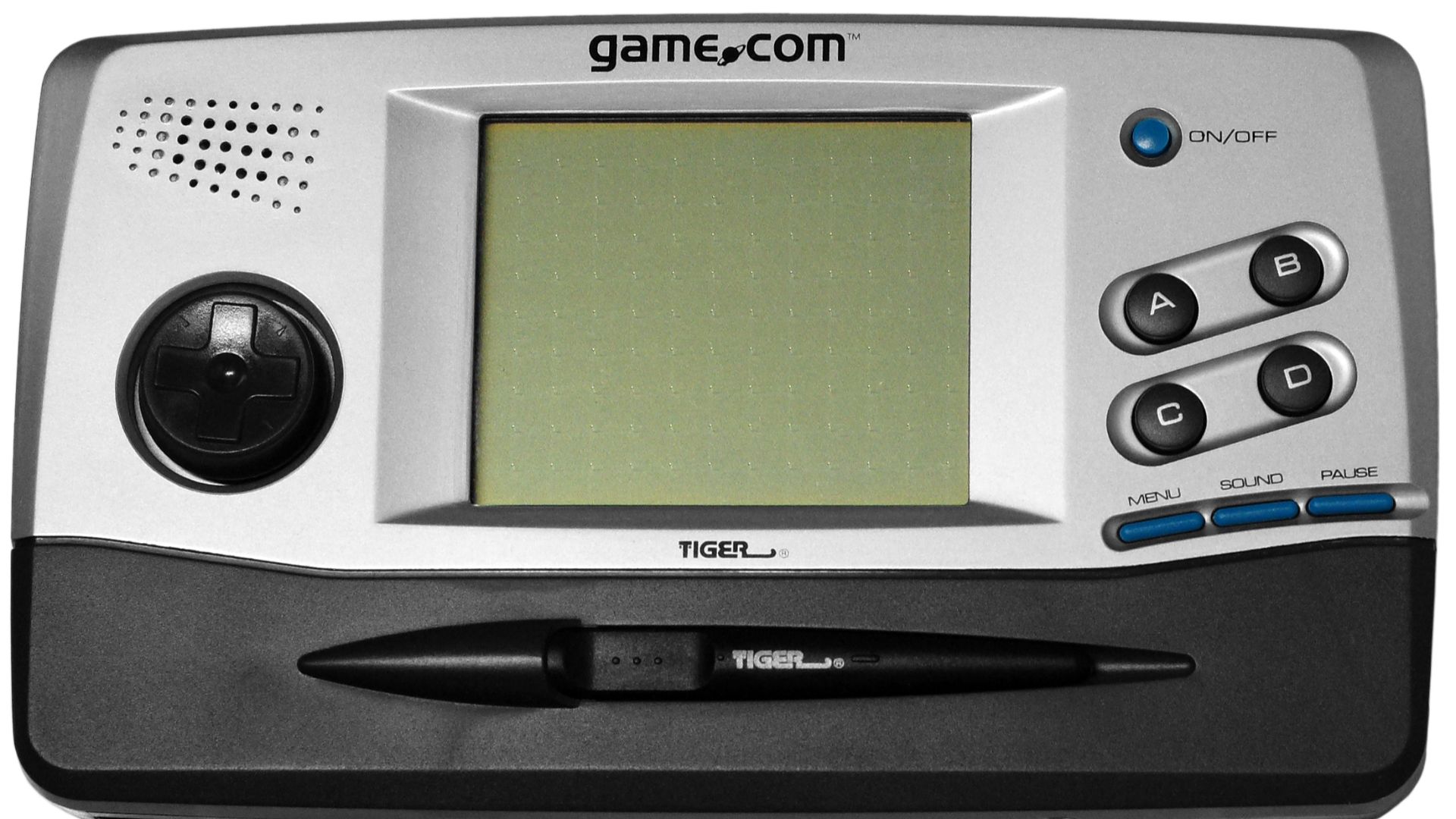
7. Tiger Game.com
The Tiger Game.com attempted to compete with major handheld systems but fell short in execution. Its touchscreen was unresponsive, and its graphics were difficult to view.
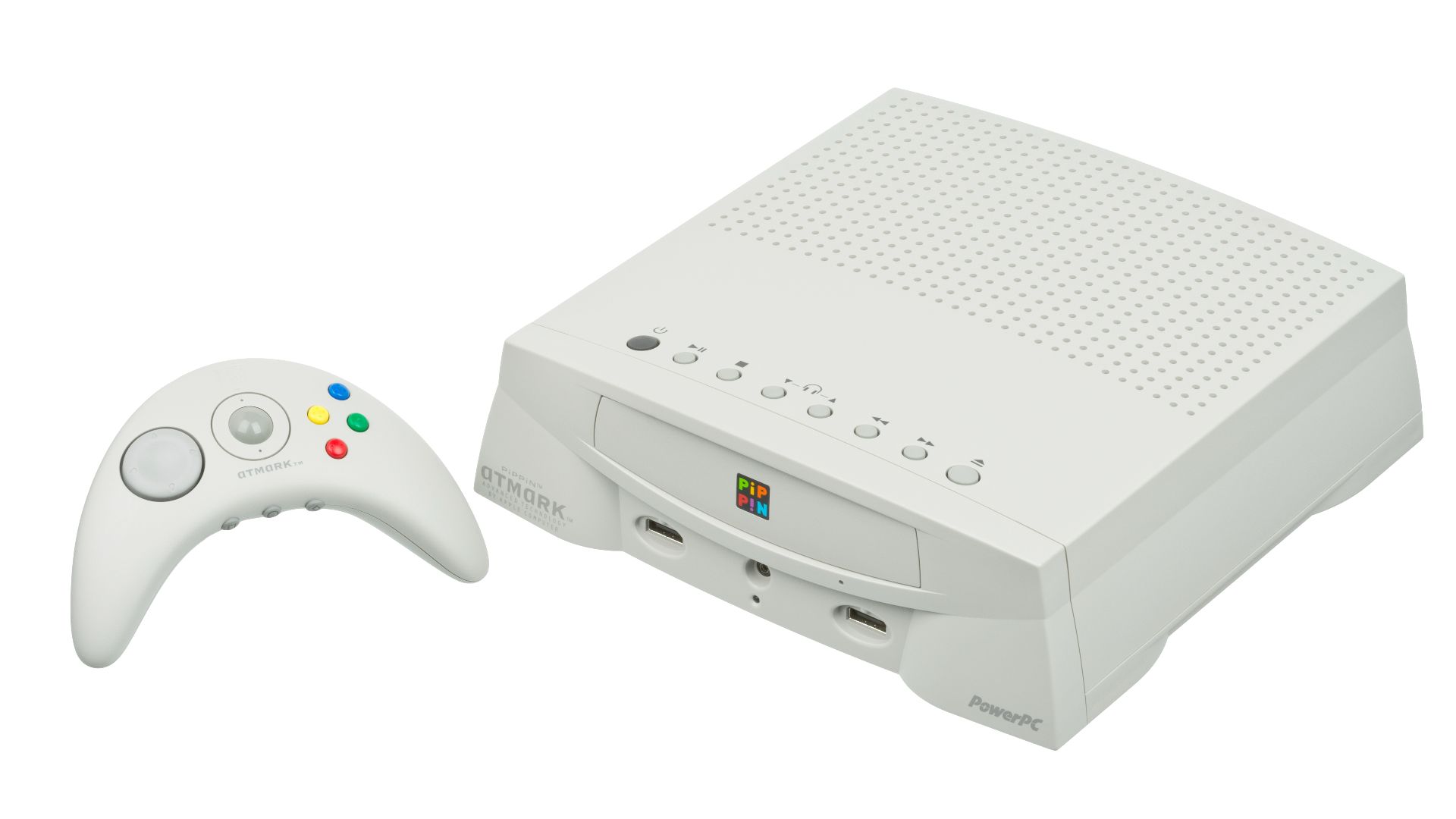
8. Apple Pippin
The Apple Pippin tried to combine computing and gaming, but didn’t succeed at either. Its high price and limited support made it unattractive to consumers.
9. Sega CD
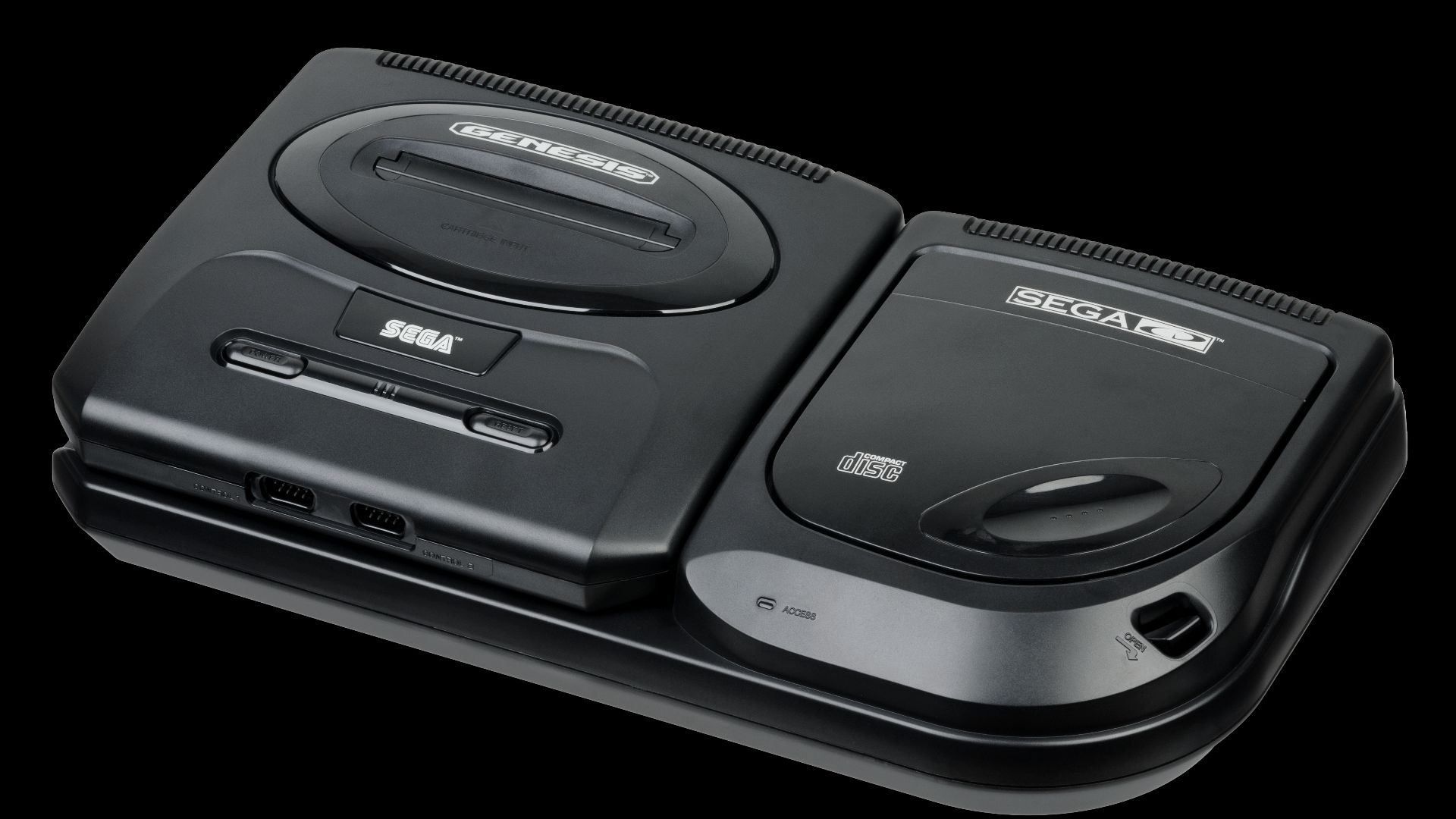
The Sega CD expanded the Genesis with CD-based games but struggled with consistency. While it introduced some innovations, many releases relied too heavily on full-motion video.
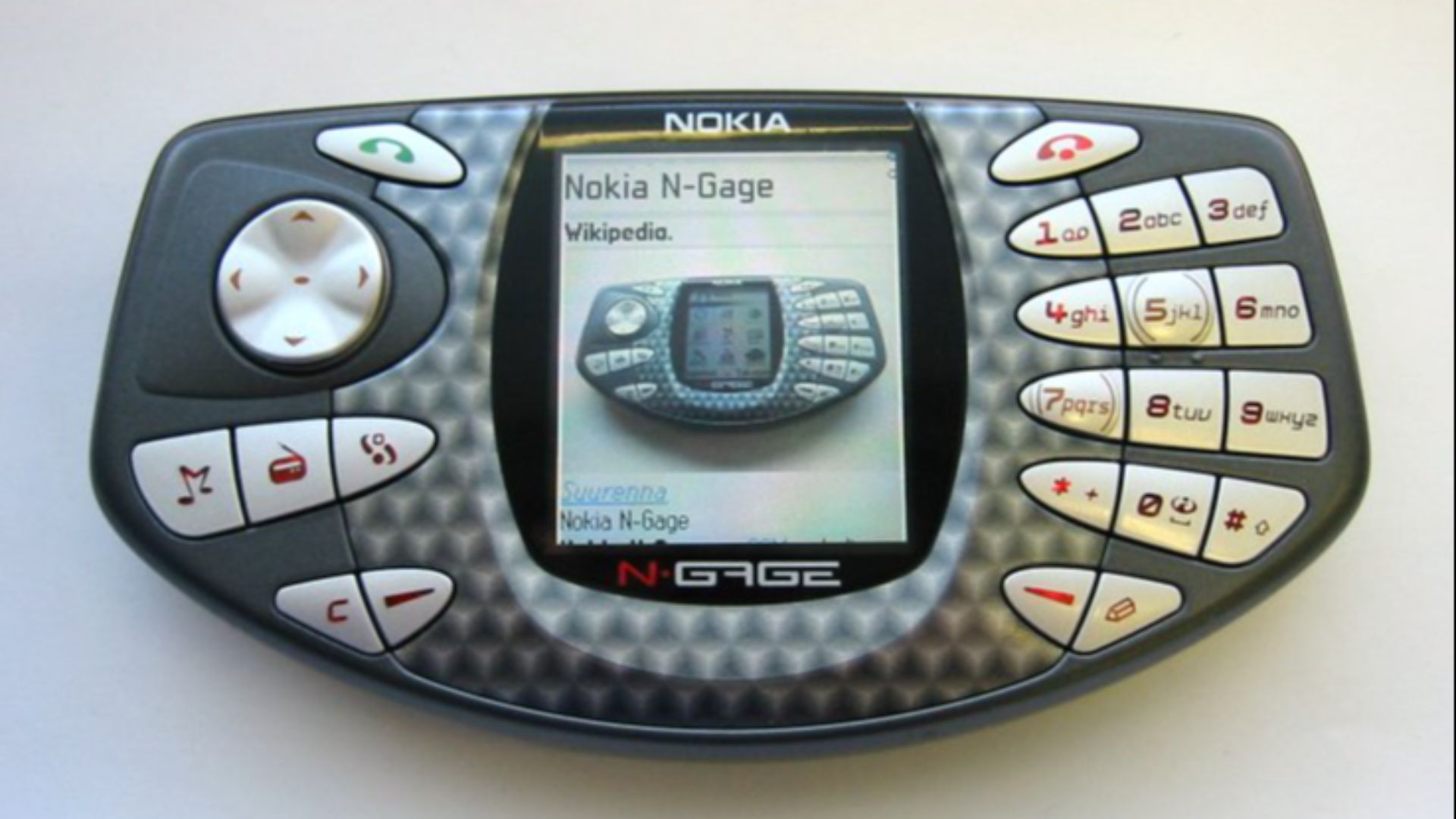
10. Nokia N-Gage
The Nokia N-Gage combined a phone and gaming device, but compromised both functions. Its design made basic tasks awkward, including making calls.