10 Ways Gaming Together Makes Couples Stronger & 10 Ways It Might Cause A Split
It's Not All Fun And Games
Gaming with your partner might seem like innocent fun, but it can reveal a lot more about your relationship than people think. From your communication skills to your competitive levels and ability to cooperate, you'll be surprised by what might just come to light. Here are 10 ways gaming together makes couples stronger, and 10 ways it might just cause a breakup.
1. It Gives You a Shared Hobby to Enjoy
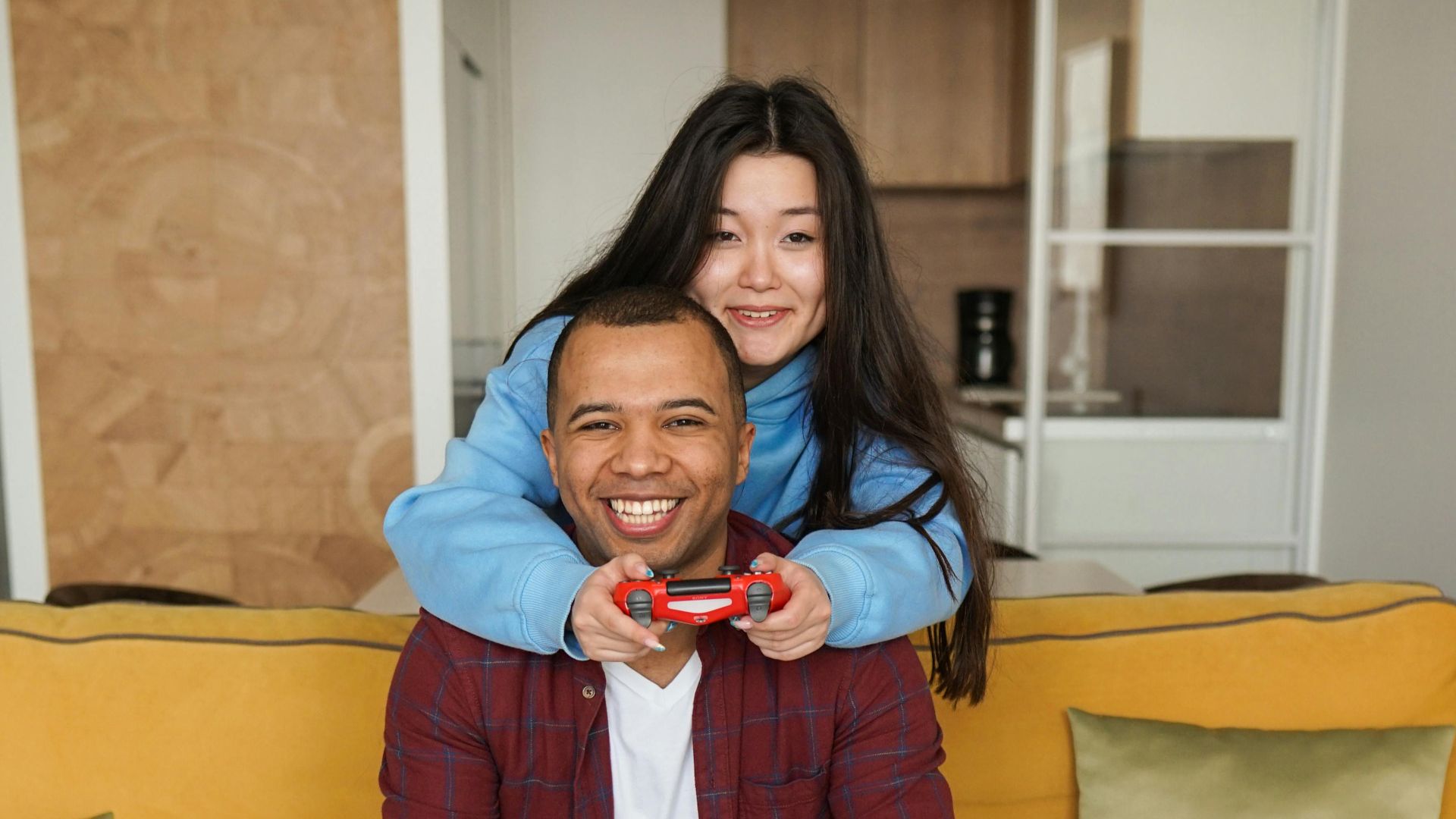
Couples who play together, stay together! While there's nothing wrong with having different likes and dislikes, sharing a hobby definitely makes it easy for couples. It's a fun, built-in activity that allows you to spend quality time together without leaving the house.

2. It Can Improve How You Communicate
Many multiplayer games require couples to talk things out, make decisions together, and improve their teamwork. That means communication is a key part to gaming! And while it's not a direct translation, if you're able to work things out in game, it'll definitely help with your day-to-day communicating, too.
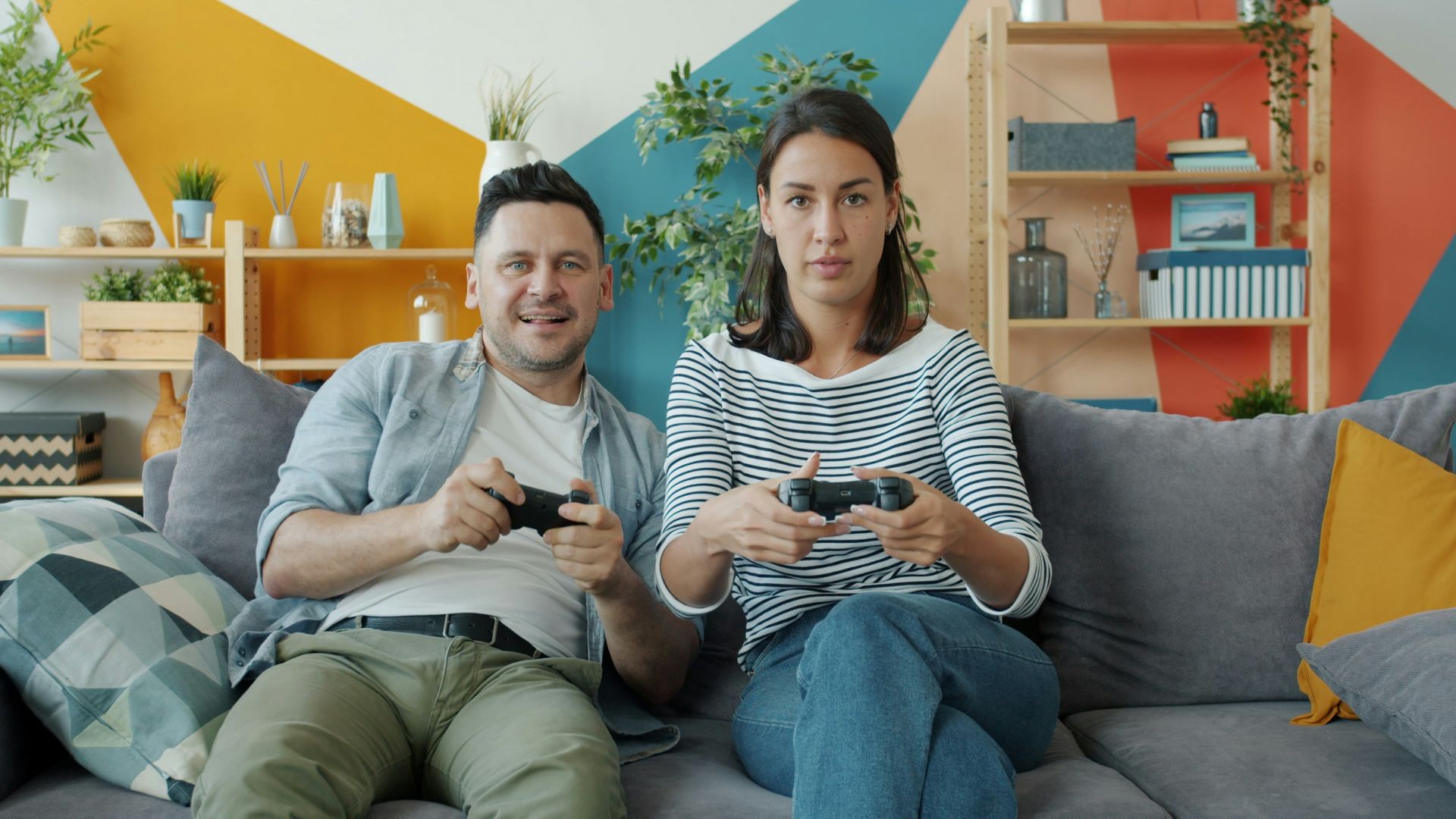
3. It Lets You See Each Other's Playful Side
Adult life can get repetitive, but thanks to gaming, it can bring out a lighter energy that daily responsibilities don't. Seeing your partner laugh at a ridiculous mistake or get excited over a small win can make the relationship feel fresh and familiar at the same time. That kind of playful connection can be a real asset in the long run.

4. It Builds Teamwork in a Low-Stakes Setting
Just because it's a game doesn't mean it's not important. When you're both working toward the same goal in a game, it reminds you that the two of you are capable of solving problems when the going gets tough. That's not something you'll easy forget in real life.

5. It Creates Small Rituals You Can Look Forward To
After a long day at work, there's nothing more rewarding than a fun gaming night with your loved one. It can become one of those small and simple routines that ends up as the highlight of your entire day.
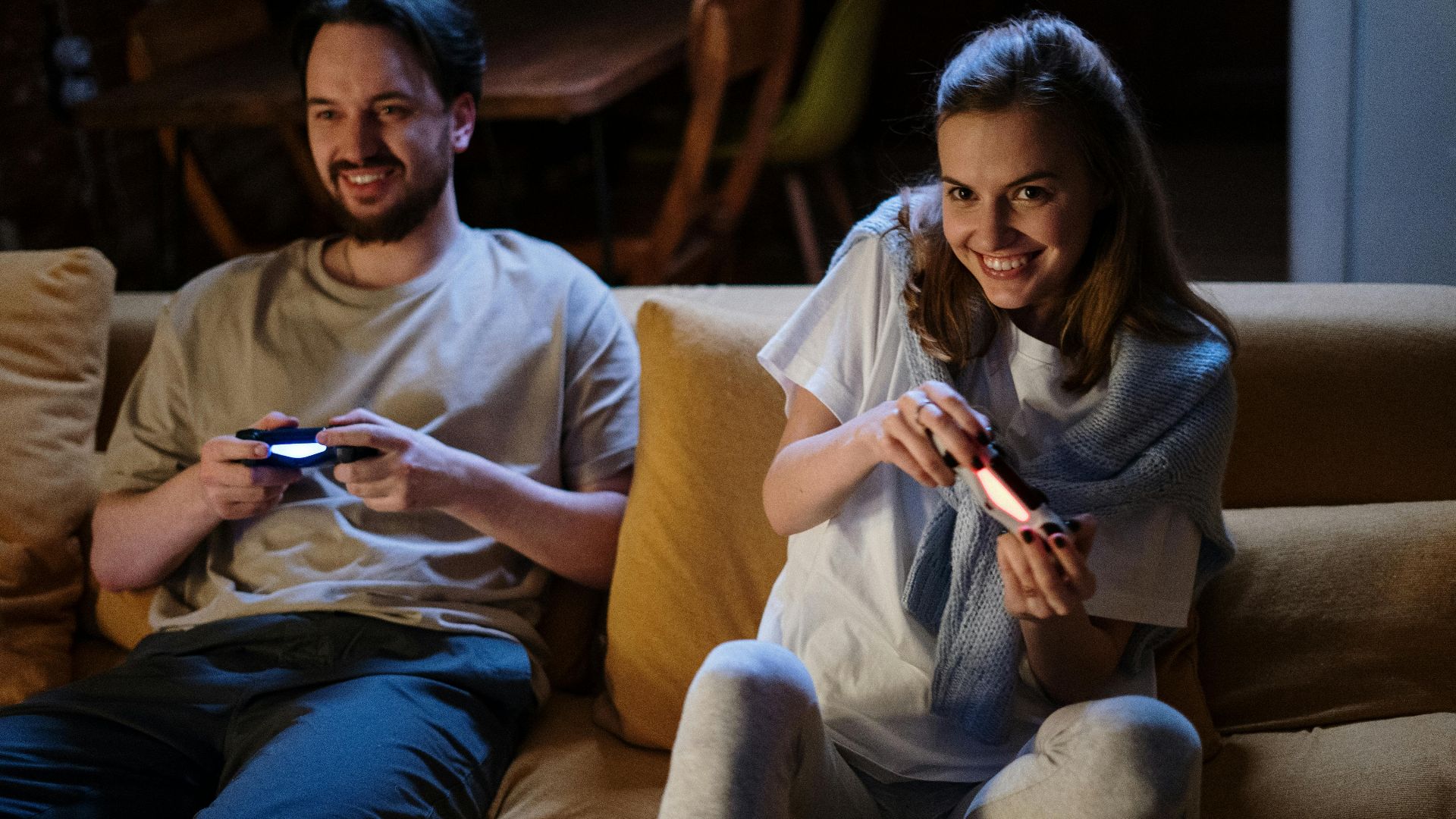
6. It Can Make Long-Distance Relationships Feel Closer
For couples who can't always be in the same room, gaming can offer a way to spend active time together instead of just texting or calling. You're not only talking, but also doing something side by side, which often feels more engaging. That shared focus can make distance feel a little less frustrating and a lot less empty.
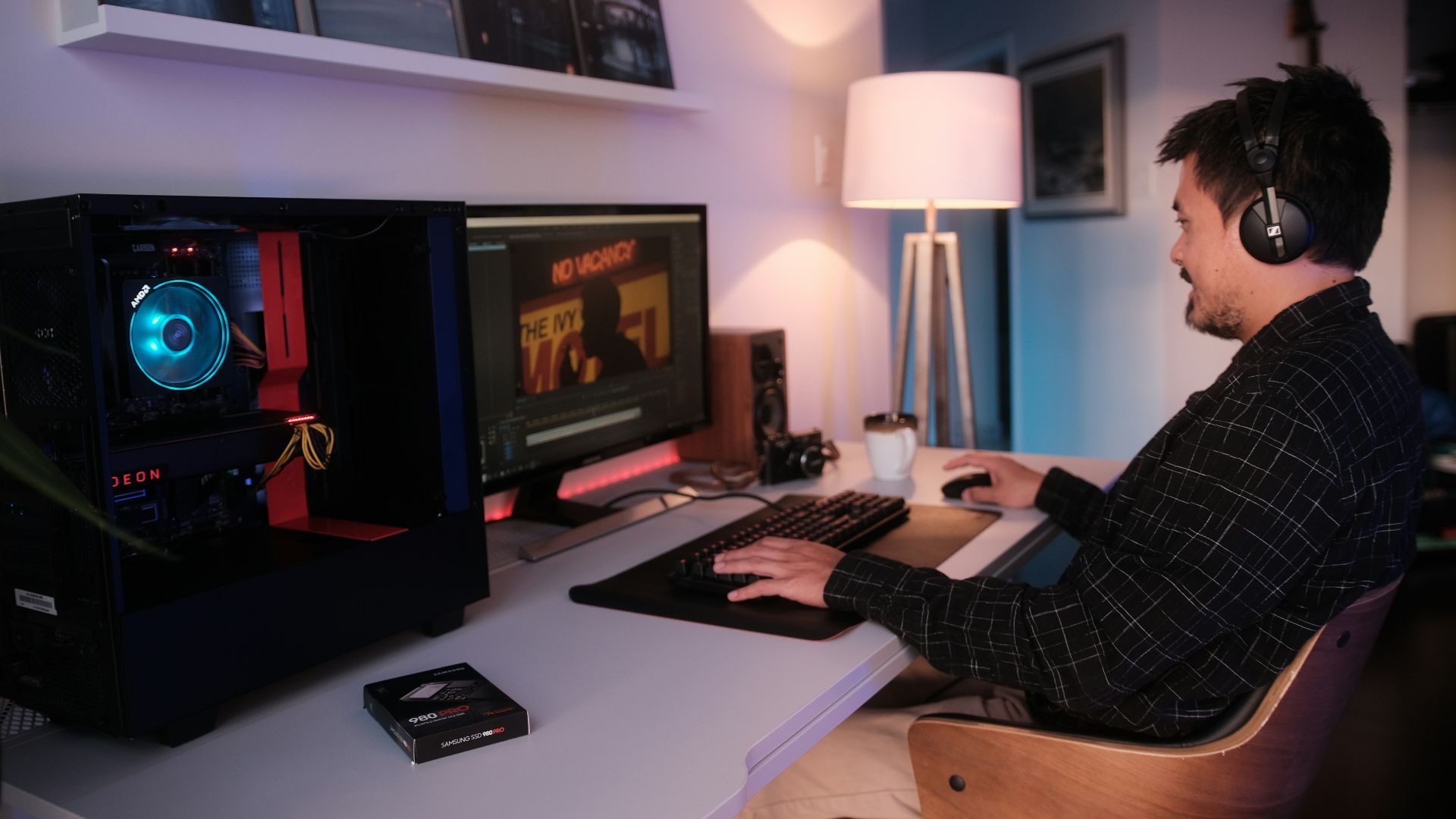
7. It Reveals Strengths You Might Not Notice Otherwise
From learning that your partner is great under pressure to being extra patient, strategic, or encouraging, there's a lot that gaming might reveal about them. These qualities aren't always highlighted day to day, and it can be a nice surprise to learn more about each other.
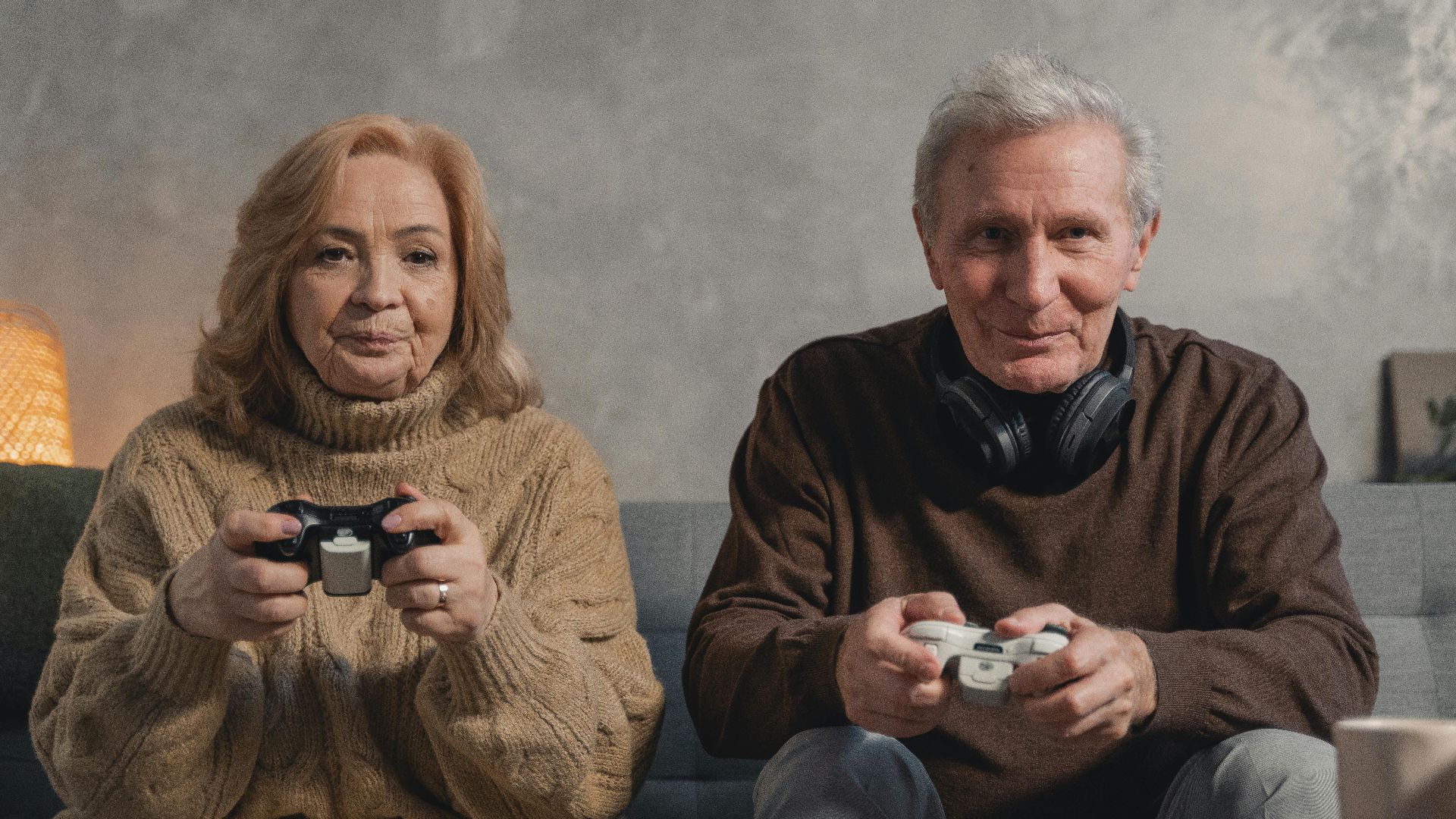
8. It Encourages Healthy Problem-Solving
Not every outcome is always what you want, and gamers know that feeling all too well. But when you're playing with someone else, you'll be able to see how they practice staying calm, rethink strategies, and keep trying. These habits are all useful in relationships, and it's nice to see them being used in real time.
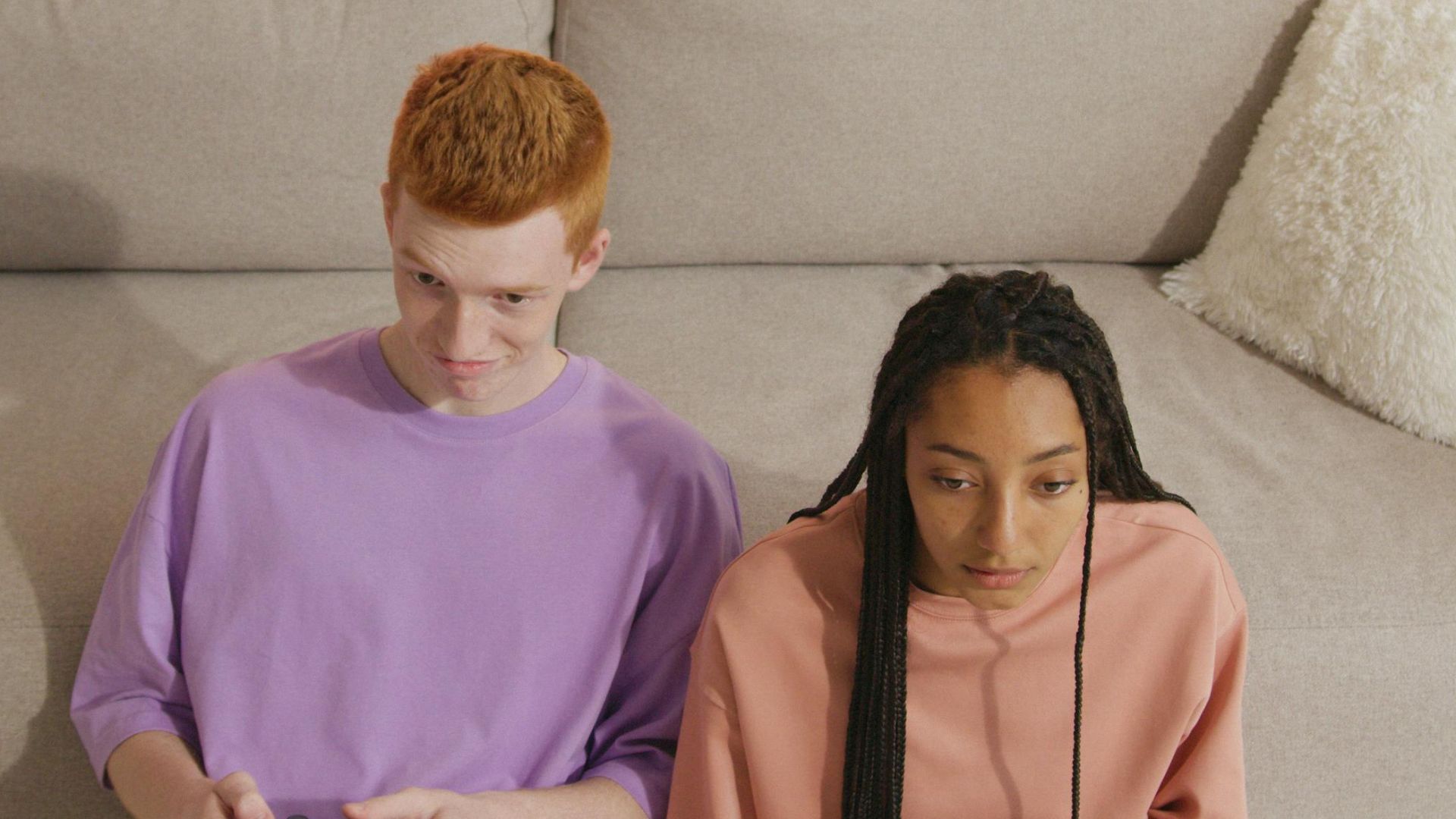
9. It Gives You a Chance to Support Each Other
If one of you is better at a game, it creates a nice opportunity to build patience and encouragement instead of judgment. Helping your partner out also works as a nice bonding experience that helps you be even more comfortable with one another.

10. It Can Strengthen Emotional Connection Through Shared Wins
Celebrating a victory together, even a small one, creates a sense of being aligned and involved in the same experience. Shared enjoyment matters in relationships, and gaming can provide more of it than people expect.
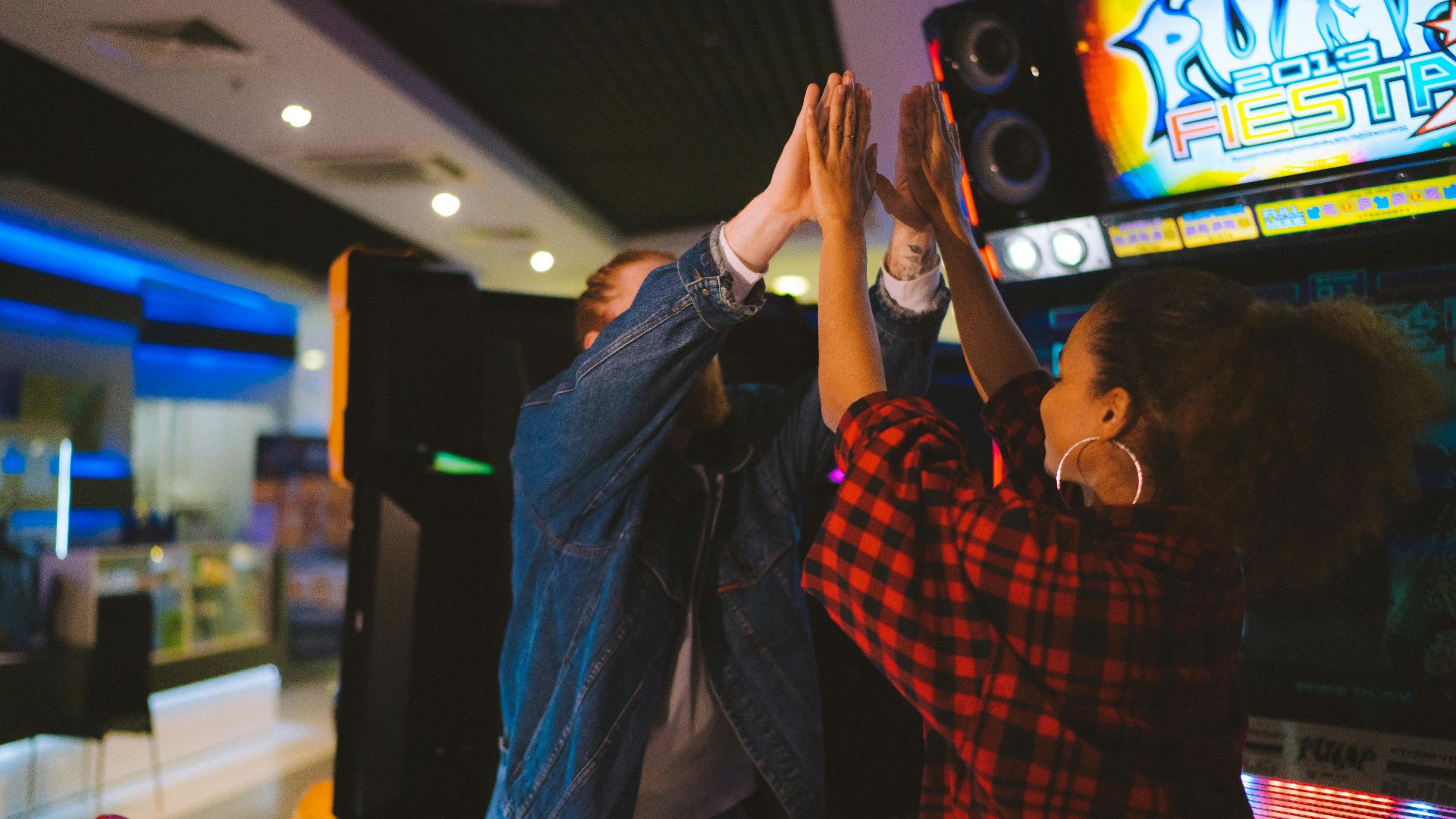
1. It Might Expose Competitive Tendencies That Turn Ugly
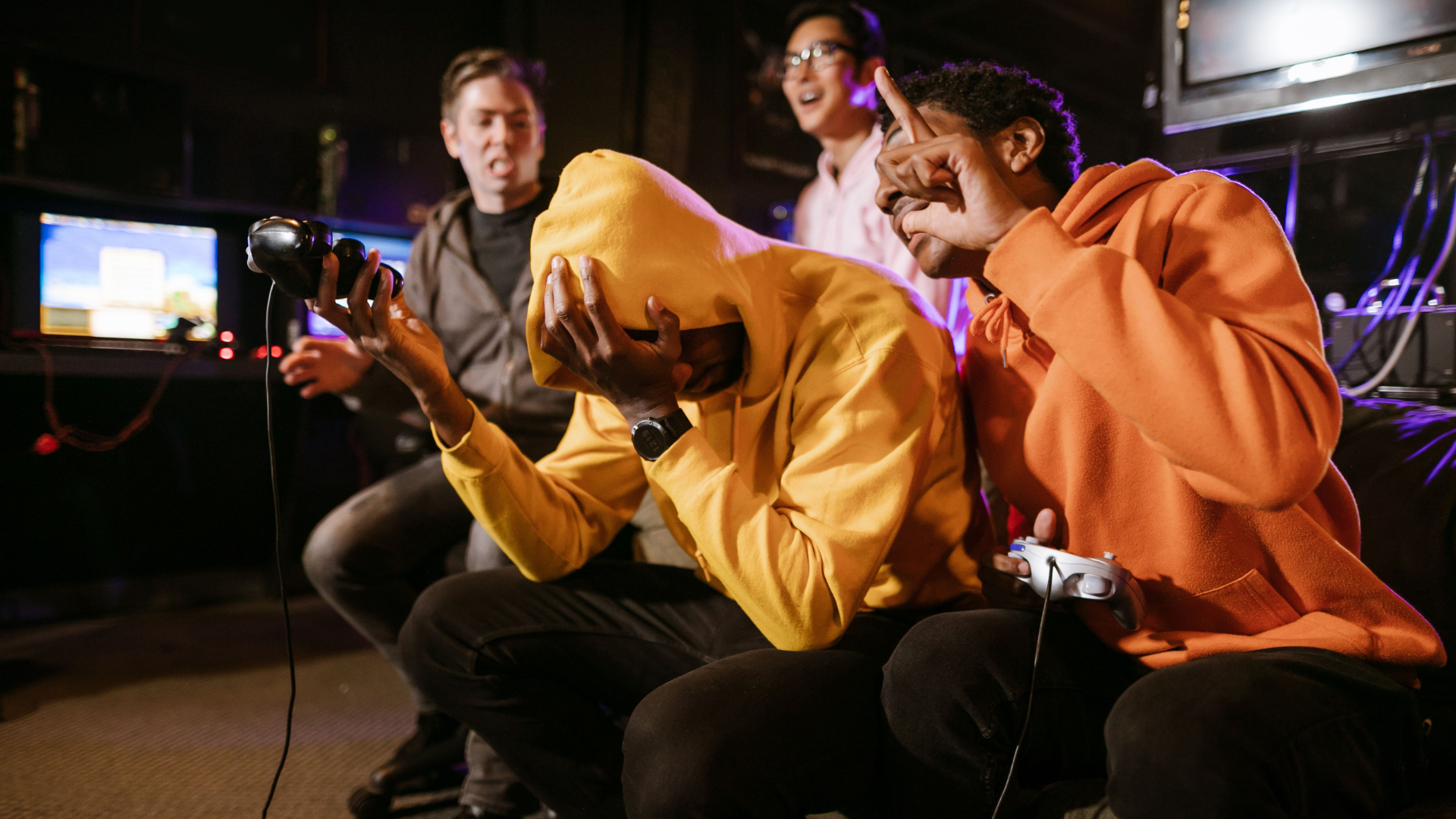
A little competition can be fun, but it stops being enjoyable when one person becomes arrogant, sulky, or overly intense. Gaming together might just reveal one partner is far too competitive, and that doesn't always work out in terms of compatibility.

2. It Can Trigger Arguments About Time and Priority
Gaming is fun when both partners are enjoying it, but if it starts to eat up time or pushes other priorities away, that's when it becomes a red flag. Quality time is only "quality" if both are present and having a good time.

3. It May Highlight Poor Communication Habits
Sometimes, games might reveal poor communication habits instead of good ones. If either of you starts getting sarcastic, impatient, or even blames the other, things can turn sour really quick. And what starts as frustration over poor gameplay might just reveal a deeper habit of talking to each other badly.

4. It Can Create a Skill Imbalance That Feels Unpleasant
Not everyone deals with being worse at something than someone else very well. If one of you is much better at gaming and the other is constantly being correct or carried, it can feel a bit embarrassing. It might even ruin the experience if it becomes hard to enjoy.
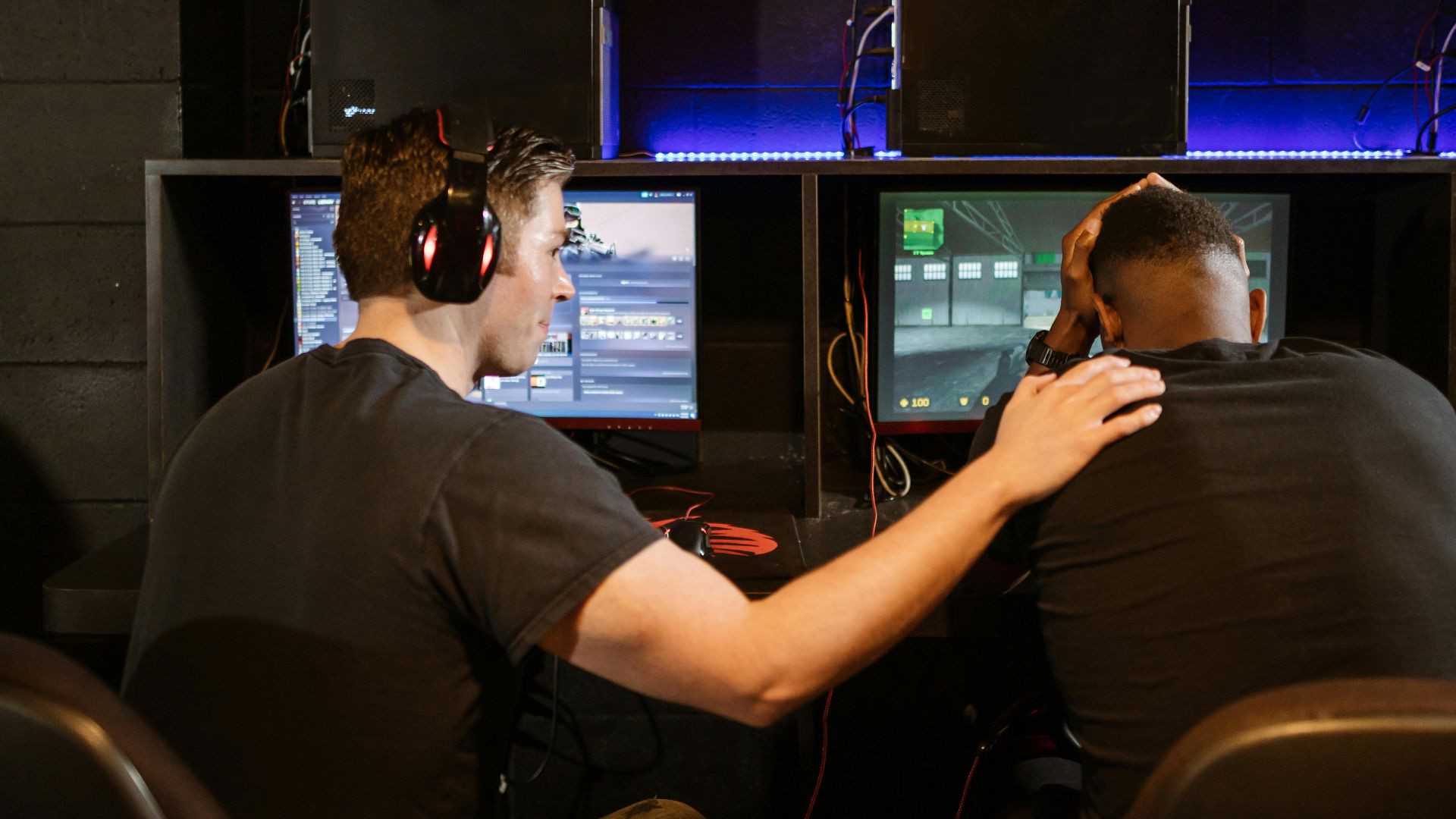
5. It Might Turn Shared Time Into Parallel Escapism
Being in the same room while both of you are absorbed in games isn't always the same as actually spending meaningful time together. Is it really bonding if you're just sitting near each other without much connection? It really depends on the couple and whether or not they enjoy the activity.
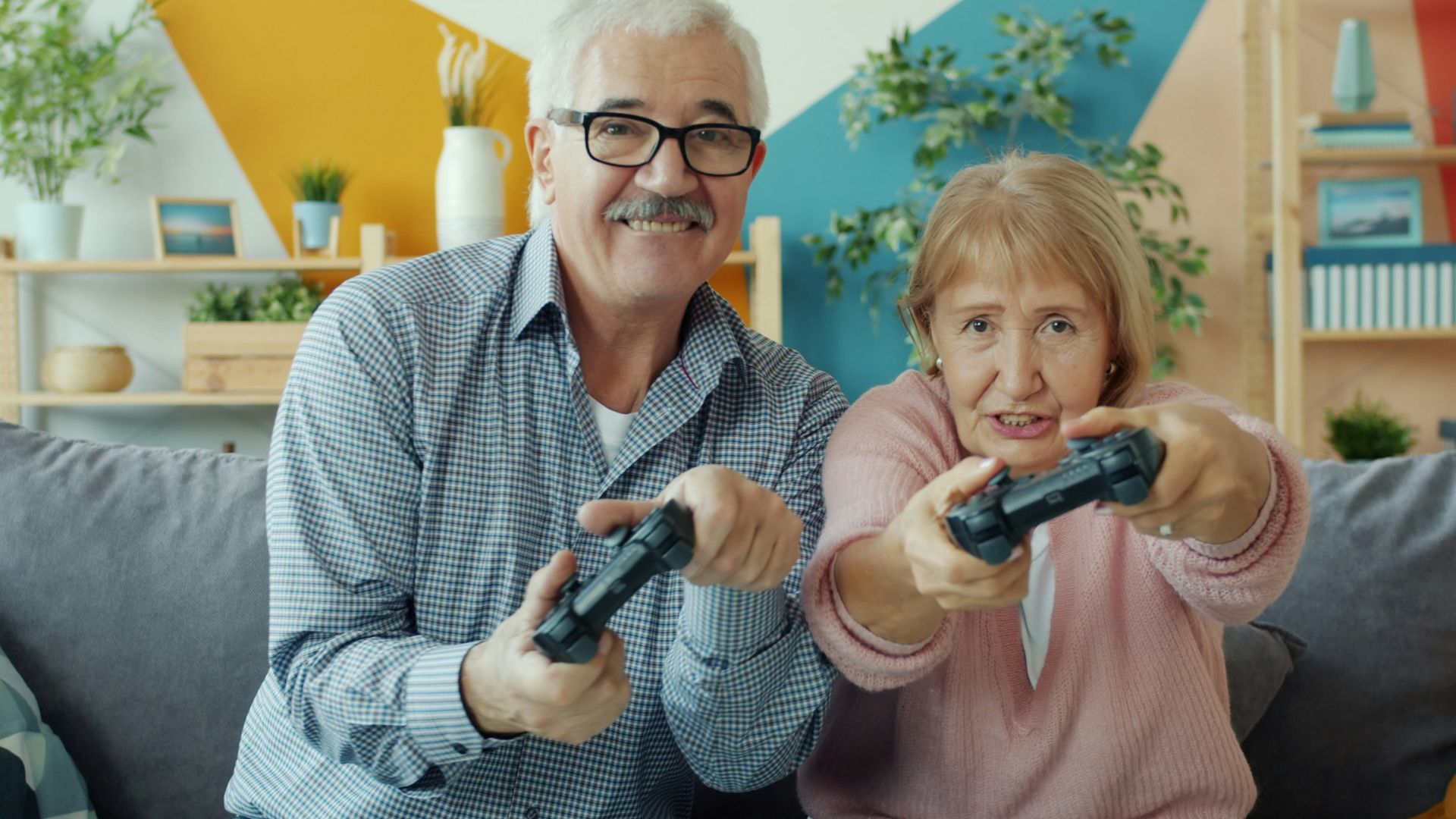
6. It Can Bring Out Control Issues
It's not really fun if one partner is dictating every level, every movement, and assigning every role, now is it? Sometimes, people's controlling behavior comes out during games and it can really ruin the mood. That kind of behavior is certainly problematic if it starts taking over in day to day life.
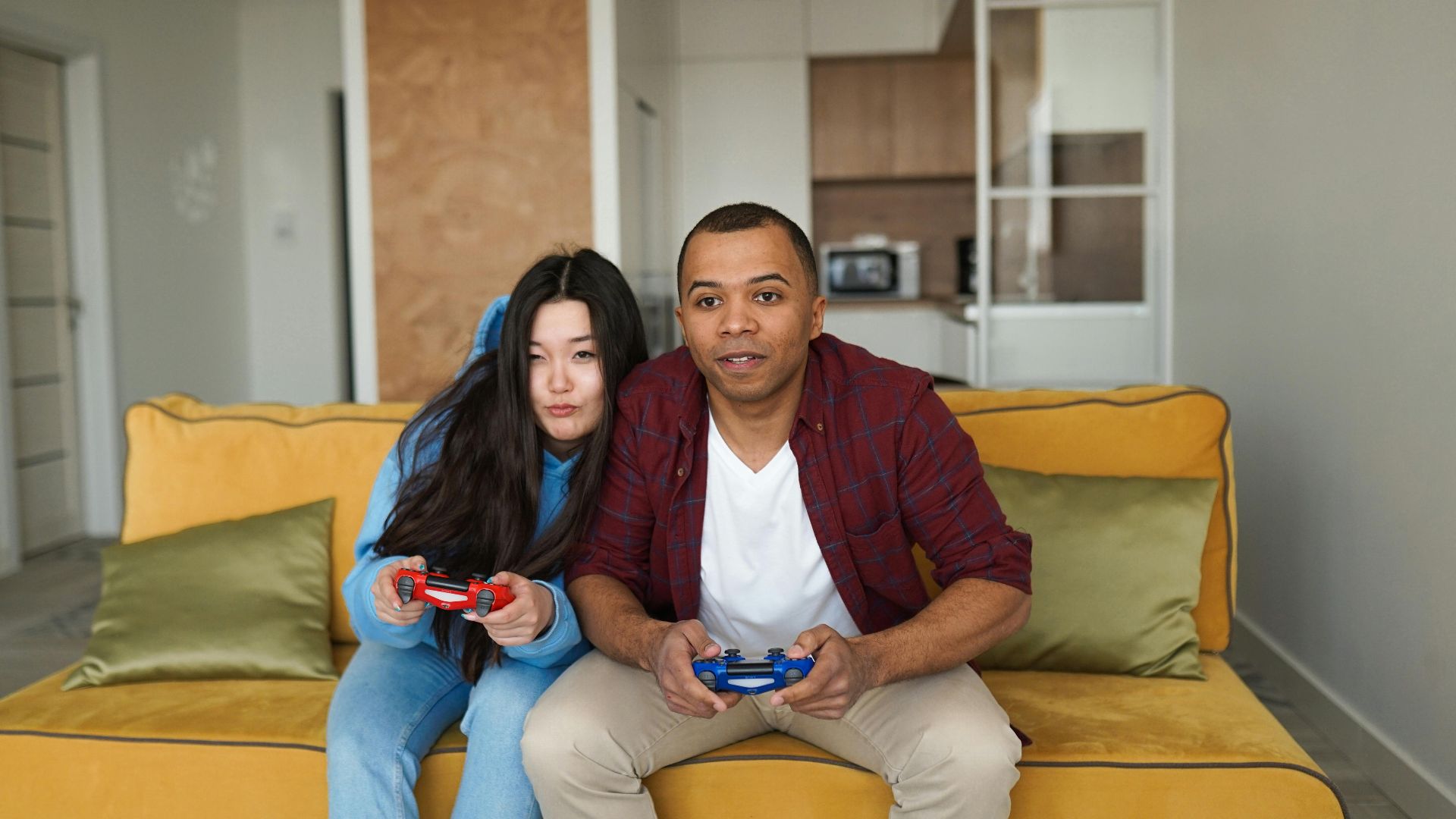
7. It May Increase Frustration Instead of Relieving Stress
Gaming together is supposed to be a relaxing activity that takes the nerves of the day off, not give you more! If one or both of you gets angry, short-tempered, or emotionally unavailable after losing, the activity can leave the relationship feeling heavier rather than lighter.
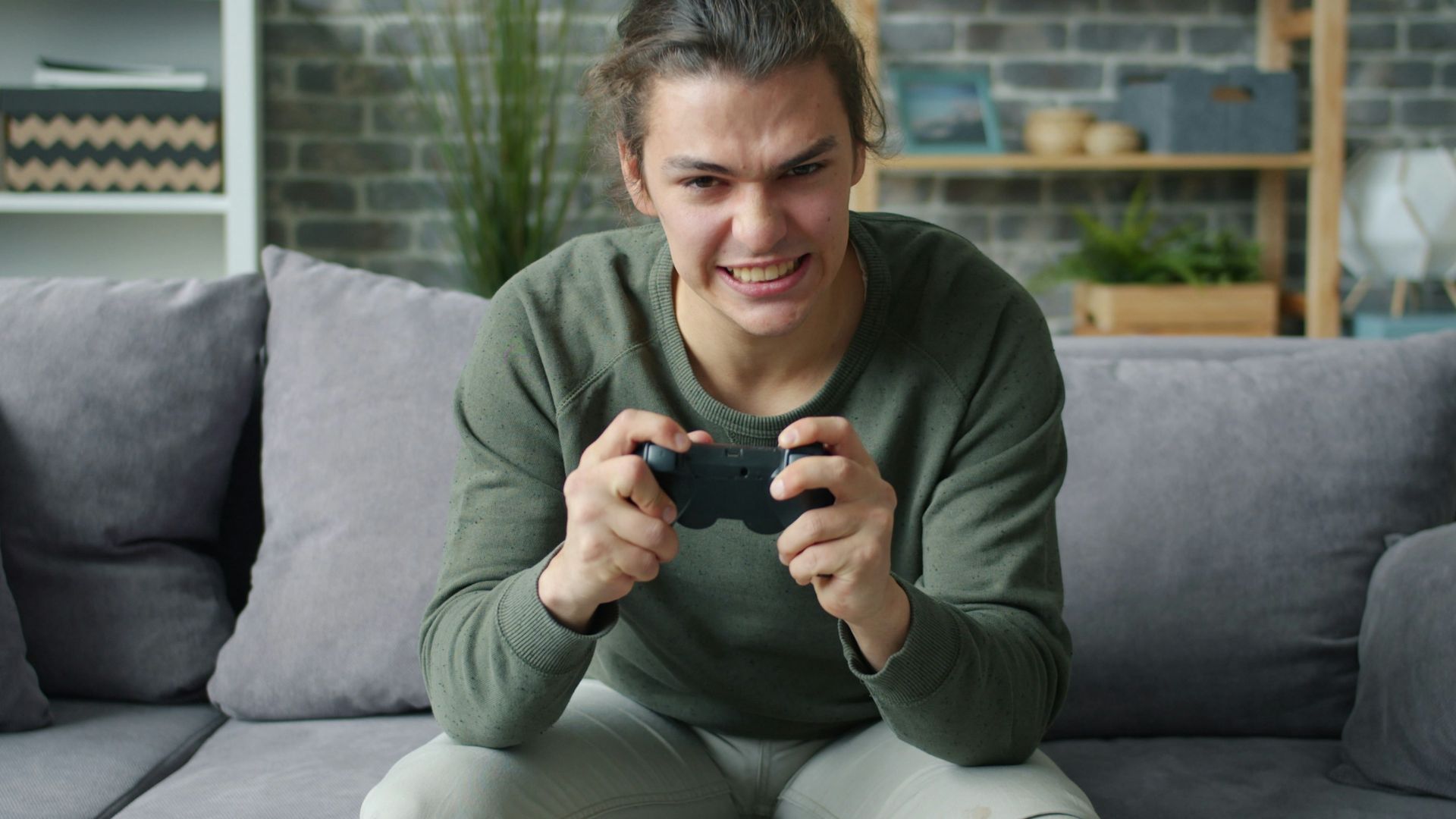
8. It Can Feed Avoidance of Real Problems
There's definitely a problem if gaming becomes a convenient distraction for couples to avoid confronting actual problems or conversations. It might feel harmless or even fun for a bit, but that only patches things up in the moment, not long term.

9. It Might Reveal Different Ideas of Fun and Boundaries
Some people want casual play, while others want total focus, hours of commitment, and constant improvement. It really just depends on what kind of gamer you are! But when those expectations don't match, frustration can build because each person feels the other is ruining the experience.
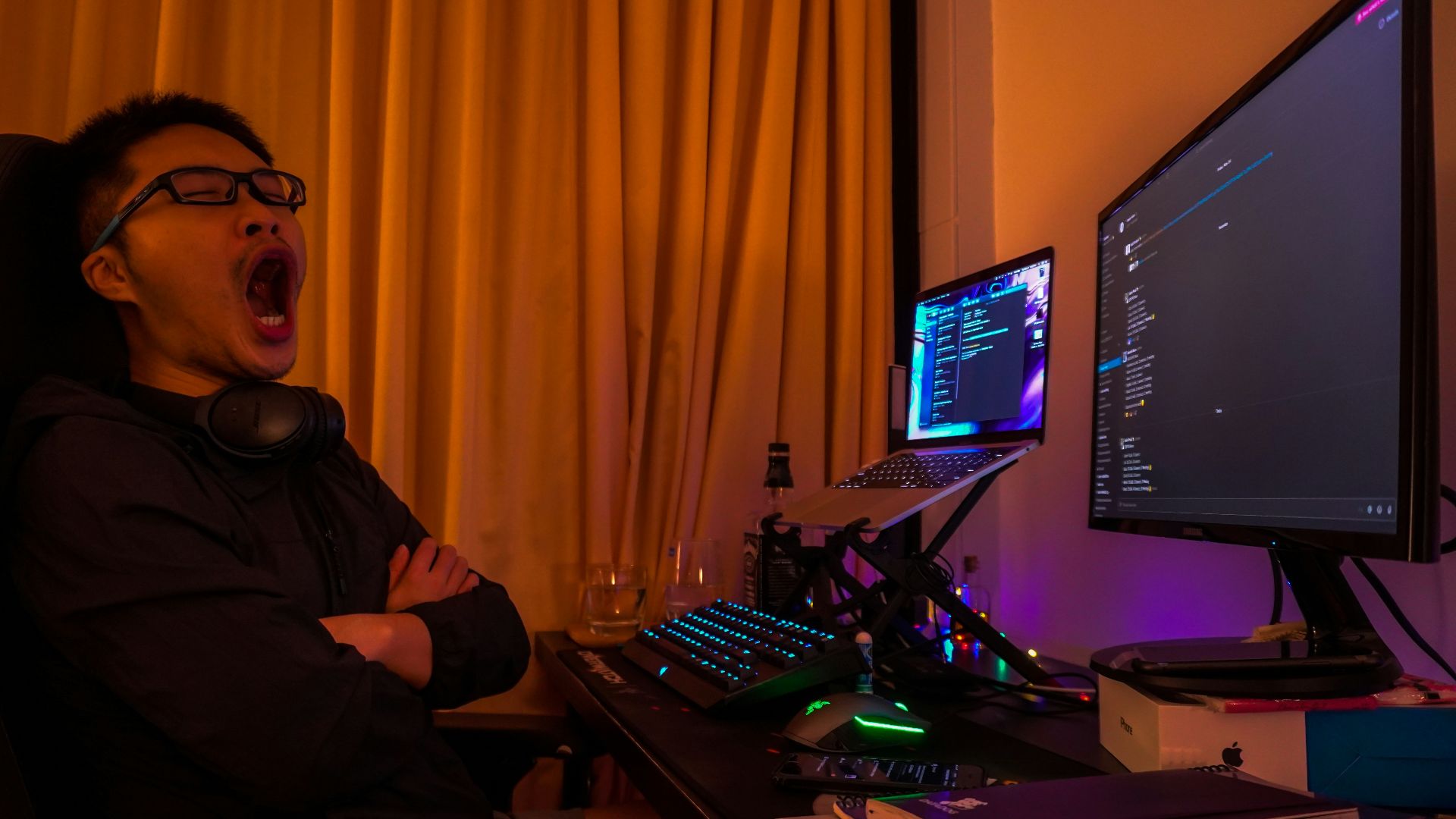
10. It Can Make Existing Relationship Cracks Harder to Ignore
No one ever breaks up because of differences in gaming; these problems were already there, you were maybe just ignoring them. But when they become front and center when playing games together, it makes it so it's impossible to look any other way.