20 Household Tech Devices That Are Surprisingly Easy to Hack
Your Smart Home Might Not Be As Secure As You Think
Technology has made everyday life much more convenient, but those internet-connected gadgets can also pose unexpected security risks. From smart refrigerators to video doorbells, plenty of household devices have vulnerabilities that hackers can exploit, especially when they're running outdated software or protected by weak passwords. You probably wouldn't think anyone would bother hacking something as ordinary as a light bulb or coffee maker, but even seemingly harmless appliances can create opportunities to access your home network. Here are 20 household technologies that can be surprisingly easy to compromise.
 Dreame Vacuum Cleaner on Unsplash
1. Wi-Fi Routers
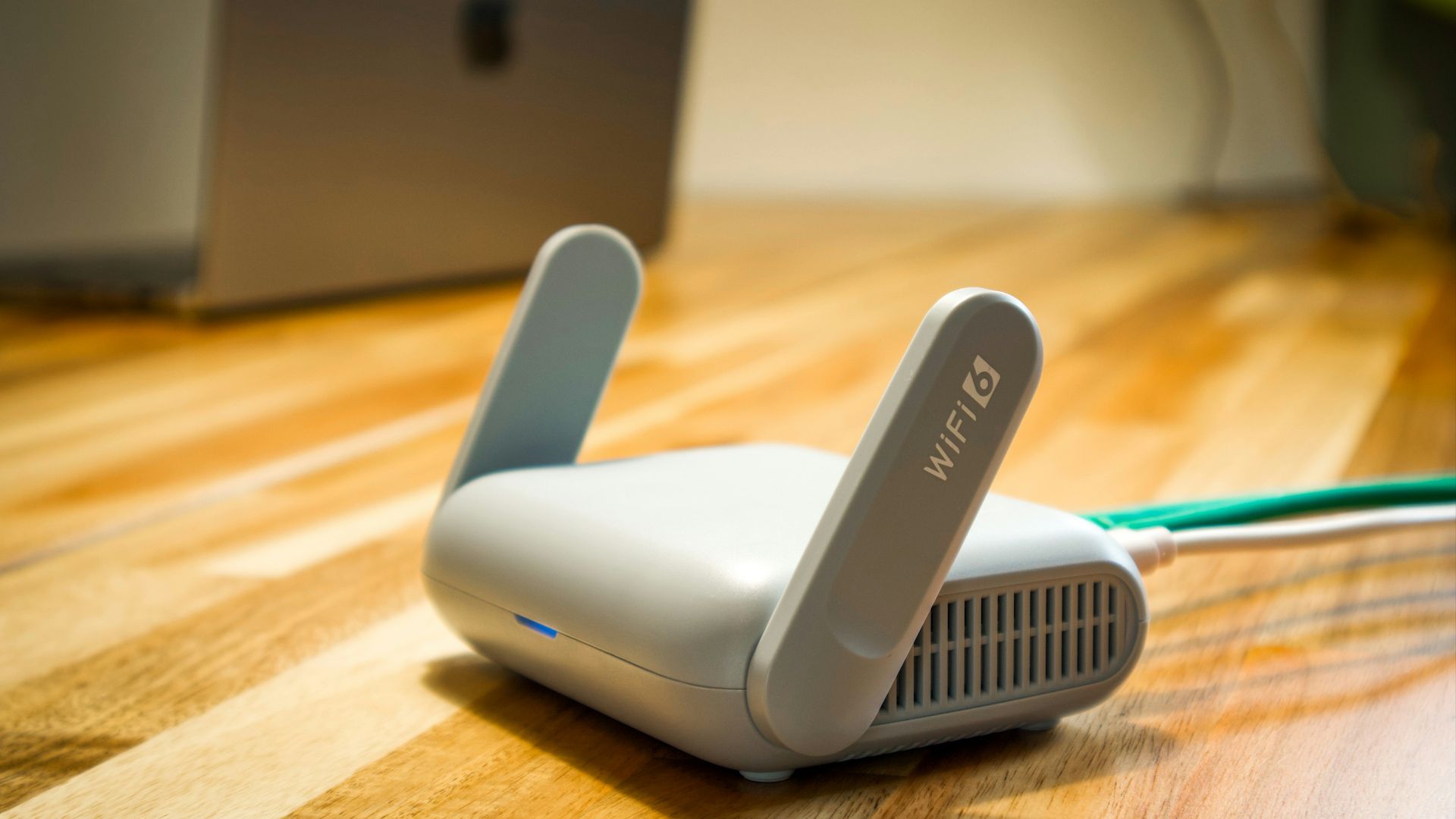
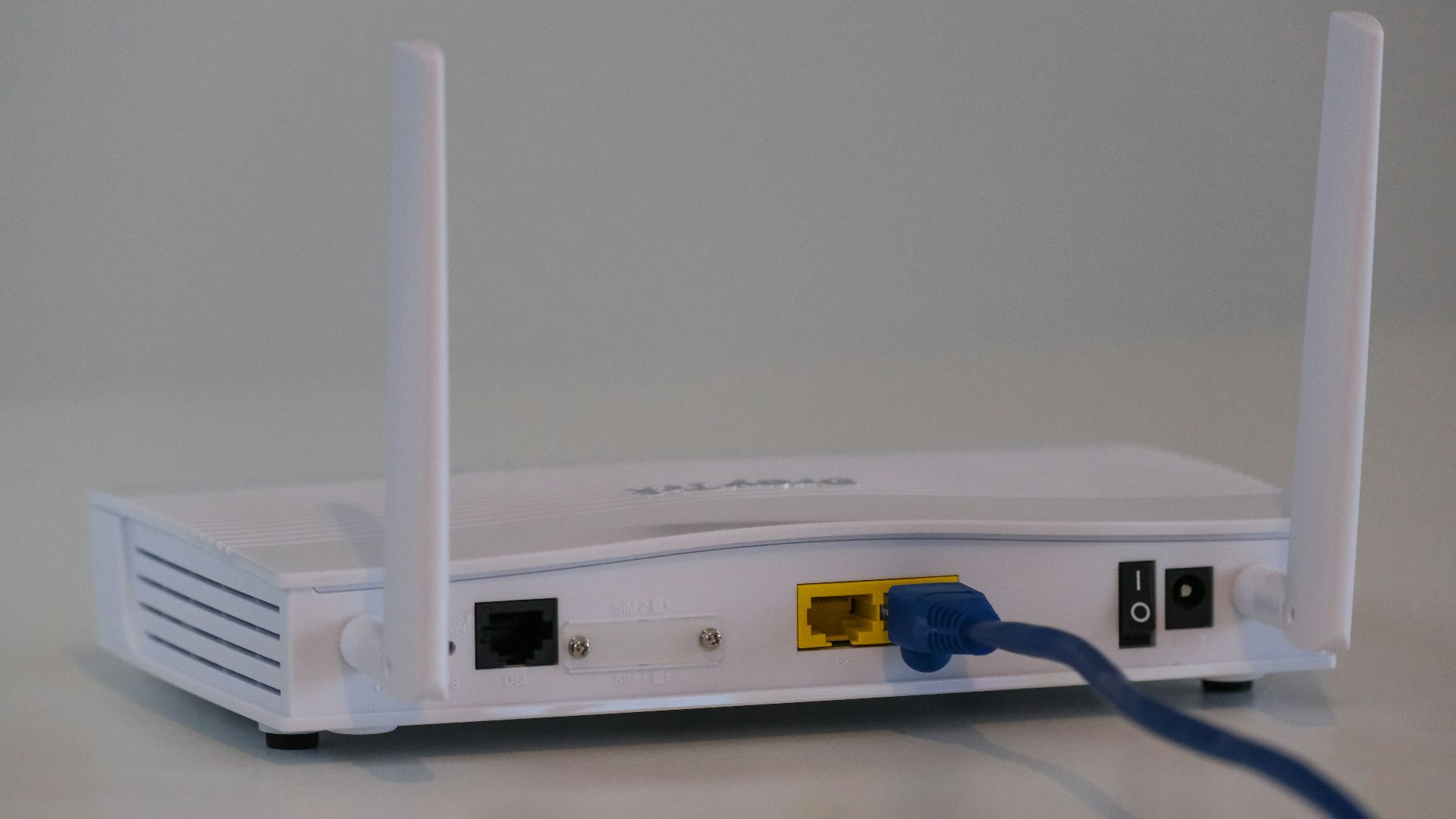
Your Wi-Fi router connects practically everything in your home to the internet, making it a particularly attractive target for hackers. Older models often have security vulnerabilities that manufacturers no longer bother fixing, while default administrator passwords can make unauthorized access much easier. Once someone compromises your router, they may be able to redirect your internet traffic, interfere with connected devices, or monitor certain network activity.
2. Smart TVs
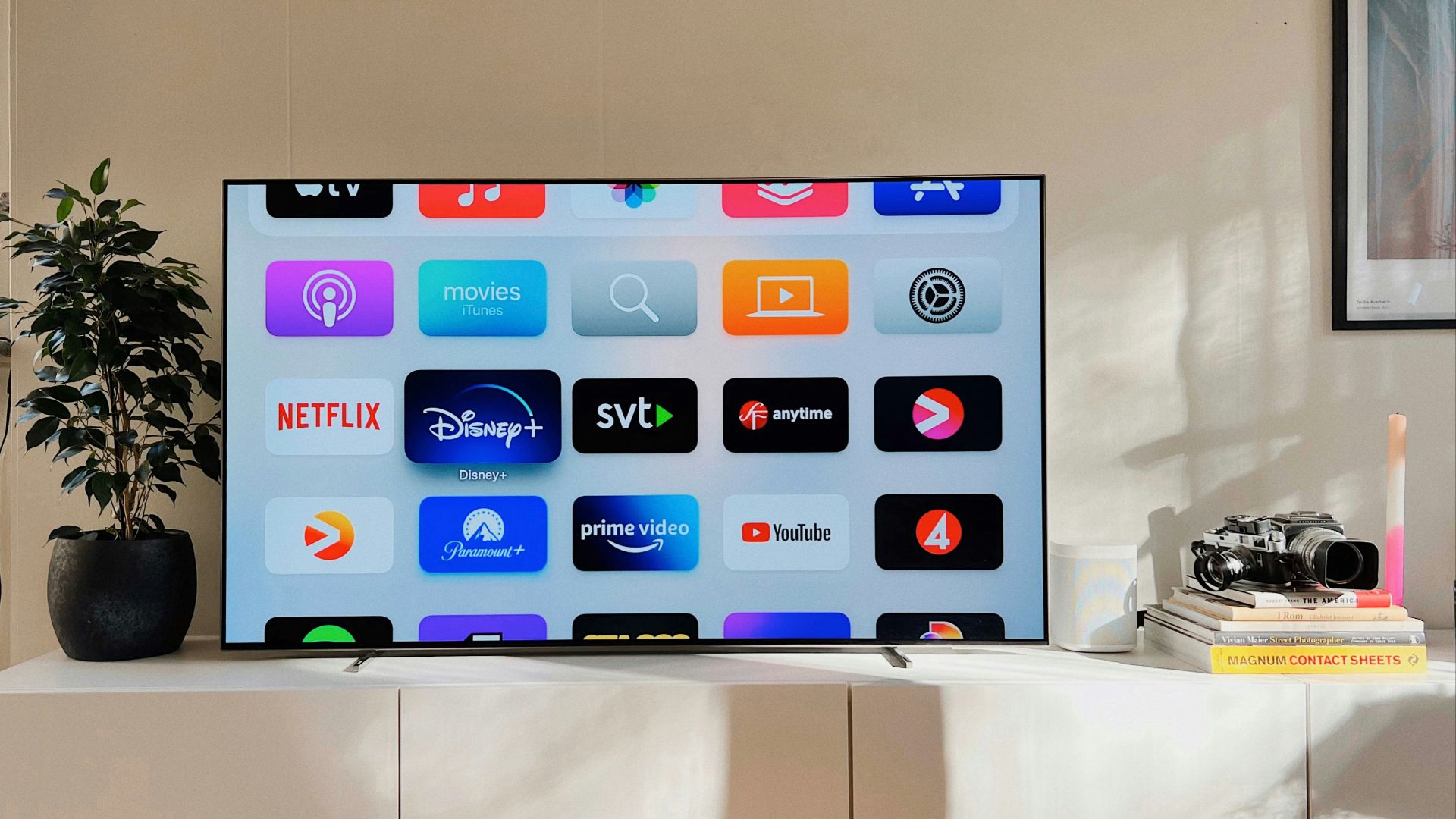
Modern TVs do a lot more than play your favorite shows, and those extra features can sometimes introduce unexpected security weaknesses. Hackers may take advantage of outdated operating systems, vulnerable applications, or poorly secured network connections to compromise certain models. Depending on the device and vulnerability, unauthorized access could expose personal information or allow someone to interfere with how the device operates.
3. Baby Monitors
Few household devices capture information quite as personal as a baby monitor, particularly when it's transmitting live video and audio over the internet. Some poorly secured models have been compromised through default passwords, exposed feeds, or vulnerabilities in their companion apps. In certain cases, this can allow strangers to watch private footage or even speak through monitors equipped with speakers. Choosing a trusted manufacturer and enabling multifactor authentication, whenever possible, can help keep your family's privacy protected.

4. Smart Light Bulbs
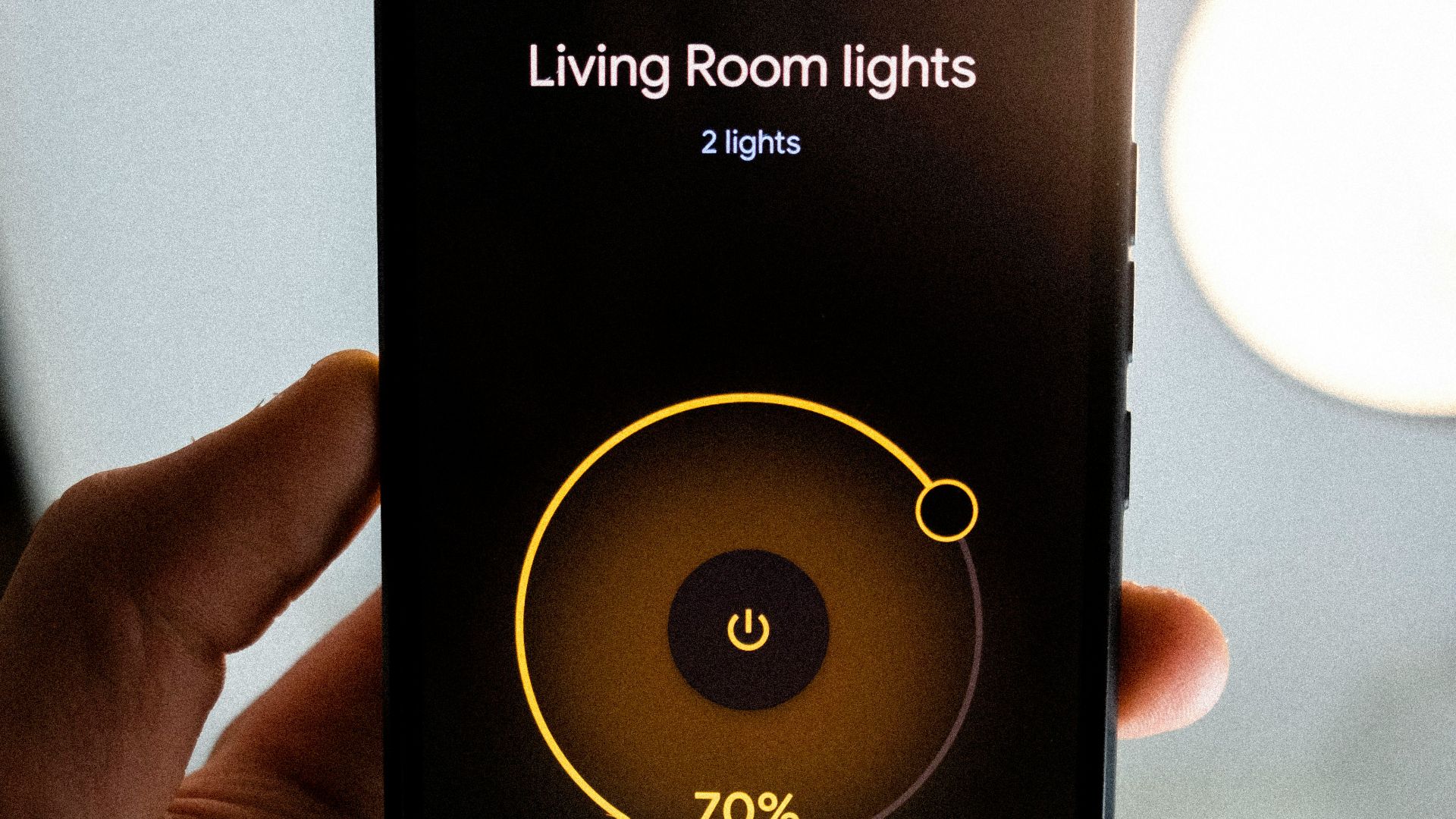
You probably don't spend much time worrying about the cybersecurity risks of your living room lights, but researchers have successfully exploited vulnerabilities in certain smart bulbs. Depending on their wireless protocols and security features, compromised bulbs or their controllers may create opportunities for hackers to interfere with other connected systems. Some attacks require physical proximity or very specific conditions, meaning they're not necessarily something anyone could pull off remotely, but even so, keeping your lighting system's software updated is worth the occasional effort.
5. Home Security Cameras
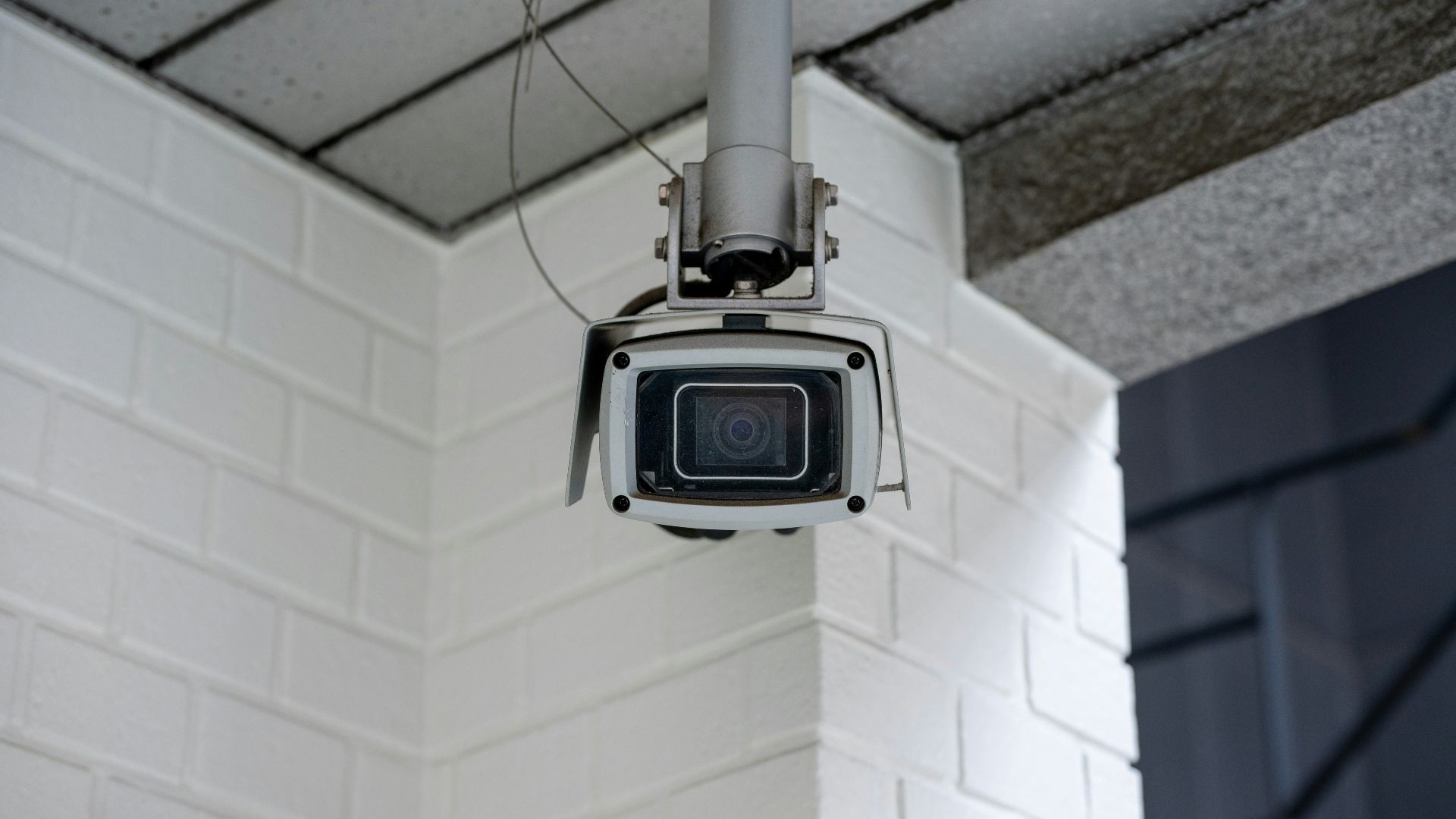
Ironically, devices designed to make your home safer can sometimes introduce privacy concerns of their own. Internet-connected security cameras may become vulnerable when people reuse passwords, ignore firmware updates, or leave remote access poorly secured. As the Federal Trade Commission has warned, compromised cameras can expose private livestreams and recordings to people who shouldn't be watching them. Considering how much of your everyday life these cameras might capture, protecting their accounts deserves some extra attention.
6. Smart Refrigerators
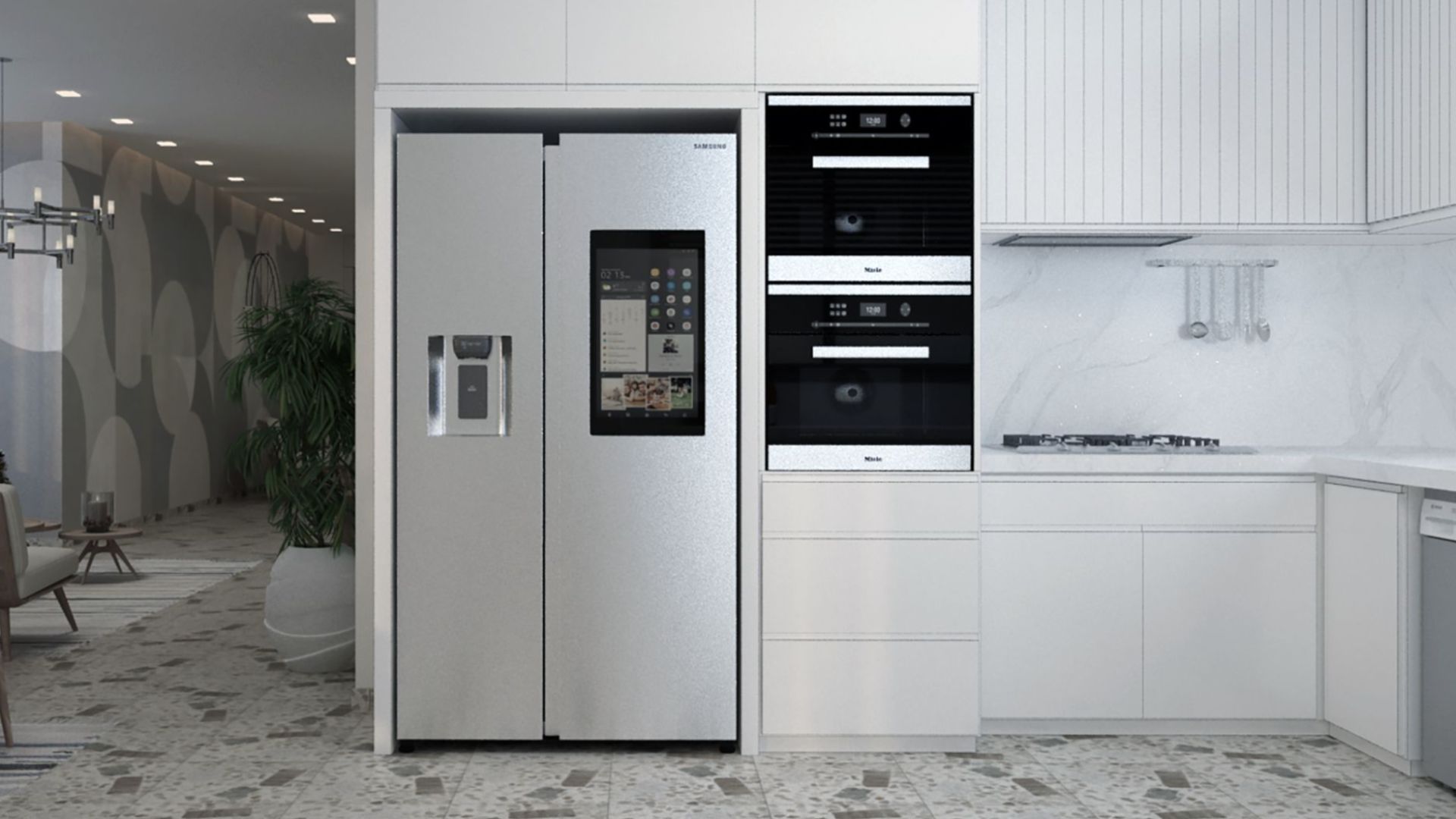
Your refrigerator might come equipped with a touchscreen, digital shopping lists, and internet connectivity, but that also means it's running software that could have security flaws. Some connected appliances store account information or communicate with online services, creating potential opportunities for hackers when those systems aren't properly protected. Someone compromising your refrigerator probably won't spoil your groceries, but they could potentially access information or use the appliance as another vulnerable device on your network.
7. Smart Door Locks
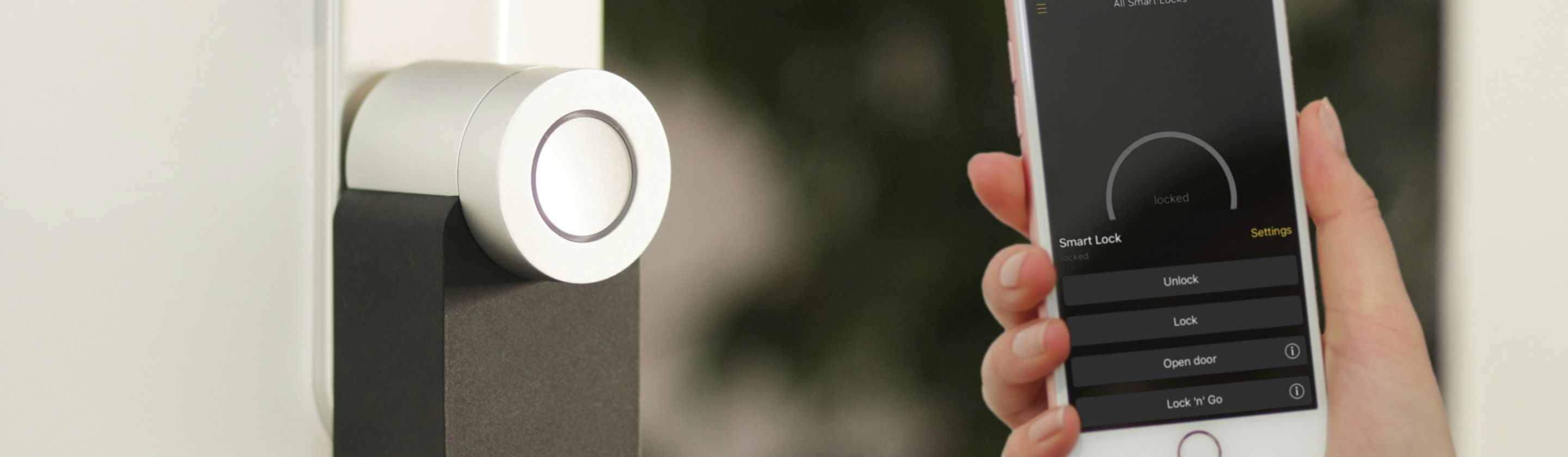
Unlocking your front door with your phone is undeniably convenient, although it comes with security concerns that traditional mechanical locks don't have. Certain smart locks have experienced vulnerabilities involving wireless communications, authentication systems, and their companion applications. Under specific circumstances, these weaknesses could allow unauthorized people to interfere with the lock or potentially gain access to your home. Fortunately, reputable manufacturers typically provide security updates, so choosing a reliable brand matters.
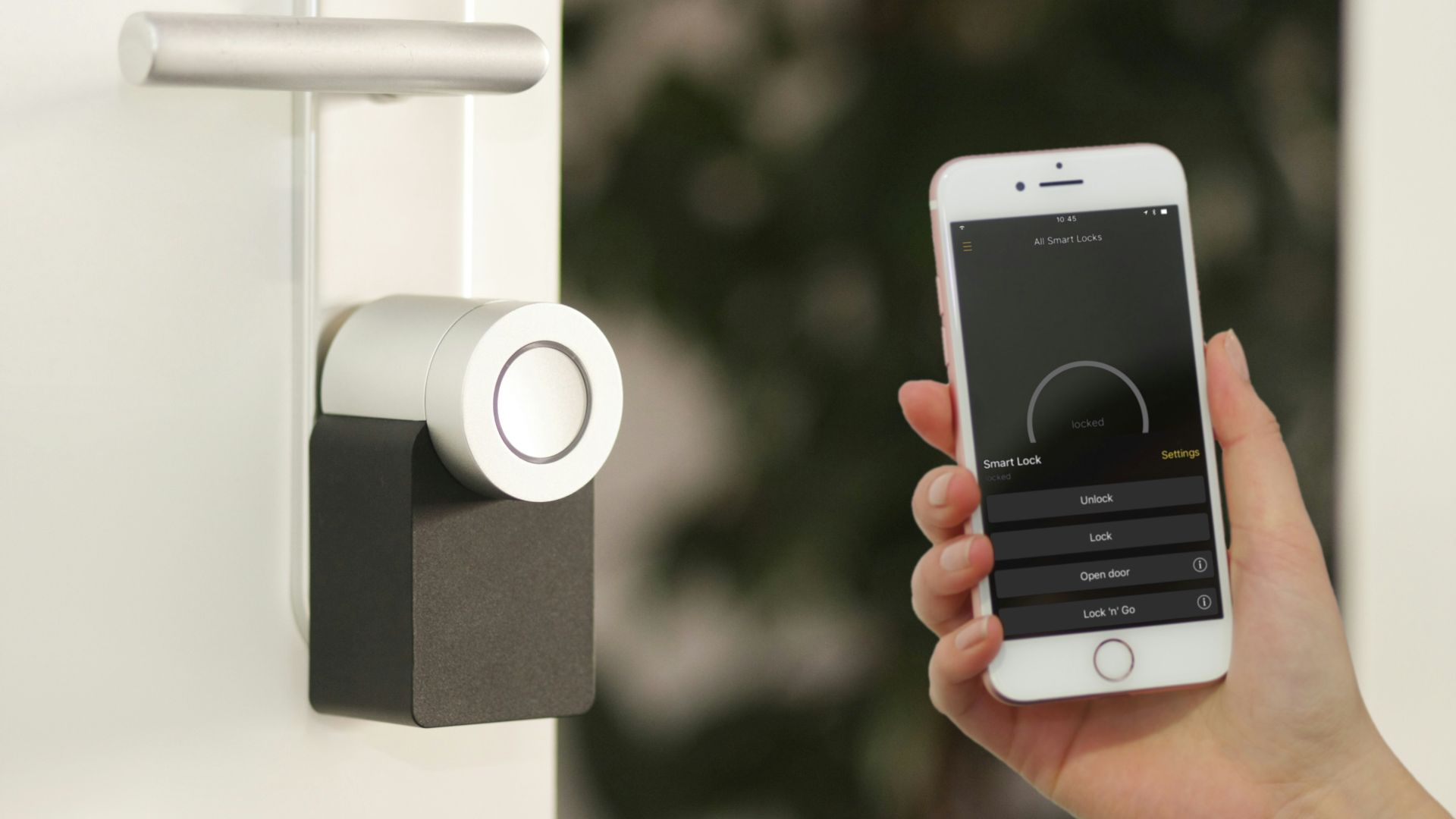 Sebastian Scholz (Nuki) on Unsplash
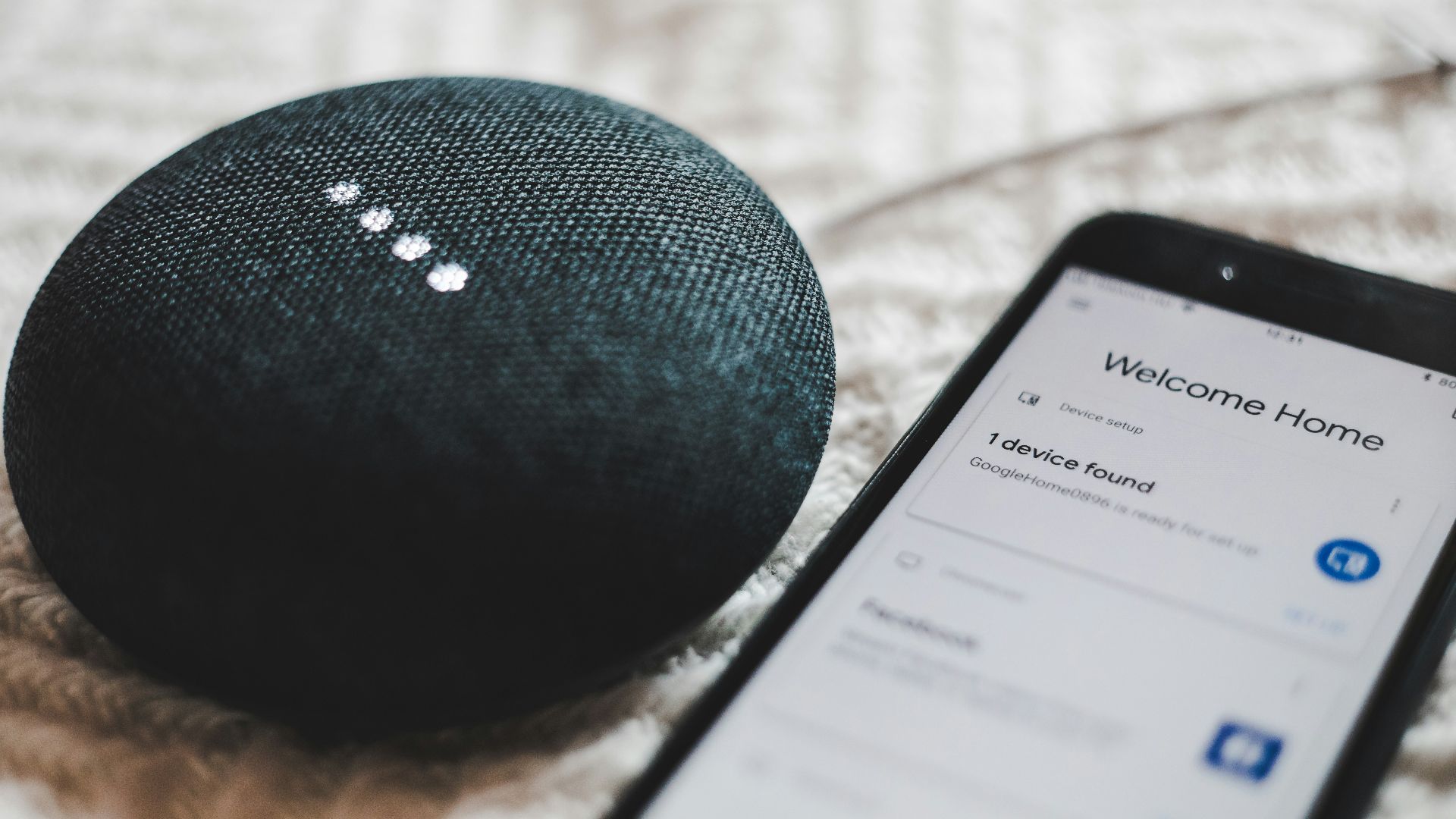
8. Smart Speakers
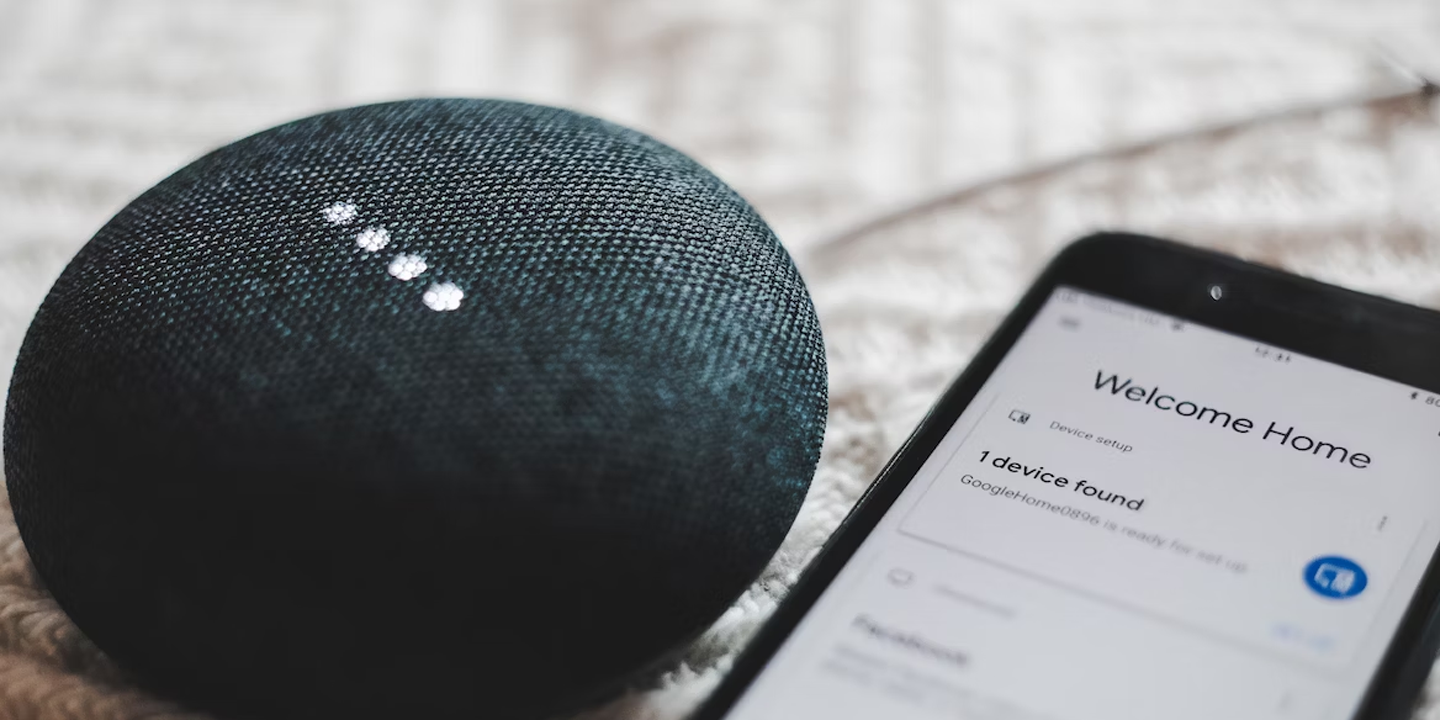
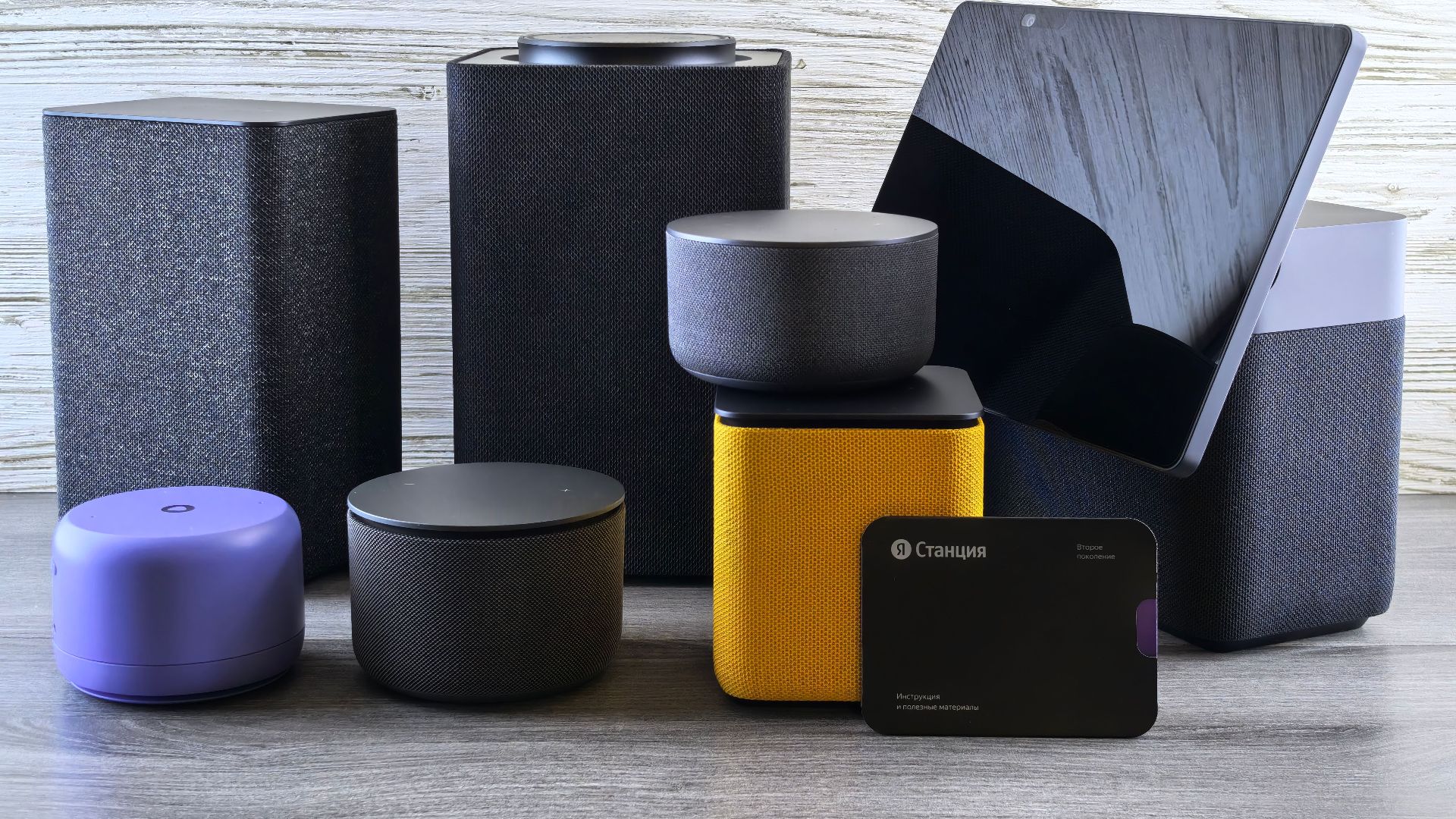
Devices like Amazon Echo and Google Nest speakers are designed to respond to voice commands, which introduces some interesting security challenges. Researchers have demonstrated attacks involving malicious voice instructions and weaknesses in connected services, although many only work under particular conditions. If someone manages to compromise your associated account, they might also gain access to certain settings, personal information, or linked smart-home functions.
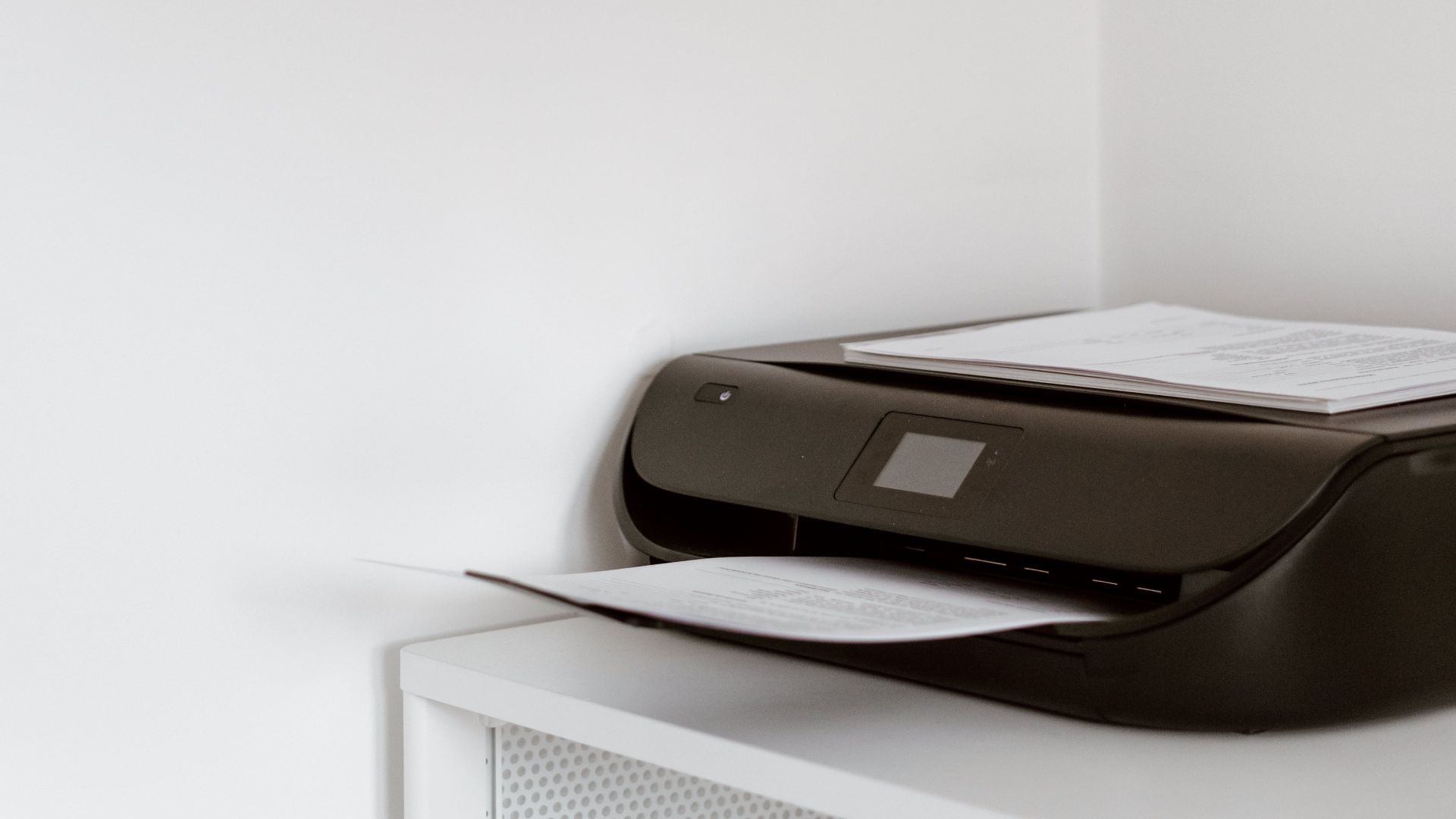
9. Wireless Printers
That printer sitting in your home office might be less secure than you thought, especially if it's an older model. Poorly configured printers sometimes have exposed management interfaces, weak login credentials, or outdated firmware containing known vulnerabilities. Someone who gains access could potentially retrieve stored documents, disrupt printing jobs, or use the printer to target other devices on your network. Since most people don't pay nearly as much attention to their printers as their computers, these weaknesses can go unnoticed for years.
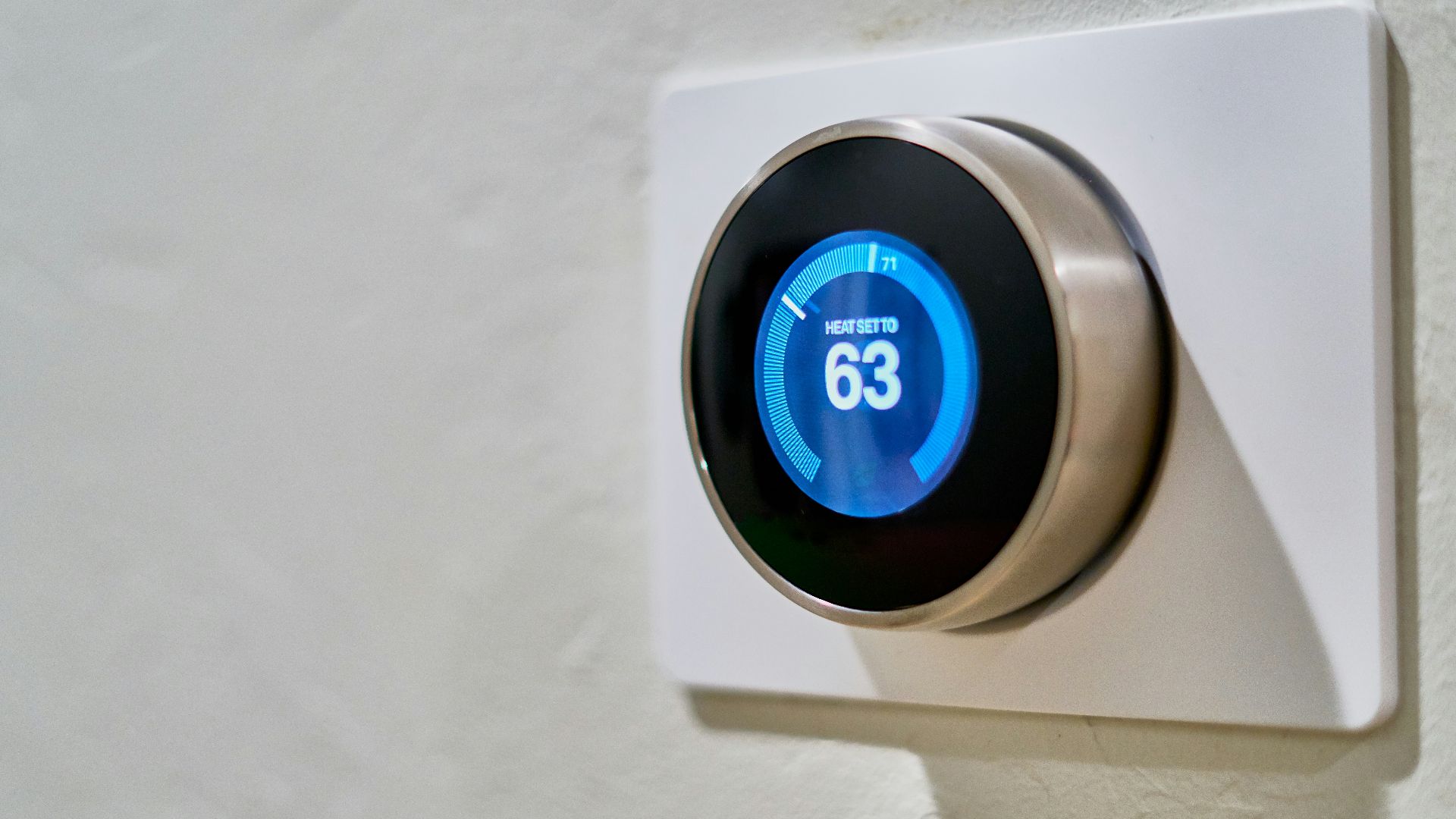
10. Smart Thermostats
Being able to adjust your home's temperature from anywhere is certainly useful, but connected thermostats aren't completely safe from cyberattacks. Weaknesses in their software, wireless connections, or associated accounts could potentially let unauthorized individuals change settings or access household information. Some models also collect occupancy and energy usage data, making privacy another concern beyond simply controlling the temperature. You'll want to check that your thermostat receives regular updates, particularly if it's connected to other smart-home devices.
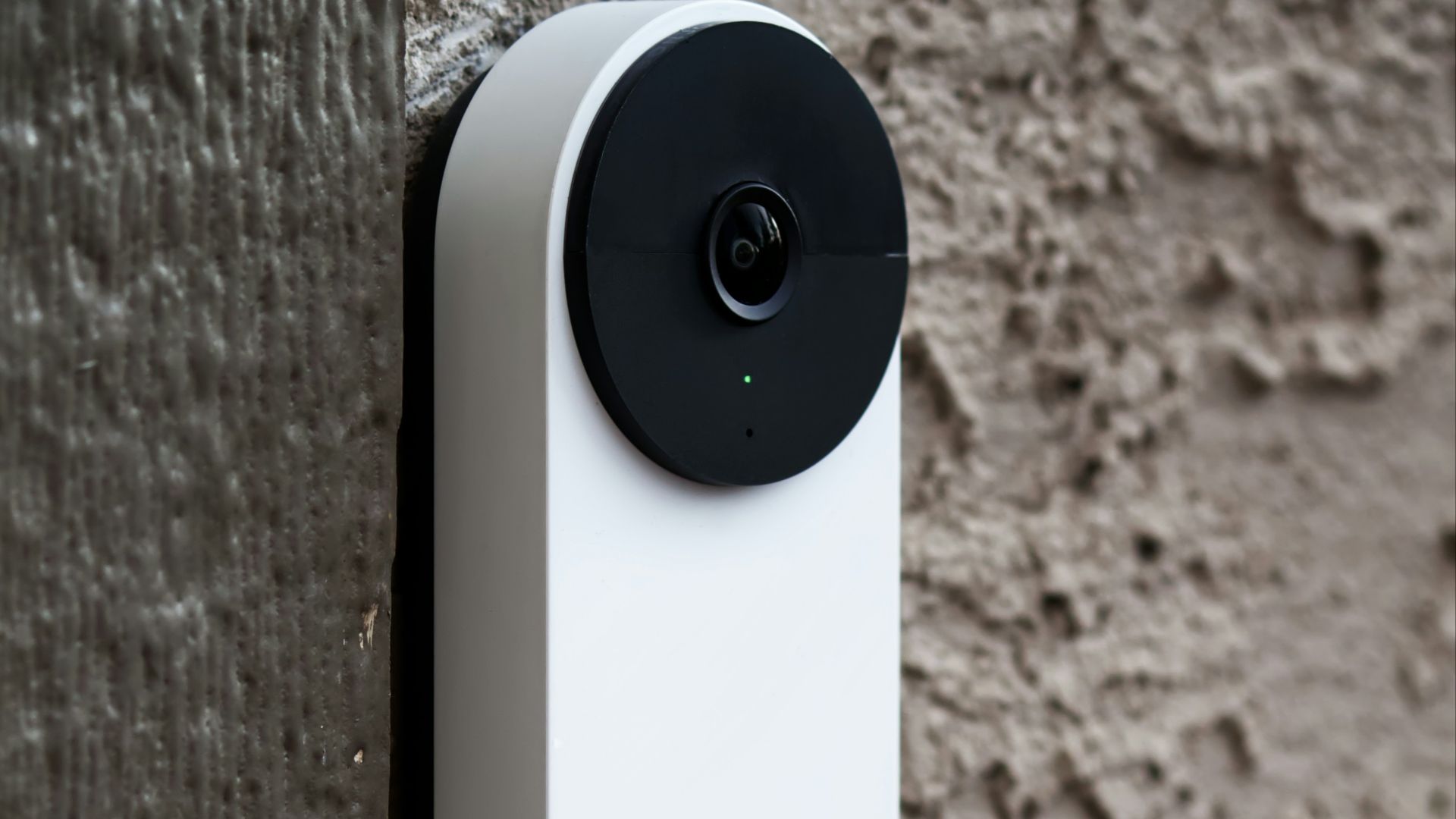
11. Video Doorbells
A video doorbell makes it easy to see who's standing outside your house, but poorly protected accounts could also allow unwanted viewers to access that footage. Rather than hacking the doorbell directly, attackers sometimes use passwords stolen during unrelated data breaches to break into accounts. Depending on the service, compromised login credentials might also expose saved recordings or personal information. Fortunately, choosing a unique password and enabling multifactor authentication can make this type of intrusion much less likely.
12. Robot Vacuums
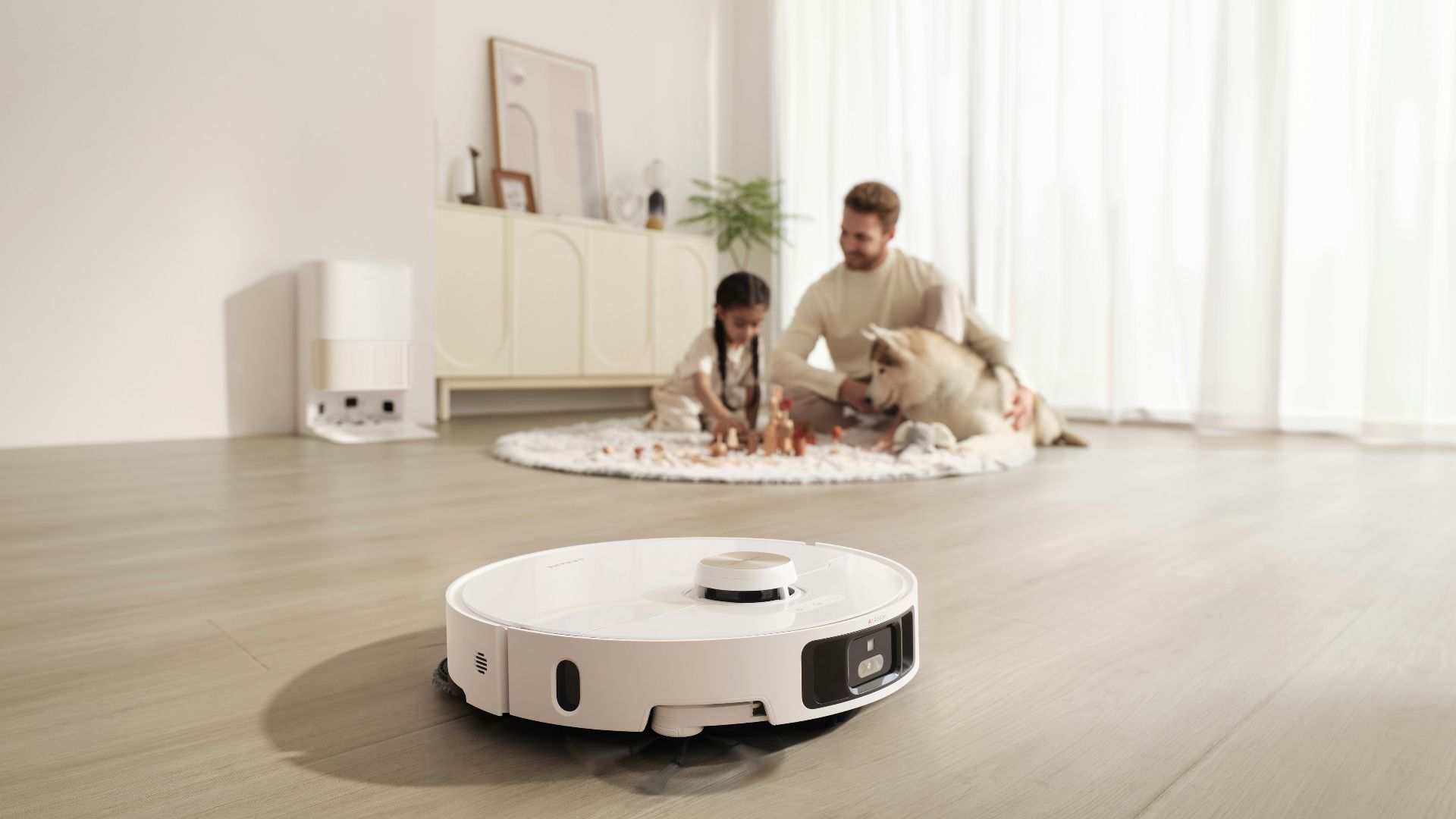
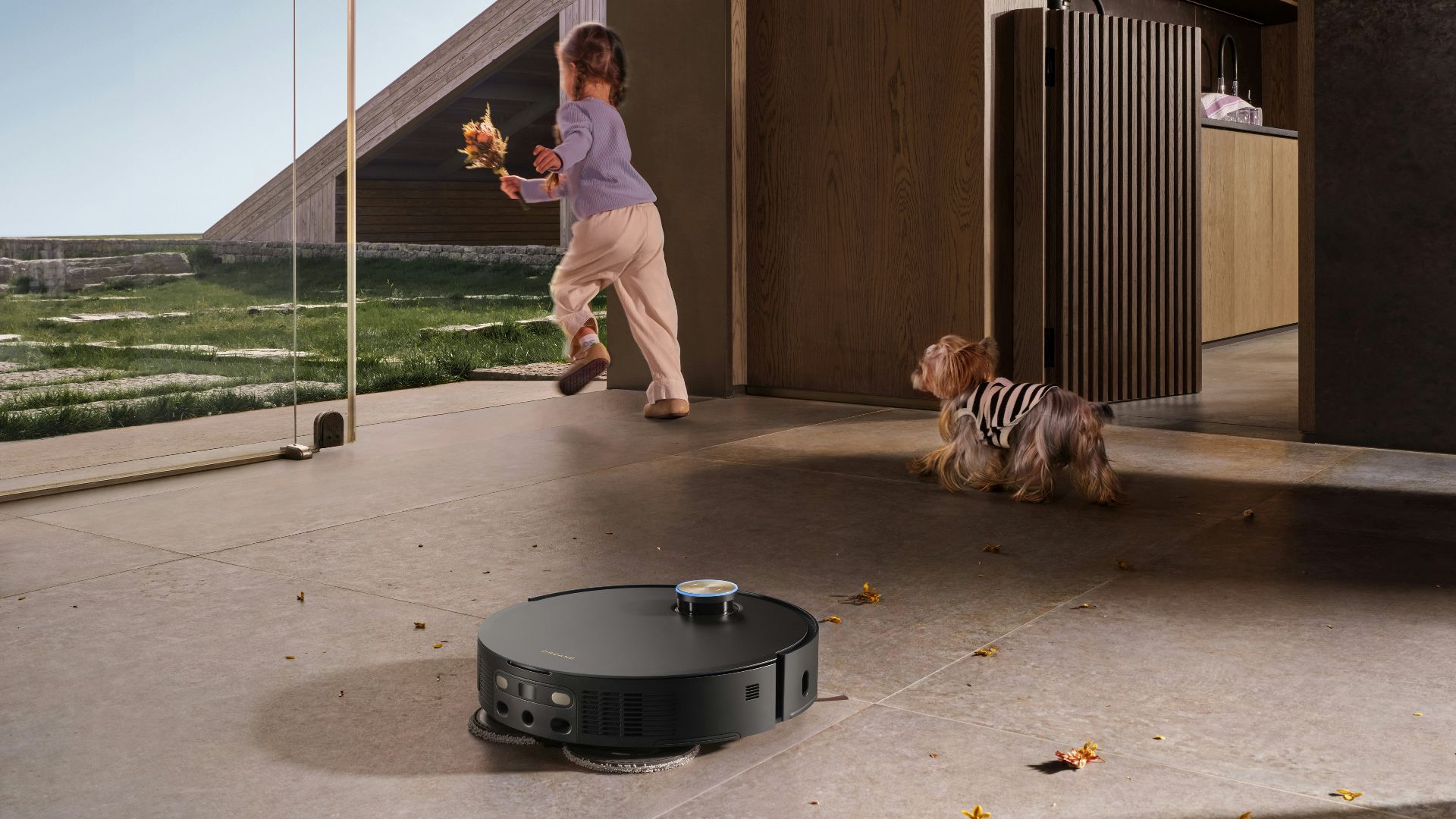
Having a vacuum cleaner that navigates your house on its own is convenient enough, but some models also collect surprisingly detailed information about your home's layout. Certain premium devices have cameras, microphones, or mapping systems that could potentially expose sensitive information if their security is compromised. Researchers have identified vulnerabilities in some connected vacuum cleaners, although the actual risks differ considerably between brands and models.
 Dreame Vacuum Cleaner on Unsplash
13. Smart Garage Door Openers
Modern garage door openers let you check whether you've accidentally left the garage open and close it remotely using your smartphone. Unfortunately, vulnerabilities in some connected systems or compromised accounts could potentially allow outsiders to control these functions. Older wireless openers that rely on outdated security technology may also have weaknesses that newer systems are specifically designed to address. Since your garage could provide direct access to the rest of your home, it's particularly important to keep these security features up to date.
14. Smart Plugs
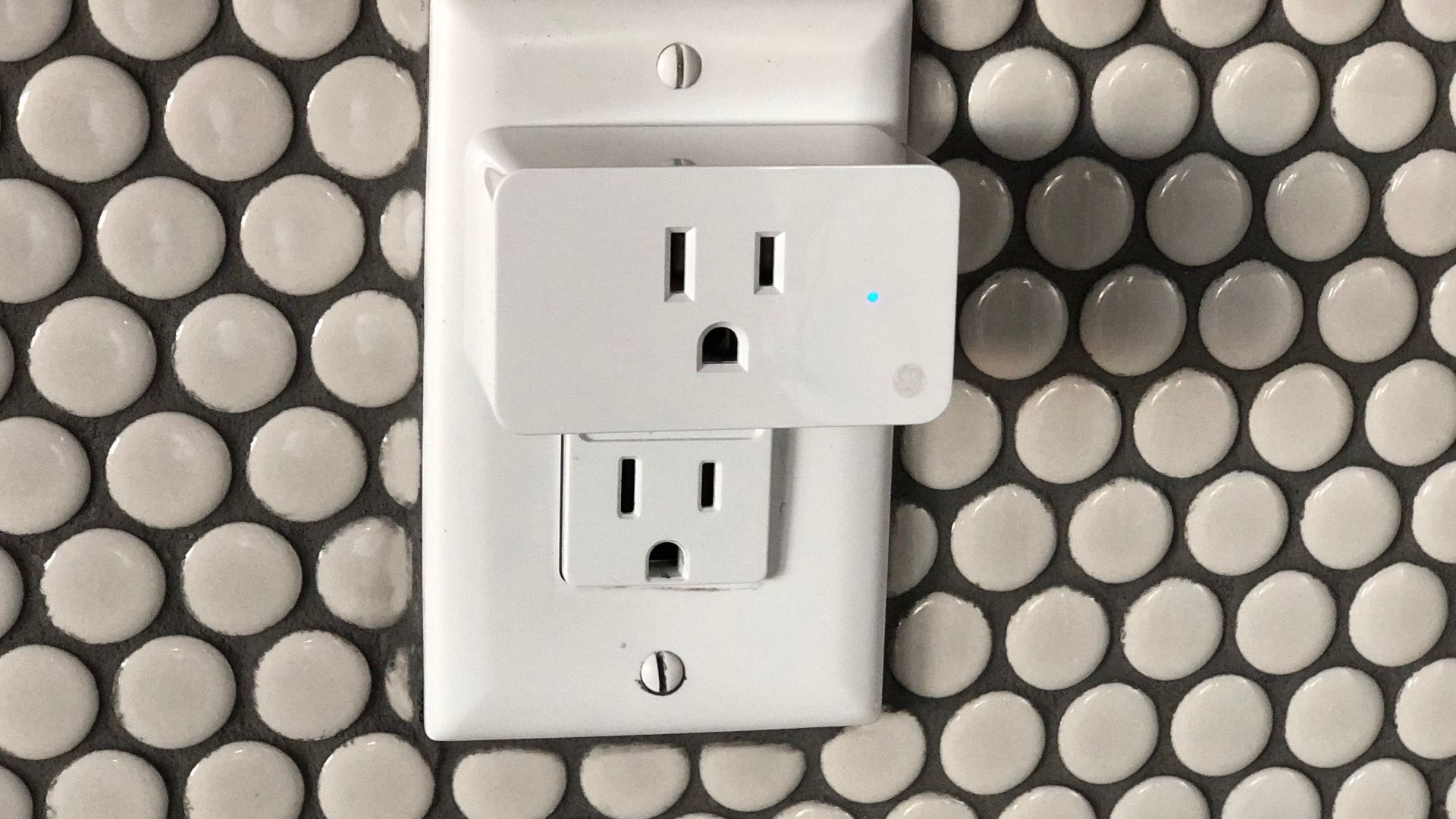
Smart plugs let you turn ordinary household appliances on and off remotely. They're one of the most accessible ways to experiment with home automation; however, some inexpensive models have been found to contain security weaknesses involving their firmware, cloud services, or communication protocols. Hackers might manipulate connected appliances or attempt to use the compromised plug to access other parts of your network. Spending a little more on a model from a manufacturer that regularly provides security updates could save you considerable trouble.
15. Home NAS Drives
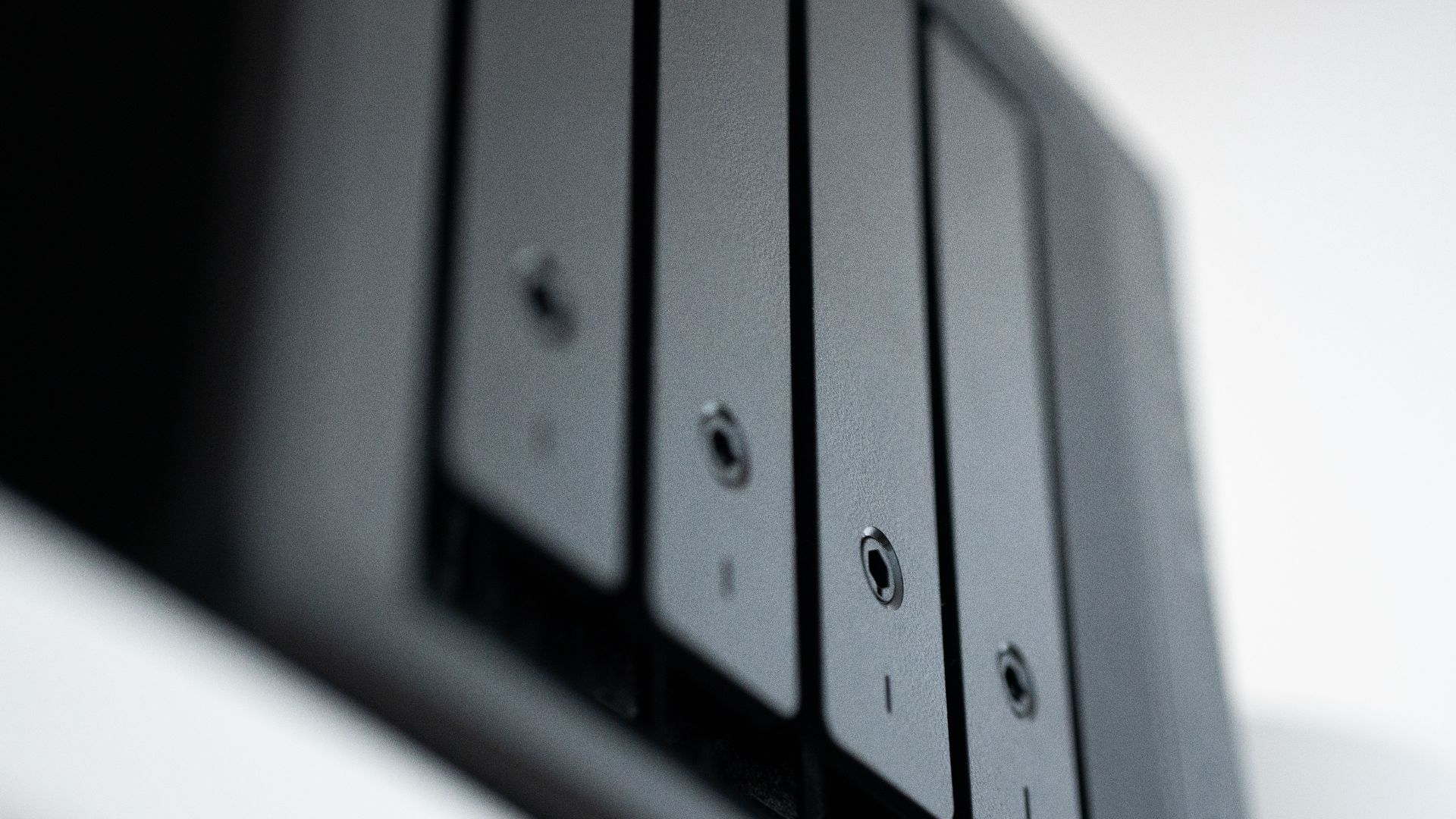
Network-attached storage devices, better known as NAS drives, are popular among people who want to keep their photos, documents, and backups in one convenient location. Unfortunately, poorly configured remote access and outdated software have made certain models attractive targets for ransomware attacks. Hackers who gain sufficient access might encrypt important files, steal personal information, or even wipe out stored backups. If you're keeping years of family photos on one of these devices, properly securing it and maintaining a separate backup are especially important.
16. Smart Coffee Makers
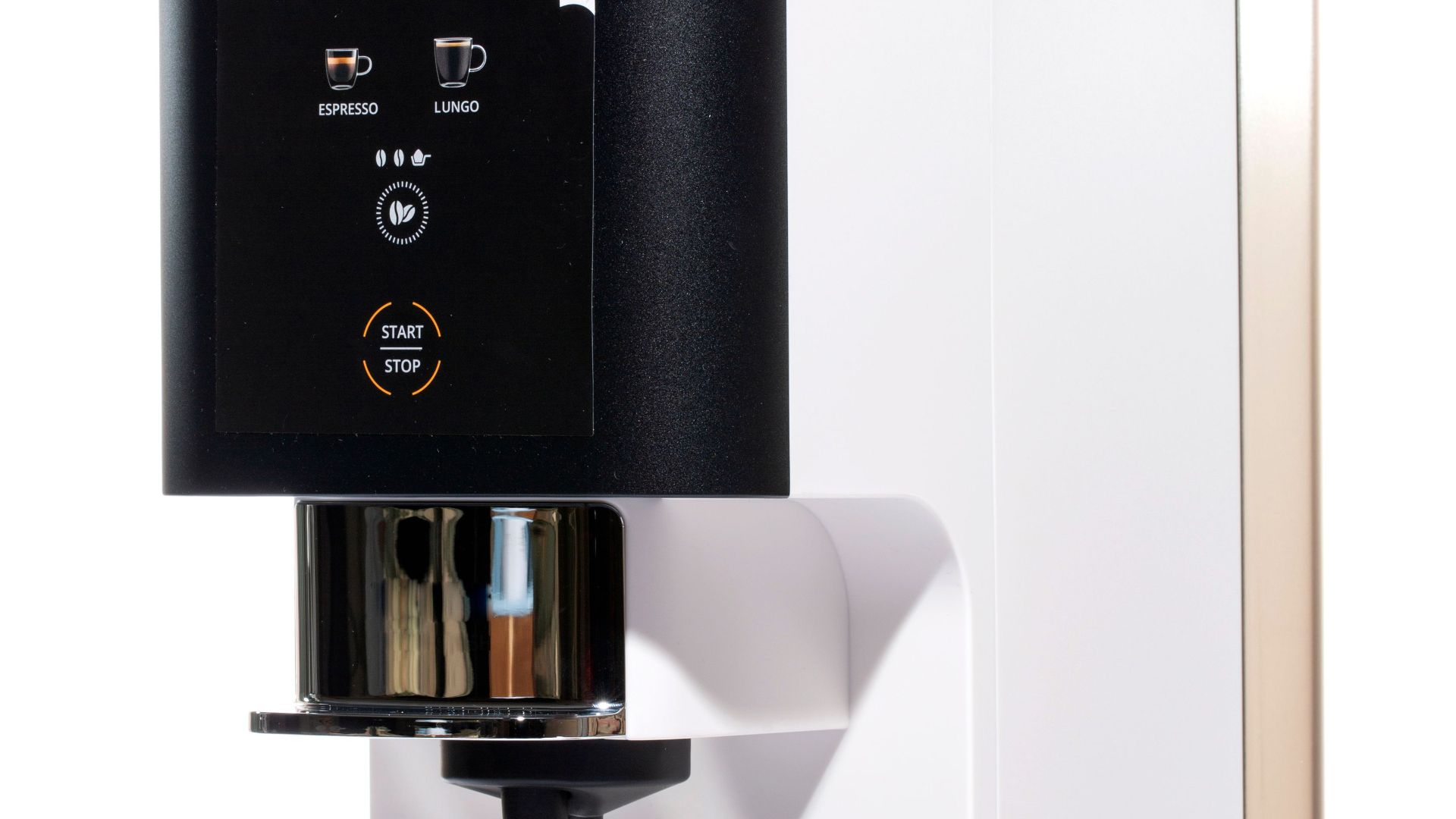
Waking up to a freshly brewed cup of coffee sounds wonderful, but internet-connected coffee makers can have security weaknesses that ordinary machines simply don't need to worry about. Researchers have demonstrated attacks against specific models, including vulnerabilities that allowed malicious software to interfere with their operation. That doesn't mean every smart coffee maker is waiting to be hacked, but it does show why even simple appliances need adequate security protections, especially if they connect to Wi-Fi or other devices.
17. Streaming Devices
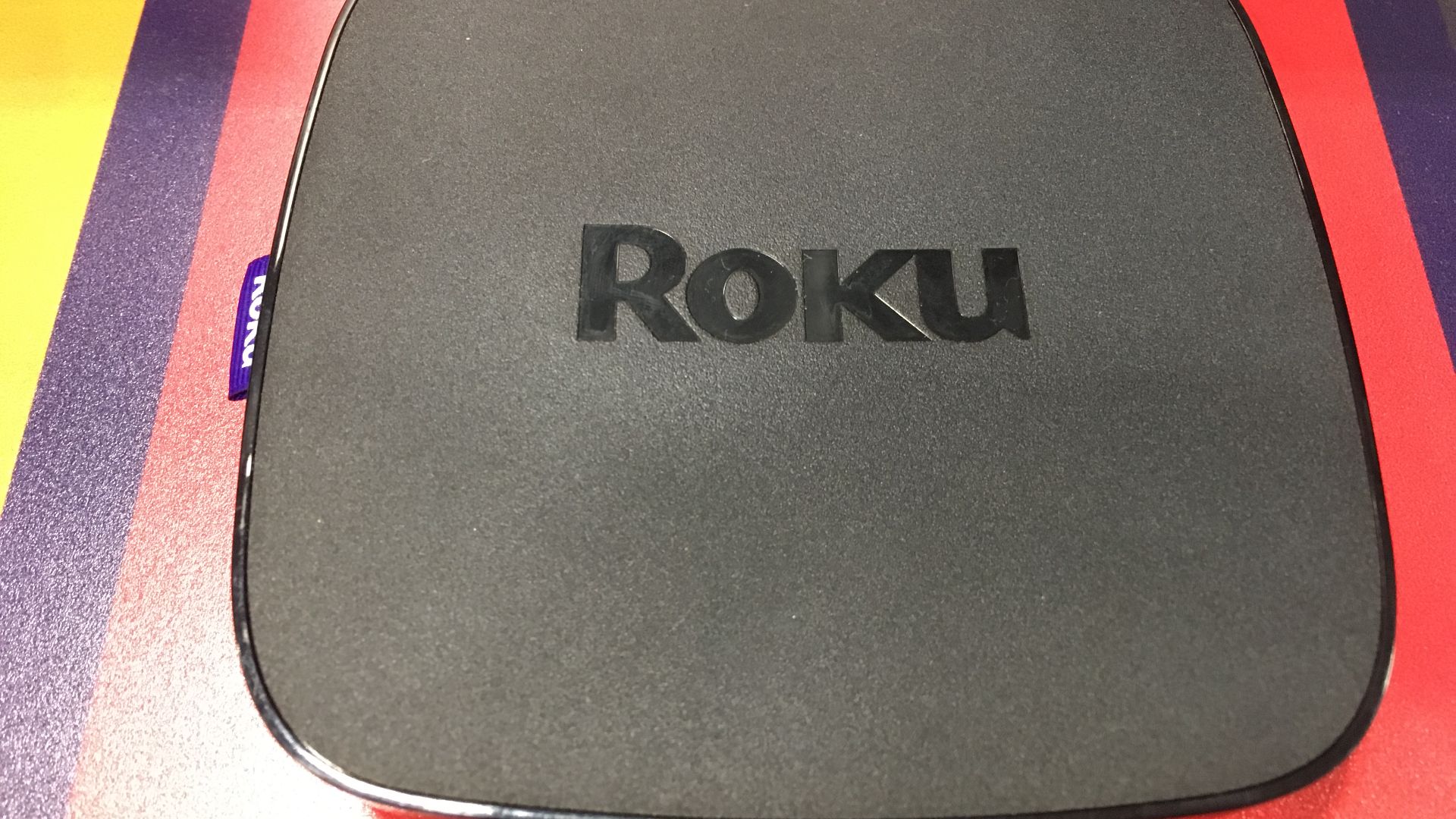
Streaming sticks and media boxes from companies like Roku, Amazon, and Google give you access to countless entertainment services, but they can also introduce security concerns. Like other internet-connected gadgets, they may become vulnerable through outdated software, malicious applications, or compromised user accounts. Depending on the attack, someone could potentially access account information, disrupt playback, or exploit vulnerabilities in the operating system. Downloading unofficial applications from questionable sources only increases your chances of encountering these problems.
18. Smart Irrigation Controllers
Even your lawn sprinkler system can become a cybersecurity concern once you connect it to the internet. Smart irrigation controllers typically rely on mobile apps and cloud services, meaning weak account security or software vulnerabilities could potentially allow outsiders to interfere with watering schedules. Someone who gains unauthorized control might waste water, disrupt your landscaping routine, or manipulate connected equipment. It's hardly the first household device most people think about protecting, which makes its security settings particularly easy to overlook.

19. Smart Home Hubs
Devices that coordinate your lights, locks, sensors, and other household gadgets are especially important to secure because they control so many different systems. Some smart home hubs have experienced vulnerabilities involving their software or communication protocols, potentially allowing attackers to interfere with devices beyond the hub itself. A successful breach could therefore cause considerably more trouble than someone gaining access to a single smart appliance.
20. Wi-Fi Range Extenders
Wi-Fi range extenders are great for eliminating those frustrating dead zones around your house, but older or poorly maintained models can introduce security problems of their own. Researchers have discovered vulnerabilities in certain extenders involving administrative interfaces, authentication systems, and outdated firmware. If someone manages to compromise one, they could potentially interfere with network traffic or attempt to access other connected devices.