
The Changes Already Written Into Law And Code
Predicting how people will shop in 2040 is mostly guesswork, but some changes are already underway. Europe has passed packaging and repair laws with deadlines stretching into the coming decades, while American retailers are replacing paper price tags with digital displays and experimenting with cashierless stores. These aren't distant ideas waiting for someone to invent them. Here are 20 changes already taking shape that could make shopping in 2040 look very different from today.

1. Your AI Does The Buying
Visa partnered with OpenAI in 2026 to let AI agents shop and pay through ChatGPT. Mastercard and PayPal began similar efforts in 2025. OpenAI's earlier checkout system charged merchants 4 percent per sale, driving some away. With shoppers setting spending limits and letting AI handle purchases, retailers may soon have to win over software instead of customers.
 Glenn Carstens-Peters on Unsplash
2. Checkout Lines Vanish In Small Shops
Amazon's Just Walk Out system runs in more than 360 third-party locations across five countries, including stadiums and hospitals. Amazon pulled it from its own Fresh supermarkets and switched to smart carts there. Venues and corner shops got the technology before supermarkets did, which is the reverse of the original plan.

3. Price Tags Change By The Minute
Walmart is swapping paper shelf labels for digital screens across its US stores, roughly 2,300 of them so far. The screens reprice more than 120,000 items in minutes, against the two days a paper reset used to take, and the company says it will not use them for demand-based pricing.
4. Your Palm Becomes Your Wallet
Over three million people had used Amazon's palm reader before its Whole Foods rollout even finished. The device reads the pattern of veins in your hand, and it is installed at more than 400 US locations plus every Whole Foods store.

5. Groceries Arrive By Air
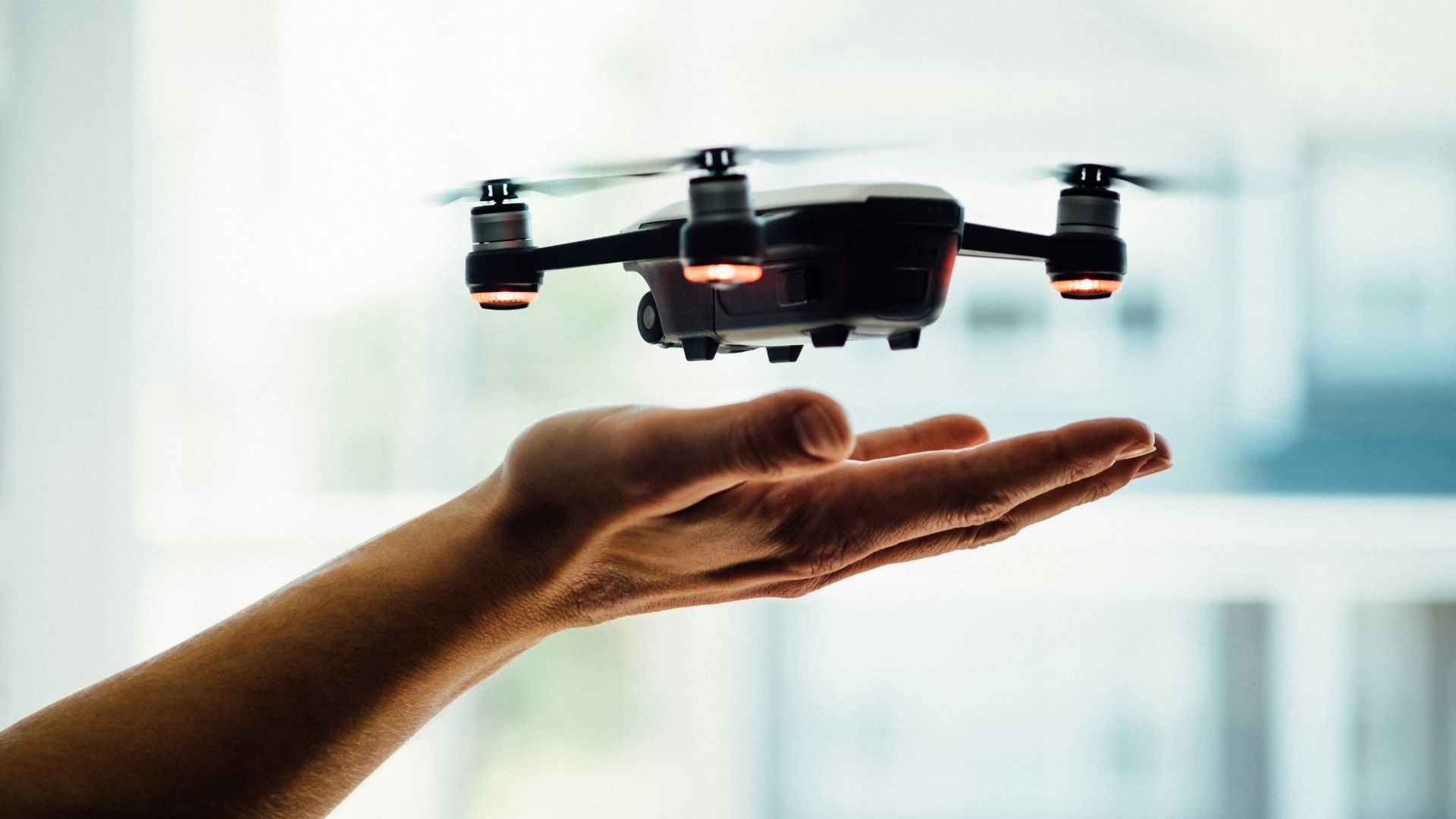
Alphabet's Wing flies drones for Walmart in the largest such operation in the country. Seven more metro areas are being added in a push to reach a tenth of the US population by 2027, and the drones travel up to six miles beyond the operator's line of sight. More than 150,000 deliveries have already gone out this way.
6. Robots Use The Sidewalk
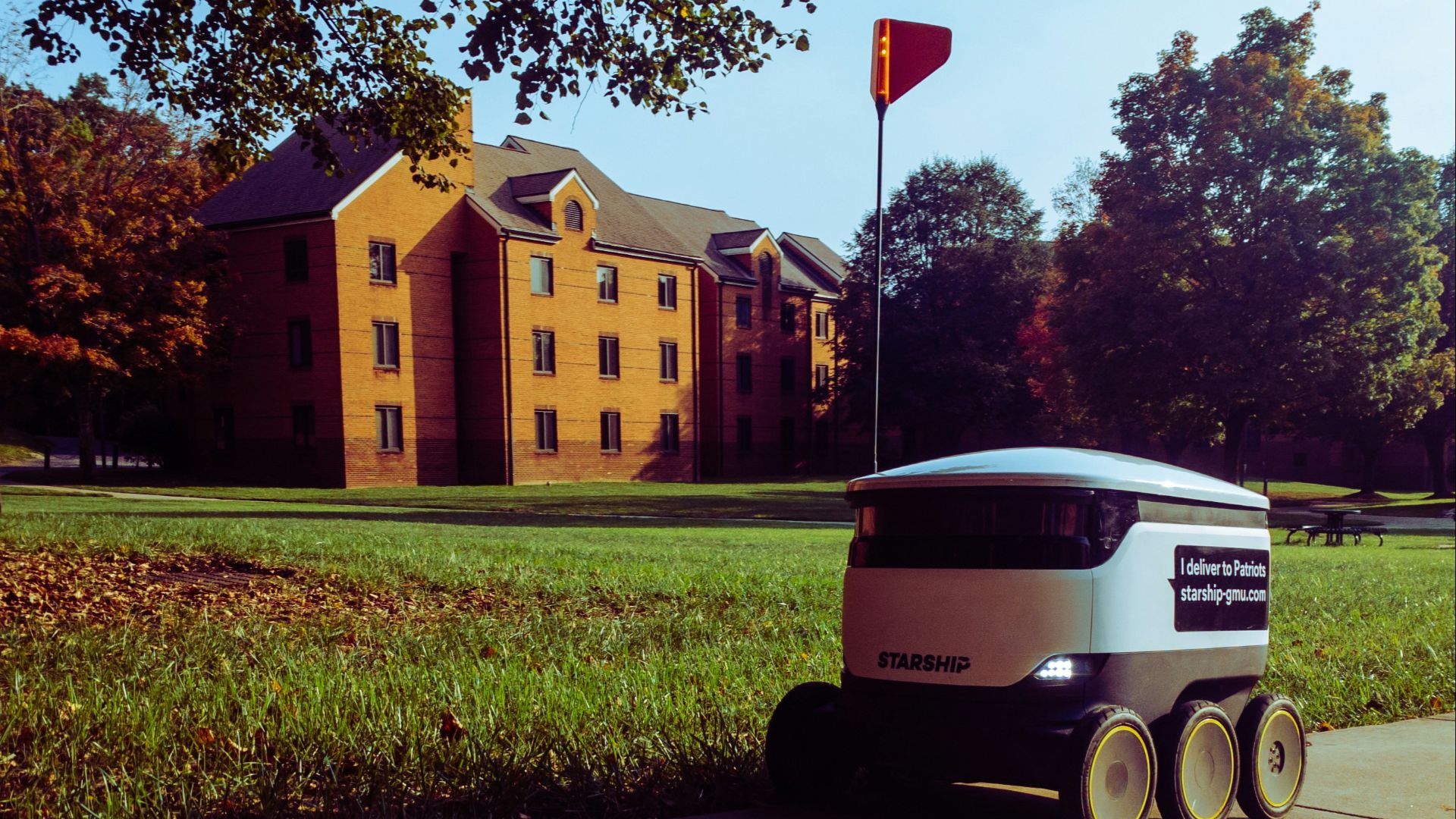
Serve Robotics has more than 2,000 delivery robots deployed across American cities, each able to carry about four large pizzas. It launched in 14 Chicago neighborhoods and signed a deal to carry Grubhub orders. Each one is a vehicle that needs somewhere to drive, and the sidewalk is what it uses.
7. Supermarkets Turn Into Warehouses
Kroger built automated grocery depots with Britain's Ocado, and that partnership has since ended. More than 1,000 robots moved across a grid in those buildings to assemble orders from around 28,000 items, and Ocado is now pushing the same automation inside stores.
8. Every Product Carries A Digital Passport
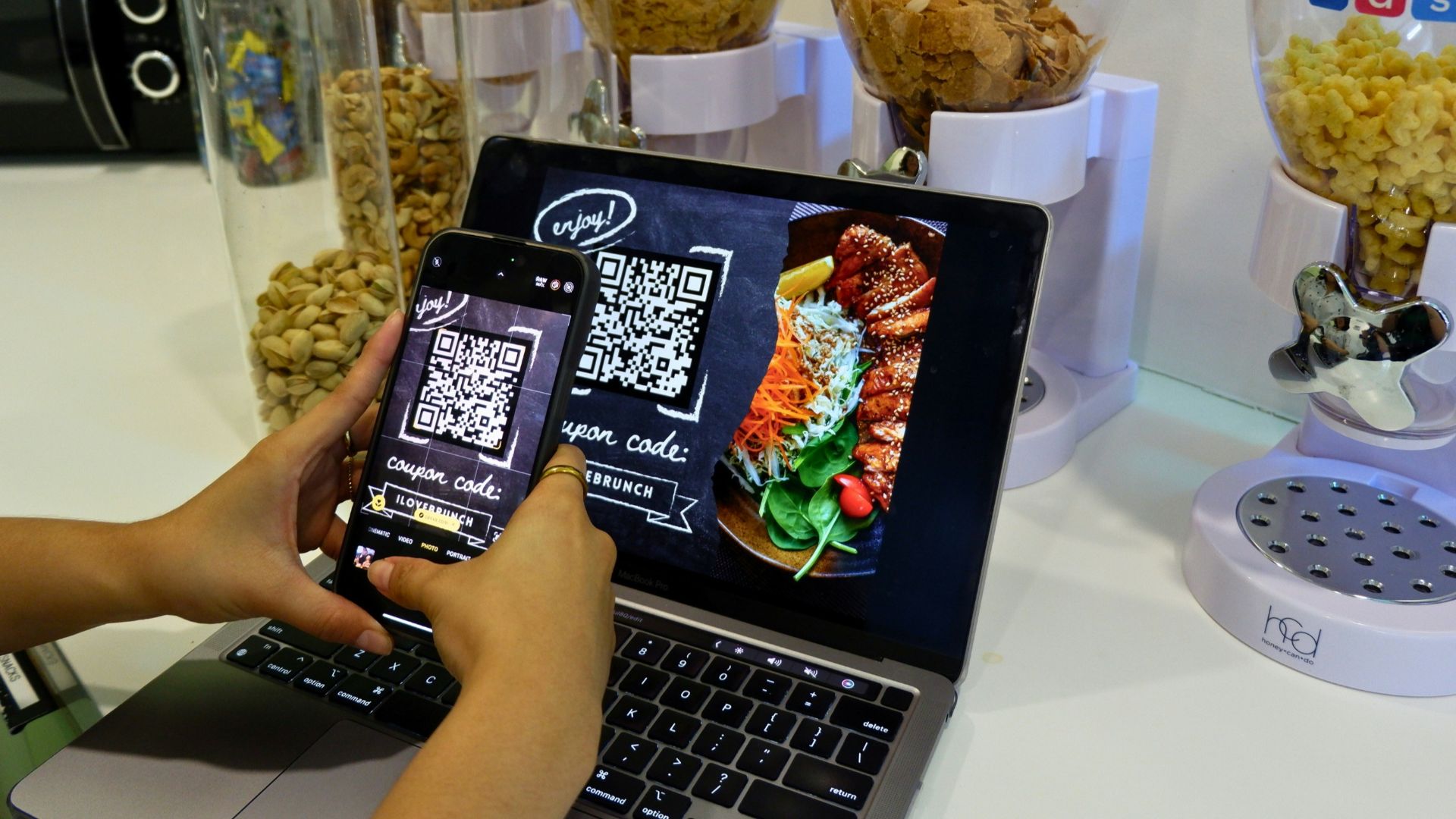
A scannable digital passport holding a product's materials, repair options and lifecycle data is being phased in across the EU. Batteries come first in February 2027, with textiles and tyres the same year. Furniture follows in 2028 and electronics in 2029.
9. Repair Becomes A Legal Right
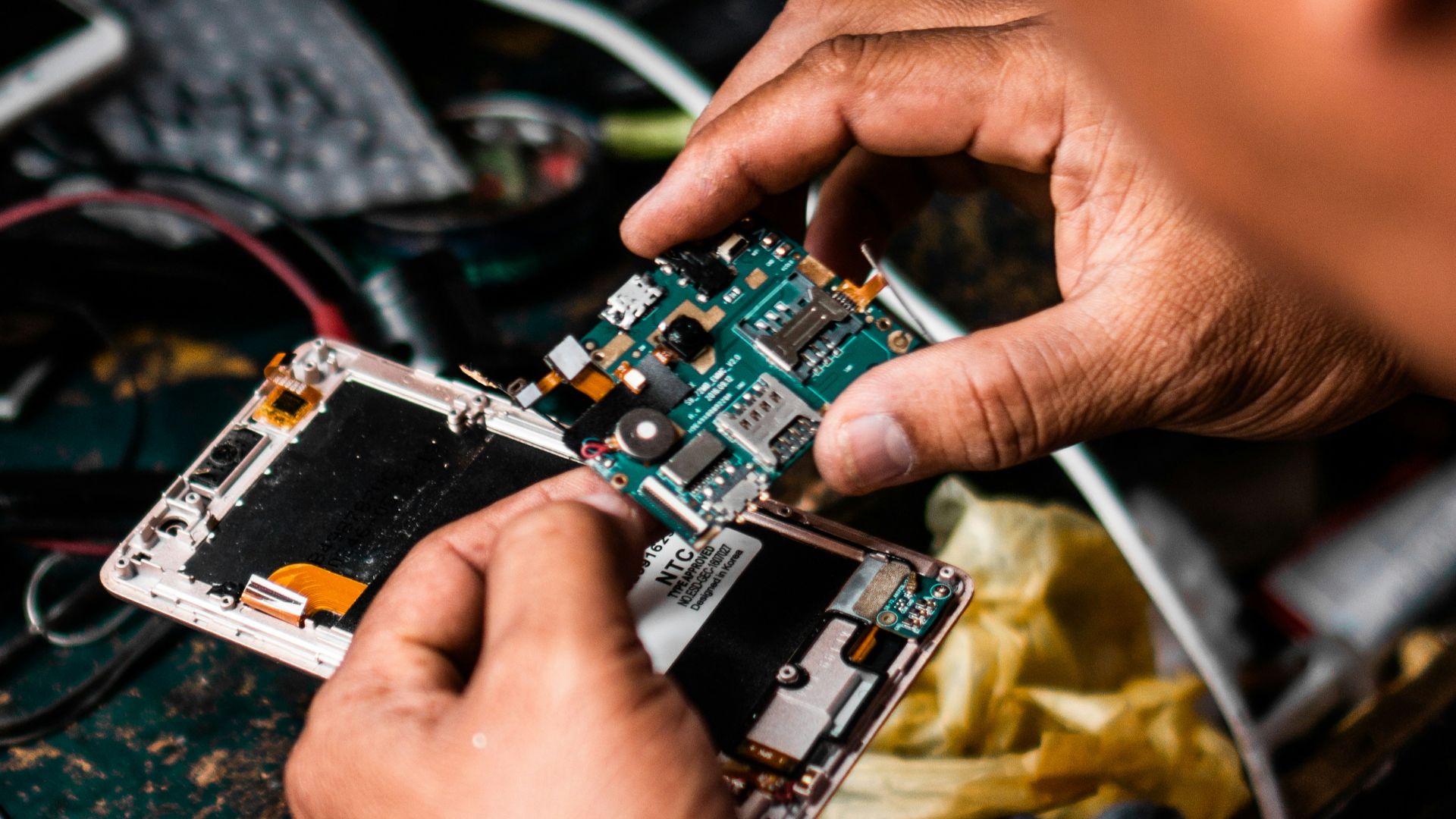
Manufacturers in the EU have had to fix certain products since July 2026, even after the warranty has run out. Spare parts have to be priced so they do not discourage repair, and makers cannot stop independent shops using second-hand or 3D-printed parts. There is an EU-wide platform for finding a repairer and a standard form for comparing quotes.
10. Packaging Comes Back To The Shop
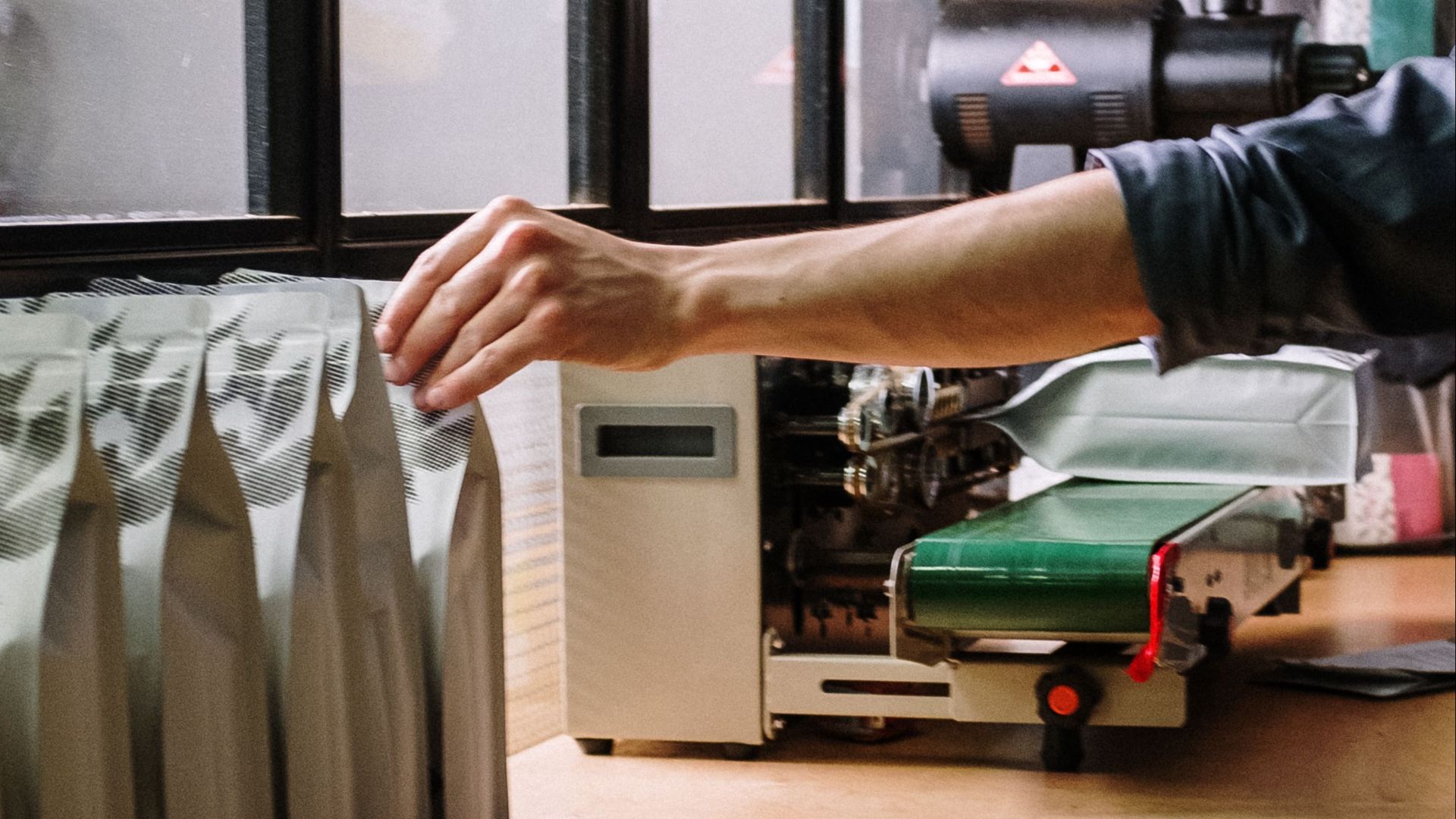
Binding reuse targets for packaging arrive in Europe in 2030, with tougher ones set for 2040. Transport packaging takes the hardest hit, since at least 30% of palletised shipments will have to be reusable. Individual countries are free to set targets above the EU minimums.
11. Bottles Carry A Deposit Everywhere
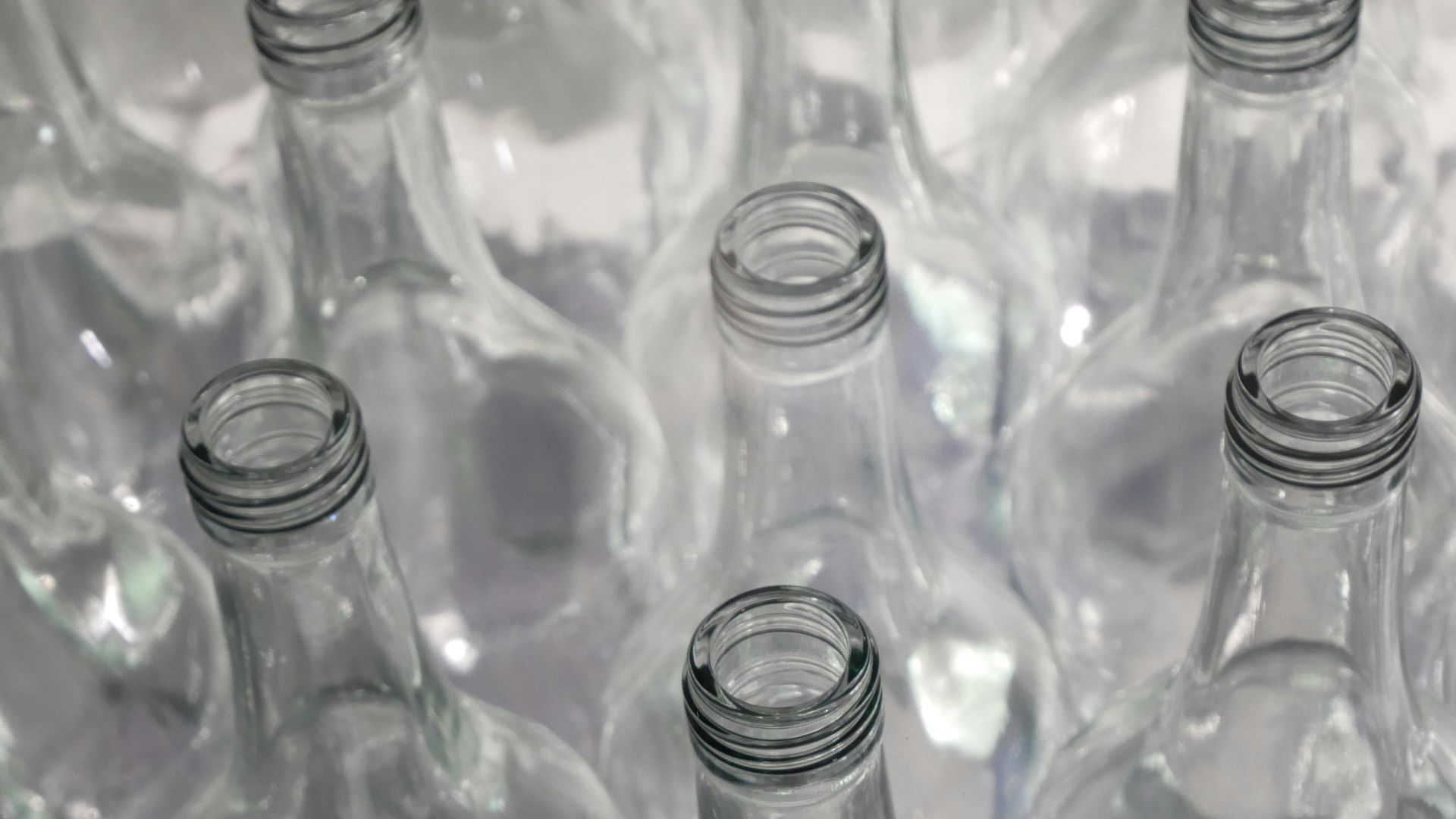
By 2029 every EU country has to separately collect 90% of single-use plastic bottles and metal cans, and any that misses 80% by 2026 must run a deposit return scheme. Fifteen of the 27 already operate one, so reverse vending machines in supermarket lobbies turn into standard furniture.
12. Clothing Brands Pay For Their Own Waste
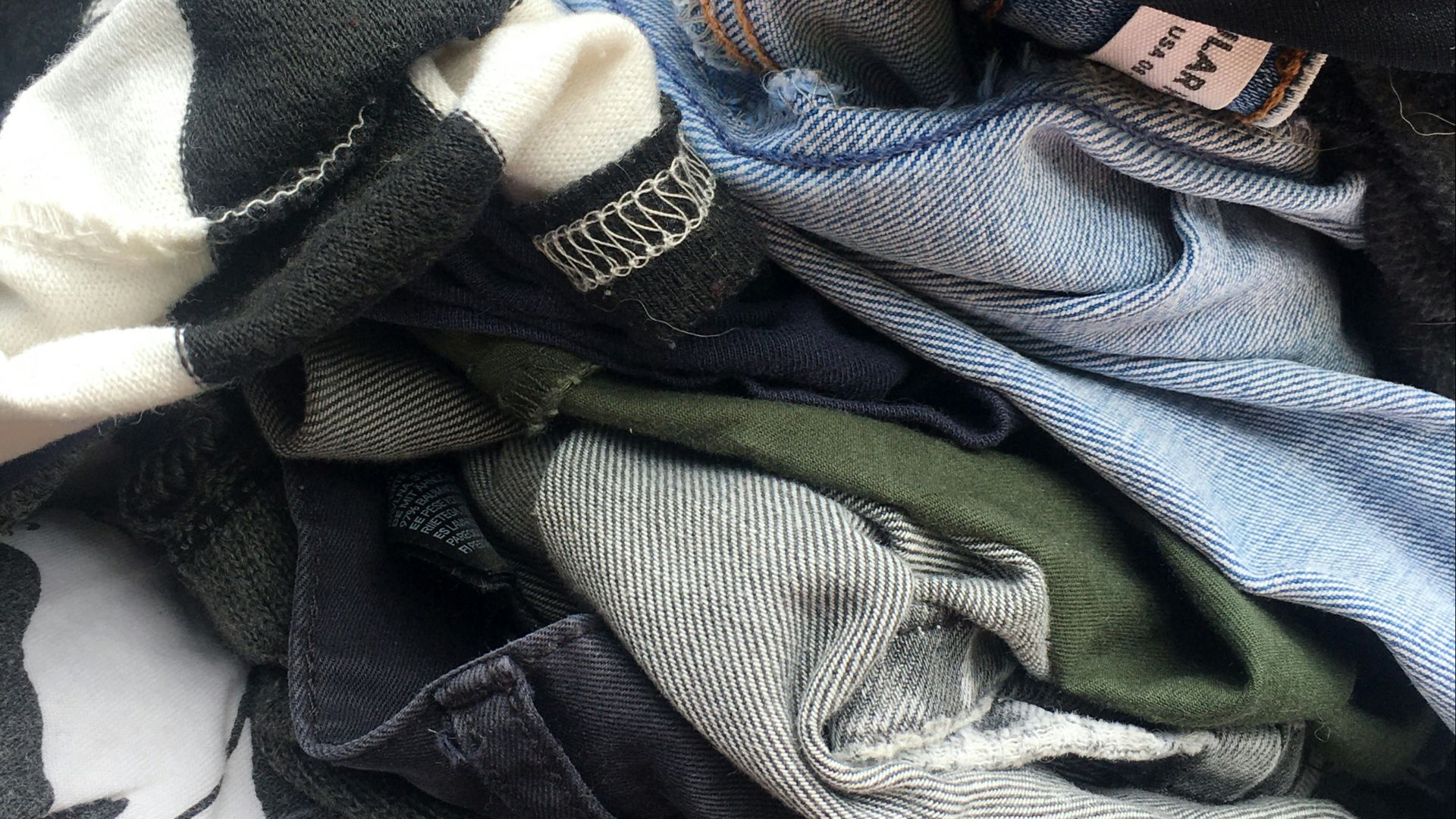
Textiles have been collected separately across the EU since January 2025, and a 2025 directive makes producers cover the cost of sorting and recycling what they sell. The fees are eco-modulated, so a cheap garment that falls apart costs its maker more than a durable one. Less than 1% of textiles worldwide are currently recycled into new textiles.
13. Secondhand Stops Being The Cheap Option
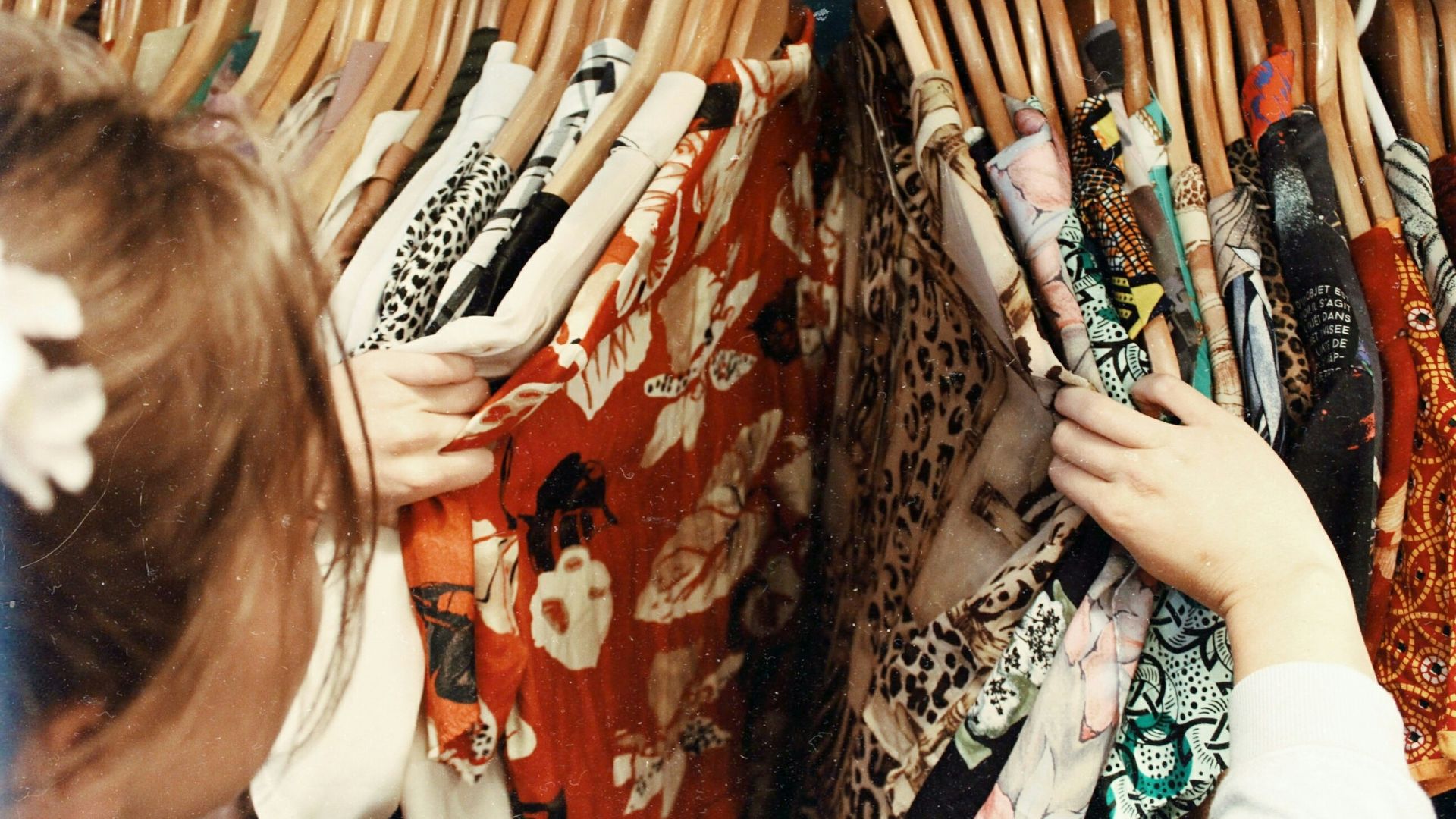
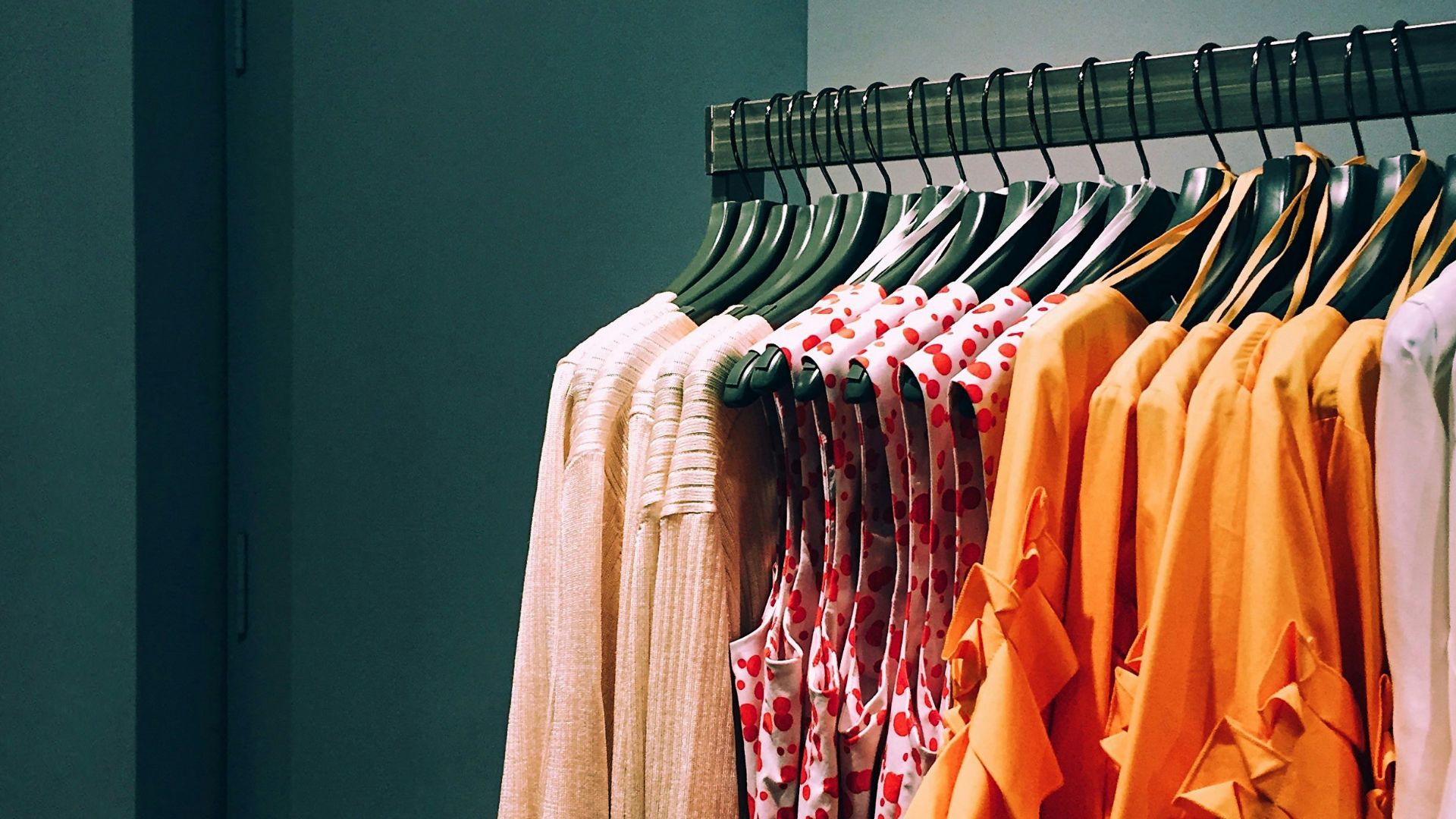
The US secondhand clothing market was worth about $49 billion in 2024 and is forecast to hit $74 billion by 2029. The global figure was $227 billion and could reach $367 billion over the same stretch. A record 58% of American shoppers bought used clothing in 2024, and surveyed consumers expect to spend roughly a third of their clothing budget on it.
14. Free Returns Mostly End
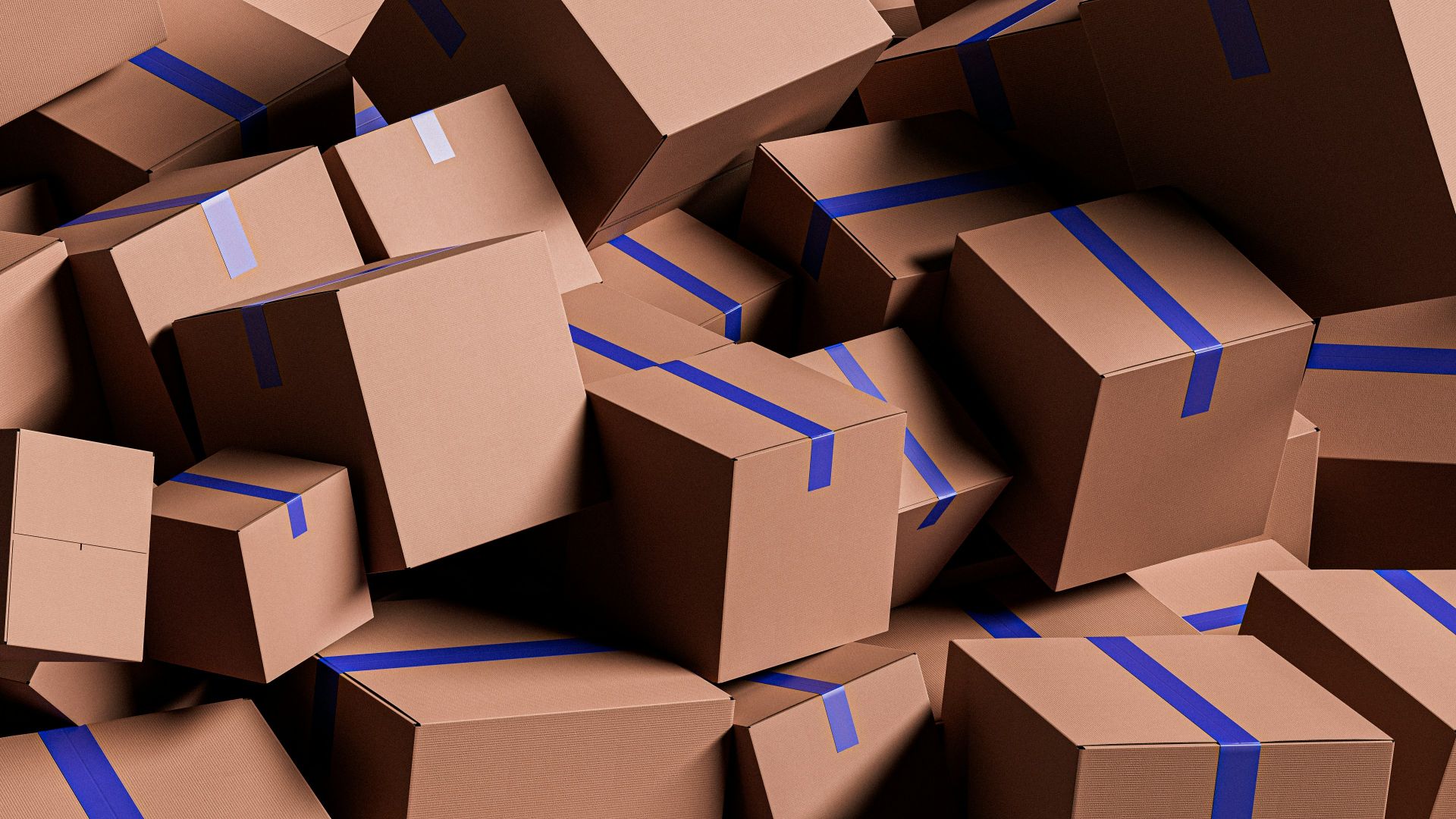
About 19% of online orders came back in 2025, with total US returns projected at close to $850 billion. Nearly three-quarters of retailers now charge for at least one return method. The ones that started reported more complaints and some lost customers, and cutting return rates is now among their stated priorities for 2026.
15. Food Gets Traced Lot By Lot
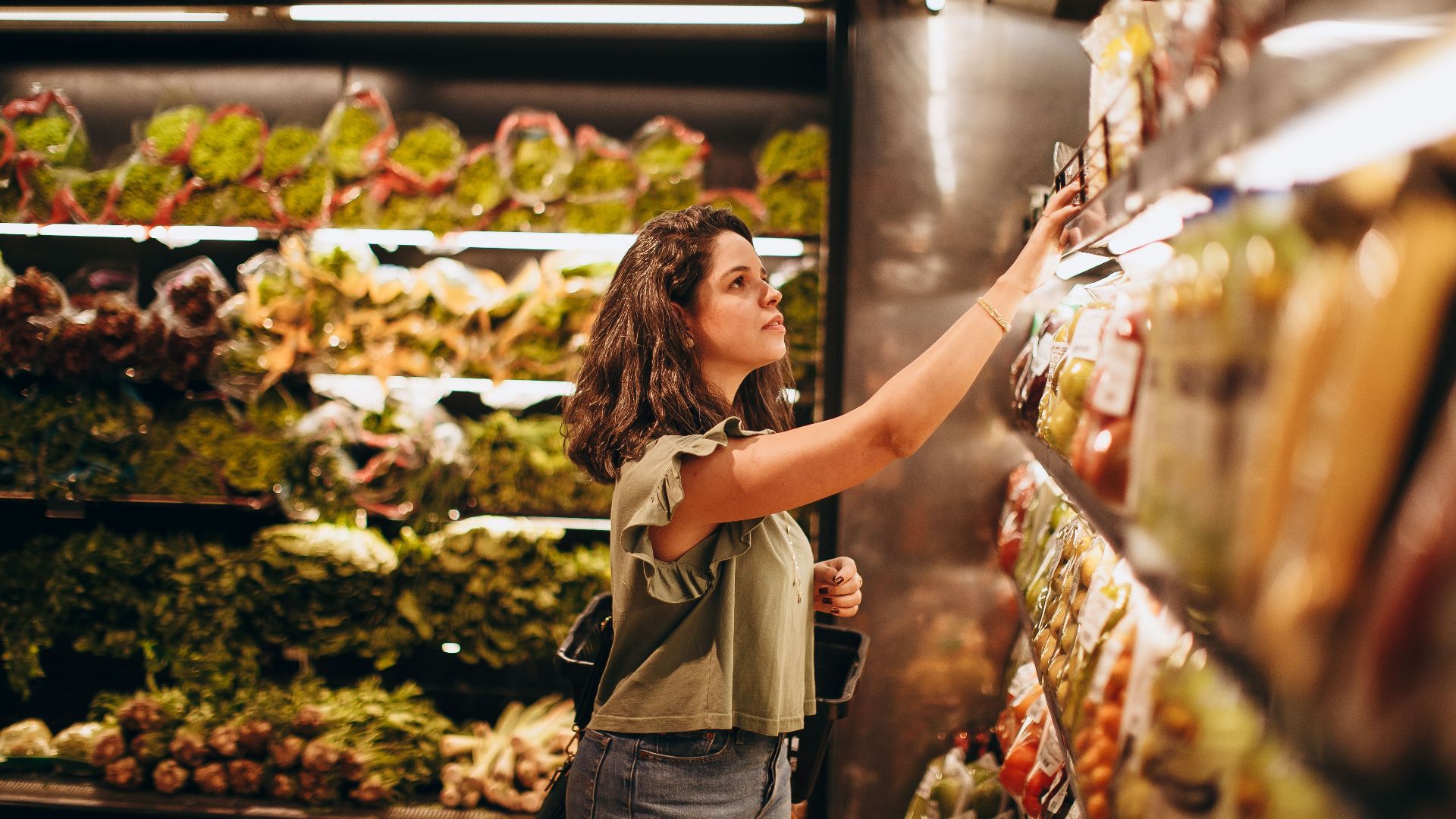
Originally scheduled for January 2026, the FDA's food-traceability rule won't be enforced until July 2028. Businesses handling foods on its high-risk list must track individual lots through the supply chain and provide records within 24 hours when requested. The goal is to trace contaminated food in hours rather than days, allowing faster, more targeted recalls.
16. Coffee And Chocolate Need Paperwork
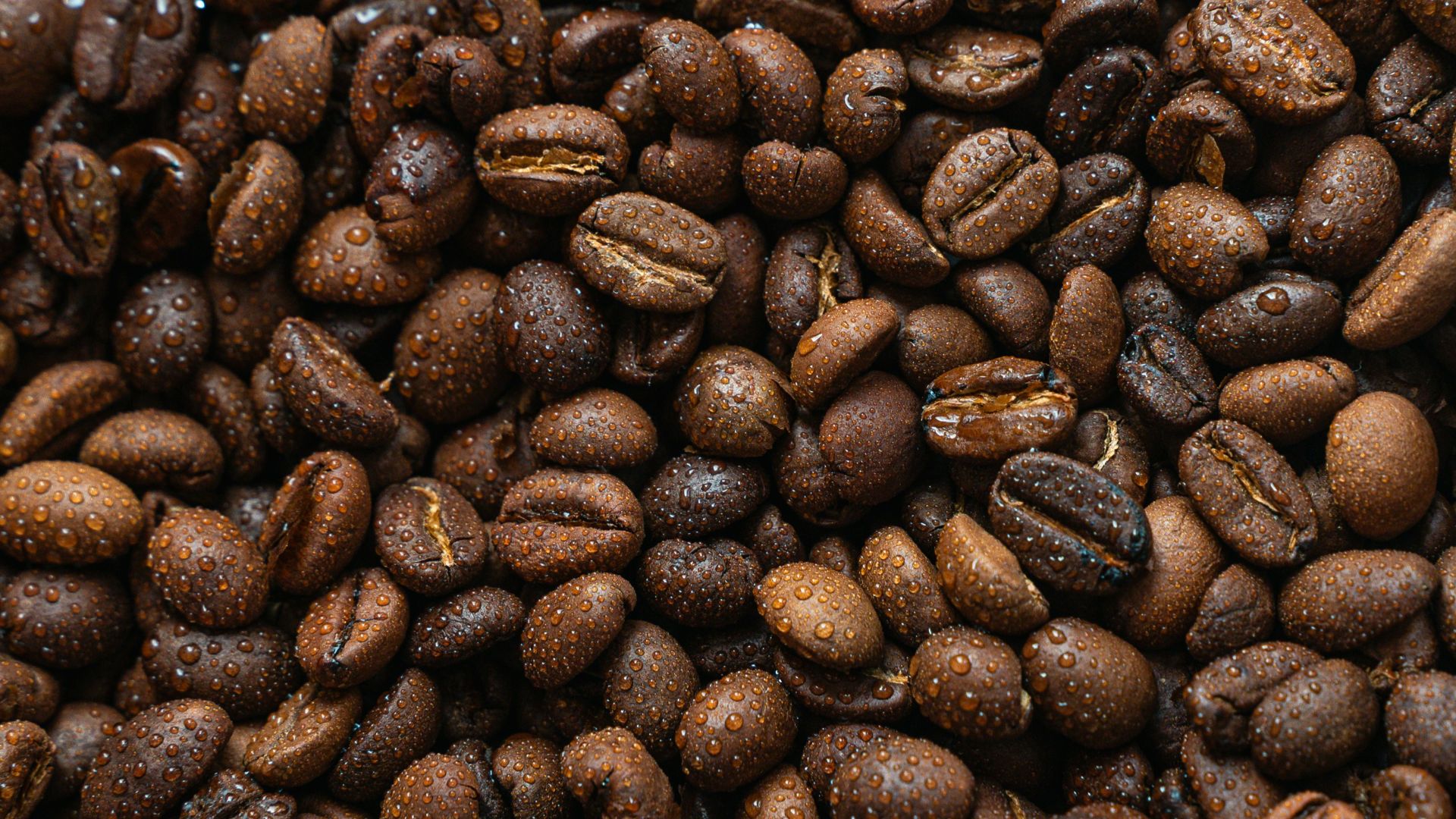
Large operators importing into the EU face deforestation rules from 30 December 2026, with smaller ones following in mid-2027. Coffee and cocoa are among seven commodities that need a due diligence statement showing no link to recent forest clearing. Chocolate and bakery products made from them are covered too.
17. Cash Gets A Public Digital Rival
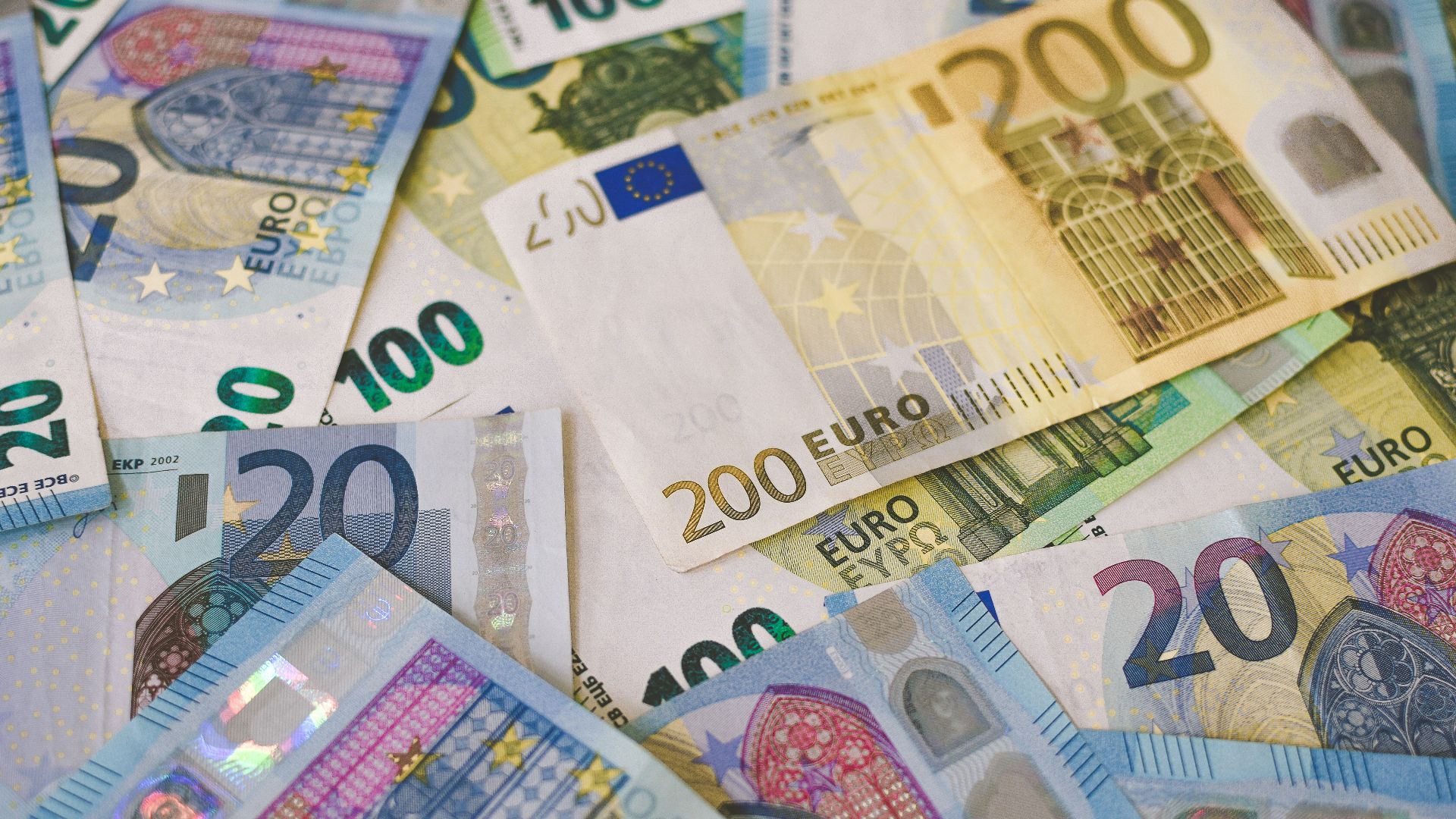
The European Central Bank plans to pilot a digital euro in 2027 and could issue it in 2029, assuming the legislation passes. It is meant to work offline as well as online, sitting alongside cash rather than replacing it. Money issued by a central bank and spent at a till would be new for Europe.
18. Shopping Happens Inside Video Feeds
Livestream selling in the US was worth about $14.6 billion in 2025. TikTok Shop sold about $15.8 billion of goods there that year, double the figure before it, and took roughly 18% of all American social commerce. Half of US social shoppers are projected to buy something on it during 2026.
19. Buying Some Things Means Proving Your Age
Ticking a box to say you are over 18 stopped counting in Britain in July 2025, when the Online Safety Act's age checks took effect. Accepted methods include ID documents, facial age estimation and credit card checks, and the communications regulator Ofcom can fine a company up to £18 million for getting it wrong.
20. You Try Clothes On Without Touching Them
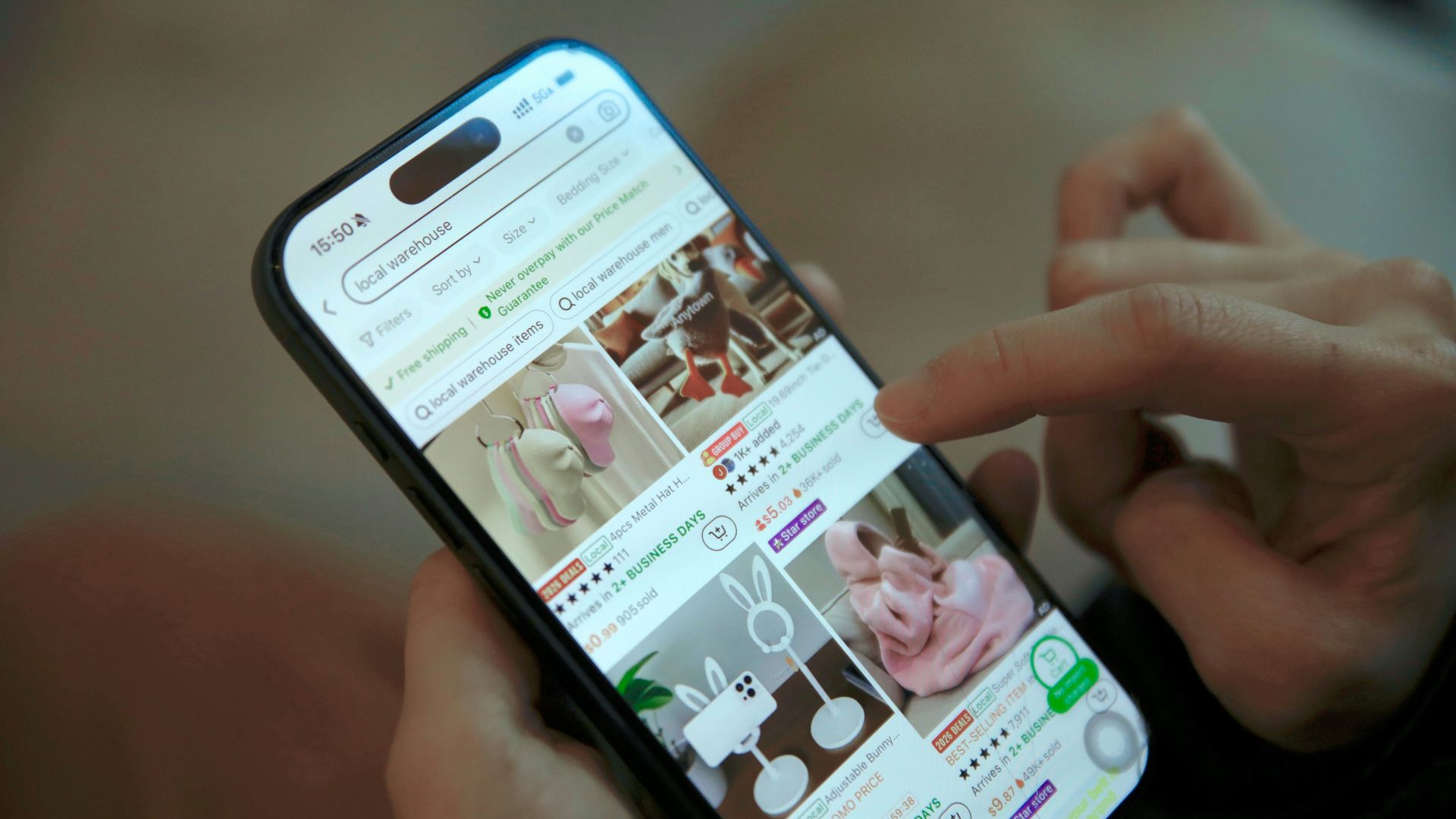
Google's try-on tool generates an image of a garment on a photo you upload. It is trained against a shopping index of roughly 40 billion listings and works across Search and Shopping for items from retailers including Macy's and Nordstrom. Fit prediction accurate enough to cut return rates would change the economics of selling clothes online.