
What Tech Fluency Used To Require
There was a stretch of time when being "good with computers" meant something very specific, and most of it had nothing to do with what people mean by that phrase today. It meant knowing how to coax a stubborn machine into working, memorizing commands nobody explains anymore, and troubleshooting things that now just work on their own. None of it was intuitive. You learned it because you had to, usually through trial and error and more than one crashed system. Here's 20 digital skills that used to separate the tech-savvy from everyone else, back before most of this got automated away entirely.
1. Navigating DOS Command Prompts
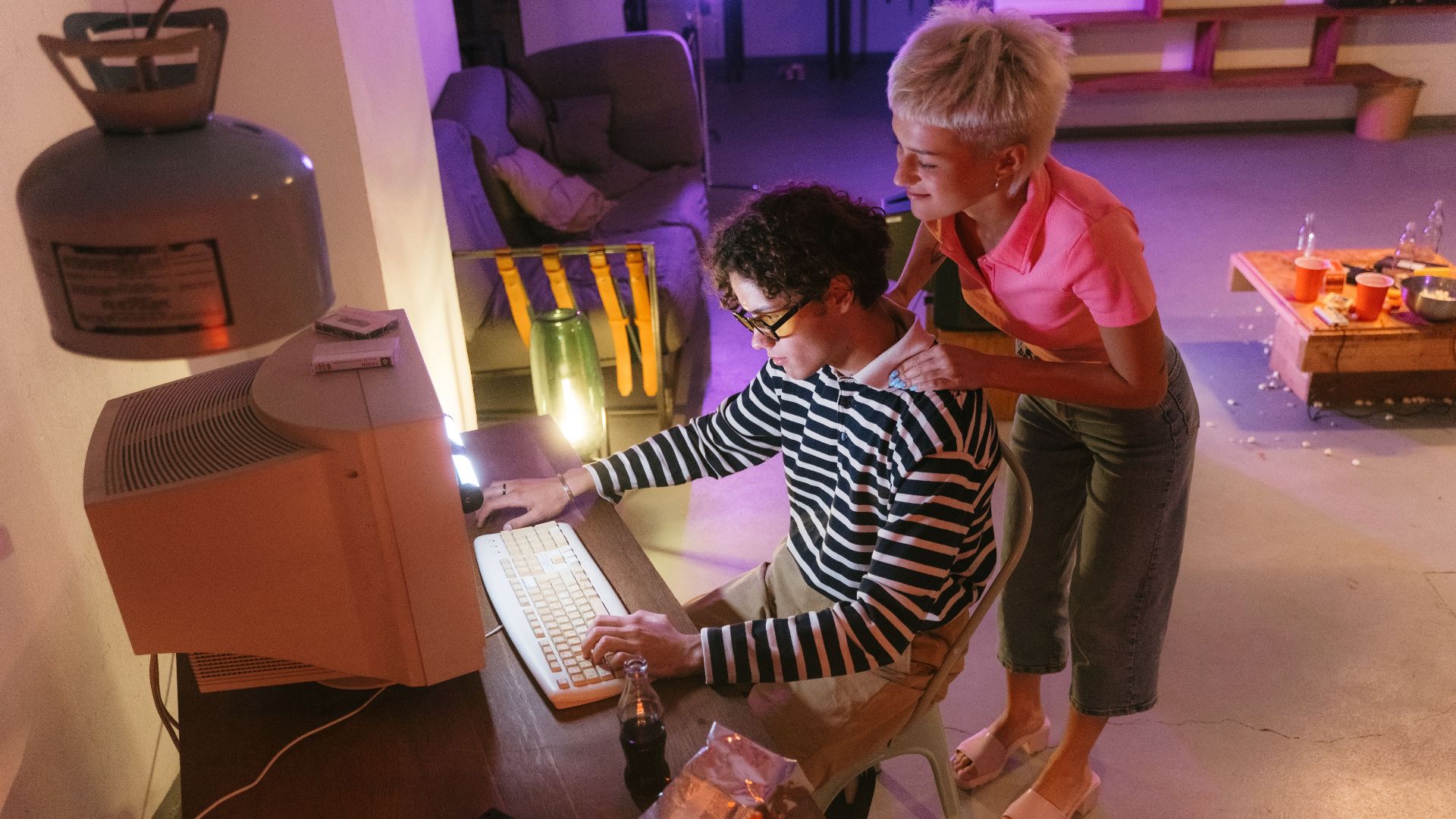
Before graphical interfaces took over, actually using a computer meant typing text commands into a blinking cursor and hoping you got the syntax right. One wrong slash or missing space and nothing happened, with no helpful error message pointing you toward the fix. People who could navigate DOS confidently were basically the IT department for everyone else in the house.

2. Dialing Up To The Internet
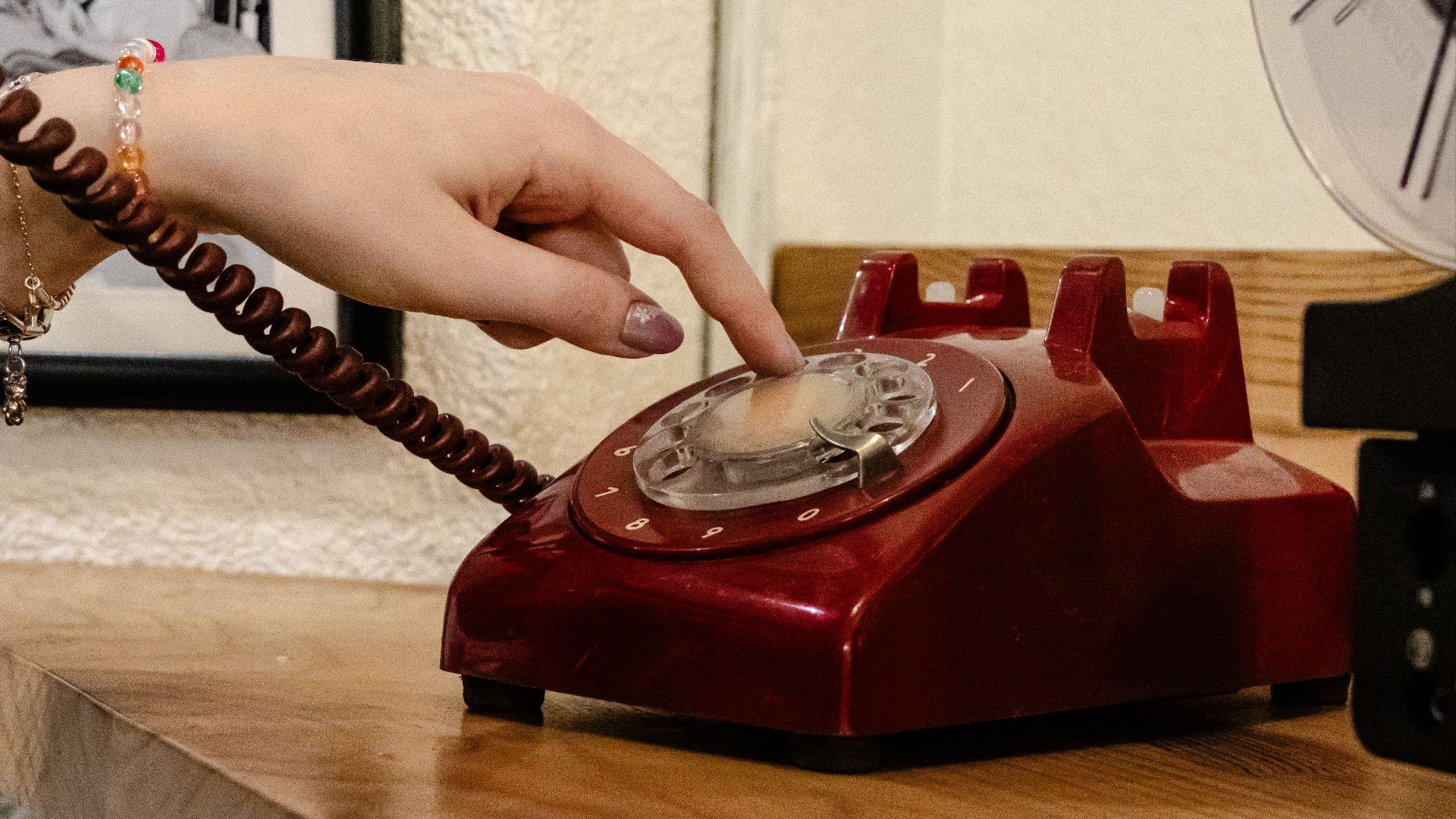
Getting online meant listening to a screeching modem handshake and hoping nobody picked up the phone line mid-connection. You had to know how to configure the dial-up settings yourself, troubleshoot a failed connection, and accept that checking email might take several minutes. An entire generation learned patience from a process that today would feel unbearable.
3. Multi-Tap Texting
Before predictive text and full keyboards, typing a message meant pressing the same number key multiple times to cycle through letters, counting taps in your head to land on the right one. Fast texters could do this without even looking at the screen. It was its own kind of muscle memory that's almost entirely gone now.

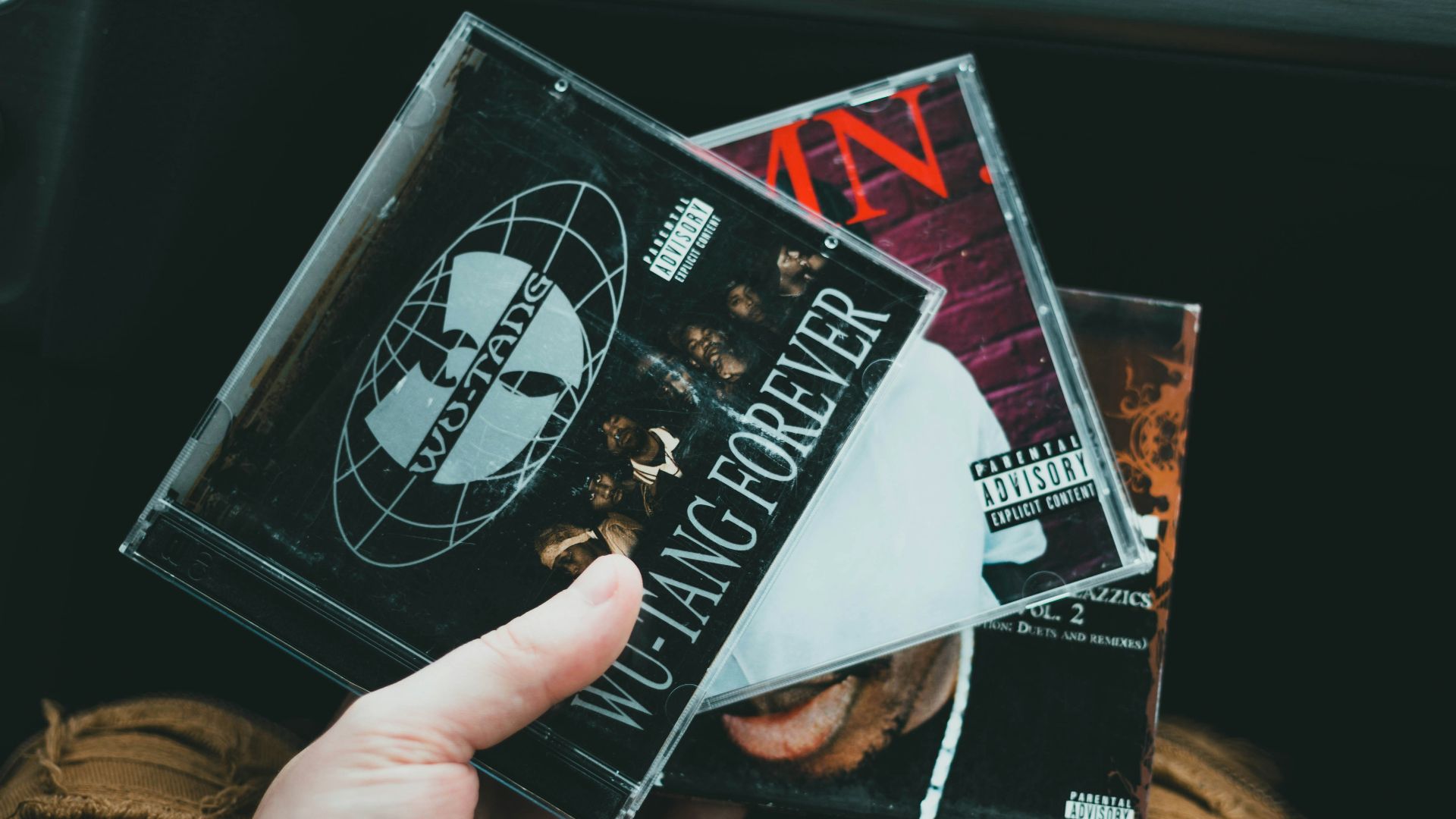
4. Burning A CD
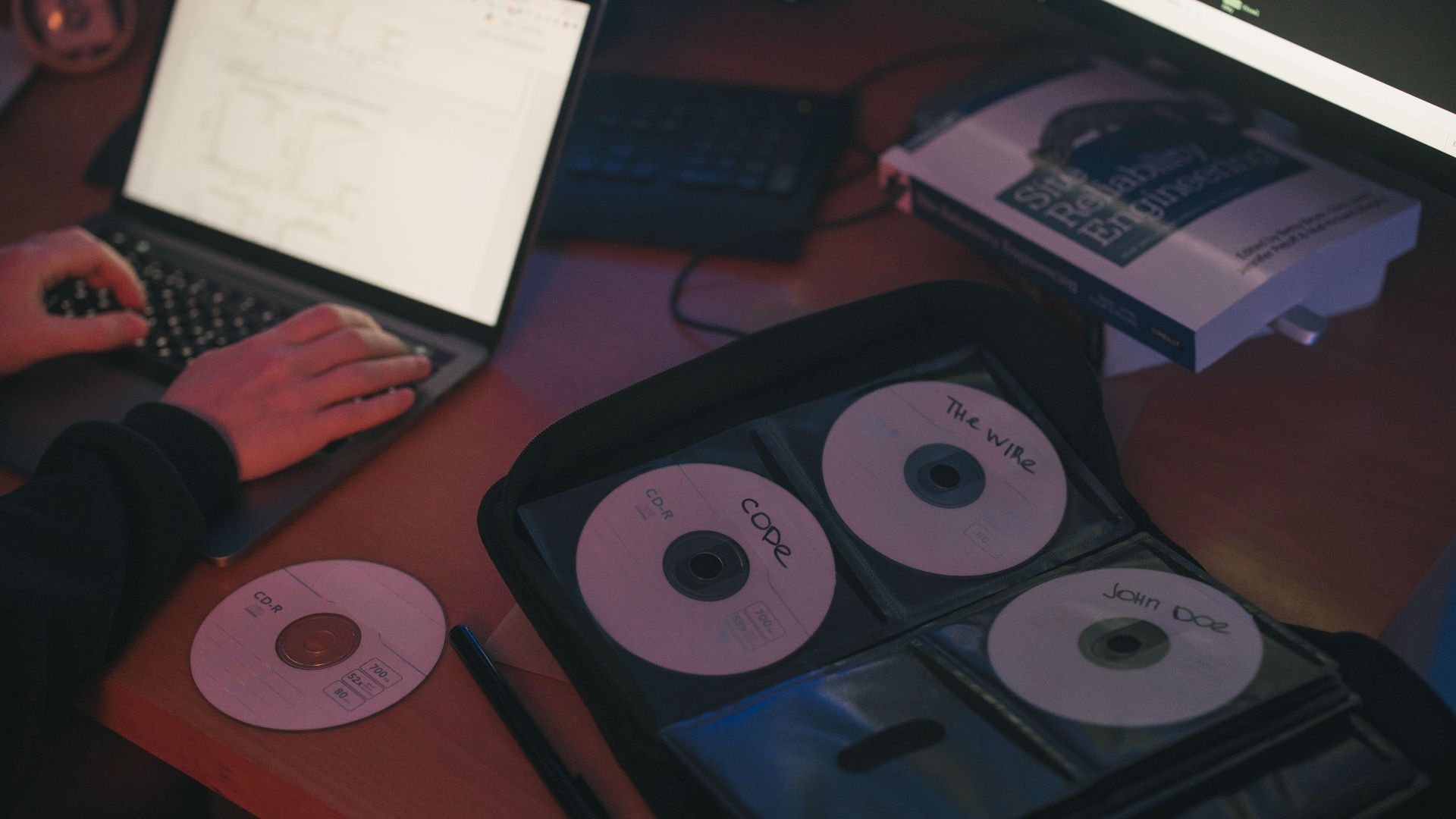
Making a mix CD wasn't as simple as dragging files into a folder. You had to manage disc space carefully, get the burn settings right, and sit through a slow, uninterruptible process where one hiccup meant starting the whole disc over. A scratched or failed burn after twenty minutes of waiting was its own particular kind of frustration.
5. Setting The Clock On A VCR
The blinking 12:00 became a running joke for a reason, since actually setting the time and programming a recording required digging through a manual and a remote with far too many buttons. Getting it to record the right show at the right time felt like a small technical victory. Most households had exactly one person who could reliably make it work.

6. Using Boolean Search Operators
Early search engines didn't understand natural questions the way modern ones do, so getting a useful result meant knowing how to string together AND, OR, and NOT to narrow things down. Skip the operators and you'd get pages of irrelevant results with no ranking logic to save you. Knowing how to search well used to be a real, teachable skill.

7. Defragmenting A Hard Drive
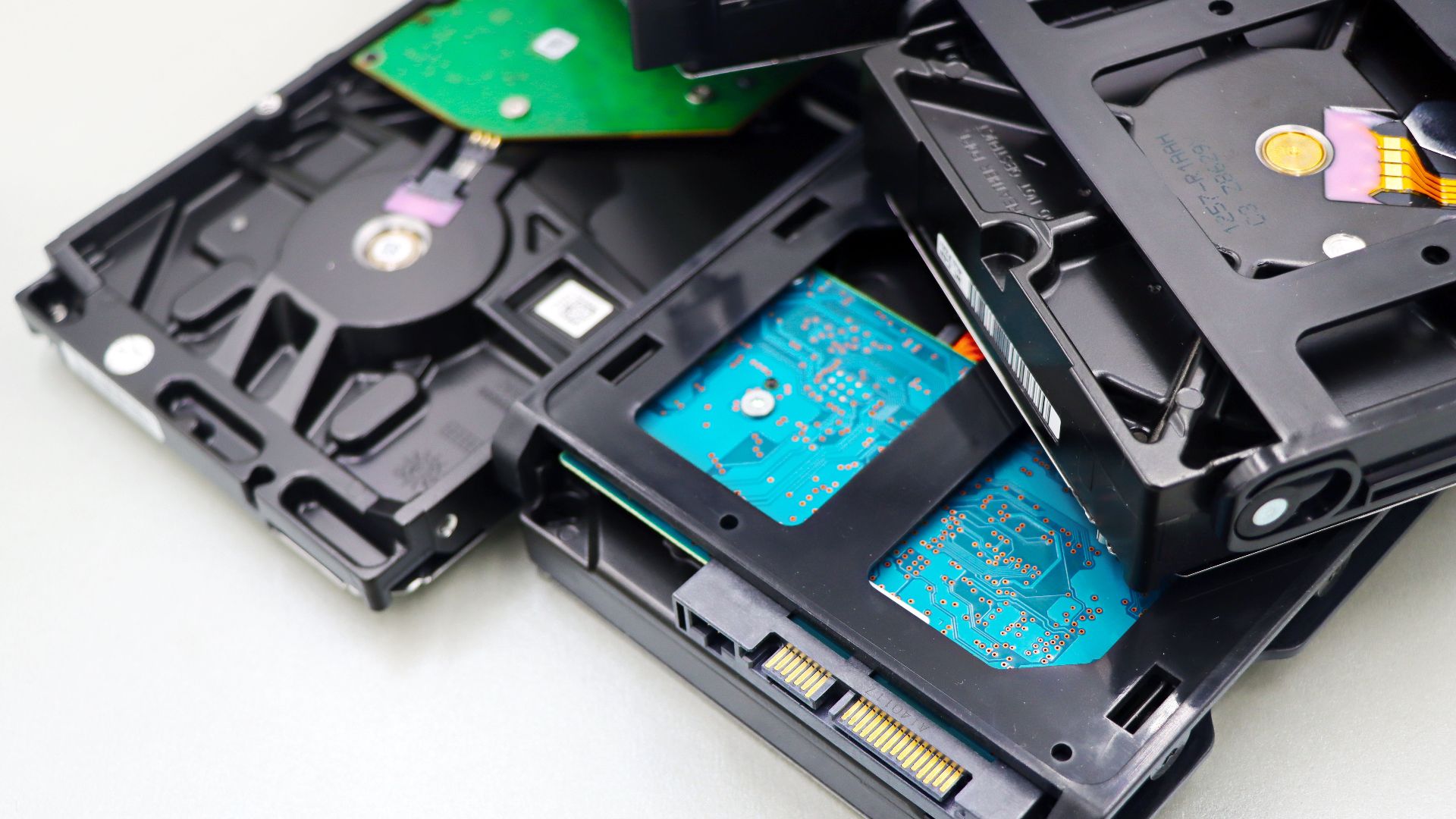
Hard drives used to slow down as files got scattered across the disk, and fixing that meant manually running a defragmentation tool that could take hours to finish. You'd start it before bed and just hope the computer didn't need to be used for anything else overnight. Solid-state drives made this entire chore disappear almost overnight.
8. Formatting A Floppy Disk
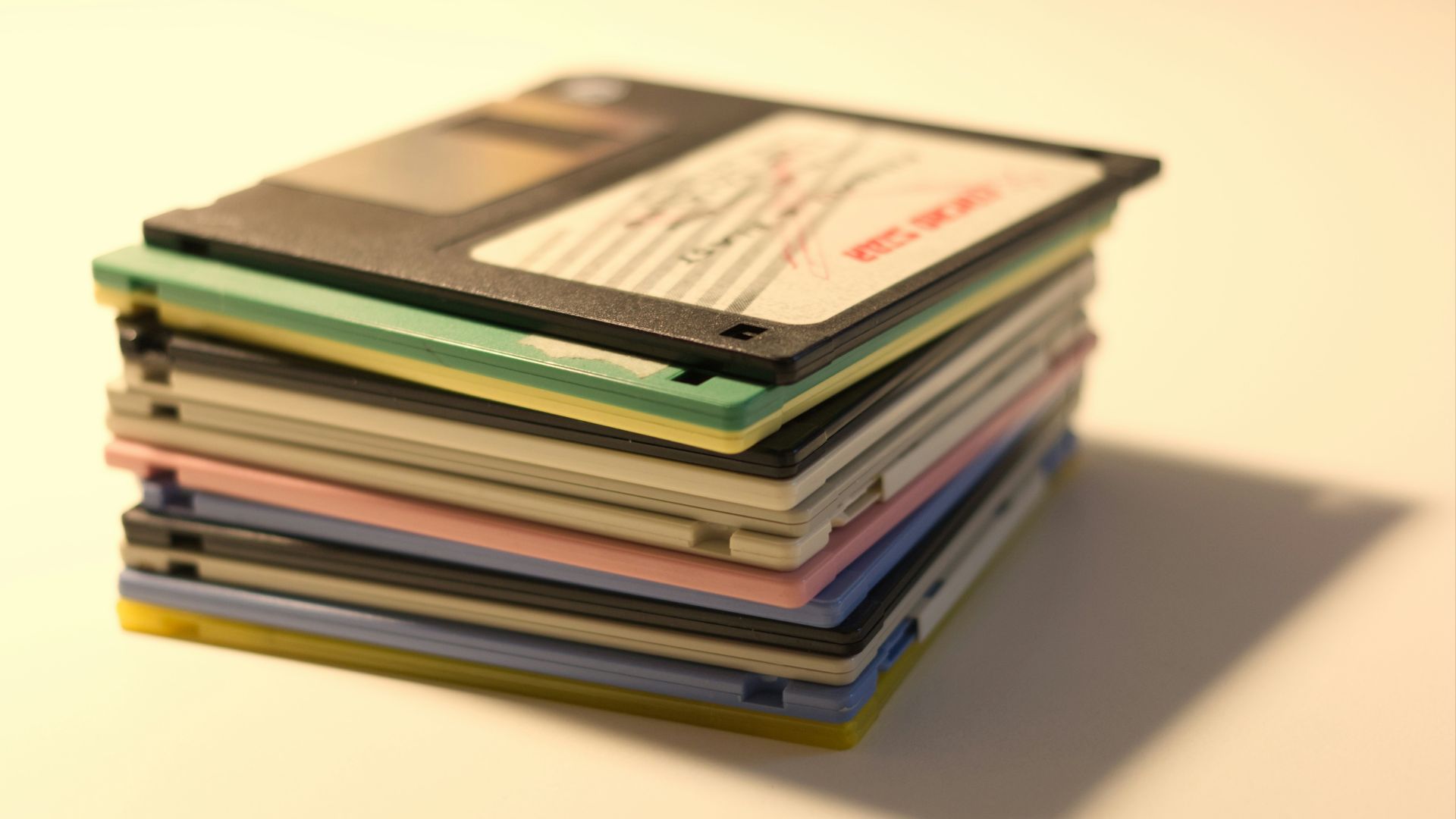
Before you could save anything to a floppy disk, you often had to format it first, choosing the right file system and hoping the disk itself wasn't already going bad. A single scratch or a bad sector could wipe out an entire school project with no warning. Backing up meant carrying a small stack of disks and hoping none of them failed.
9. Syncing A PDA
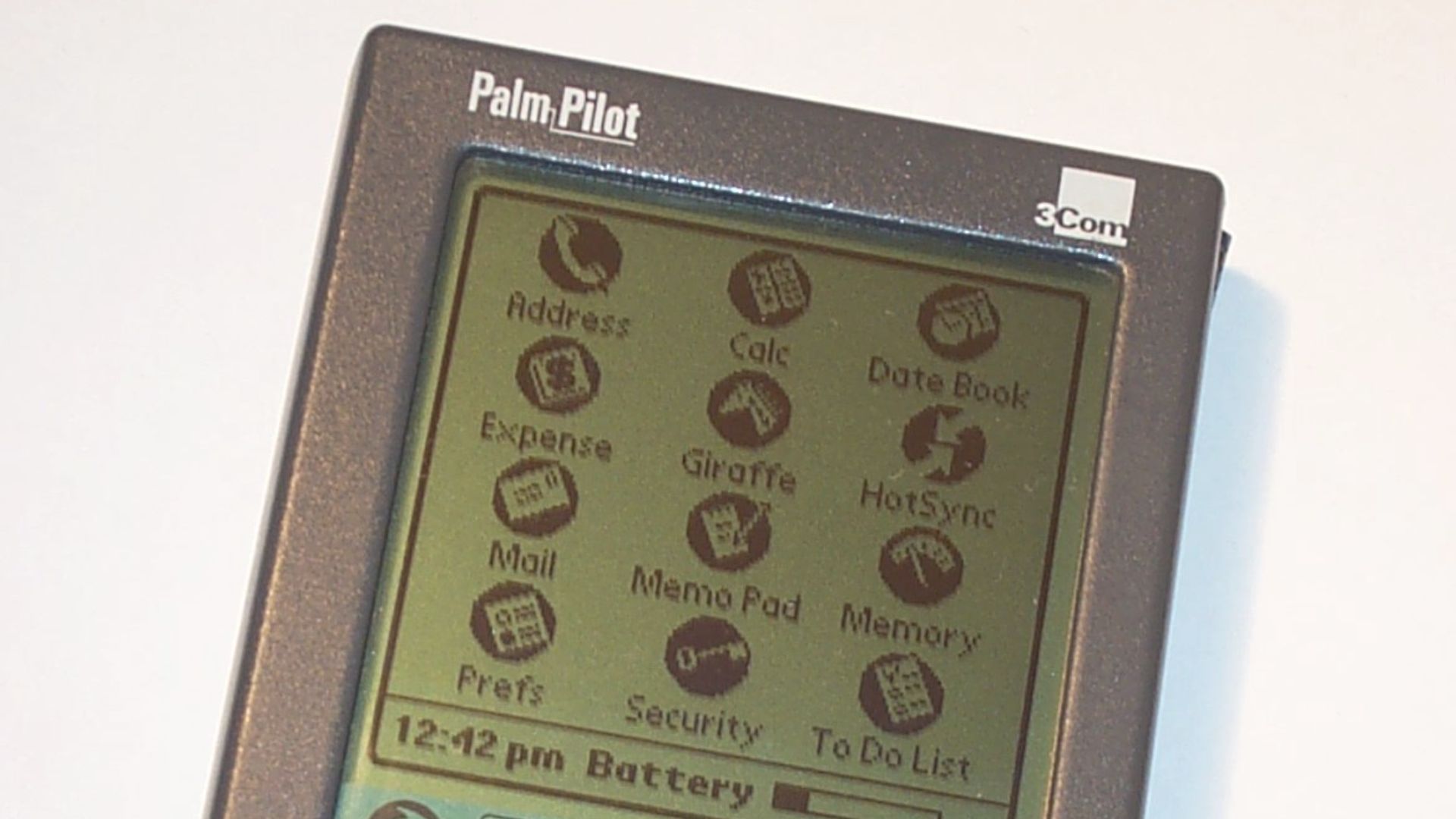
Palm Pilots and early PDAs required a physical cradle and a cable just to sync your calendar or contacts with your desktop computer. Getting the software to recognize the device at all was sometimes half the battle. It was an early glimpse of cloud syncing, built entirely on cords and a lot of patience.
10. Building A MySpace Page With Raw HTML
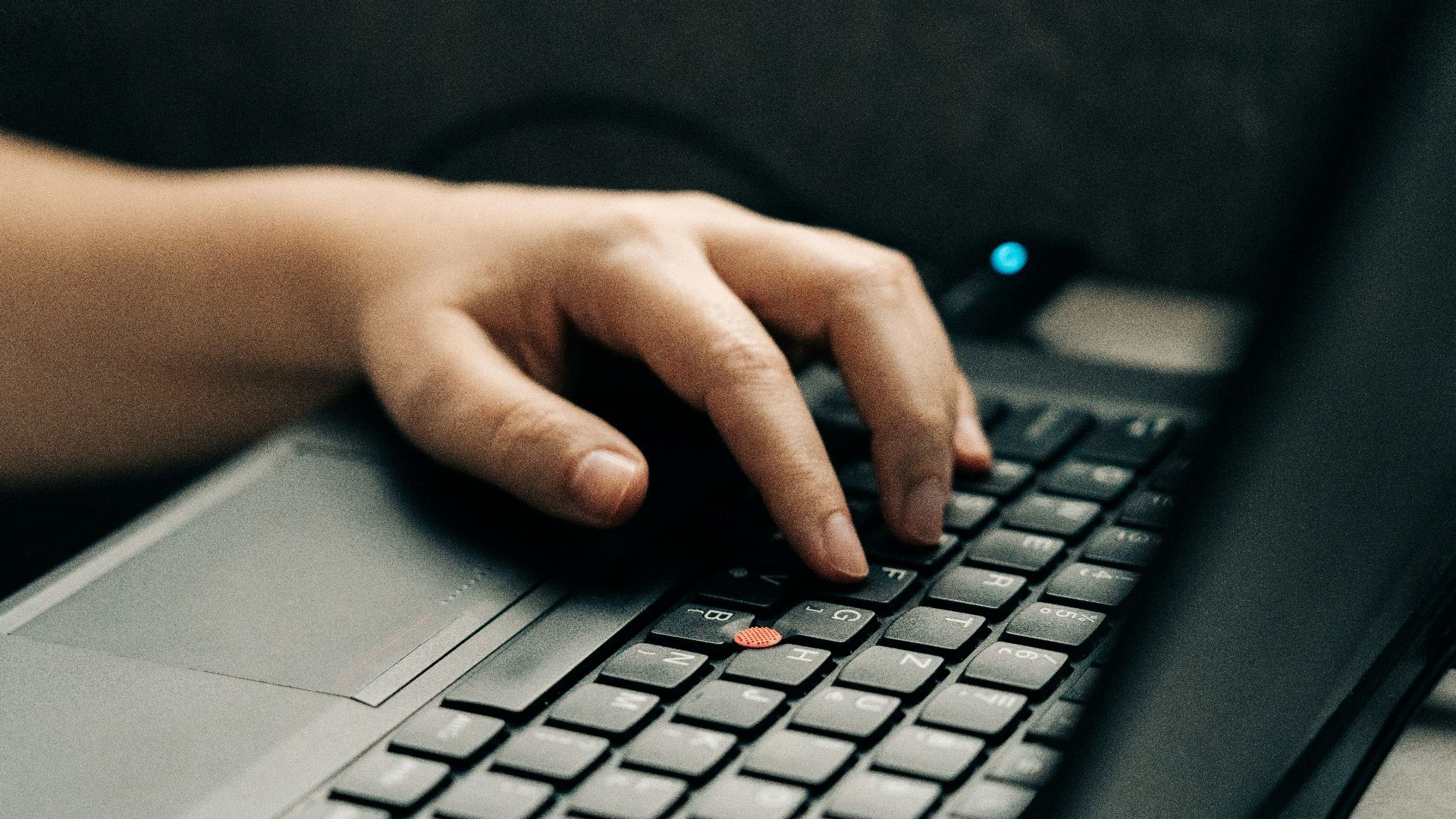
Customizing a MySpace profile meant digging into raw HTML and CSS, copying code snippets from tutorial sites and hoping you didn't break the whole layout in the process. A missing closing tag could turn your entire page into a scrolling mess. An entire generation learned basic web coding by accident, just trying to change a background color.
11. Downloading Music Off Napster
Getting a single song off Napster or a similar service meant sitting through a slow download, hoping the file wasn't mislabeled or corrupted halfway through. You had to know how to avoid fake files and dodge the viruses that sometimes came bundled with them. It was risky and unreliable, and somehow still felt like magic at the time.

12. Reading A Paper Map Or MapQuest Printout
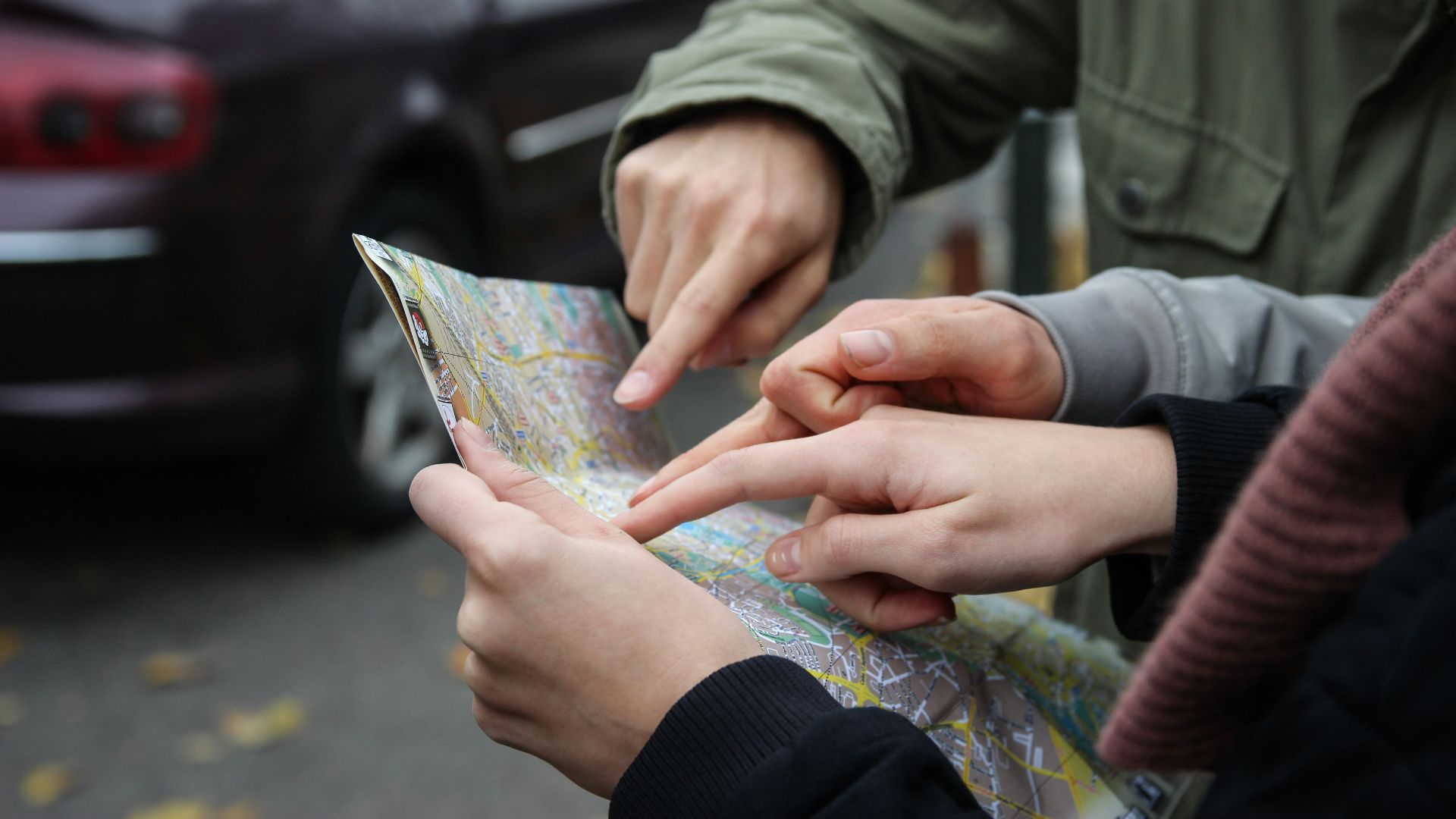
Before GPS lived in every pocket, getting somewhere unfamiliar meant printing out turn-by-turn directions from MapQuest or tracing a route on a paper map ahead of time. Missing a turn meant real trouble, since there was no voice recalculating the route for you. Being the person who could actually read a map was a real skill to have in the car.
 Sebastian Herrmann on Unsplash
13. Setting Up A Home Network By Hand
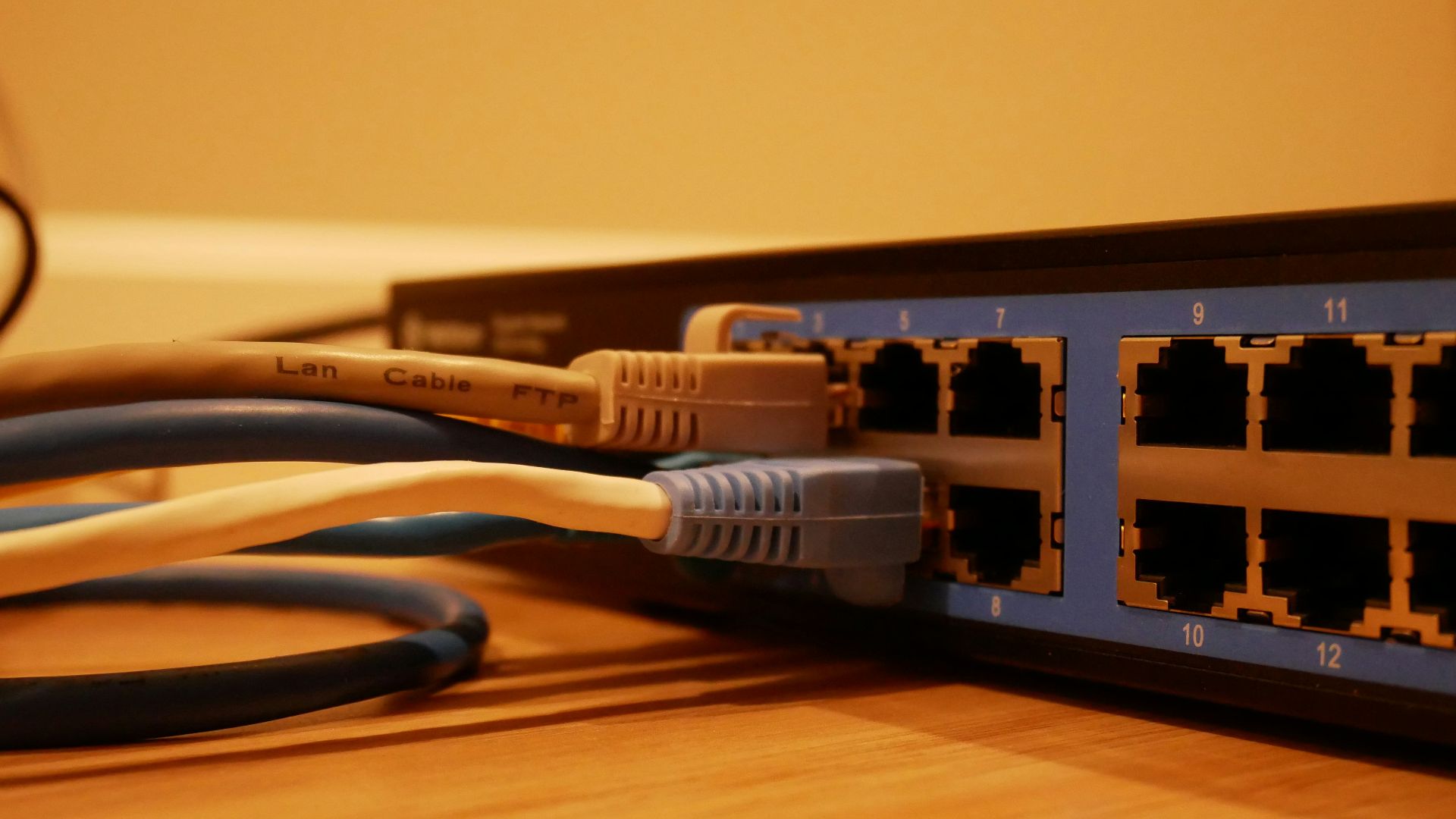
Getting multiple computers online in the same house used to require running physical Ethernet cables, configuring routers manually, and troubleshooting IP conflicts with no plug-and-play shortcut available. One wrong setting could knock the whole network offline. Wireless routers eventually made most of that knowledge unnecessary.
14. Managing AIM Away Messages
Crafting the perfect AOL Instant Messenger away message was practically a communication skill of its own, layered with song lyrics and inside jokes meant for a very specific audience. Knowing when to update it, and how cryptic to be, mattered more than it probably should have. It was an entire social language built around a feature that no longer really exists.

15. Installing Your Own RAM
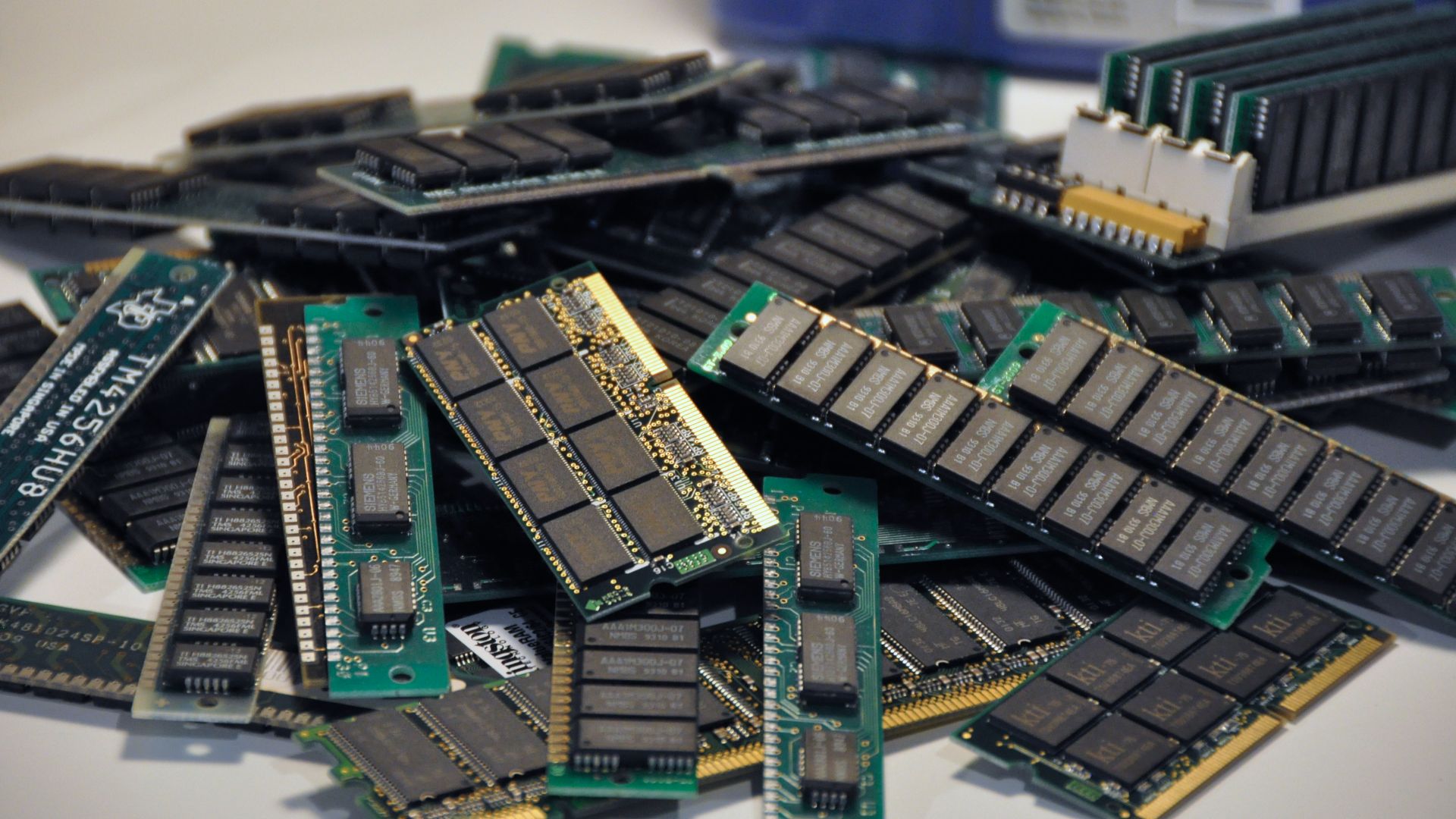
Upgrading a computer used to mean opening the case yourself, grounding your static charge, and carefully seating a new memory stick into the right slot without frying anything. Getting it wrong could mean a computer that wouldn't boot at all. Plenty of people learned basic computer hardware just by needing more memory to run a game.
16. Programming A Universal Remote
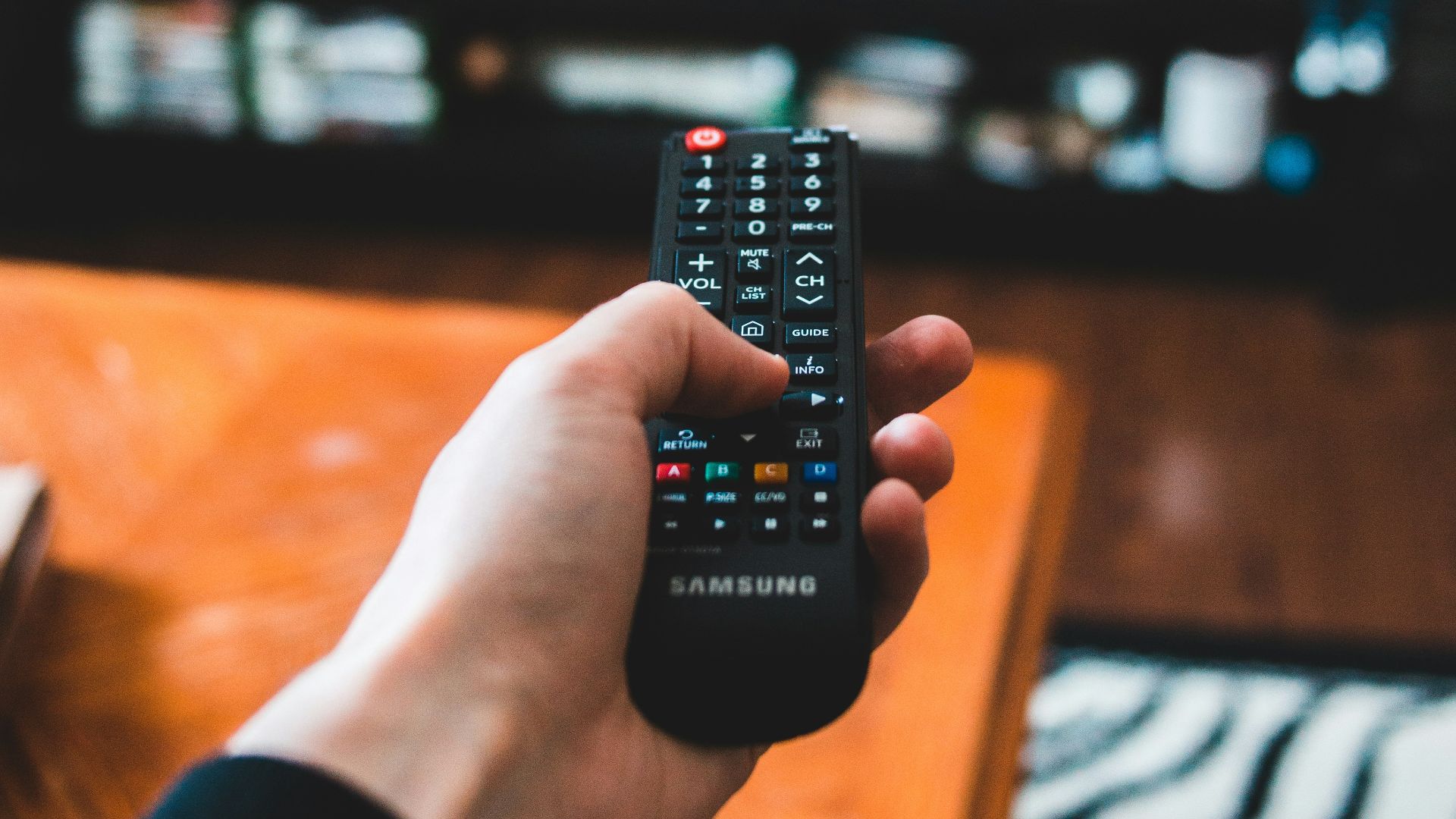
Getting one remote to control your TV, DVD player, and cable box meant punching in manufacturer codes from a booklet and testing each button until something actually worked. If you lost that booklet, you were stuck juggling three remotes again. Smart TVs and streaming apps mostly erased the need for that particular skill.
17. Uploading Photos Via USB Cable
Getting pictures off a digital camera meant connecting a USB cable, installing the right driver software, and manually transferring files into folders you had to organize yourself. There was no automatic backup happening in the background. Losing that cable, or the installation disc, could mean photos stuck on the camera indefinitely.
 https://kaboompics.com/ on Pexels
18. Memorizing Passwords Without A Manager
Before password managers existed, keeping track of a dozen different logins meant either memorizing all of them or writing them down somewhere and hoping nobody found the list. People developed elaborate personal systems just to keep their accounts straight. Forgetting one usually meant a frustrating, multi-step recovery process with no quick reset link waiting.

19. Navigating Web Portals Before Search Got Good
Before search engines got reliable, finding anything online often meant browsing curated directories on sites like Yahoo, clicking through nested categories to land on a relevant page. Knowing your way around those directories was its own kind of internet literacy. Once search results actually got useful, that whole browsing skill became mostly irrelevant.
 AI25.Studio AI GENERATIVE on Pexels
20. Ripping A CD Into MP3s
Getting music from a physical CD onto a computer or an early MP3 player meant ripping the tracks yourself, choosing the right bitrate, and manually tagging each file with the correct song and artist information. Get the settings wrong and you'd end up with a folder of files labeled "Track 1" through "Track 12" forever. It was tedious work that streaming eventually made completely unnecessary.