Some Corners Of The Internet Are Rougher Than Others
Every fandom starts the same way, a shared love for something, maybe a Discord server or subreddit that grows faster than anyone expected. What happens after that varies wildly, and anyone who's spent time online has a pretty strong sense of which communities to approach carefully. Some fandoms have developed reputations for review-bombing, and a level of gatekeeping that scares off anyone who isn't already deeply invested. Others have built the opposite reputation entirely, creating spaces where newcomers get welcomed instead of interrogated. Here's 10 fandoms known for their toxic reputation, and 10 known for being some of the kindest communities online.
1. Sonic The Hedgehog
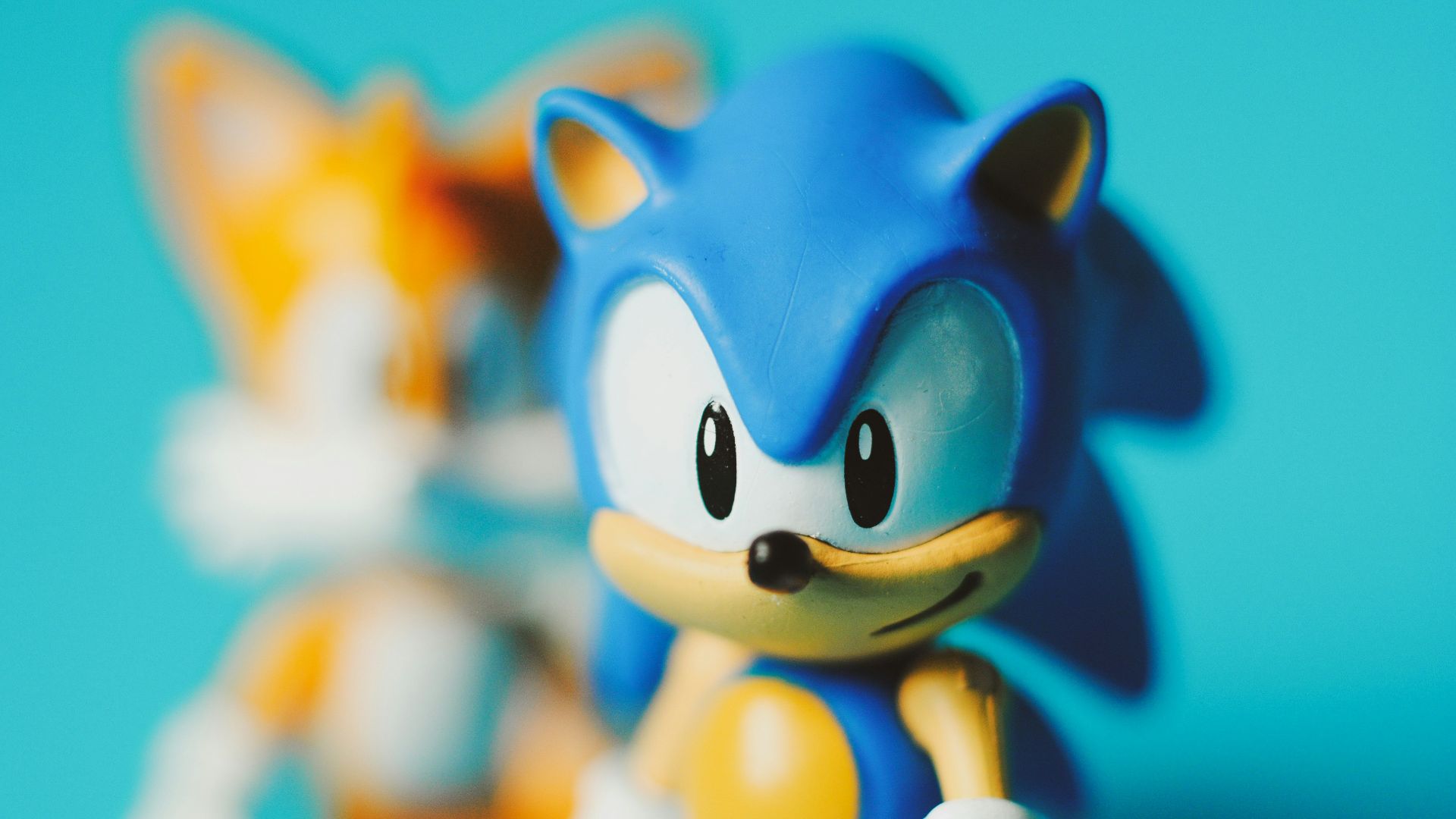
The Sonic fandom has a long, well-documented history of hostility toward developers, voice actors, and anyone perceived as disrespecting the franchise's legacy. Death threats over character redesigns became so common that they've shown up in actual news coverage more than once. It's a community capable of real passion, but that passion has repeatedly tipped into genuinely disturbing territory.
2. Star Wars
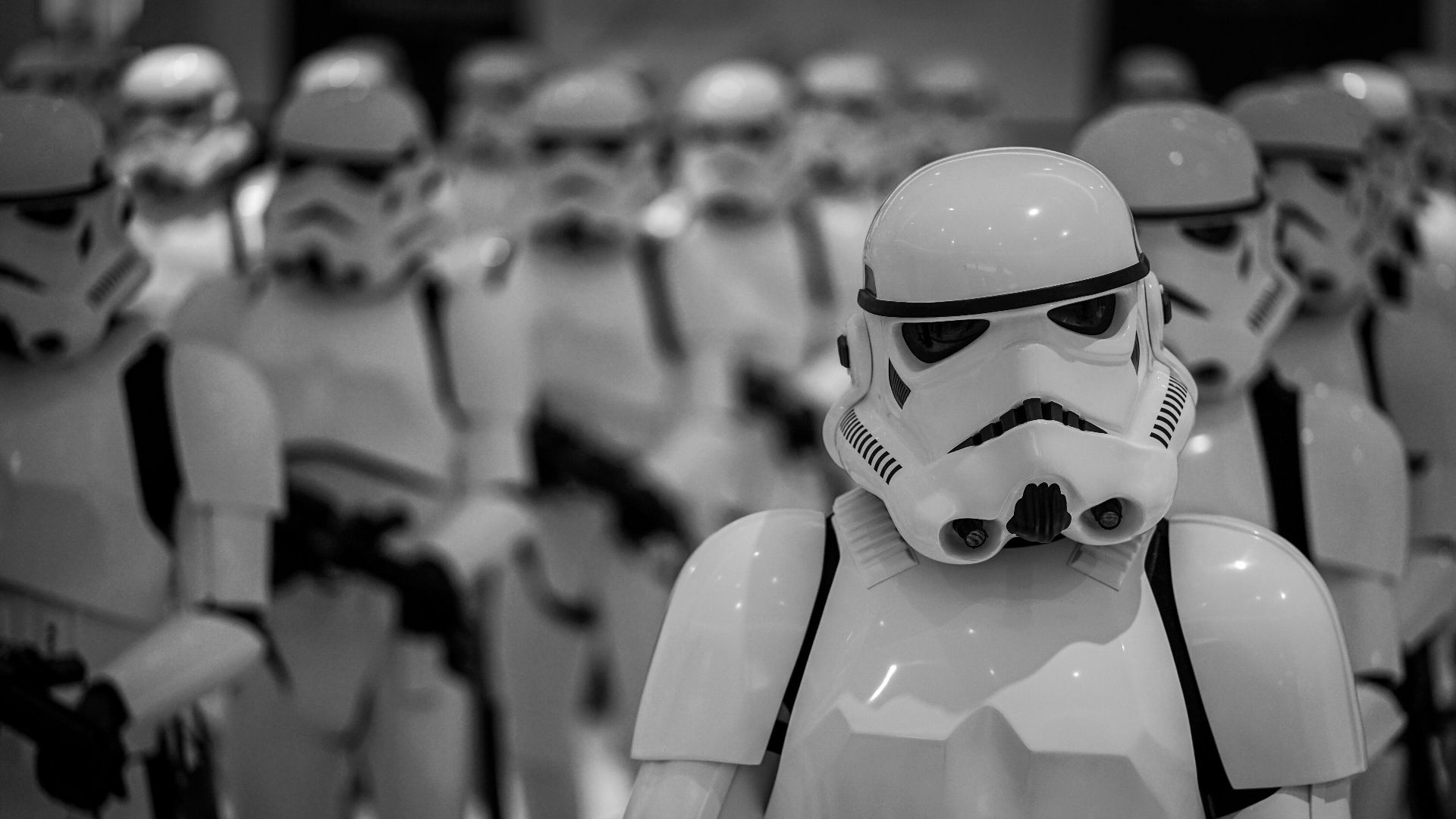
Certain corners of Star Wars fandom have turned nearly every new release into a battleground, with actors facing coordinated harassment campaigns over casting decisions and plot choices they had no control over. Kelly Marie Tran left social media entirely after sustained abuse following her role in The Last Jedi. The backlash cycle has repeated with almost every major release since.
 Agnieszka Stankiewicz on Unsplash
3. League Of Legends
Riot Games' own data has repeatedly shown League of Legends as one of the most toxic in-game chat environments in competitive gaming, prompting the company to build entire moderation systems specifically to manage it. Ranked matches in particular tend to bring out hostility that spills well beyond the game itself. The competitive stakes seem to amplify behavior that other gaming communities manage to keep in check.
4. Anime Twitter
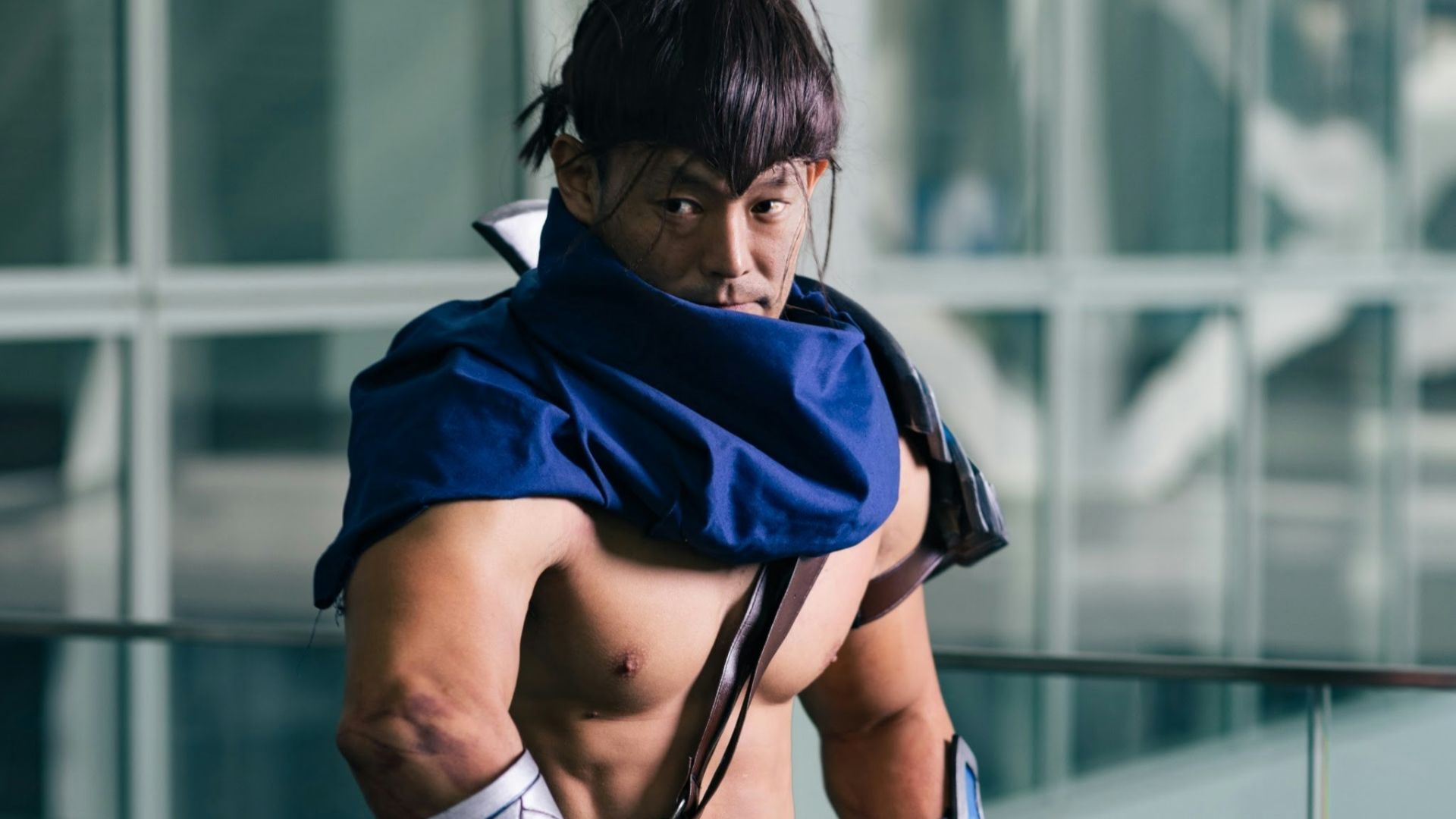
Fandom wars within anime Twitter have produced some of the most relentless harassment campaigns online, often triggered by nothing more than a difference of opinion on a character or ship. Voice actors and artists have been driven off the platform entirely after finding themselves at the center of pile-ons. The speed at which these disputes escalate has become something of a running joke, and a real problem, at the same time.
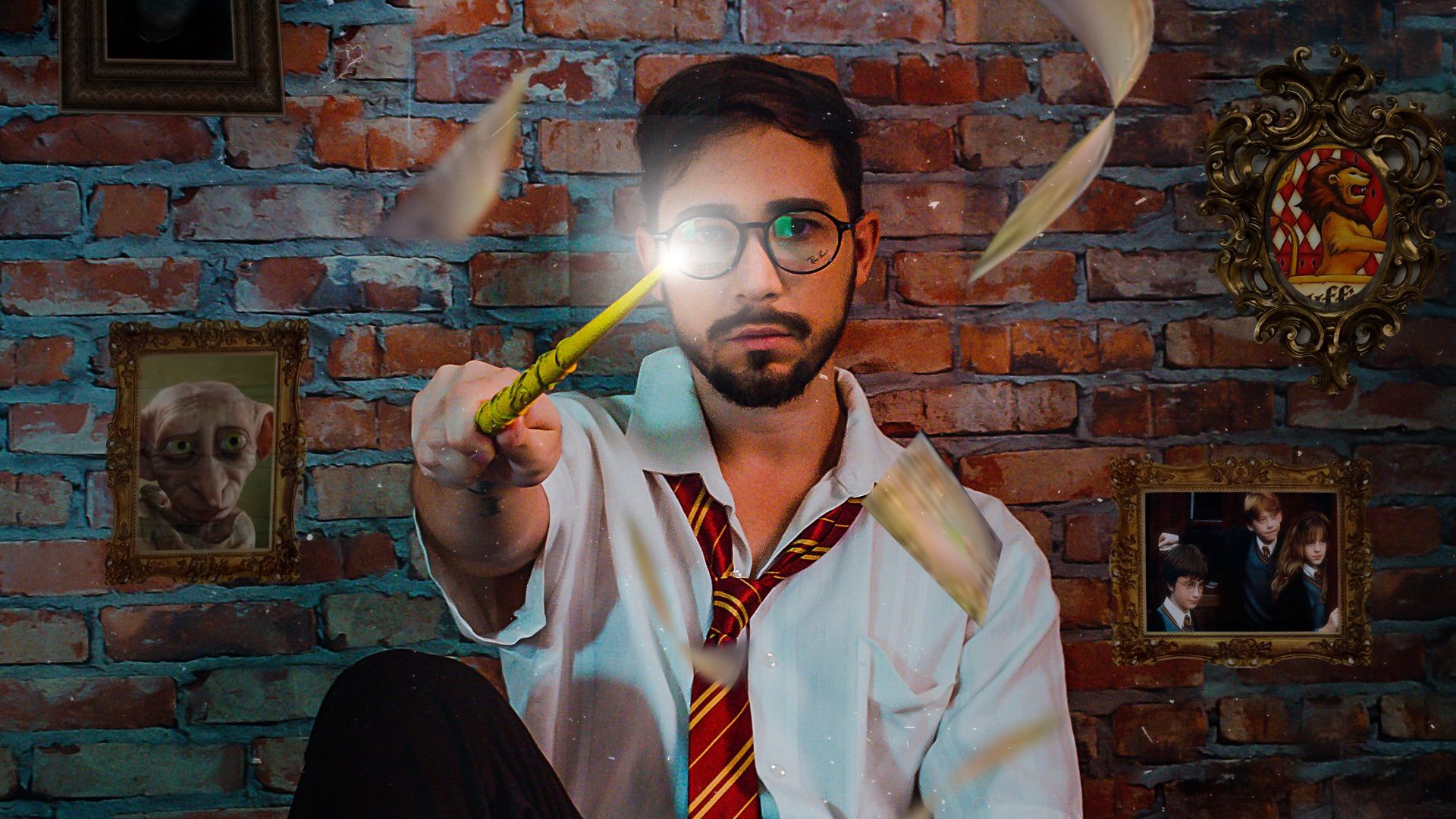
5. Harry Potter
Once one of the most unified fan communities online, the Harry Potter fandom has splintered dramatically in recent years, with different factions attacking each other over the franchise's association with J.K. Rowling's public statements. Fan creators on both sides have faced doxxing and harassment for where they land on the debate. The division has made what used to be a fairly welcoming space feel genuinely hostile for a lot of longtime fans.
6. Dota 2
Dota 2's in-game chat has a reputation rough enough that Valve built a behavior score system specifically to try to contain it, and even that hasn't fully solved the problem. New players are routinely flamed for mistakes in a way that's driven no small number of them away from the game entirely. The skill ceiling seems to invite a level of contempt for beginners that few other games match.
7. Genshin Impact
Genshin Impact's fandom has built a reputation for aggressive gatekeeping around character preferences and spending habits, with players who criticize the game's monetization frequently facing pile-ons from more defensive fans. Content creators who voice even mild criticism often find their comment sections flooded within hours. The community's intensity mirrors the game's own relentless content cycle.
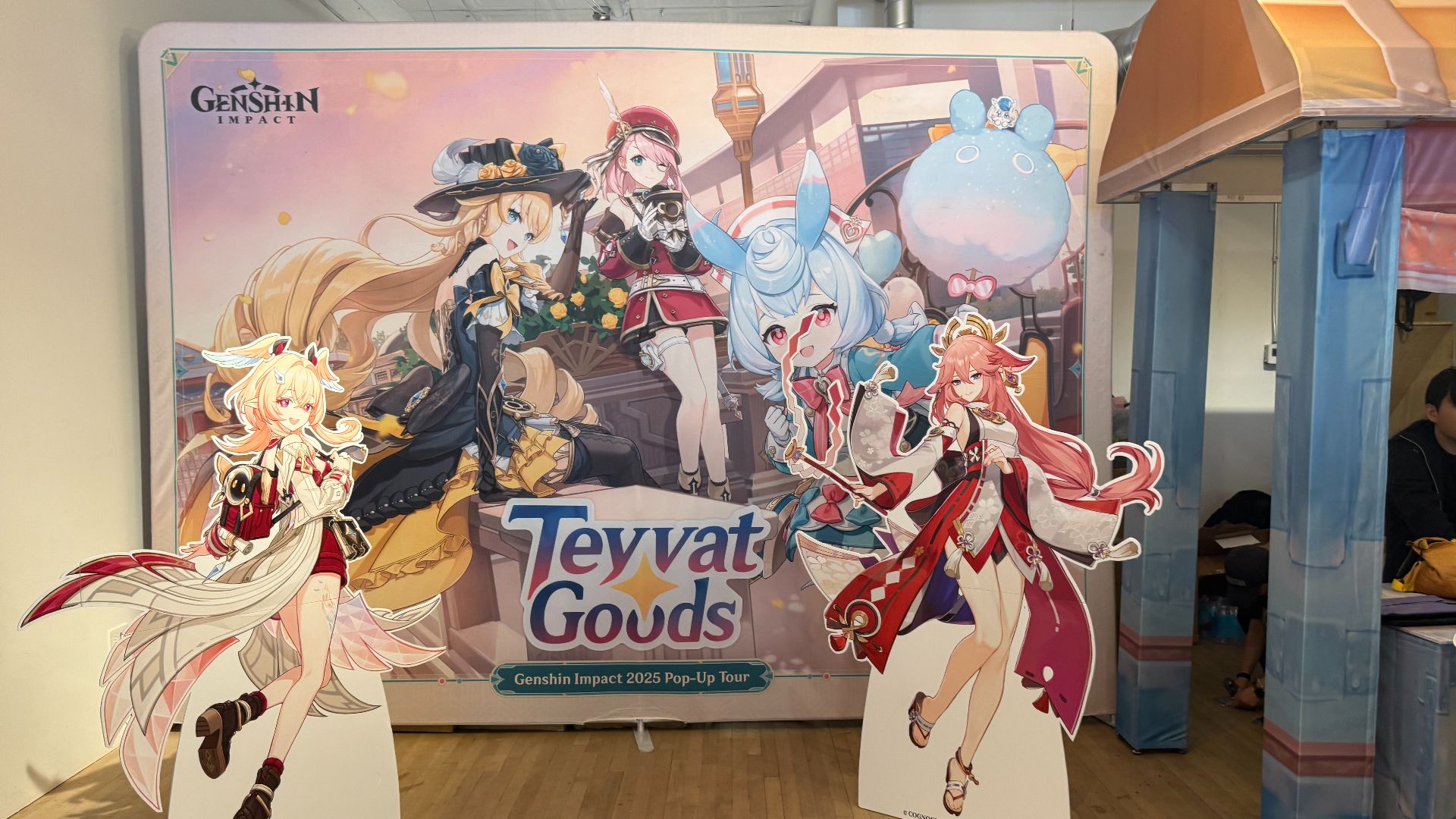
8. Call Of Duty
Voice chat in Call of Duty has been infamous for years, with harassment, slurs, and outright threats common enough that many players simply mute lobbies by default. Younger and newer players in particular describe the environment as openly hostile from the first match. Multiple studies on online gaming toxicity have used Call of Duty lobbies as a specific case study.
9. K-pop Stan Twitter
Rival fandoms within K-pop Twitter have engaged in coordinated harassment campaigns against each other for years, sometimes escalating to doxxing over arguments about chart placements or award show results. Idols themselves have occasionally had to publicly ask their own fans to stop attacking other groups on their behalf. The scale and coordination involved has drawn attention from researchers studying online mob behavior.
10. Rick And Morty
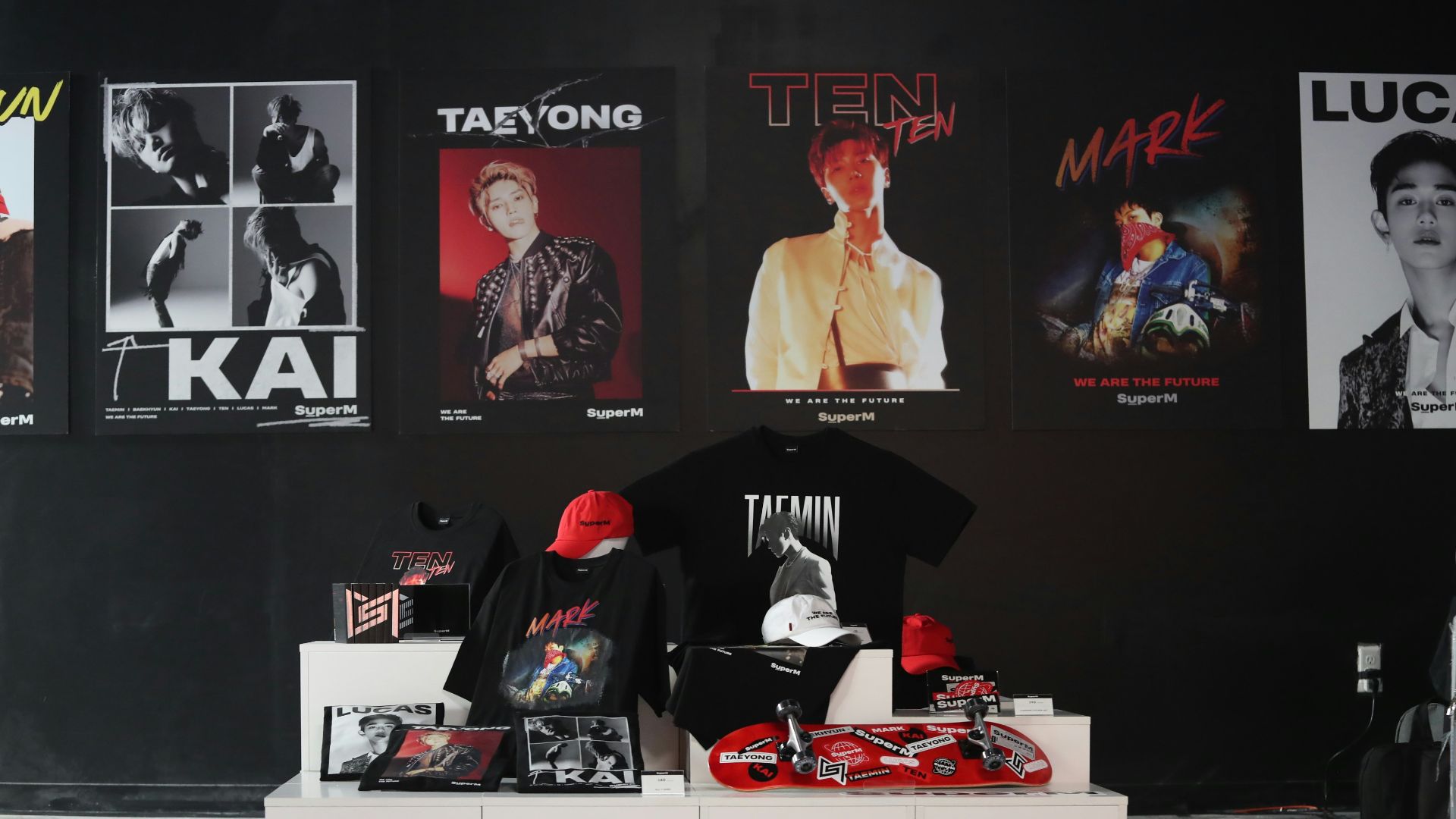
Following the show's early success, a vocal segment of Rick and Morty's fandom became infamous for an entitled, aggressive reaction to a fast food promotional sauce running out, complete with confrontations at restaurants. The backlash became such a widely mocked cultural moment that it ended up shaping public perception of the entire fandom for years. The show's own writers have referenced the incident, somewhat uncomfortably, in later episodes.
And now, here are 10 fandoms that built the opposite reputation entirely.
1. Ted Lasso
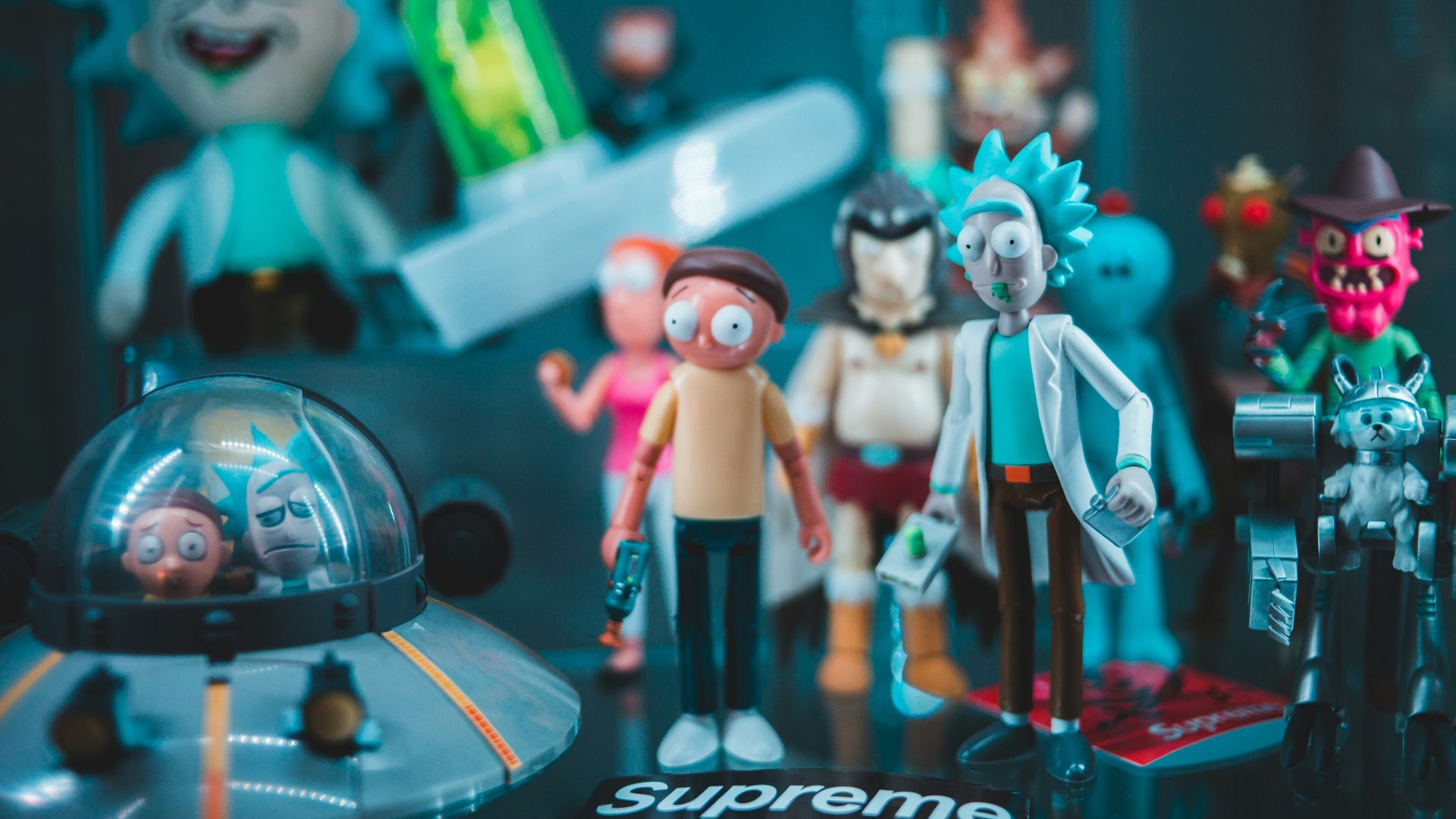
The Ted Lasso fandom largely absorbed the show's own message of kindness, and online spaces dedicated to it are consistently described as some of the most supportive corners of fan culture. Disagreements about the show still happen, but they rarely turn hostile the way they might elsewhere. It's become something of a go-to example when people talk about fandoms getting it right.
2. Bob's Burgers
Fans of Bob's Burgers have built a reputation for warmth that mirrors the show itself, with fan art and discussion spaces generally free of the gatekeeping that plagues other animated fandoms. New fans report feeling welcomed rather than tested on trivia before being taken seriously. The tone of the community seems to genuinely reflect the low-key, family-first spirit of the show.
 Glenn Carstens-Peters on Unsplash
3. Stardew Valley
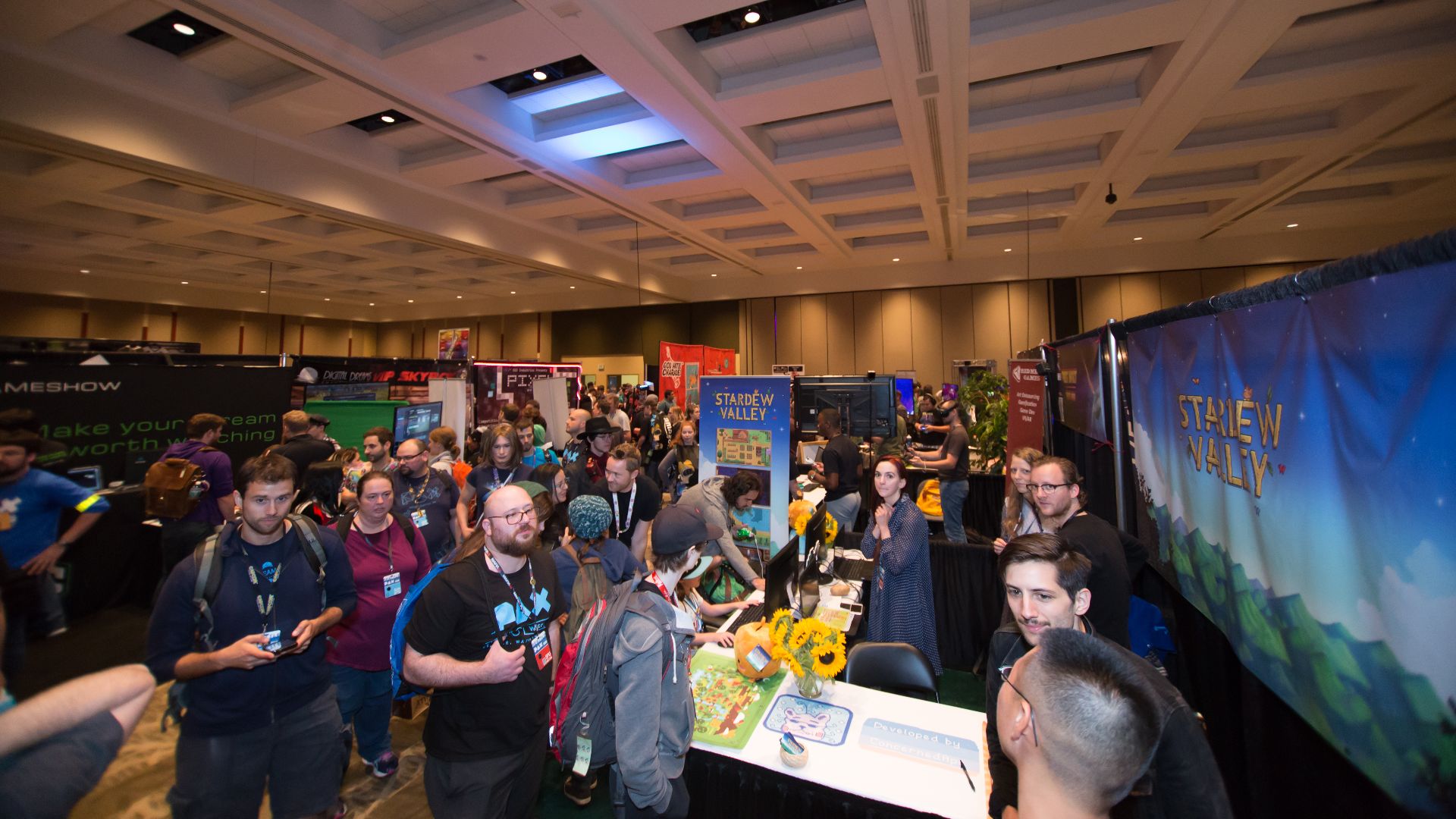
The Stardew Valley community, built largely around a solo developer's passion project, has a reputation for encouragement over competition, with players sharing farm designs and tips without the usual gatekeeping. Modding communities in particular tend to credit each other generously rather than compete for attention. The game's cozy tone seems to have shaped the temperament of the people who gathered around it.
4. Animal Crossing
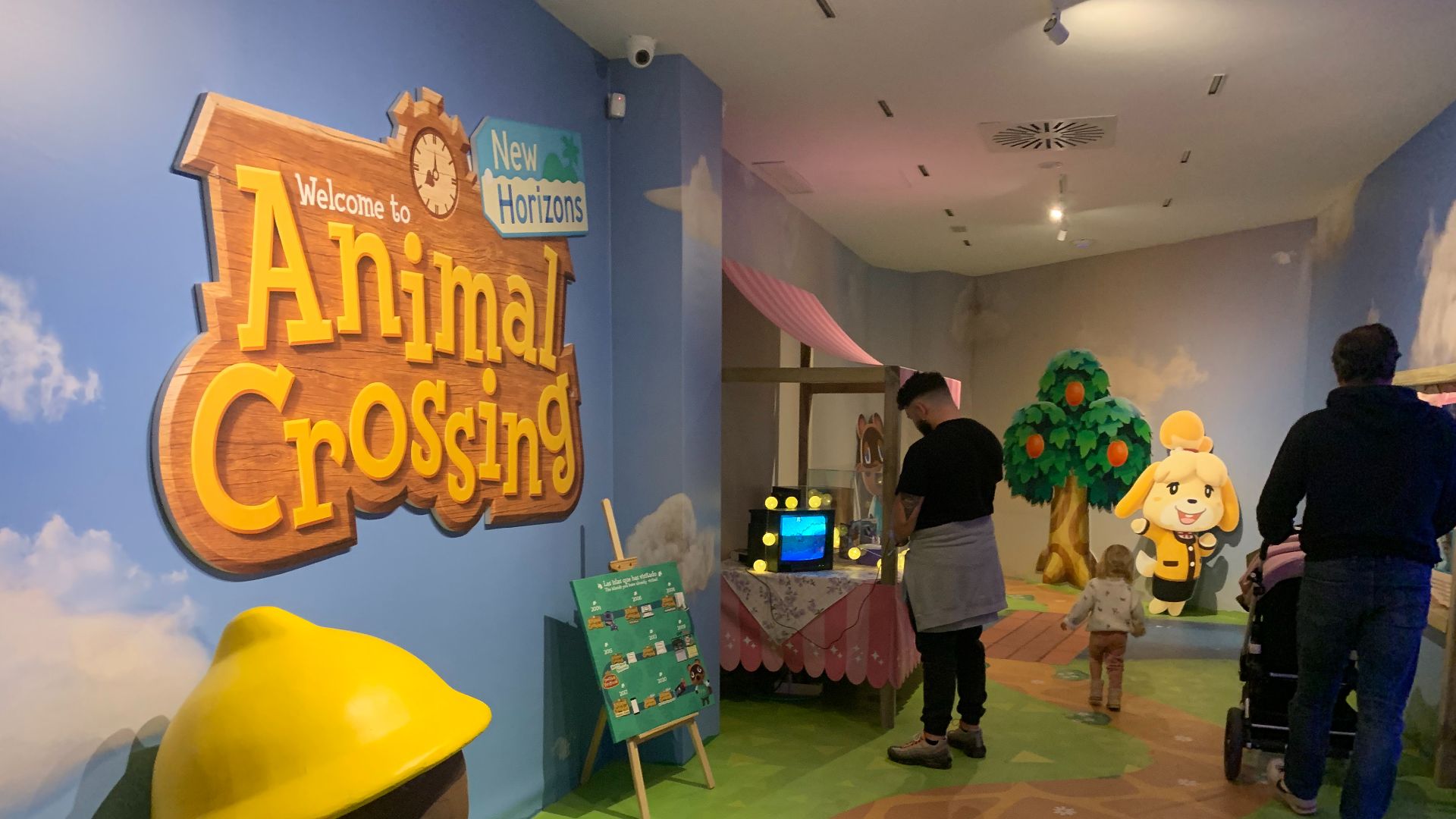
Animal Crossing fans built an entire culture around visiting each other's islands and giving away items for free, especially during the early pandemic surge in the game's popularity. Trading communities developed clear norms around generosity, and scamming is treated as a serious breach of community trust rather than a minor annoyance. The game's gentle pace seems to have selected for an unusually patient fan base.
5. My Little Pony
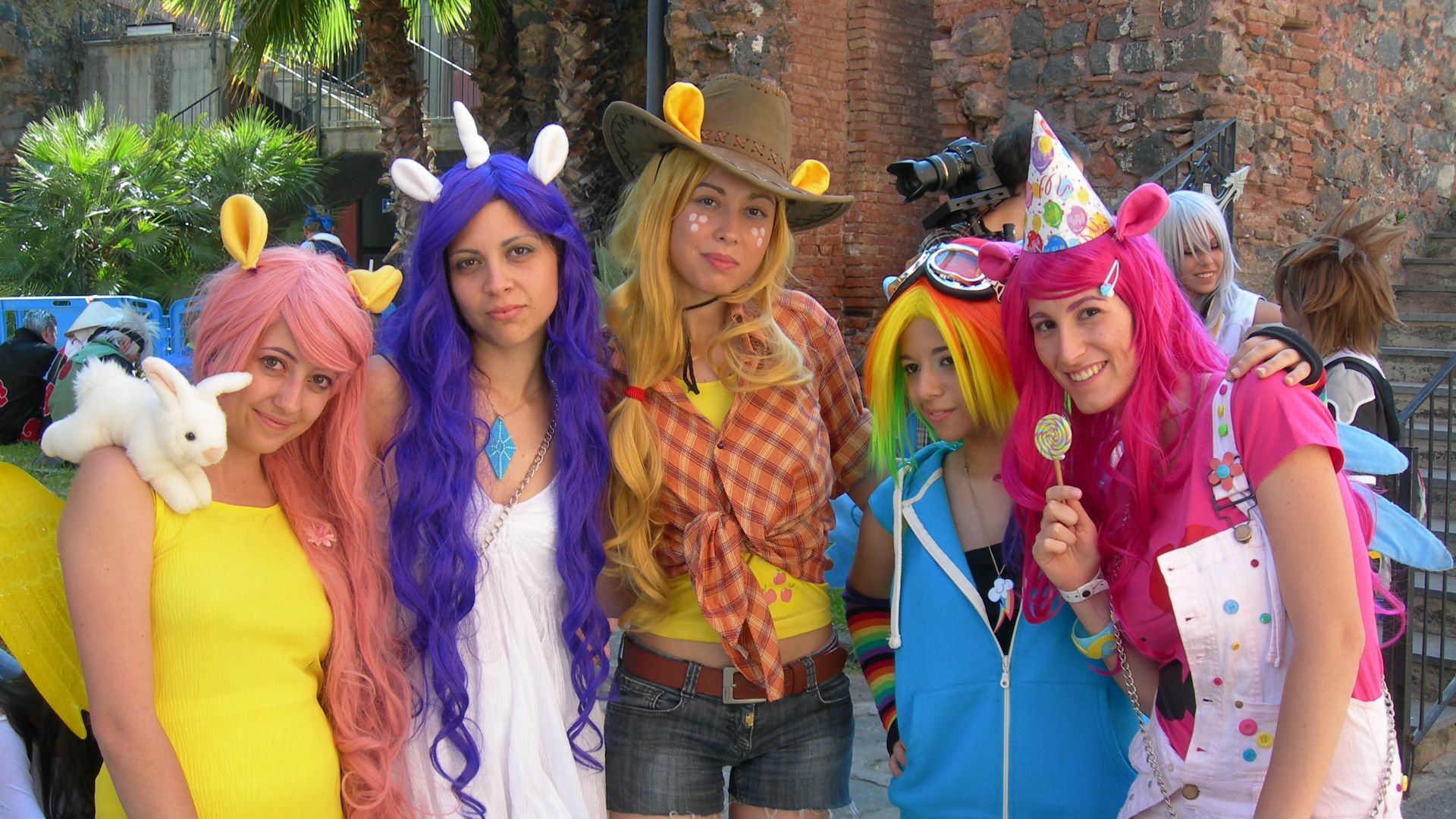
Despite some rocky early years, the modern My Little Pony fan community, including its unexpectedly large adult fan base, has developed a reputation for inclusivity and mutual support that surprises people unfamiliar with it. Fan conventions are frequently described as some of the friendliest in any fandom space. Longtime fans often credit the community itself, more than the show, for keeping them involved for years.
6. LEGO Fan Communities
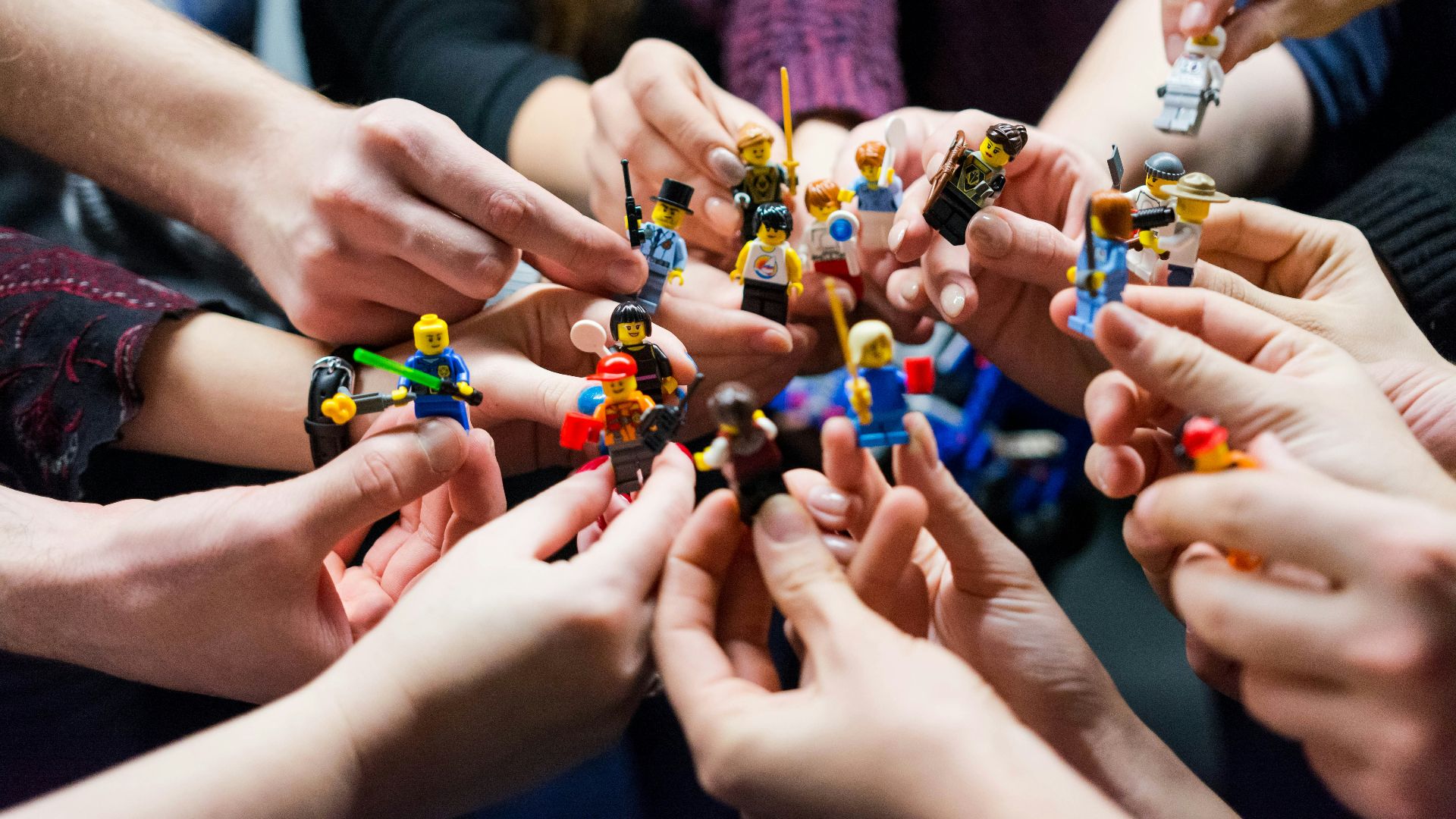
Adult LEGO fans, often called AFOLs, have built an online culture centered on showing off builds and offering genuine technique tips rather than tearing each other down. Even elaborate, expensive projects tend to get met with encouragement instead of gatekeeping over how "serious" a builder someone is. The hobby's slow, patient nature seems to carry over into how people treat each other in the comments.
7. Choir And A Cappella Fan Communities
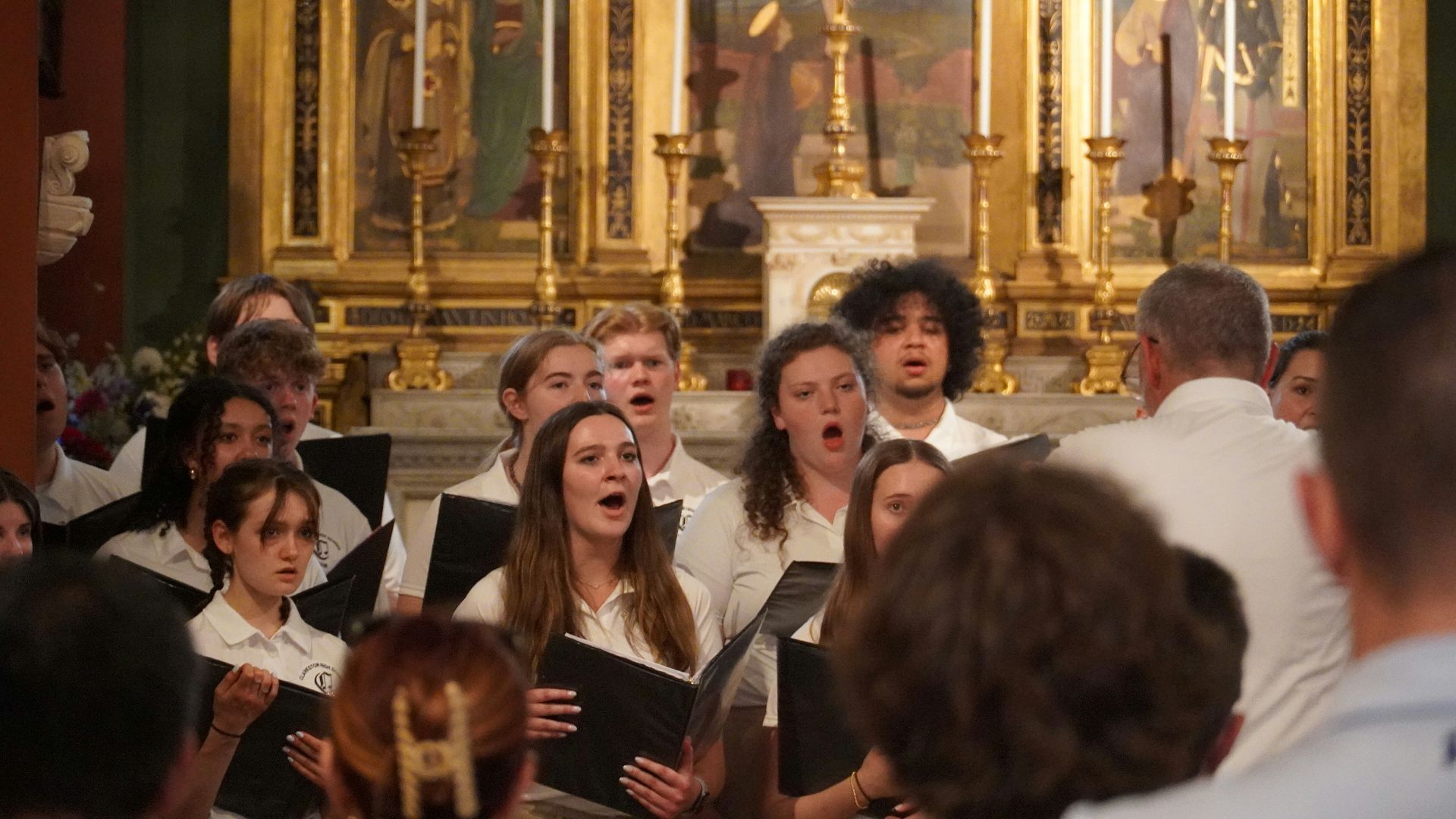
Fans of competitive a cappella and choir content, boosted significantly by shows like Pitch Perfect, have built online spaces known for genuine enthusiasm rather than rivalry. Amateur singers post covers and routinely receive supportive, specific feedback instead of criticism. The niche size of the community seems to keep the tone personal rather than combative.
8. Bluey
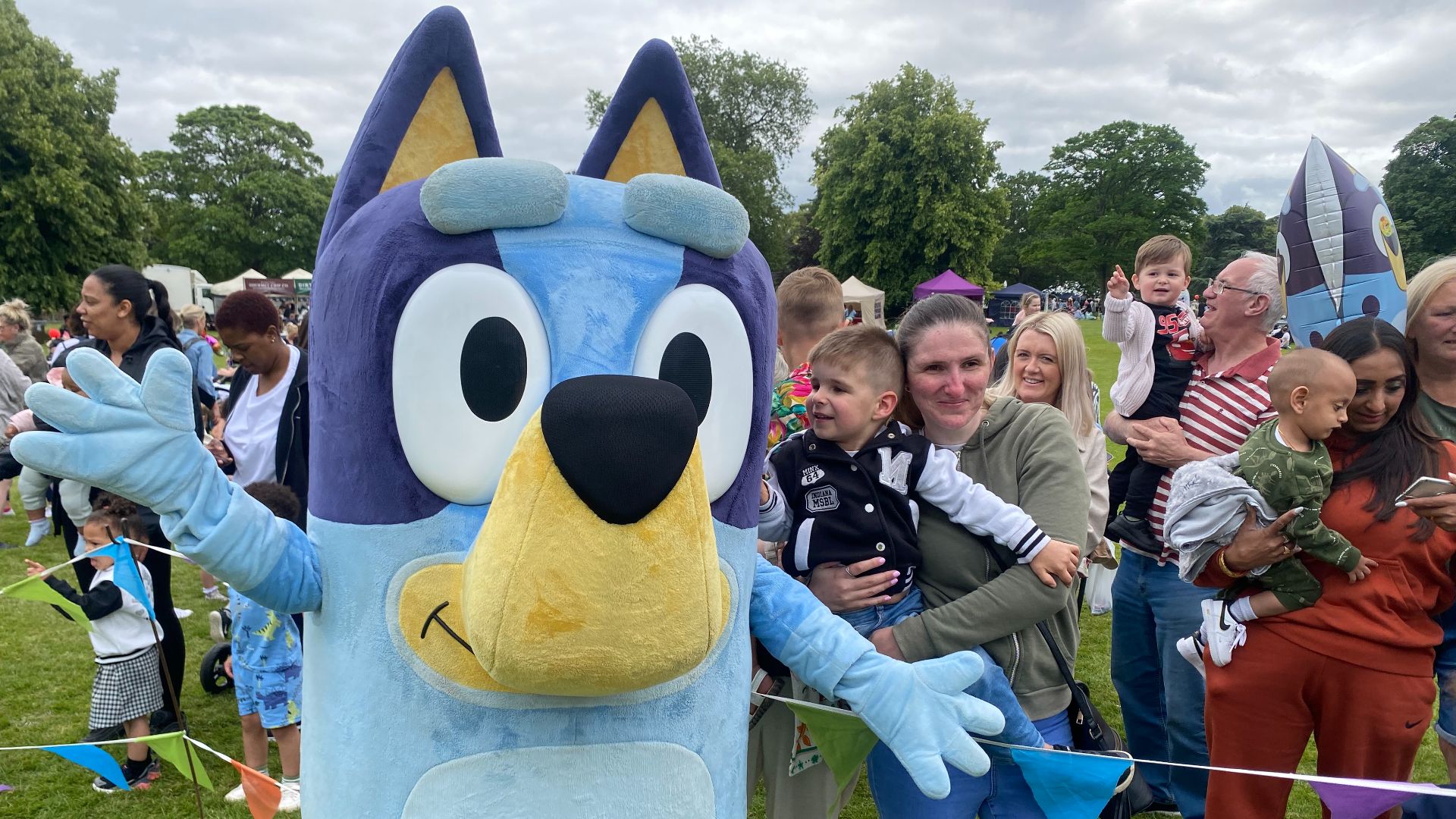
Parents and fans of Bluey have built one of the more consistently positive fan communities in recent memory, largely centered on sharing how the show has helped with real parenting moments. Discussion spaces tend to stay warm even when debating individual episodes. The show's emotional sincerity appears to carry directly into how its fans treat each other.
9. Critical Role
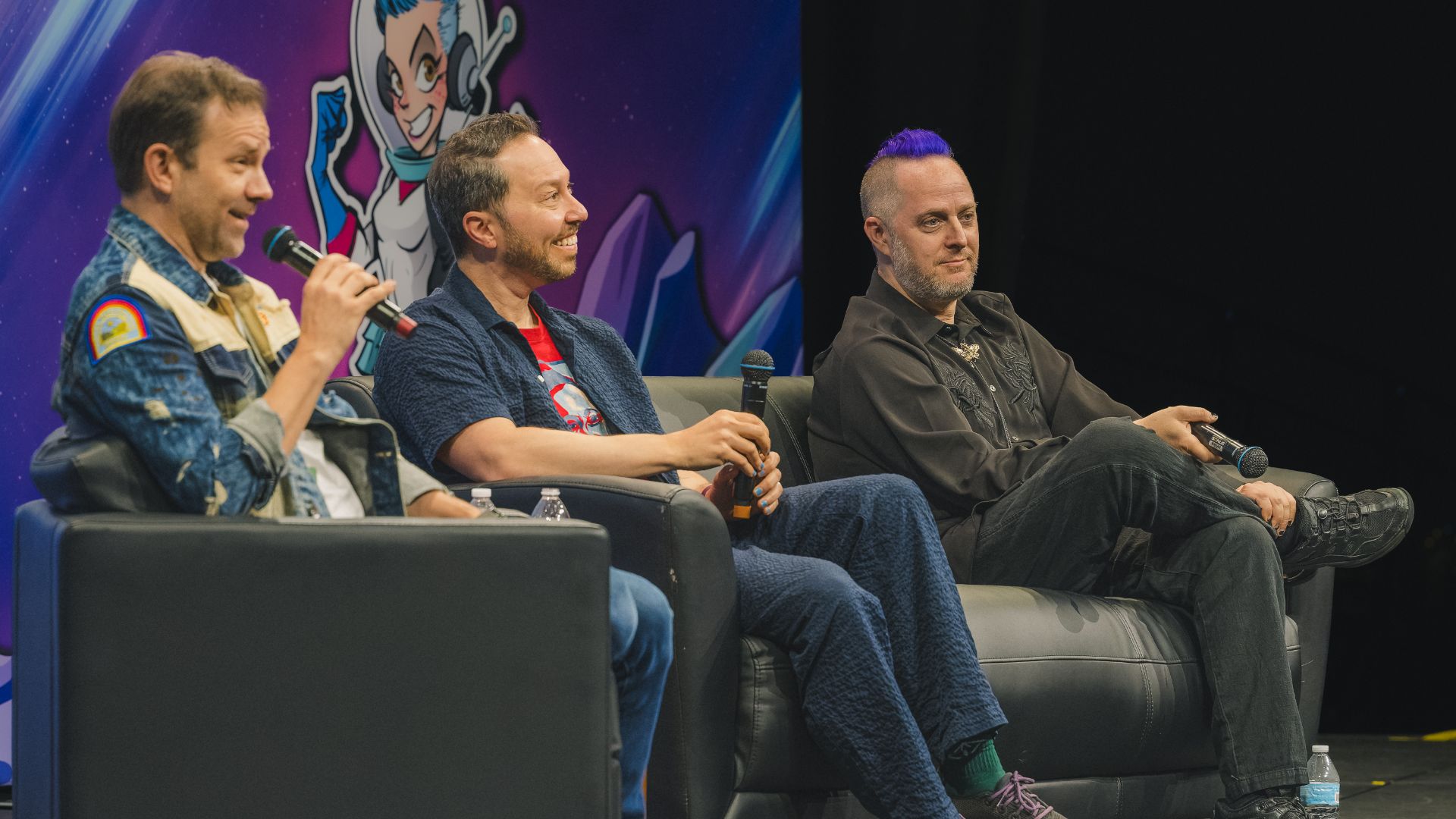
Fans of the actual-play D&D show Critical Role have built a community known for welcoming newcomers regardless of how much Dungeons & Dragons lore they actually know going in. Fan art, fan fiction, and even amateur campaign advice tend to get met with genuine enthusiasm rather than gatekeeping over "real" nerd credentials. The cast's own emphasis on kindness and inclusivity seems to have set the tone for how fans treat each other.
10. Studio Ghibli
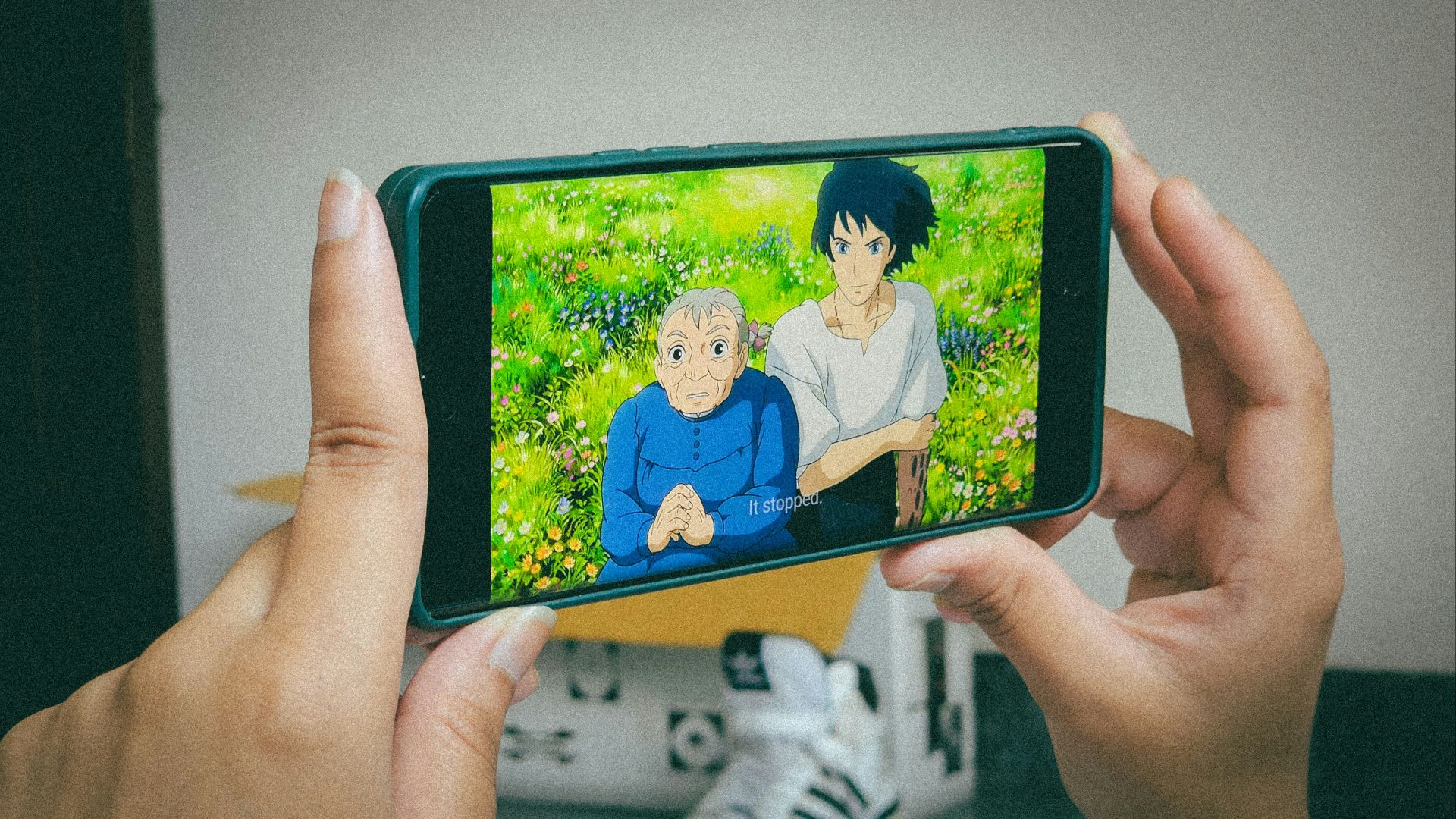
Fans of Studio Ghibli films have built a community defined more by shared appreciation than rivalry, with relatively little of the gatekeeping that shows up in other anime-adjacent spaces. Discussions tend to focus on themes and animation craft rather than tearing down other fans' takes. The films' own emphasis on gentleness and care seems to have shaped the tone of the people who gather around them.