The Forever GOAT
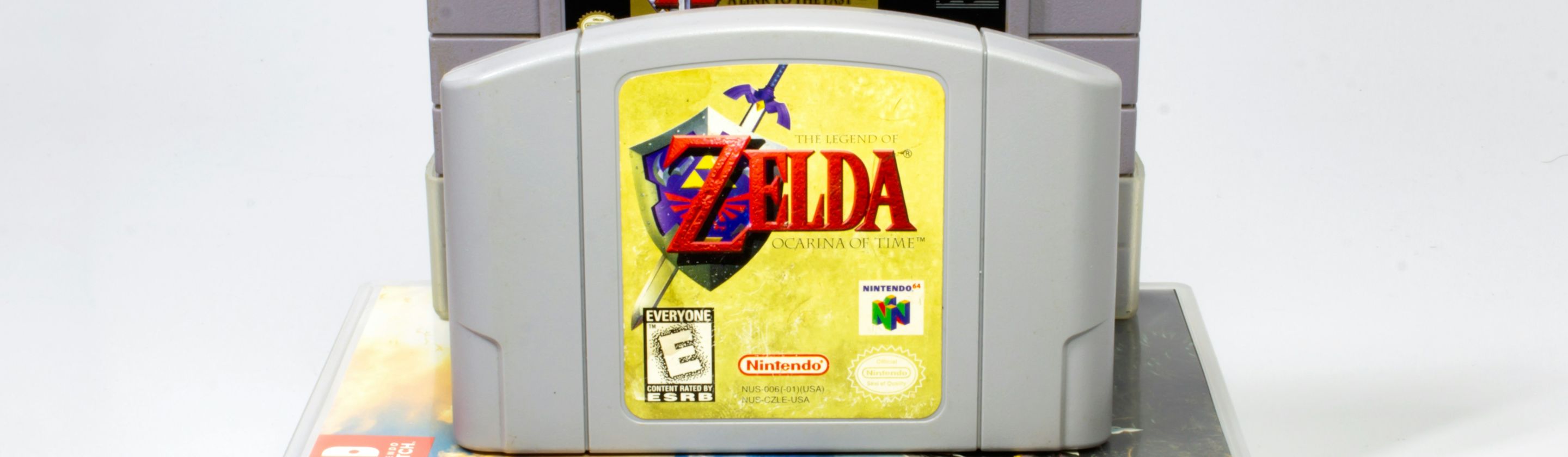
Games go through a popularity cycle, disappearing and reappearing based on a never-ending stream of content. If they’re particularly unlucky, they fade out of the pop culture lexicon entirely. The Legend of Zelda: Ocarina of Time hasn’t had that problem. It arrived at a time when game makers were still learning how to build big 3D worlds that felt easy and fun to explore, and it soon became the foundation for the style of gaming we see today. Sure, its Hyrule might look small beside today’s giant open worlds, but its camera, combat, music, and time-travel story still feel familiar. Here are 20 facts about The Legend of Zelda: Ocarina of Time.

1. The First 3D Zelda Adventure
Ocarina of Time was the first game in The Legend of Zelda series to use 3D graphics. This massive change meant the team had to rethink just about everything, from movement, combat, the camera, and how players found their way around.
2. Link Travels Across Time
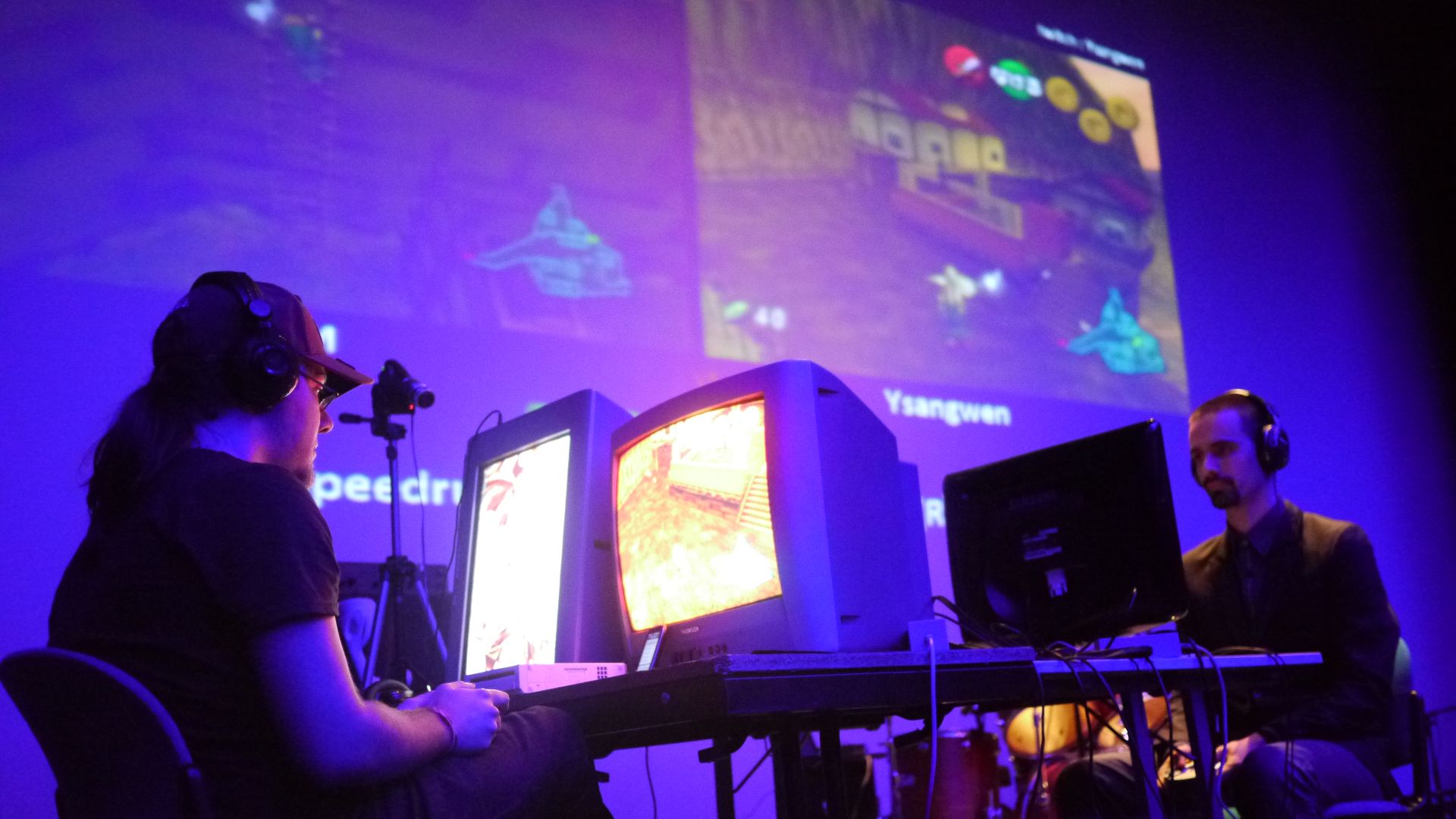
Maybe a little obvious to those who have played the game, but possibly new to those who haven’t. Time travel has become a staple in the Zelda franchise, and this game is no exception. While you begin as Young Link, your discovery of the Master Sword shoots the player seven years into the future.

3. Adult Link Came First
The first version of the game only featured Adult Link, since he seemed like the better fit for sword fights against large enemies. Young Link was added later, which required devs to rethink the story and the implementation of time travel. It’s hard to picture the finished game without him now.
4. Young Link Reused Adult Link’s Motions
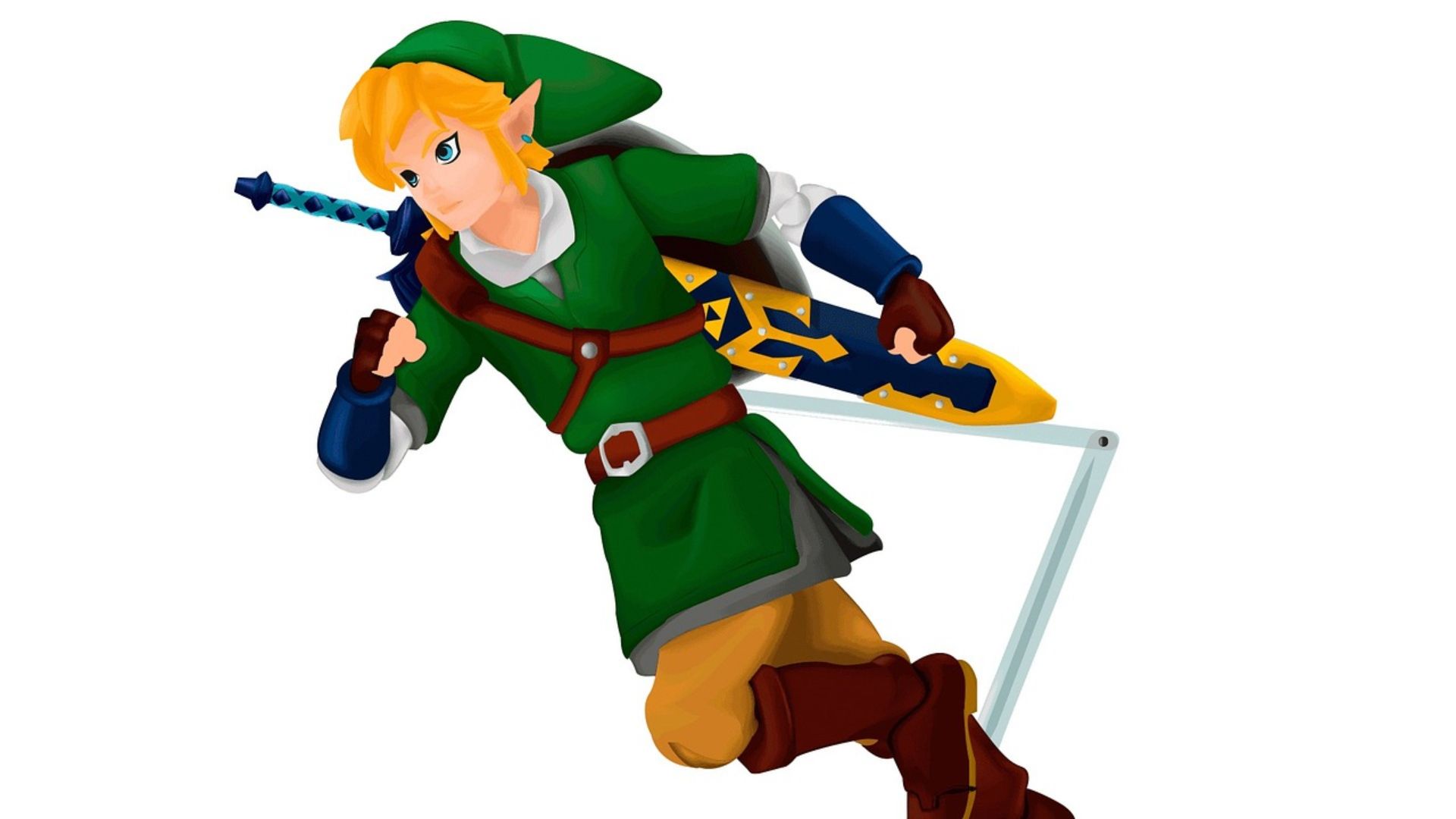
Adding Young Link created a big animation problem, as this change came late in development. The team got around it by scaling down Adult Link’s model and reusing the same movement data. That helped the two versions of Link feel connected, and it saved the team from having to rebuild every single motion.
5. Navi Began as a Combat Aid
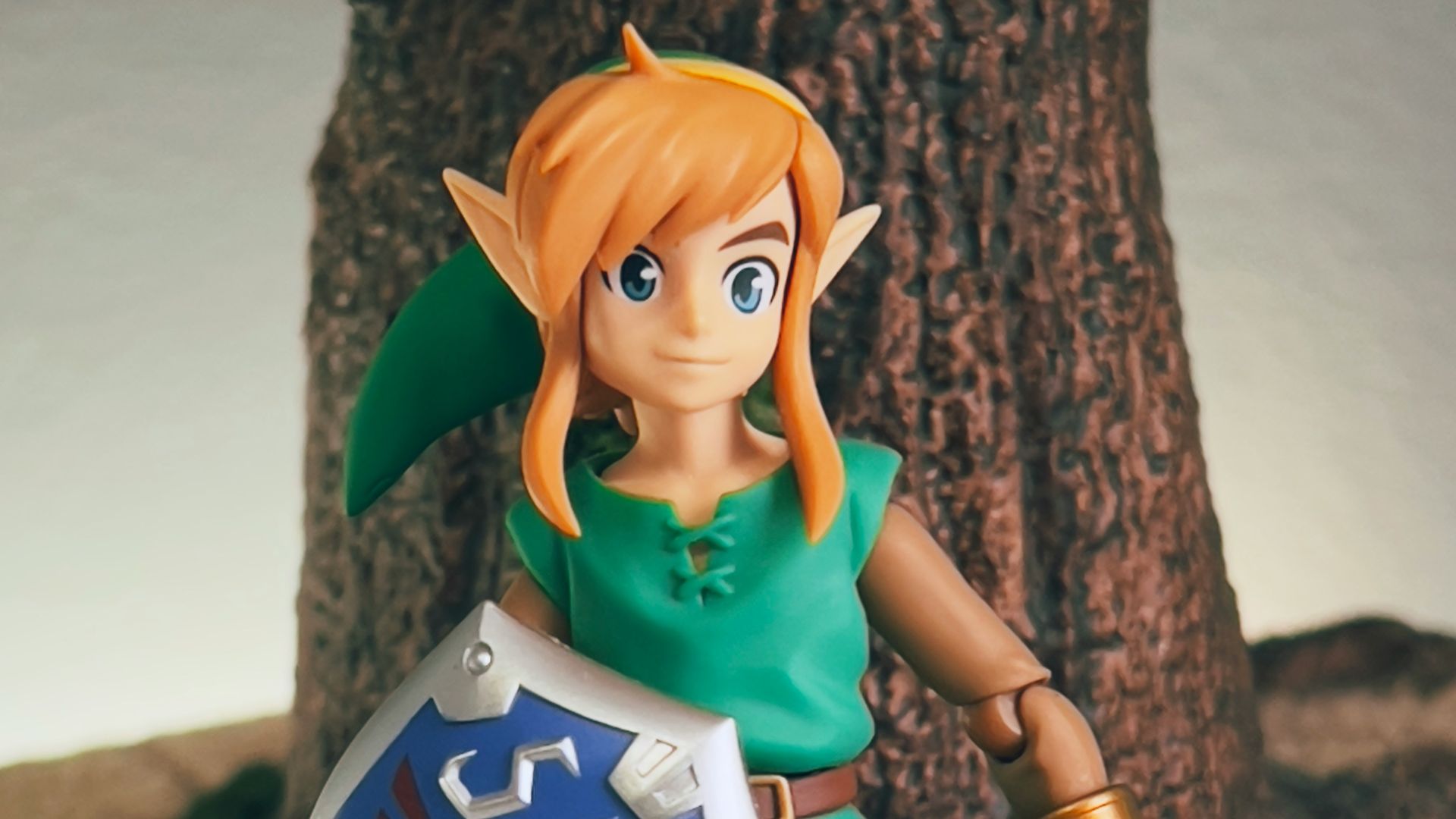
What started as a simple way to make enemy targeting easier, the resulting character has become a cornerstone of this franchise. The devs’ original thought was to create a marker that appeared above the chosen enemy, but the idea eventually morphed into the slightly annoying companion we know and love today.

6. Navi-gation
Navi’s early concept was called the Fairy Navigation System. That’s where her name came from, since she helps guide Link through unfamiliar places, points out enemies, and offers hints. It’s not all that surprising, but it might not be something you’ve thought about before.
7. Fairies And Hardware
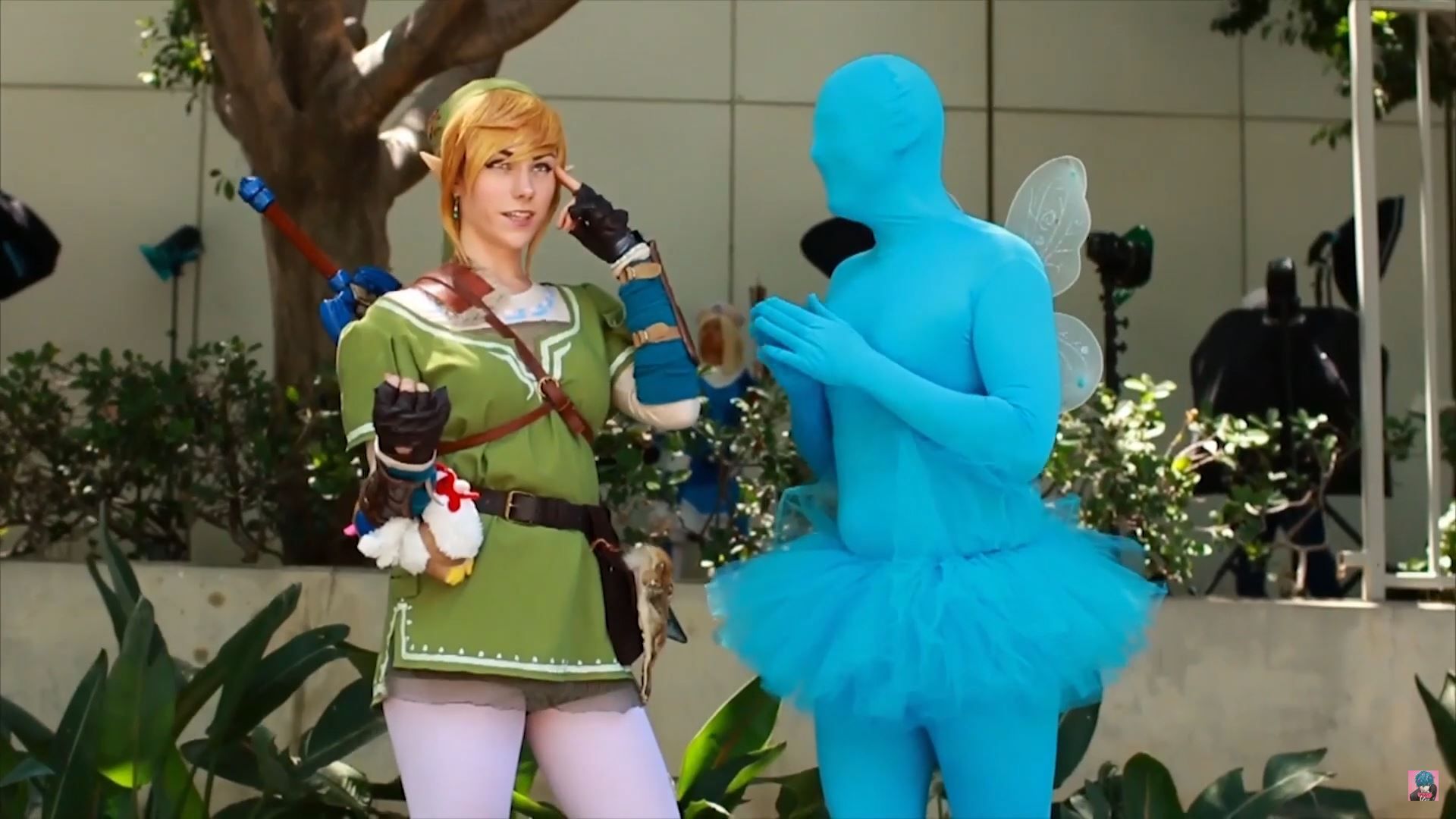
Kokiri Forest is jam-packed with things to do and people to see, but the Nintendo 64 didn’t have the capacity to show it all at once. Instead, the team used fairies to work around that issue, letting players see a glow first, and the character appear when Link moved closer.

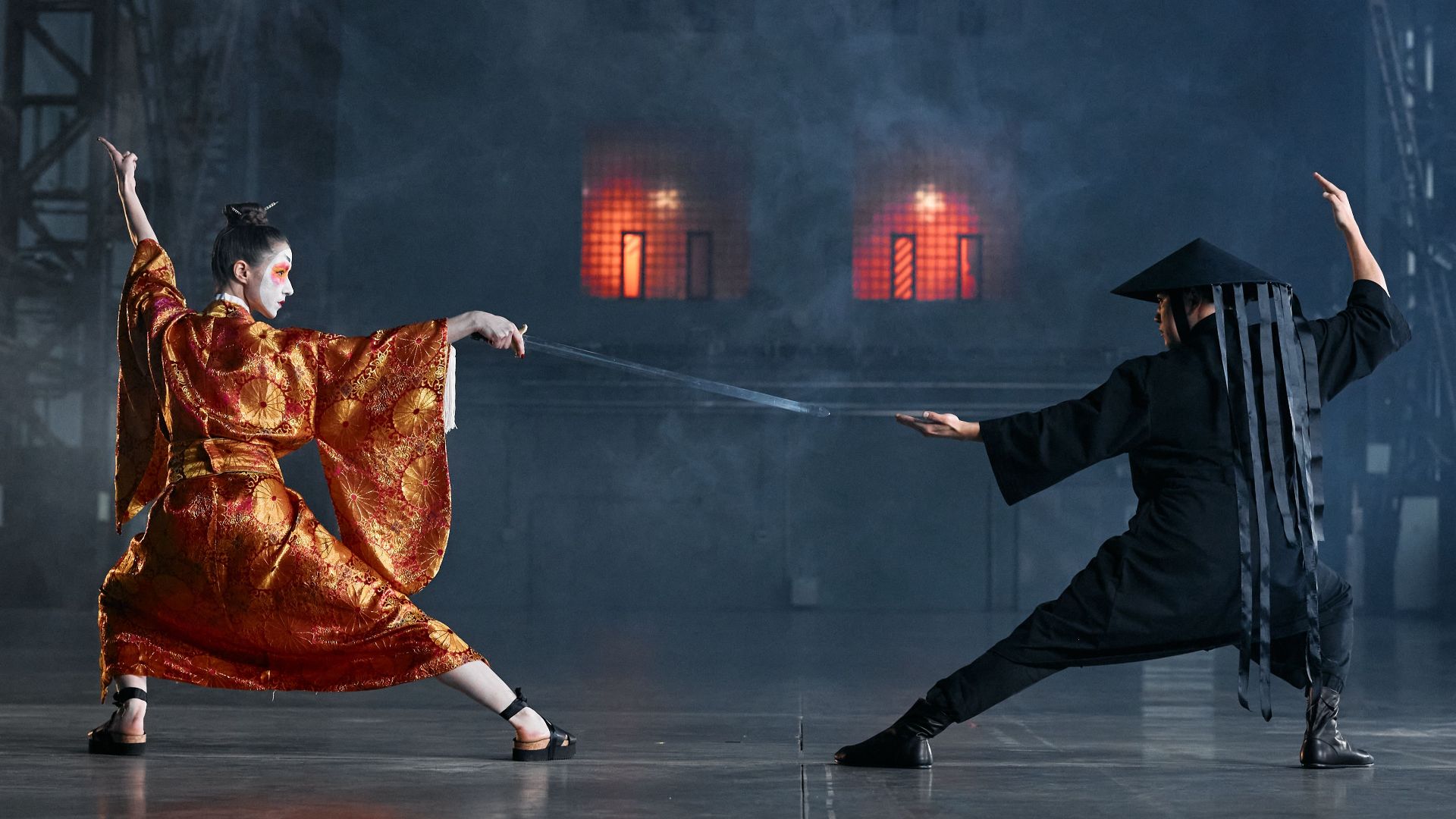
8. Inspired by Stage Fights
This now iconic targeting system was partly inspired by Japanese period-drama action scenes. The developers watched fighters circle each other and brought that same idea into Link’s battles. Z-targeting made it much easier to keep an enemy in view while moving around them, which was a huge help in an early 3D action game.
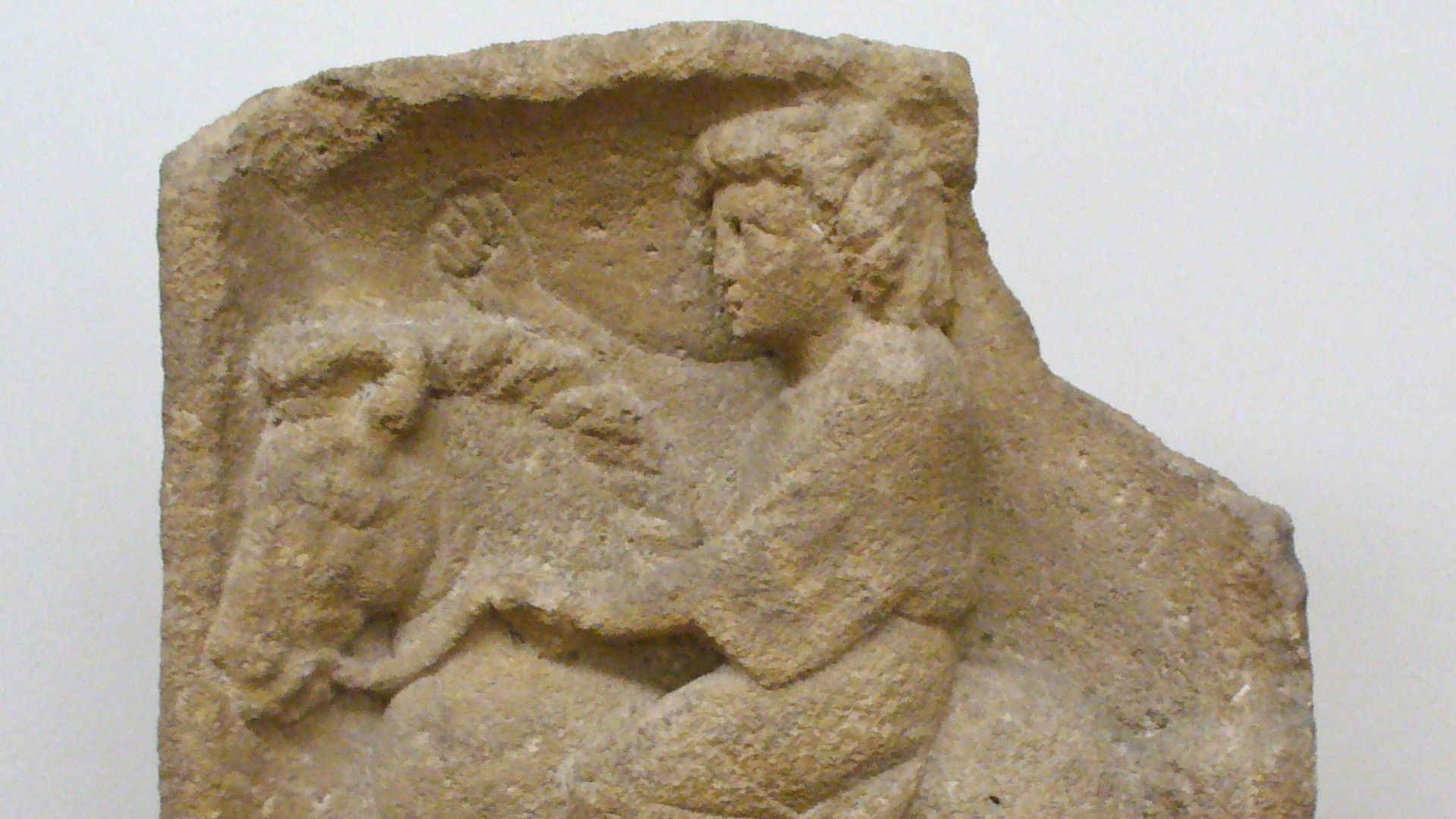
9. Epona
Epona is one of the game’s most memorable companions, appearing in other games within the franchise. She shares her name with the Celtic goddess of horses and fertility. Epona comes from the Gaulish word epos, meaning horse.
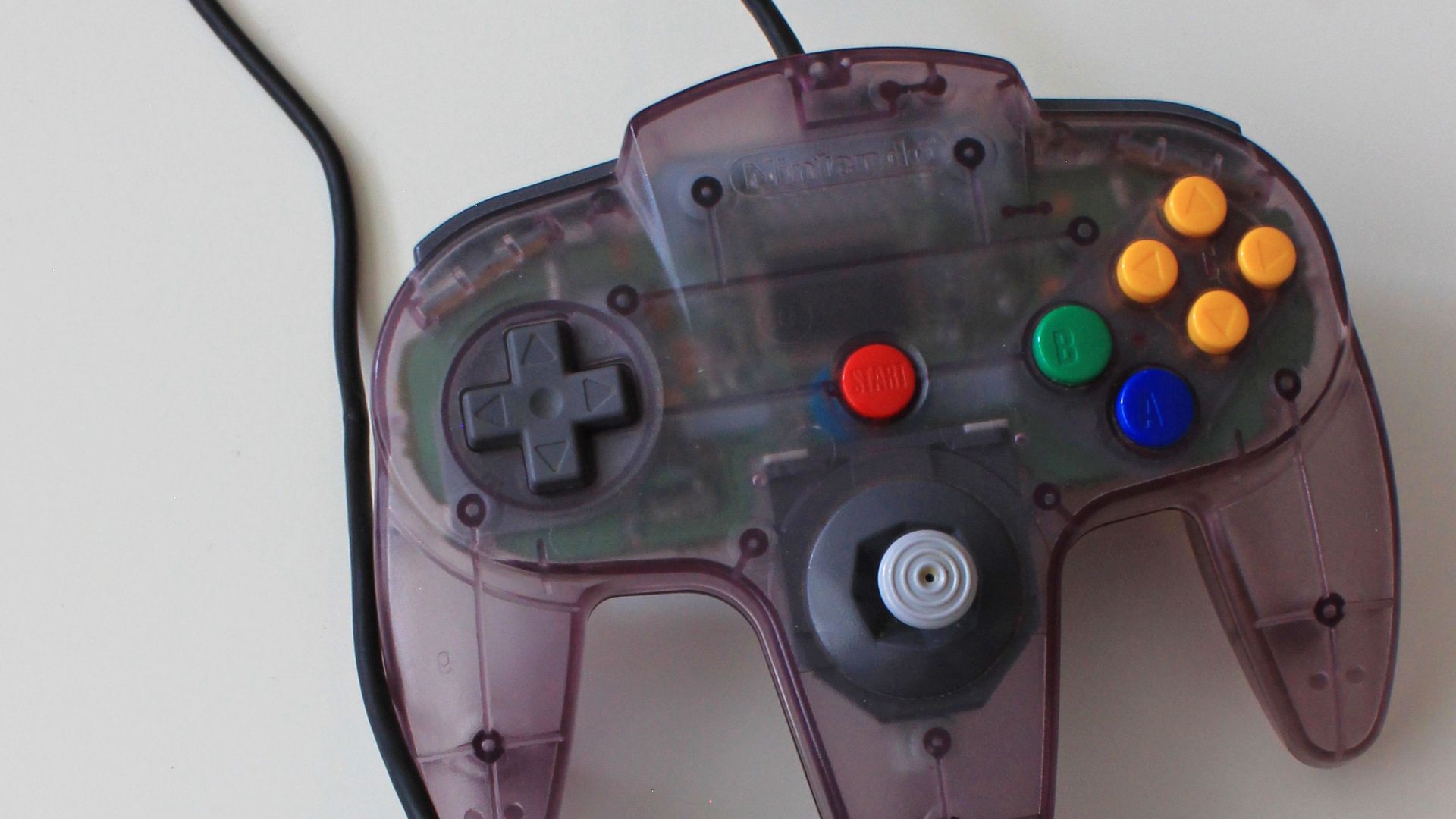
10. Link Originally Had a Jump Button
Early in development, Link could jump whenever players pressed a button. The team eventually dropped the feature because they wanted Ocarina of Time to lean more into exploration and puzzles, so Link instead jumps automatically when he reaches an appropriate ledge.
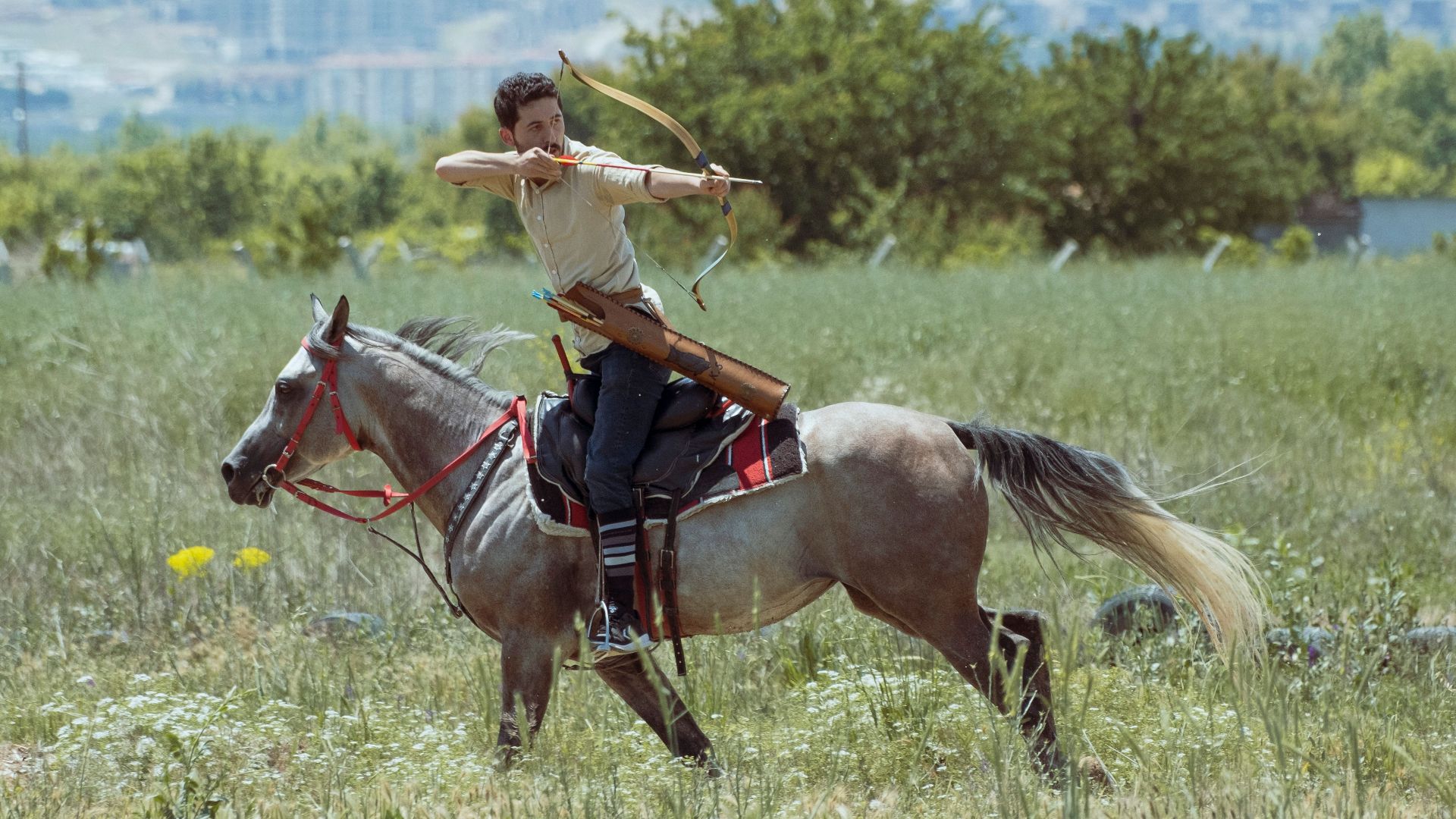
11. Mounted Combat
Mounted archery made it into Ocarina of Time, though the developers also wanted to add one-on-one horseback battles. That idea didn’t make it into the finished game, but it did show up later in another Zelda adventure.
 Necati Ömer Karpuzoğlu on Pexels
12. Wooden Signs
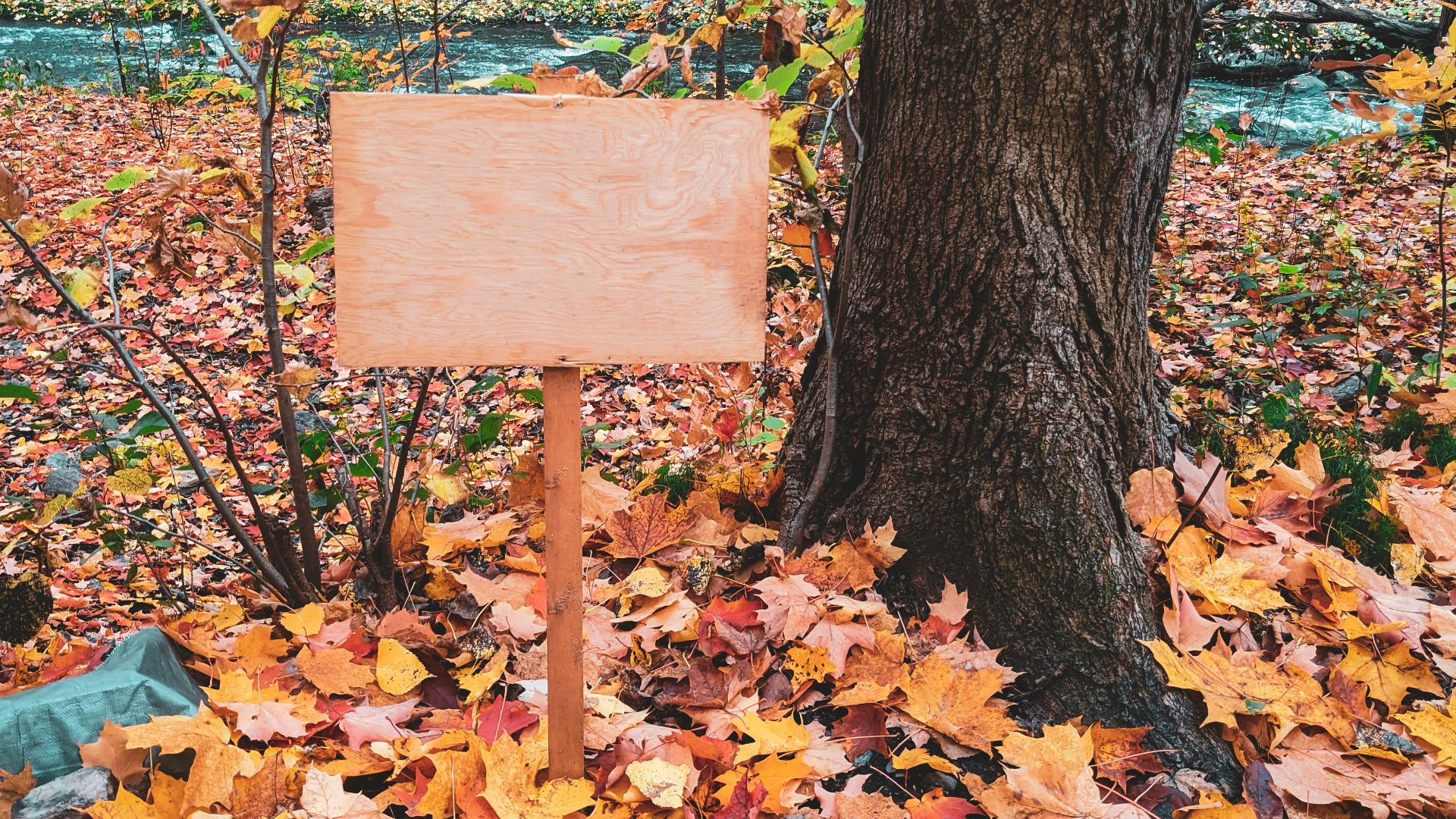
When you first receive a sword, all you want to do is run around and smack things with it. One such item, a wooden sign over a pond, offers a unique look into the game's development. Link can slash a wooden sign with his sword, then watch the pieces float in a pond. It’s a tiny detail, but it shows how much care went into the game’s interactivity. Little moments like that encourage players to poke around and try things.
13. Hyrule Field's Music
The main Hyrule Field theme doesn’t play as one unchanging loop. As Link travels across it, it’s an ever-changing shift between exploration, battle, and even ambient music.
14. Link’s Viewpoint
With this major shift to 3D, the development team had to continue to check how each place appeared from Link’s position. That attention helped make the game’s spaces easier to understand, whether Link was crossing a field or trying to make sense of a busy dungeon room.
15. Delayed Release
A game of this scale did suffer a few setbacks. Nintendo unveiled the game in 1995 after already working on the project for a year, and it took them another 3 years for it to be completed. At one point, the game took up almost the entire analysis and development team, with around 50 people working on it.
16. It Returned on the 3DS
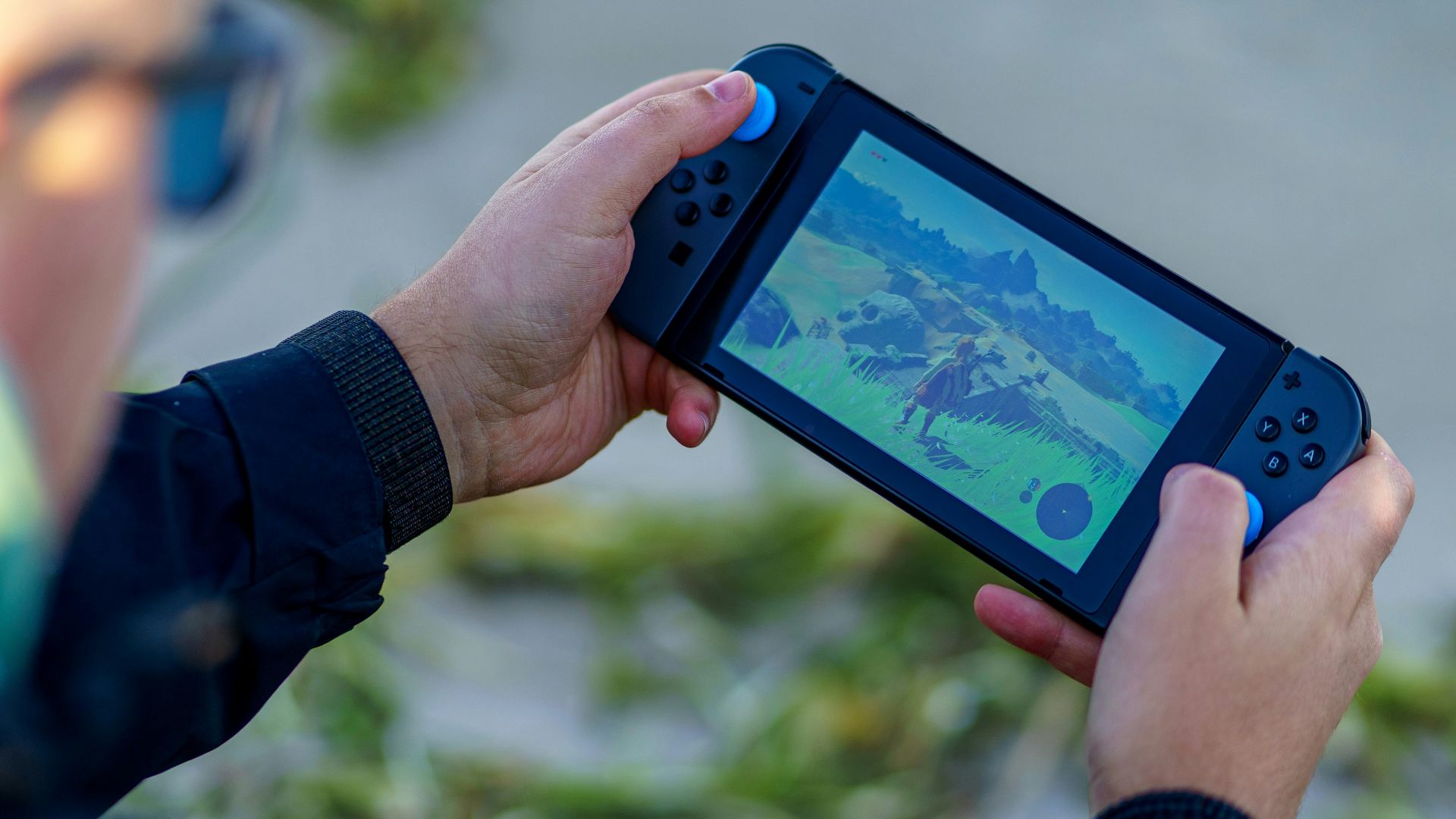
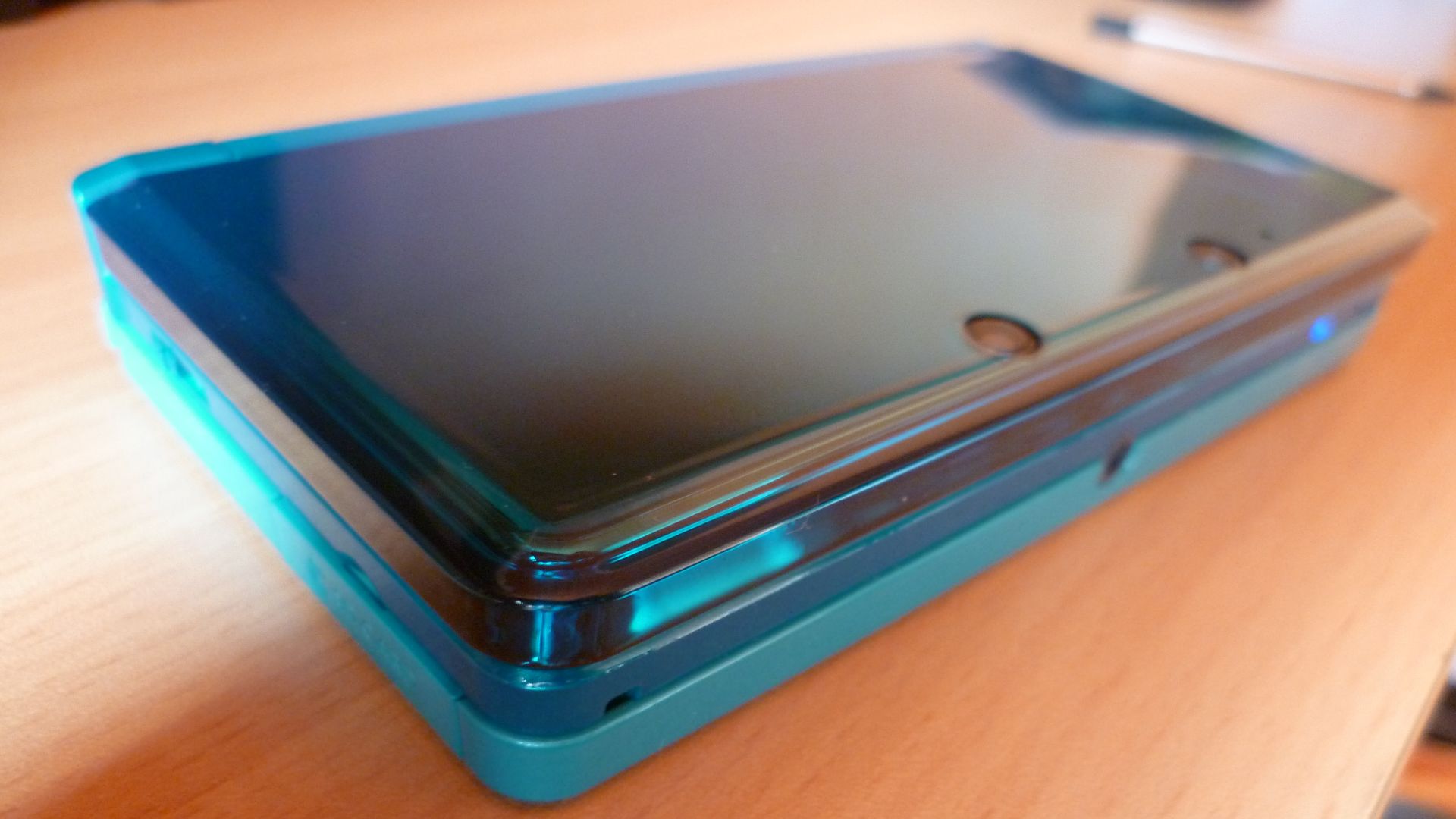
Ocarina of Time later got a handheld remake with improved visuals and touch-screen inventory controls. It also added motion controls for aiming and looking around, giving players a more hands-on way to use tools like the slingshot and bow.
17. It Sold 7.6 Million Copies
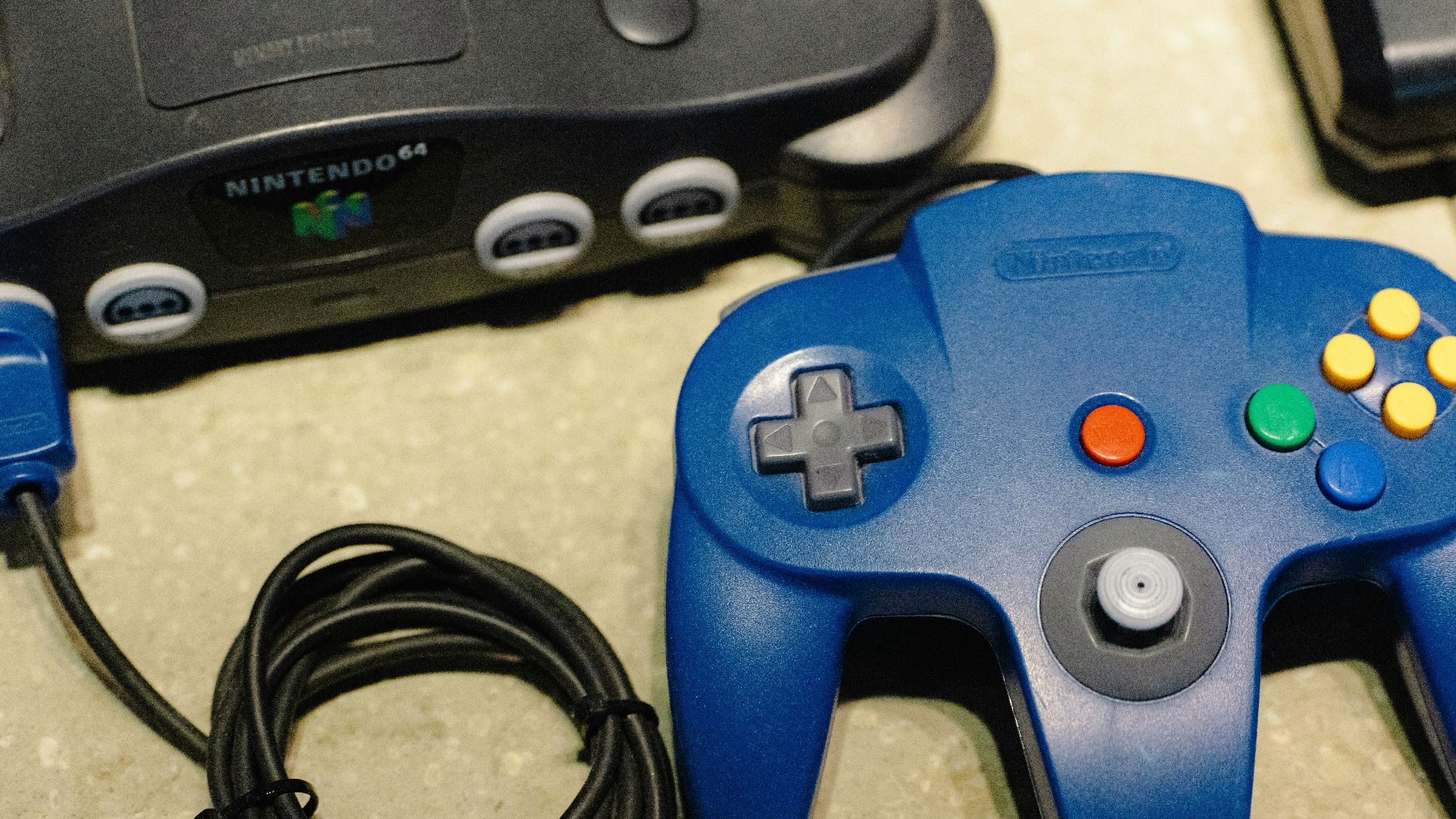
The original Nintendo 64 game sold 7.6 million copies, making it the best-selling Zelda game on a single platform. This was, of course, beaten by Breath of the Wild in recent years.
18. It's Considered The Best Game of All Time
With a whopping score of 99 on Metacritic and countless other accolades, Ocarina of Time is the yardstick by which all other games are measured. Whether people revere it for the game mechanics, story, music, or sheer prowess in terms of longevity, it remains the comparison for all other video games nearly 30 years later.
19. It Stands Alone
As it currently stands, Ocarina of Time is the only game to have reached a 99 aggregate critic score. There are a few other games that follow closely behind: SoulCalibur, Super Mario Galaxy 2, and Grand Theft Auto IV all have a 98.

20. It Remains a Speedrunning Favorite
Ocarina of Time is still a major game in the speedrunning community, where players study its systems with remarkable precision. A recognized record for defeating Ganon stands at an impressive 10 minutes and 38.350 seconds.