
10 Tech Gadgets That Were Ahead of Their Time & 10 That Were Just Weird
When Technology Gets a Little Too Creative
Technology doesn't always arrive at exactly the right moment. Some gadgets introduce ideas that seem strange or unnecessary at first, only for the rest of the industry to catch up years later. However, others remain odd no matter how much time passes. From early touchscreen devices and wearable computers to robotic pets and bizarre household electronics, here are 10 gadgets that were ahead of their time, followed by 10 that were just weird.
1. Apple Newton MessagePad
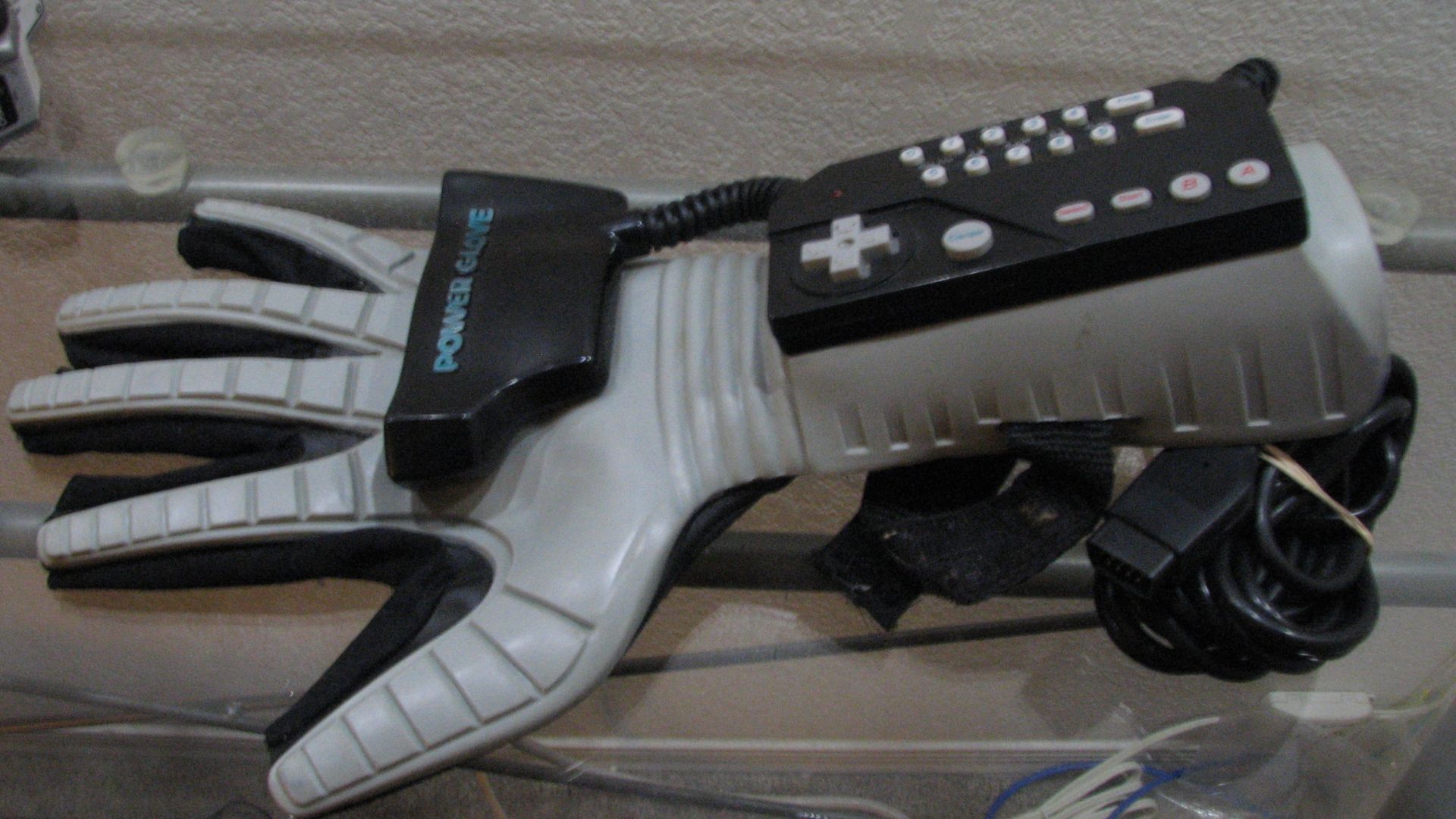
Long before people were casually carrying iPads around, Apple released the Newton MessagePad in 1993 as a handheld personal digital assistant. It offered note-taking, calendars, contacts, and handwriting recognition, although that last feature wasn't always as reliable as users hoped. The device never became a mainstream success, but its basic concept looks remarkably familiar today. If you use a smartphone or tablet to organize your life, you're doing many of the things Newton owners were attempting decades ago.
 Rama & Musée Bolo on Wikimedia
2. Sega Dreamcast
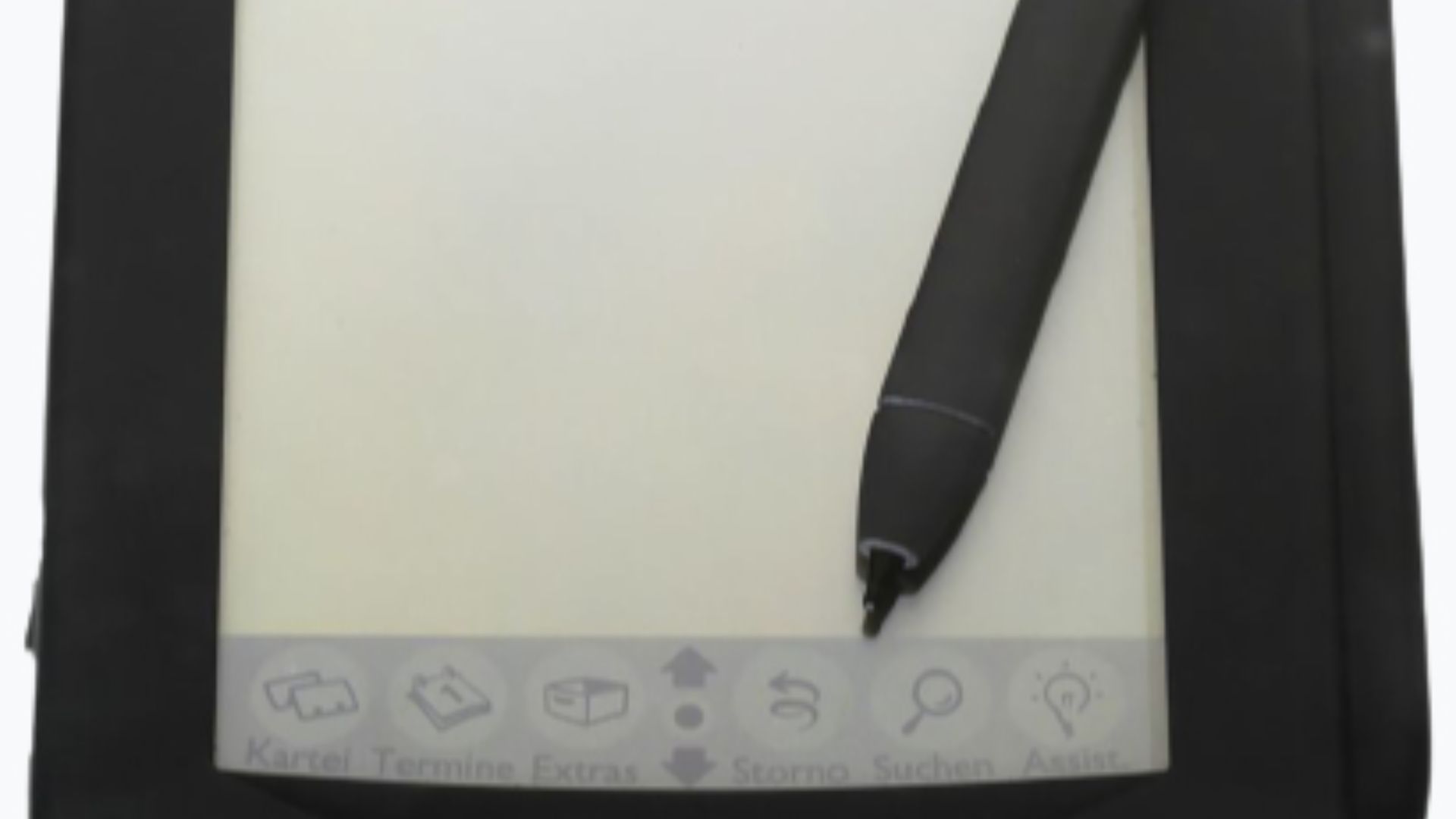
Sega's Dreamcast launched in North America in 1999 with something unusually ambitious for a home console: a built-in modem. Players could browse the internet and take certain games online at a time when many households were still getting used to dial-up connections. Online multiplayer later became a standard part of console gaming, making Sega's plans look surprisingly forward-thinking, even if sales were disappointing.
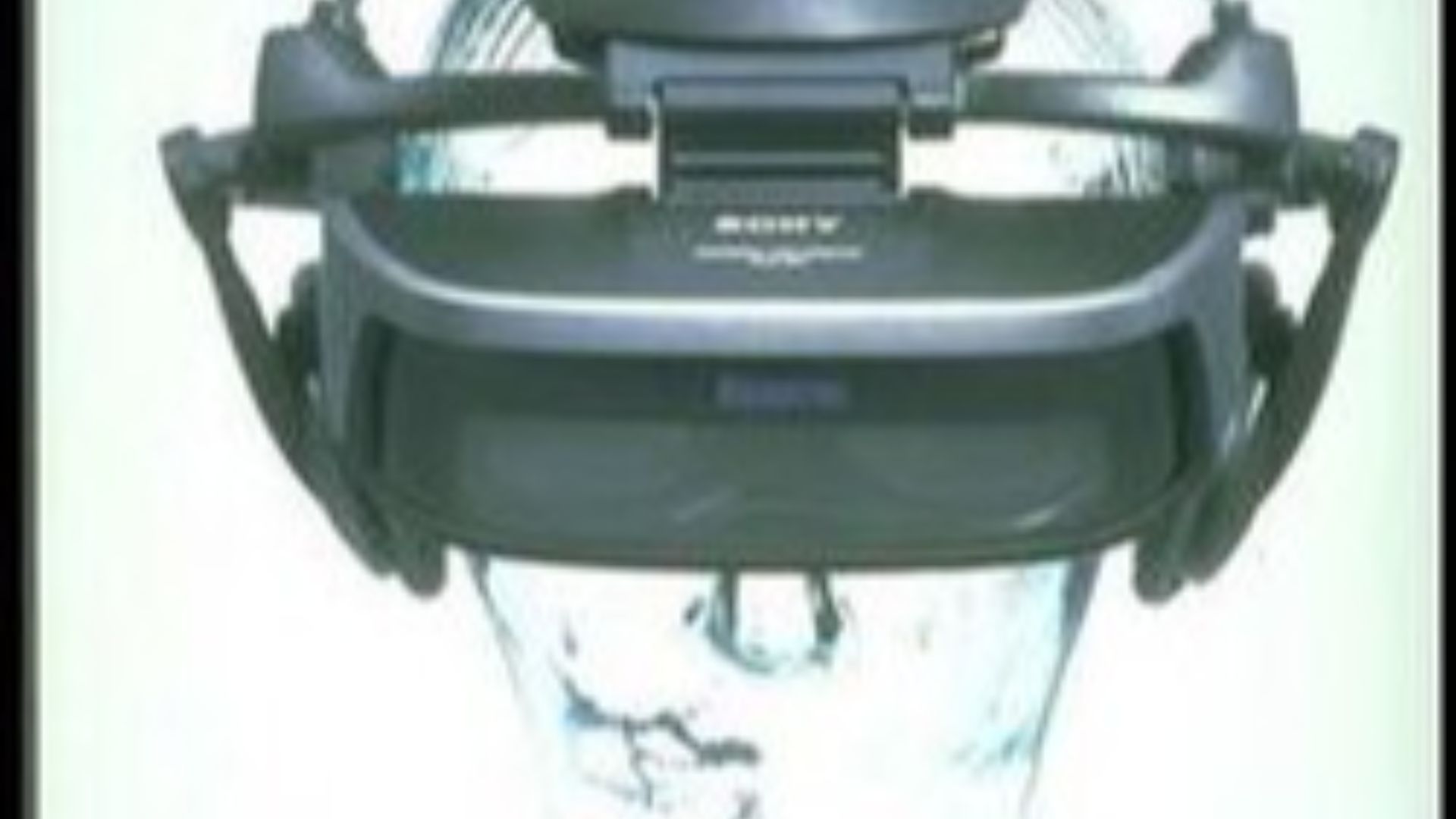
3. Sony Glasstron
Sony released its Glasstron head-mounted display in the 1990s, giving users small screens positioned directly in front of their eyes. It could be connected to video equipment and computers, creating a private viewing experience that sounds much less unusual in the age of modern VR and mixed-reality headsets. The hardware was bulky and expensive, which limited its appeal at the time, but you can clearly see the beginnings of today's wearable displays in Sony's unusual experiment.
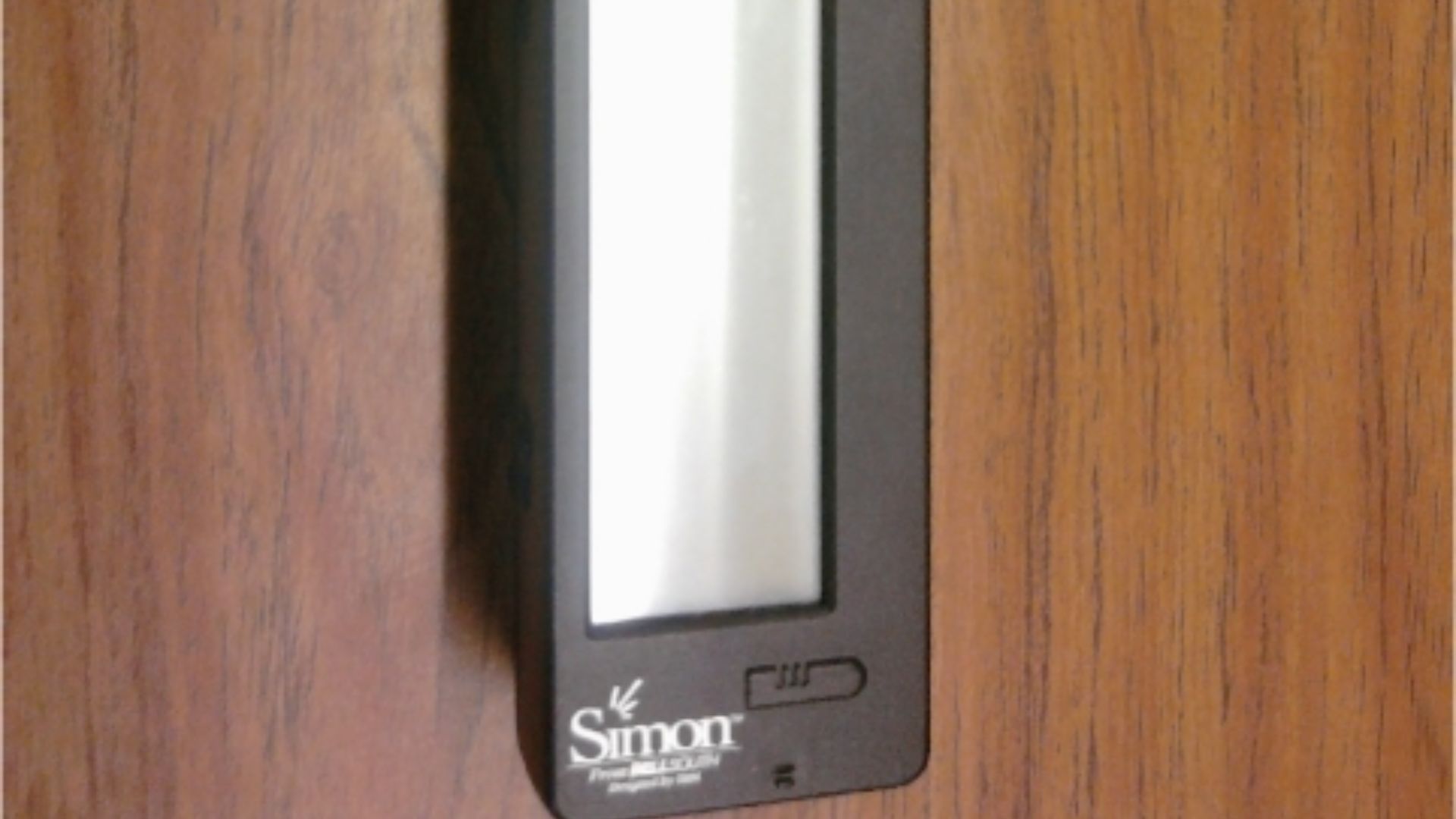
4. IBM Simon
The IBM Simon Personal Communicator went on sale in 1994, years before smartphones became everyday essentials. Along with making calls, it included a touchscreen, calendar, address book, email capabilities, and several other digital tools. Its battery life, size, and high price made it difficult to treat like the sleek phone you'd carry today, but combining communication and computing in one handheld device was a remarkably accurate glimpse of where mobile technology was headed.
5. Nintendo Power Glove
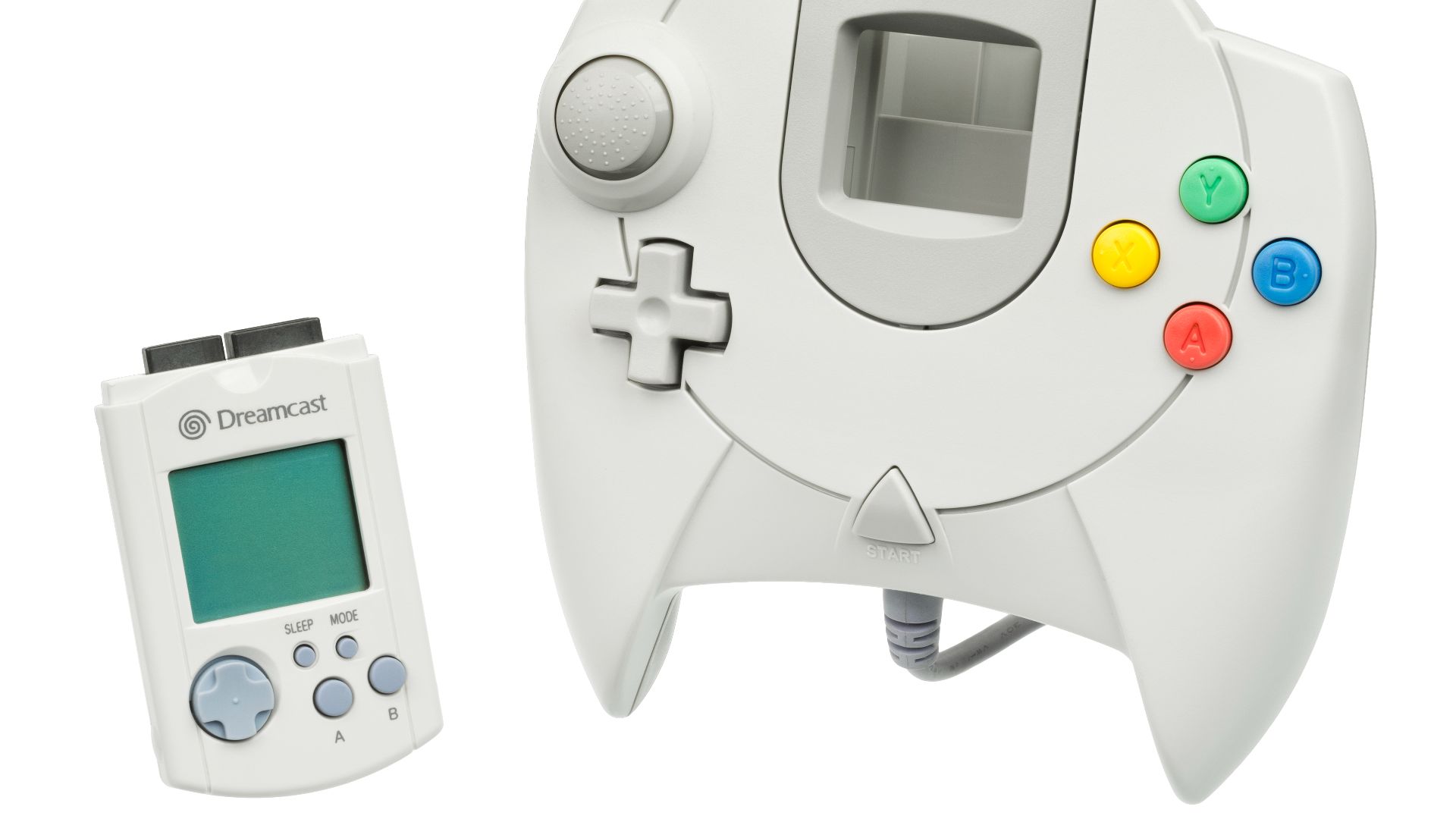
The Nintendo Power Glove looked incredibly futuristic when it arrived in 1989, allowing players to control compatible games using hand movements and buttons built into the glove. In practice, getting those movements to translate accurately on-screen could be frustrating. It wasn't until years later that motion-based gaming became far more successful through systems such as the Nintendo Wii and other motion-tracking devices.
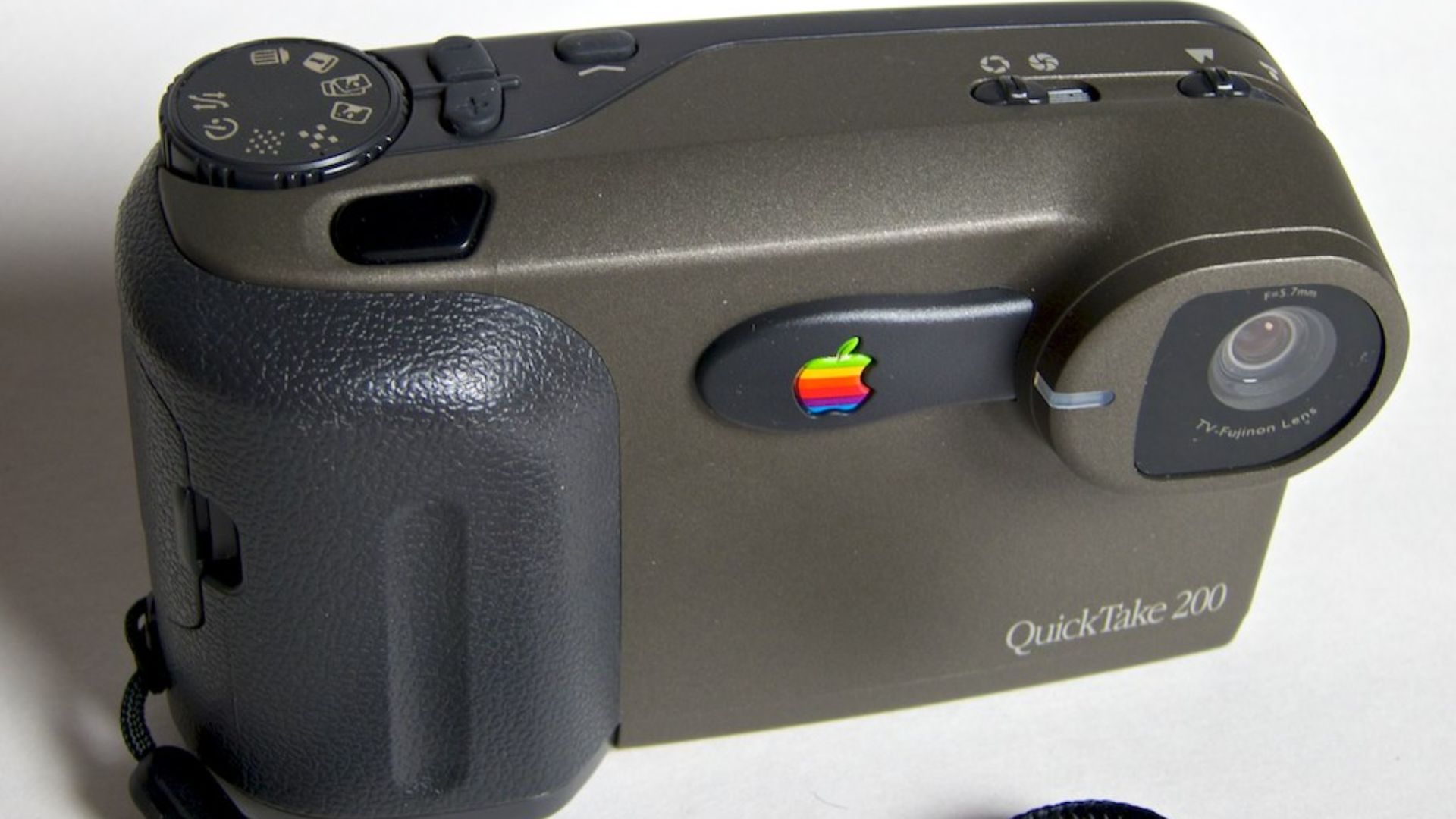
6. Apple QuickTake
Apple entered the digital camera market in 1994 with the QuickTake 100, one of the earliest consumer-friendly digital cameras. Instead of dealing with film, you could take pictures and transfer them to a computer, which was groundbreaking at the time. Image quality and storage were limited by modern standards, and traditional film cameras still had major advantages. The QuickTake disappeared after only a few years, but the type of photography it promoted eventually became the default.
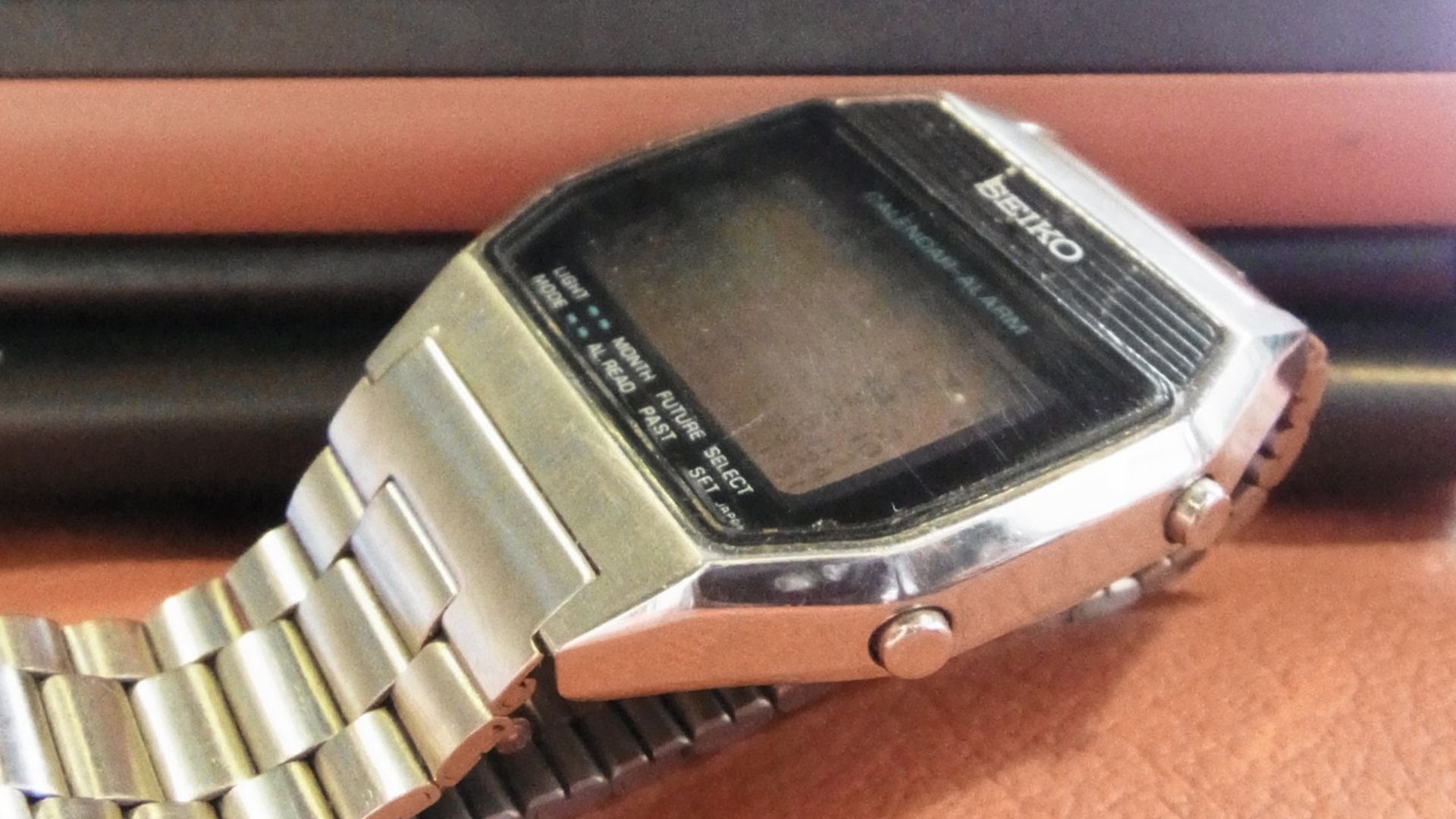
7. Seiko TV Watch
In the early 1980s, Seiko released a wristwatch that could display television broadcasts when connected to a separate receiver. The setup wasn't exactly as convenient as streaming a show on a smartwatch, but putting video on your wrist was a bold idea for the period. Tiny displays and portable entertainment have since become completely normal. Seiko simply tried to squeeze that future onto people's wrists a few decades sooner than necessary.
8. Garmin iQue 3600
The Garmin iQue 3600, released in 2003, combined a Palm-based personal digital assistant with GPS navigation. Instead of carrying separate tools for scheduling, contacts, and directions, users could access all of them through one handheld device. Smartphones eventually made this type of combination so normal that you probably don't think twice about opening a map next to your calendar. At the time, though, packing GPS into a PDA made the iQue feel unusually advanced.
9. Microsoft SPOT Watch
Microsoft's Smart Personal Objects Technology, better known as SPOT, brought information such as weather forecasts, news, messages, and stock updates to compatible watches. The service relied on FM radio signals rather than the mobile internet connections used by today's wearables. It required a subscription and never attracted a huge audience, but the core idea of checking quick updates on your wrist was solid.
10. Sony Magic Link
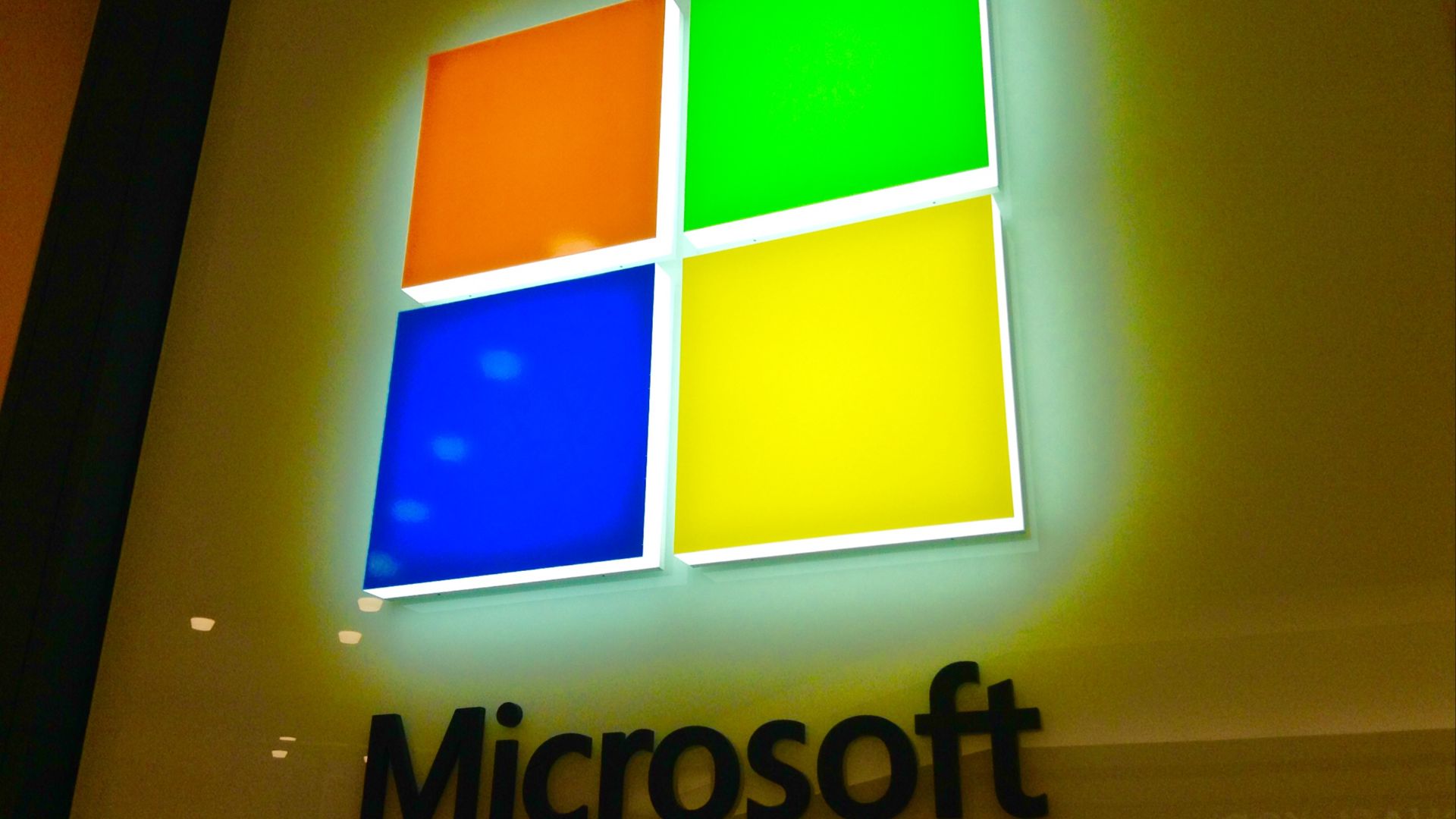
Sony's Magic Link, based on technology from General Magic, appeared in the mid-1990s as a portable communications device built around email, messaging, and digital organization. Its creators were exploring the idea of connected personal computing before widespread mobile internet access made such devices genuinely convenient. The product struggled because the supporting technology and consumer habits hadn't fully developed yet.
Now that we've talked about the tech inventions that were ahead of their time, let's cover the ones that were just confusing.
1. Nintendo Virtual Boy
Nintendo's Virtual Boy arrived in 1995 and attempted to create a stereoscopic 3D gaming experience using a red-and-black display. Instead of wearing it comfortably like a modern headset, you placed the system on a stand and leaned your face into it. The limited game library and awkward design didn't exactly encourage marathon sessions. It remains one of Nintendo's strangest products.

2. CueCat
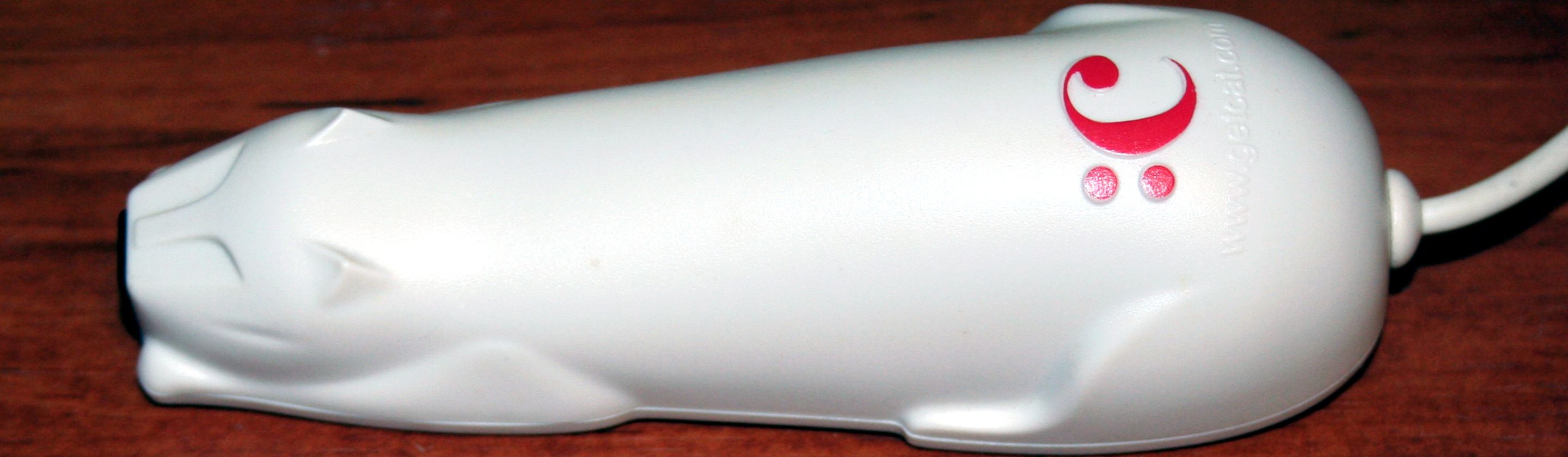
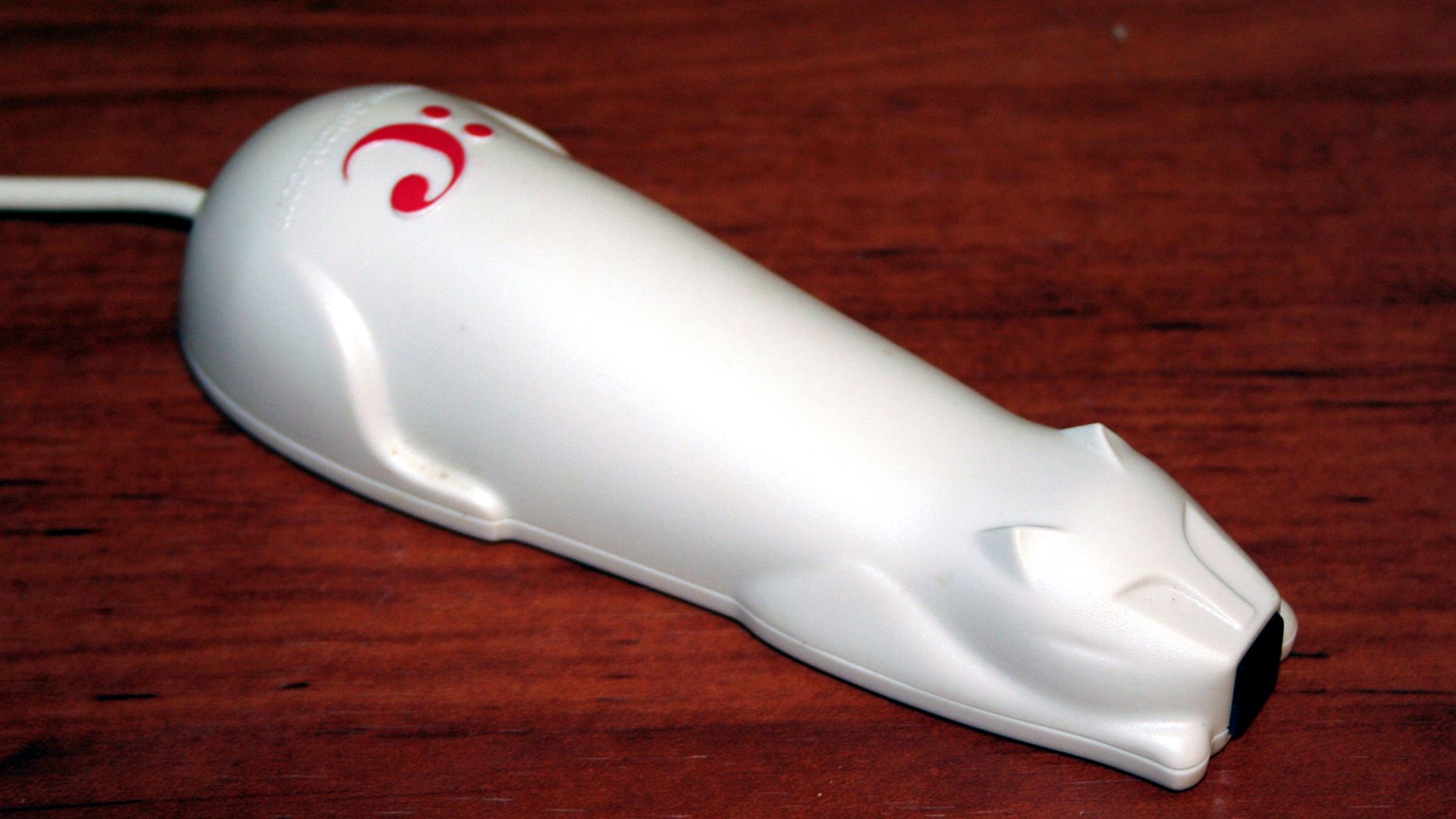
The CueCat was a small cat-shaped barcode scanner distributed around 2000 that connected to a computer. Users could scan special codes printed in magazines and other materials, which would then direct them to related websites. Typing a short web address was already fairly easy, so adding a plastic scanner to the process didn't really make anyone's life more convenient.
3. Sony Rolly
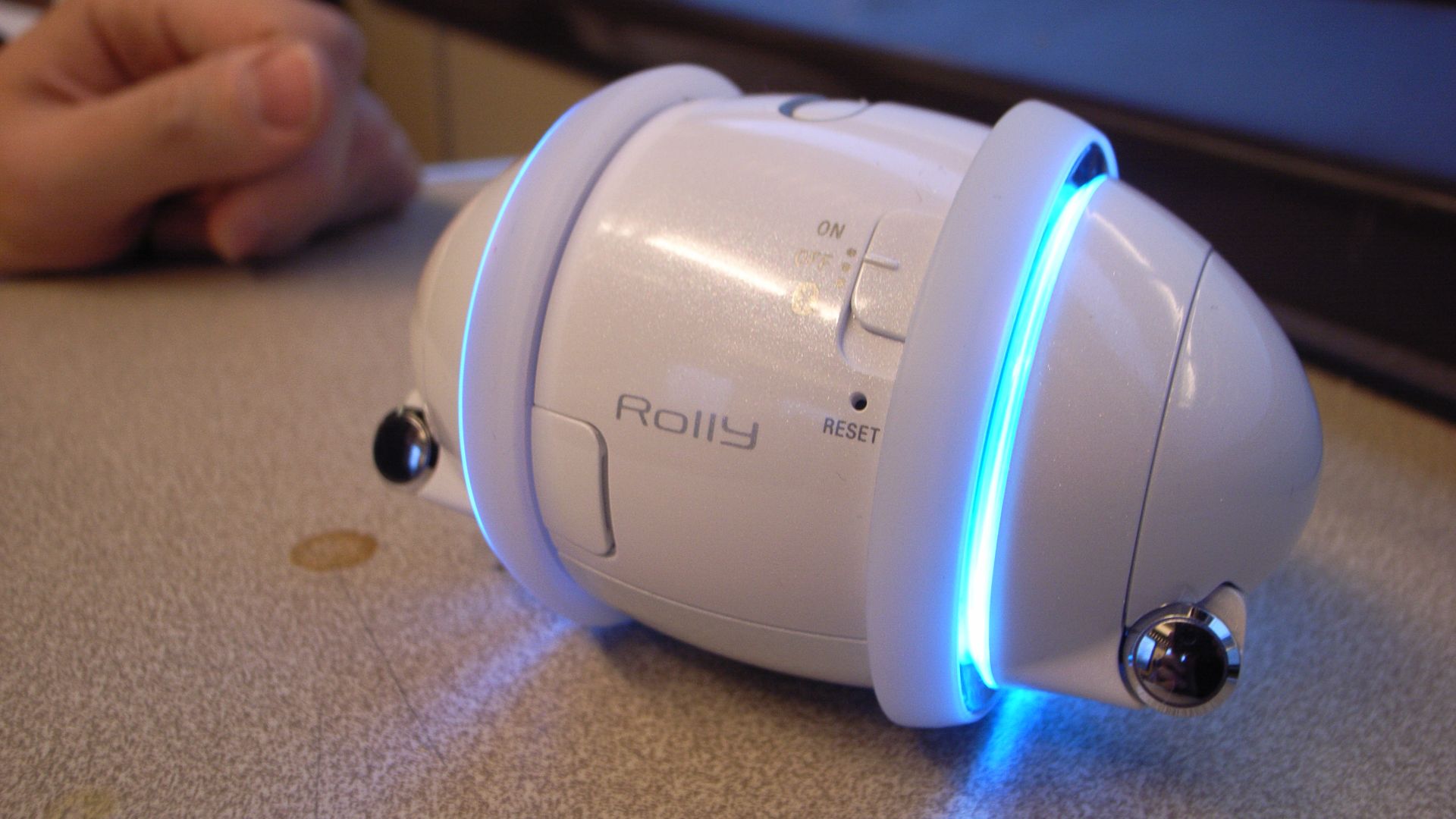
Sony's Rolly was a small egg-shaped music player introduced in 2007 that could roll, spin, flash its lights, and move its flaps in time with music. You weren't simply listening to your songs; you were watching your music player perform a tiny routine on the table. It was clever, charming, and difficult to justify as an essential purchase.
4. Nokia N-Gage
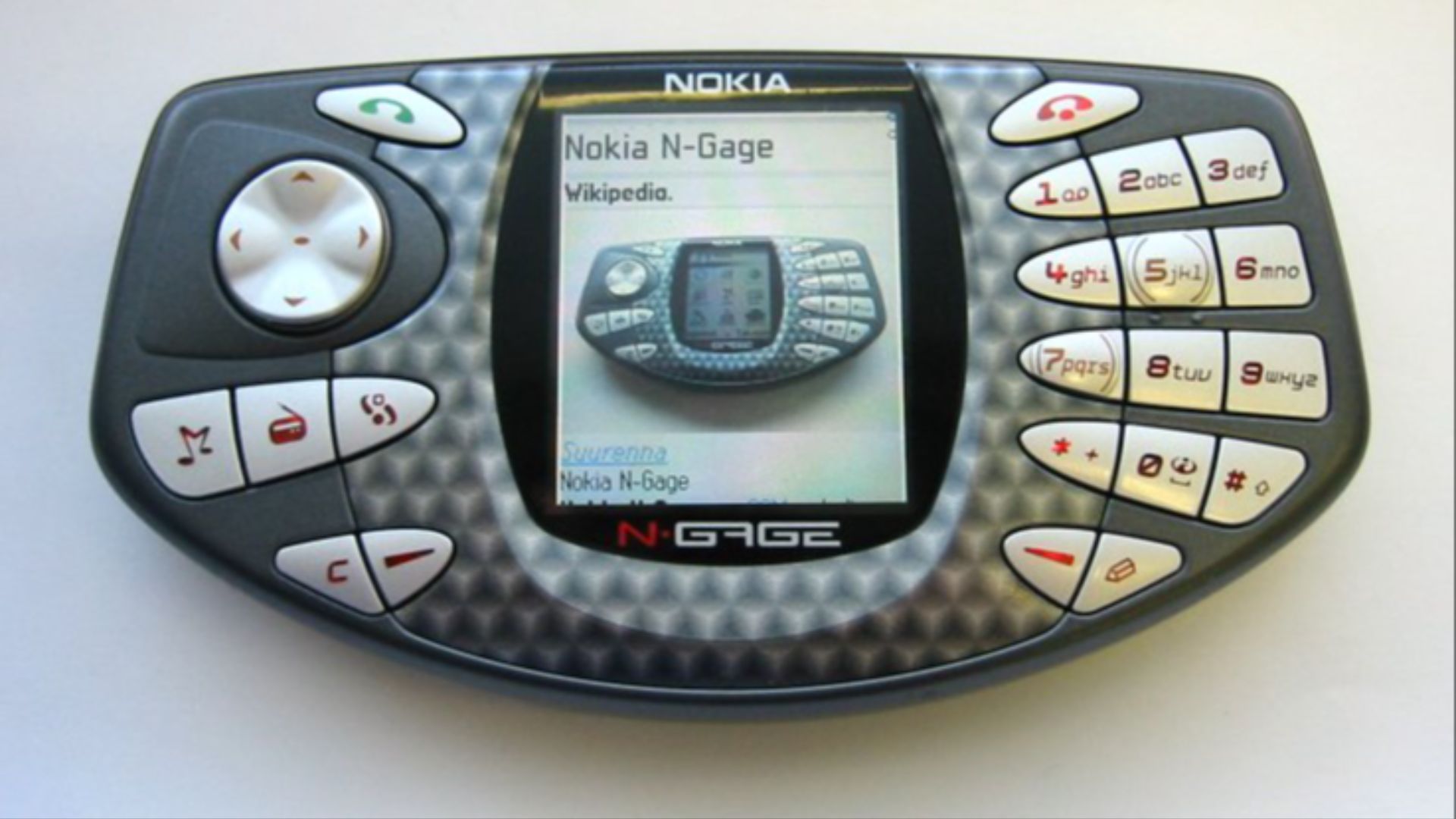
Nokia's N-Gage launched in 2003 as a combination mobile phone and portable gaming system. That may not sound like a bad idea on the surface, but its unusual shape created one particularly memorable problem because making a phone call could involve holding the thin edge of the device against your face. Game cartridges on the original model were also awkward to change, requiring users to remove the battery first.
5. Tamagotchi
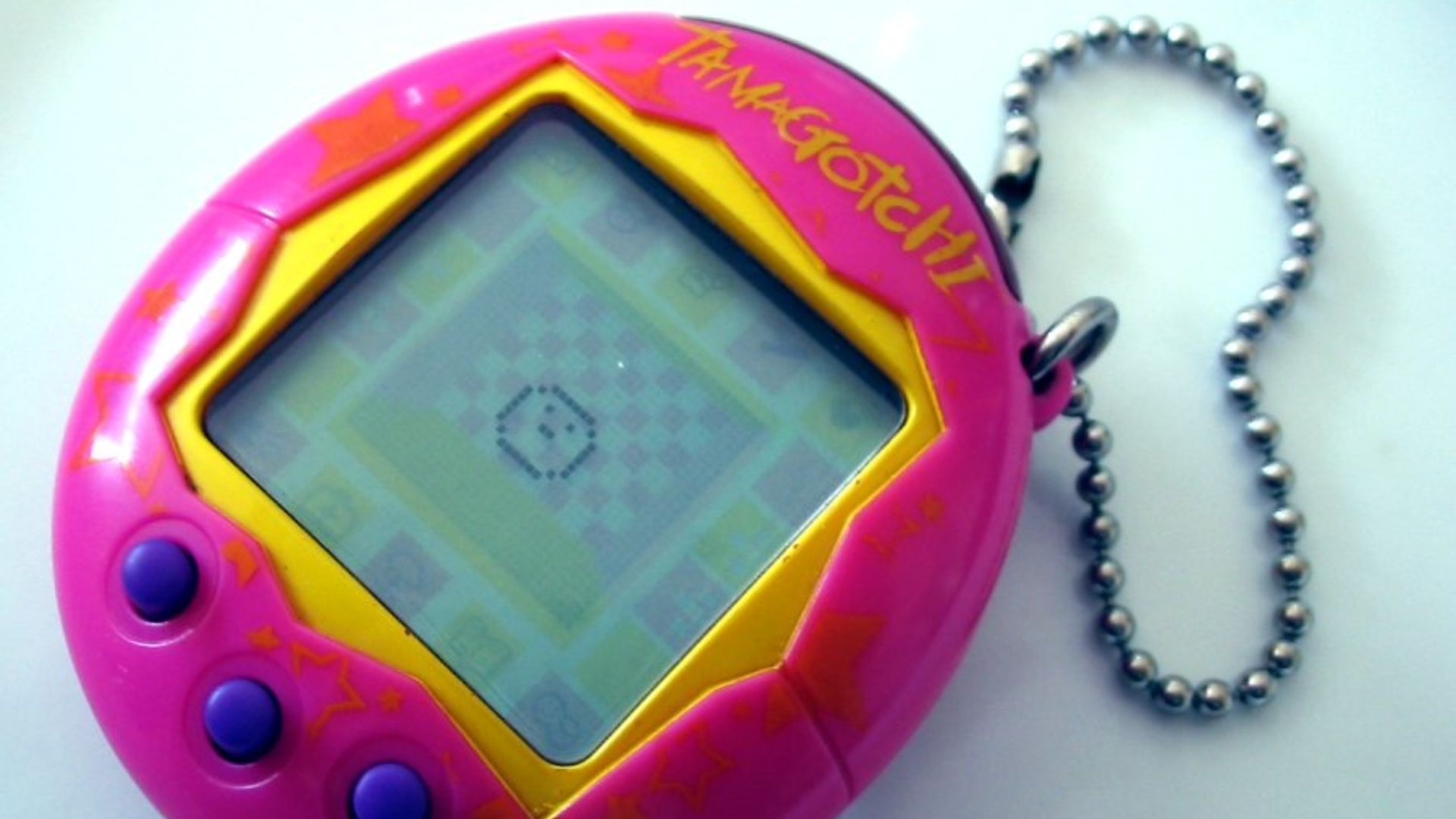
Tamagotchi became a late-1990s phenomenon by giving you a tiny digital creature that needed feeding, cleaning, entertainment, and regular attention. Ignore it for too long and your pocket-sized companion could become unhappy or meet an unfortunate end. There was something wonderfully strange about carrying a plastic egg around and feeling responsible for the well-being of a few pixels, and millions of people were really committed to this weird endeavor.
6. Panasonic Jungle
Panasonic briefly explored a handheld gaming device called the Jungle around 2010, focusing heavily on online and MMO-style games. Its clamshell design included a keyboard, directional controls, and a screen, making it look more like a miniature computer than a conventional handheld console. The project was canceled before reaching consumers, which only added to its unusual reputation. A portable machine designed mainly around online games wasn't a terrible concept, but the Jungle certainly looked like it came from an alternate branch of gaming history.
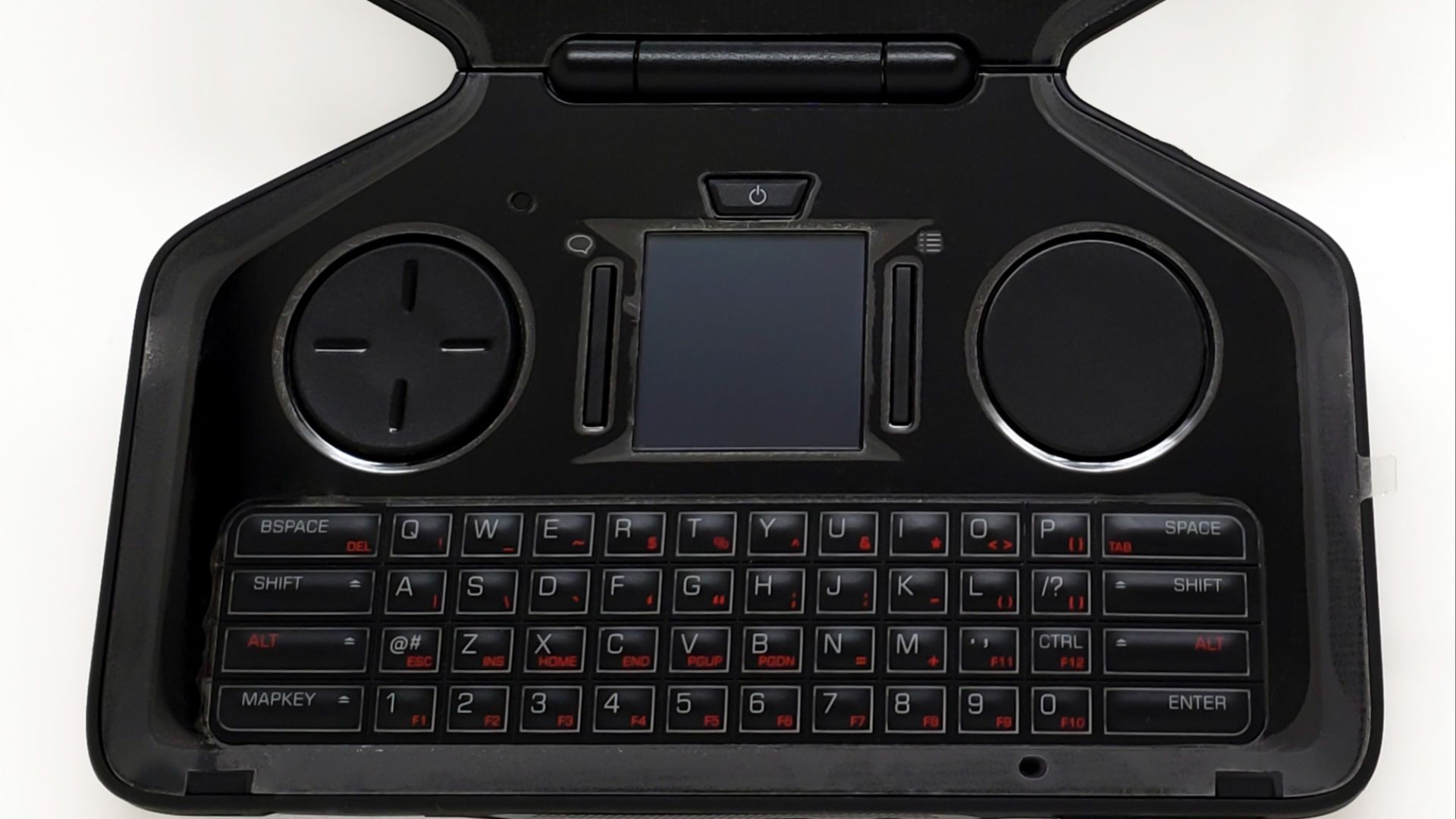 OfficialDeveloperJeff on Wikimedia
7. Kohler Numi Toilet
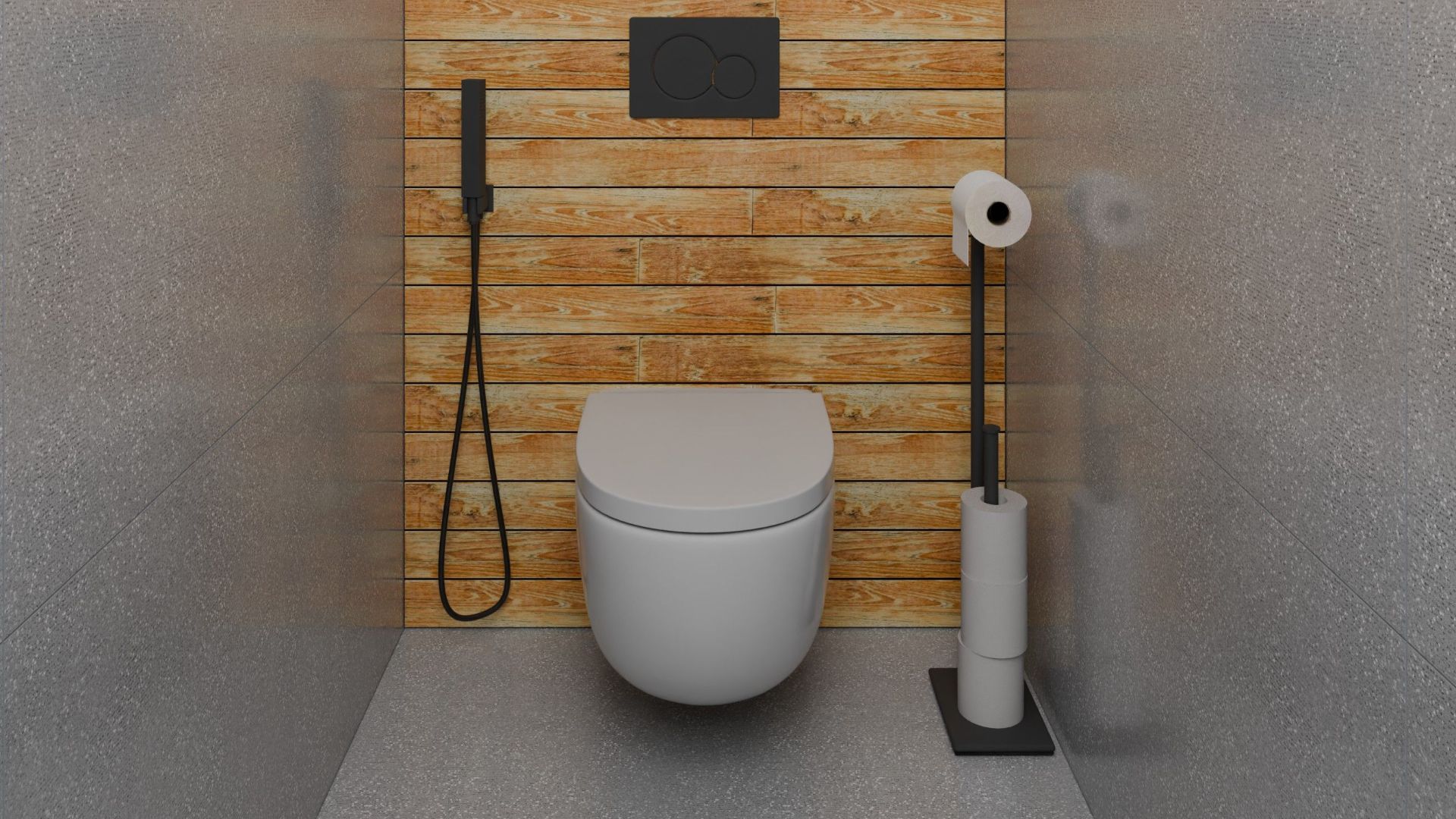
Kohler's Numi toilet packed an impressive collection of electronic features into something most people don't expect to require much technology. Depending on the version, features have included heated seating, automated functions, lighting, speakers, and personalized settings. There's genuine convenience involved, but it's still difficult not to smile at the idea of configuring your toilet like a premium electronic device.
8. HAPIfork
The HAPIfork was designed to track eating speed and alert users when they were taking bites too quickly. Sensors inside the utensil could monitor hand movements and provide feedback, turning an ordinary meal into a small data-collection exercise. Slowing down while eating can be a reasonable goal, but you might not expect your fork to be the gadget enforcing it.

9. Sony Party-shot
Sony's Party-shot was an automated camera dock designed to pan, tilt, and take photos without requiring someone to stand behind the camera. Place a compatible Cyber-shot camera on it, and the accessory could scan the room looking for potential pictures. The idea meant nobody had to spend the entire gathering acting as the unofficial photographer, although having a robotic camera turning toward people could definitely feel odd.
10. Nabaztag
Nabaztag was a Wi-Fi-connected plastic rabbit released in the 2000s that could deliver information through speech, lights, sounds, and moving ears. It could provide updates such as weather information, messages, and alerts while sitting on a desk looking like a piece of electronic decor. Smart speakers later made voice-based internet services commonplace, but they generally didn't come with motorized rabbit ears.