All Talk, No Game
Spider-Man has spent decades proving that a superhero doesn't need godlike powers or an indestructible body to become one of Marvel's biggest names. Of course, as much as fans want to deny it, that also means Peter Parker has accumulated enough embarrassing weaknesses, bad decisions, and avoidable defeats to give his critics plenty of ammunition. On one hand, you've got a kid who's constantly broke, perpetually late, and prone to getting knocked around by villains who probably shouldn't stand a chance against him. But on the other, he's far, far more impressive than he looks. Here's why Spidey is both the weakest and strongest hero around.
1. He Can Literally Get Taken Out by a Cold
It's difficult to call someone the ultimate superhero when congestion has occasionally become a legitimate combat disadvantage. Peter's enhanced physiology helps him survive injuries that would hospitalize an ordinary person, but he can still become sick, and illnesses have historically interfered with his strength and spider-sense. In The Amazing Spider-Man #48, for instance, an ill Peter performs badly enough against the Vulture that his condition becomes a major factor in the fight. Thor fans aren't losing sleep over whether their favorite hero remembered to buy cold medicine.
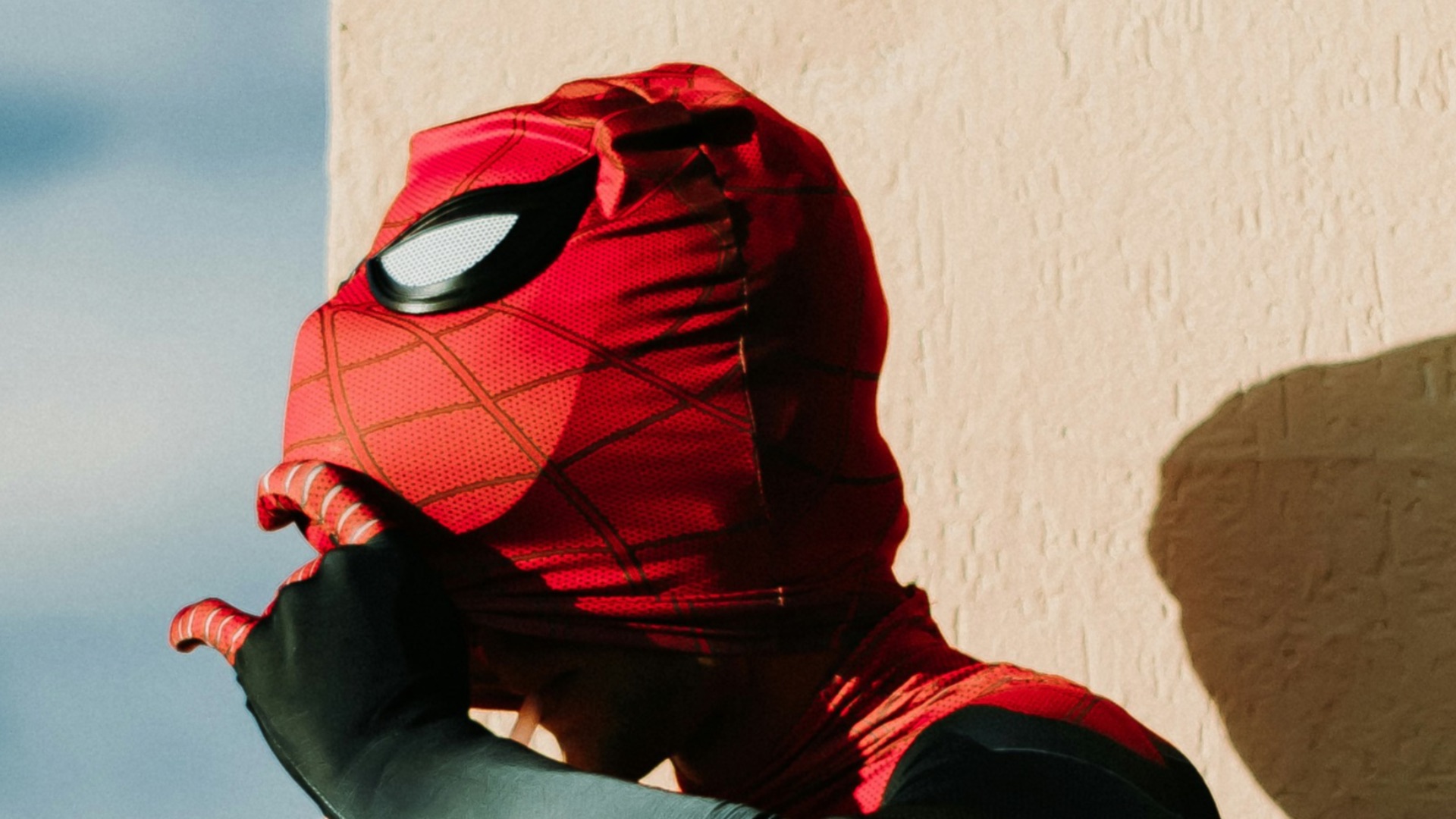
2. His Most Famous Equipment Can Simply Run Out
For all the attention Spider-Man's webs receive, Peter usually produces them with mechanical web-shooters rather than having an unlimited biological supply. That means cartridges can empty, equipment can malfunction, and damaged shooters can suddenly remove one of his most useful advantages. Losing his webbing restricts his movement, ranged attacks, restraints, and ability to rescue people from a distance. It's hard not to tease a superhero whose signature ability occasionally comes with the equivalent of a low-battery warning.
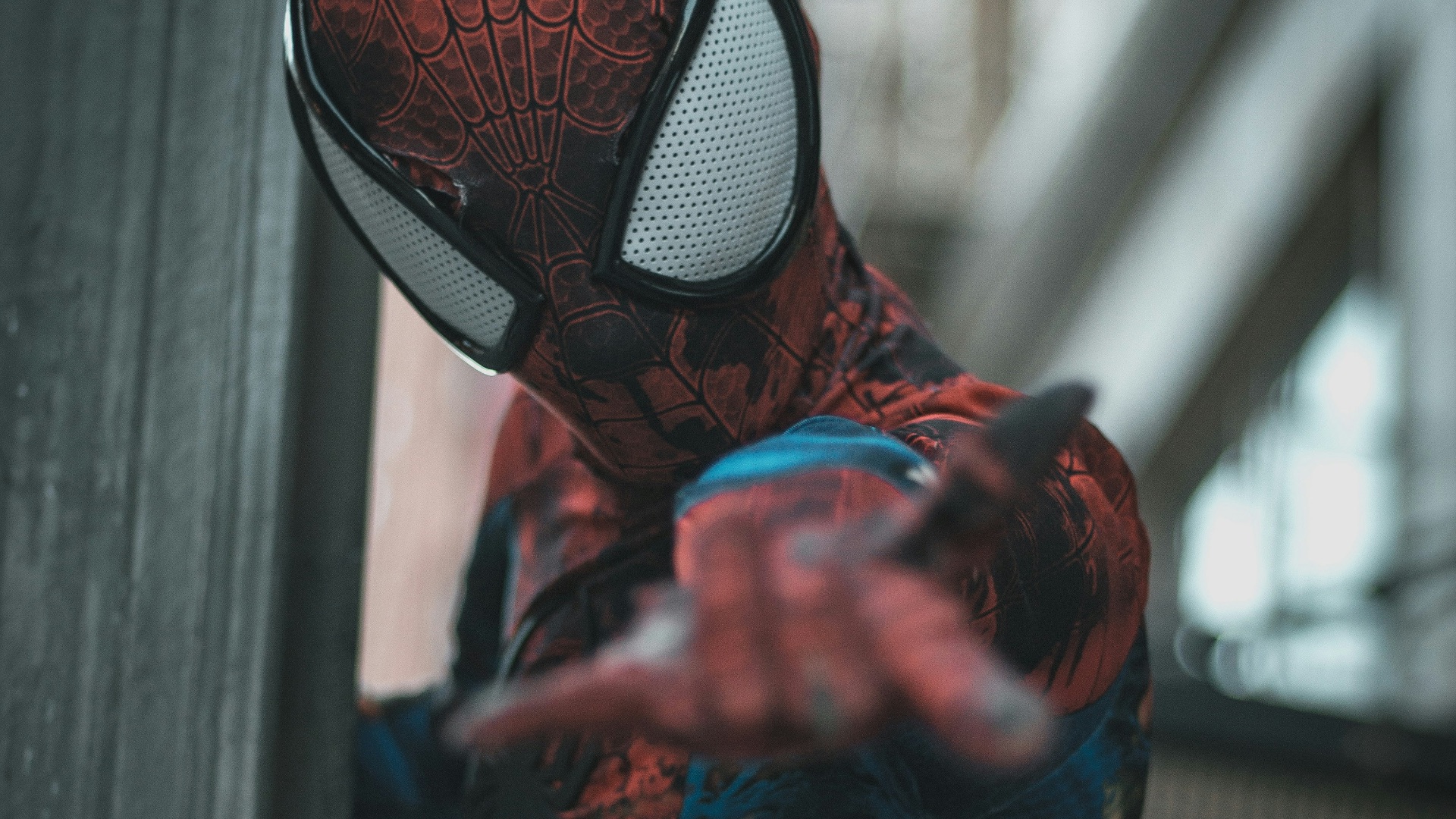
3. Spider-Sense Isn't the Perfect Warning System
Spider-sense sounds unbeatable until you remember how many stories exist because somebody found a way around it. Certain substances and unusual circumstances can interfere with the ability, while symbiotes such as Venom have traditionally been especially dangerous because they can bypass Peter's usual warning. He's also become so accustomed to relying on spider-sense that suddenly losing it can interfere with the fighting style he's developed around it. Apparently, giving a hero an early-warning system just encourages writers to invent increasingly specific reasons why it doesn't work this week.
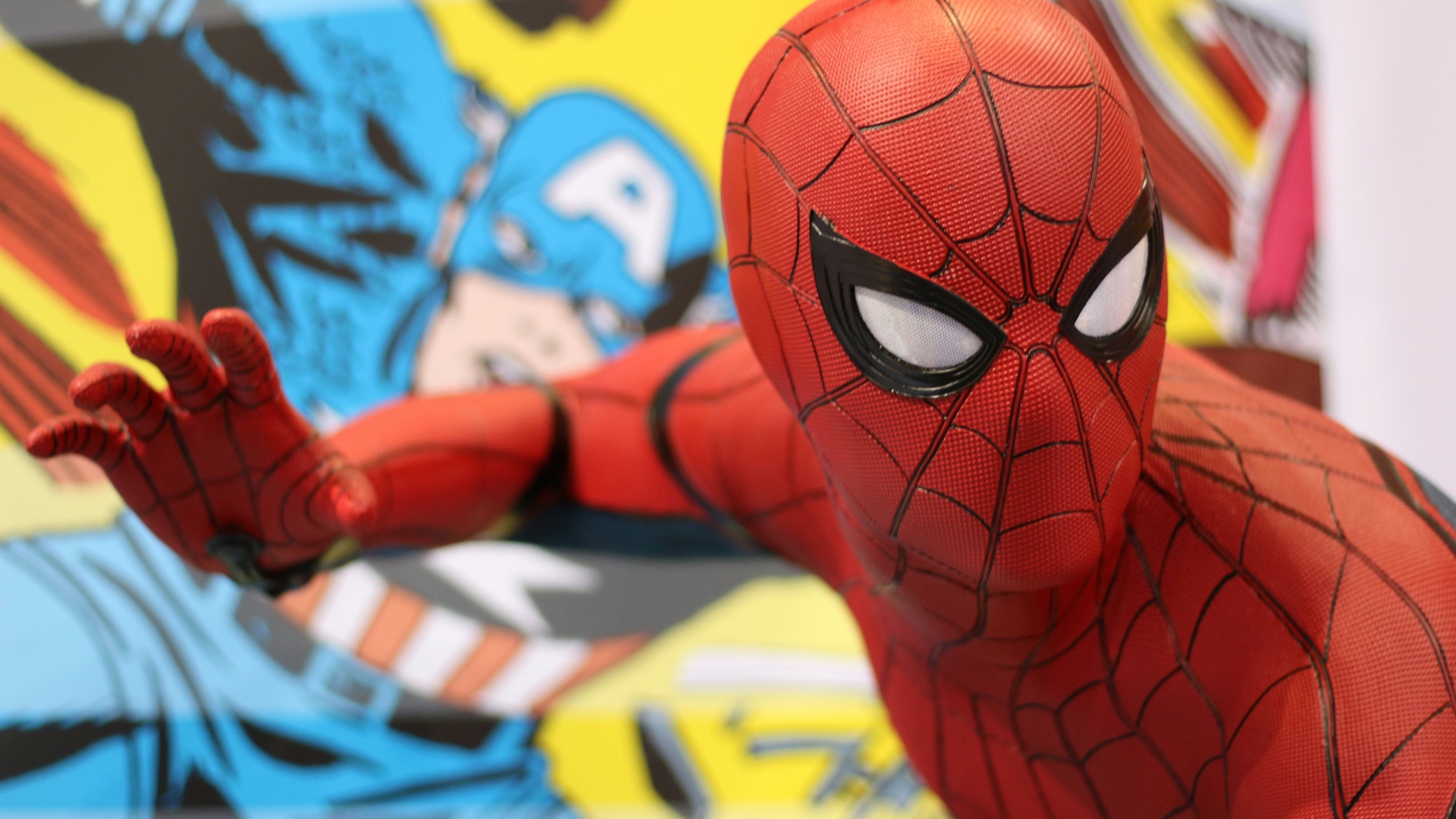
4. He Isn't Bulletproof
Peter has enhanced durability and can recover from injuries faster than an ordinary person, but unlike other superheroes who can shrug off artillery fire, explosions, or far worse, bullets, blades, and sufficiently powerful impacts remain serious threats for him. His usual solution is to avoid getting hit rather than simply absorbing the damage. That works wonderfully until it doesn't, at which point Spider-Man suddenly looks much less impressive beside characters who don't have to dodge the gunfire in the first place.
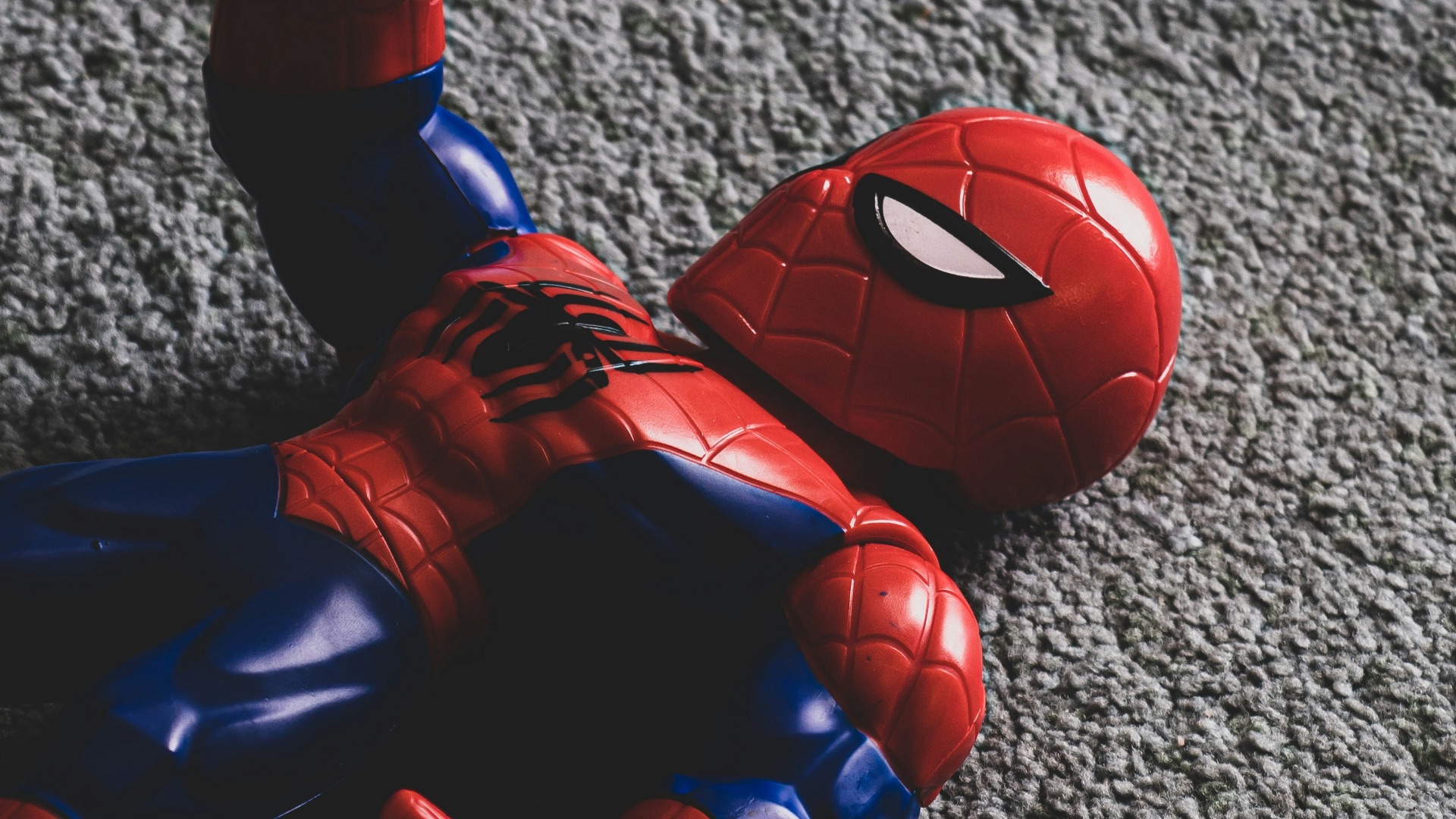
5. A Specific Chemical Has Historically Weakened Him
Spider-Man has one of comic books' stranger vulnerabilities because ethyl chloride has been used to suppress his spider abilities. Spider-Slayers have exploited versions of the substance, leaving Peter considerably less capable than he normally would be. It isn't nearly as famous as kryptonite, partly because modern stories don't constantly reach for it, but its existence gives Spider-Man detractors an almost unfairly convenient argument. Superman gets a glowing alien mineral, while Peter has managed to have problems with something that sounds like it belongs in a laboratory supply cabinet.
6. His Personal Life Is a Villain’s Playbook
Secret identities are supposed to protect superheroes' loved ones, yet Peter has spent much of his career watching villains discover exactly which people matter most to him. Aunt May, Mary Jane, Gwen Stacy, and numerous friends have been threatened, kidnapped, manipulated, or otherwise dragged into conflicts surrounding Spider-Man. Peter's loyalty to them can push him toward emotional decisions that he wouldn't make under ordinary circumstances. If a villain can't beat Spider-Man directly, there's a disturbingly long list of people available for Plan B.
7. He Has Terrible Luck with Money
Tony Stark builds technology with corporate resources, Batman traditionally operates with enormous wealth, and Spider-Man has repeated worries about rent. Peter's finances have varied dramatically across comic eras, but money problems are deeply connected to his classic characterization and have affected everything from employment to maintaining equipment. Even his early attempt at using his powers professionally came partly from wanting to earn cash. Saving New York is impressive, but doing it while wondering whether the electric bill got paid isn't exactly evidence that you've mastered every part of superhero life.

8. His Sense of Responsibility Can Become Self-Destructive
Peter's commitment to responsibility is admirable right up until he decides every bad event within several miles must somehow be his personal failure. His guilt over Uncle Ben has repeatedly influenced his choices, and later stories have shown how easily that instinct can become unhealthy when Peter convinces himself that he must save absolutely everyone. Instead of accepting that some situations are beyond his control, he can keep pushing until he's physically or emotionally exhausted. A superhero who never knows when to stop can create weaknesses that no villain needs to invent.
9. His Powers Don't Give Him Many Long-Range Options
Strip away the web-shooters and Spider-Man becomes an overwhelmingly close-range fighter. He's enormously effective once he reaches an opponent, but he doesn't naturally fire energy blasts, manipulate weather, launch projectiles, or attack someone standing several blocks away. That limitation becomes noticeable against airborne enemies or opponents capable of controlling a battlefield from a distance. Peter can usually improvise his way around the problem, but needing to improvise is also an admission that the problem exists.
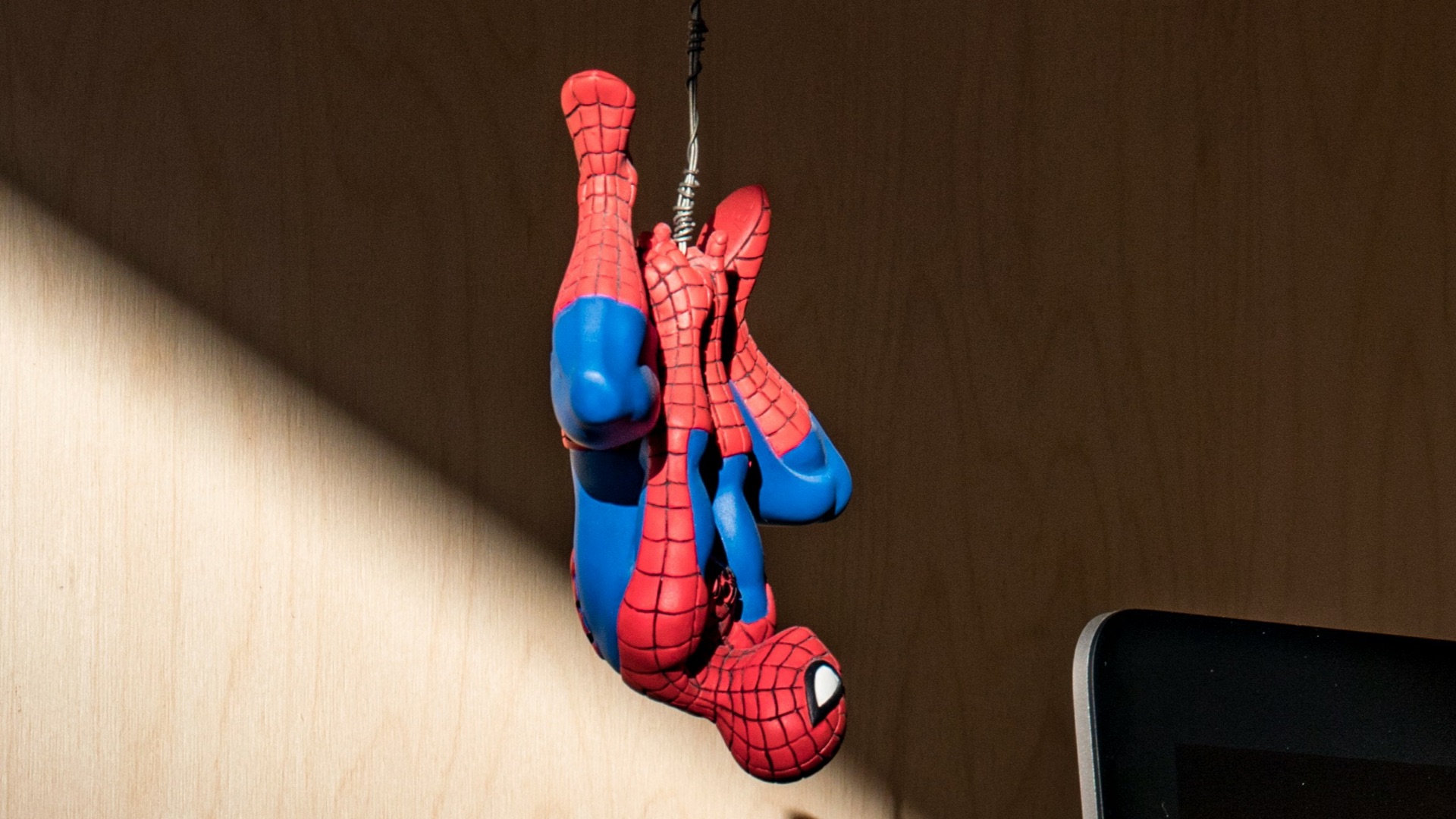 Jean-Philippe Delberghe on Unsplash
10. He Regularly Gets Hit
Spider-Man possesses exceptional reflexes, speed, agility, and a danger-warning ability, so you'd think ordinary punches would have almost no chance of reaching him. Comic book fights don't work that conveniently, and Peter has been struck and stunned countless times by enemies who theoretically shouldn't have an easy time catching him. Some of that comes from distraction, exhaustion, or facing unusual opponents, but still: if Spider-Man fans want to discuss how impossible he is to hit, there are several decades of panels prepared to interrupt the conversation.
Of course, as "weak" as Spidey is, he deserves far more credit than he gets. Take away the bad luck, occasional equipment failures, and questionable decisions, and the argument for Spider-Man being one of Marvel's strongest heroes becomes considerably harder to dismiss.
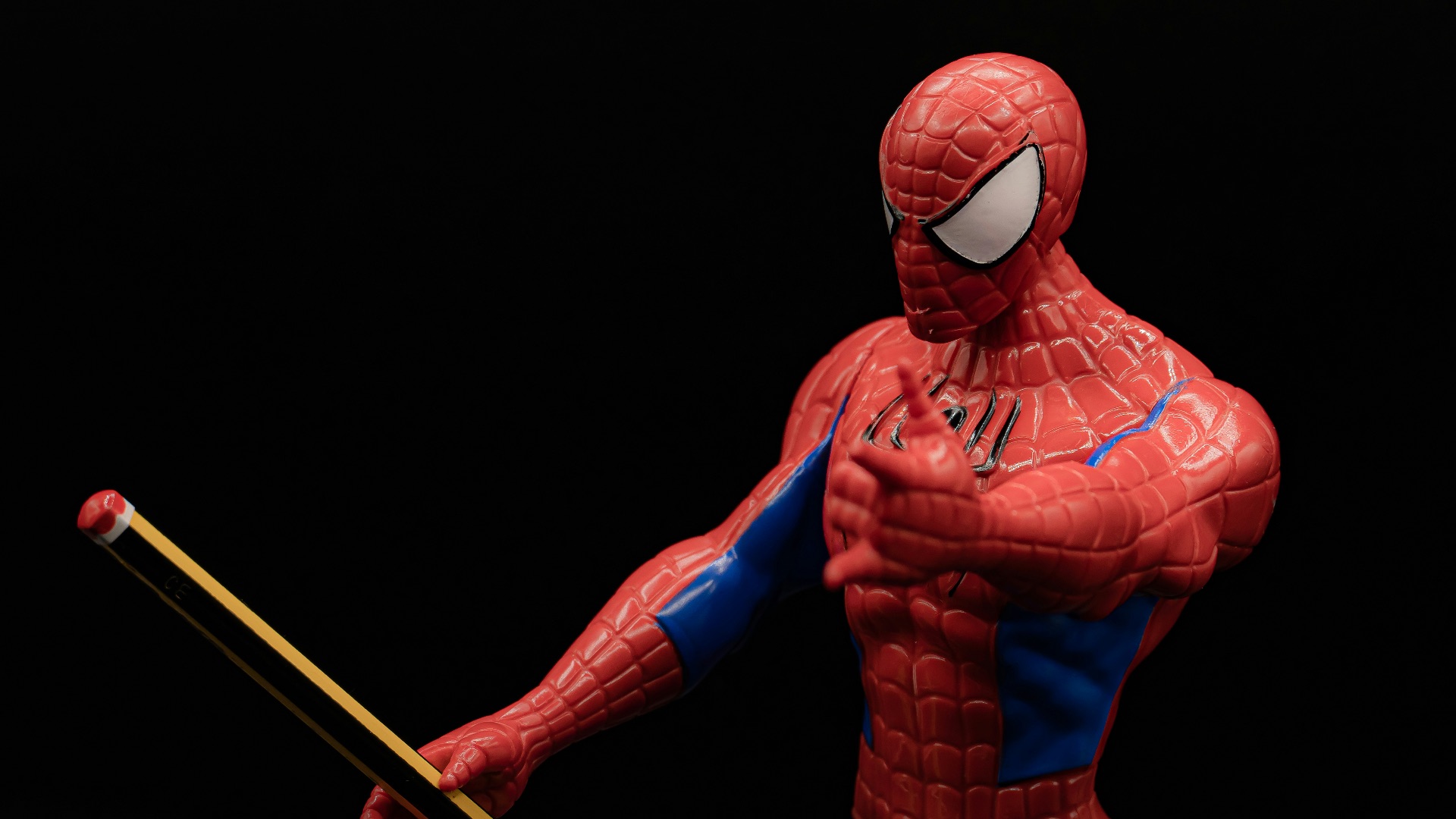
1. His Physical Strength Is Far Greater Than It Looks
Spider-Man's lean appearance makes it easy to forget that Peter possesses legitimate superhuman strength, with Marvel describing him as capable of lifting roughly 10 tons under normal circumstances. That places him far beyond street-level fighters who rely primarily on training, weapons, or peak human conditioning. His strength also lets him perform enormous leaps, overpower enhanced opponents, and move objects that would be completely immovable to ordinary people. The fact that he spends most fights cracking jokes rather than demonstrating maximum force shouldn't be mistaken for a lack of power.
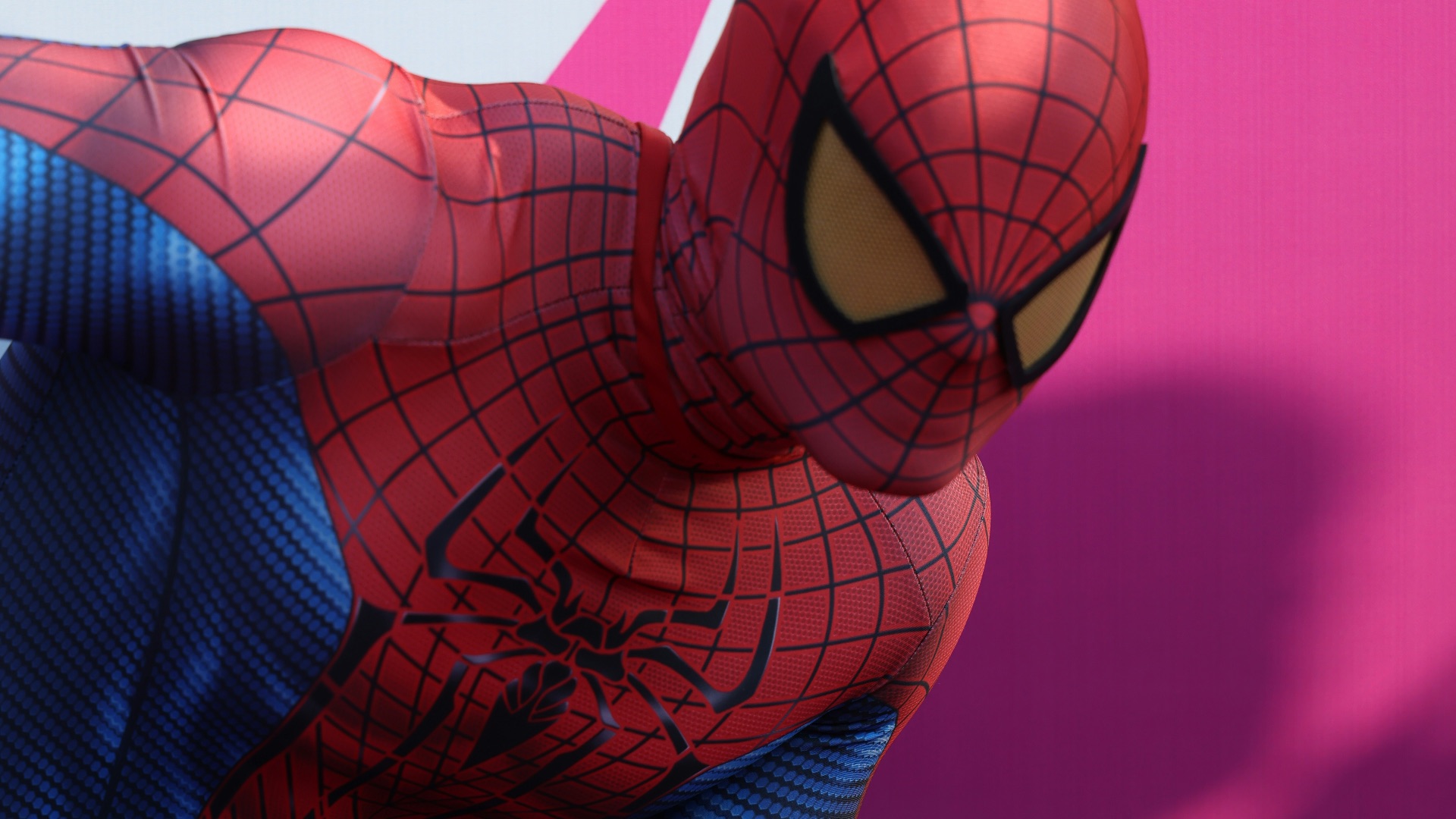
2. Spider-Sense Gives Him an Extraordinary Advantage
When it's functioning normally, spider-sense provides Peter with warning of approaching danger before he consciously recognizes the threat. Combined with his reflexes, it allows him to evade attacks from directions he isn't watching and respond to sudden hazards faster than ordinary perception would permit. That's particularly useful in chaotic fights where bullets, debris, multiple attackers, and endangered civilians can all demand attention at once. Plenty of heroes are difficult to hurt because they're durable, but Spider-Man often prevents the hit from landing at all.
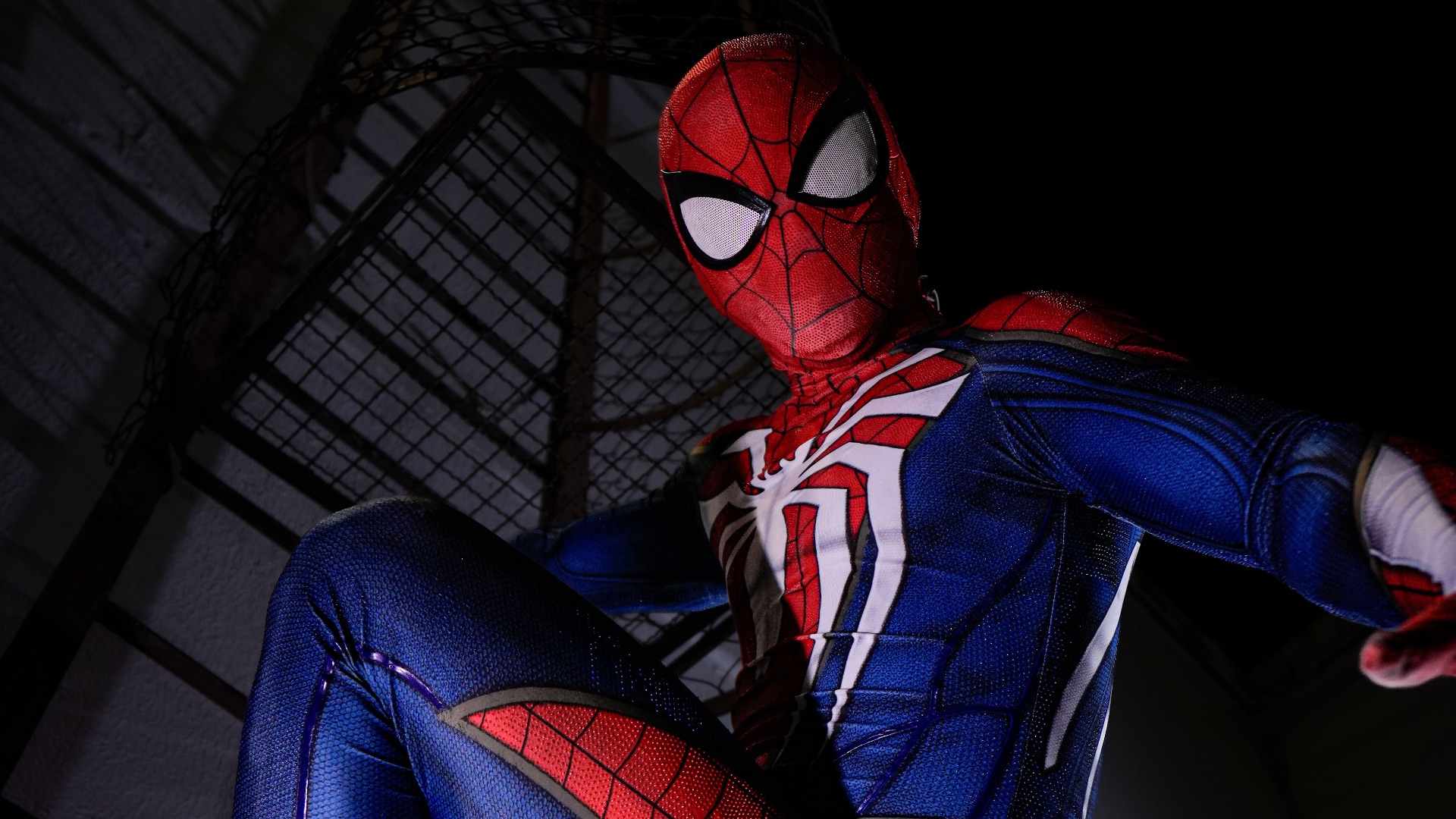
3. His Agility Is Among His Greatest Weapons
Peter doesn't simply move quickly; he has exceptional balance, coordination, reflexes, and control over his body. He can change direction in midair, fight effectively while climbing walls, maneuver through confined spaces, and perform movements that would be impossible for ordinary athletes. Those abilities make his combat style extremely difficult for conventional opponents to predict or counter. If you're trying to land a clean punch on Spider-Man, strength alone doesn't solve the problem.
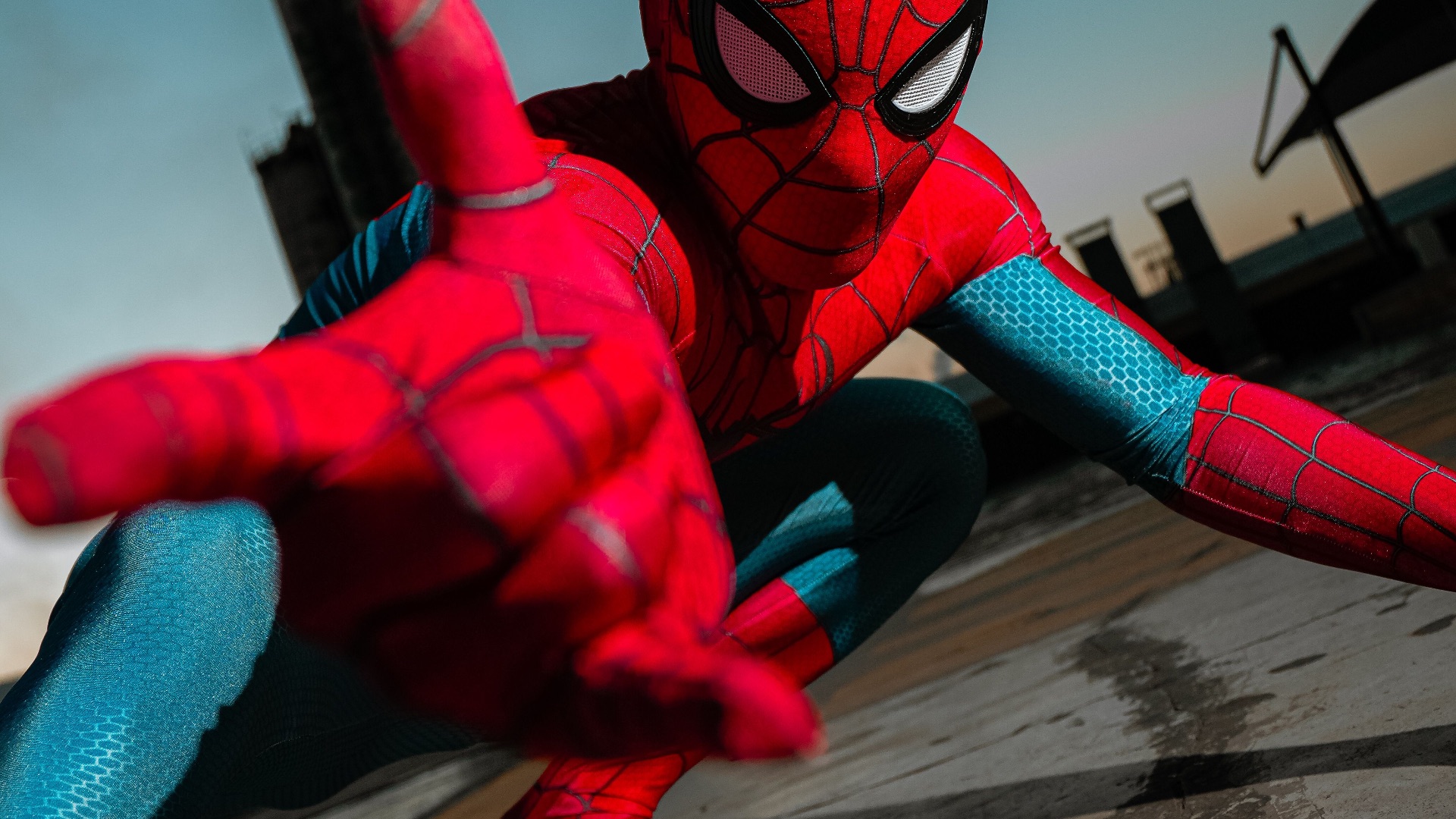
4. He's a Scientific Genius
Peter Parker built his original web-shooters and developed the specialized web fluid they use while he was still exceptionally young. Across various comic runs, his scientific knowledge has extended into physics, chemistry, engineering, biology, and advanced technology, allowing him to solve problems that punching can't fix. He's also created devices and specialized equipment specifically designed to counter unusual opponents. Spider-Man could lose every superpower he has and still remain someone many villains would rather not underestimate.

5. His Webbing Is Super Versatile
Swinging through Manhattan gets most of the attention, but Peter's webbing is also a restraint system, rescue tool, defensive measure, construction material, and combat weapon. He can bind opponents, create nets, secure damaged structures, pull objects toward himself, slow falls, protect civilians, or temporarily obstruct machinery. Different stories have also shown him modifying his web technology when a particular situation demands it. Few superhero gadgets contribute to so many separate parts of the job.
6. Wall-Crawling Changes the Entire Battlefield
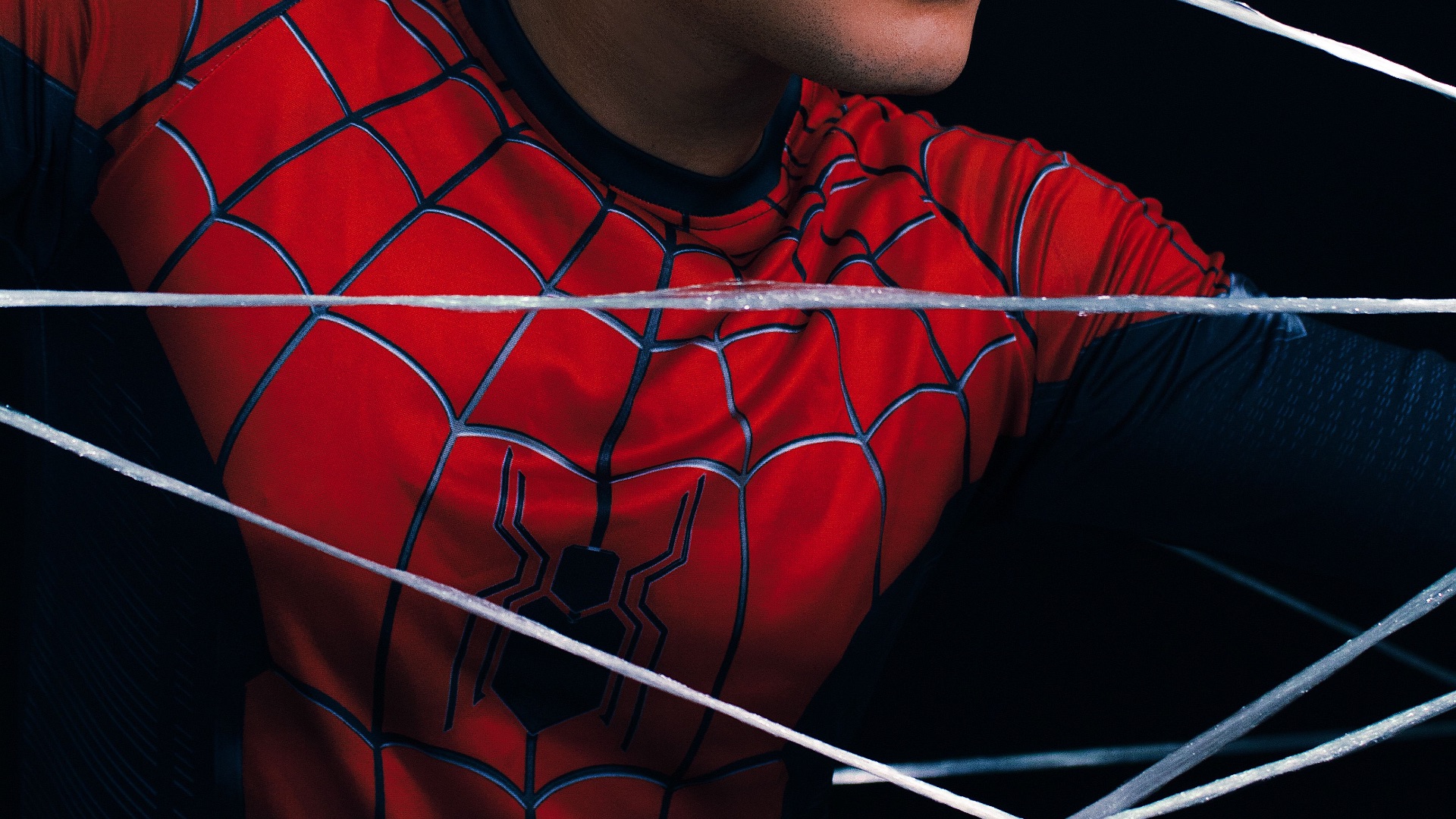
Being able to adhere to walls and ceilings might sound modest beside more destructive powers, but Spider-Man can use surfaces that most opponents barely consider accessible. He attacks from unusual directions, hides above enemies, navigates vertical structures without conventional climbing equipment, and maintains stable positions that shouldn't be possible. In dense urban environments, almost every building becomes additional space for him to maneuver through. Fighting Spider-Man therefore means paying attention to directions that wouldn't matter against most opponents.
7. He's Constantly Holding Back His Full Strength
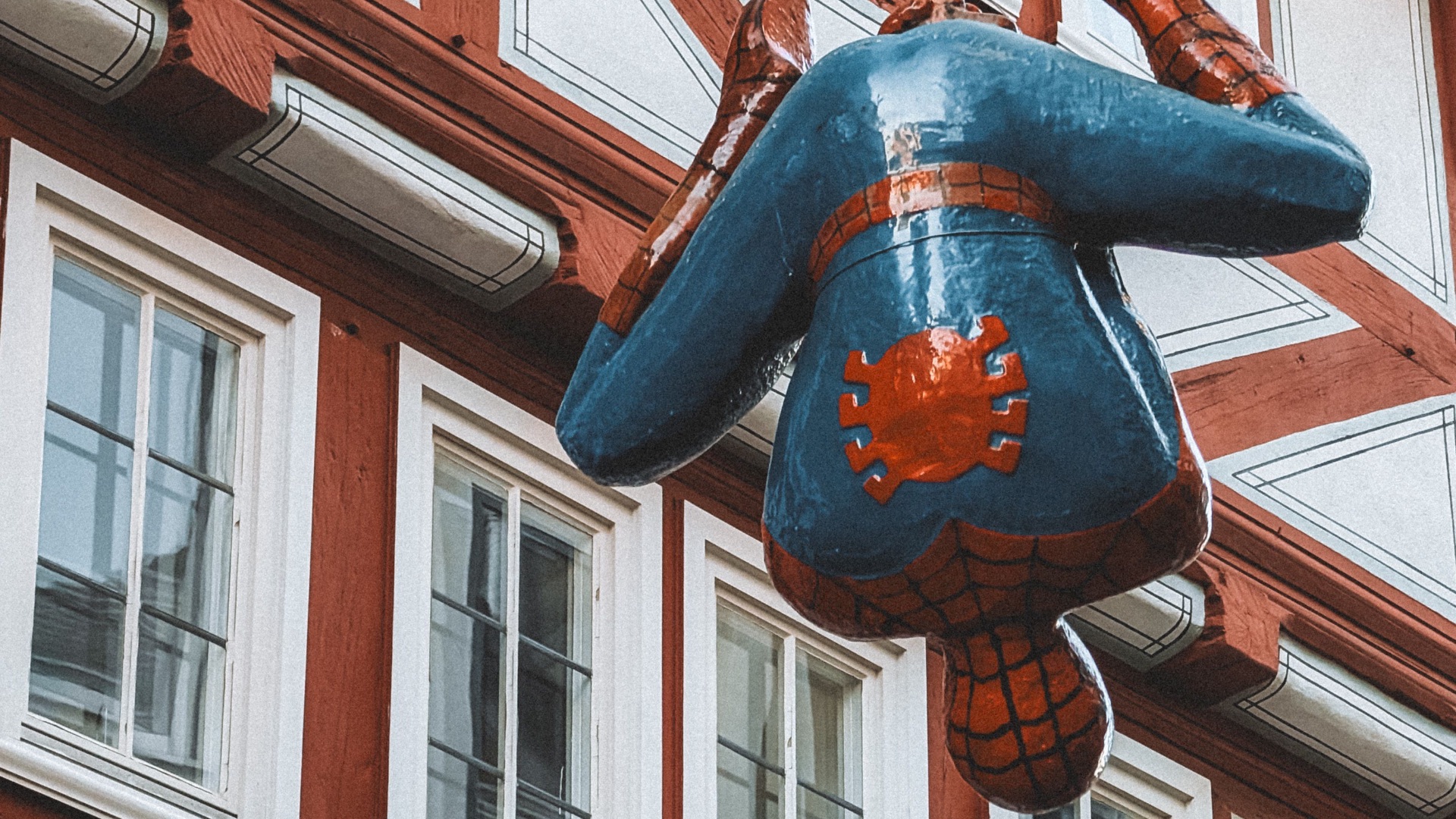
Peter is powerful enough that striking ordinary criminals without restraint could cause catastrophic injuries, so controlling his strength is a routine part of being Spider-Man. Stories involving opponents who can survive harder hits occasionally reveal how much force he normally avoids using. That restraint is important because the punches you usually see aren't necessarily evidence of his maximum physical capability. Spider-Man isn't struggling to hit harder in many fights; he's making sure he doesn't.
8. His Amazing Endurance Keeps Him Going
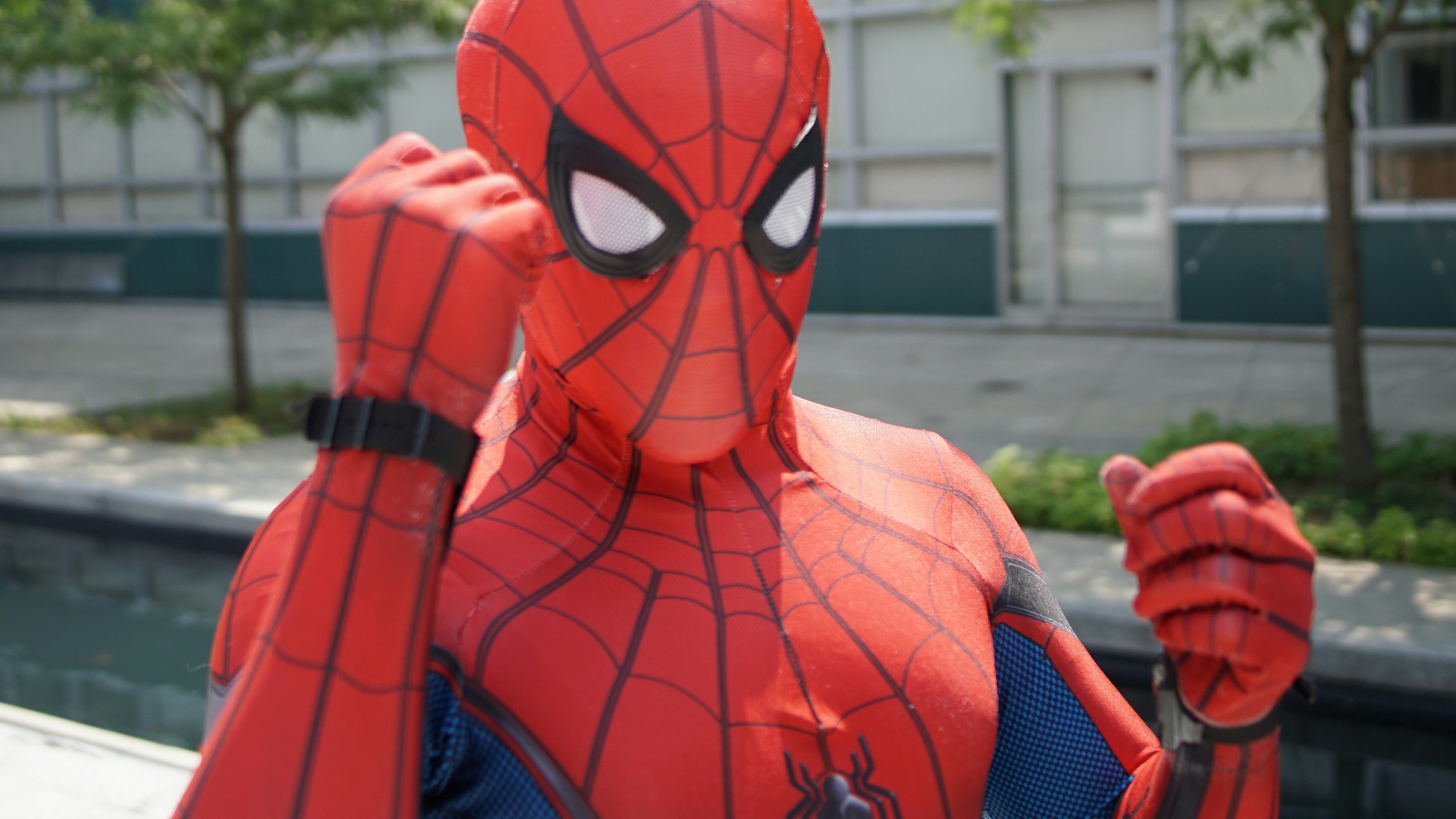
Spider-Man isn't invulnerable, but his enhanced durability, stamina, and recovery allow him to remain active through injuries that would immediately end a normal person's fight. Peter has repeatedly continued battling while exhausted, injured, or placed under intense physical strain because stopping would put other people in danger. His famous determination doesn't replace his powers, but it makes those powers significantly harder for enemies to overcome. Beating Spider-Man often requires more than hurting him once because he's exceptionally difficult to convince that the fight is finished.
9. He's Extremely Difficult to Outsmart in Combat
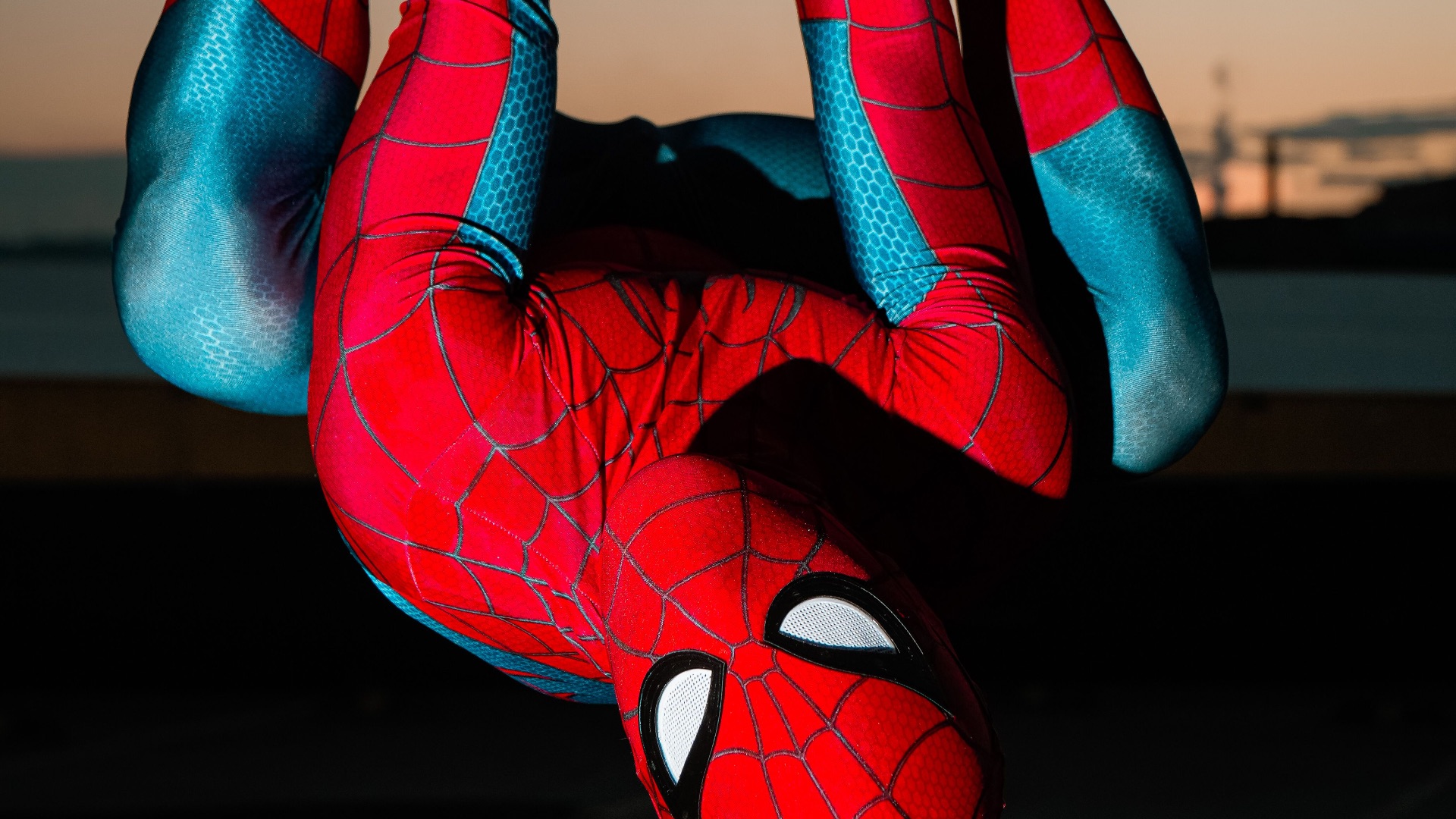
Peter has fought everything from common criminals to technologically advanced villains, monsters, alien threats, superhuman teams, and enemies with powers specifically designed to counter his own. That history has forced him to become skilled at identifying patterns, exploiting weaknesses, changing tactics, and inventing solutions during fights. His humor can make him appear less focused than he actually is because he's frequently analyzing an opponent while irritating them. By the time a villain understands why Peter was asking those annoying questions, he may already have figured out how to win.
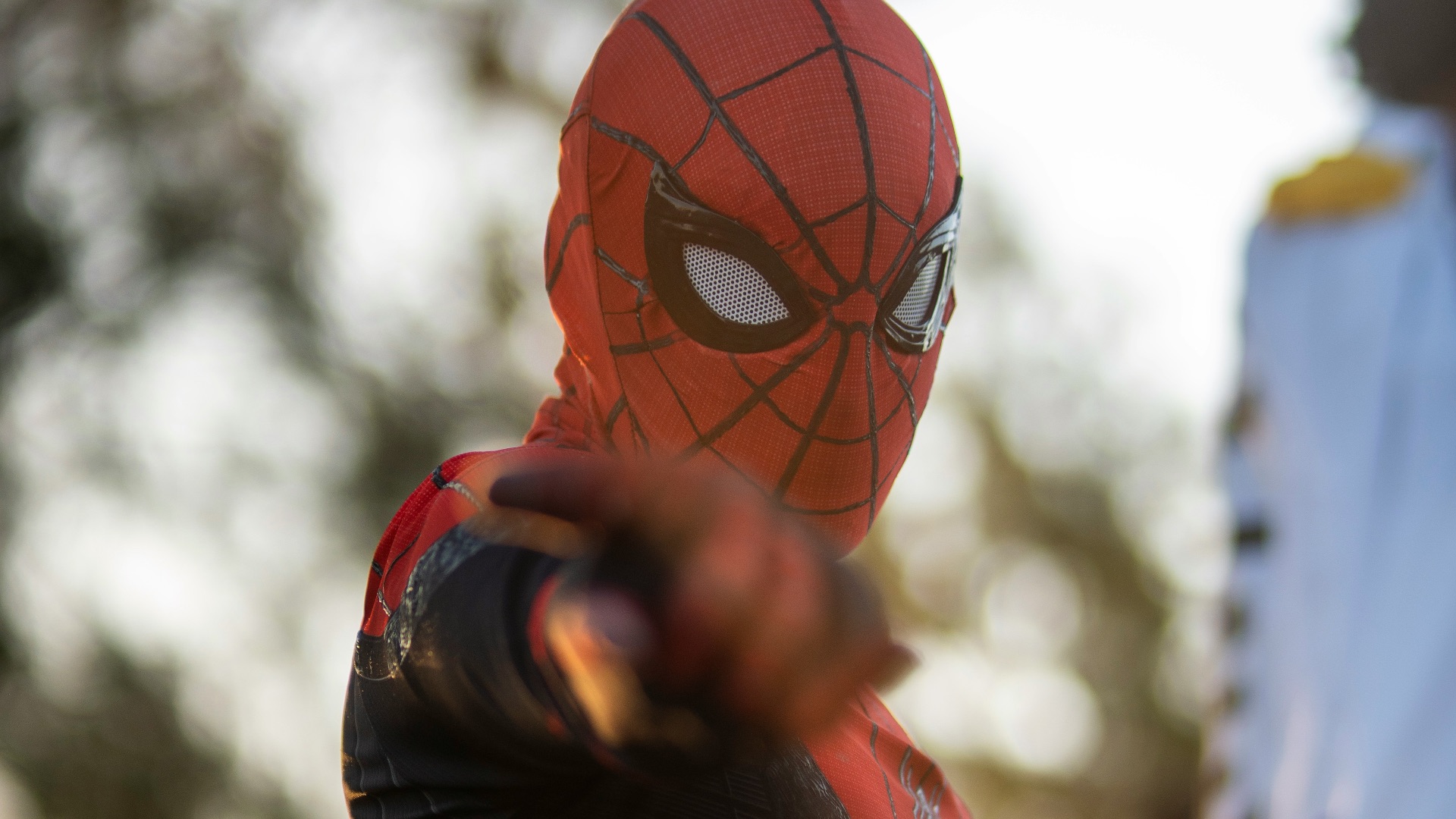
10. All of His Advantages Work Together
Calling Spider-Man the strongest hero becomes much easier when strength isn't reduced to who can lift the largest object. Peter combines superhuman power, speed, reflexes, durability, spider-sense, mobility, scientific intelligence, specialized equipment, and extensive combat experience in one unusually complete package. Characters such as Hulk or Thor can obviously exceed him in raw physical power, but Spider-Man has an answer for an enormous variety of situations. That's why the same hero who can look hilariously vulnerable when he catches a cold can also become one of the most dangerous people in the room once everything is working in his favor.