10 Ways Technology Has Made Us Less Patient & 10 Ways to Fix It Before It's Too Late
We Want It All, and We Want It Now
There's no denying that technology has changed the way we move through the world, and for the most part, the changes have been welcome. You can order groceries without leaving your couch, stream any movie ever made in seconds, and get instant answers to questions that once required a trip to the library. But there's also no denying that all this convenience comes with a cost, and our patience has taken a serious hit. Here's how tech has made it impossible to wait for anything anymore, and how you can shift your habits back within healthy limits.

1. Instant Gratification Has Become the Baseline
When same-day delivery, instant downloads, and real-time communication become the norm, anything slower starts to feel like a personal inconvenience. Your brain gradually recalibrates its expectations so that a two-day shipping window feels like an eternity, even though it would have seemed miraculous not long ago. The baseline for "fast enough" keeps shifting, and waiting starts to feel less like a neutral experience and more like something going wrong.

2. Streaming Has Destroyed Our Tolerance for Buffering
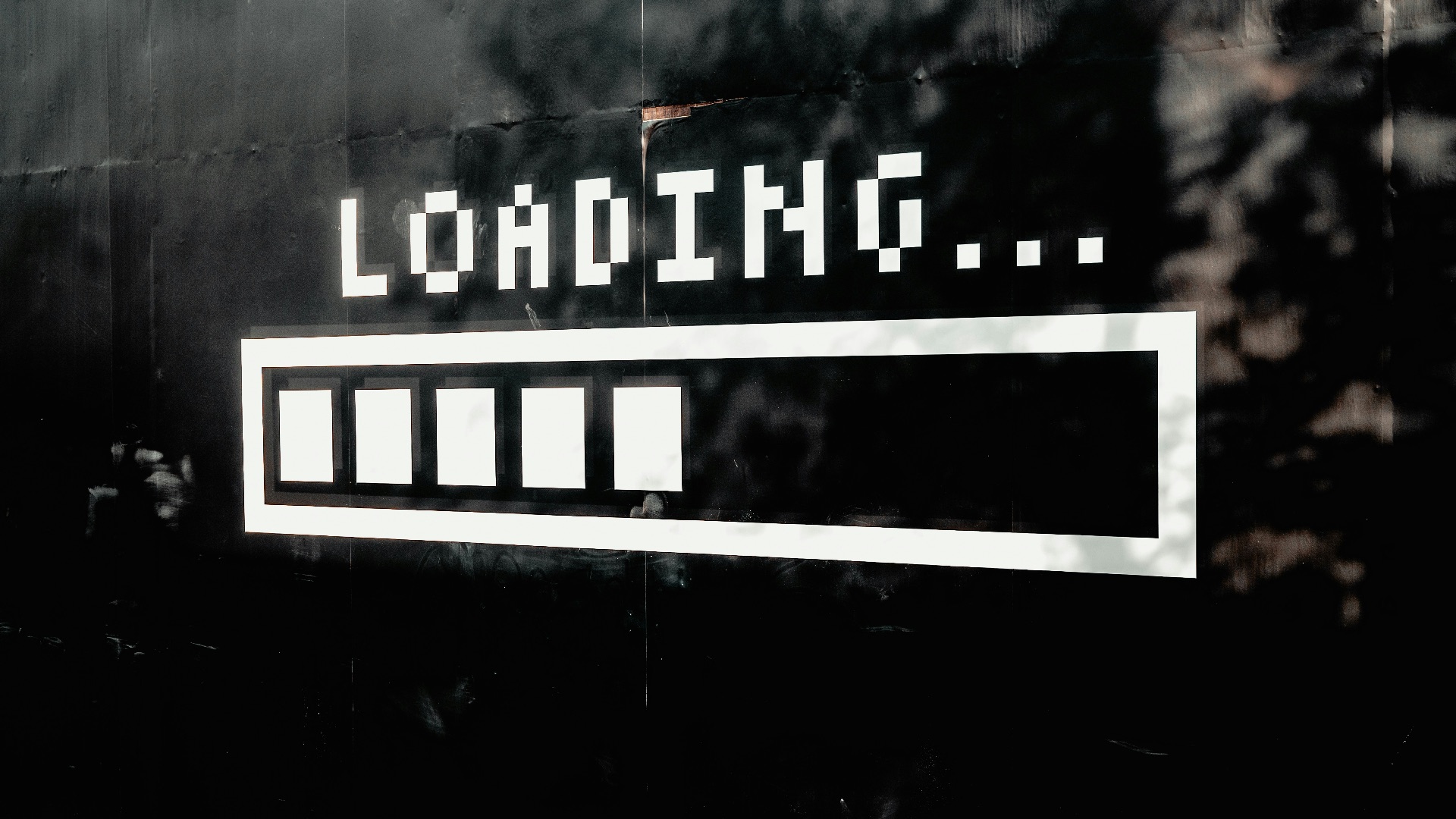
A loading circle that lasts more than a few seconds now has the power to ruin a mood, which says a lot about how dramatically streaming has reset our expectations. In fact, studies have found that viewers begin abandoning videos after just a couple of seconds of buffering delay, even when the content itself is something they actively wanted to watch.
3. Smartphones Have Made Being Idle Feel Unbearable
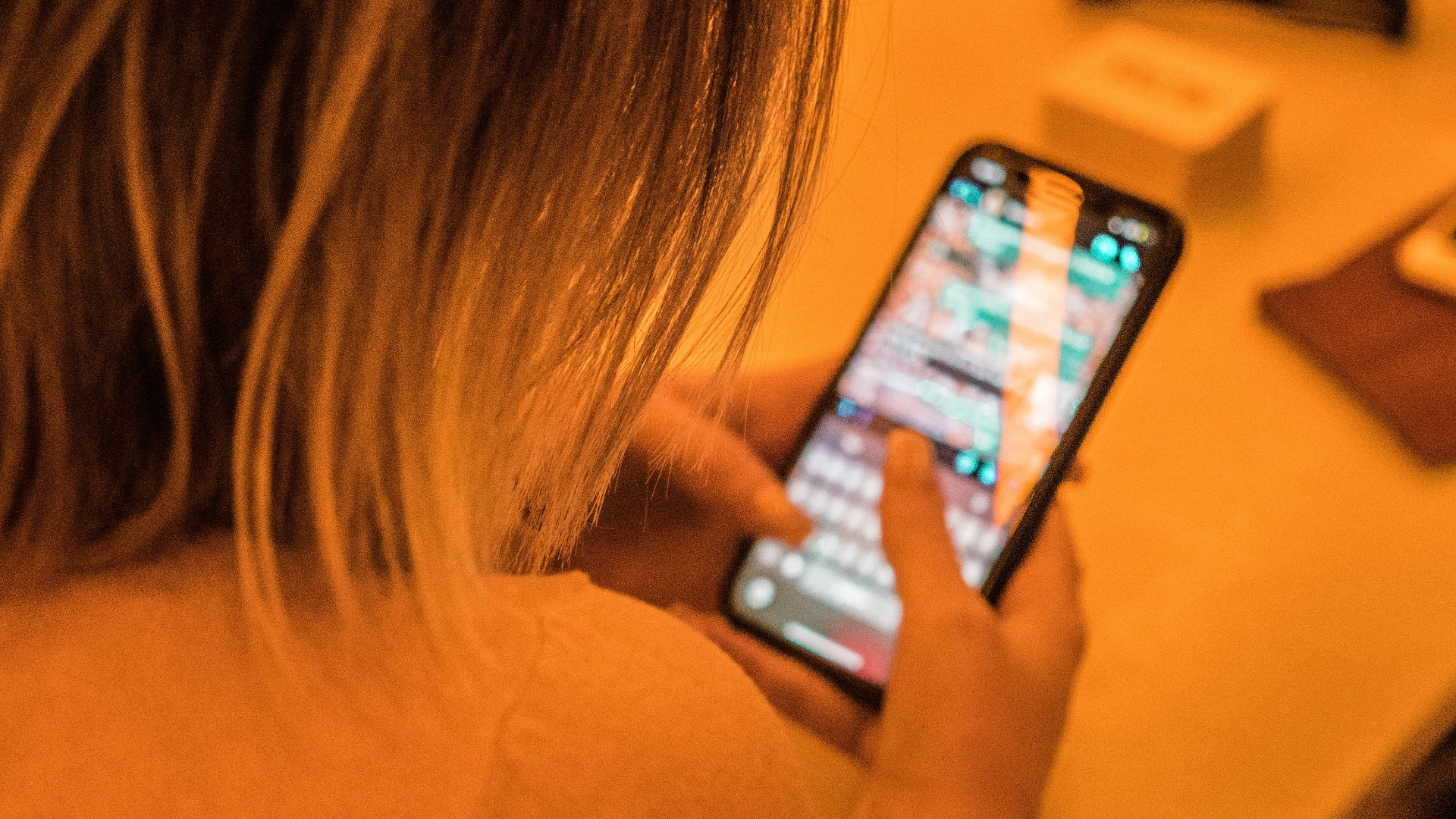
Before smartphones, waiting in a line or sitting in a waiting room was just a fact of life that most people handled without much drama. Now that you always have a device in your pocket offering endless stimulation, a few minutes without it can feel surprisingly uncomfortable. That constant availability of distraction has made plain, unoccupied moments feel awkward rather than ordinary.
 Priscilla Du Preez 🇨🇦 on Unsplash
4. Texting Has Created a Need for Instant Communication
The ability to send a message and receive a reply within minutes has convinced many of us that communication should always be immediate. When someone doesn't respond to a text within the hour, it's easy to interpret that delay as them "ghosting" you or leaving you on "read," even when they could just be busy.
5. Search Engines Have Made Research Feel Effortless— Until It Isn't
Typing a question and getting a list of answers in under a second has made the act of not knowing something feel almost unacceptable. When a search fails to deliver a clear answer immediately, the frustration can feel disproportionate because the expectation of instant clarity has become so deeply ingrained.

6. AI Has Made Deep Thinking Feel Optional
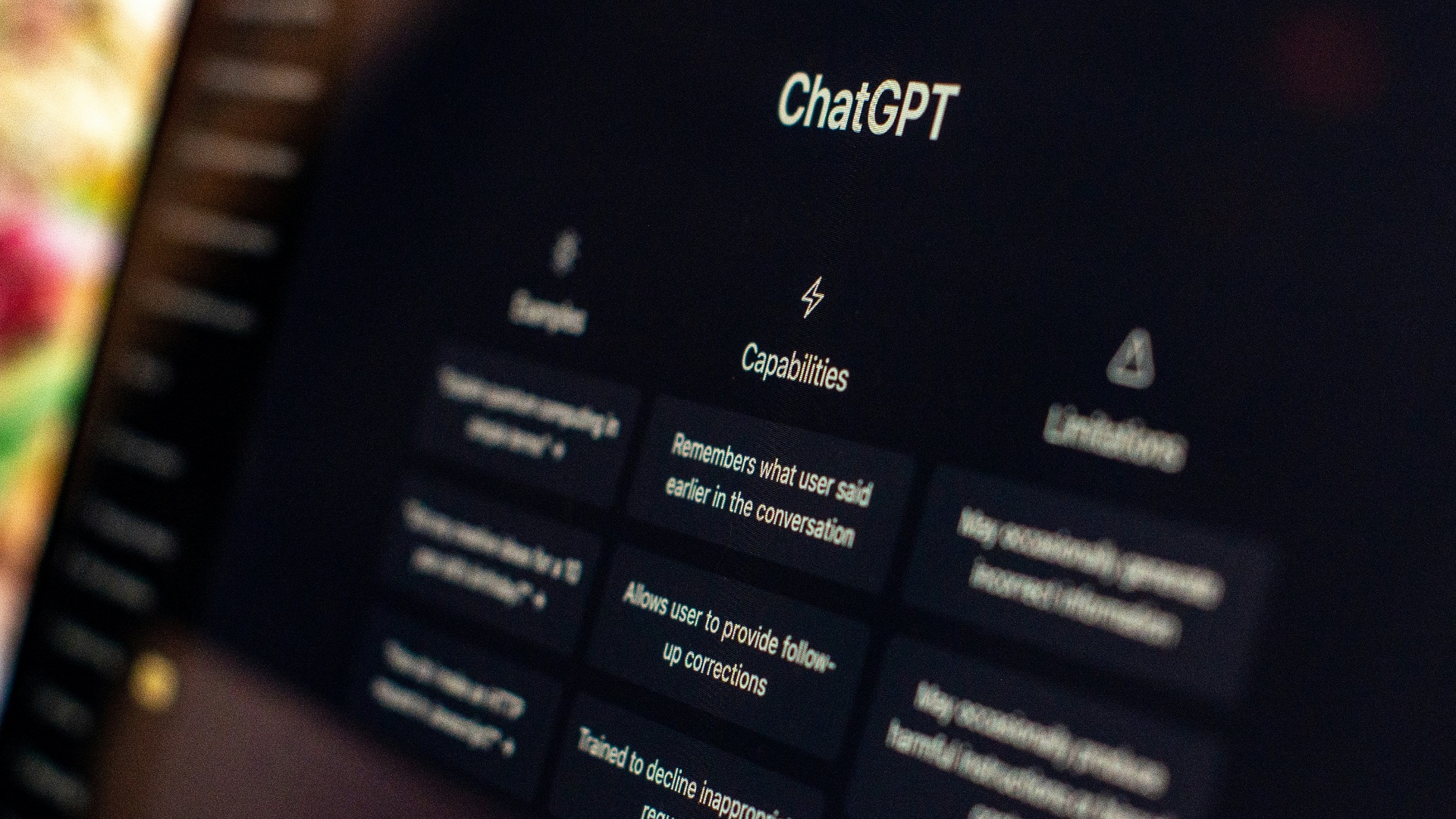
The rise of AI tools that can summarize, explain, and analyze almost anything on demand has made the slow, effortful process of researching and reasoning through something yourself feel increasingly unnecessary. Why spend an hour reading through multiple sources and forming your own conclusions when a chatbot can hand you a tidy answer in seconds? The problem is that the thinking itself has value beyond the answer it produces, and outsourcing it entirely means you're skipping the part where understanding actually develops.
 Emiliano Vittoriosi on Unsplash
7. GPS Has Made Manual Navigation Feel Impossible
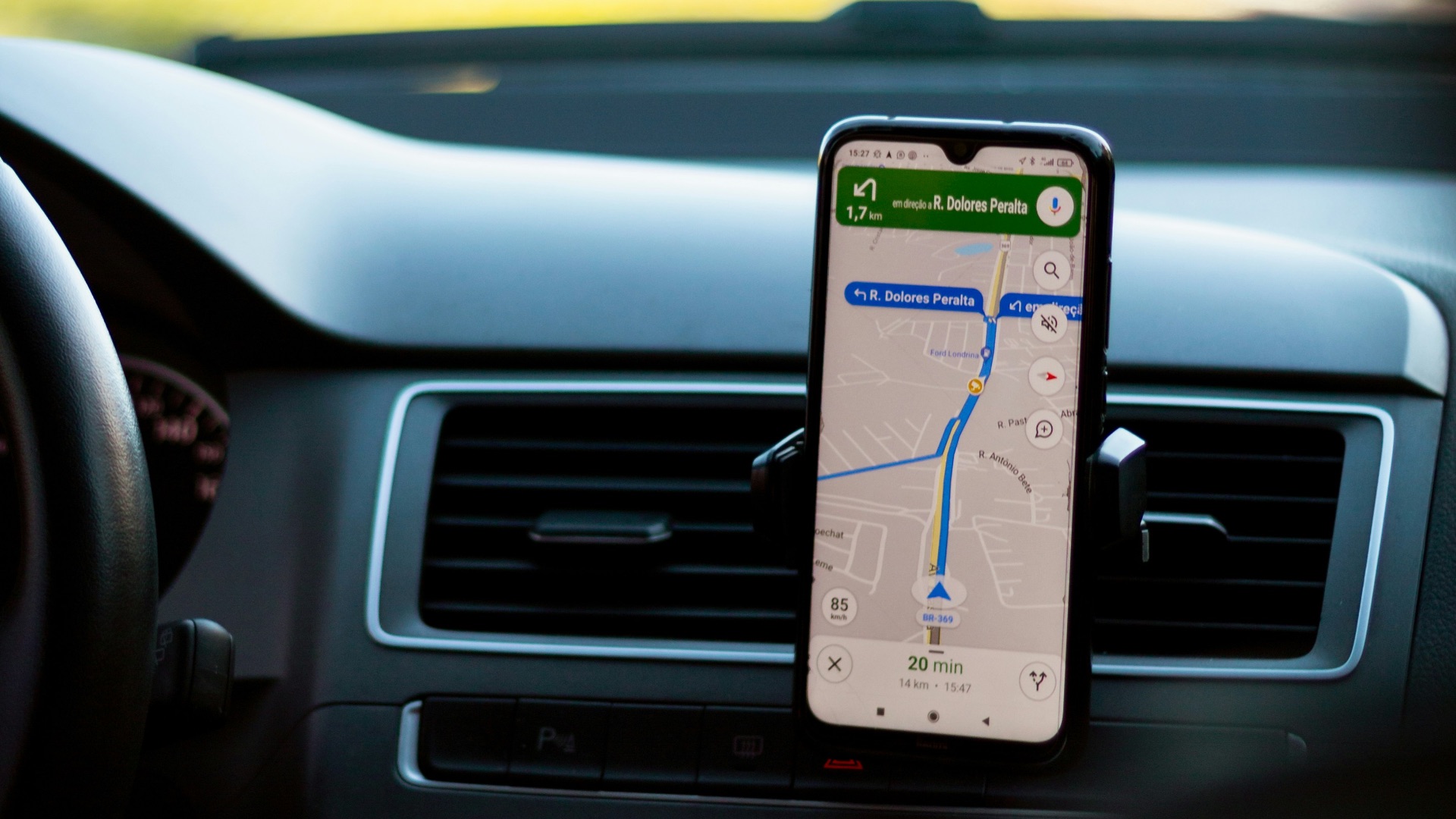
Turn-by-turn navigation has removed so much of the uncertainty from getting from place to place that even minor route delays can feel like major setbacks. When your phone announces a 10-minute traffic delay, the irritation that follows is real despite the fact that the technology also just saved you from getting lost entirely. The ability to know exactly what's ahead at all times has made the unknown feel far more threatening than it actually is.
8. Binge-Watching Has Warped Our Sense of Narrative Time
Watching an entire season of a show in a single weekend has changed how you relate to storytelling that unfolds slowly and deliberately. When you're used to jumping to the next episode the second one ends, the pacing of anything that requires sustained attention can start to feel frustrating. Your tolerance for slow builds and delayed payoffs decreases the more you train yourself to expect constant momentum.

9. Online Shopping Has Made In-Store Experiences Feel Tedious
The convenient experience of buying something online in under two minutes has made the act of physically shopping feel surprisingly laborious by comparison. Standing in a checkout line, waiting for a fitting room, or tracking down a sales associate now carries a kind of frustration that didn't exist before. Why go in person at all if you order the same thing and check out in half the time on your phone?

10. Notifications Have Fragmented Our Attention
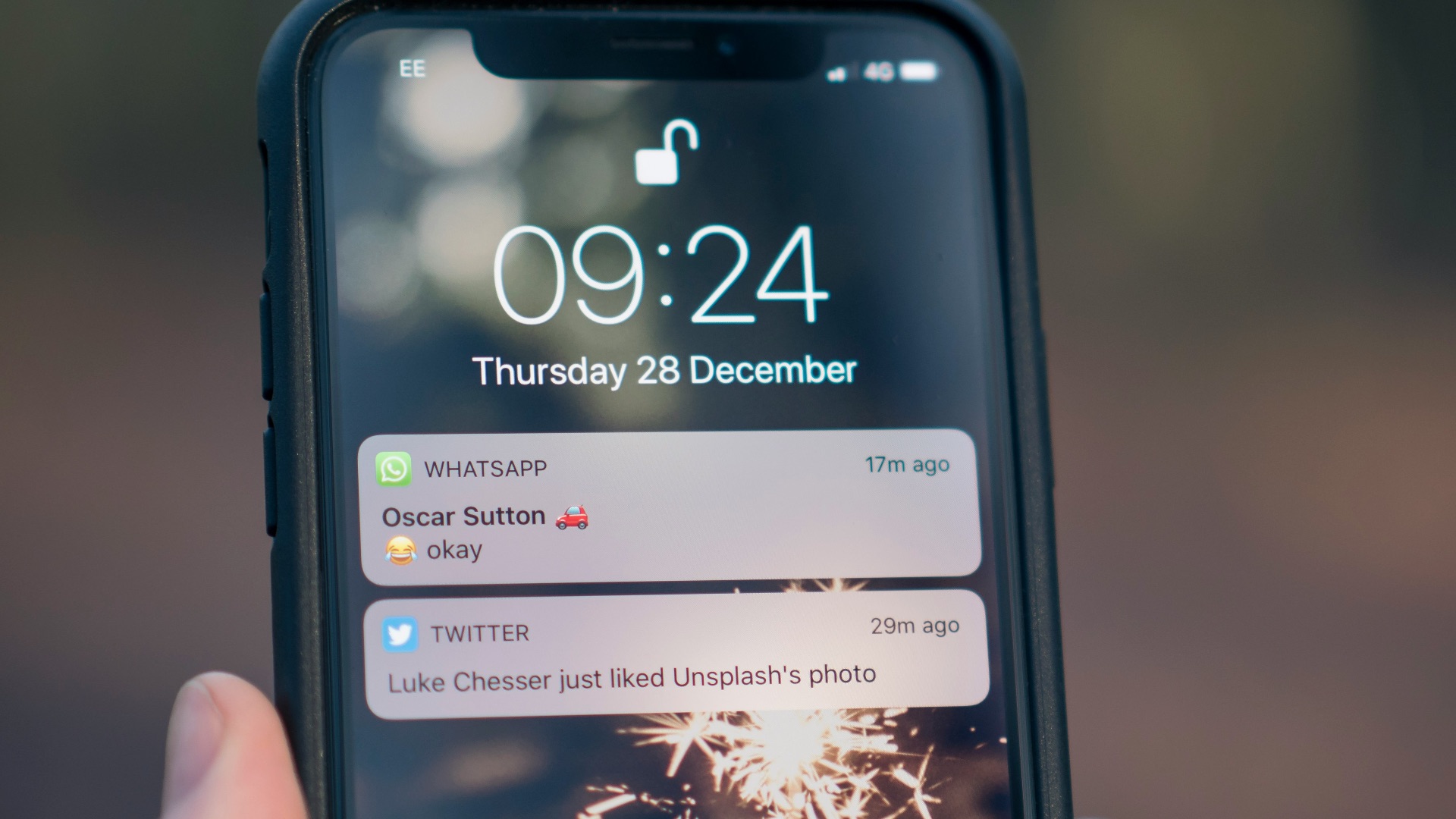
Every buzz, ping, and banner alert that interrupts your day trains your brain to expect stimulation at irregular and frequent intervals. Over time, that conditioning makes it harder to sustain focus on any single task without feeling the pull to check something, which makes long, uninterrupted activities feel more difficult than they used to. Attention, like patience, is something that erodes with repeated interruption and takes deliberate effort to rebuild.
You've probably noticed these habits in yourself, too, so now the question is: how can you shift them instead of allowing technology to continue consuming you? These next 10 tips might just help.
1. Practice Waiting Without Reaching for Your Phone
The next time you're standing in line or waiting for an appointment, try leaving your phone in your pocket for the entire duration. It might feel awkward at first because your brain has been conditioned to fill every gap with stimulation, but that mild discomfort is actually the sensation of your patience muscle getting a workout. Over time, the ability to simply be present without distraction becomes easier and starts to carry over into other areas of your life.

2. Reintroduce Time-Consuming Activities Into Your Routine
Reading a physical book, doing a puzzle, or cooking a meal from scratch are all activities that demand a kind of engaged, unhurried attention that screens rarely require. They don't offer shortcuts or skip buttons, which means you have no choice but to move at the pace the activity sets. That experience of progressing through something gradually, without the option to fast-forward, is surprisingly effective at rebuilding a tolerance for delayed outcomes.

3. Set Response Time Expectations for Yourself
Rather than reacting to every message the moment it arrives, decide on a realistic window for checking and responding to emails and texts, and stick to it. Giving yourself permission to not be immediately available removes the low-grade anxiety of constant responsiveness and lets you focus on what's actually in front of you. It also sets a healthy precedent for the people in your life about what kind of availability you're actually offering.

4. Turn Off Non-Essential Notifications
Going into your phone's settings and disabling alerts for apps that don't require your immediate attention is one of the simplest changes you can make; fewer interruptions throughout the day means fewer opportunities for your focus to be broken, which makes it easier to stay present. You'll likely be surprised by how much calmer your day feels when your phone isn't constantly demanding your attention.

5. Choose Slower Formats Intentionally
Occasionally opting for the slower version of something is a practical way to retrain your tolerance for content that doesn't deliver everything at once. It doesn't have to be a daily practice—even doing it a few times a week can shift your relationship with pacing and depth.

6. Allow Yourself to Experience Low-Stimulation Downtime
Not every free moment needs to be optimized with a podcast, a scroll, or a video, and giving yourself permission to simply sit without an agenda is more restorative than it might seem. Research on rest and cognitive recovery suggests that unstructured, low-stimulation time allows the brain to consolidate information and regulate mood more effectively than passive screen consumption does.

7. Practice Single-Tasking
Multitasking feels productive, but it actually fragments your attention and makes it harder to tolerate any single task that demands sustained focus. Committing to doing one thing at a time, whether that's eating a meal without checking your phone or finishing a work task before switching to something else, strengthens the mental endurance that patience requires. The more consistently you practice single-tasking, the less likely you are to feel restless when something takes longer than you'd like.

8. Deliberately Delay Small Gratifications
You don't need a complete lifestyle overhaul to start rebuilding your patience; small, intentional delays can be just as effective. Waiting a day before making an impulse purchase, finishing a chapter before checking your notifications, or making your coffee at home instead of ordering it through an app are all low-stakes ways to practice tolerating a brief wait. Those small exercises accumulate into a broader shift in how you relate to wanting something and not having it immediately.

9. Reconnect with Long-Form Conversation
Instead of a text exchange where you can edit, delay, and react on your own schedule, prioritize in-person conversations. After all, real-time conversation requires you to listen, wait, and respond without the buffer of a screen. Making time for that kind of exchange regularly keeps you connected to the rhythm of genuine human interaction.
 Bewakoof.com Official on Unsplash
10. Tweak Your Relationship with Technology Periodically
Setting aside time every few months to honestly assess how your tech habits are affecting your mood, focus, and relationships is a habit worth building; even a few minutes of honest reflection about whether your screen time is serving you or draining you can prompt meaningful adjustments. Technology itself isn't the problem, but your relationship with it deserves the same kind of attention you'd give to any other habit that shapes the quality of your daily life.