Perfectly Normal, Until You Try to Explain It
From the outside, gaming can look a little intense. It’s easy to assume it’s just sitting still and pressing buttons, but anyone who’s spent time around it knows there’s a whole set of habits, rituals, and reactions that don’t translate well. Things that feel completely logical in the moment can sound strange, overly serious, or just slightly off when you try to explain them out loud. The longer you play, the more these behaviors start to feel automatic, even necessary. It’s not that they’re irrational—they just belong to a different set of rules. Here are 20 things gamers do that seem unhinged if you’re not part of it.
1. Saving Constantly, Just in Case
Even when nothing dangerous is happening, there’s an urge to save progress again and again. It’s less about what’s happening now and more about what might go wrong next. Explaining that habit to someone else usually sounds more paranoid than it feels.
2. Reloading a Save Over One Small Mistake
A slightly messy outcome can be enough to undo several minutes—or hours—of progress. It’s not always about failure, just about wanting a cleaner version of events. From the outside, it looks like overreacting.
3. Talking to NPCs Like They’re Real People
You’ll stop, listen, and sometimes even respond out loud to characters that aren’t actually there. It’s part habit, part immersion. To anyone nearby, it can sound like a one-sided conversation.
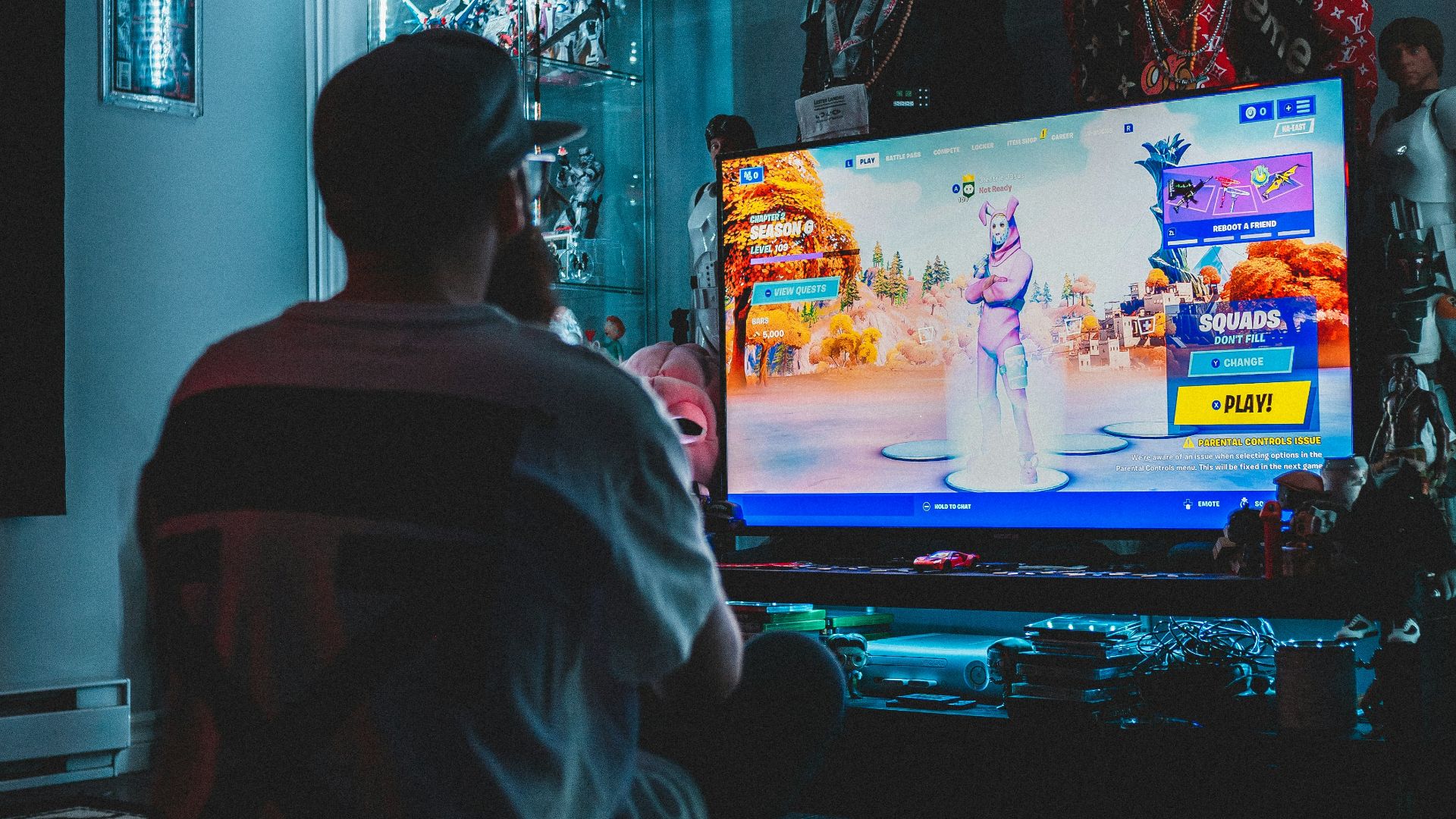
4. Memorizing Maps Down to Tiny Details
After enough time, you know exactly where everything is without thinking about it. Shortcuts, spawn points, hidden paths—they all become second nature. It’s a level of spatial awareness that rarely transfers anywhere else.

5. Hoarding Items “For Later” That Never Comes
You keep rare items, powerful weapons, or special potions just in case. The moment to use them always feels slightly further away than now. Eventually, you finish the game with everything still untouched.
6. Adjusting Your Position by Inches
You’ll shift slightly left or right, even when it doesn’t seem necessary. It’s about lining things up perfectly, even if no one else would notice the difference. The precision becomes instinctive.

7. Getting Emotionally Invested in Fictional Outcomes
A story decision can stick with you long after you’ve stopped playing. The characters might not be real, but the choices feel like they matter. Explaining that attachment can sound excessive to someone outside it.
8. Grinding Repetitive Tasks Without Question
Doing the same action over and over doesn’t feel strange when there’s a clear payoff. You settle into the rhythm and stop thinking about the repetition. To someone watching, it looks almost mechanical.

9. Reacting Physically to On-Screen Events
Leaning forward, flinching, or even moving with the character happens without thinking. Your body gets pulled into what’s happening on screen. It’s automatic, even if it looks a little dramatic.
10. Using Terms That Make No Sense Out of Context
Phrases like “cooldown,” “meta,” or “aggro” come out naturally in conversation. They make perfect sense within the game, but sound like jargon elsewhere. You don’t always notice the switch.

11. Watching Cutscenes Like They’re Mandatory
Skipping a cutscene can feel wrong, even if you’ve seen it before. You sit through it again, paying attention like it’s part of the task. It’s less about efficiency and more about completeness.
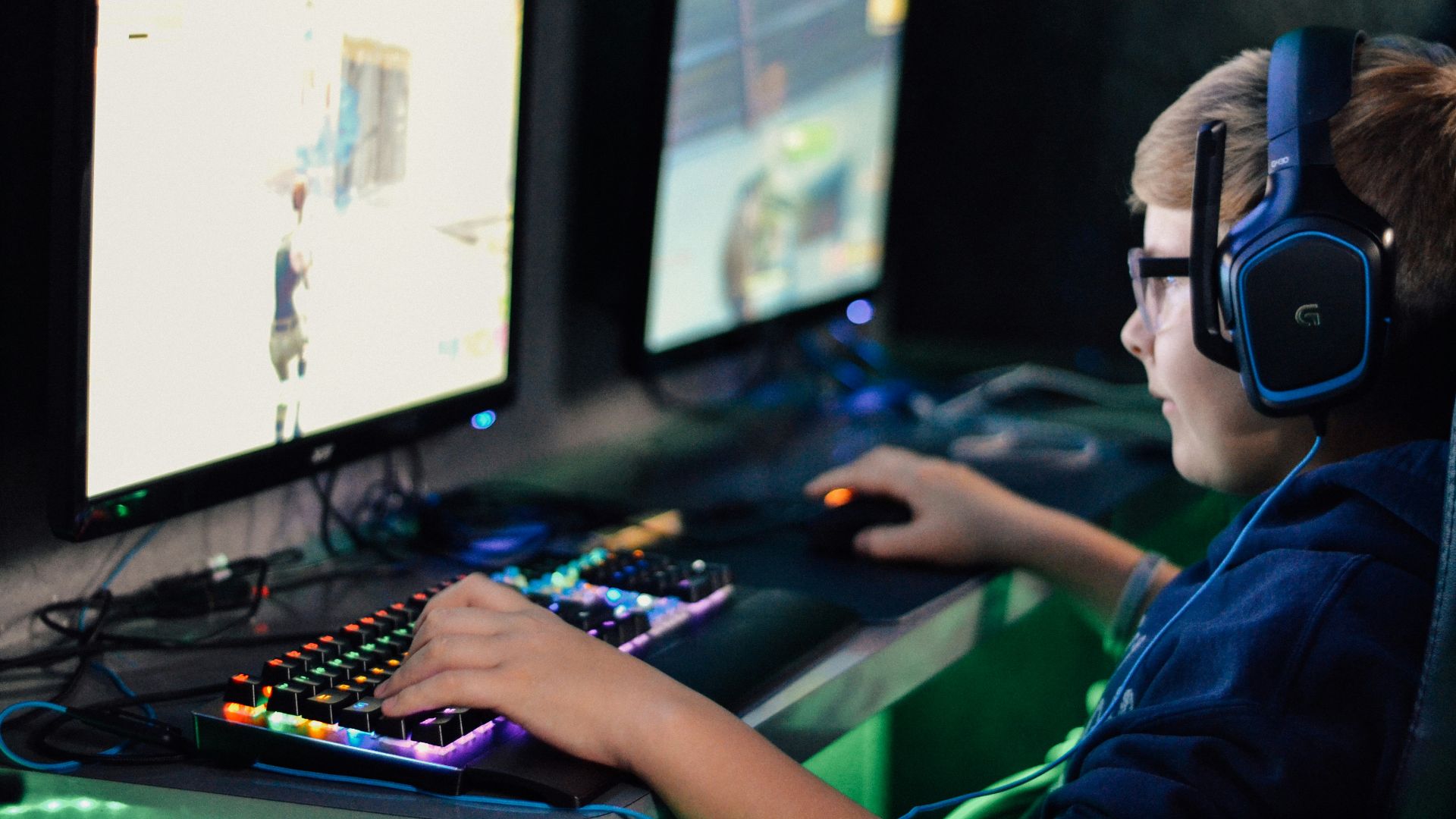
12. Restarting Entire Games for a Better Build
A few hours in, you realize you’d rather approach things differently. Instead of adjusting, you start over completely. It makes sense in the moment, even if it sounds extreme.
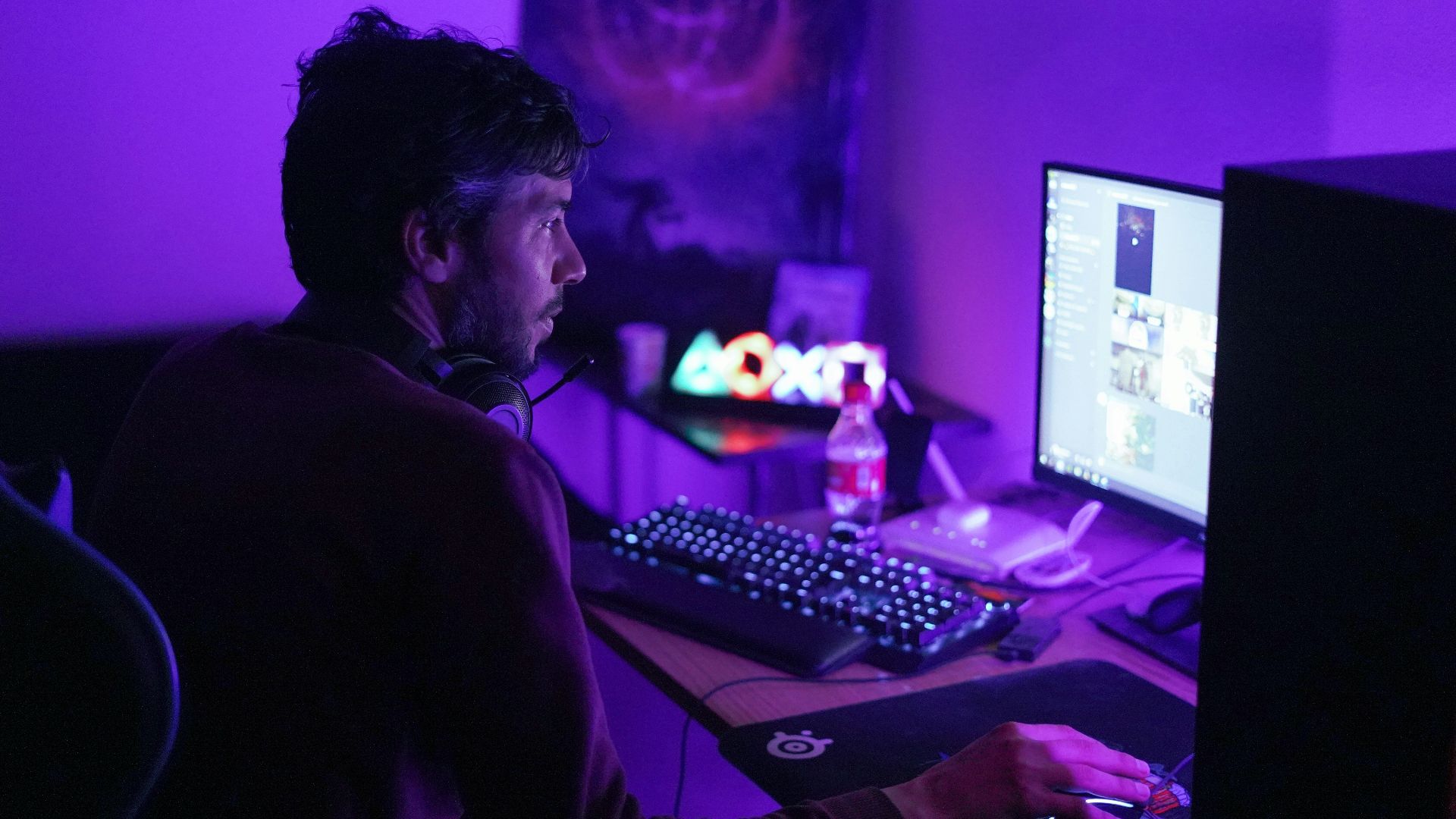
13. Keeping Track of Invisible Systems
You’re constantly aware of things like health bars, timers, and hidden mechanics. Even when they’re not obvious, you’re accounting for them. It’s a kind of background calculation that never really stops.

14. Getting Frustrated at Perfectly Predictable Outcomes
You know exactly what’s going to happen, and it still feels unfair when it does. The logic is there, but the reaction doesn’t always follow it. It’s a strange mix of expectation and emotion.
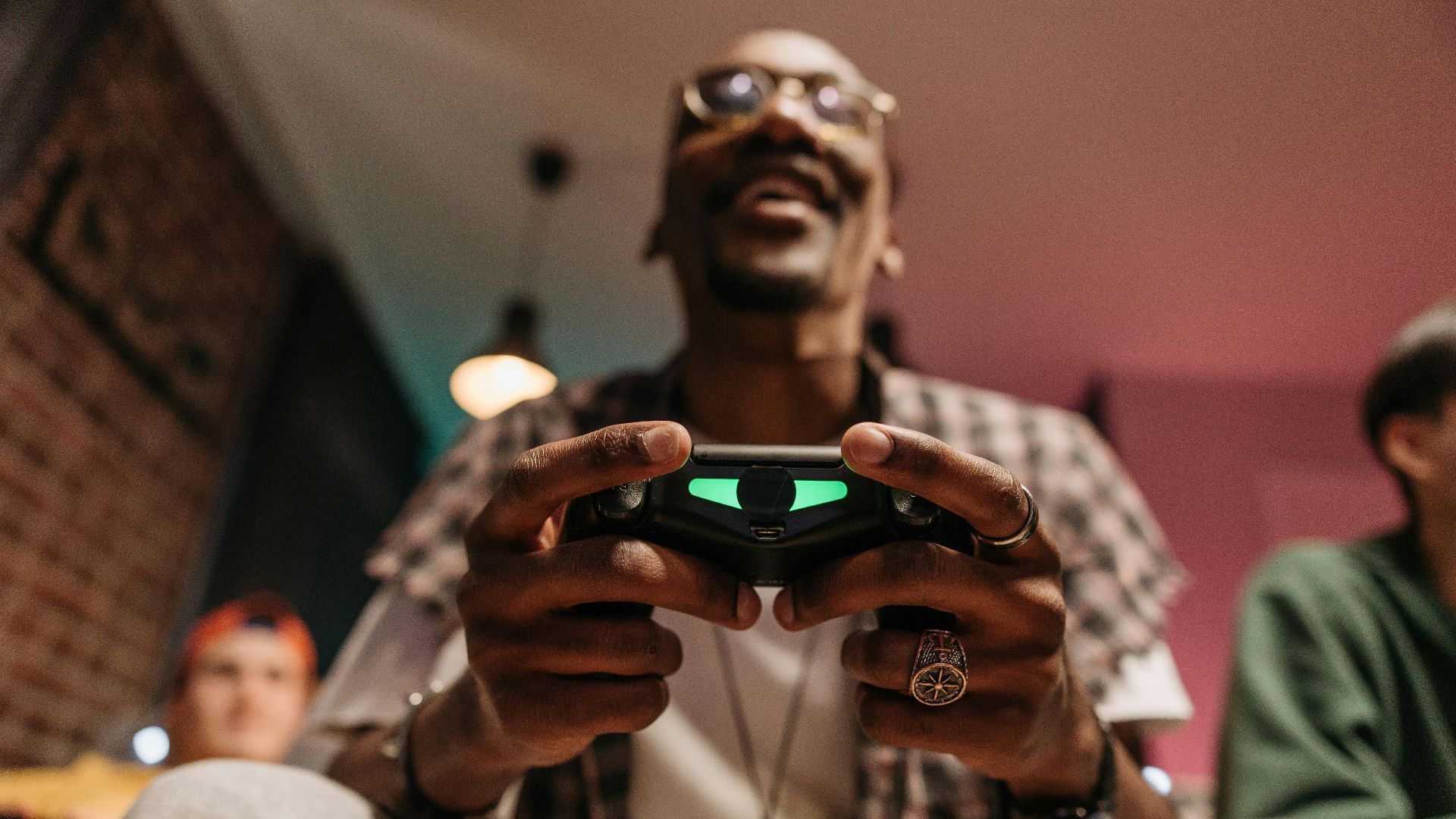
15. Celebrating Small Wins Like Big Achievements
Finishing a difficult section or pulling off a precise move can feel huge. The moment passes quickly, but it leaves a lasting impression. To someone else, it might not look like much at all.

16. Spending Hours Optimizing Tiny Details
You’ll adjust settings, gear, or strategies for marginal improvements. The difference might be small, but it feels worth it. It’s about control more than necessity.

17. Trusting Instinct Over Explanation
After enough experience, you just know what to do without being able to explain why. The decision feels obvious in the moment. Trying to describe it afterward can be surprisingly difficult.
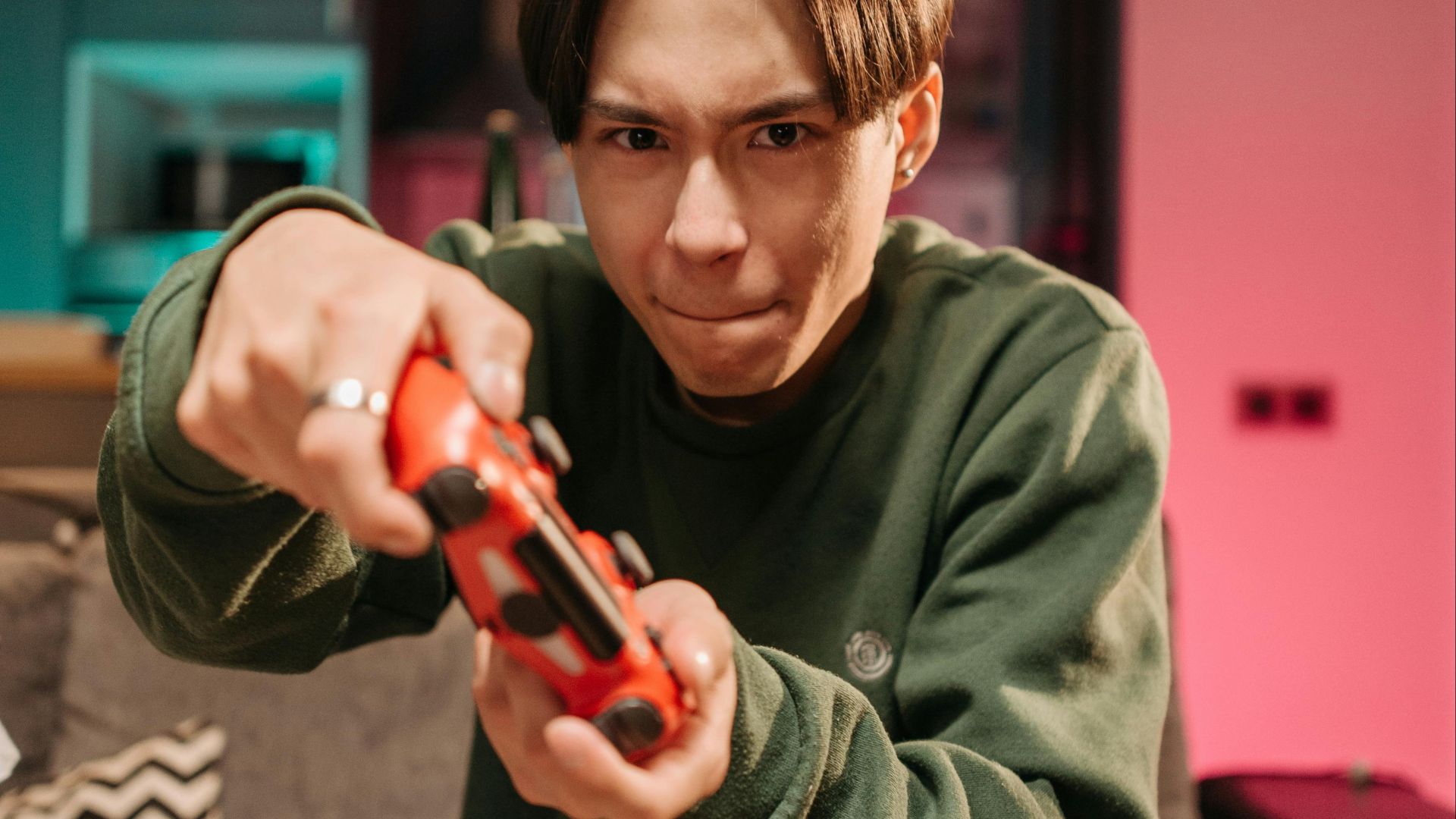
18. Ignoring the Main Objective for Side Content
You’ll spend hours doing things that technically don’t move the main story forward. It doesn’t feel like a distraction—it feels like part of the experience. The priorities just shift.
19. Replaying the Same Section Until It’s Perfect
Getting through once isn’t always enough. There’s a pull to do it again, cleaner and more controlled. The repetition becomes part of the satisfaction.
20. Losing Track of Time Completely
What feels like a short session turns into hours without noticing. The sense of time changes while you’re in it. Looking back, it’s always a little surprising.