
When Open Worlds Work—and When They Don’t
Open-world games promise freedom, exploration, and the ability to create your own experience, but not every title delivers on that idea in the same way. Some games redefine what open worlds can be by filling them with meaningful systems and engaging design, while others struggle to balance size with substance. A massive map alone isn’t enough if it lacks purpose or direction. Here are ten games that helped revolutionize open worlds, followed by ten that didn’t quite make the most of them.

1. The Legend of Zelda: Breath of the Wild
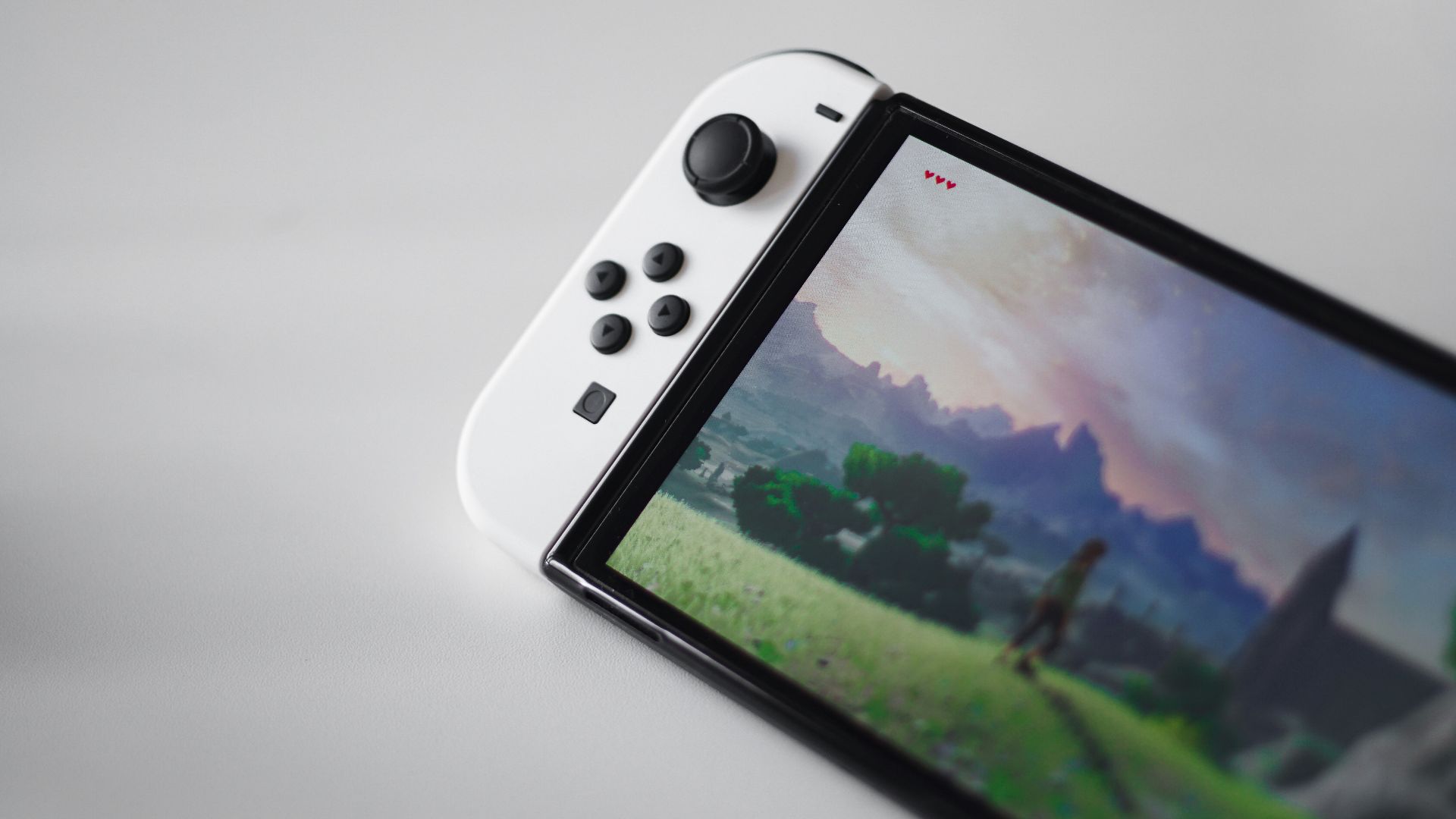
This game reshaped open-world design by focusing on player freedom and systemic interaction. Nearly every surface can be climbed, and the physics system encourages experimentation. Instead of guiding you constantly, it trusts you to explore and discover. That sense of agency made exploration feel genuinely rewarding.
2. Grand Theft Auto V
It refined the formula of a living, breathing city filled with activities and detail. Switching between characters added variety and depth to the experience. The world feels active even when you’re not progressing the story. It set a high standard for urban open worlds.

3. The Witcher 3: Wild Hunt
This title elevated storytelling within open worlds by making side quests as engaging as the main plot. The world feels dense with meaningful content rather than filler. Choices carry weight and impact outcomes. It showed how narrative and exploration can work together seamlessly.

4. Red Dead Redemption 2
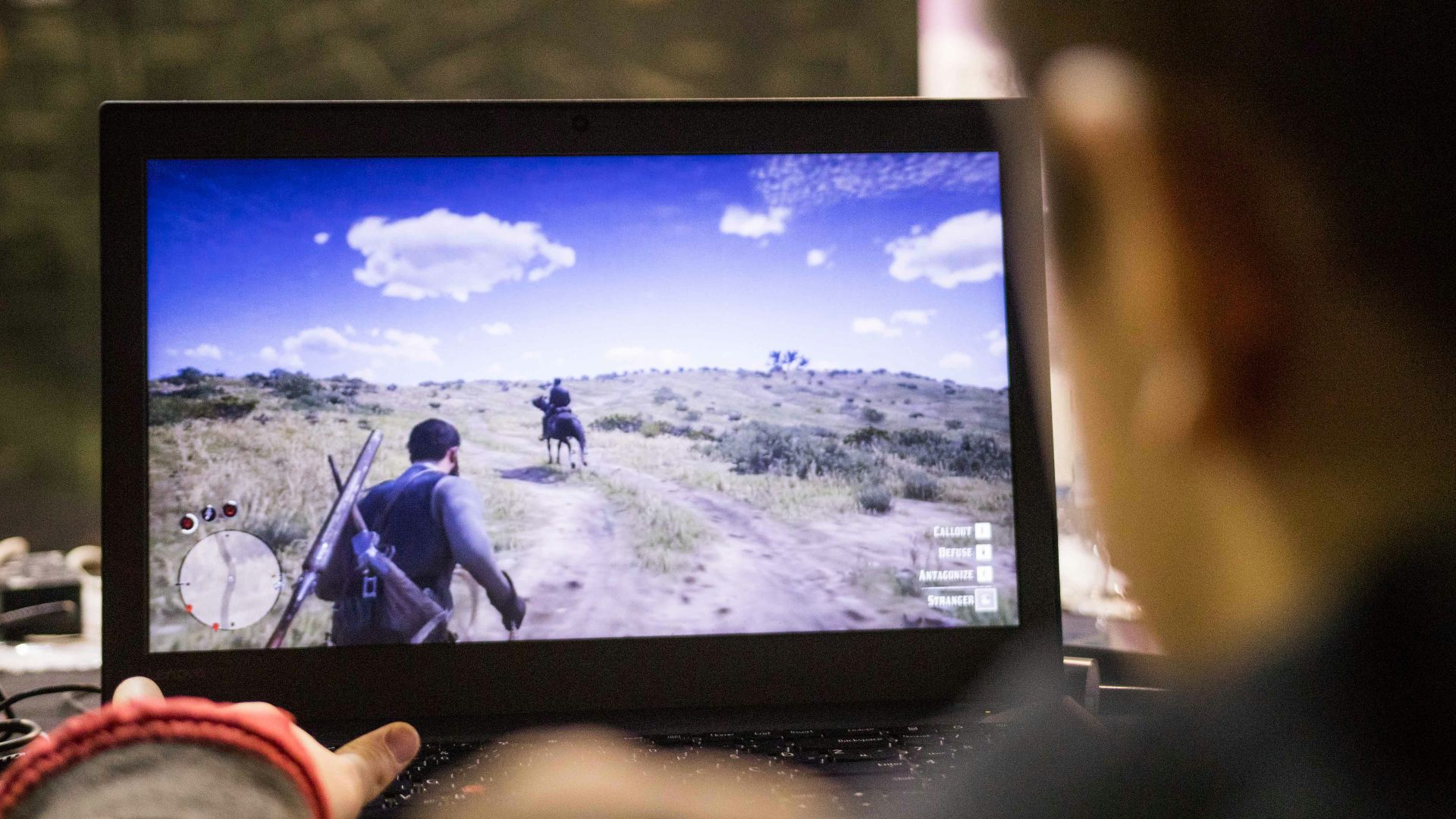
Its world is built with incredible attention to detail and realism. Interactions with the environment and characters feel natural and immersive. The pacing encourages you to slow down and take in your surroundings. It pushed immersion to a new level in open-world design.
 Clastr Cloud Gaming on Unsplash
5. Elden Ring
This game redefined exploration by removing traditional markers and letting curiosity lead the way. The world is filled with hidden paths, secrets, and unexpected encounters. It rewards observation and risk-taking. The lack of hand-holding makes discovery feel earned.

6. Skyrim
It popularized the idea of a fully explorable fantasy world where you can ignore the main quest entirely. Players are free to create their own path and identity. The variety of locations and systems keeps exploration engaging. Its influence on open-world RPGs is still felt today.

7. Minecraft
This game revolutionized open worlds by making them entirely player-driven and procedurally generated. There are no set goals unless you create them yourself. The freedom to build and explore is nearly limitless. It changed how people think about open-ended gameplay.
8. Assassin’s Creed IV: Black Flag
It expanded the series by introducing naval exploration alongside traditional gameplay. Sailing between islands adds a new layer of freedom. The world feels dynamic with both land and sea activities. It brought variety to the open-world formula.

9. Horizon Zero Dawn
This title combined a rich narrative with a visually striking open world. Combat and exploration are closely tied to the environment. Each region feels distinct and purposeful. It showed how world-building can enhance gameplay.

10. Fallout: New Vegas
This video game stands out for its branching choices and player-driven outcomes. The world reacts in meaningful ways to your decisions. Exploration often leads to complex situations rather than simple rewards. It demonstrated how player agency can shape an open world.
1. Mafia III
While the setting is detailed, the gameplay loop becomes repetitive over time. Many missions follow the same structure without much variation. The world feels underused despite its size. It struggles to maintain engagement throughout.

2. No Man’s Sky (Launch Version)
At release, this game offered a vast universe but lacked meaningful activities. Exploration often felt empty and repetitive. While the scale was impressive, it didn’t always translate into depth. Later updates improved this significantly.

3. Just Cause 4
This entry in the Just Cause franchise features a large map, but much of it feels similar across regions. Activities don’t evolve enough to stay interesting. The sense of freedom is there, but it lacks meaningful progression, failing to fully capitalize on its potential.

4. Crackdown 3
Despite offering an open city, there’s limited variety in missions and interactions. The world doesn’t feel as dynamic as expected. Exploration can quickly become repetitive. It doesn’t build on earlier innovations in the genre.

5. Ghost Recon Breakpoint (Launch Version)
At launch, this game struggled with identity and consistency in its open world. Systems felt mismatched and sometimes unfinished, and exploration lacked a clear purpose. Updates later addressed many of these issues.

6. Watch Dogs: Legion
The concept of recruiting anyone is ambitious, but it can dilute character depth. The world feels large, yet interactions don’t always feel meaningful, and missions can blend over time. It doesn’t fully deliver on its unique idea.

7. Far Cry New Dawn
While visually distinct, the map feels too familiar to players of its predecessor. Many activities repeat without significant change. The sense of discovery is limited, and it doesn’t bring enough new ideas to the formula.

8. Anthem
The world of Anthem is visually impressive but lacks variety in content. Missions often feel repetitive and disconnected from the environment. Exploration doesn’t lead to meaningful rewards, and it struggles to keep players engaged long-term.

9. Saints Row (2022)
This reboot offers a large map but lacks memorable activities and variety. The world can feel empty despite its scale.

10. Rage 2
Rage 2 provides fluid combat, but doesn’t match it with engaging world design. Many areas feel repetitive and underdeveloped. Exploration becomes secondary to action.