
Cool Your Jets, Superstar
Most games are happy to reward skill. They give you fun little trophy names, they reward you with cool loot, and they might even toss in a hilarious line of dialogue. Some games, however, take your skill as a personal attack. That's when the tone changes—systems tighten, and boss fights become an even bigger pain, all because you were doing well. Today, we’re here to break down which games punish you for bringing too much skill to the table.
 Maddy Makes Games on Wikimedia
1. Metal Gear Solid V: The Phantom Pain
Few games react to player habits as directly as The Phantom Pain does once you settle into a reliable routine. Let’s say you keep dropping guards with tranquilizer headshots. Well, soldiers then start wearing helmets. And if you lean too hard on darkness for cover? Incoming patrols come equipped with flashlights and night-vision goggles.
 Tim Bartel from Cologne, Germany on Wikimedia
2. Resident Evil 4
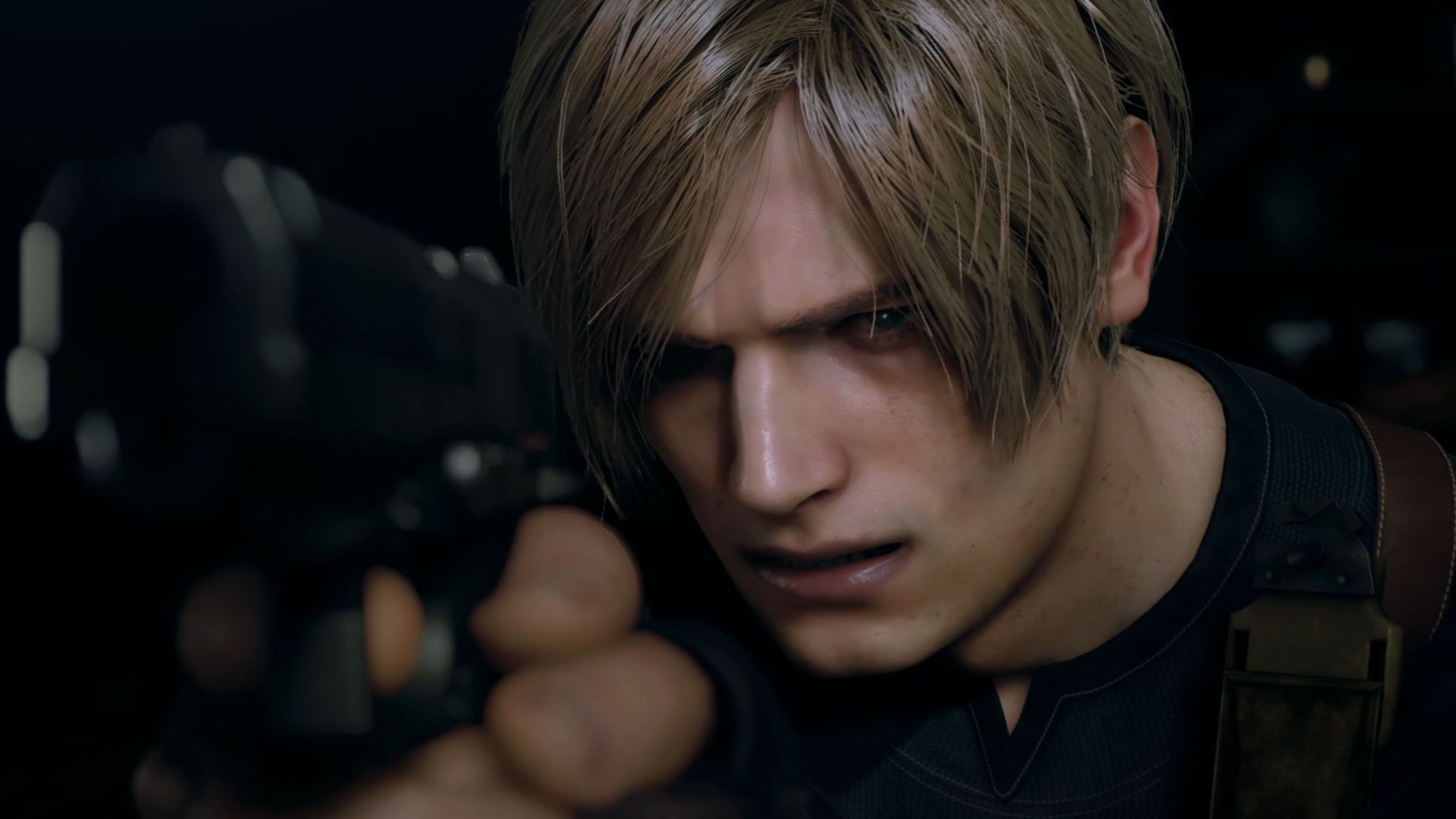
The original Resident Evil 4 keeps an eye on how cleanly you handle its combat. When you land shots and avoid damage, the difficulty system starts turning up the pressure cooker. Next thing you know, enemies get more aggressive and less manageable.
3. Left 4 Dead
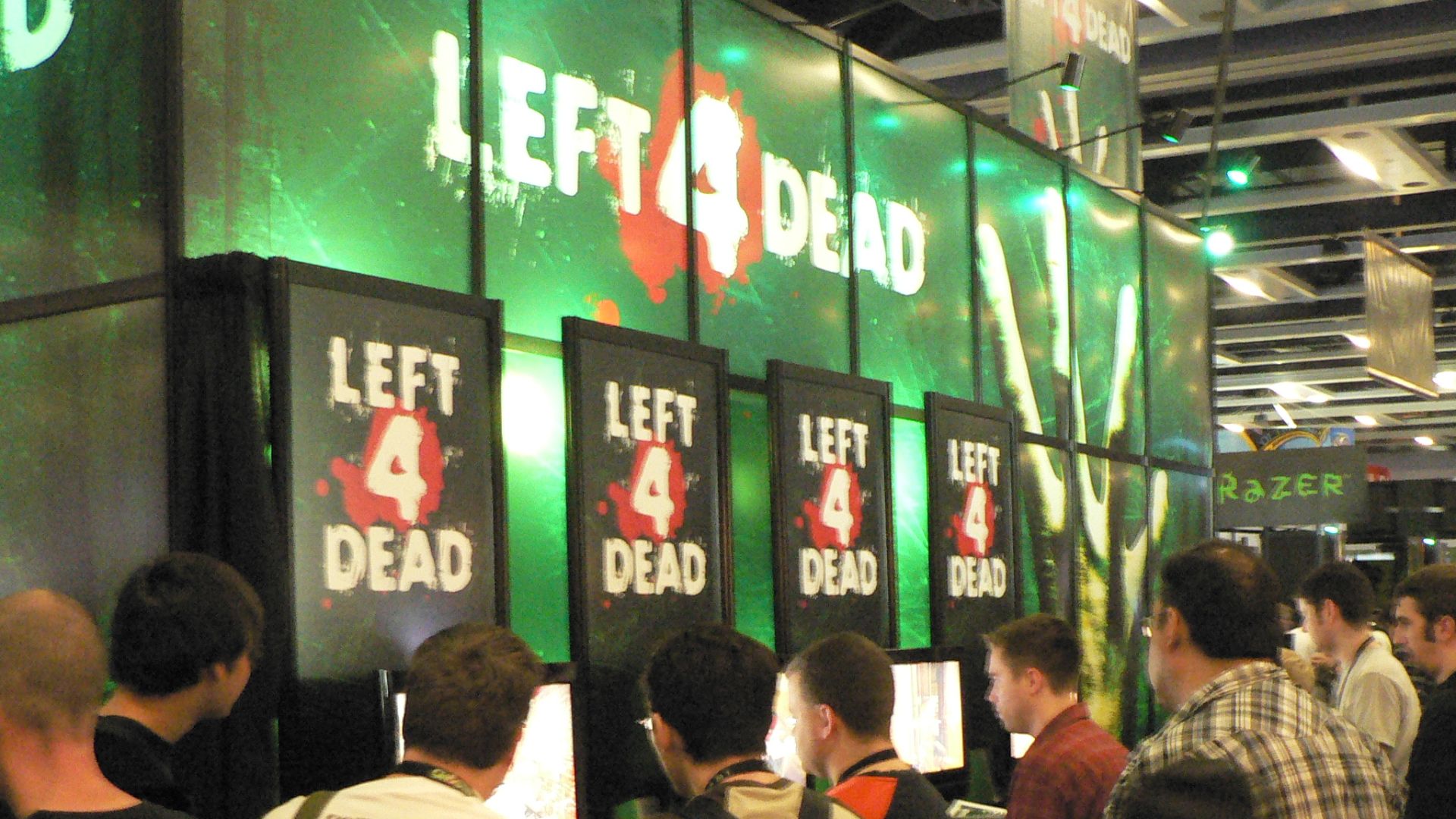
Left 4 Dead is already an anxiety-inducing nightmare. But when you take down horde after horde? Oh, Valve noticed. You won’t get much farther without a boomer showing up to spew bile all over you before the next wave shows up. Good luck with that.
 eng1ne from Round Rock, TX, USA on Wikimedia
4. The Stanley Parable
Some games punish skill with difficulty, but The Stanley Parable prefers ridicule. Go off script, ignore the narrator, or poke at the story structure too intelligently, and the game responds with its own commentary.

5. NieR: Automata
NieR: Automata loves players who experiment…or so we thought. Apparently, what it really loves is embarrassing those who do venture off the beaten path. Pull out your own operating system chip or abandon the mission area, and the game rewards your initiative with one of its many lettered joke endings.

6. Undertale
Most RPGs let you reset and replay without comment, but Undertale remembers enough to stop you in your tracks. Flowey’s main purpose is to remind us that repeated attempts to manipulate outcomes won’t go unnoticed. The result is a game that doesn't just track skill, but also judges the mindset that comes with it.
 Toby Fox and/or Temmie Chang on Wikimedia
7. Hades
Escaping the Underworld seems like the climax, but Hades has other ideas. Once you've proven you can win, the Pact of Punishment opens up options that speed enemies up, strengthen bosses, reduce healing, and generally make every future run less forgiving in exchange for better rewards. It's a brilliant system, though there's something hilarious about a game congratulating you by authorizing your suffering.

8. Dead Cells
Victory in Dead Cells is less of a finish line than a reminder that real trouble is on the way. Boss Stem Cell difficulty levels stack harsher conditions onto future runs, increasing enemy threat and tightening the margins that once made you feel like you had a fighting chance.

9. Spelunky
The better you get at Spelunky, the more dangerous your ambitions prove. Skilled players start chasing the Black Market and faster lines through levels where one bad bounce can erase everything. And that's what makes the game so punishing.
10. Celeste
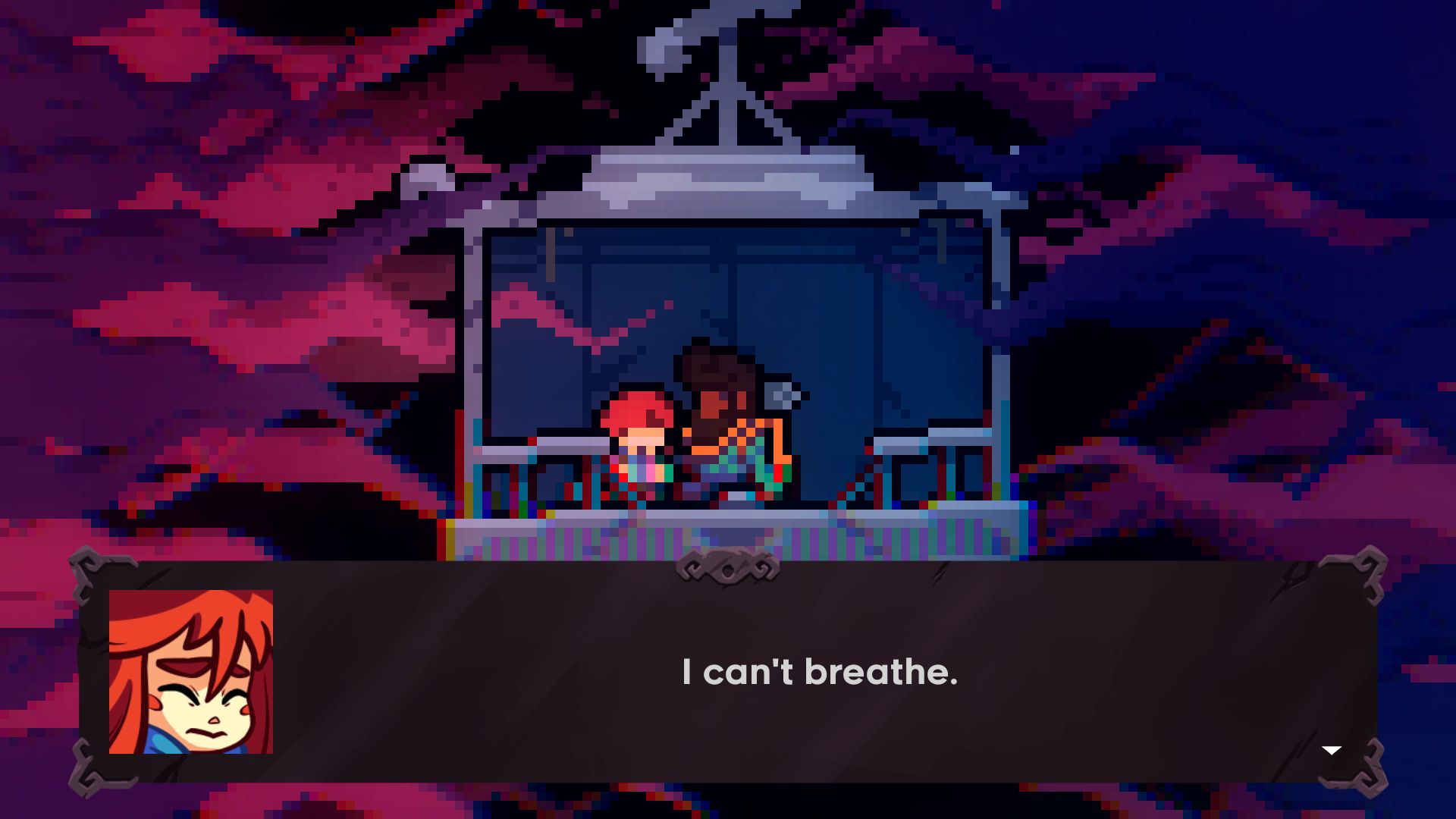
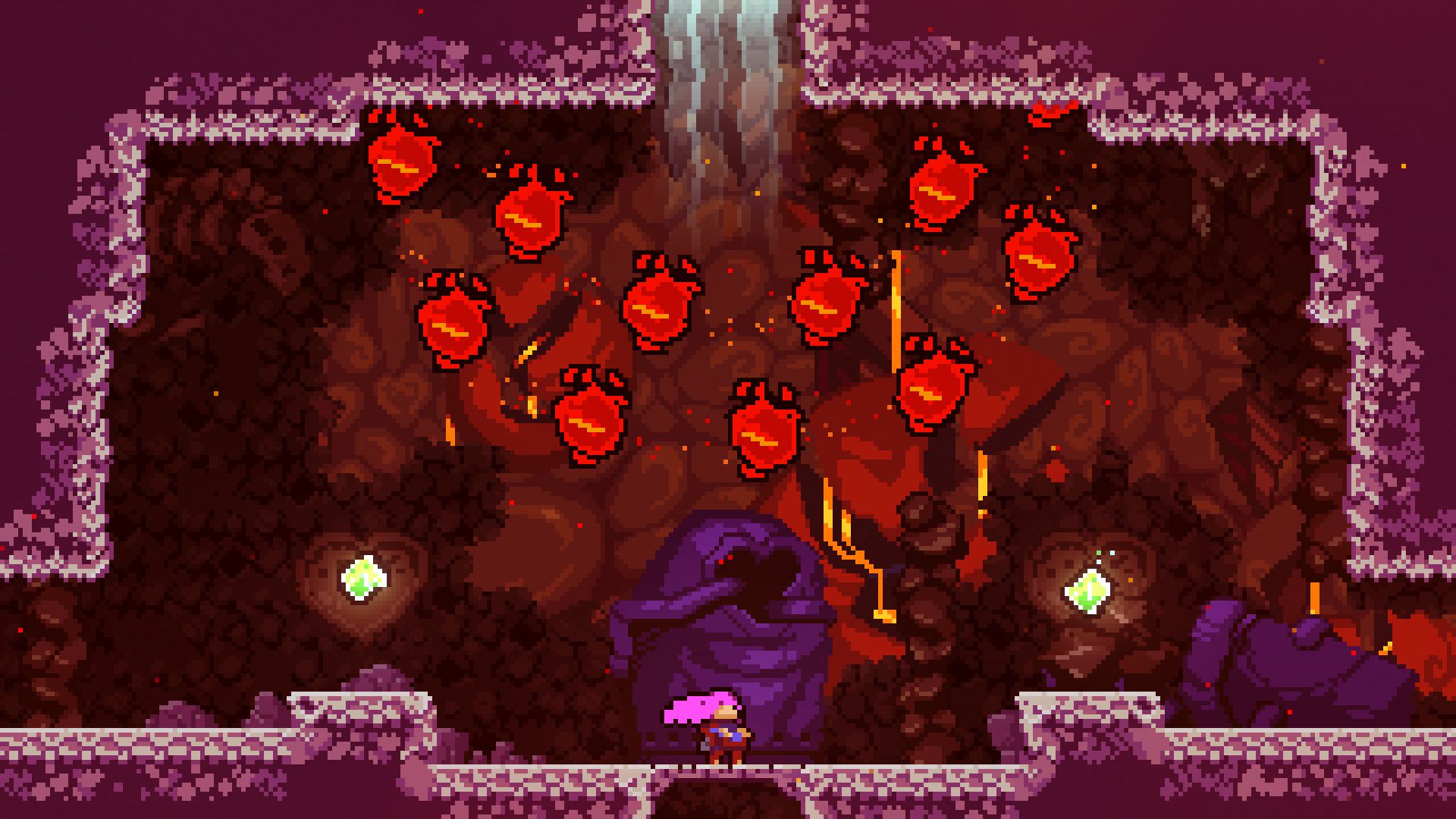
Celeste already demands precision, but it really tests you once the optional material opens up. B-Sides and C-Sides stretch your movement skills across stricter sequences, while golden strawberries ask you to clear sections or entire stages without dying at all. Though we owe some kind of kudos; it's a very respectful kind of punishment.
 Maddy Makes Games on Wikimedia
11. The Binding of Isaac: Rebirth
Once you understand how The Binding of Isaac works, the game punishes you almost instantly. Better players naturally chase harder completion marks and more punishing boss paths. The ugly little secret is that that system doesn't make the game nicer—it just unlocks fresh ways to make us miserable.
 Michael Ocampo from United States on Wikimedia
12. Demon's Souls
Demon's Souls has a rare gift for making knowledge feel stressful. World Tendency can shift areas into more dangerous states, and players who try to manipulate it end up making sections harder. Basically, you'd better prepare yourself because the more you understand the rules, the easier it becomes to create extra.

13. Dark Souls II
Dark Souls II is especially good at punishing success stories. Push too quickly into a room, and the game answers with hidden enemies. Assume you understand an area and expose yourself to layered ambushes. It’s the ultimate test of your patience.
 William Tung from USA on Wikimedia
14. Sekiro: Shadows Die Twice
Getting better at Sekiro feels incredible—until the game decides your current level isn't enough anymore. Early bosses teach rhythm and deflection, but later fights like Isshin demand much sharper reactions. What makes it so upsetting is that your progress raises the standard so aggressively that we don’t even have time to celebrate.

15. Portal 2
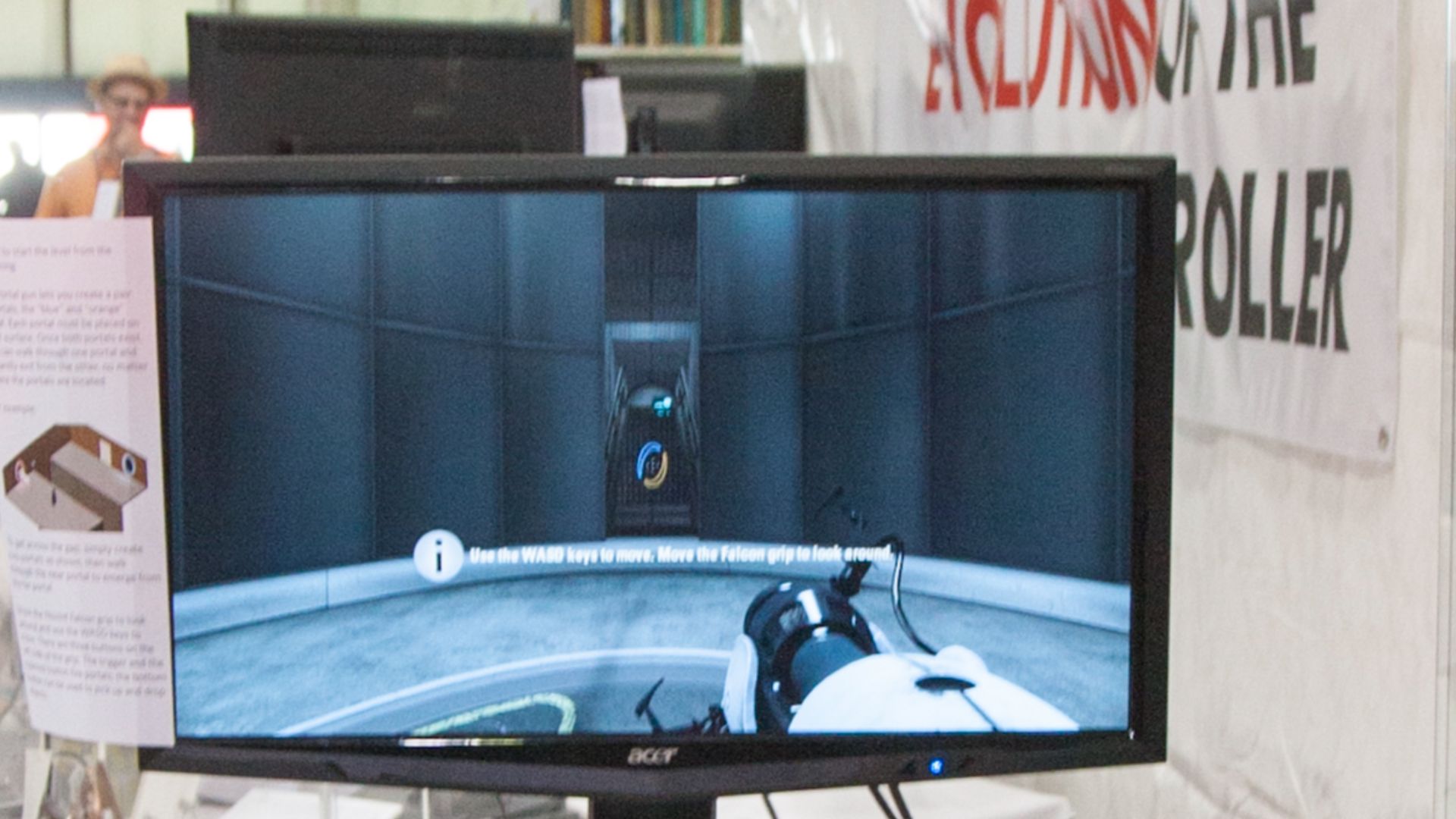
Mechanically, Portal 2 wants you to be clever. In reality? Its writing never lets you enjoy intelligence without commentary. GLaDOS consistently responds to success with insults, dismissive praise, or lines that imply your intelligence is either irritating or accidental. It's one of the few games where solving a puzzle can still make you feel awful about yourself.
 Digital Game Museum on Wikimedia
16. Batman: Arkham City
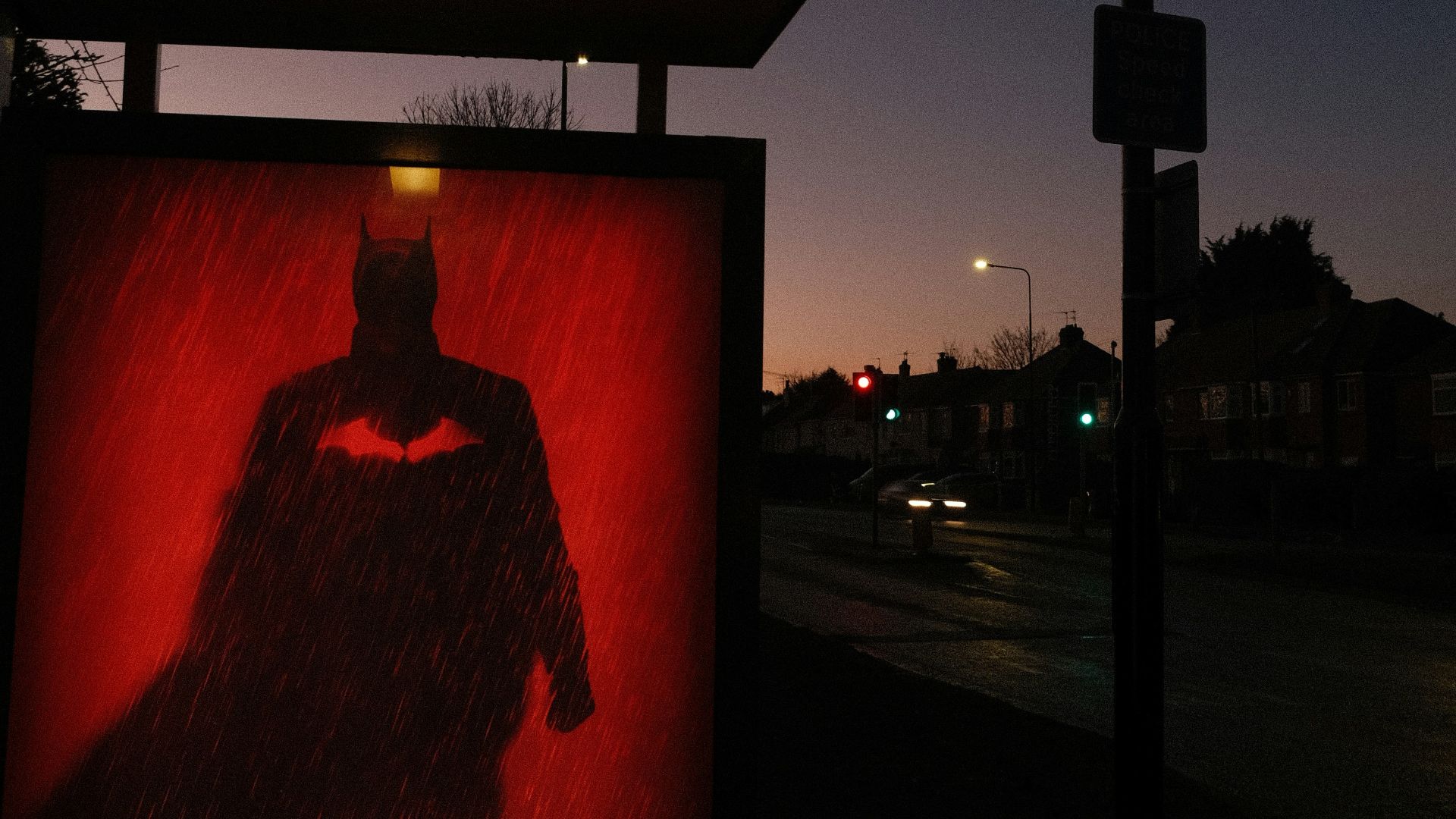
The fantasy of being Batman dries pretty quickly if you want perfect scores. In challenge maps, freeflow combat starts grading every missed counter and broken combo. Oh, and it does it with enough severity to collapse a near-perfect run in seconds.
17. Devil May Cry 5
Devil May Cry 5 doesn't just want you to win. That’s boring! The style ranking system loses enthusiasm if you repeat safe moves, which means high-level play demands variety, weapon switching, and stellar timing.
 KniBaron from Bangkok, Thailand on Wikimedia
18. Furi
Every boss in Furi feels like a direct attack against complacency. Oh sure, you'll learn a pattern and move with confidence, only for a later phase to add altered timings or tighter melee windows. Frankly, the constant escalation gives the fights their intensity, but it also means things change on a dime.

19. Braid
Braid has a very sneaky way of punishing intelligence—it never allows one good insight to stay sufficient. A puzzle might teach you how one-time mechanics work, only for the next area to introduce a new interaction that destroys your confidence. Sure, the game isn't mocking you outright, but it does enjoy messing with you.

20. The Witness
At first, The Witness looks like a puzzle game about line panels. Then it dares you to notice rules hidden in color, sound, perspective, and even the shape of the island itself. Next thing you know, your reward for being observant is that the entire environment becomes suspicious..