The Tech You Can't Live Without
Most people go entire days without thinking about the technology quietly running their lives in the background. A phone buzzes in a pocket, a router blinks in the corner of a room, and neither gets a second thought until it stops working. These weren't just clever gadgets when they launched; they rewired how people work, communicate, shop, and stay in touch with each other. Some took decades to catch on, while others became indispensable within a single generation. Here's 20 pieces of tech that changed everyday life for good.

1. The Telephone
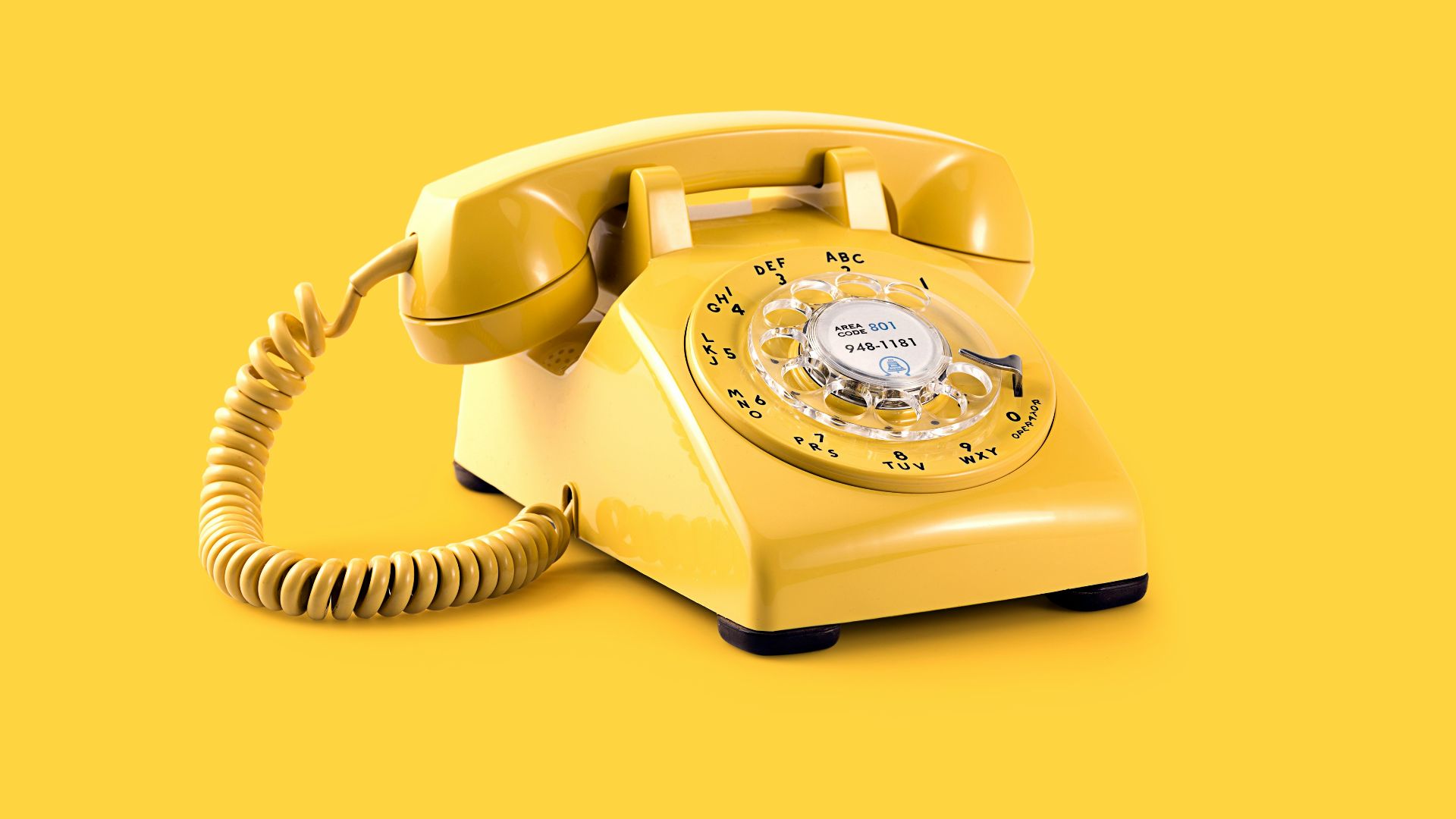
Alexander Graham Bell's 1876 patent made real-time conversation possible across distances that used to require days of travel or waiting on the mail. Businesses reorganized around it almost immediately, and households followed once phone lines reached beyond city centers. Within a few decades, an invention treated as a novelty became something people genuinely couldn't imagine living without.
2. The Television
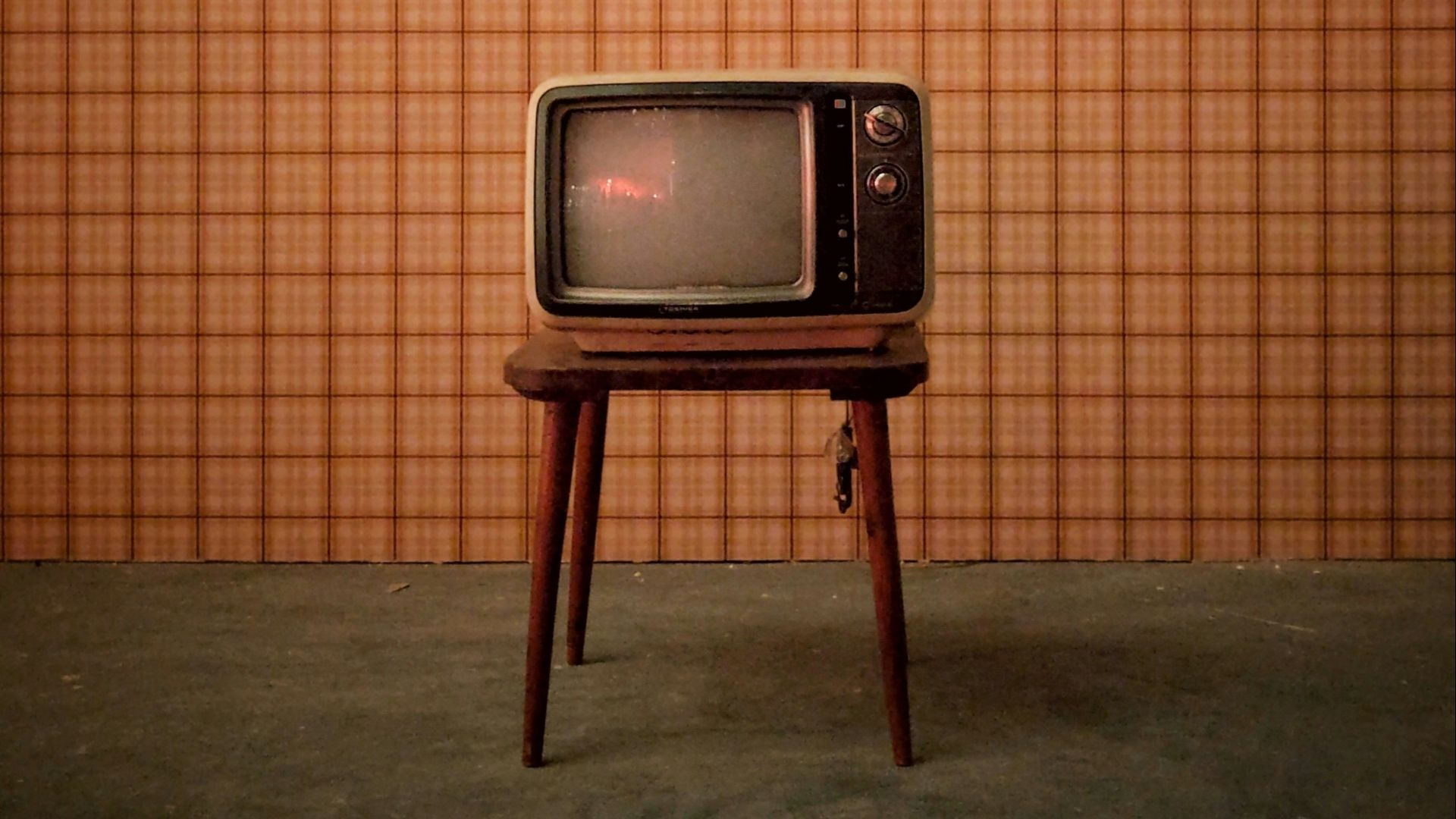
Television sets moved into American living rooms through the 1950s, and within a decade they'd reshaped how families spent evenings, how news traveled, and how advertising worked. Shared national moments, from moon landings to breaking news, suddenly reached millions of people at the exact same instant. Radio never had that kind of unifying pull.
3. The Personal Computer
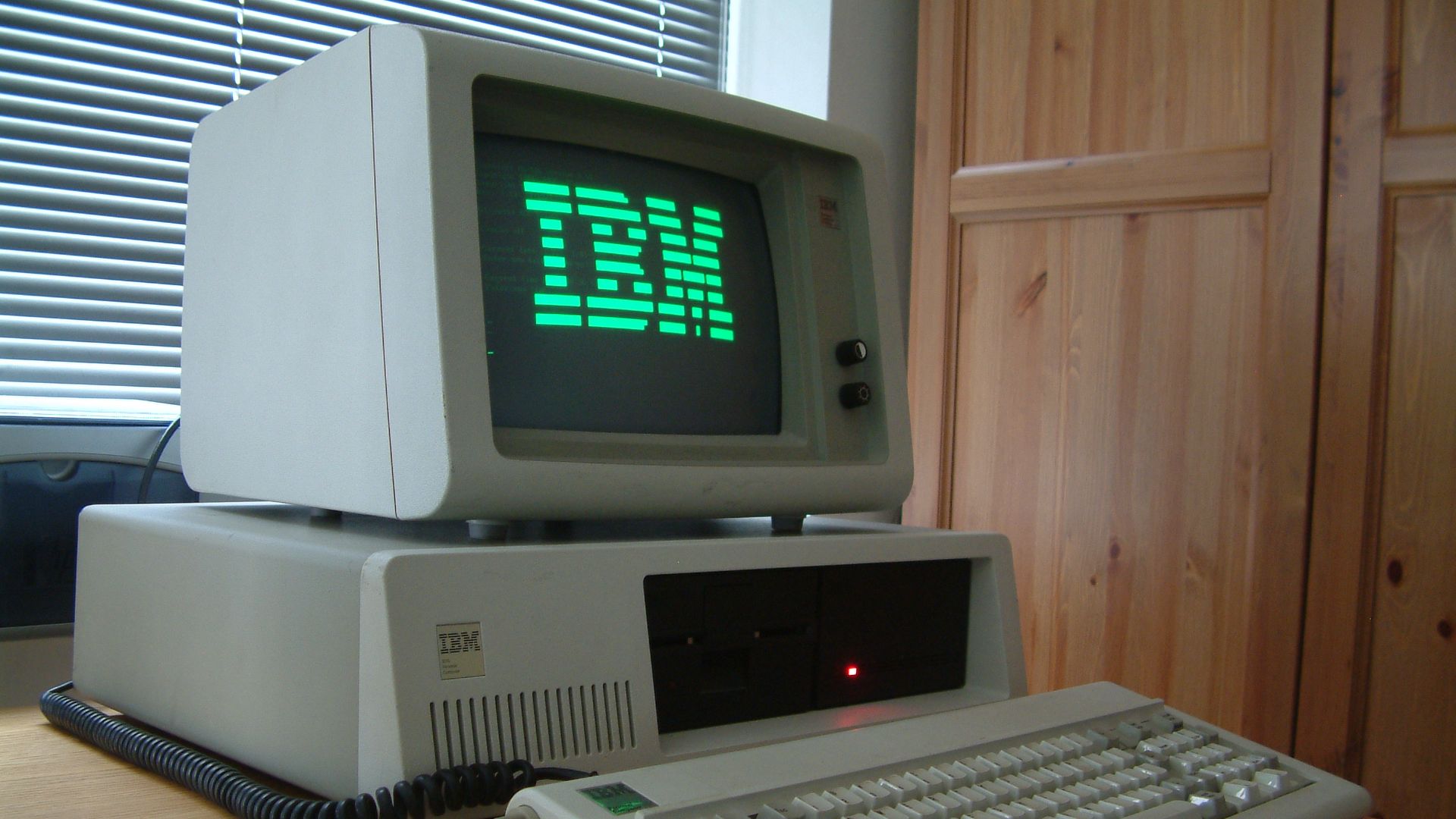
Machines like the Apple II and IBM PC brought computing out of research labs and into homes and small offices by the late 1970s and early '80s. Tasks that once required specialized training, like word processing or accounting, became things an ordinary person could handle at a kitchen table. Work itself started looking different almost immediately.
 Ruben de Rijcke - http://dendmedia.com/vintage/ on Wikimedia
4. The Internet
What began as a Cold War-era research network in the late 1960s eventually turned into the backbone connecting nearly every part of modern life. Information that once required a library trip became available in seconds, and communication stopped being bound by geography at all. Almost nothing about daily routine remained untouched once it went mainstream in the 1990s.
5. GPS
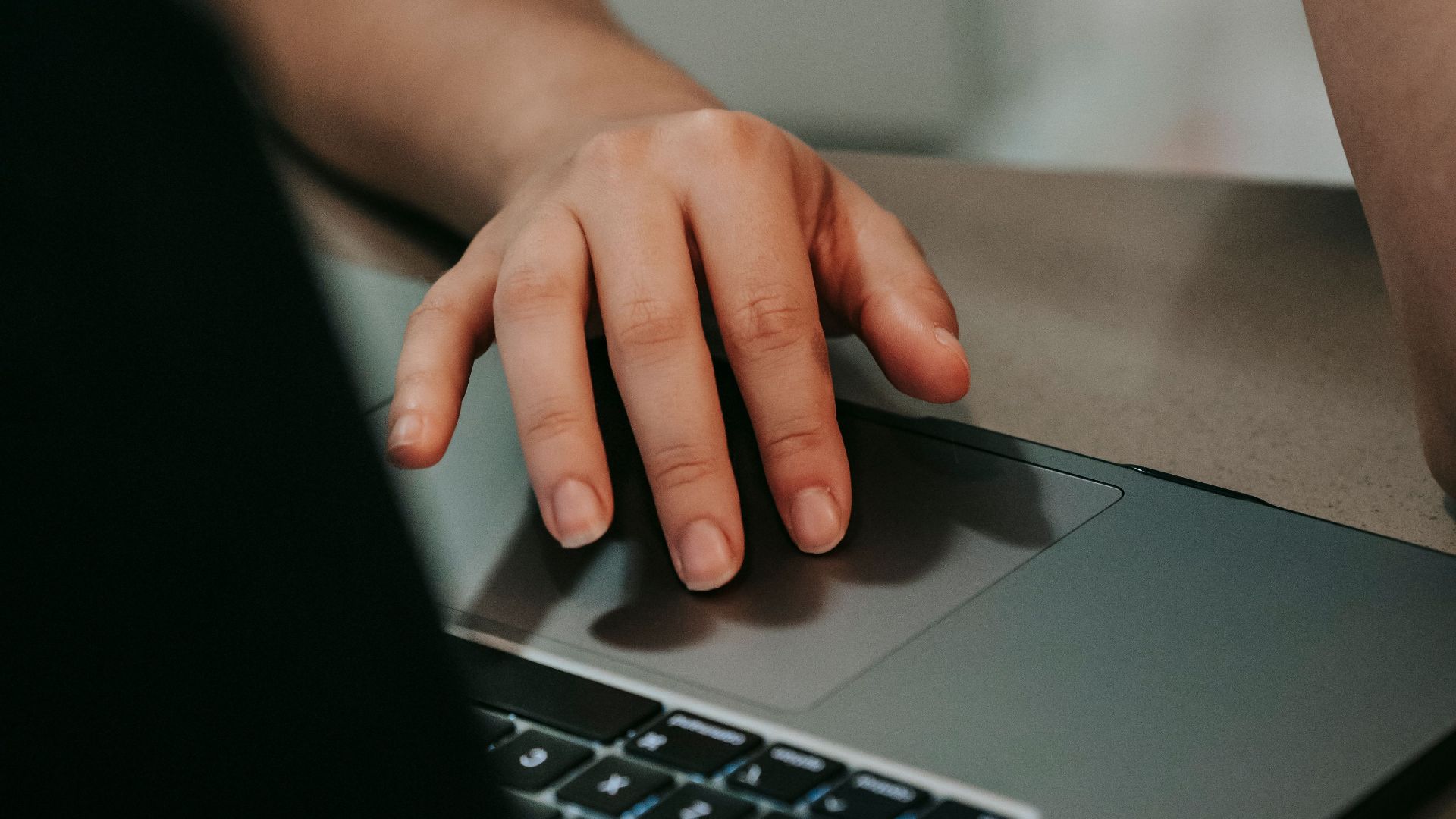
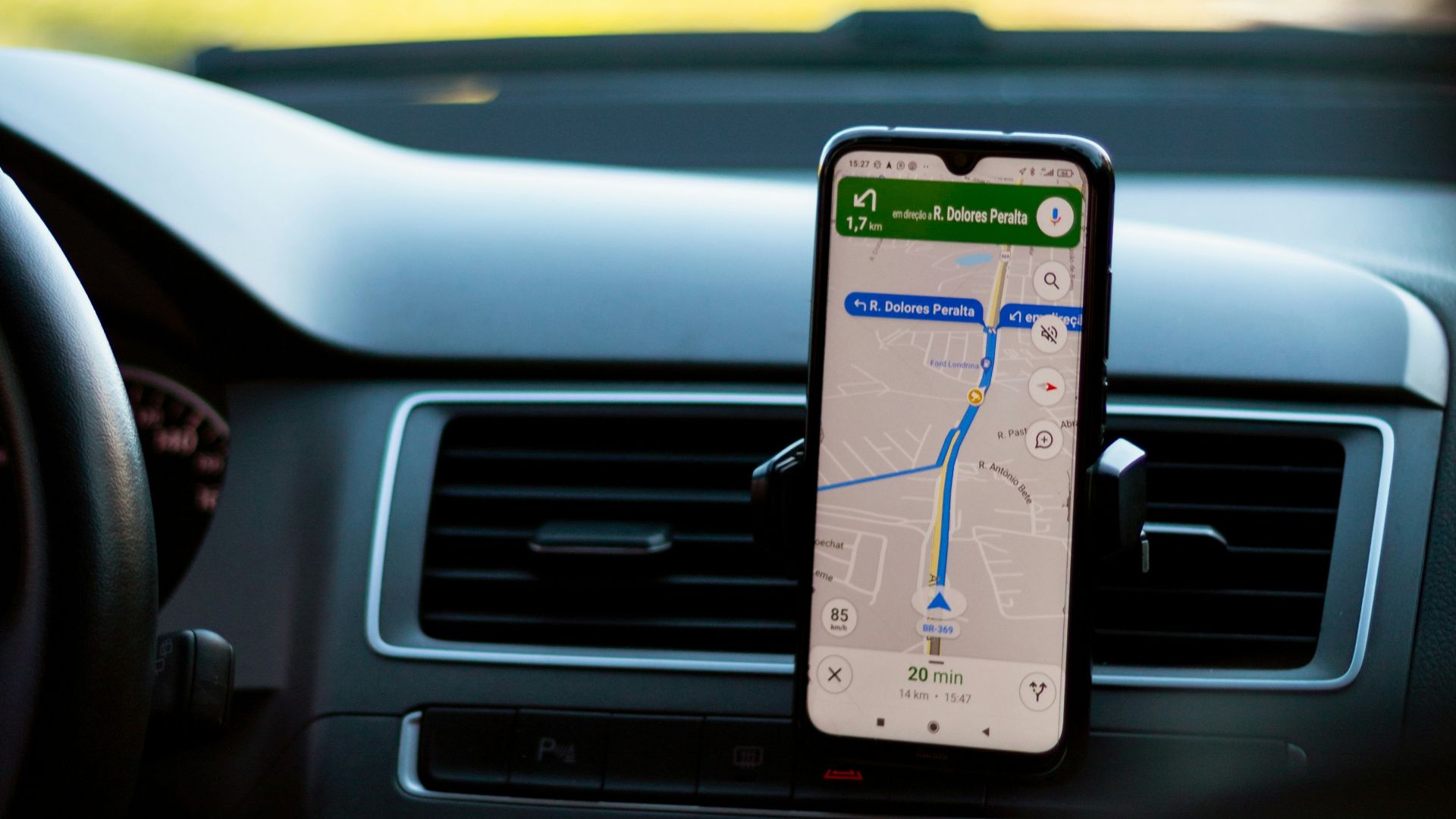
Originally built for military use, GPS opened up for civilian access in the 1980s and eventually landed in cars, phones, and watches worldwide. Getting lost, once a routine part of travel, became something people could mostly avoid with a glance at a screen. Entire industries, from ride-sharing to delivery logistics, exist because that positioning data became publicly available.
6. The Credit Card
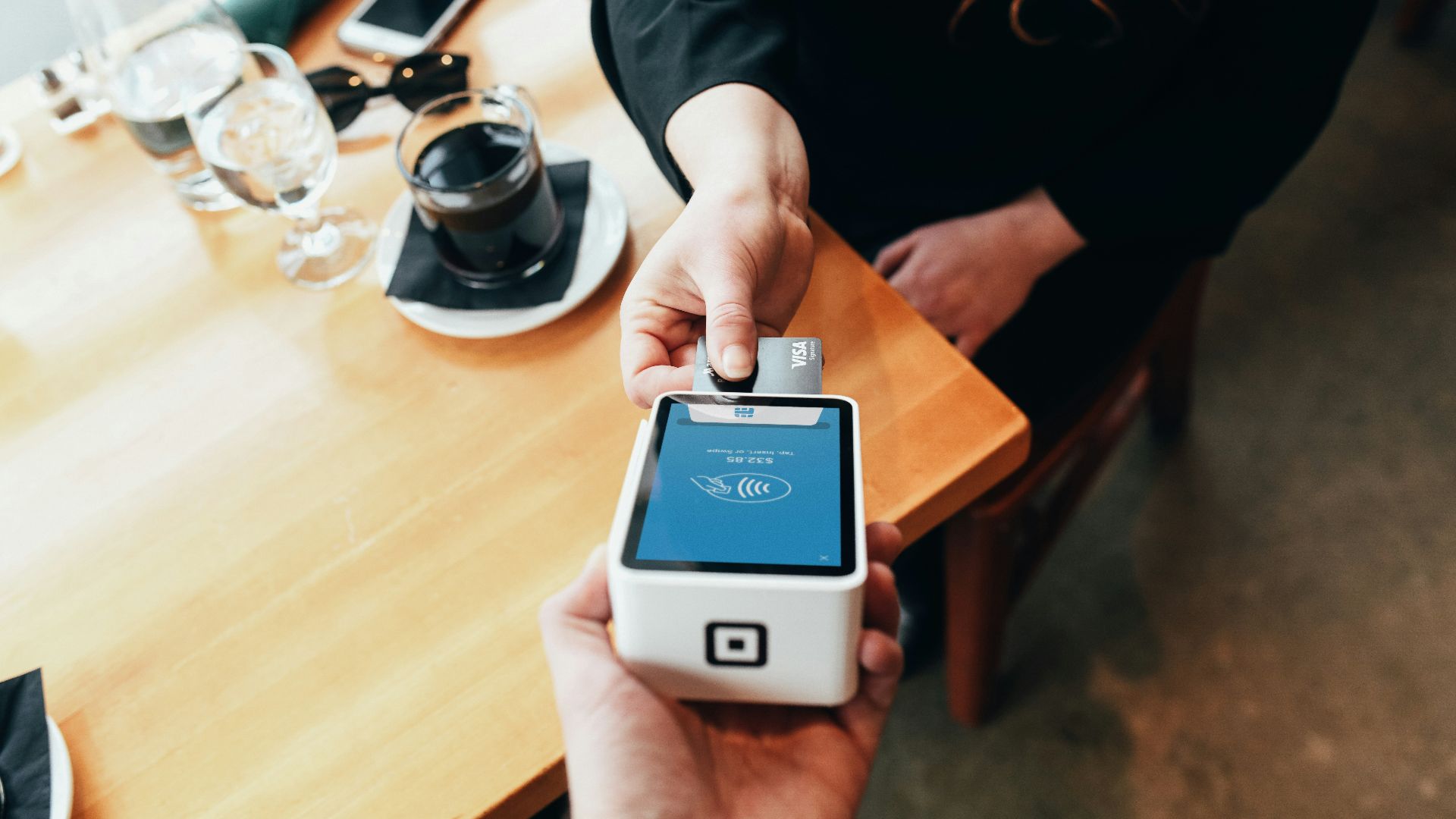
The Diners Club card launched in 1950, followed quickly by Visa and Mastercard, and cash stopped being the default way most transactions happened. Spending became more abstract and often easier, for better and worse, once physical money wasn't required for every purchase. Retail itself reorganized around the assumption that plastic, not cash, would be handed over at the register.
7. The ATM
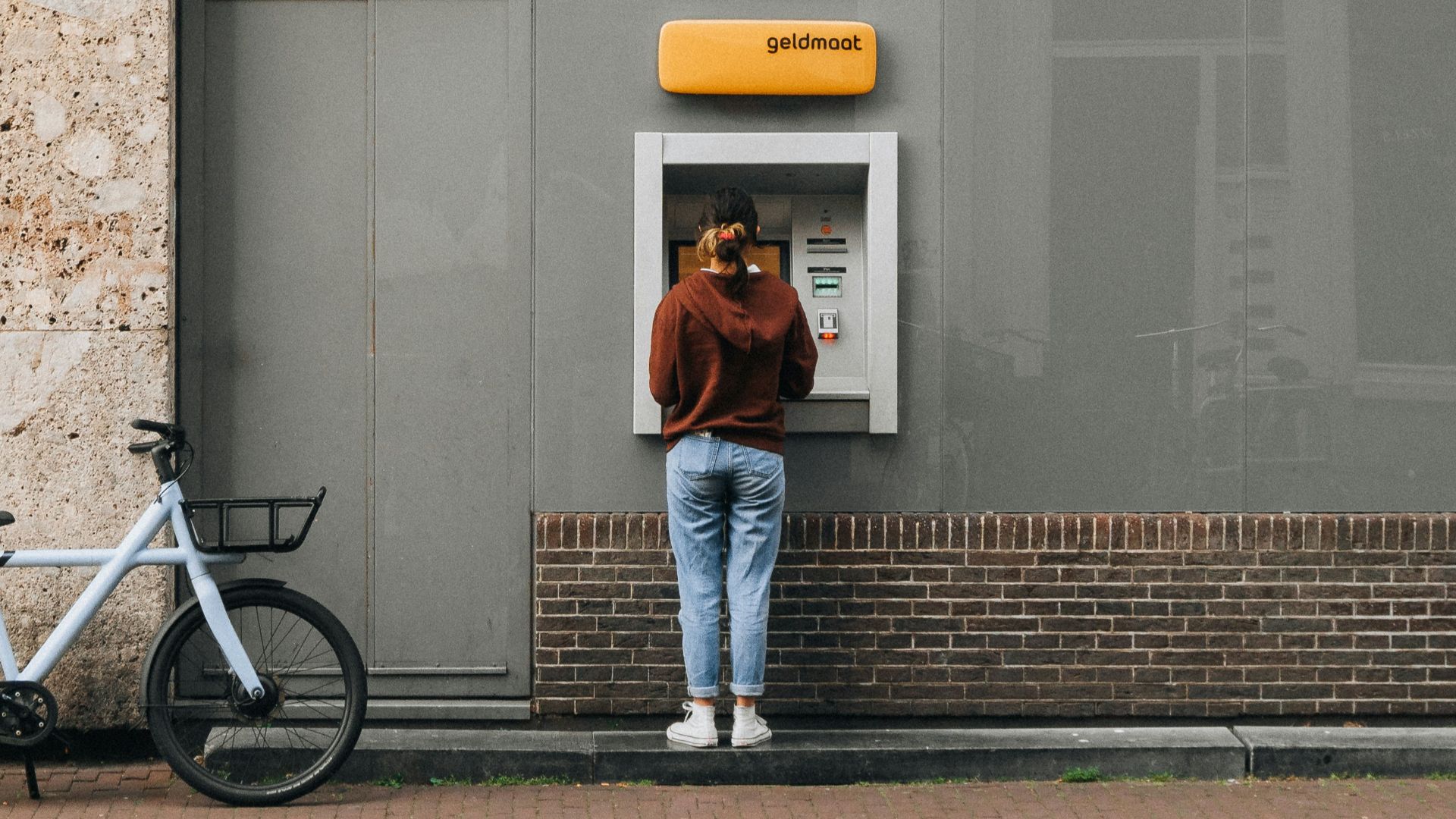
The first ATMs appeared in the late 1960s, freeing people from banking hours that had shaped daily routines for generations. Cash became available at nearly any hour, in nearly any location, without a teller involved at all. Banking stopped being something that had to happen during a lunch break.
8. Email
Ray Tomlinson sent the first networked email in 1971, and by the 1990s it had replaced a huge share of business correspondence that used to move through the mail. Communication that once took days started arriving in minutes, and workplaces reorganized around the expectation of near-instant response. Few technologies compressed time as dramatically or as quietly.

9. The Mobile Phone
Early mobile phones in the 1980s were bulky and expensive, but they planted the idea that a person, not just a location, could have a phone number. Being reachable stopped depending on being near a landline, which changed everything from parenting to emergency response. That shift laid the groundwork for nearly every device that followed.
10. The Digital Camera
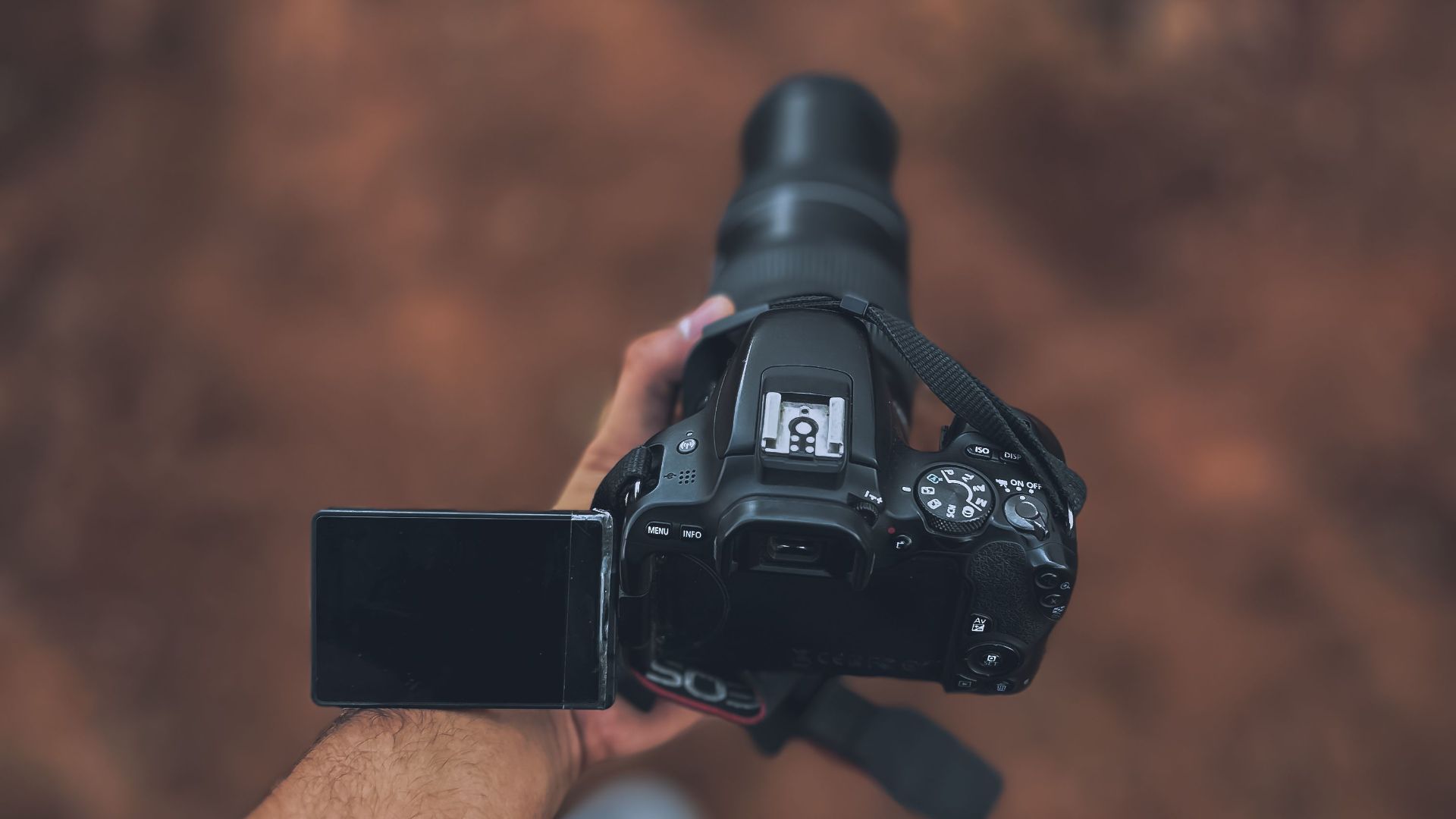
Digital cameras moved into mainstream use through the 1990s, and photography stopped being something people rationed out of concern for film costs. Suddenly, taking a hundred photos to get one good shot cost nothing extra. That casual abundance changed how people documented ordinary life, not just special occasions.
11. Wi-Fi
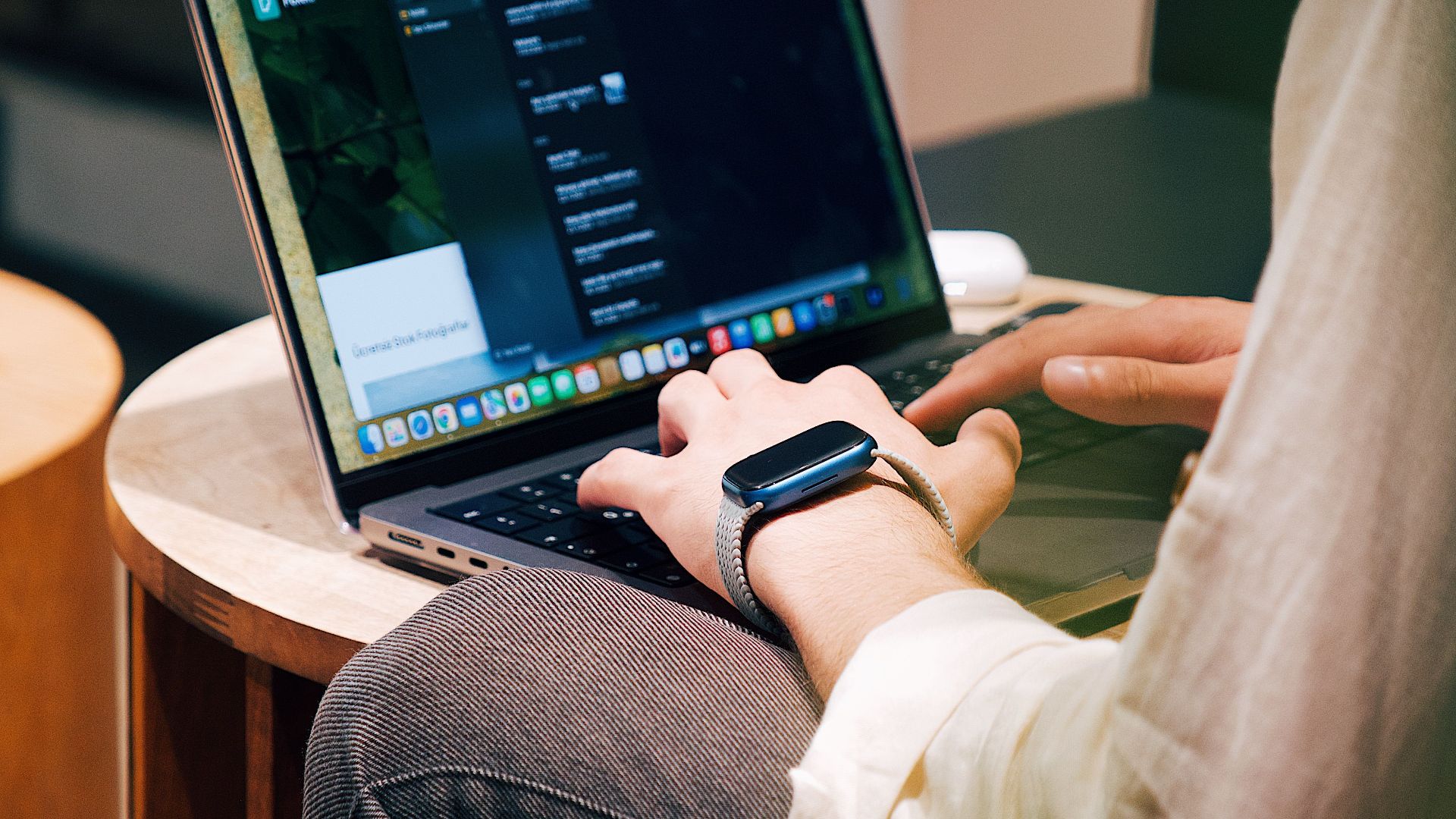
Wireless networking became standard in homes and offices through the early 2000s, cutting the last physical tether between a device and the internet. Laptops moved off desks and into coffee shops, airports, and living room couches. Work and browsing stopped being confined to a single fixed spot in the house.
12. The Smartphone
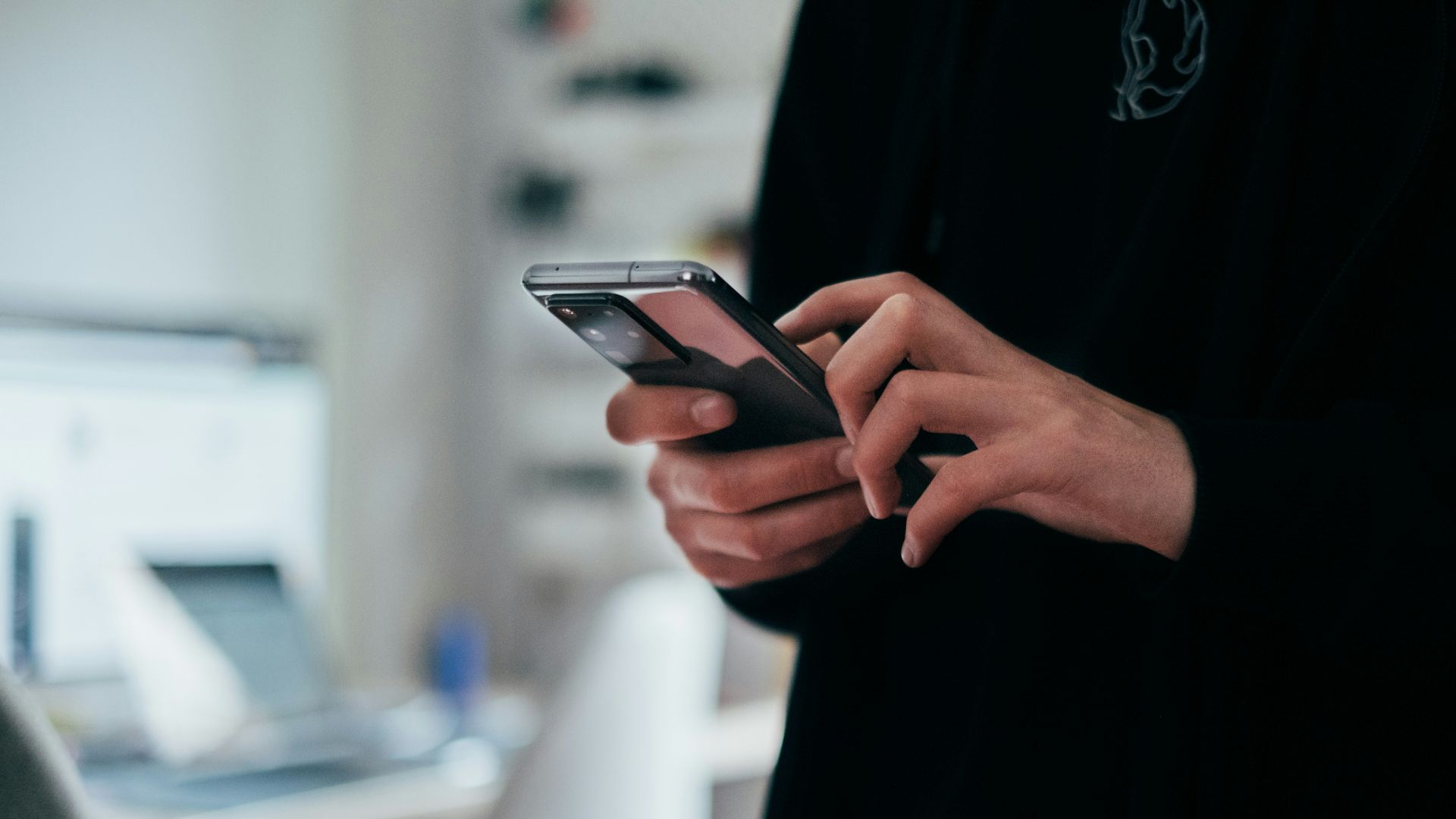
Apple's 2007 iPhone folded a phone, camera, computer, and GPS device into something that fit in a pocket, and daily behavior reorganized around it almost immediately. Entire industries, from ride-sharing to food delivery to banking, exist now because that one device became a universal remote control for daily life. Few inventions in history have been adopted this fast by this many people at once.
13. The Microwave Oven
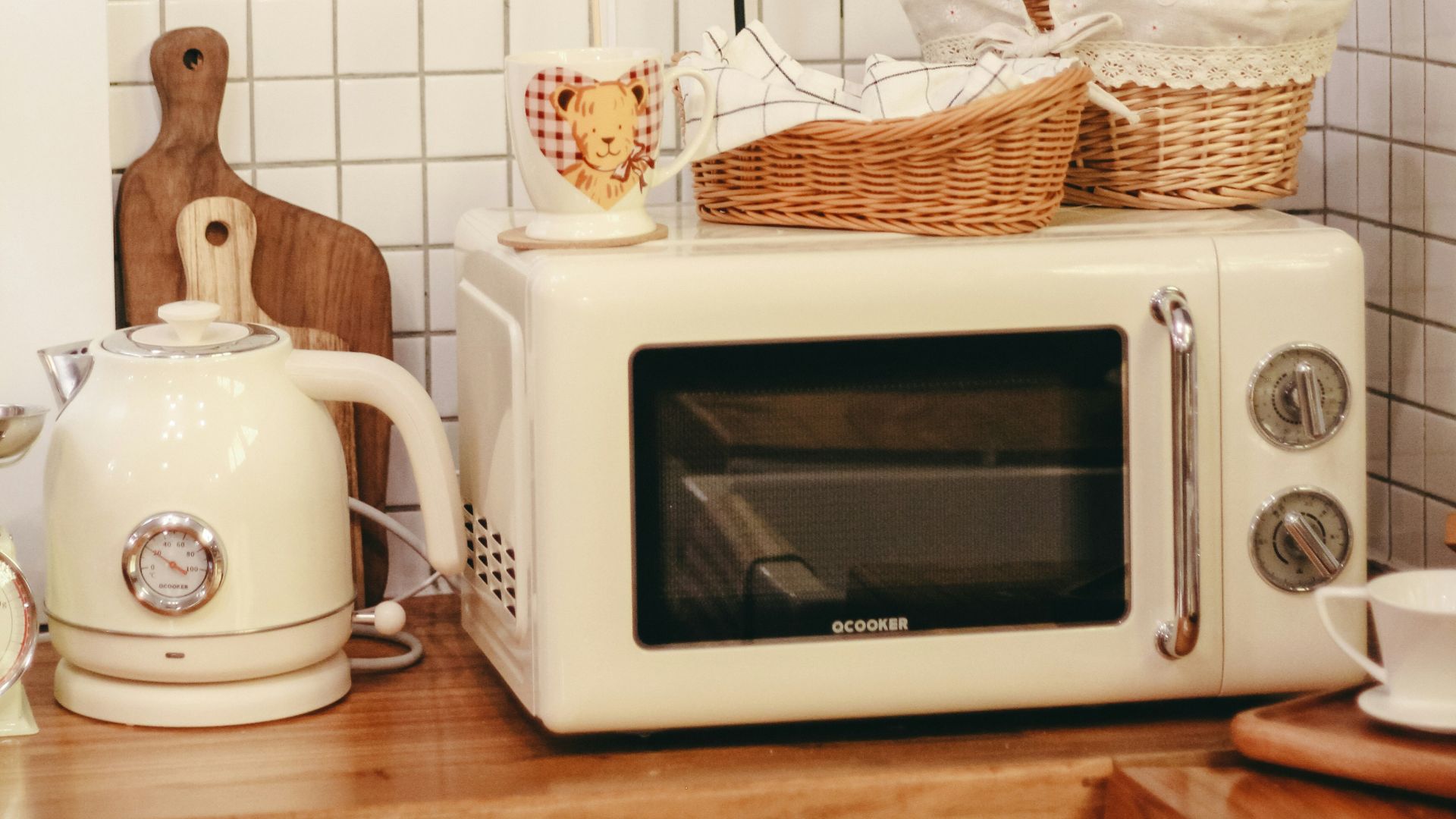
Percy Spencer stumbled onto microwave cooking in 1945 after noticing a chocolate bar melted in his pocket near an active radar set. Once the technology shrank down for home kitchens in the 1970s, it collapsed cooking times and rewired what a quick meal even meant. Frozen dinners and reheated leftovers became a genuine cultural category because of it.
 Nguyen Dang Hoang Nhu on Unsplash
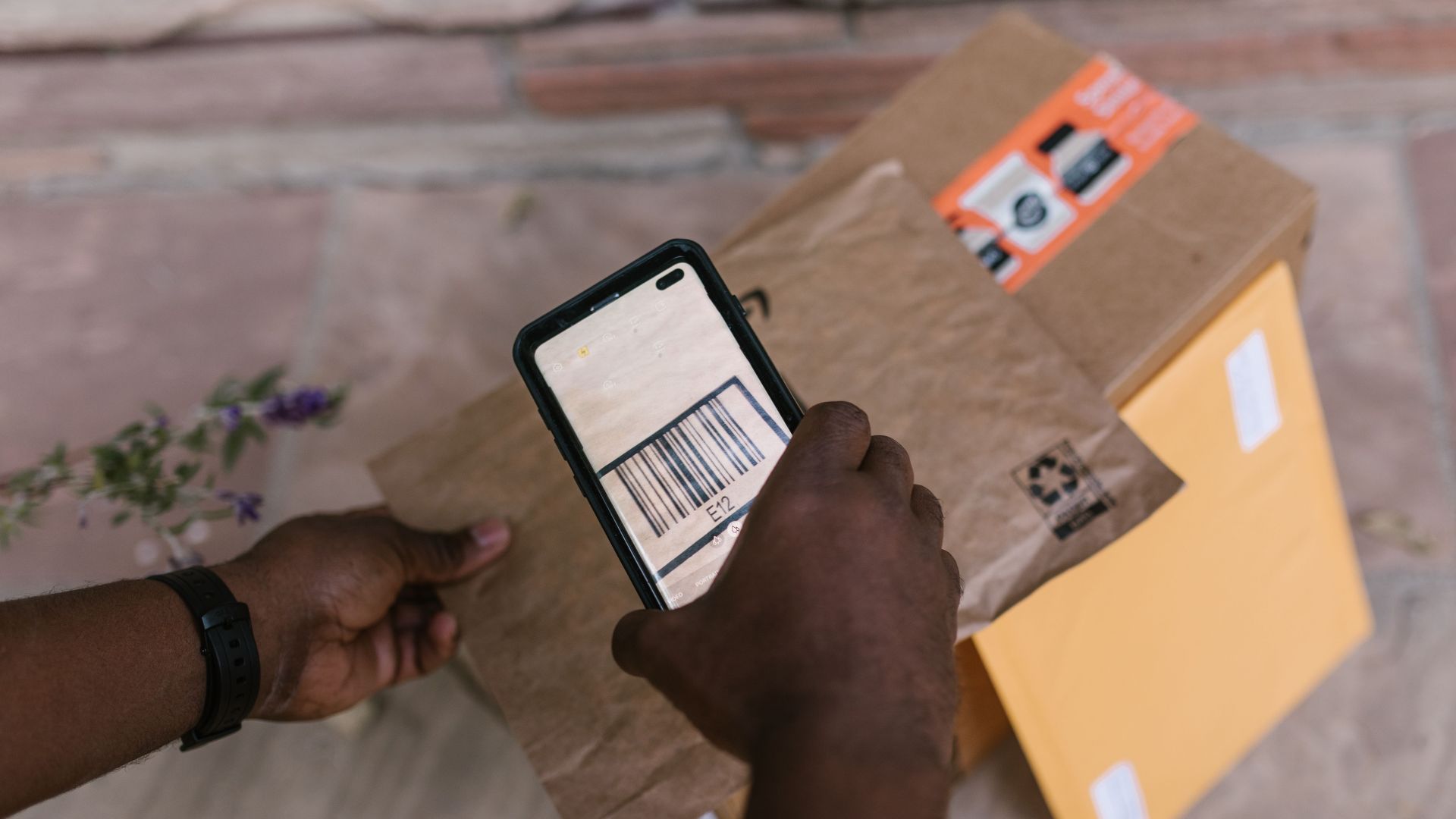
14. The Barcode
The first barcode scan happened at an Ohio supermarket in 1974, and within a decade, checkout lines across the country had quietly sped up because of it. Retailers gained real-time inventory tracking almost overnight, something that used to require manual counts and clipboards. That one striped label ended up reshaping supply chains far beyond the grocery store.
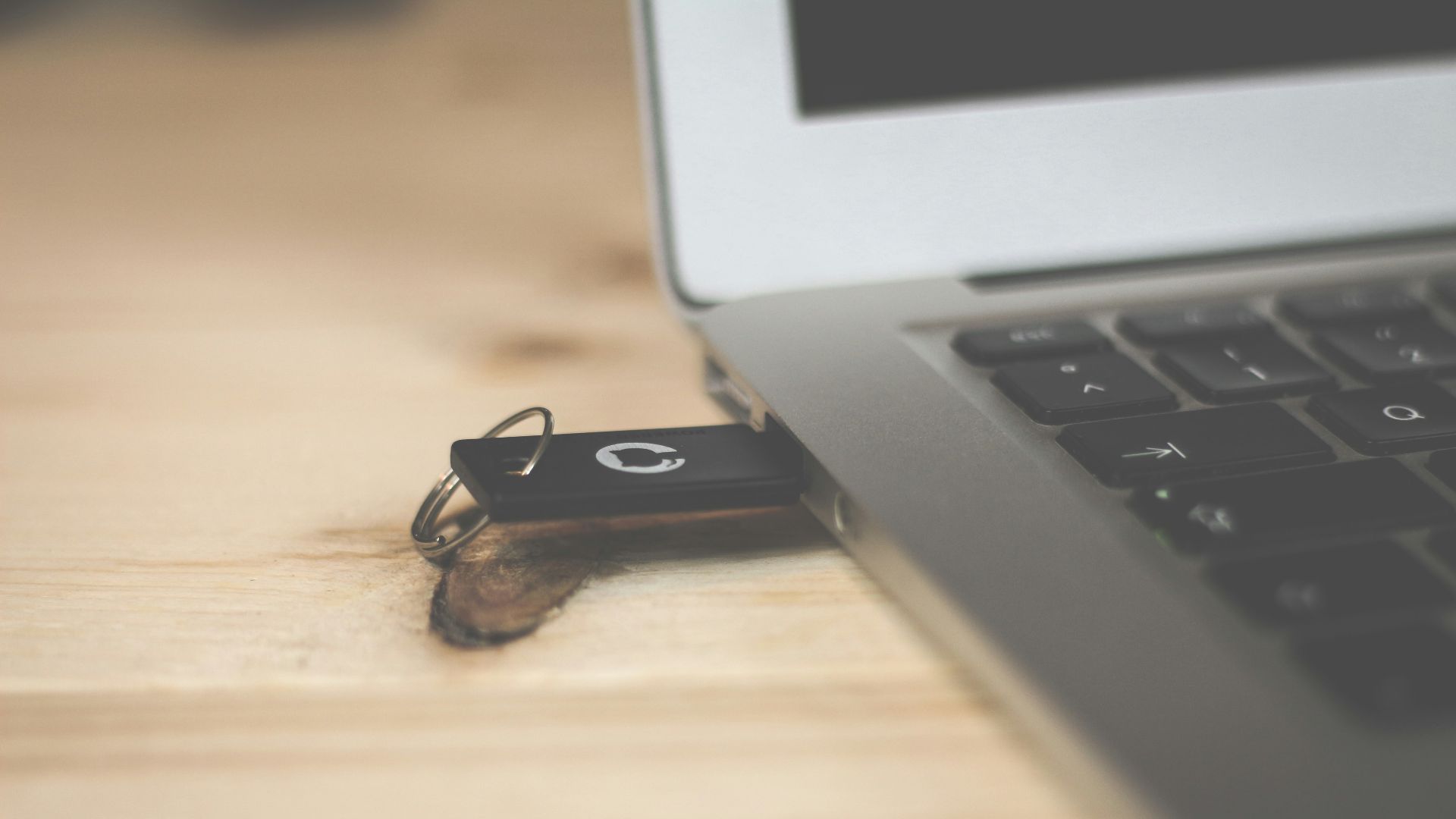
15. USB Flash Drive
When USB drives hit the market in the early 2000s, they made floppy disks and burned CDs feel instantly ancient. Moving files between computers stopped requiring cables, email attachments, or a trip across the office. For a while, a keychain drive was the simplest way most people carried their entire digital life around.
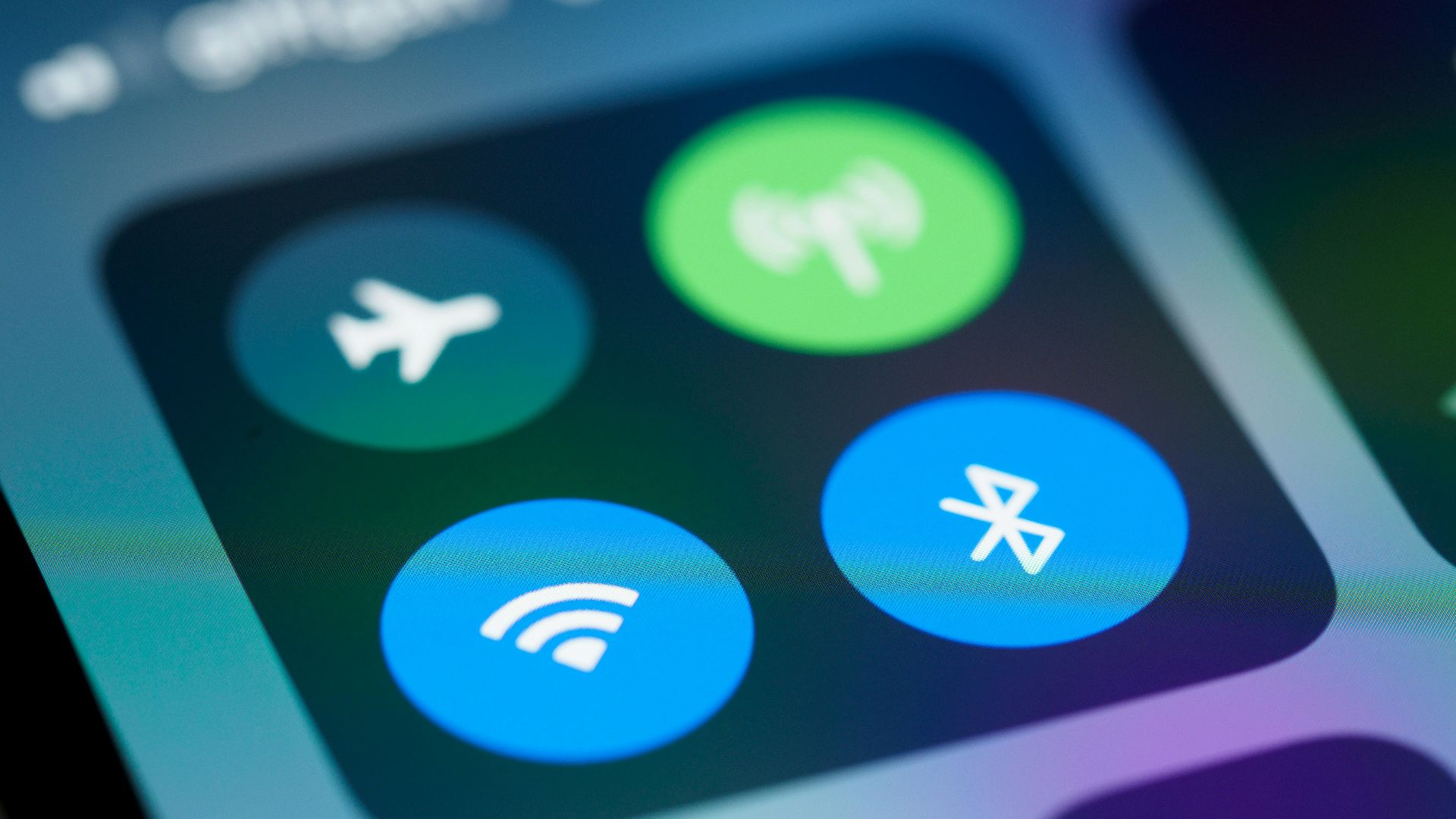
16. Bluetooth
Bluetooth wireless technology launched in 1999, quietly untangling decades of cords between phones, headsets, speakers, and computers. It made hands-free calling and wireless audio a default expectation rather than a novelty. Cars, earbuds, and even light bulbs eventually built the standard in without anyone thinking twice about it.
17. Texting
SMS technology existed by the early 1990s, but it took only a few years for texting to overtake phone calls as the preferred way people actually communicated. Short, asynchronous messages fit modern schedules better than a ringing phone ever did. Entire social habits, from group chats to reading receipts anxiety, trace straight back to that shift.
18. Streaming Services
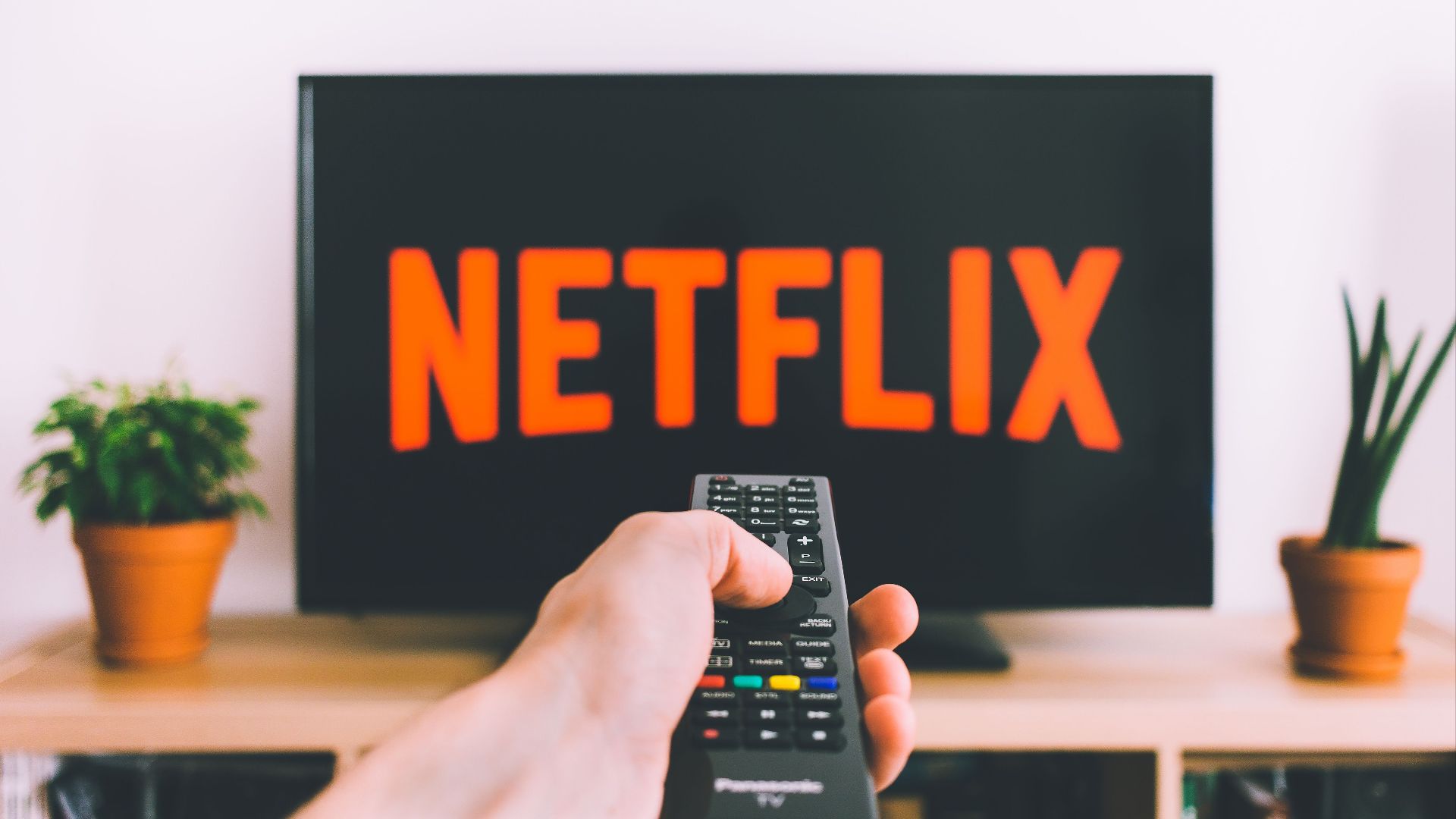
Services like Netflix and Spotify moved entertainment away from physical discs and scheduled broadcasts starting in the mid-2000s. Suddenly, an entire catalog of shows, movies, and music sat available on demand, no rental store or record shop required. Waiting for a specific broadcast time became a genuinely foreign concept within a single decade.
19. Voice Assistants
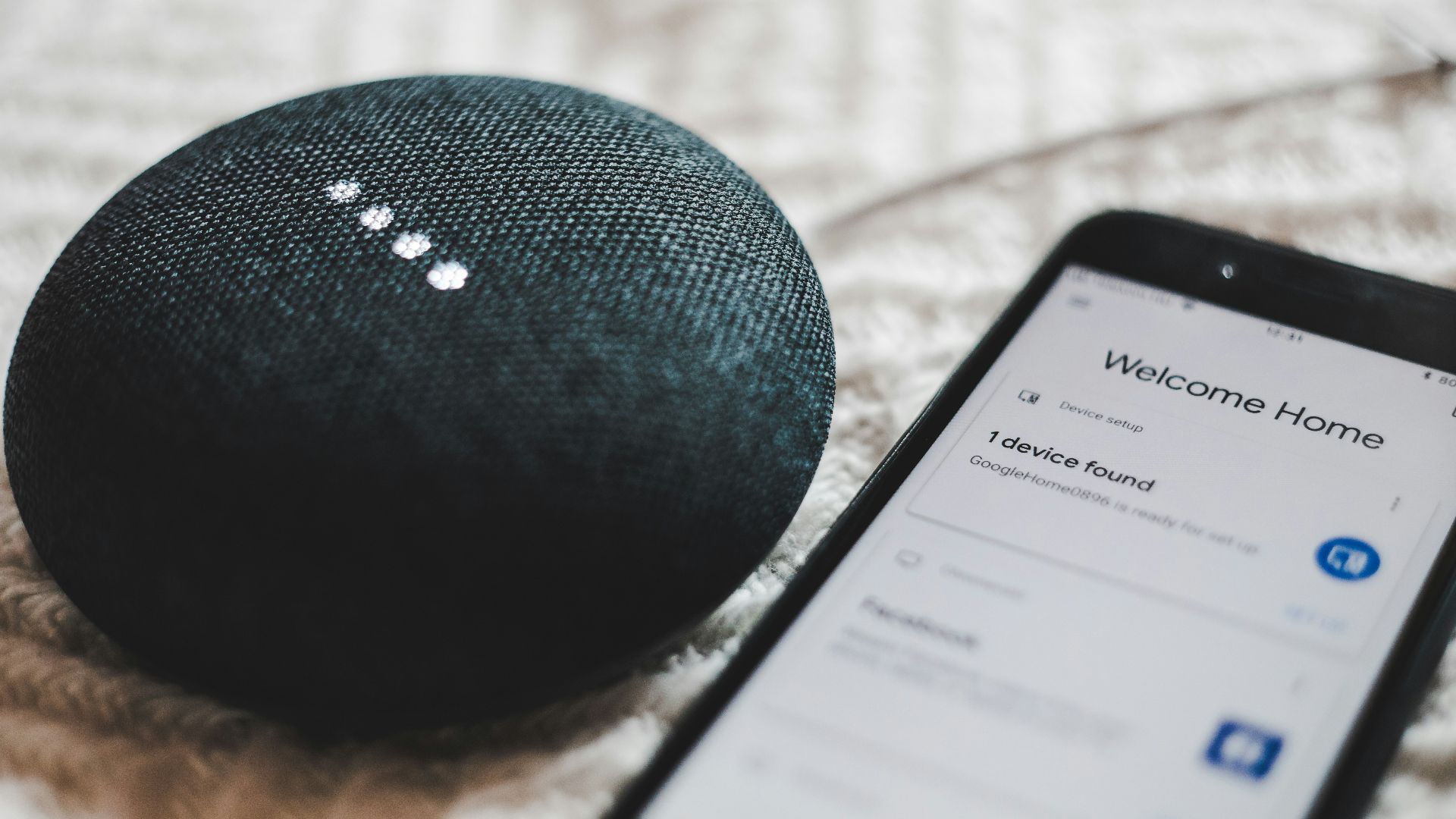
Devices like Amazon's Alexa and Apple's Siri normalized talking to a machine and getting a useful answer back, something that felt like science fiction a decade earlier. Setting timers, checking weather, and controlling lights all shifted from manual tasks to spoken commands. Homes started quietly listening in ways nobody had really planned for.
20. QR Codes
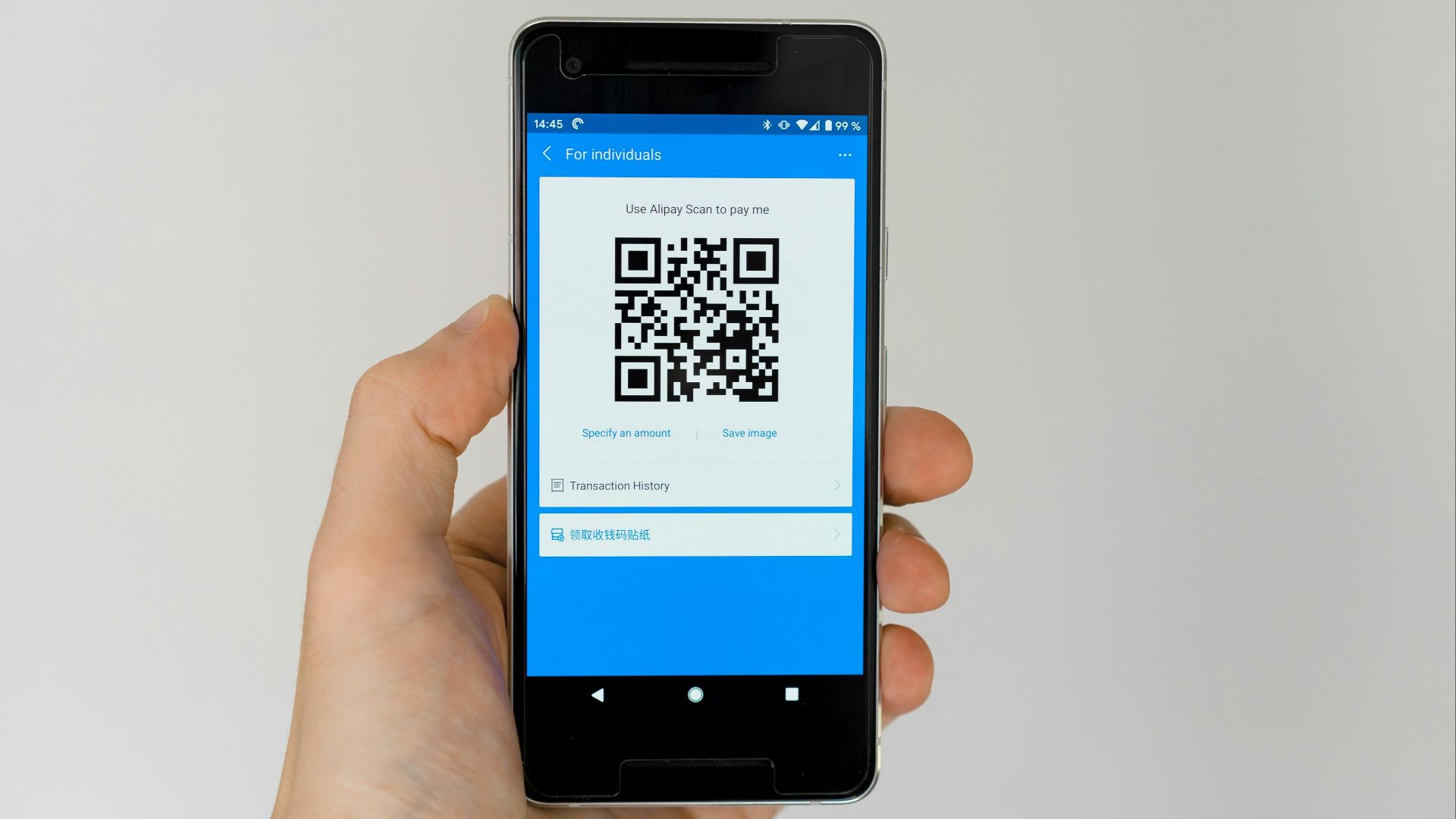
QR codes existed since the 1990s but sat mostly ignored until smartphone cameras made scanning them effortless, and the pandemic gave restaurants and businesses a reason to lean on them hard. A square of black-and-white pixels turned into a menu, a payment link, or a check-in form almost overnight. Few older technologies got a second life this sudden or this widespread.