
Should You Put a Case On?
Ah, the great dilemma: should you put a case on your brand new phone or not? If you're like most, you probably think that's a no-brainer—of course you're slapping a case on, you don't want to accidentally drop and shatter your $1,000 device. But contrary to what you might think, there are actually some perks to forgoing protection. Cases, after all, can drastically change how your phone looks, feels, charges, and performs, meaning it could be more of a nuisance than anything. Whether you prefer your device naked or fully covered, here's a deeper look into the benefits of either side.
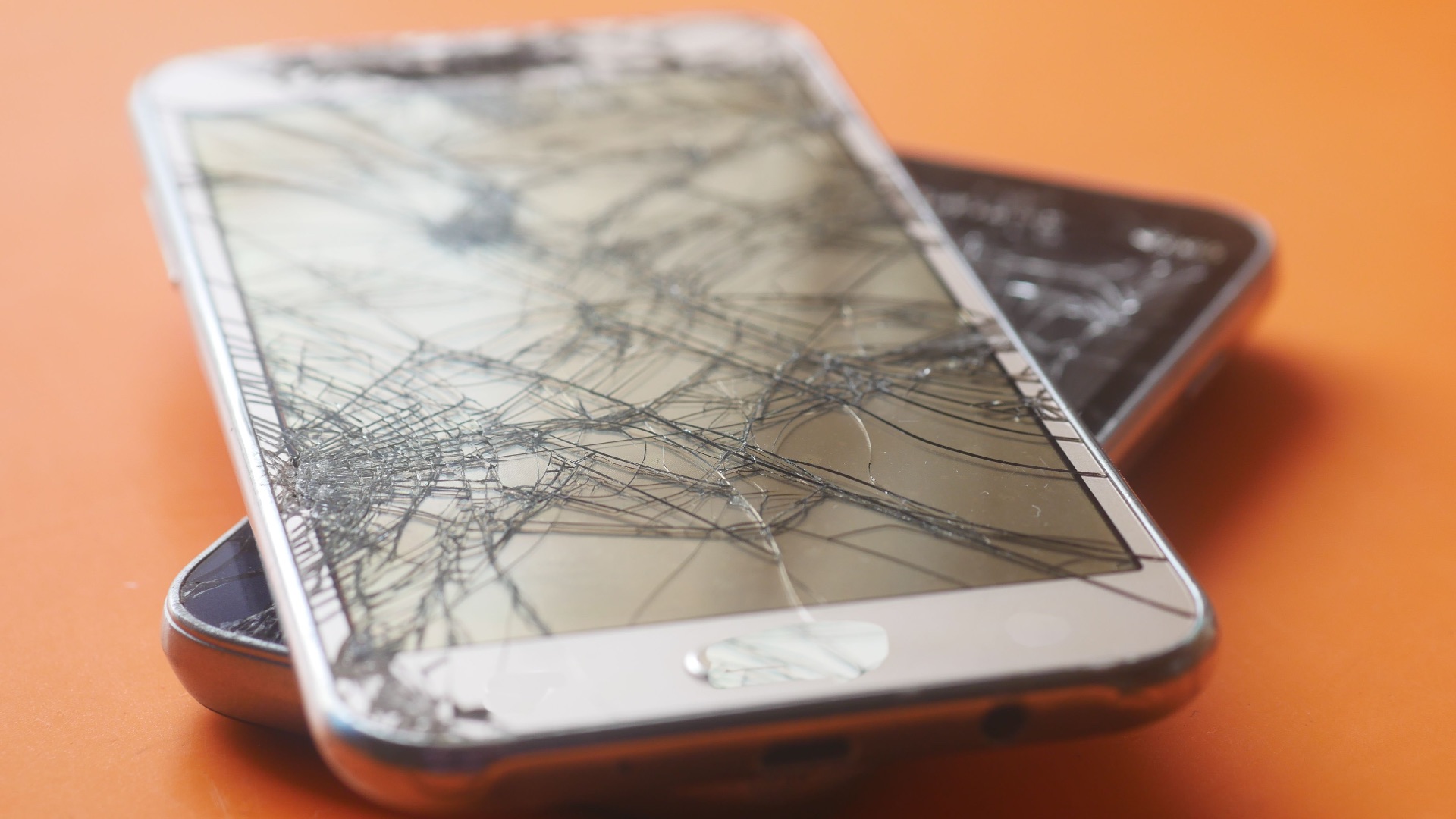
1. You Can Appreciate the Original Design
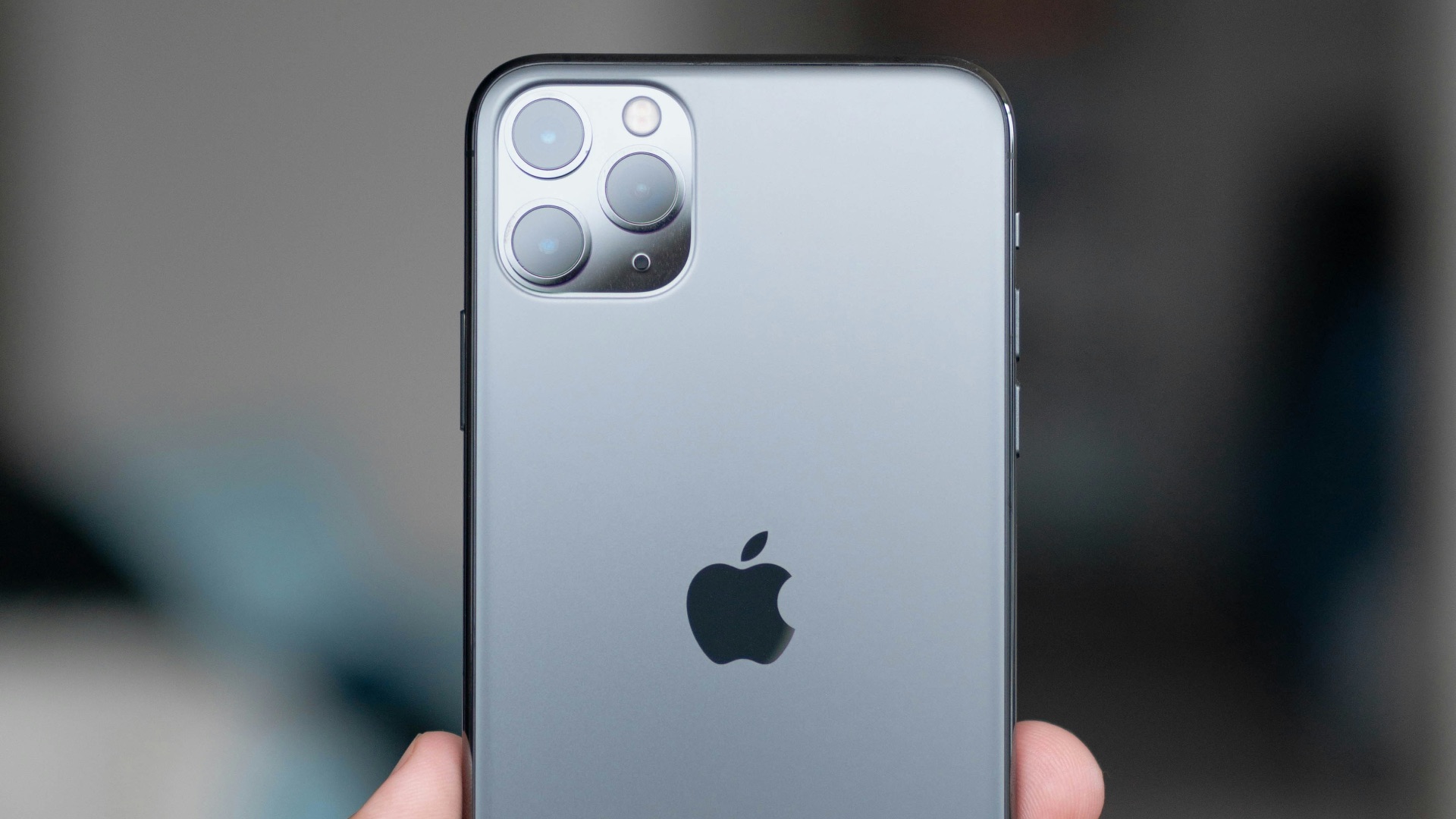
Phone manufacturers invest considerable effort into selecting materials, shaping the frame, and refining every visible detail. Covering the device immediately means you rarely get to enjoy the design you paid for. Without a case, the phone looks exactly as its designers intended.
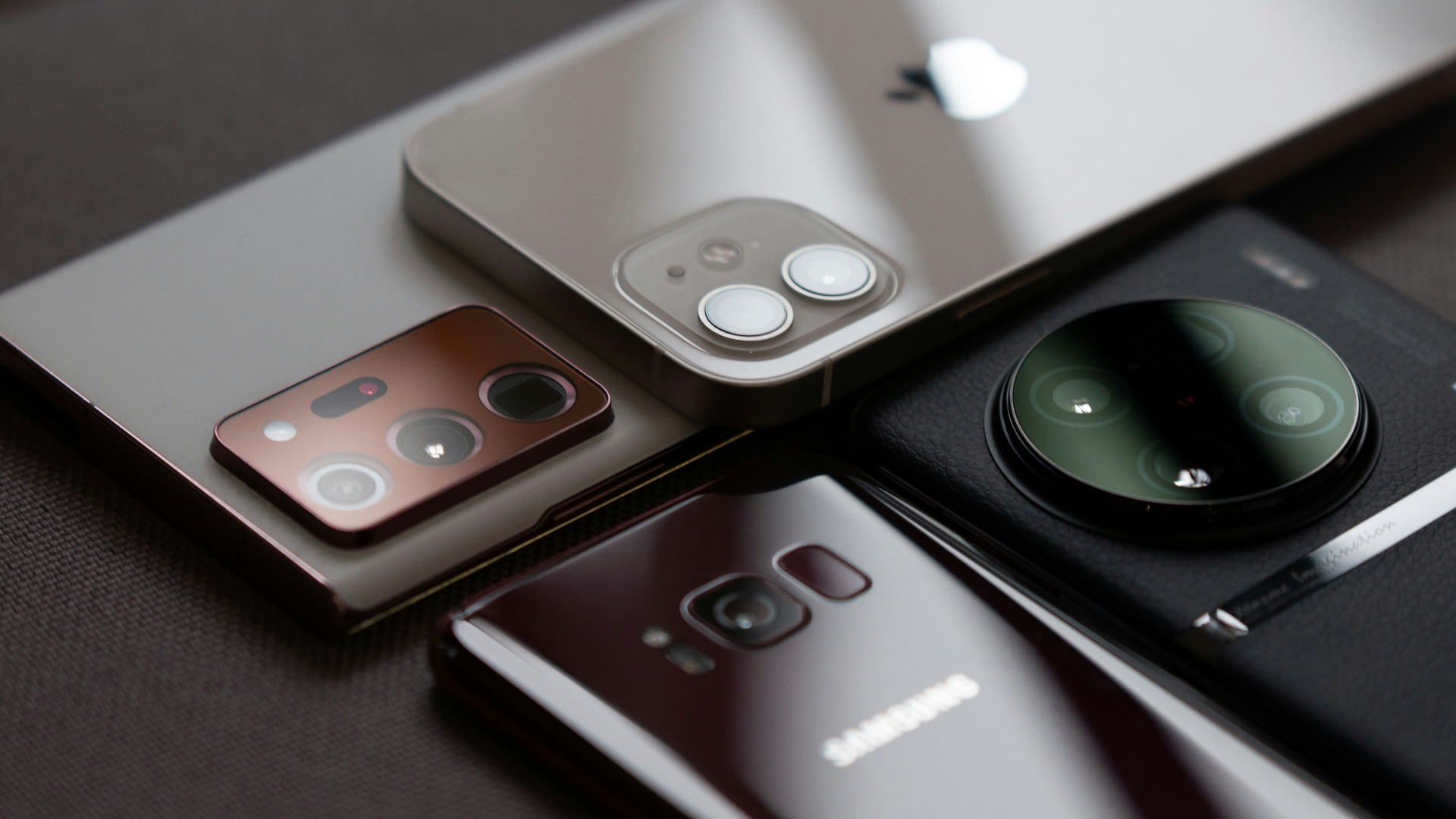
2. The Phone Feels Noticeably Thinner
Even slim cases add extra width and depth, which can make a sleek device feel bulkier in your hand. An uncovered phone also slides into a pocket or small bag more easily. This difference becomes especially noticeable with larger models that already take up plenty of space.

3. Buttons May Be Easier to Press
Some cases place stiff material over the volume, power, or camera buttons, making them less responsive. You may have to press harder or adjust your grip just to use basic controls. Going without a case gives you direct access to the buttons and their original tactile feedback.
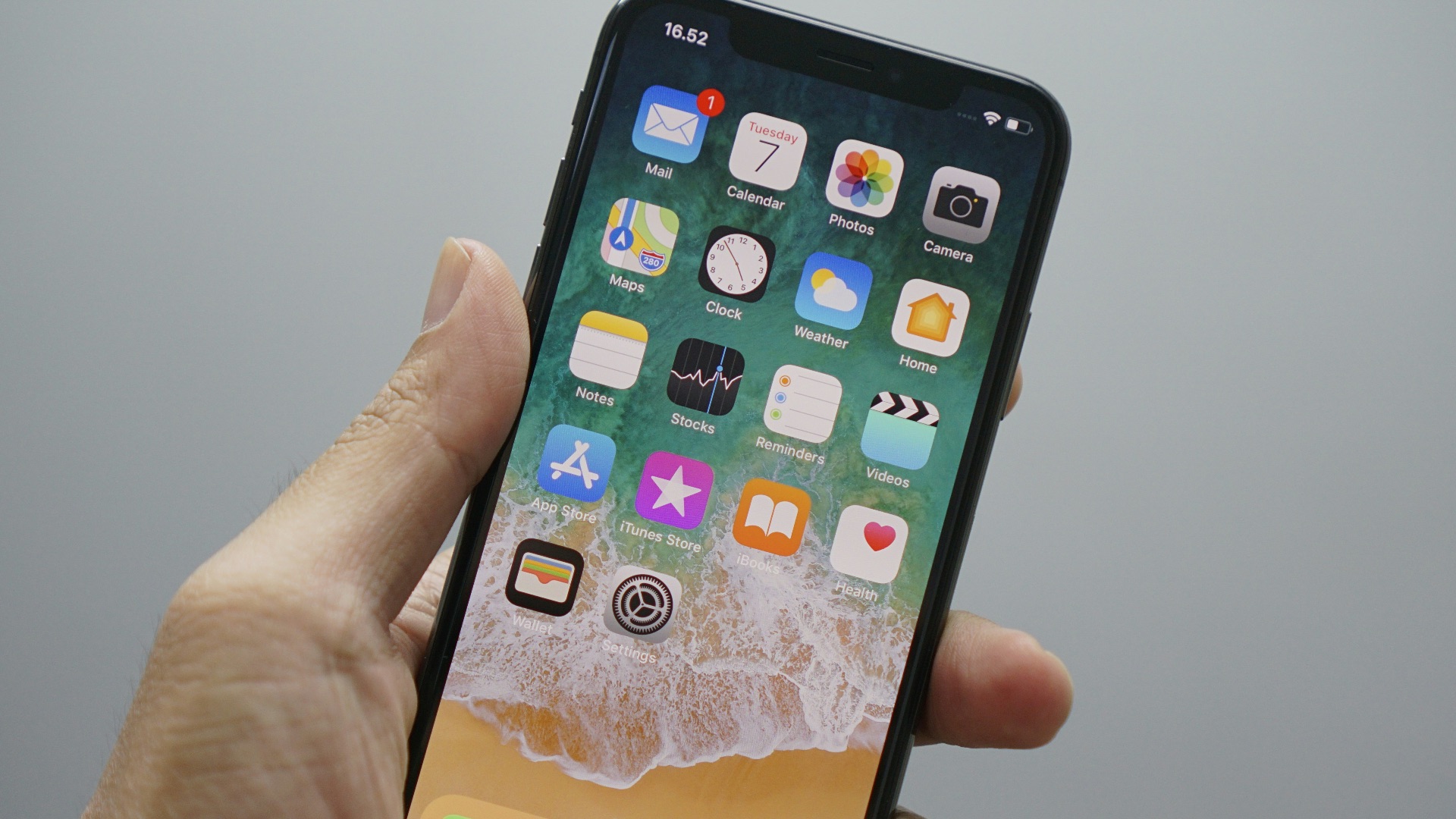
4. Wireless Charging Can Be More Reliable
Most modern cases support wireless charging, but thicker materials, metal components, and decorative attachments can interfere with the connection. The phone may charge more slowly or require careful placement on the charging pad. Removing the barrier can make the process faster and less finicky.
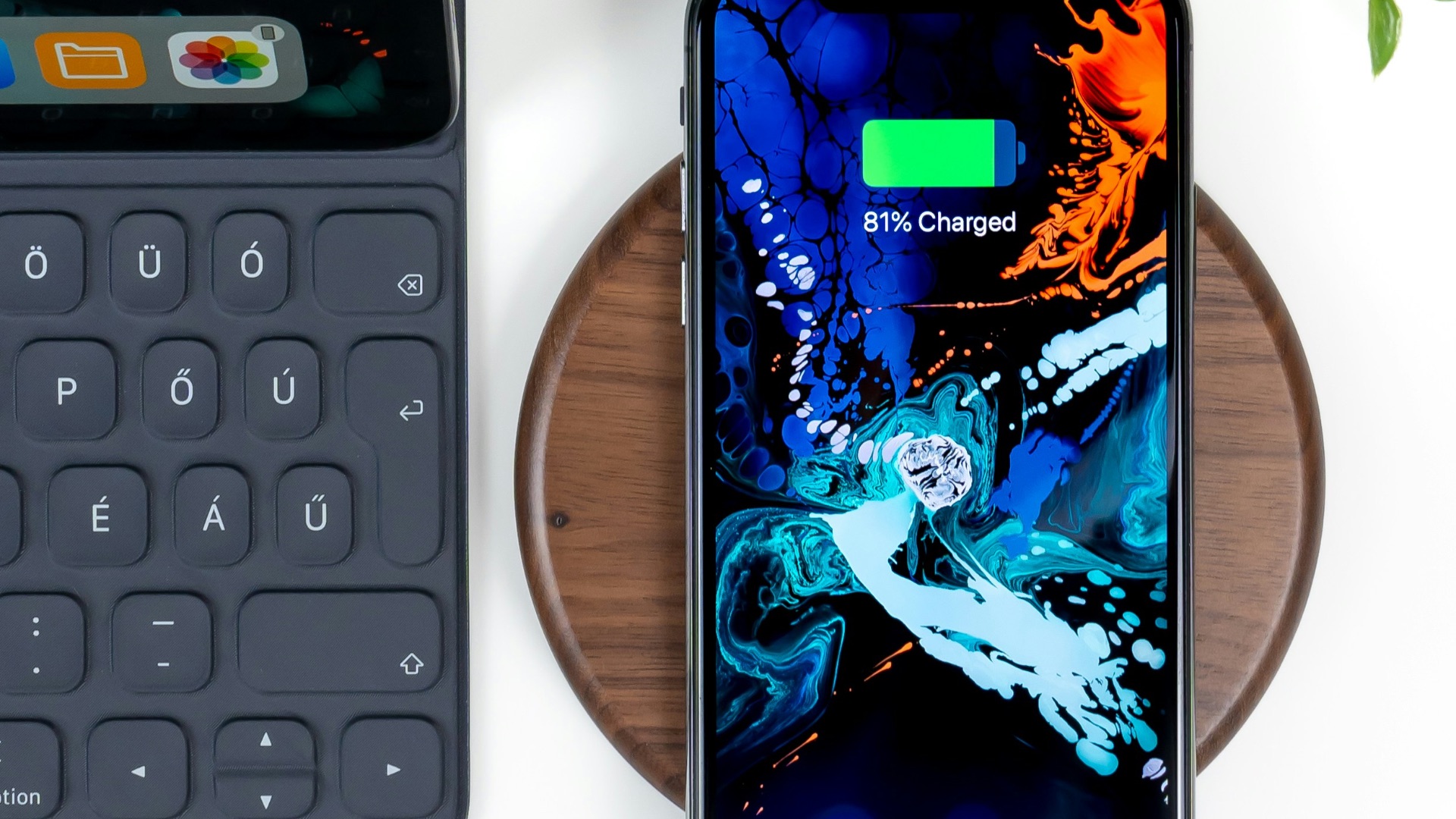
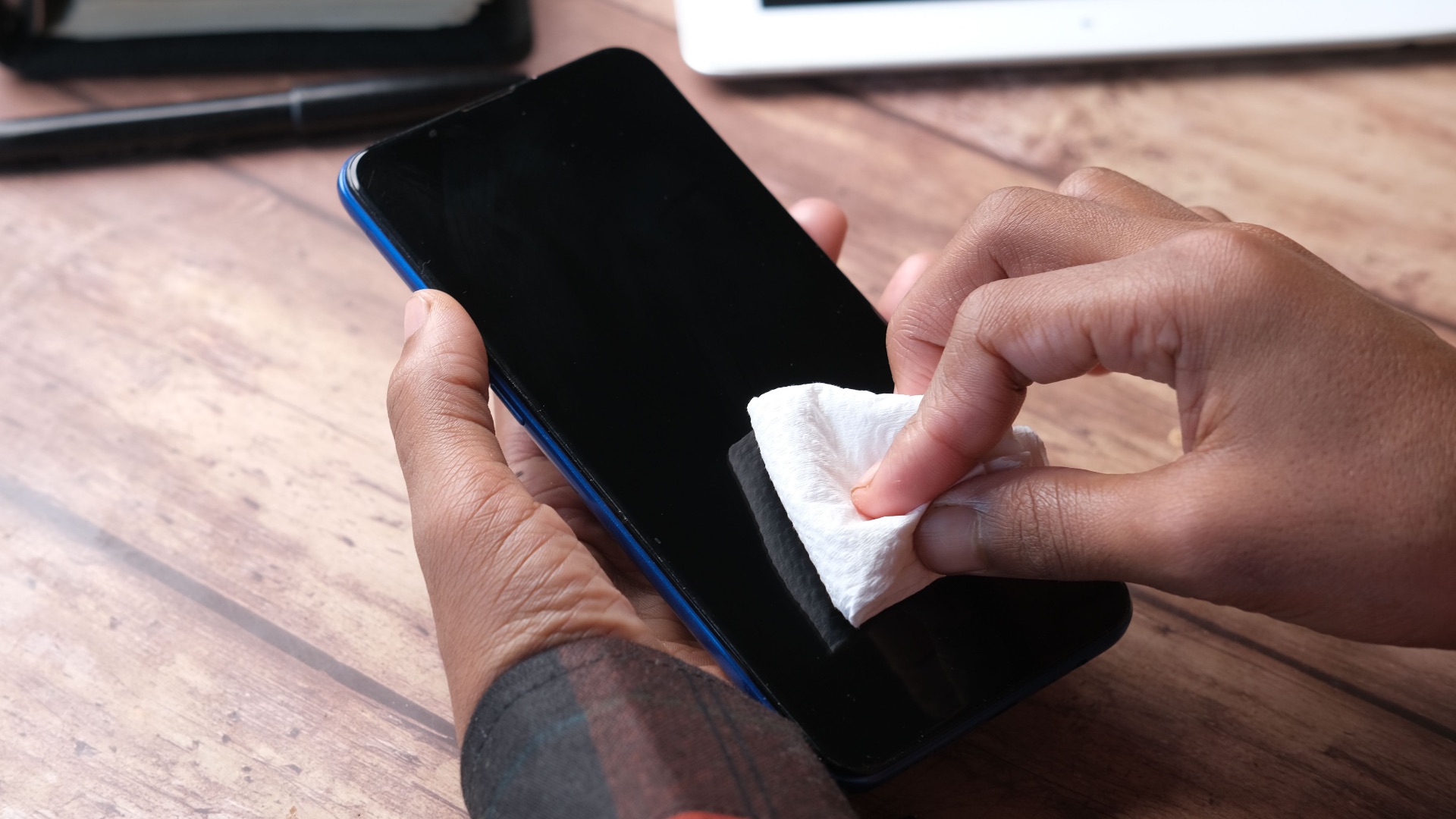
5. It’s Easier to Keep the Phone Clean
Dust, crumbs, and moisture often collect between a phone and its case, particularly around the camera and charging port. Because that buildup stays hidden, you may not notice it until you remove the case weeks later. A bare phone can be wiped down regularly without dismantling anything first.
6. Heat Can Escape More Easily
Phones produce heat while gaming, recording video, charging, or running demanding apps. A thick case may hold some of that warmth against the device instead of allowing it to dissipate as efficiently. Using the phone uncovered can help it cool down more readily during intensive tasks.

7. You Can Save Money
Phone cases can range from inexpensive to surprisingly costly, especially if you prefer premium brands or frequently replace worn-out ones. Over time, buying multiple cases adds up, particularly if you like switching styles or upgrading accessories. Choosing not to use a case means you avoid those recurring expenses and keep more money in your pocket.

8. Camera Controls Stay Unobstructed
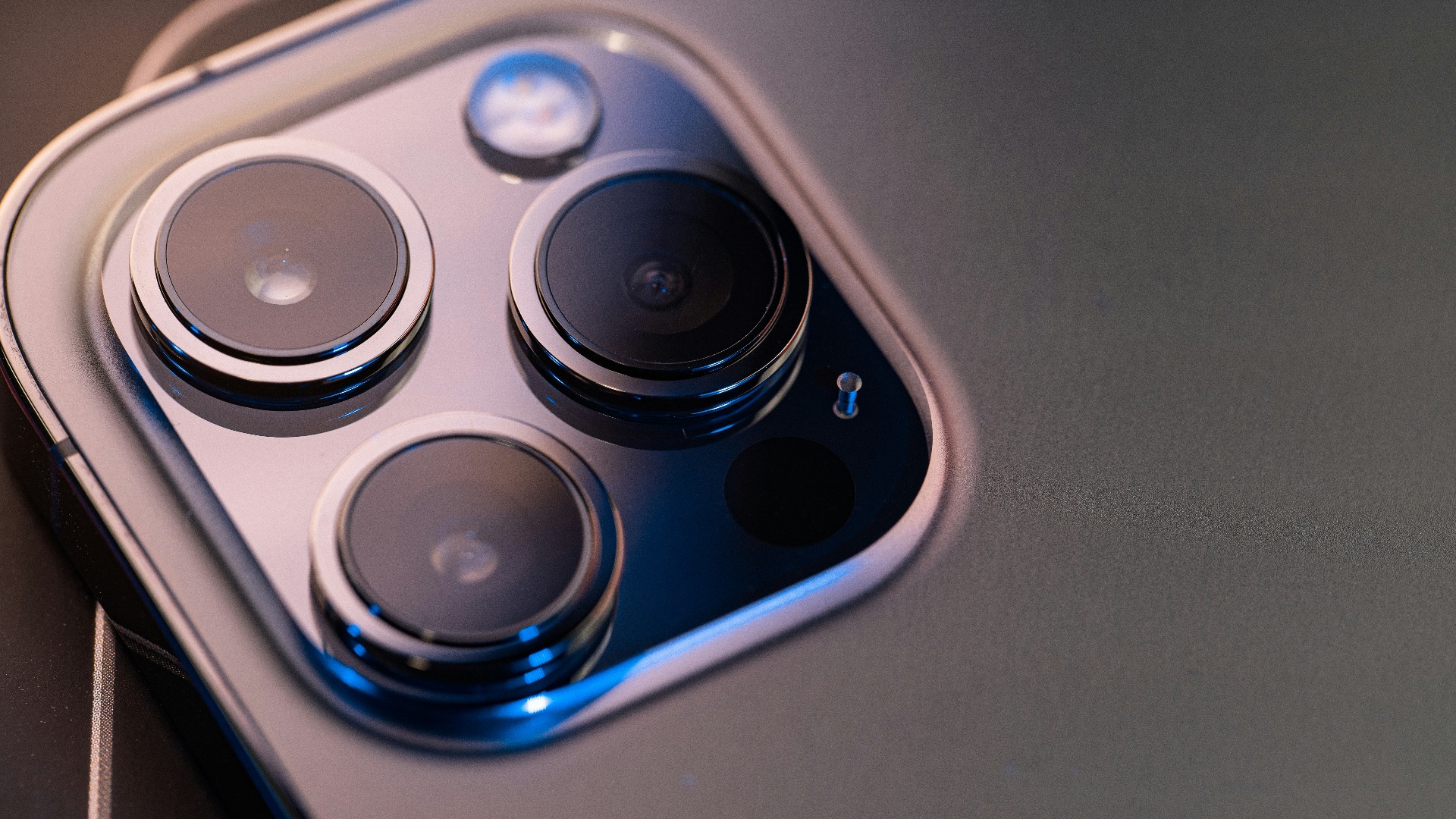
Cases that rise around the camera area can make certain controls, lenses, or accessories harder to reach. Poorly fitted designs may also create shadows near the flash or interfere with clip-on equipment. Without a case, the camera system remains fully exposed and accessible.
9. You Won’t Have to Replace Worn-Out Cases
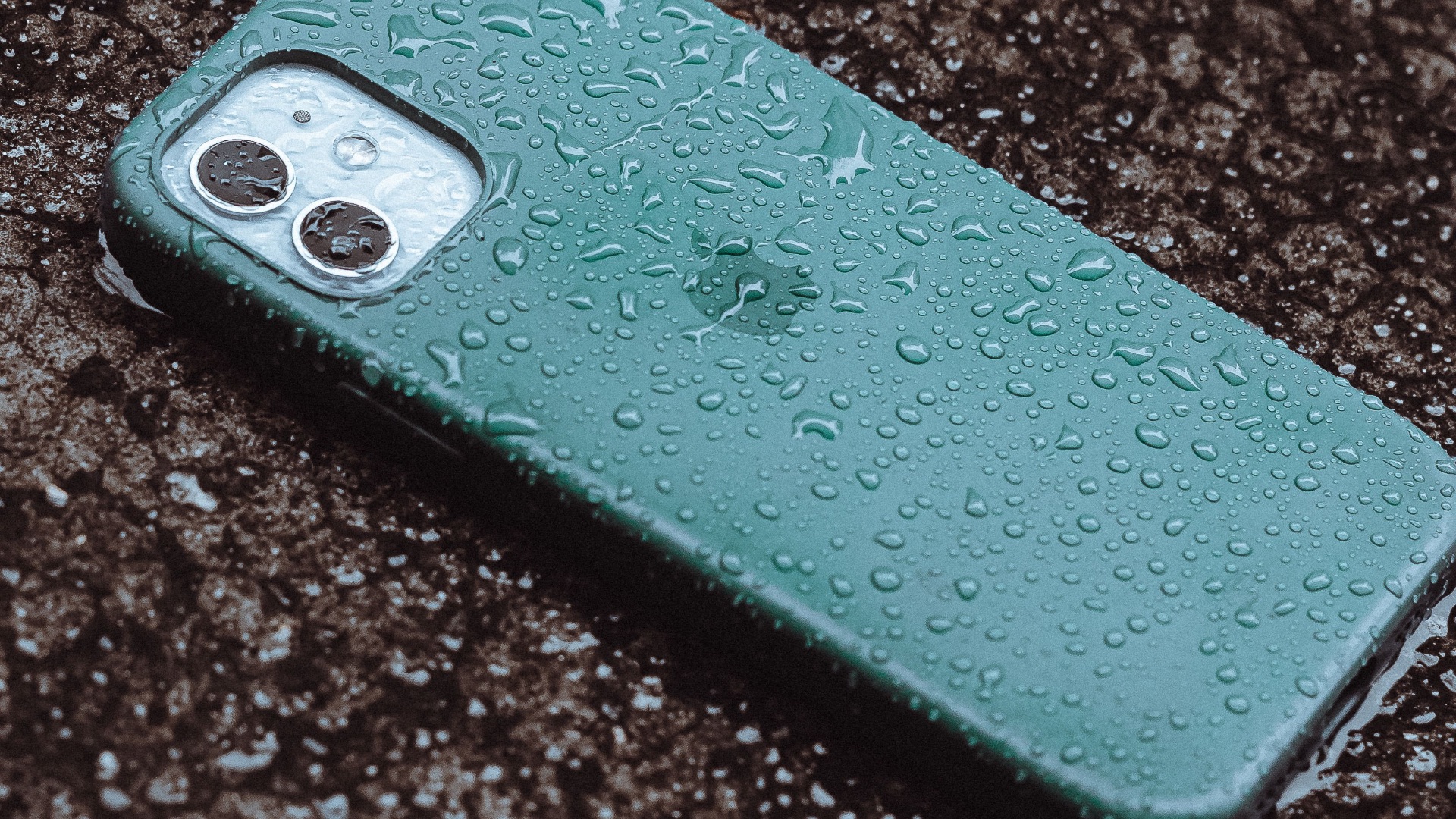
Cases can discolor, stretch, crack, peel, or collect scratches surprisingly quickly. Clear versions often turn yellow, while fabric and silicone options may become stained or damaged with regular use. Skipping the case removes another accessory that eventually needs to be cleaned or replaced.
10. The Phone May Be Easier to Operate One-Handed
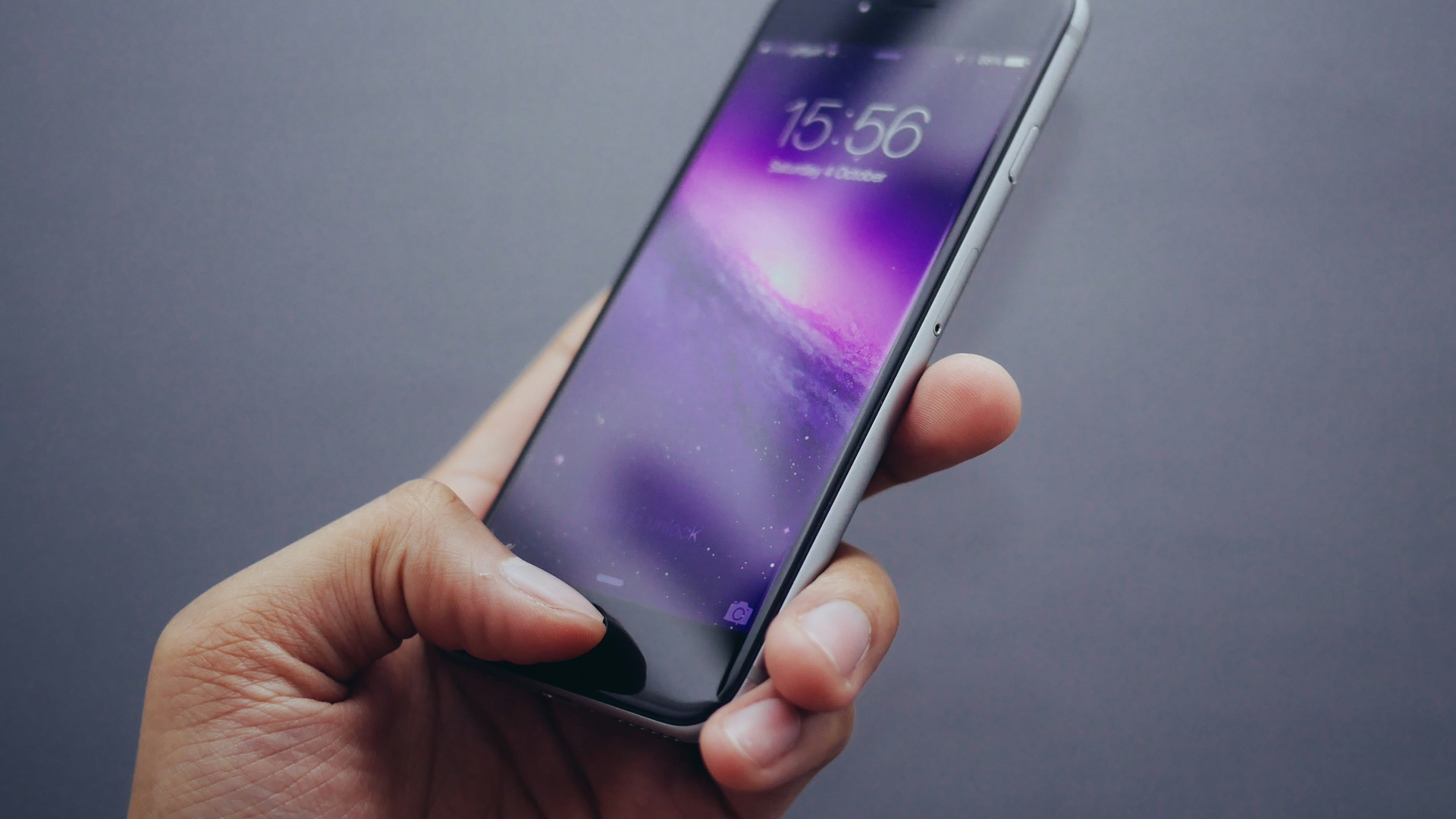
Extra thickness can make it harder to reach across the screen, particularly if you have smaller hands. A case may also alter the phone’s balance and force you to shift your grip more often. Using the device as-is can make everyday scrolling, typing, and tapping feel more manageable.
Yet, while an uncovered phone offers a cleaner design and a more direct user experience, those advantages come with an obvious trade-off. Before deciding that cases are unnecessary, it’s worth considering how much damage one unexpected drop could cause. Let's take a look at why you should consider putting a case on your device.
1. It Helps Protect Against Drops
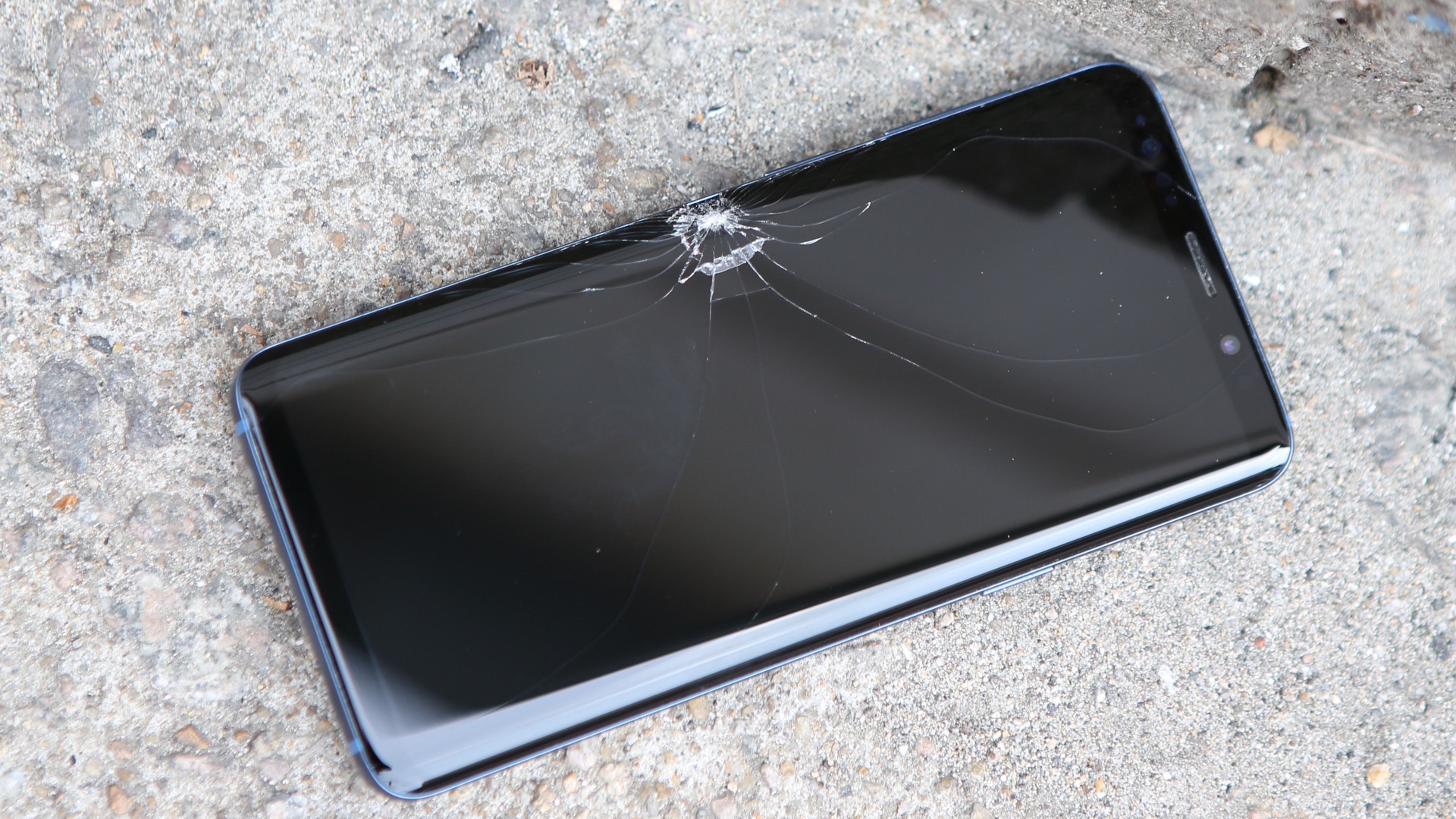
Phones can slip from your hand while you’re walking, taking a photo, or pulling them from a pocket. A well-designed case absorbs some of the impact and reduces the chance of cracked glass or dented edges. That protection can save you from an expensive repair after a brief mistake.
2. Raised Edges Shield the Screen
Many cases extend slightly above the display, preventing the glass from making direct contact with a flat surface. This feature is helpful when you place the phone face down or drop it at an angle. Although it can’t prevent every crack, it adds a useful buffer around one of the most vulnerable parts.
3. The Camera Lenses Get More Coverage
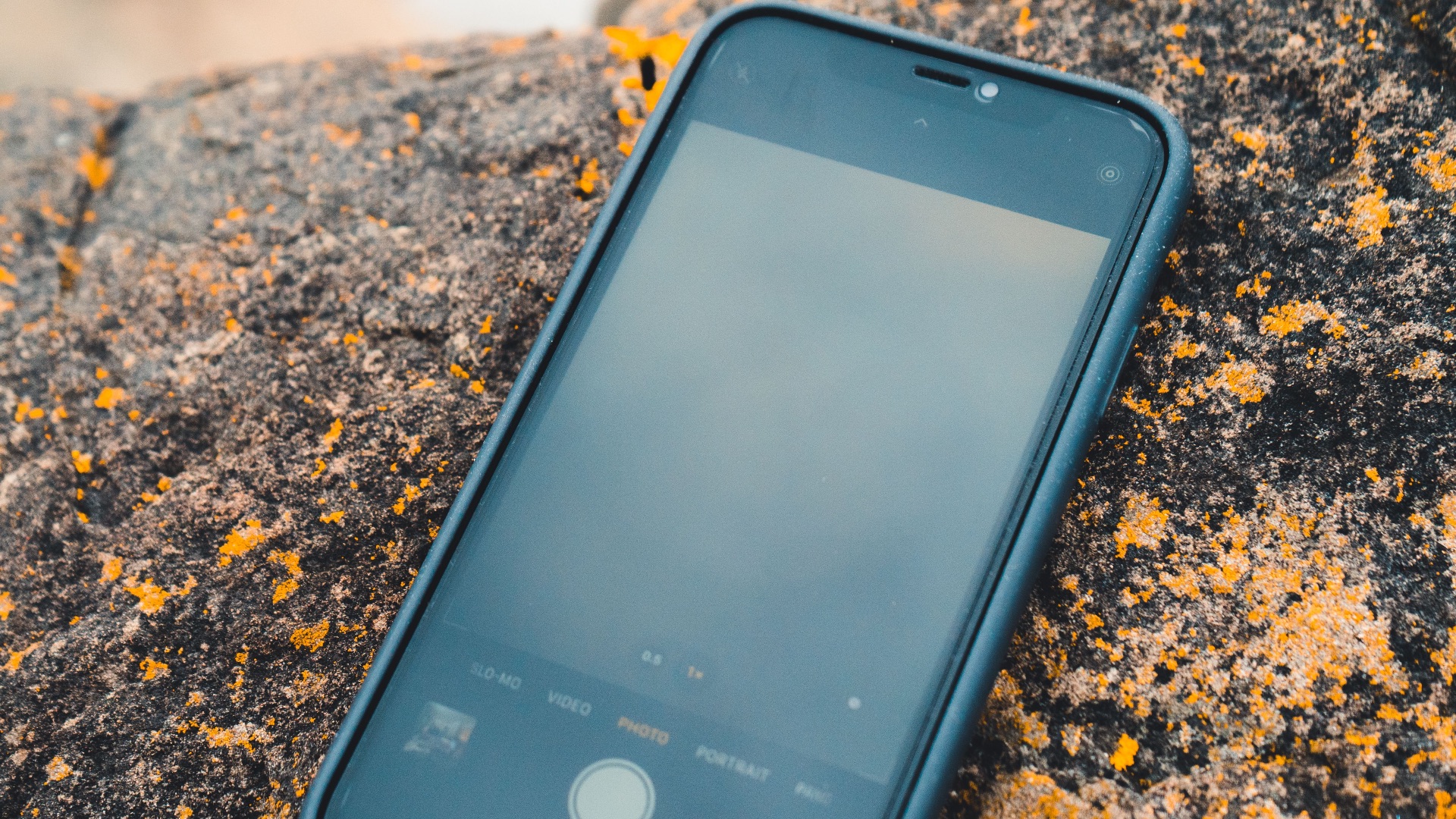
Modern camera modules often protrude from the back of the phone, leaving the lenses exposed to scratches and impacts. A case with a raised camera border keeps them from resting directly on tables and counters. This added clearance may help preserve image quality and prevent cosmetic damage.
4. A Case Can Improve Your Grip
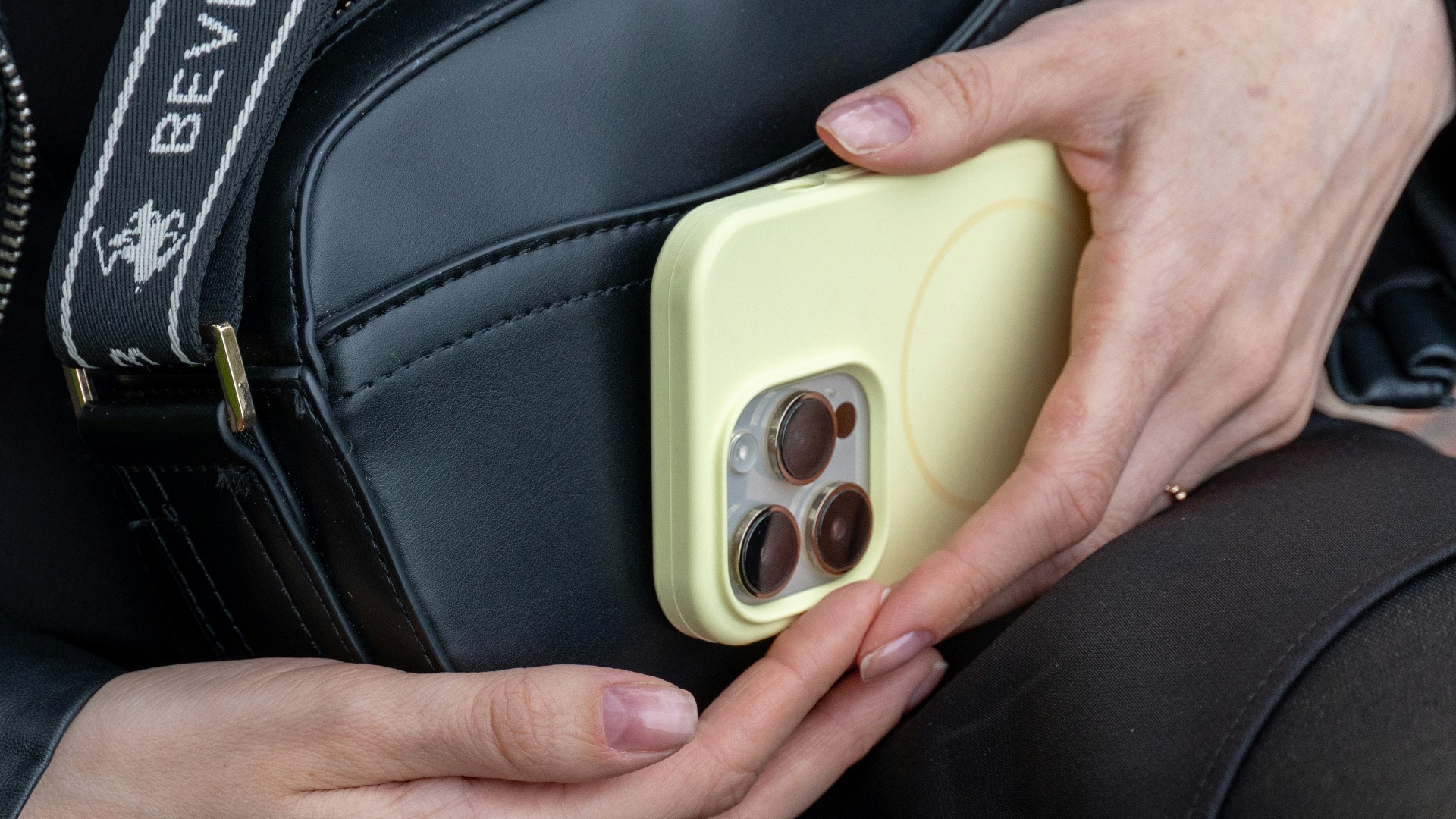
Glass-backed phones can feel smooth and slippery, especially when your hands are cold, dry, or damp. Textured materials make the device easier to hold during calls, commutes, and everyday use. Better grip can prevent the very drops the case is meant to protect against.

5. Repairs Can Cost Far More Than a Case
Replacing a cracked screen, damaged frame, or broken rear panel can be surprisingly expensive. Even with insurance, you may face a deductible, shipping delay, or trip to a repair center. Spending a smaller amount on a dependable case can reduce the likelihood of those costs.
6. It Preserves the Phone’s Resale Value
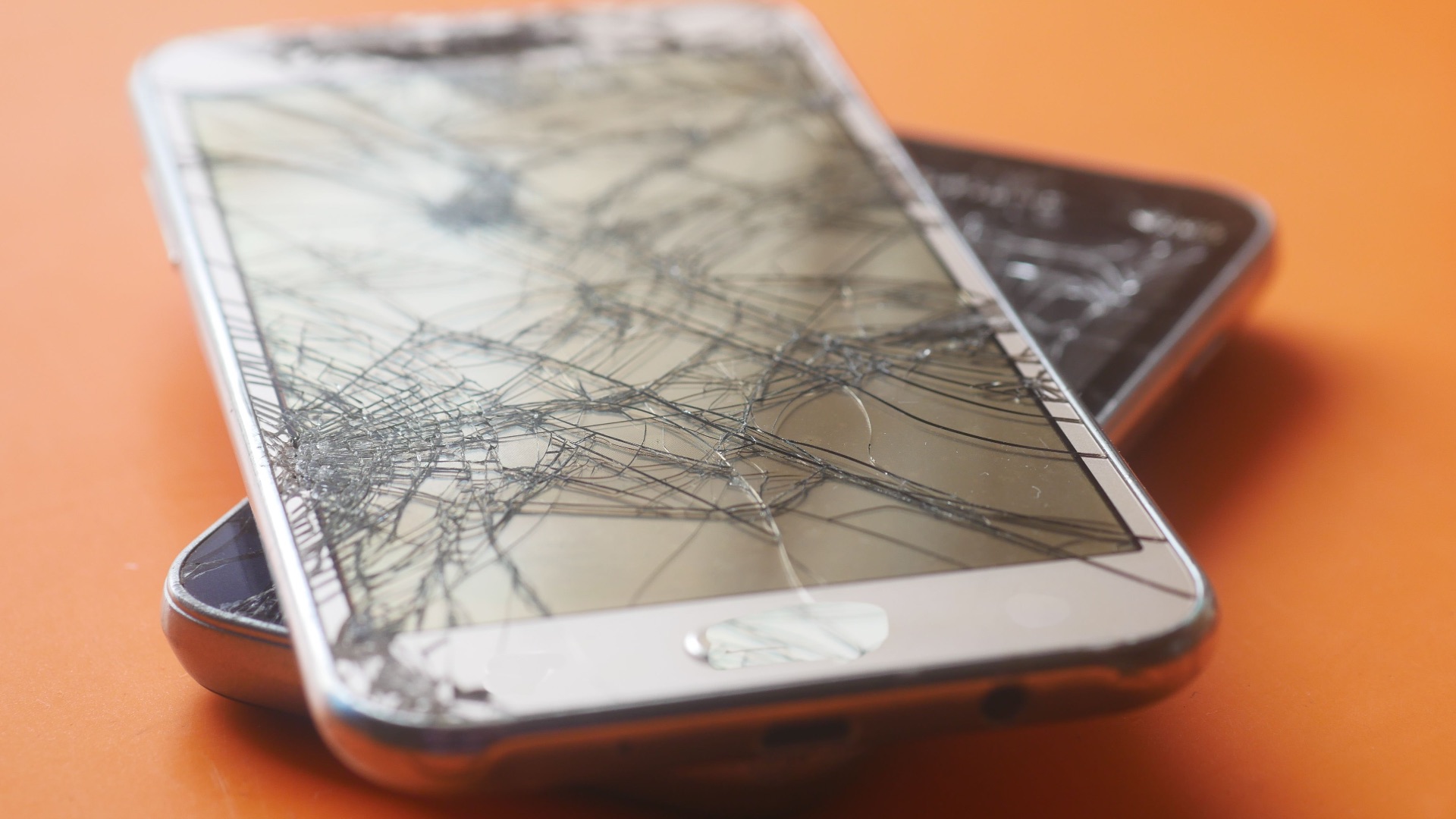
Visible scratches, chips, and dents can lower the amount buyers or trade-in programs are willing to offer. Keeping the exterior protected helps the phone look newer after months or years of use. A clean frame and undamaged back can make a meaningful difference when it’s time to upgrade.
7. Cases Can Add Useful Features
Some designs include kickstands, card holders, finger loops, battery packs, or mounting systems. These additions can make the phone more practical for travel, video calls, navigation, and daily errands. The right case provides more than protection without requiring several separate accessories.
8. You Can Personalize the Appearance
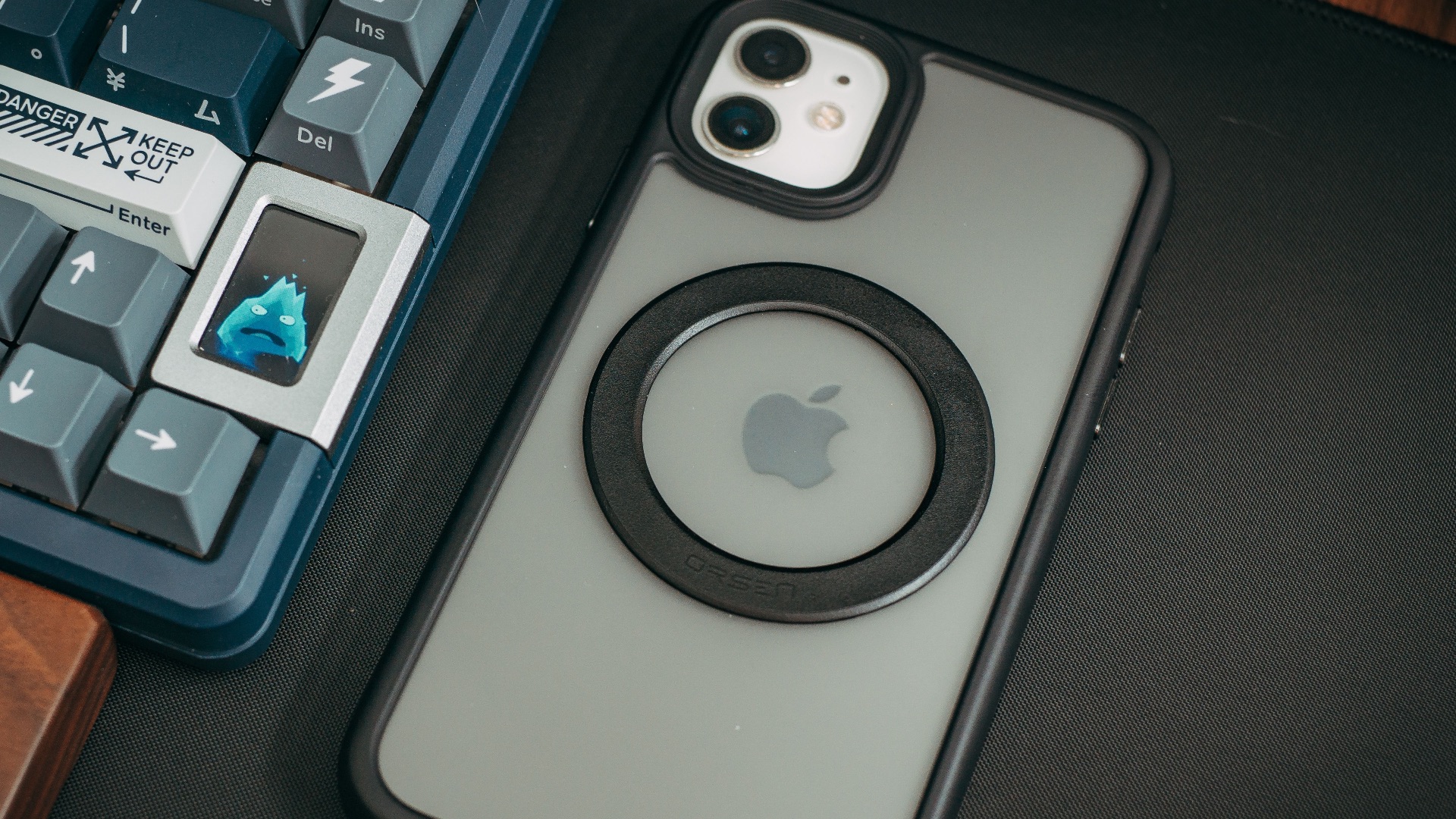
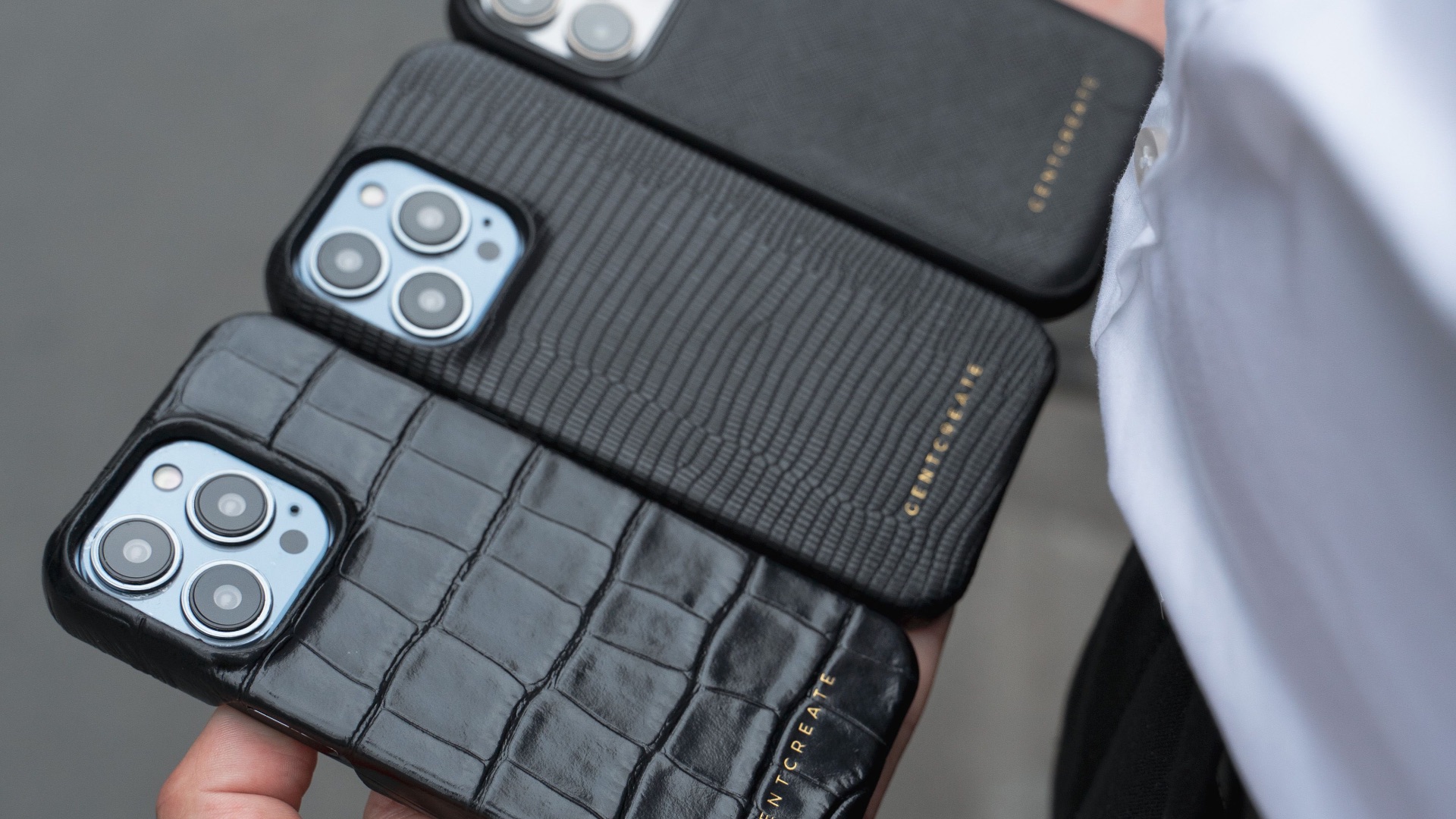
A case lets you change the color, pattern, or texture of your phone without altering the device itself. It can reflect your style, coordinate with other accessories, or make an ordinary model easier to recognize. Swapping cases also gives you a simple way to refresh the look whenever you get bored.
9. It Offers Protection from Everyday Surfaces
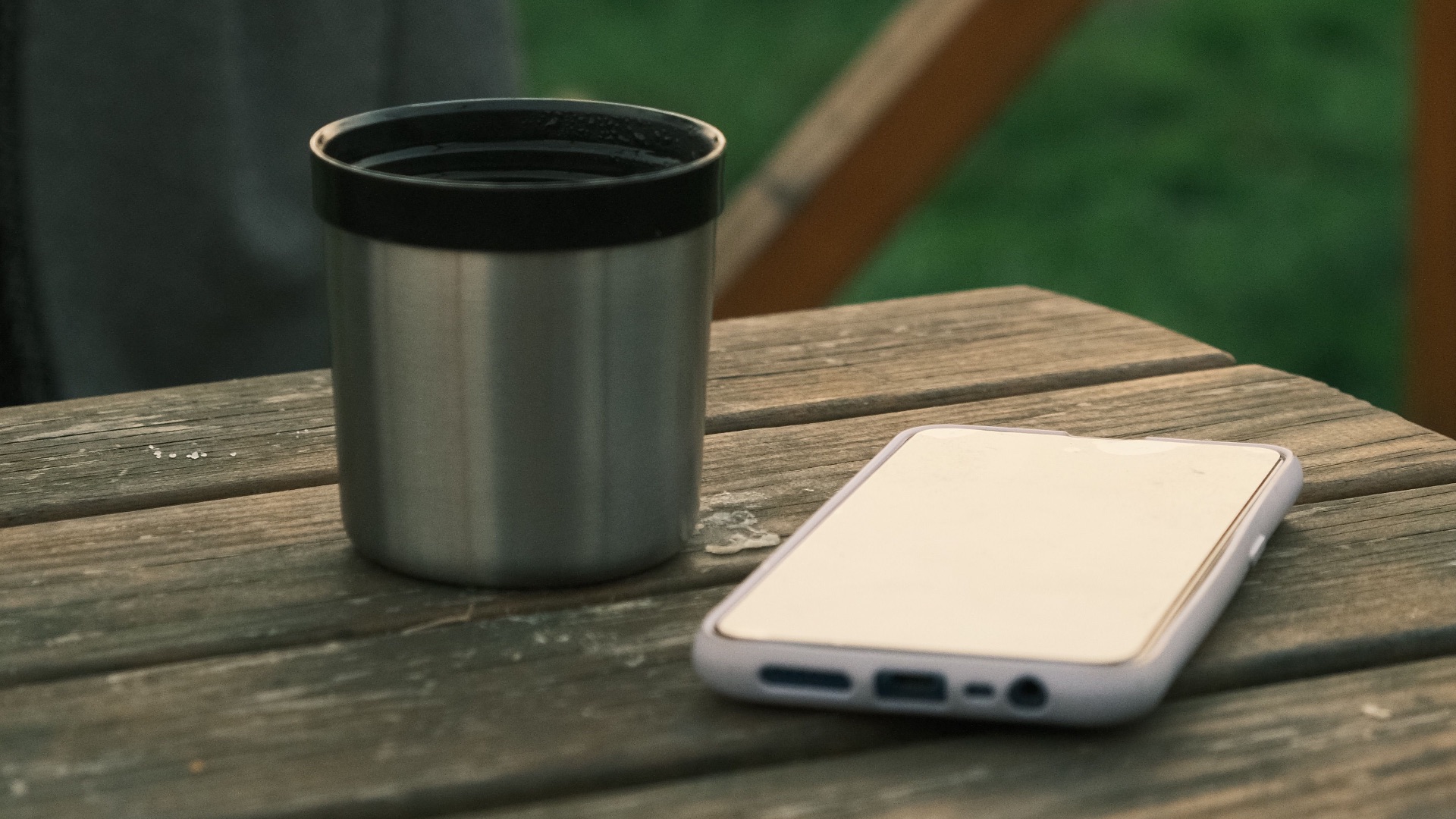
Your phone regularly comes into contact with desks, cup holders, countertops, and other rough or dirty areas. A case prevents the original finish from rubbing directly against those surfaces. Over time, that barrier can reduce scratches, scuffs, and visible wear around the edges.
10. It Provides Reassurance During Daily Use
Handling an expensive phone without protection can make some people overly cautious whenever they leave home. A durable case allows you to use the device more comfortably in busy, crowded, or unpredictable settings. While it doesn’t make the phone indestructible, it can reduce the stress that comes with every accidental bump or slip.