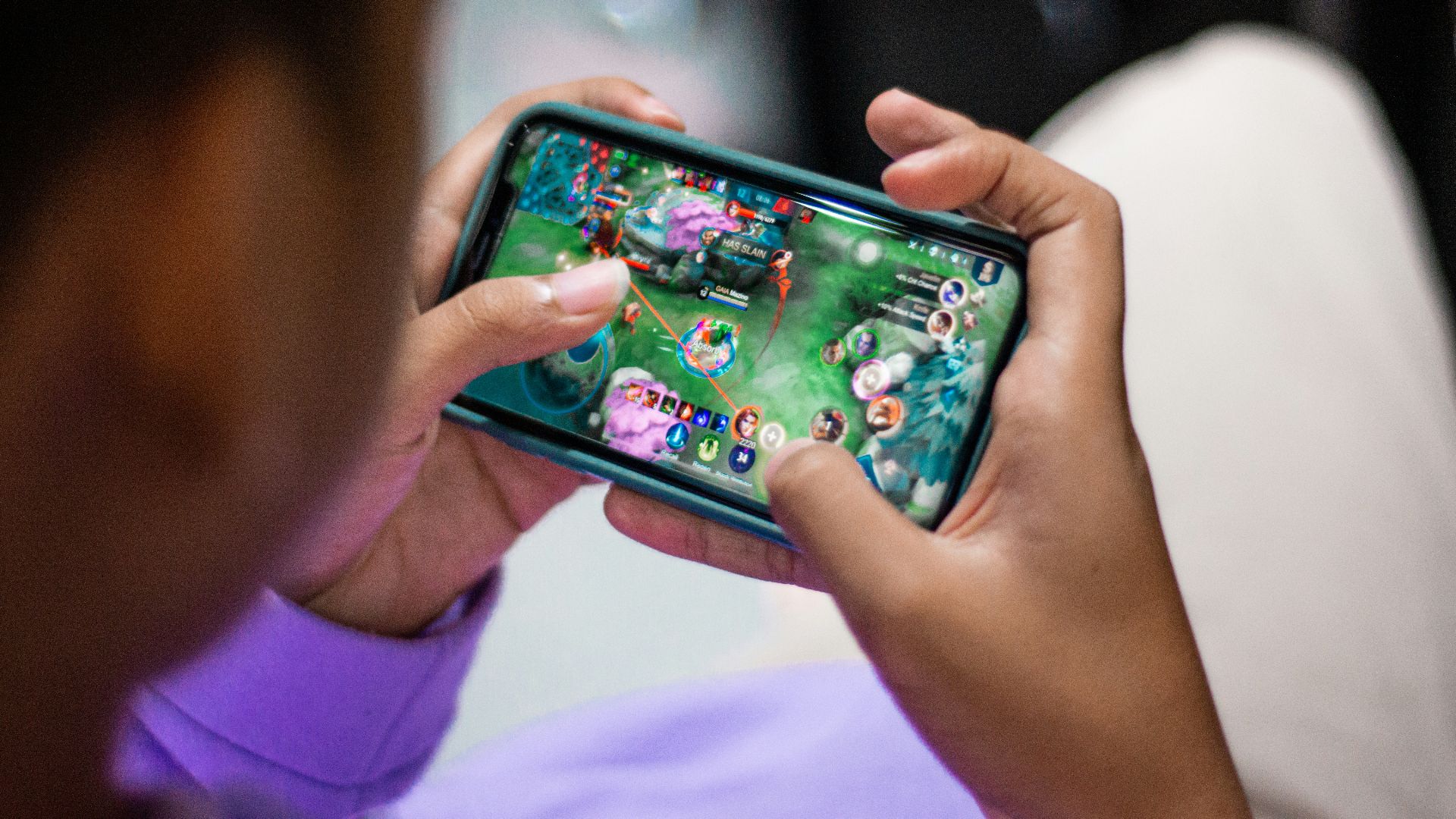
Built to feel easy, with little need for time or attention, Idle tap games have become one of the most prominent sectors of mobile gaming. It's understandable: they don't ask much from you.Tap the screen, come back later, and buy upgrades that eventually do more of the tapping for you. That can be a pleasant way to fill a few quiet minutes, yet it can also make waiting, notifications, and rising numbers feel like the main reason to keep opening the game.
This isn’t a case against every idle game, and it doesn’t mean a relaxing game has less value than a hard one. Idle games are described as a minimalist genre where play can keep going with little or no player input, often after automation takes over. The concern starts when getting players to return or spend money matters more than giving them choices, skills to build, stories to follow, or people to play with. That changes the kind of experience a game gives you.
Waiting Becomes The Game
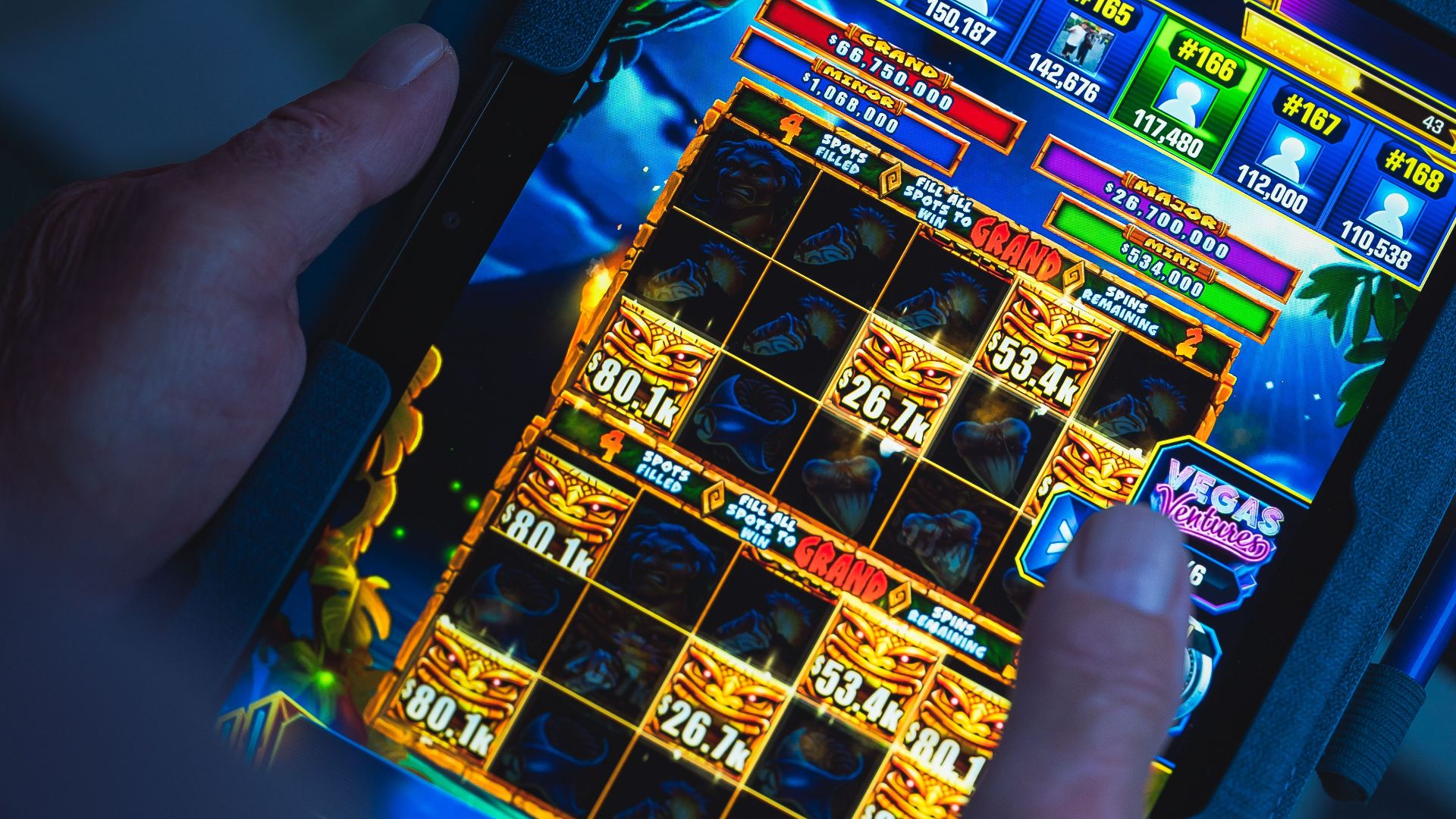
Idle games don’t just include waiting. In many of them, waiting is the main activity, while tapping earns resources until the player unlocks tools that handle the process on their own. A 2018 study of 66 idle games found that these games often use simple repeated actions, background progress, and automation. The researchers described the genre as moving players from playing to planning, which can work well when it gives people something to look forward to instead of simply taking up time.
“Progress while gone” makes these games easy to revisit throughout the day. In a University of York study of Neko Atsume, a "cat collector" game, researchers surveyed 1,972 players and found high engagement through time spent playing, direct sociability, social-media sociability, and frequent checking. The authors proposed that this kind of engagement could be understood as a habit players pick up and keep.
There’s nothing wrong with enjoying a game that fits into a busy day. Short play sessions can feel rewarding, and some players enjoy having something small to check between other tasks. Trouble starts when an idle game gives players the feeling of progress without giving them much to do. A number can keep rising while you’re away, though that leaves less room to learn, improvise, fail, and recover.
When The Game Sells Relief From Friction
This easily-digestible format gets harder to defend when money gets involved. Research on Neko Atsume and related games describes “pay not wait” as a free-to-play strategy, where players can speed up progress by paying to avoid an inconvenience. We're not saying it's the most evil system ever designed, but many folks have lost a lot of money for the sake of this made-up inconveniences.
Virtual currency can make spending feel less real than it is. In 2025, the European Consumer Protection Cooperation Network said game makers should show real-world prices clearly. It also warned that virtual currencies can make the true cost of in-game content harder to understand, especially when several currencies or exchanges are involved. Its guidance advises against currency bundles that make players buy more than they need for one item.
Regulators have already challenged deceptive purchase design in games, although those cases don’t prove anything about idle games on their own. In its Tapjoy case, the Federal Trade Commission alleged that users who completed advertising offers were often denied the in-game rewards they had been promised. The FTC’s Epic Games action addressed alleged unwanted Fortnite purchases connected to confusing interface choices. Those cases show why a game’s interface should be judged as both entertainment and a place where players are being asked to spend money.
A Check-In Is Not The Same As A Game

While saying idle tap games are “the death of video gaming” may be a little bit strong, it's hard not to see why this argument could be made. Gaming disorder, as defined by The World Health Organization, is when an individual ultimately prioritizes a video game over anything else in their life. While gaming disorder affects only a small share of people who play digital or video games, the concern is that some game designs can value repeat visits and spending more than a satisfying experience.
Research on video-game motivation offers a helpful way to judge the difference. One study found that autonomy, competence, and relatedness were each tied to enjoyment and future play. Idle games can support those feelings through planning, collecting, and community, although automatic progress alone doesn’t guarantee them. A good game should leave room for choices that feel like they belong to the player.
That’s the warning behind the title. When a game measures success mostly through return visits, time gates, and purchases, it can start treating players like recurring customers instead of people who came to play. The better idle games will still let you step away, while giving you a worthwhile reason to return beyond a countdown, a notification, or a sale.