The Gadgets That Made Life More Exciting
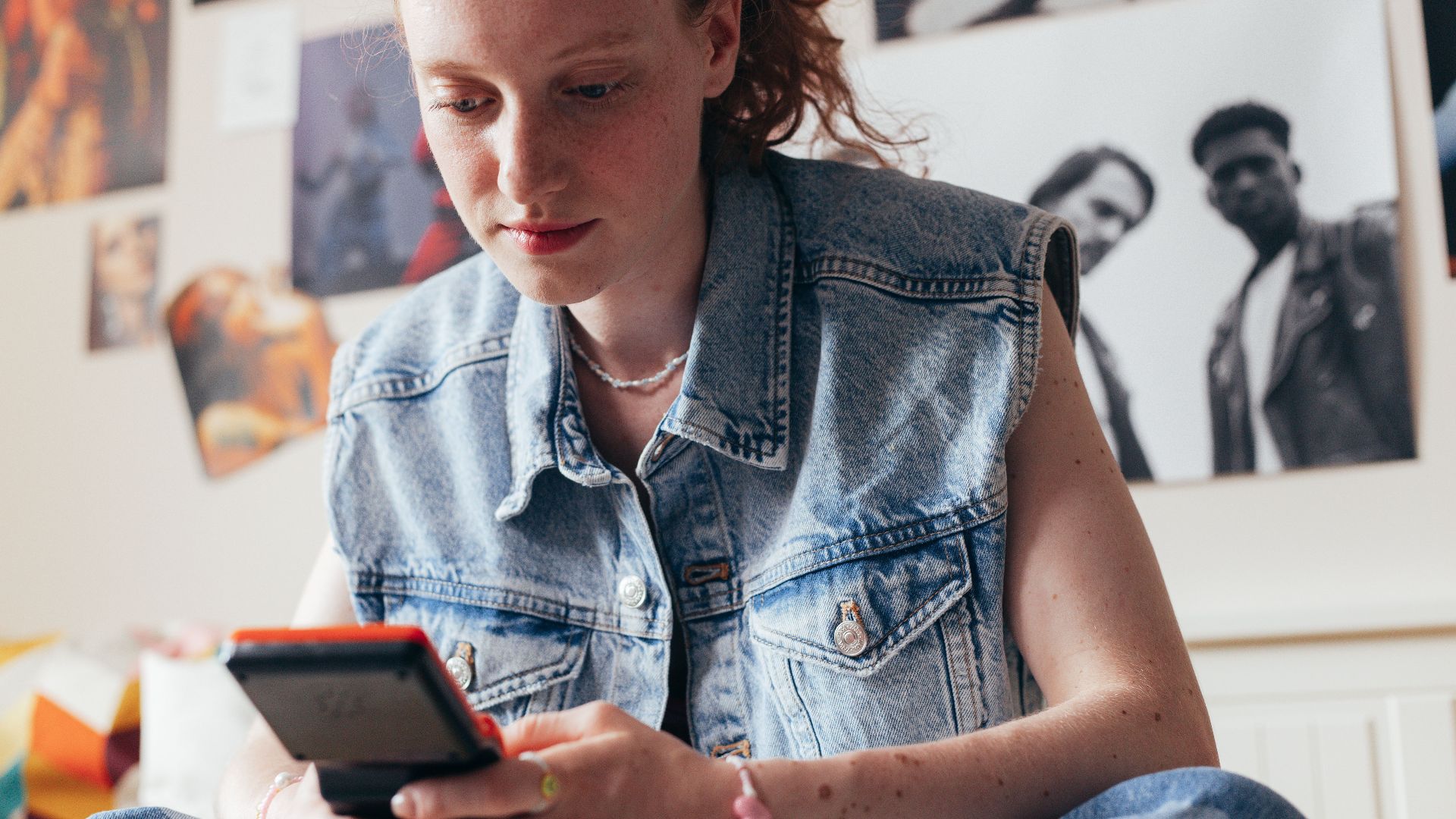
During the 2000s, a new device could get plenty of attention at school. You didn’t need expensive clothes or top-notch stationery to seem lucky, because a fresh game system, phone, or music player could do the job. Some of these gadgets cost a lot, while others simply looked newer and more polished than what most kids already had. These 20 devices could make a kid feel like they had something special.
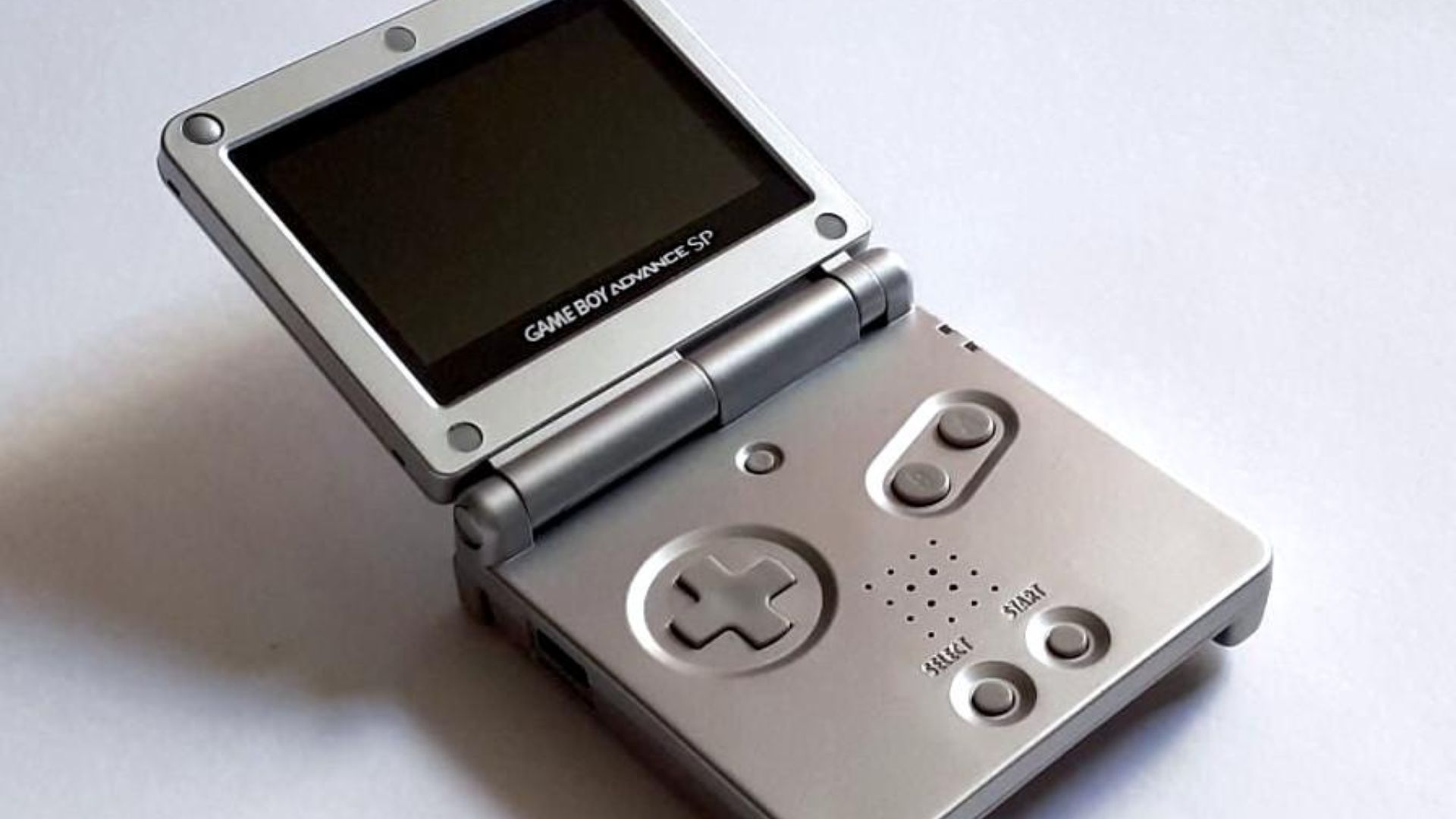
1. Game Boy Advance SP
The Game Boy Advance SP had a built-in screen light, a rechargeable battery, and a folding design that protected the screen. It was easy to carry around, and opening it before a car ride or a long wait felt a lot nicer than using an older handheld. It was especially useful for night drives, where older Game Boys weren’t playable as soon as the sun said goodnight.
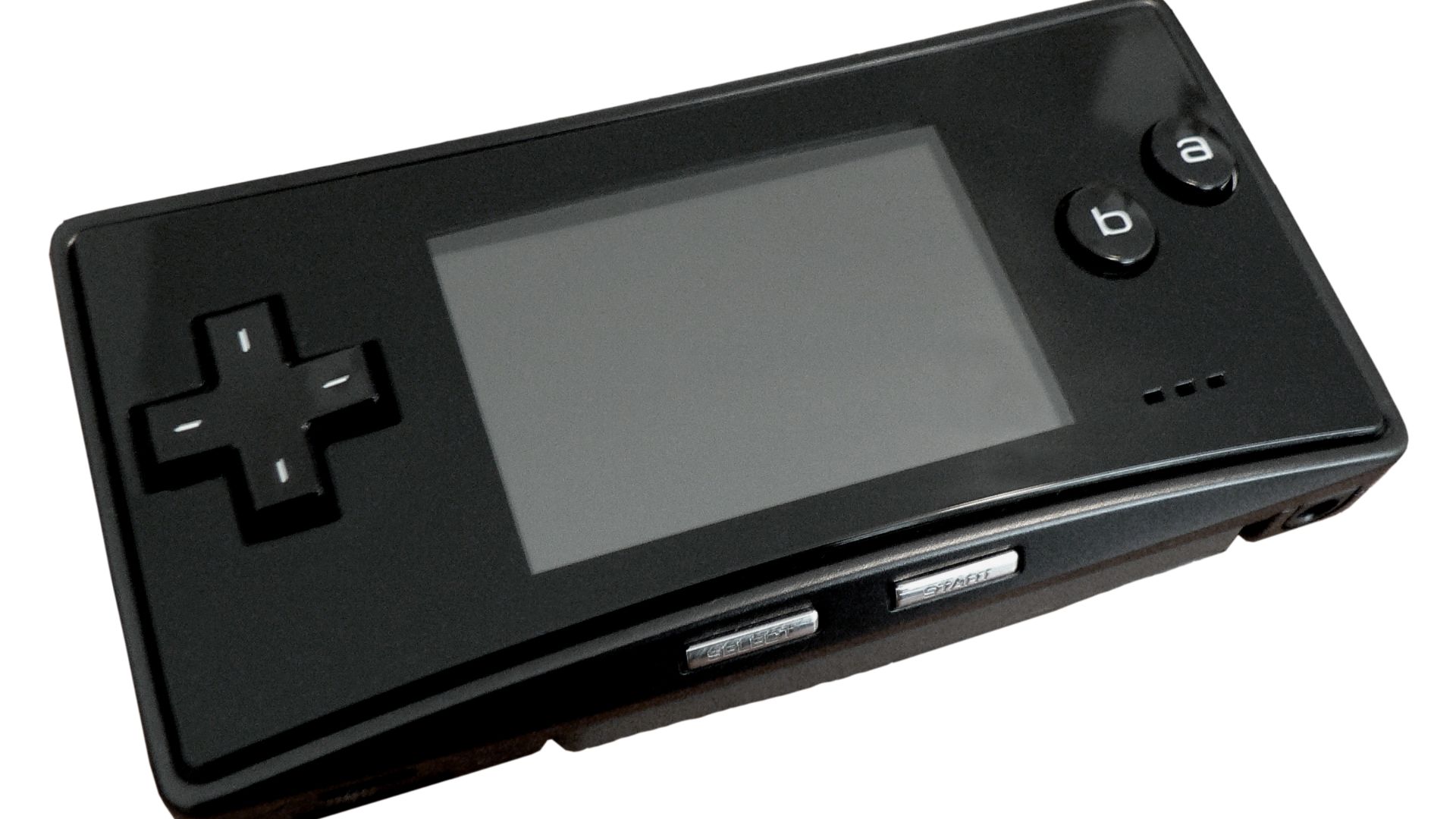
2. Game Boy Micro
The Game Boy Micro played Game Boy Advance cartridges on a backlit screen with adjustable brightness. It was tiny enough to slip into a pocket, and it made an older game collection feel new again.
 Seizethegray at English Wikipedia on Wikimedia
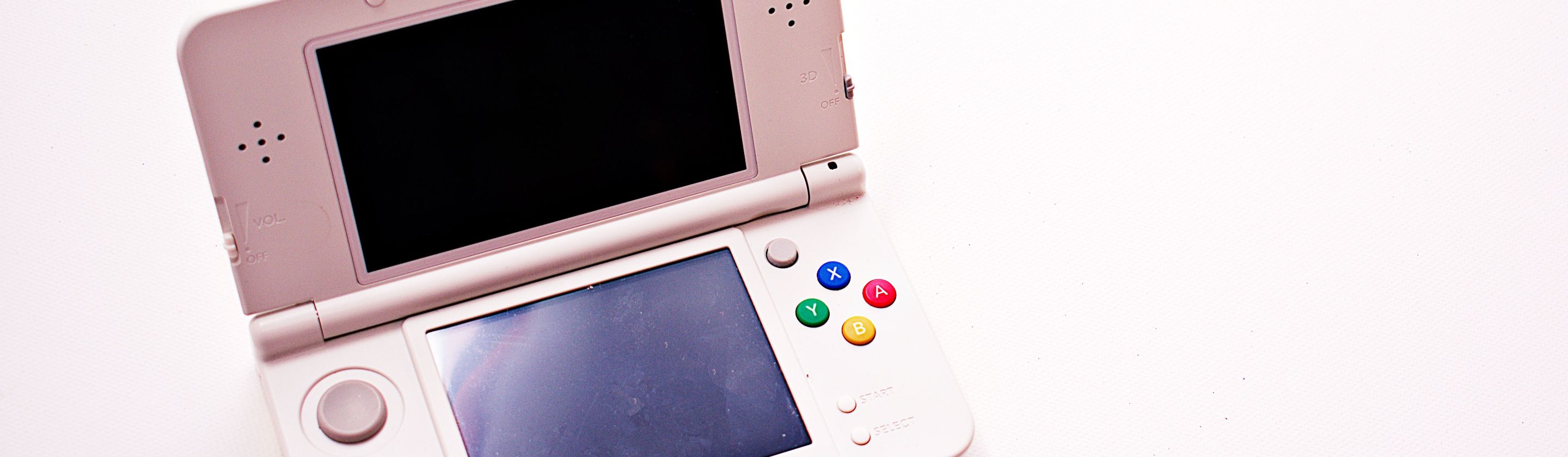
3. DS
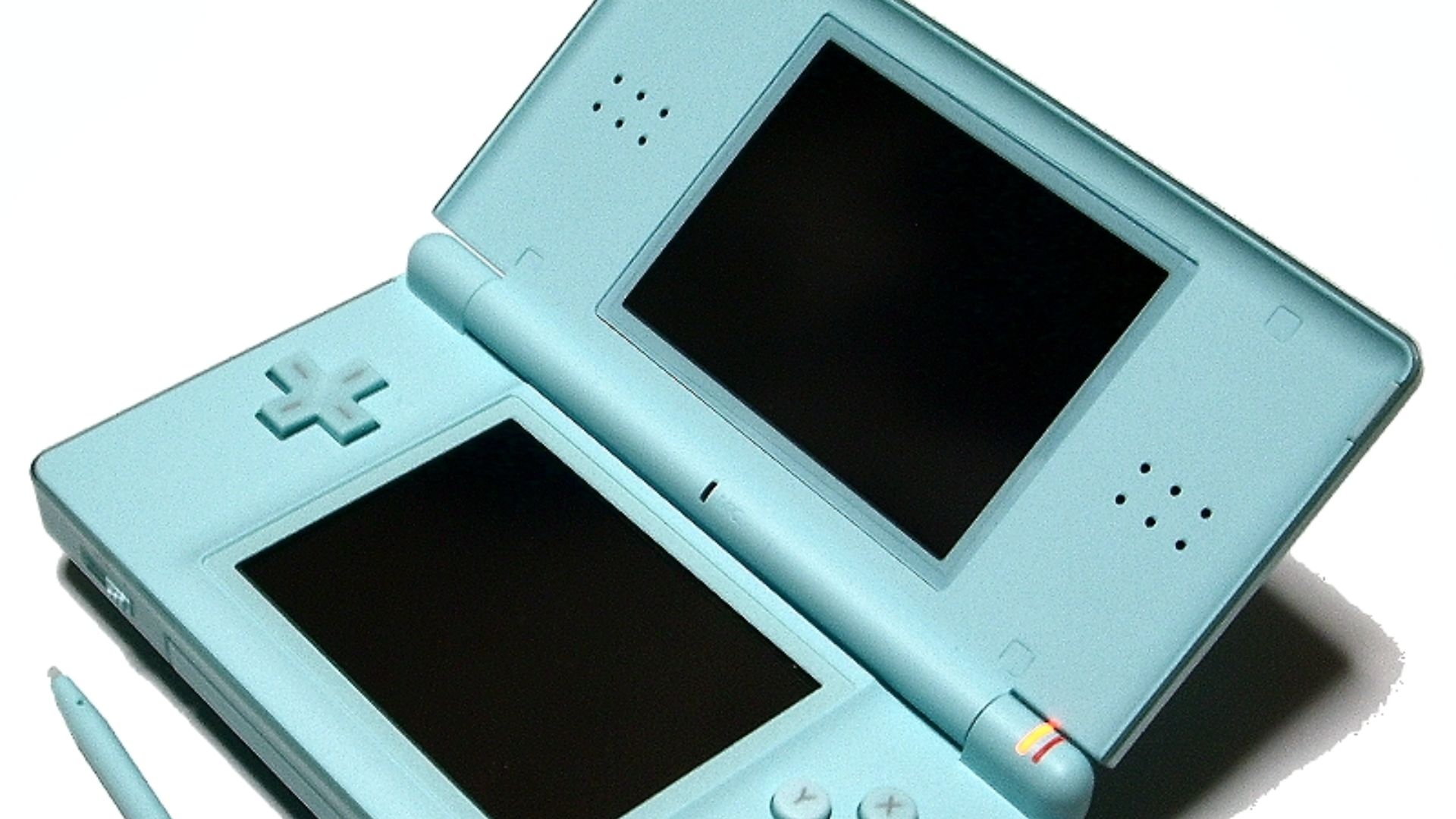
The DS sold for $149.99 when it first came out and had two screens, including a touch screen at the bottom. Kids could use the stylus to tap and write on the screen, which made it feel different from the game systems they’d used before.
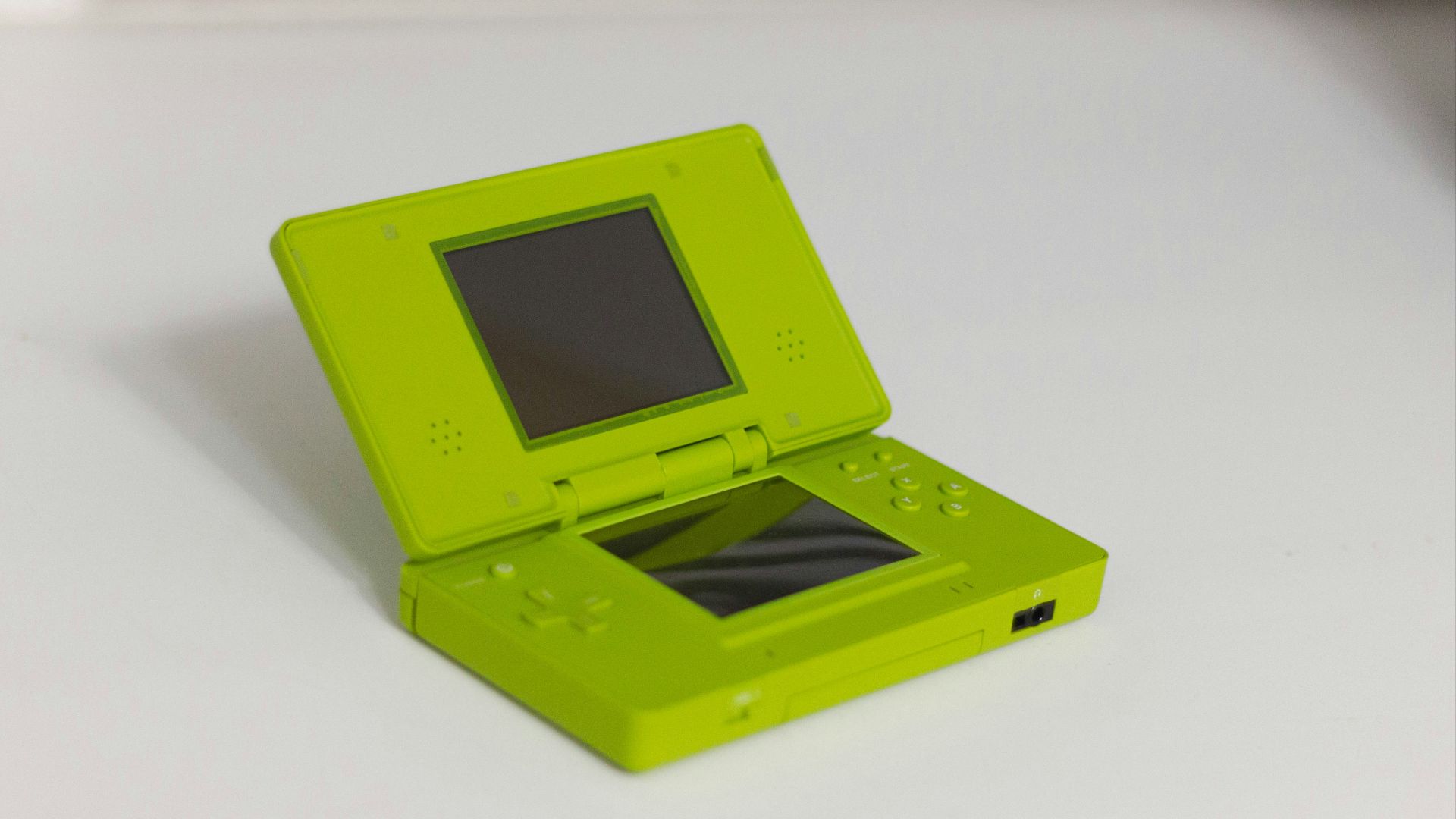
4. DS Lite
The DS Lite was smaller than the original DS, had brighter screens, and still played Game Boy Advance games. Kids who got one didn’t have to leave their old cartridges behind, which made the upgrade feel even better.
5. PSP
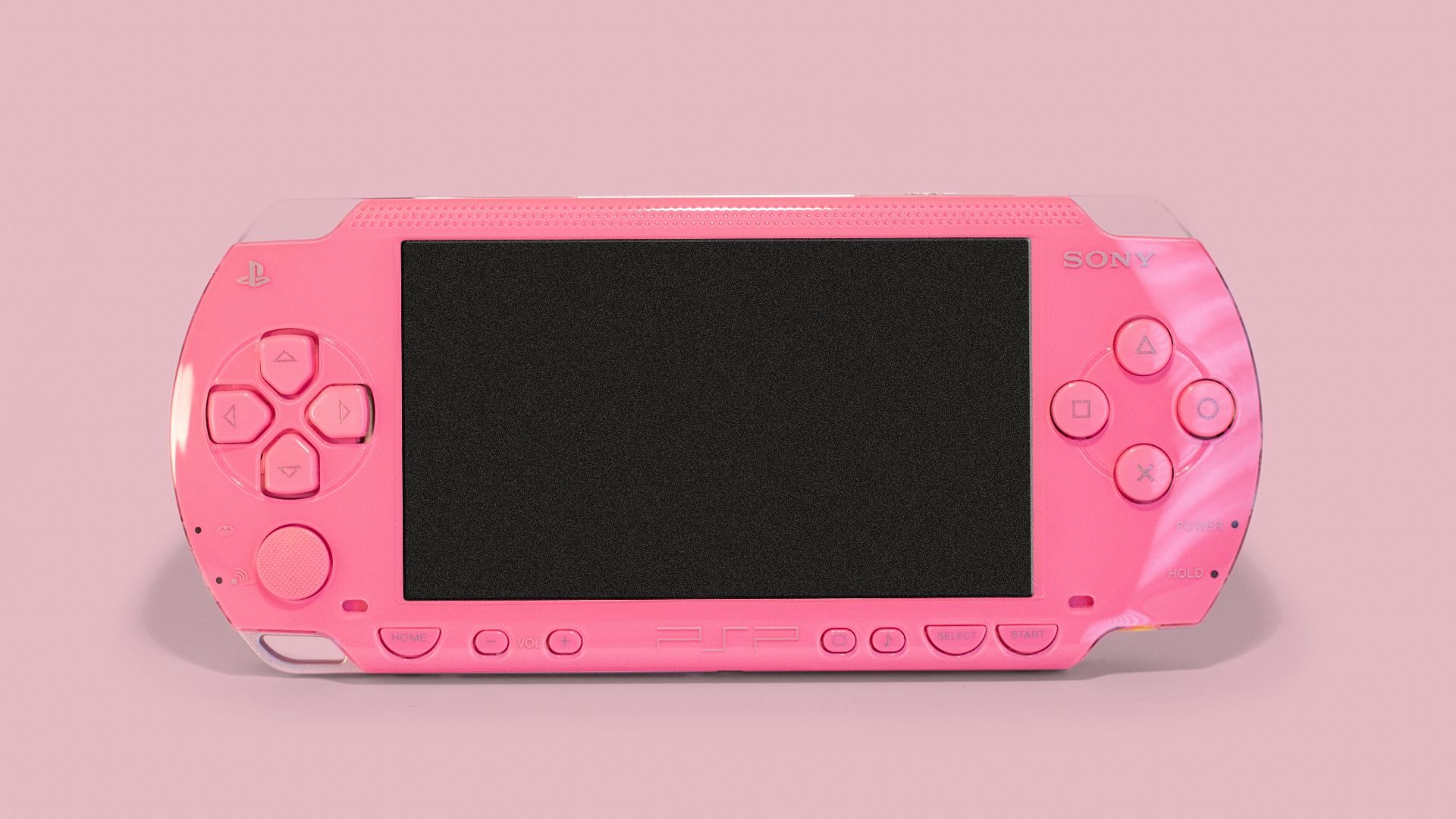
The PSP came to North America as a $249.99 Value Pack, which combined games, movies, music, and photos. Its wide screen and glossy case made it look more grown-up than many other portable game systems.
6. PlayStation 2
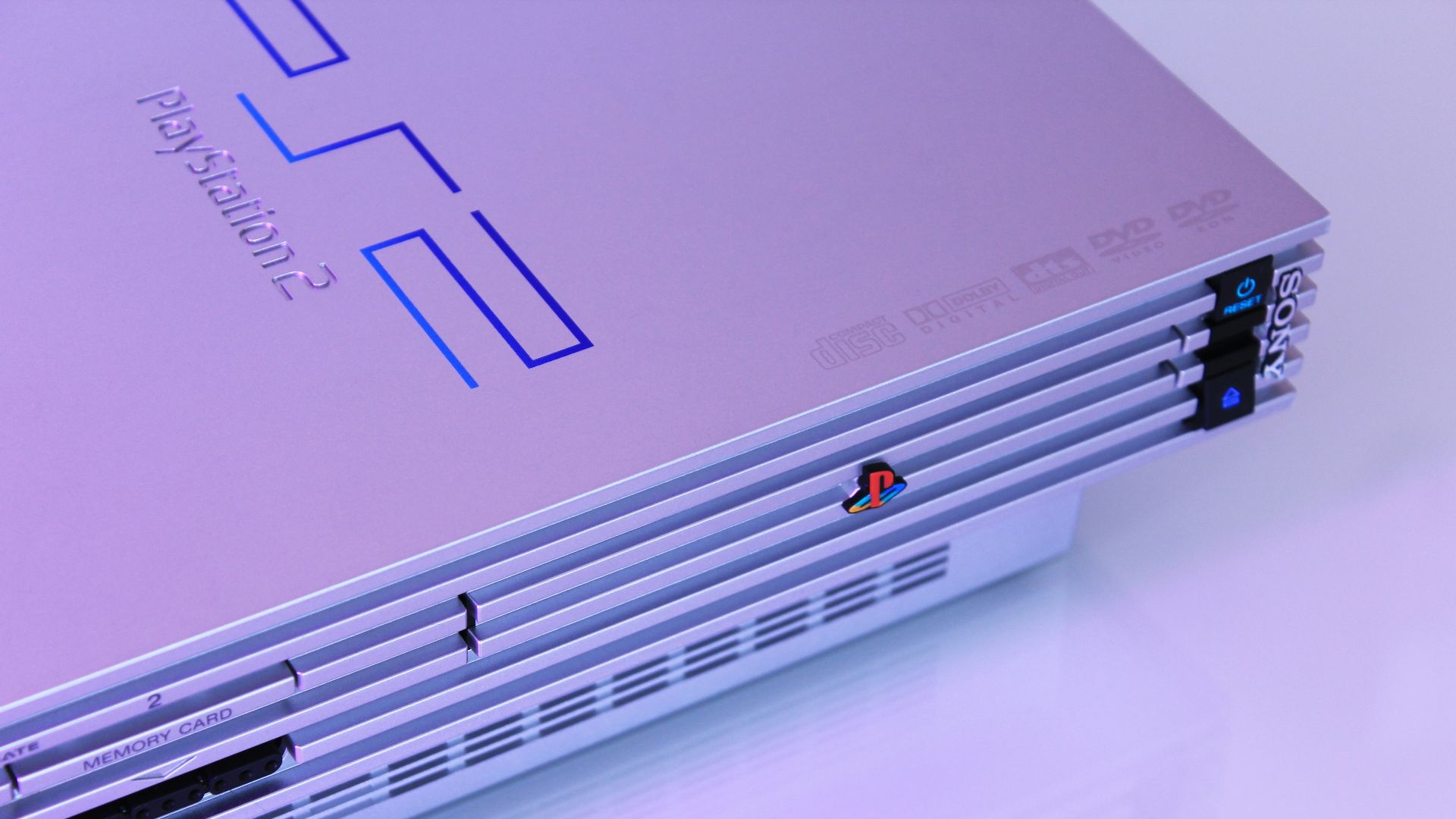
The PlayStation 2 cost $299 and could play games, DVDs, and audio CDs. That meant it usually stayed near the family TV, and kids with one often had the best spot for a weekend gaming session.
7. Xbox 360
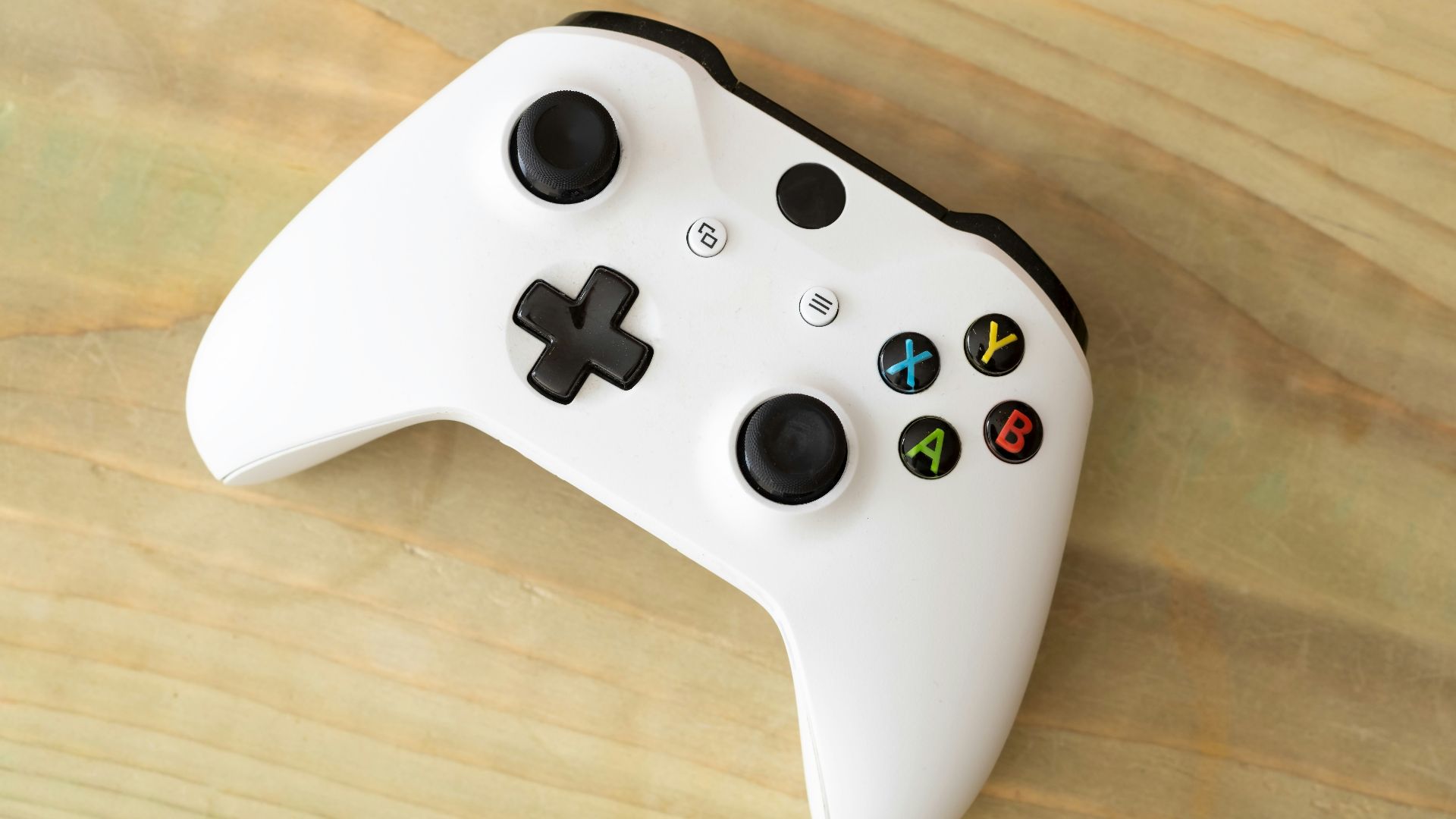
The $399.99 Xbox 360 package came with a 20GB hard drive, wireless controller, headset, and high-definition cable. It also gave players profiles, achievements, and online play, so there was always something new to compare with friends.
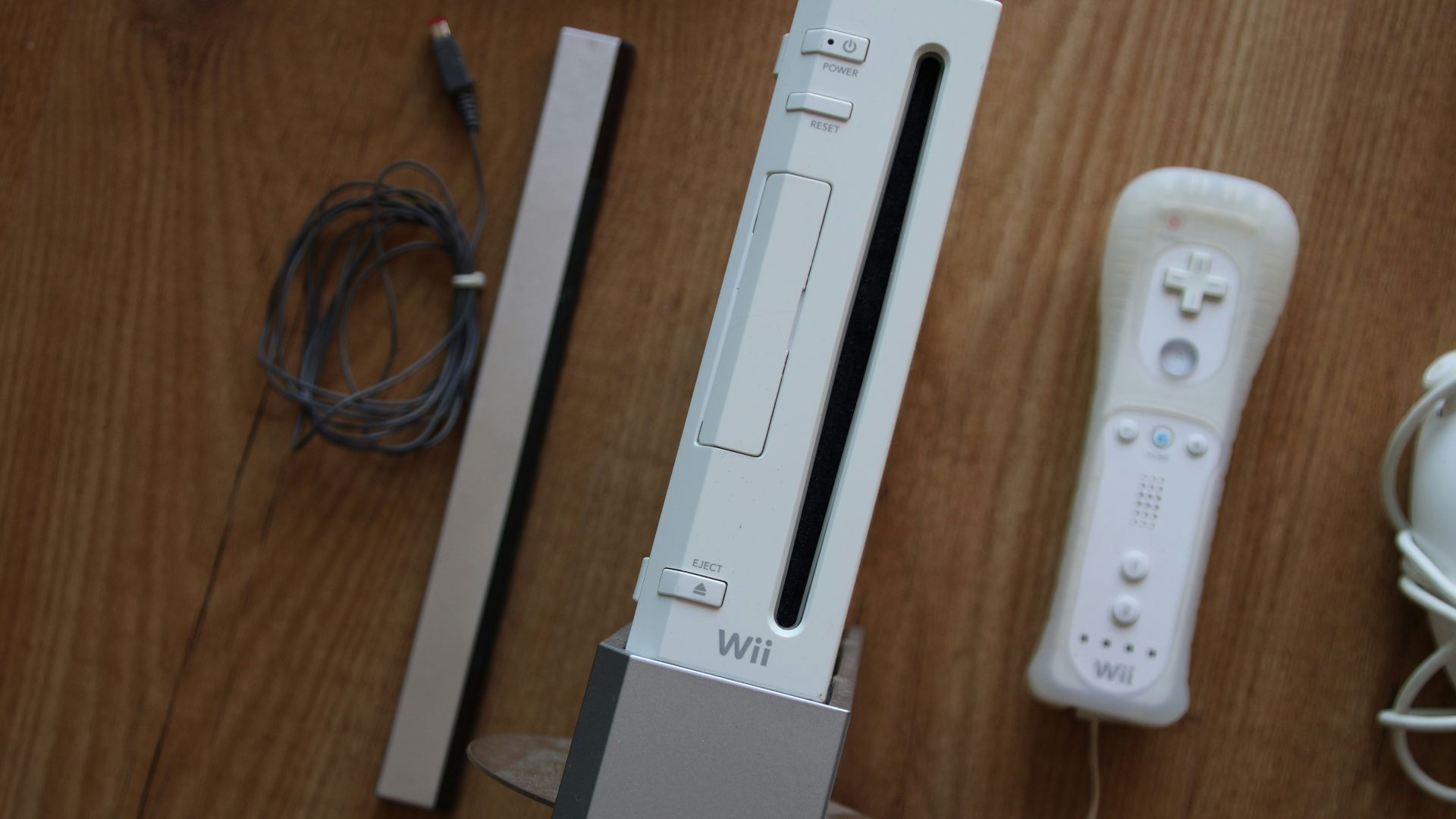
8. Wii
The Wii sold for $249.99 and came with a Wii Remote, Nunchuk controller, and Wii Sports. It was easy for guests to try, and a quiet afternoon could quickly turn into a loud and funny game of bowling or tennis.
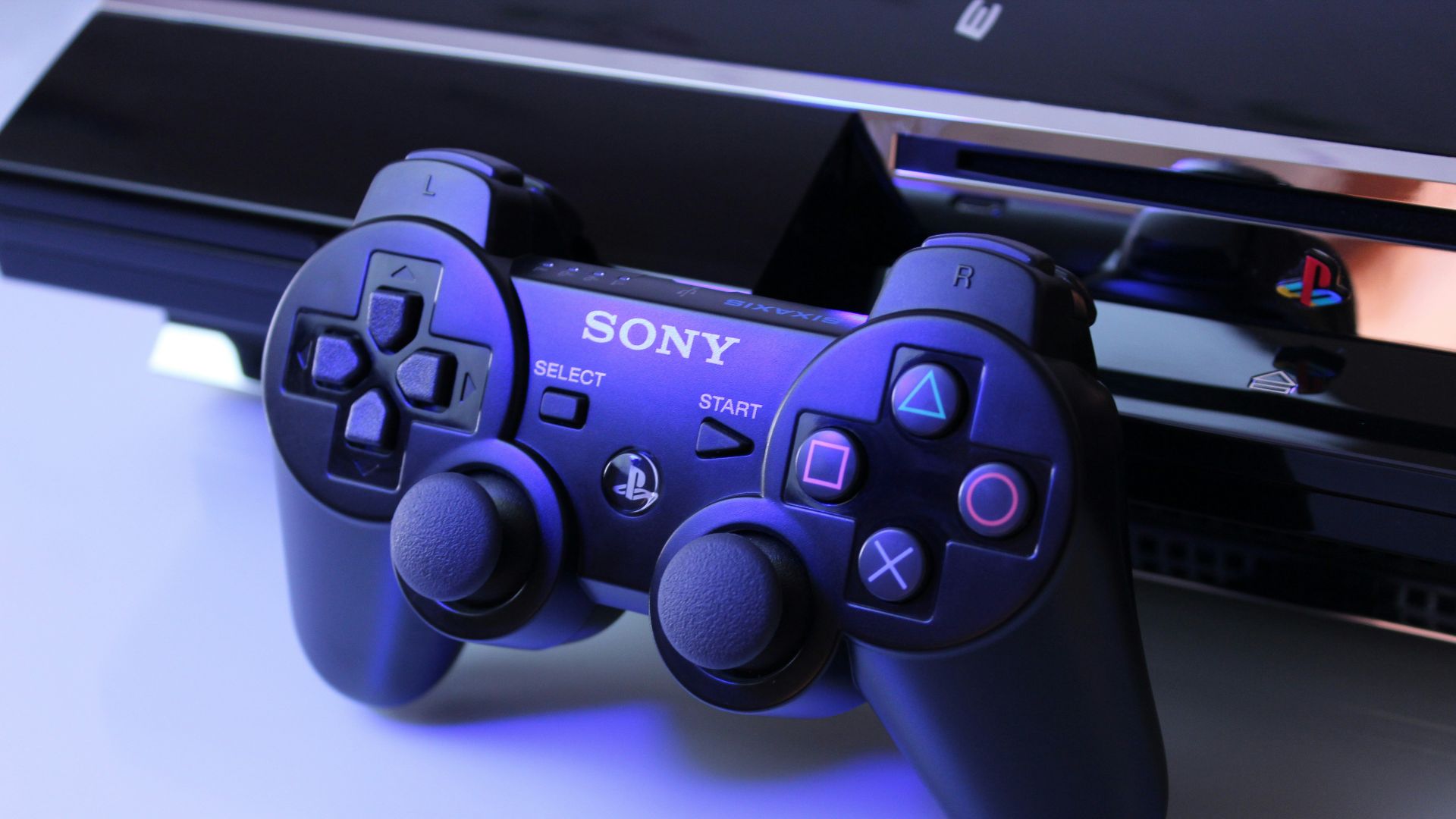
9. PlayStation 3
The first PlayStation 3 models started at $499 and went up to $599, with hard drives and Blu-ray playback included. It was a big purchase for most families, and its shiny black case looked especially nice beside a large TV.
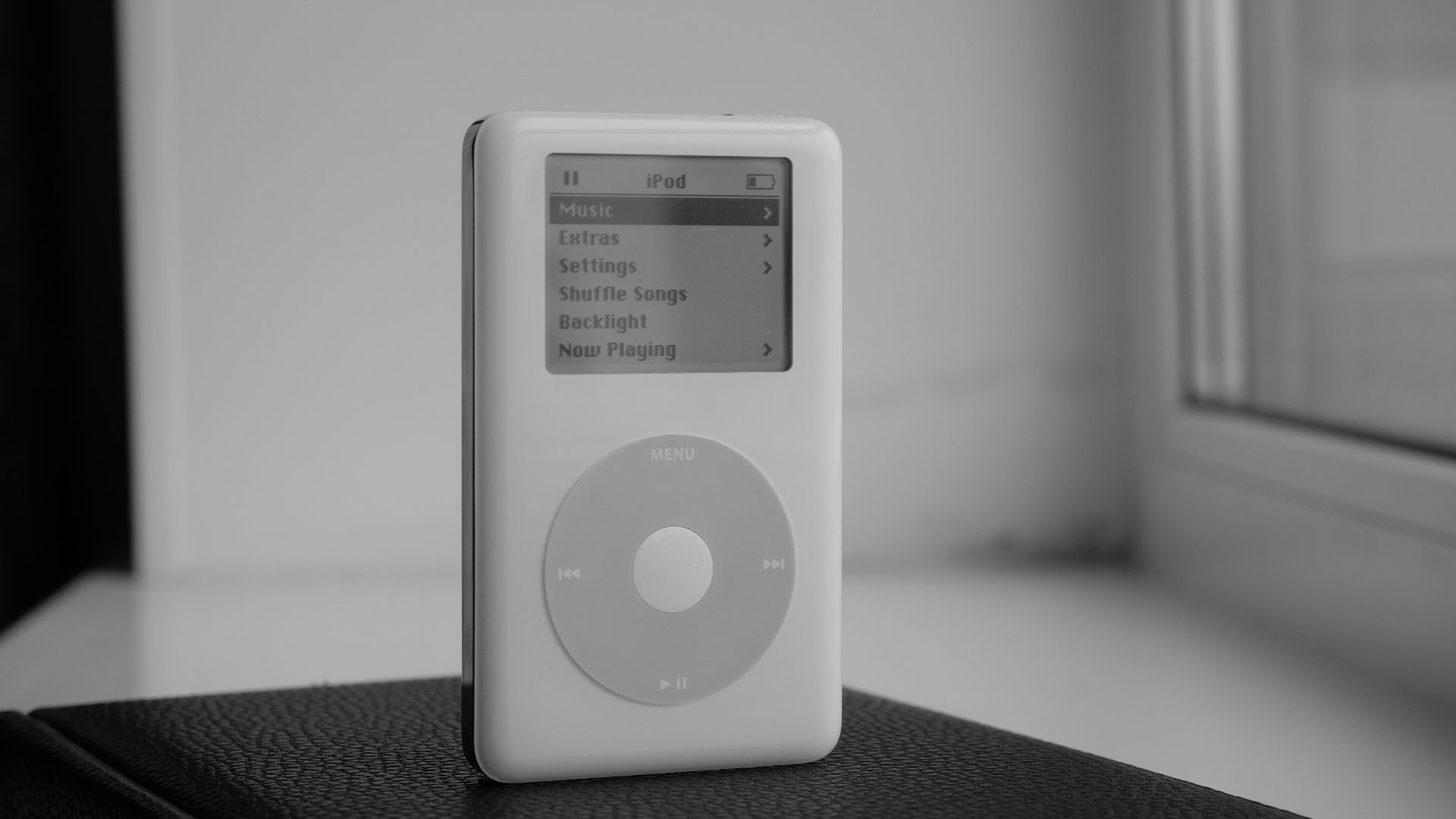
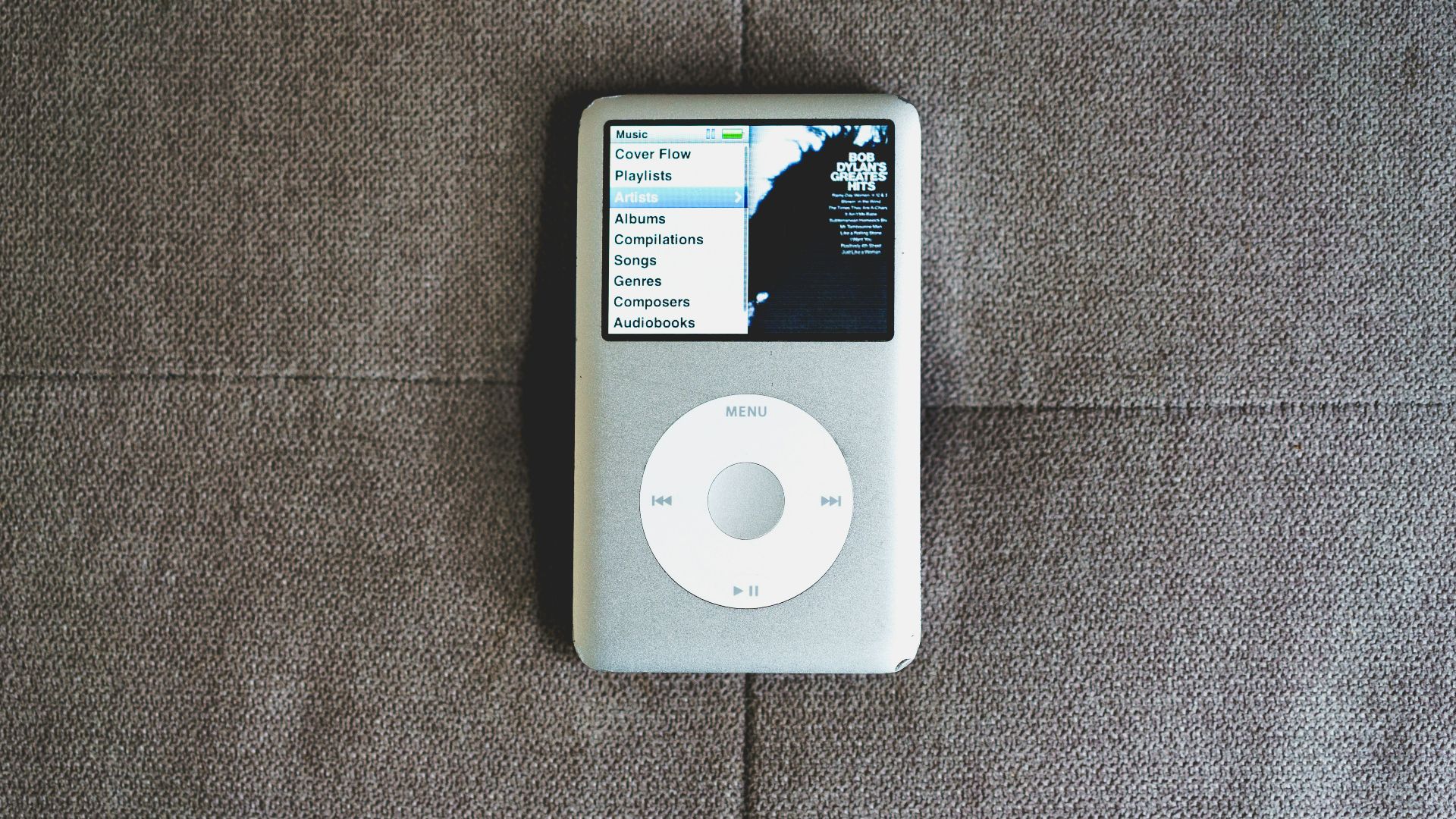
10. Original iPod
The first iPod cost $399 and held up to 1,000 CD-quality songs. Kids who had one didn’t need to carry around a stack of CDs, and that made bus rides and family trips a lot more fun.
 Bagzhan Sadvakassov on Unsplash
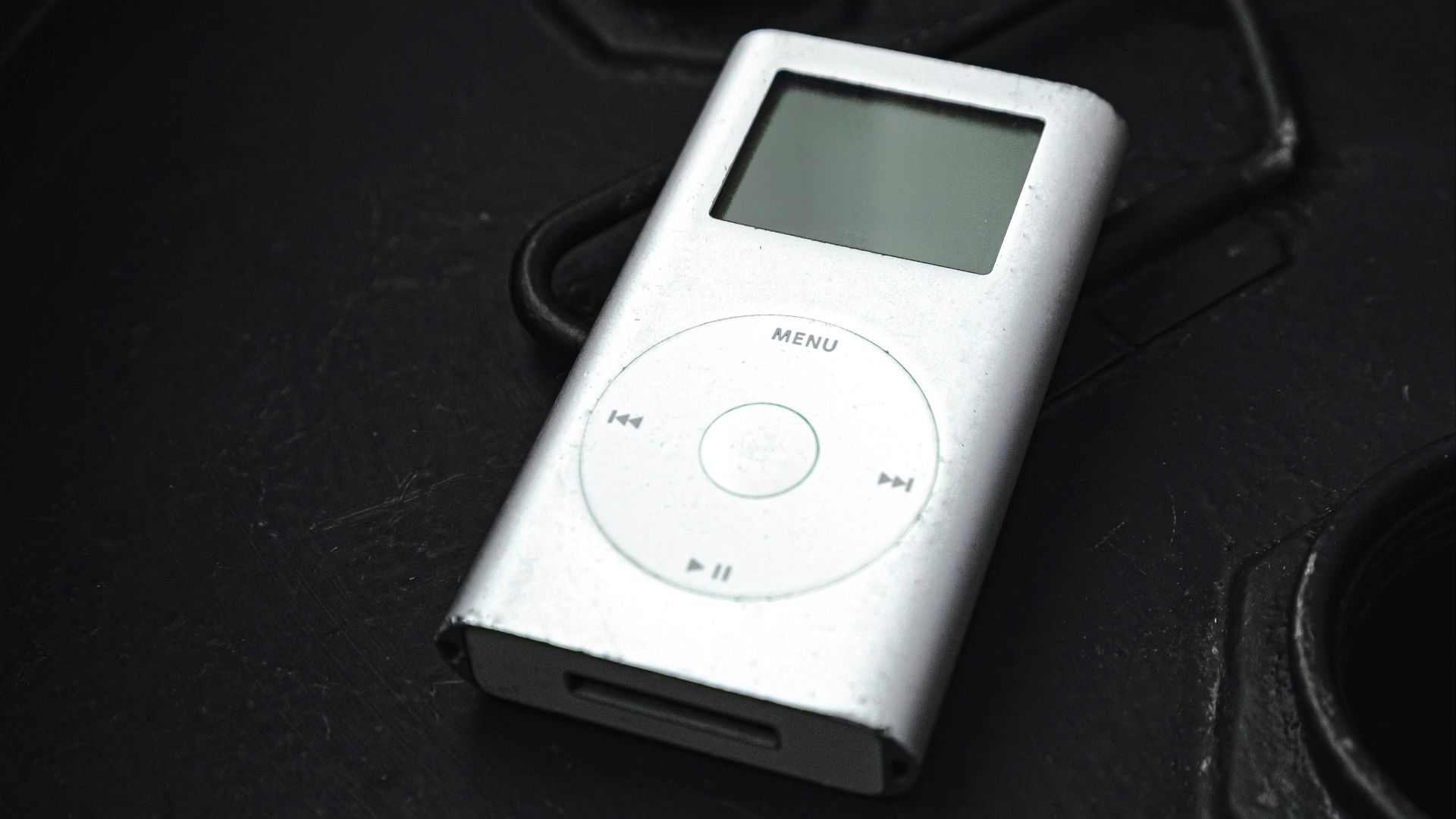
11. iPod Mini
The iPod mini had an anodized aluminum body, came in five colors, used a Click Wheel, and held up to 1,000 songs. It was small, colorful, and easy to notice, especially when someone matched it with their case or headphones.
12. iPod Nano
The first iPod nano weighed one and a half ounces, thinner than a standard pencil, and started at $199 for two GB. Its color screen and photo storage gave kids another reason to pull it out and show it to friends.
13. iPod Touch
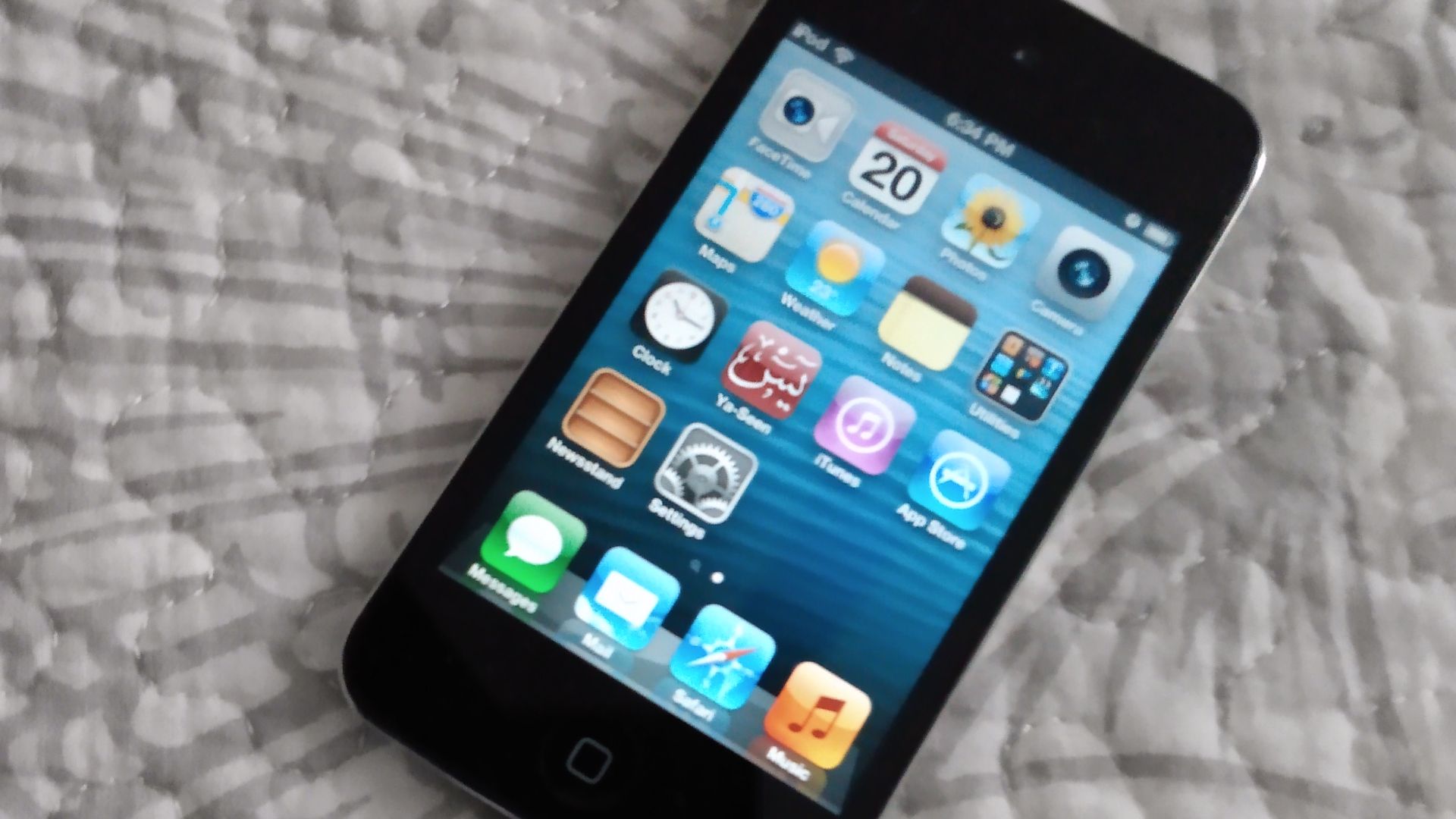
The first iPod touch started at $299 and had a three-and-a-half-inch screen, Wi-Fi, web browsing, video, and multi-touch controls. It gave kids many of the features they wanted from a phone without another service plan. This was the perfect in-between device for antsy teens, who really, really wanted a cellphone.
14. Original iPhone
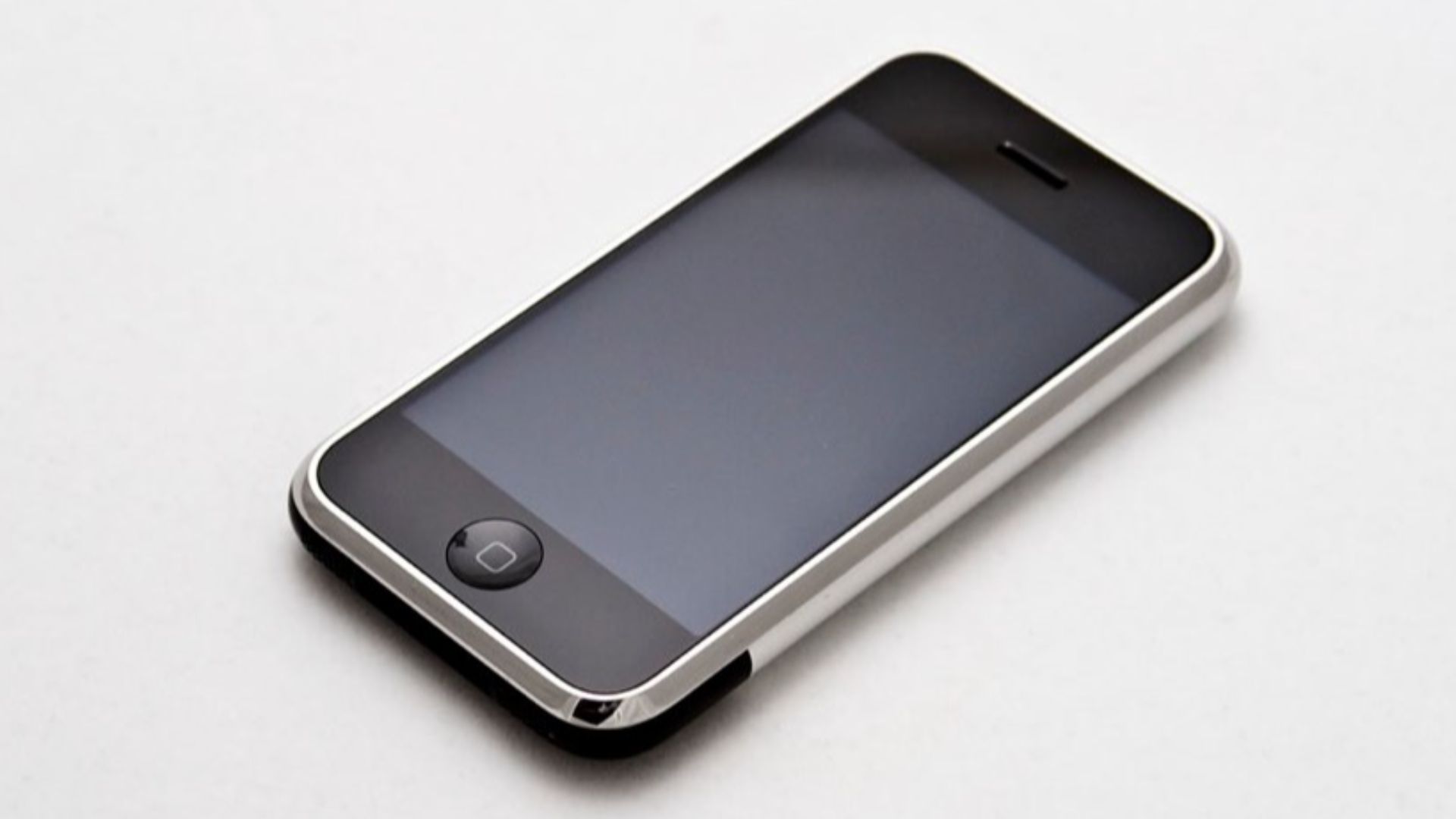
The first iPhone cost $499 with four GB of storage or $599 with eight GB. It combined a phone, widescreen iPod, and mobile internet device. You would know which kids were so lucky, as they never let you forget they had it.
 Carl Berkeley from Riverside California on Wikimedia
15. RAZR V3
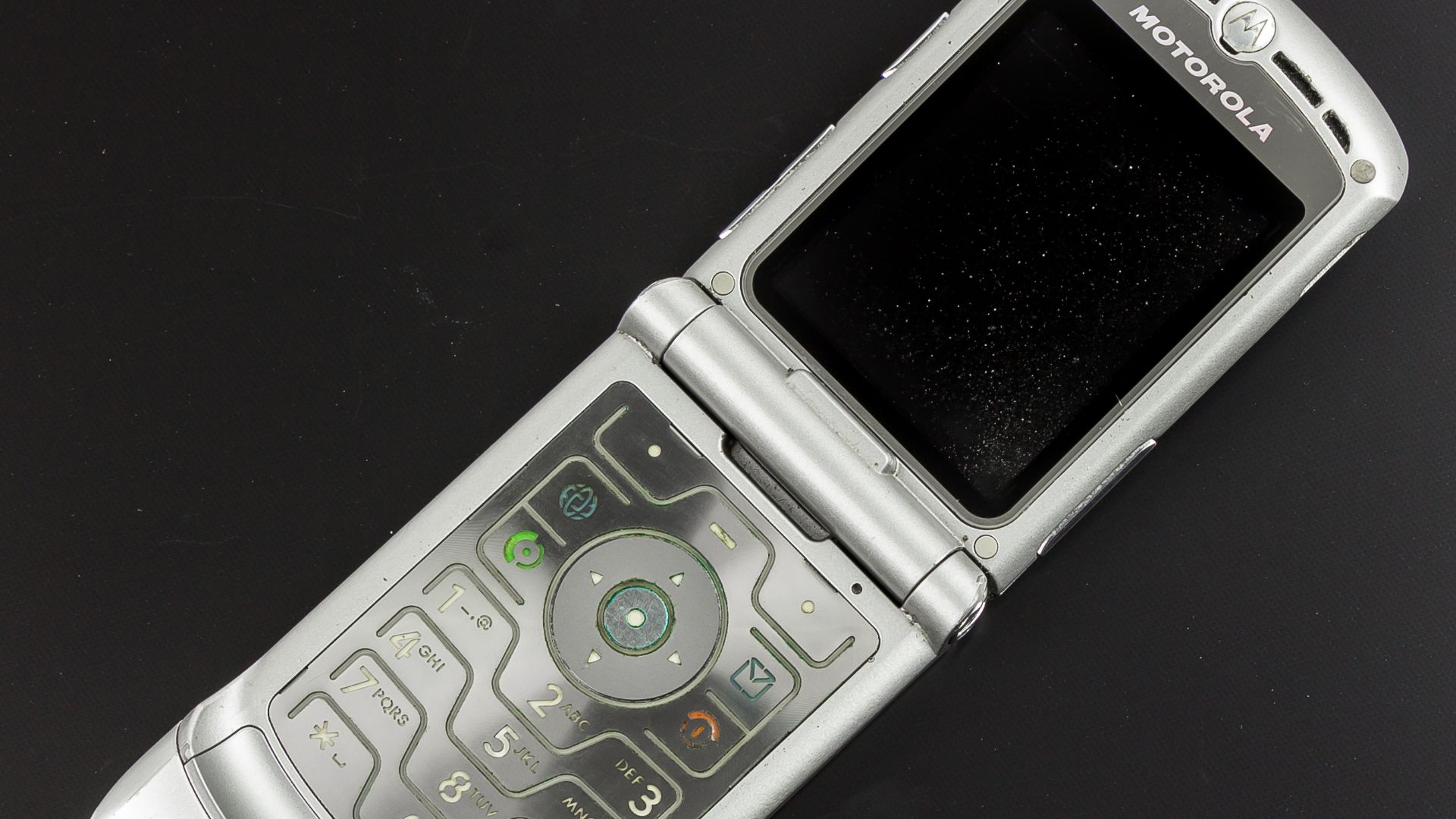
The RAZR V3 was half an inch thick and entered the U.S. at $499 with a two-year service agreement. It had a camera, Bluetooth, email, and video playback, and closing it after a call gave it a clean, satisfying finish.
16. Chocolate VX8500
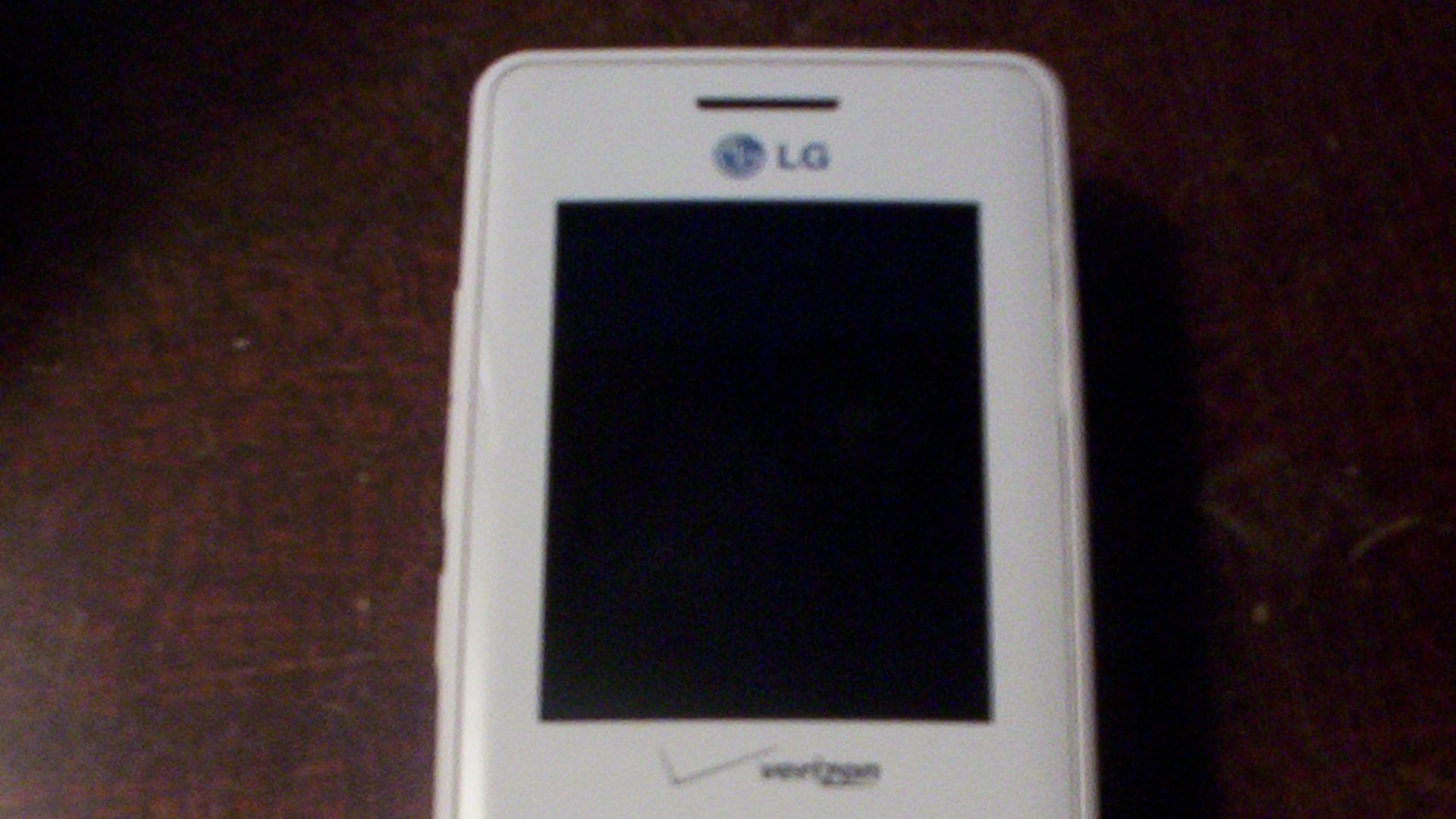
The Chocolate VX8500 was a black slider phone with touch-sensitive controls, music features, Bluetooth, and a camera. Its $149.99 launch deal required a two-year service agreement, and its red-lit controls helped it stand out.
 The Random Editor on Wikimedia
17. Zune
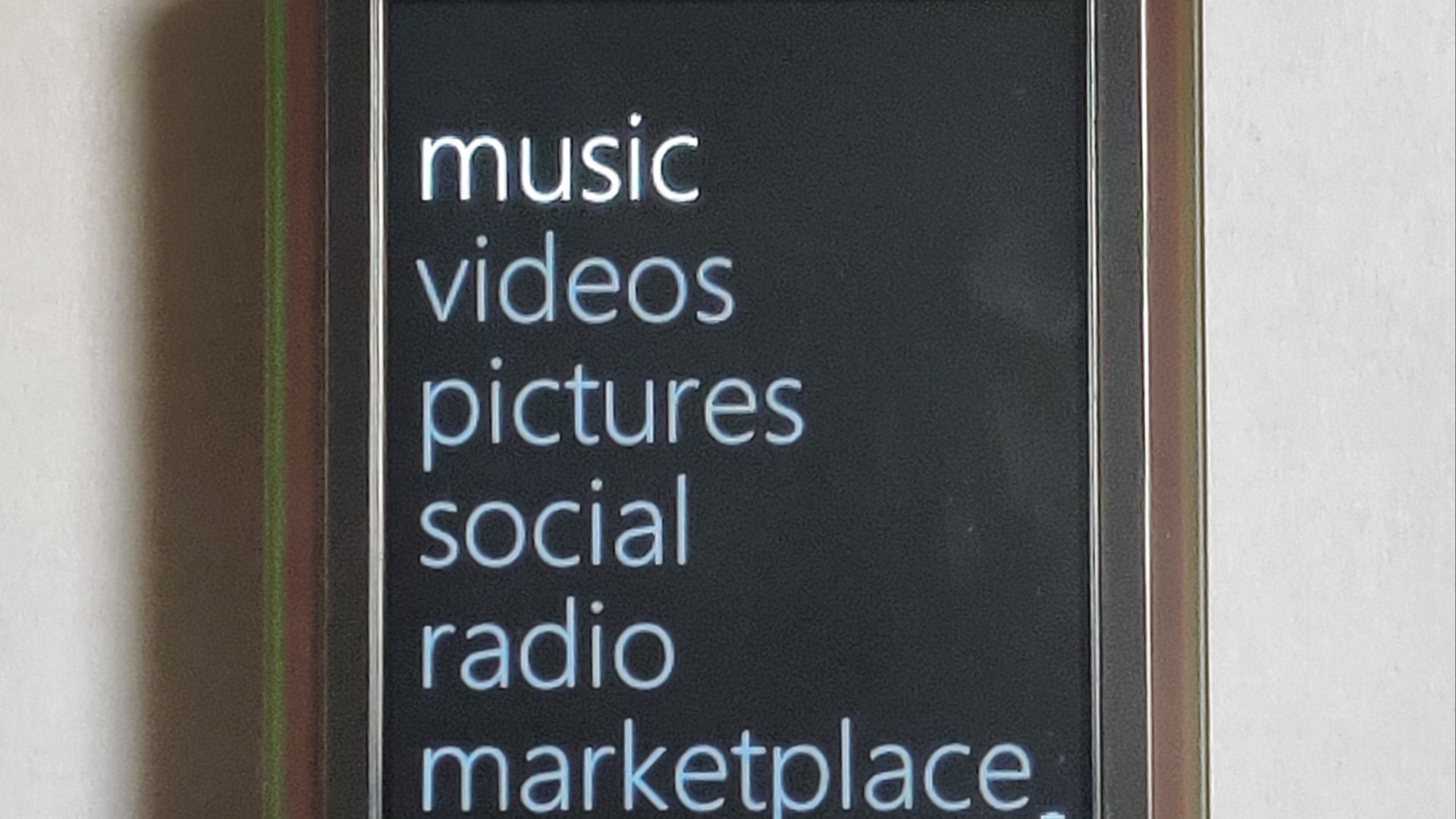
The first Zune launched at $249.99 and put a big focus on digital music and sharing discoveries. Kids who picked one often liked having something different from the music players everyone else carried.
18. PowerShot SD1000
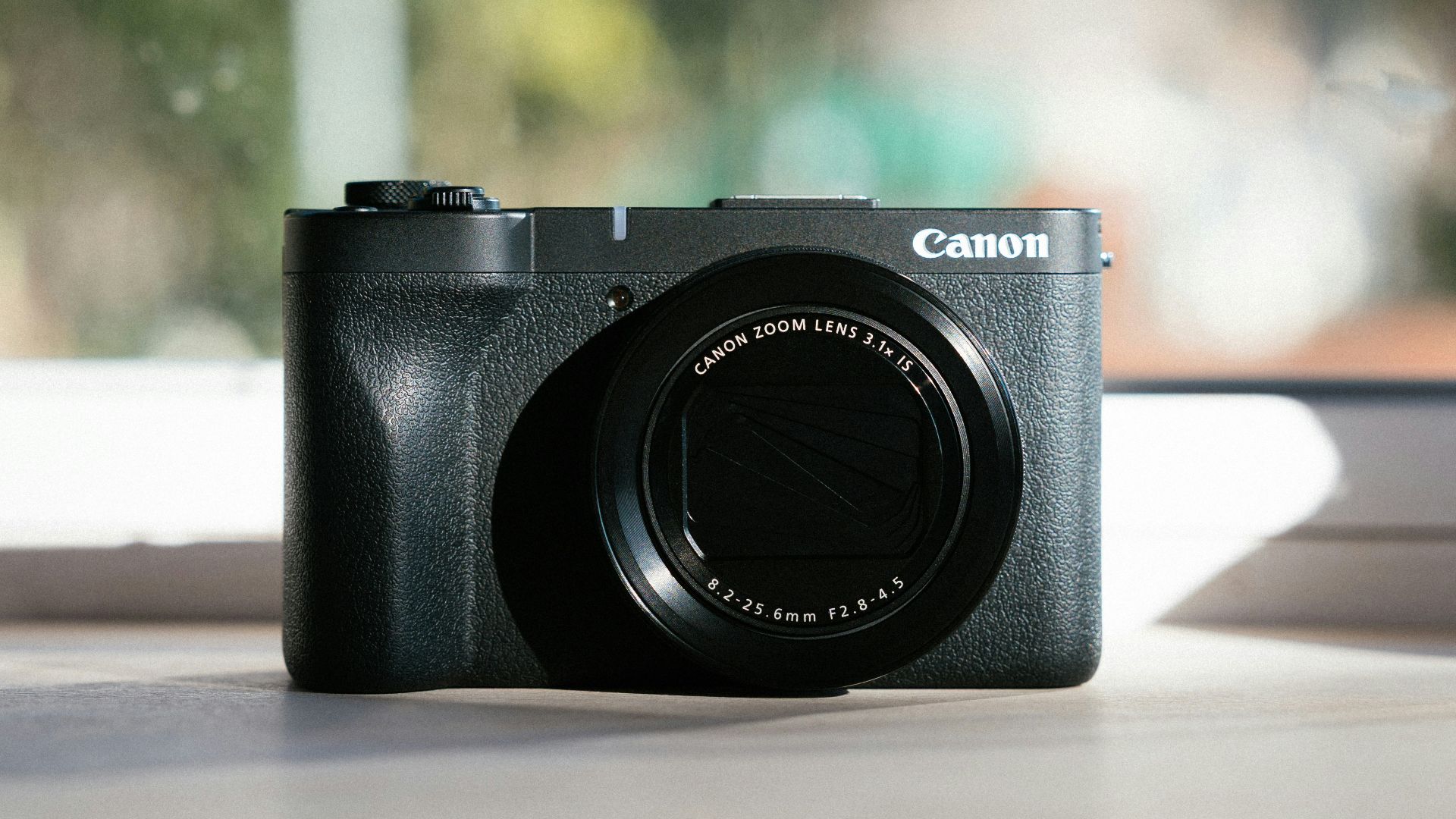
The PowerShot SD1000 launched at $299 with a 7.1 megapixel sensor and three-times optical zoom. Kids could pass it around at a birthday party to check the photos they just took, which was a big deal before phone cameras took over.
19. Flip Video Ultra
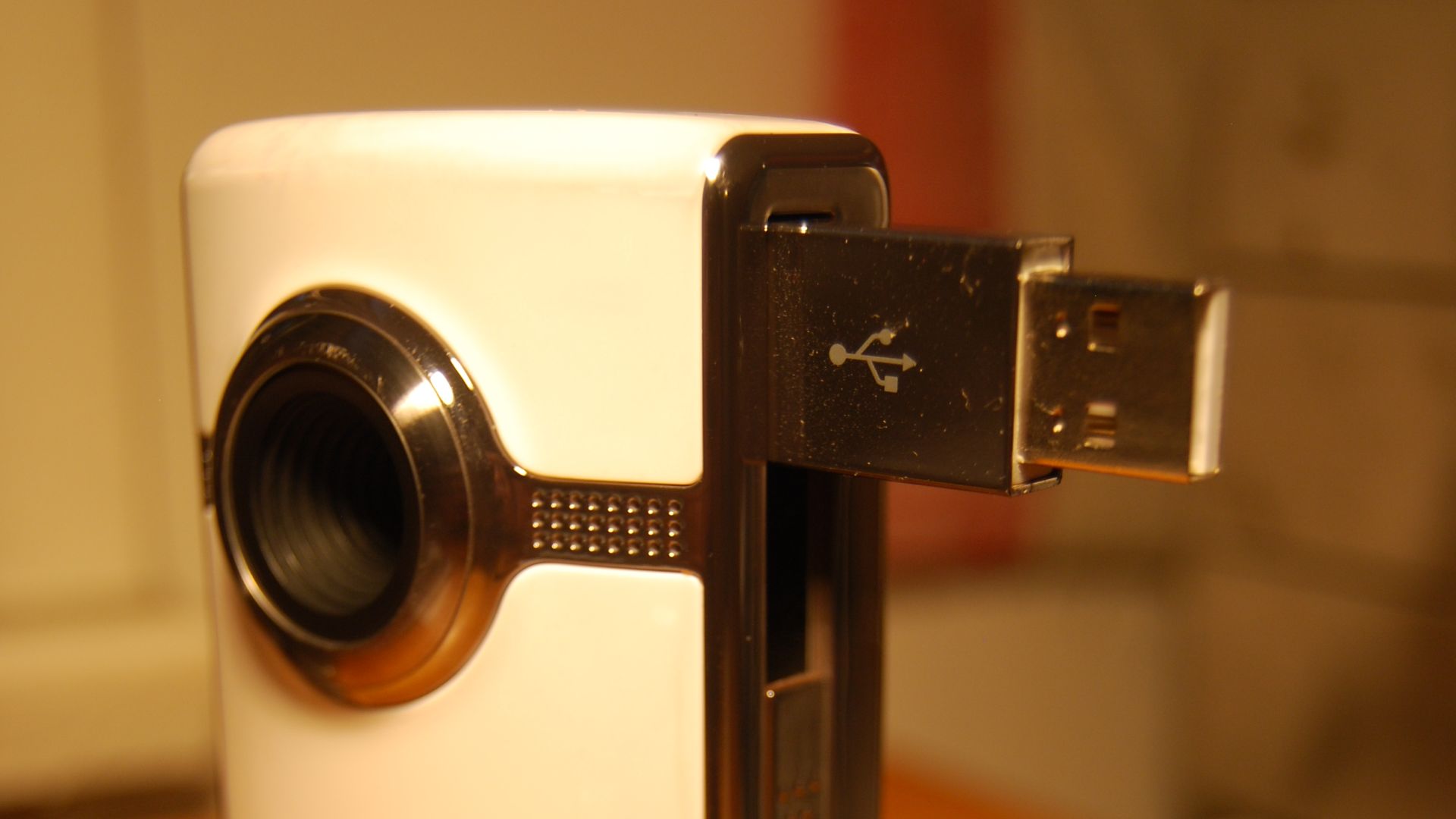
The Flip Video Ultra was about the size of a deck of cards and recorded up to one hour of 640 × 480 video on two GB of internal flash memory. Its built-in USB connector made it easy to share clips from sleepovers, school events, and backyard stunts.
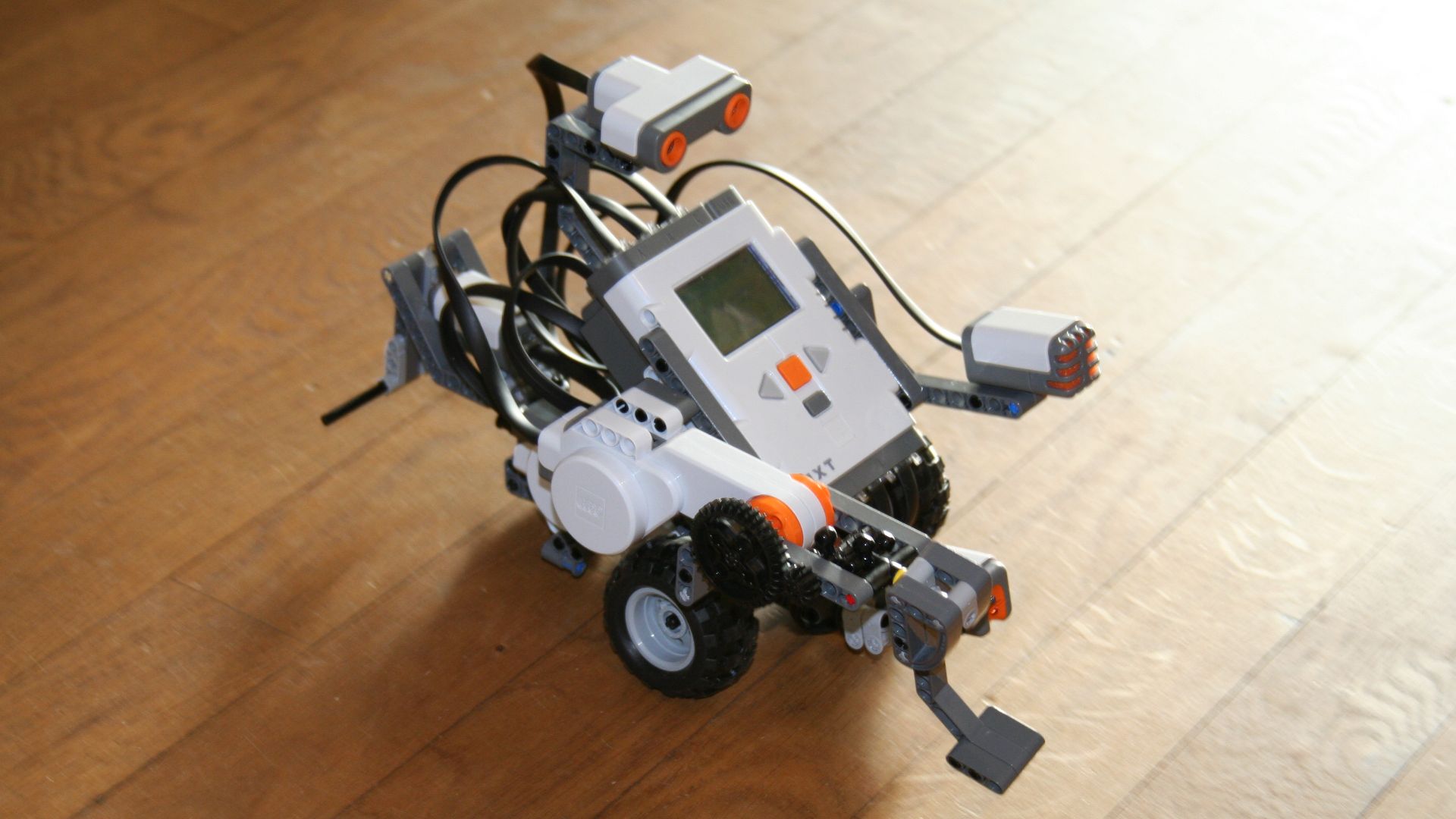
20. Mindstorms NXT
Mindstorms NXT cost about $250 and came with a 32-bit programmable brick, display, speaker, and sensors for building robots. Kids could connect it to a computer and watch their creations react to motion or obstacles, which made home projects feel a lot more hands-on.