When Buttons, Sticks, And Strange Ideas Took Over
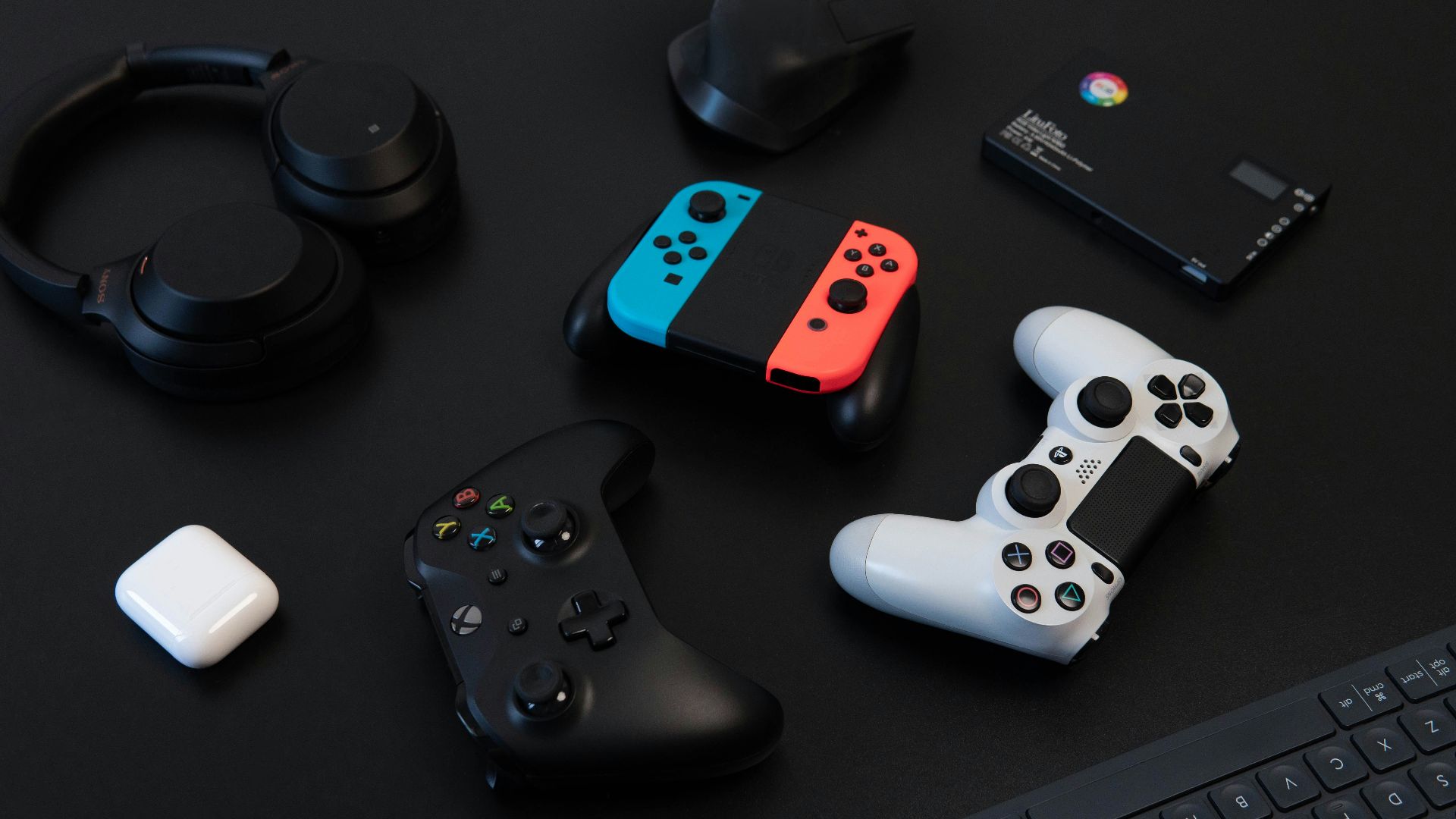
Gaming controllers have always shaped how players understand what a machine can do, because every new button, stick, trigger, and motion sensor changes what feels possible. Some designs became industry standards, while others became fascinating reminders that experimentation is sometimes useful even when the final product looks deeply unusual. Here are 10 gaming controllers that changed the industry and 10 odd experiments.

1. Atari 2600 Joystick
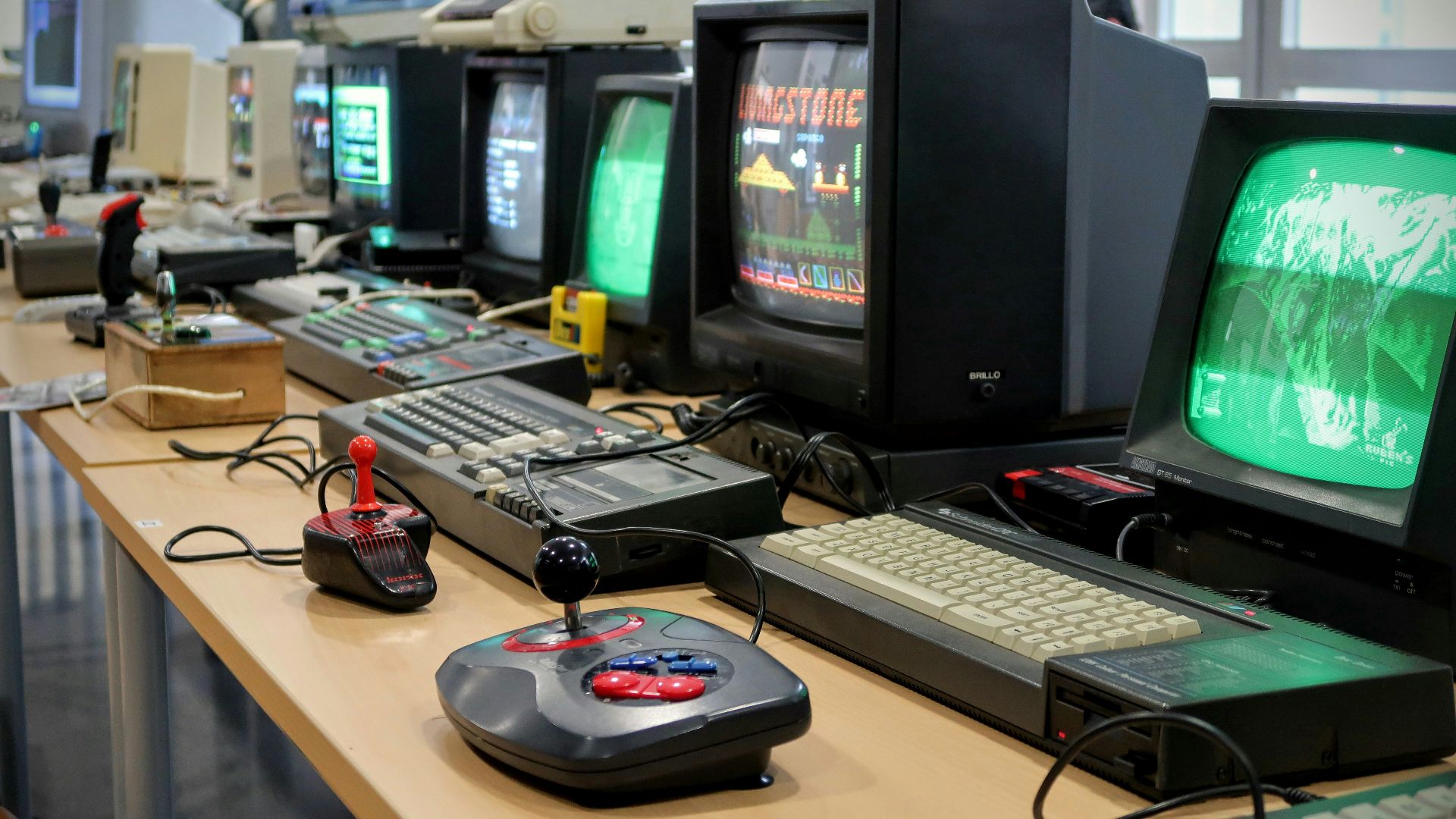
The Atari 2600 joystick helped make home console controls feel simple, readable, and easy to learn. Its single stick and single button gave players a clear relationship between hand movement and on-screen action. Later controllers became far more complex, but this design proved that a home gaming input device could be approachable for a broad audience.
2. Nintendo Entertainment System Controller
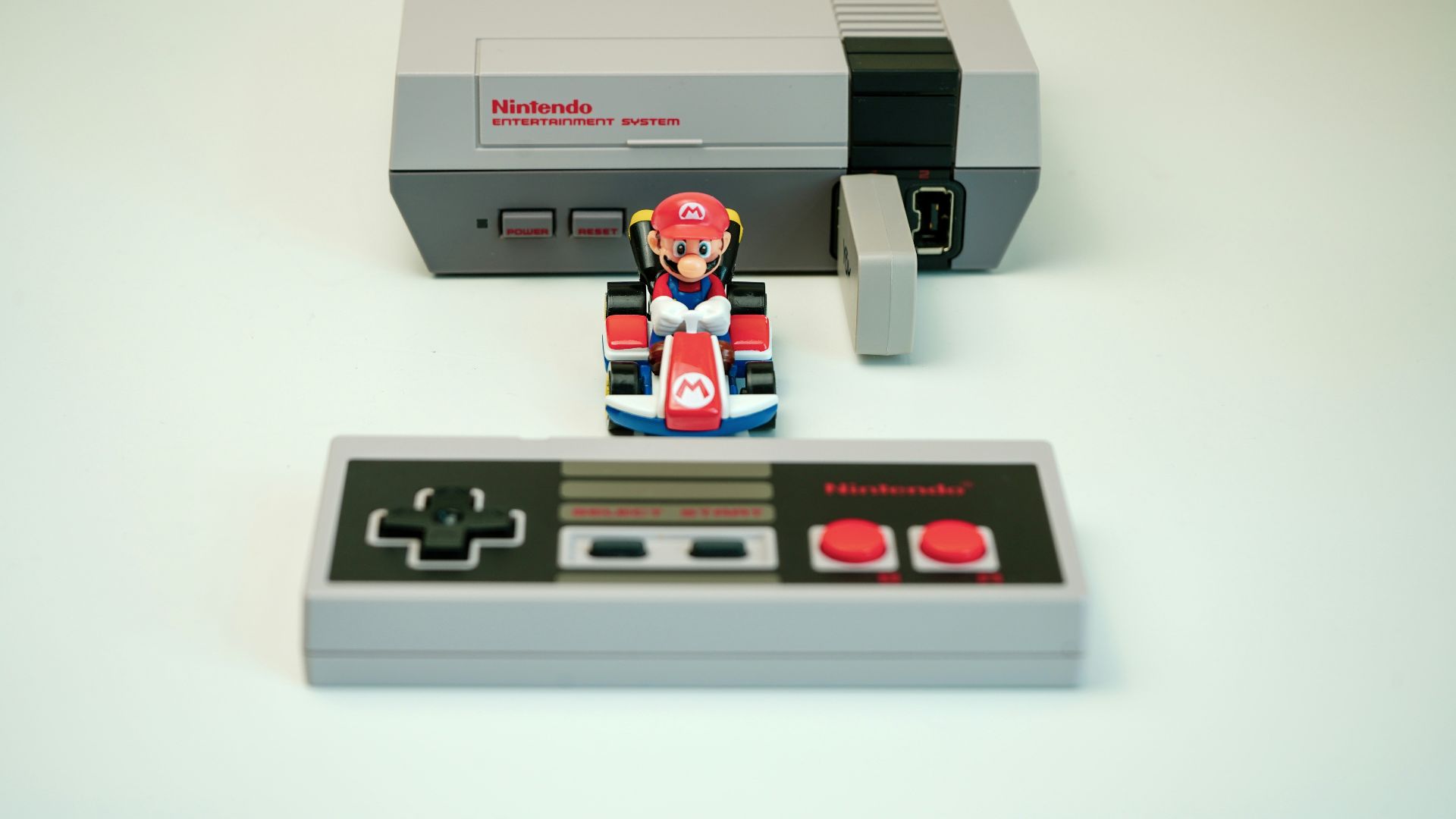
The rectangular NES controller turned the directional pad into a home console standard. Its layout made side-scrolling movement more precise than many joystick-based options, and the two-button design was simple enough for new players to understand quickly.
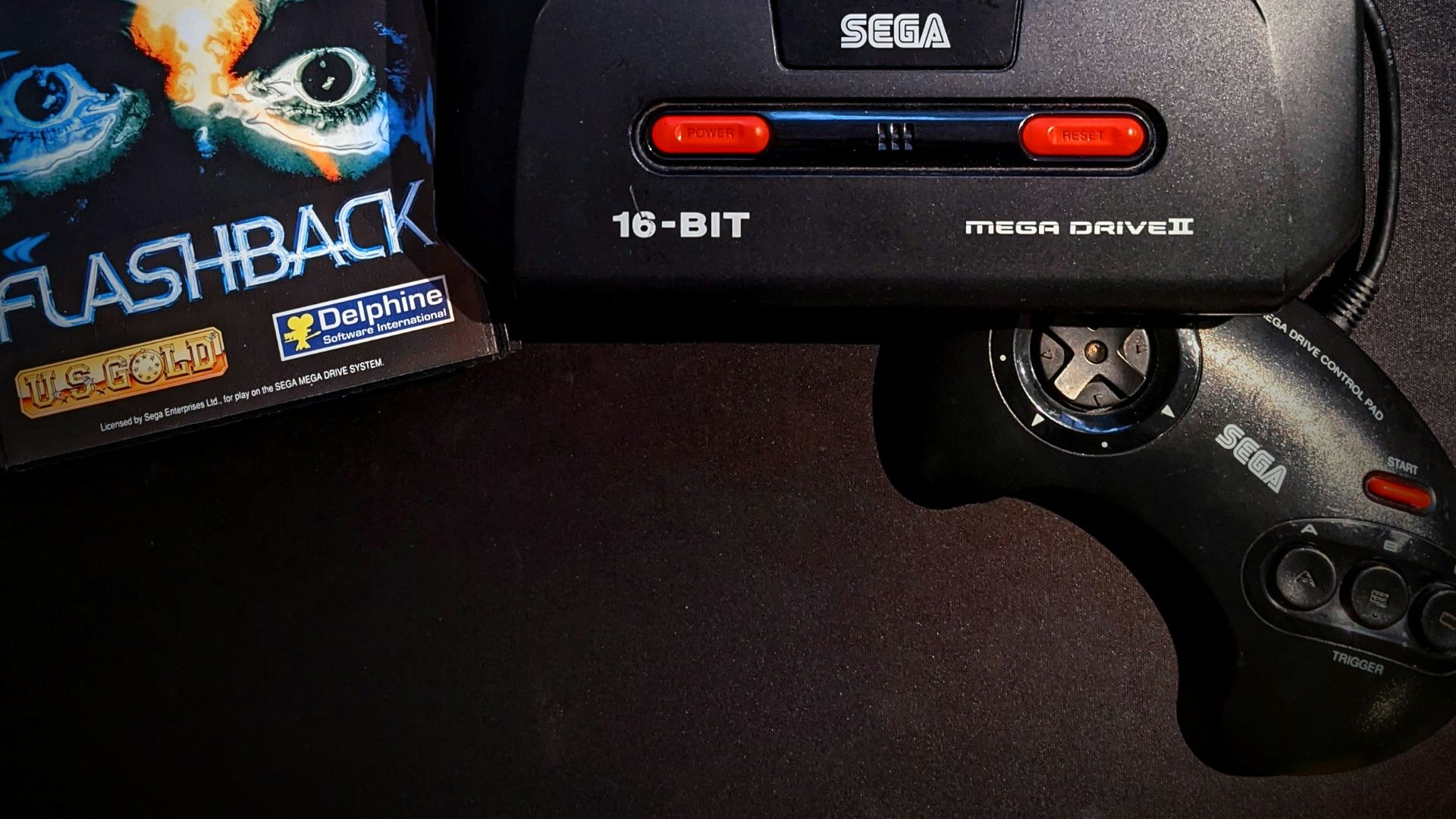
3. Sega Genesis Six-Button Controller
The Genesis six-button controller showed how extra face buttons could support faster, more technical play without making the device feel too intimidating. It became especially important for genres that needed quick access to multiple actions.
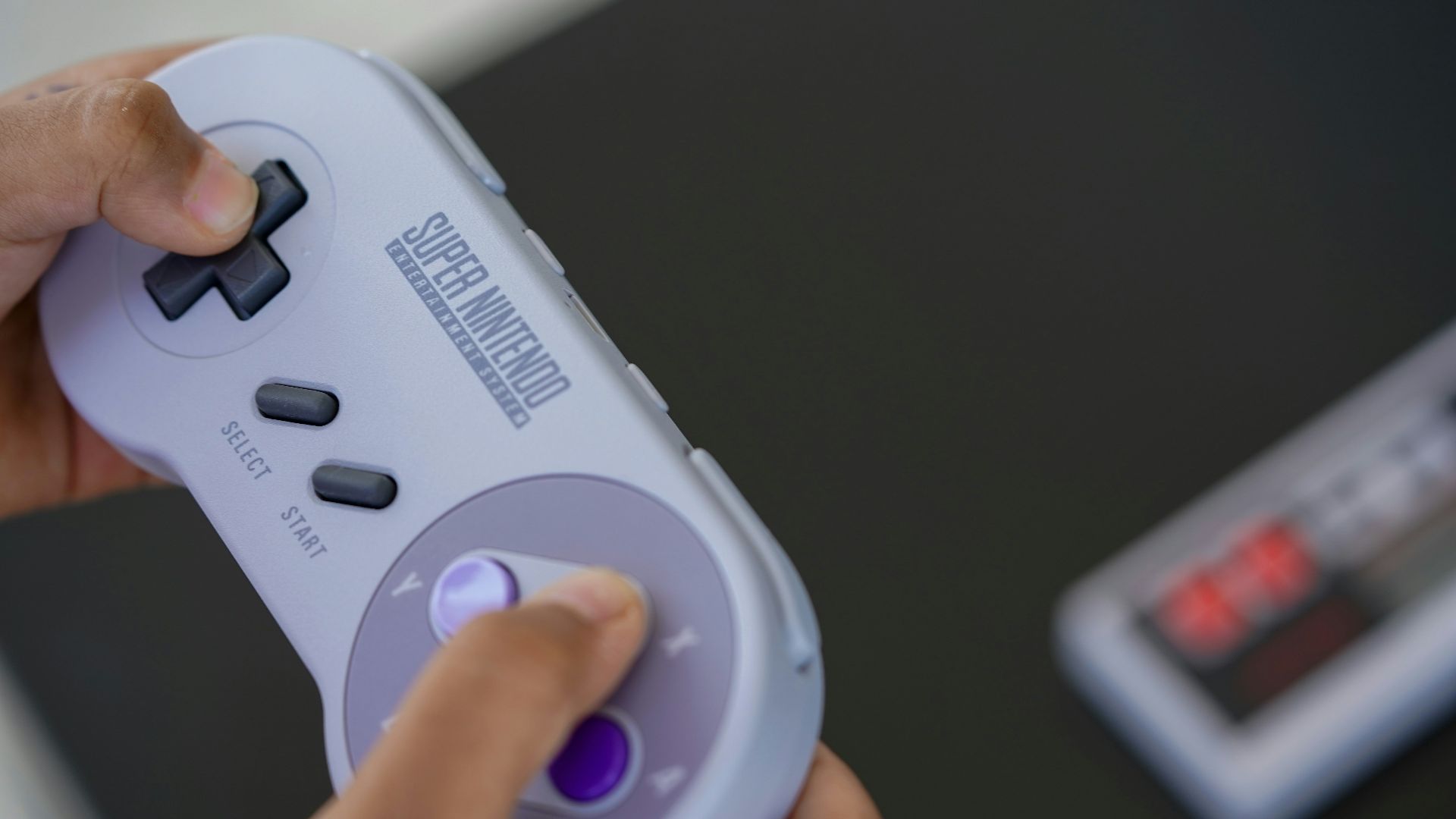
4. Super Nintendo Controller
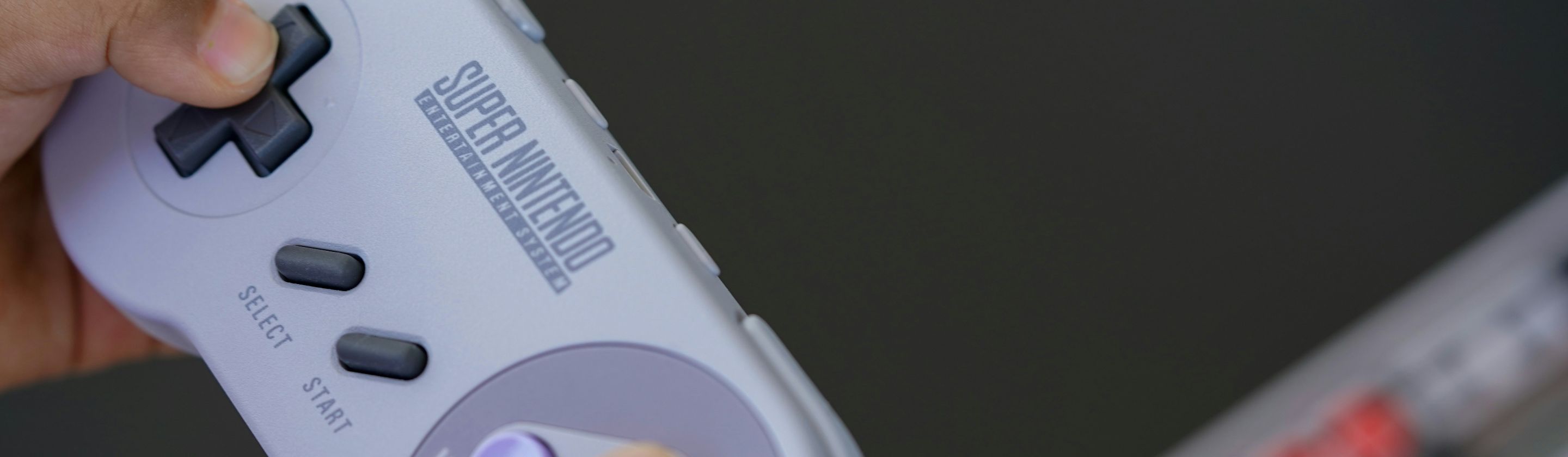
The Super Nintendo controller added shoulder buttons in a way that felt practical rather than decorative. Those top buttons gave developers more input options while keeping the face layout comfortable and familiar. Its four-button diamond arrangement also became one of the clearest templates for modern console controller design.
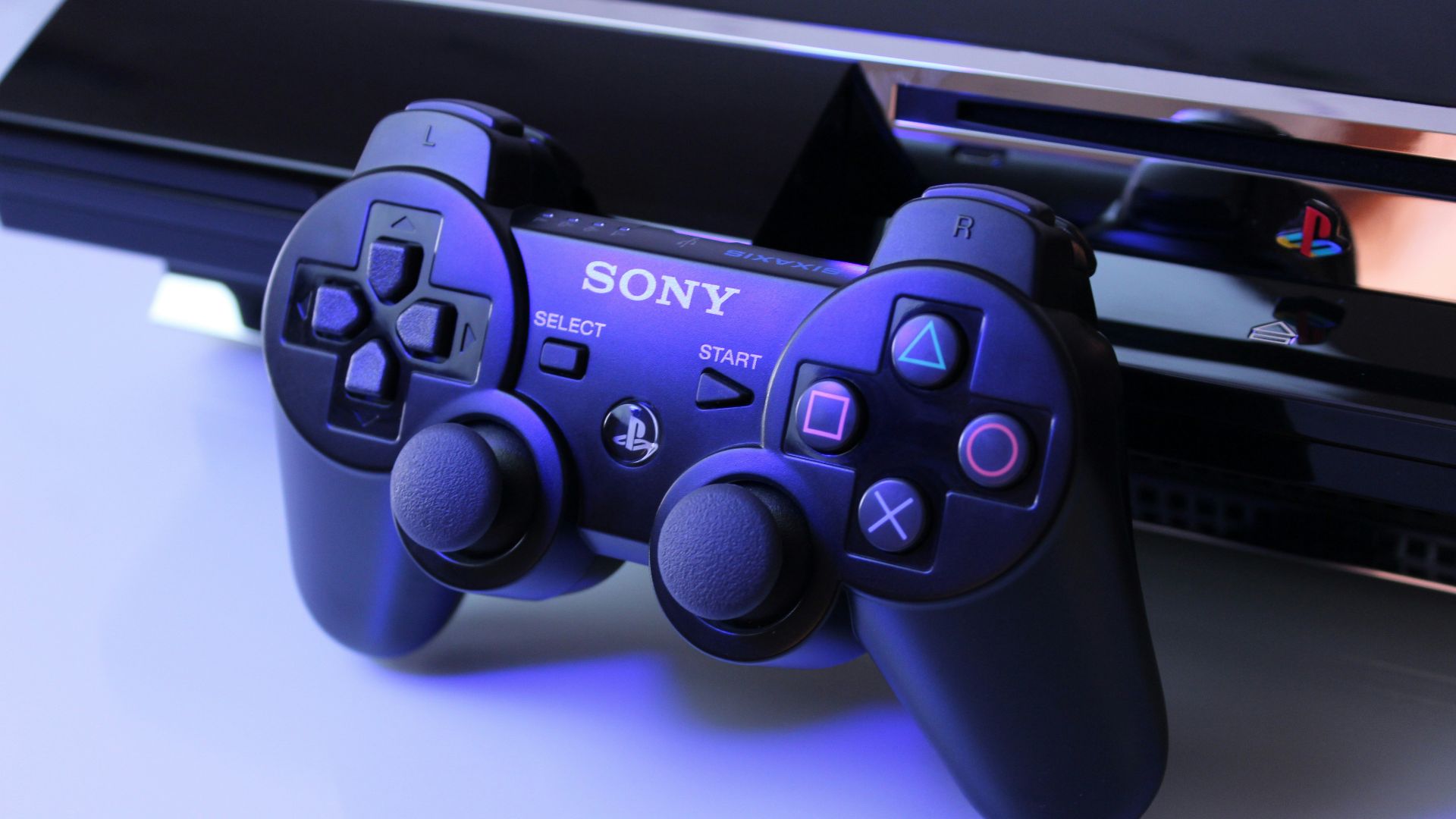
5. Sony Dual Analog Controller
Sony’s dual analog layout helped normalize the idea that one stick could control movement while the other handled viewing or aiming. That setup became central to modern 3D games because it gave players better control over character direction and camera movement at the same time.
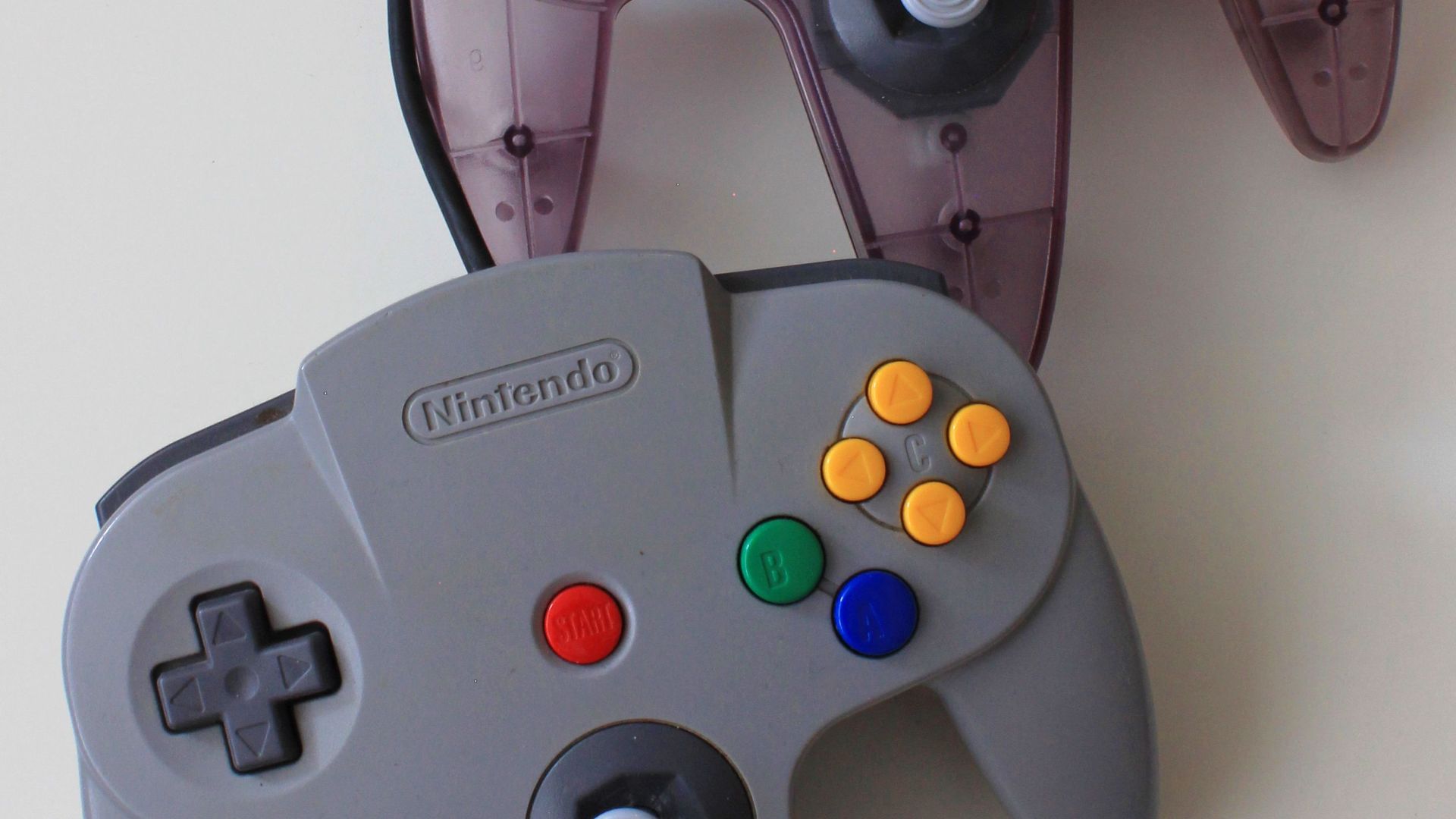
6. Nintendo 64 Controller
The Nintendo 64 controller was unusual, but it helped bring analog movement into the mainstream console space. Its central stick allowed smoother control in 3D environments, which mattered as games moved away from flat, strictly directional design.
7. PlayStation DualShock
The DualShock added built-in vibration and dual analog controls in a package that became one of the most recognizable controller formats ever made. Force feedback gave games a physical layer of response, while the analog sticks supported more flexible movement and camera control. Its success helped establish the basic expectations for several generations of controllers.
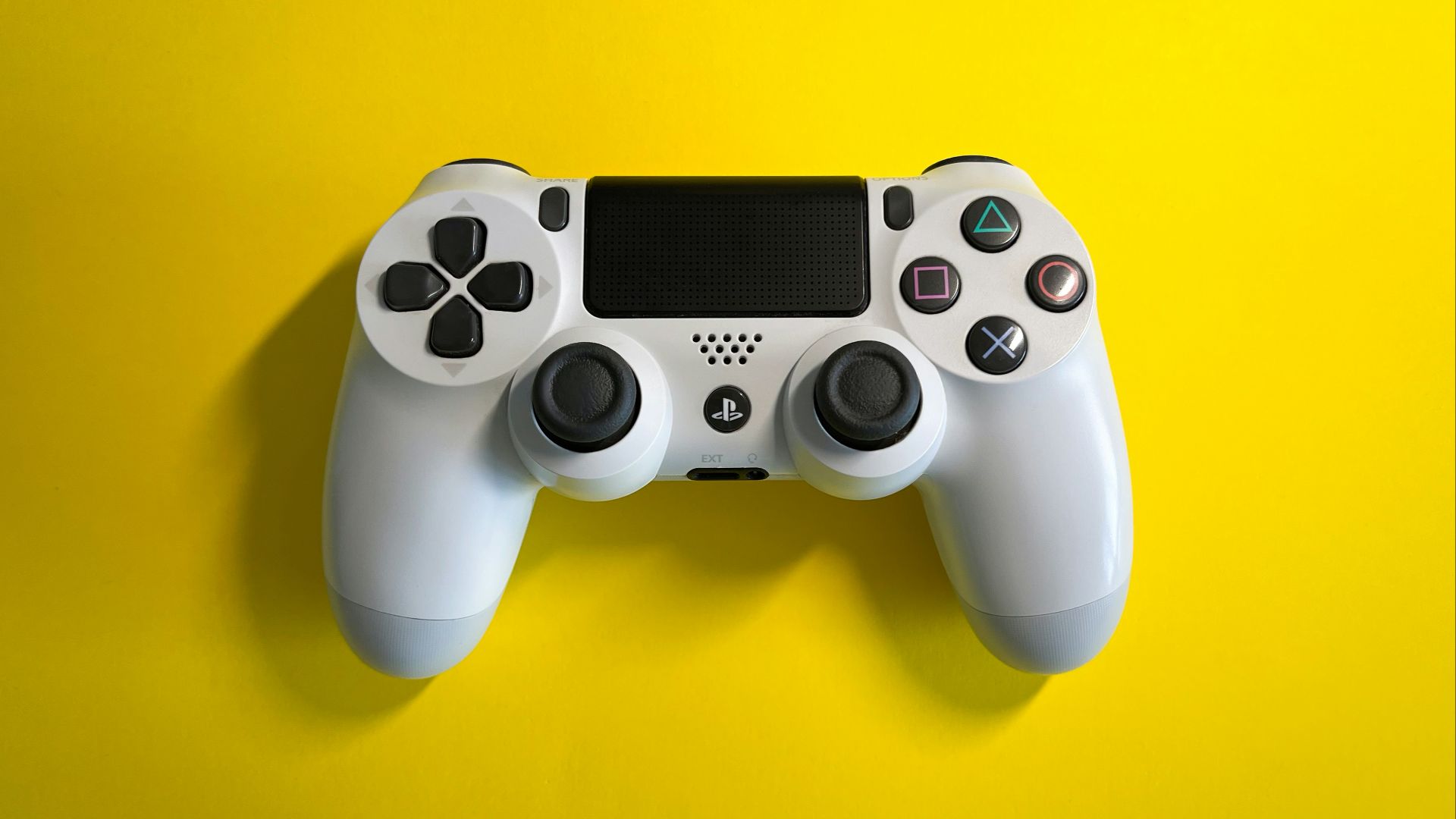
8. Xbox Controller S
The Xbox Controller S refined Microsoft’s original design into something more comfortable and widely accepted. Its offset analog sticks, large triggers, and sturdy shape helped define the company’s controller identity.
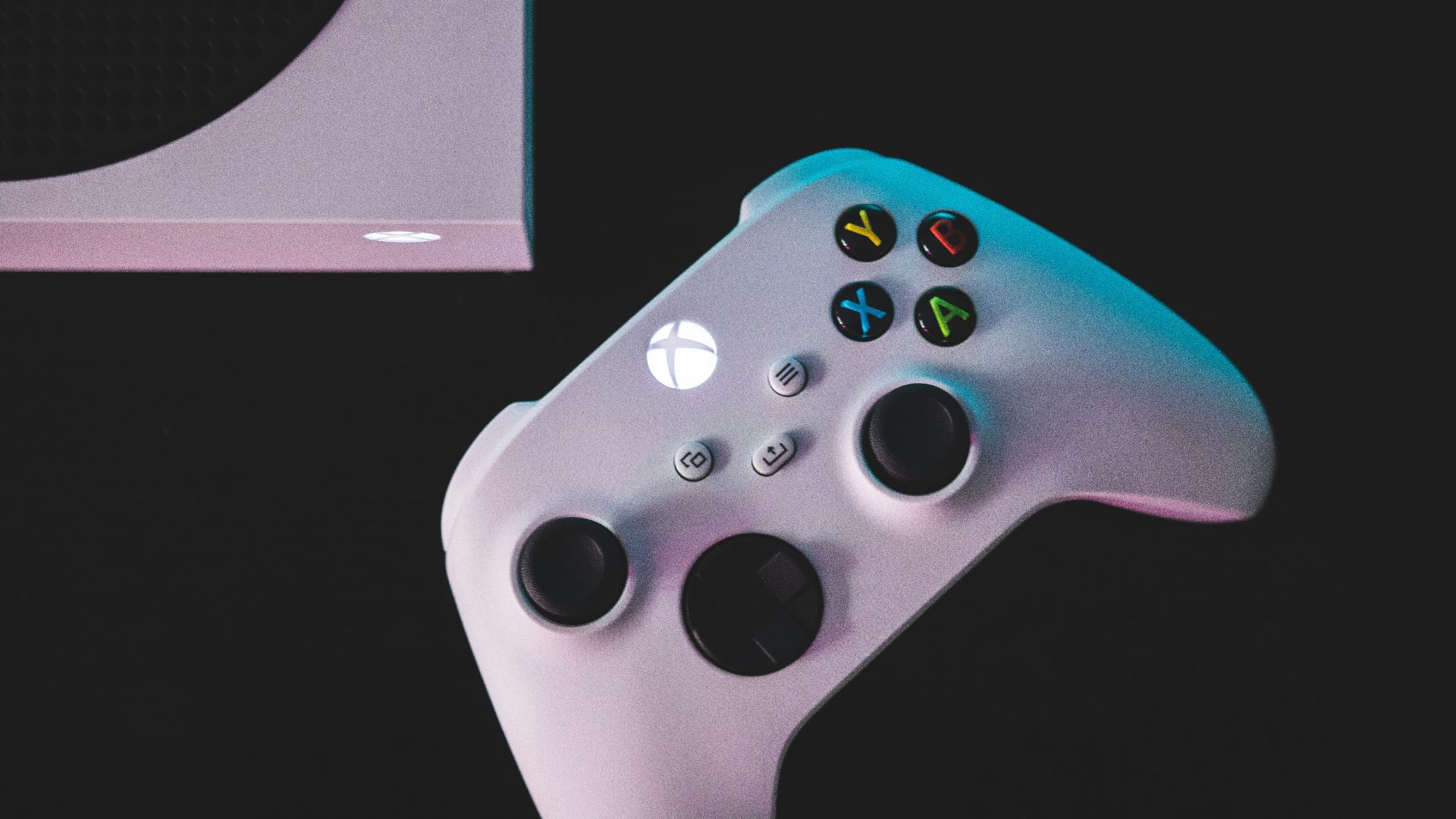
9. Wii Remote
The Wii Remote made motion control a mainstream console feature rather than a niche curiosity. Its pointer-style design and simple motion gestures attracted players who might not have felt comfortable with traditional controllers.
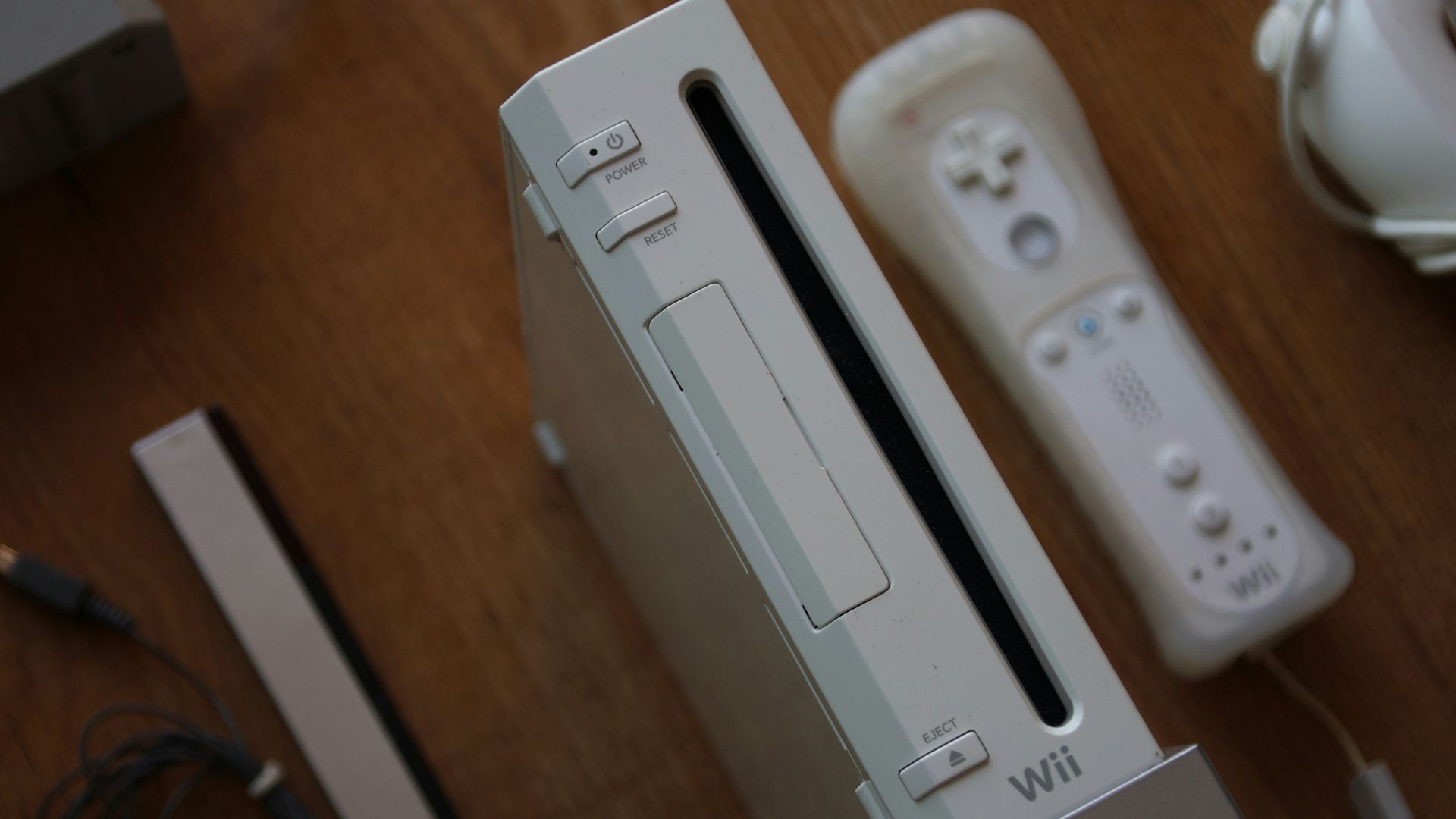
10. Xbox 360 Controller
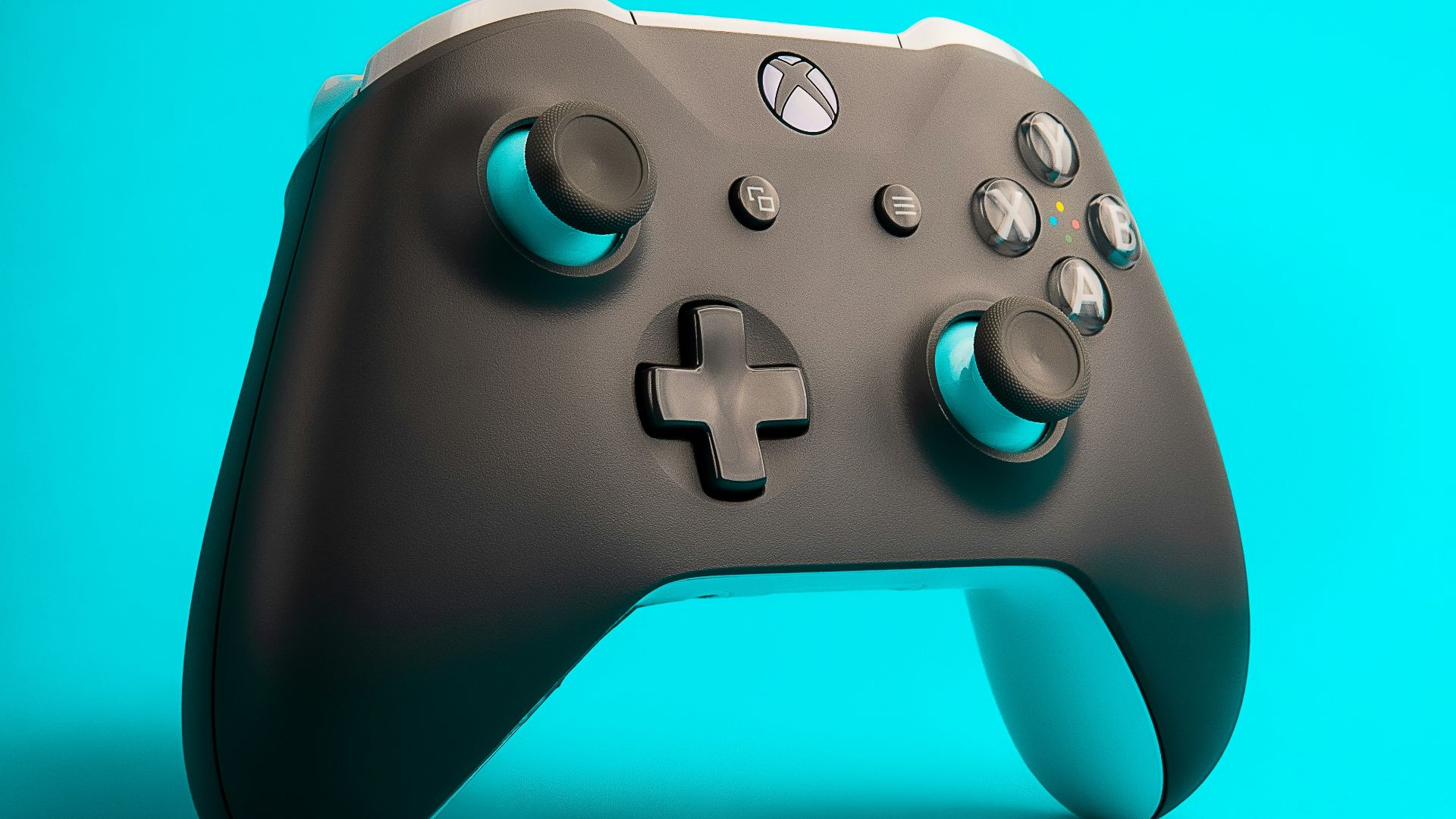
The Xbox 360 controller became a major standard for console and PC play because it balanced comfort, layout, and compatibility. Its triggers, analog sticks, and button placement worked well across many genres without requiring much adjustment. For years, it shaped what players expected a modern controller to feel like in their hands.
 James Jeremy Beckers on Unsplash
1. Nintendo Power Glove
The Power Glove looked futuristic, but its actual control performance was famously unreliable. It tried to turn hand gestures into game inputs before the technology was ready for smooth everyday use. Even though it frustrated many players, it became a memorable example of gaming hardware ambition running ahead of practical execution.
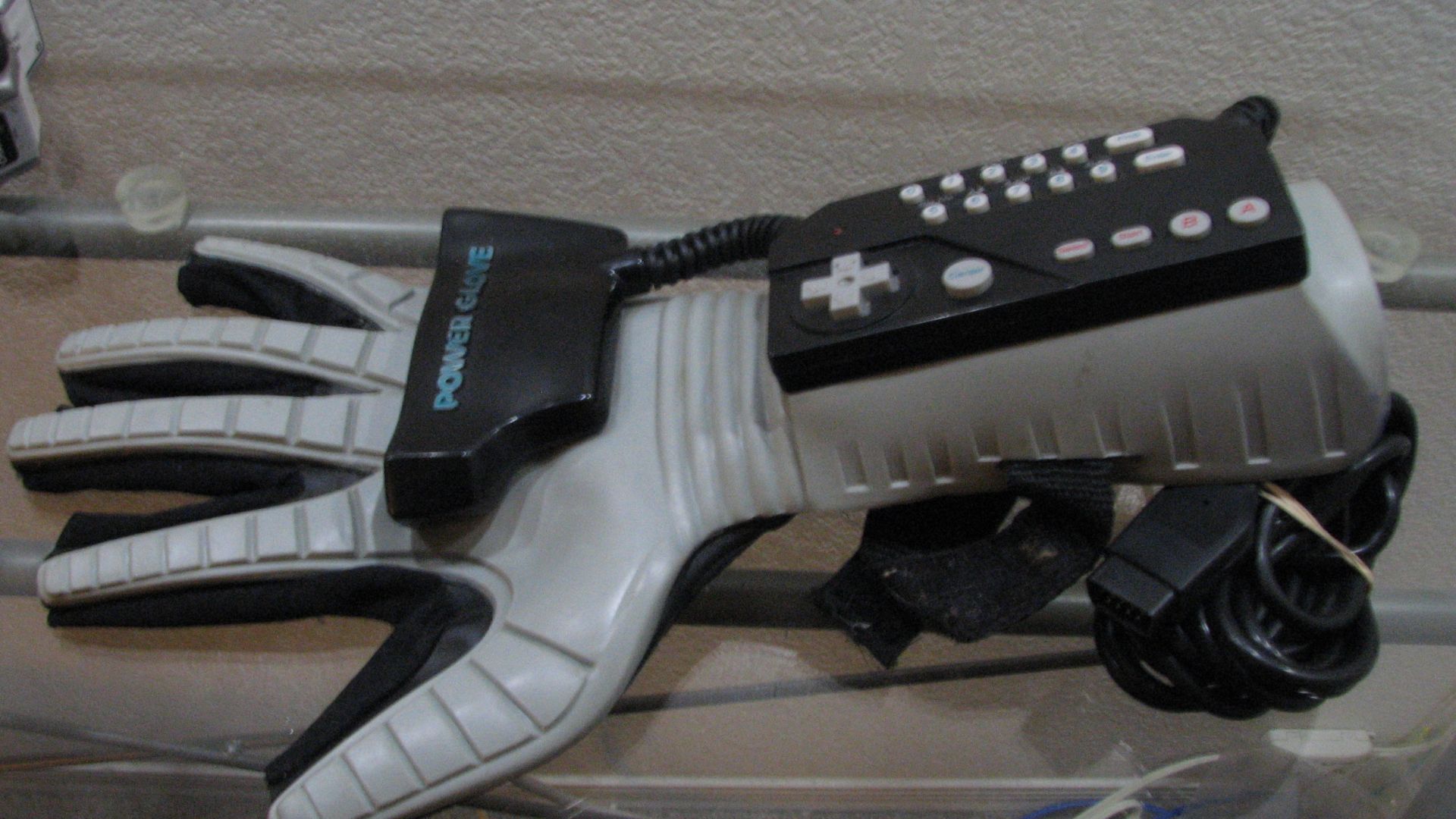 Matt Mechtley from Tempe, Arizona, USA on Wikimedia
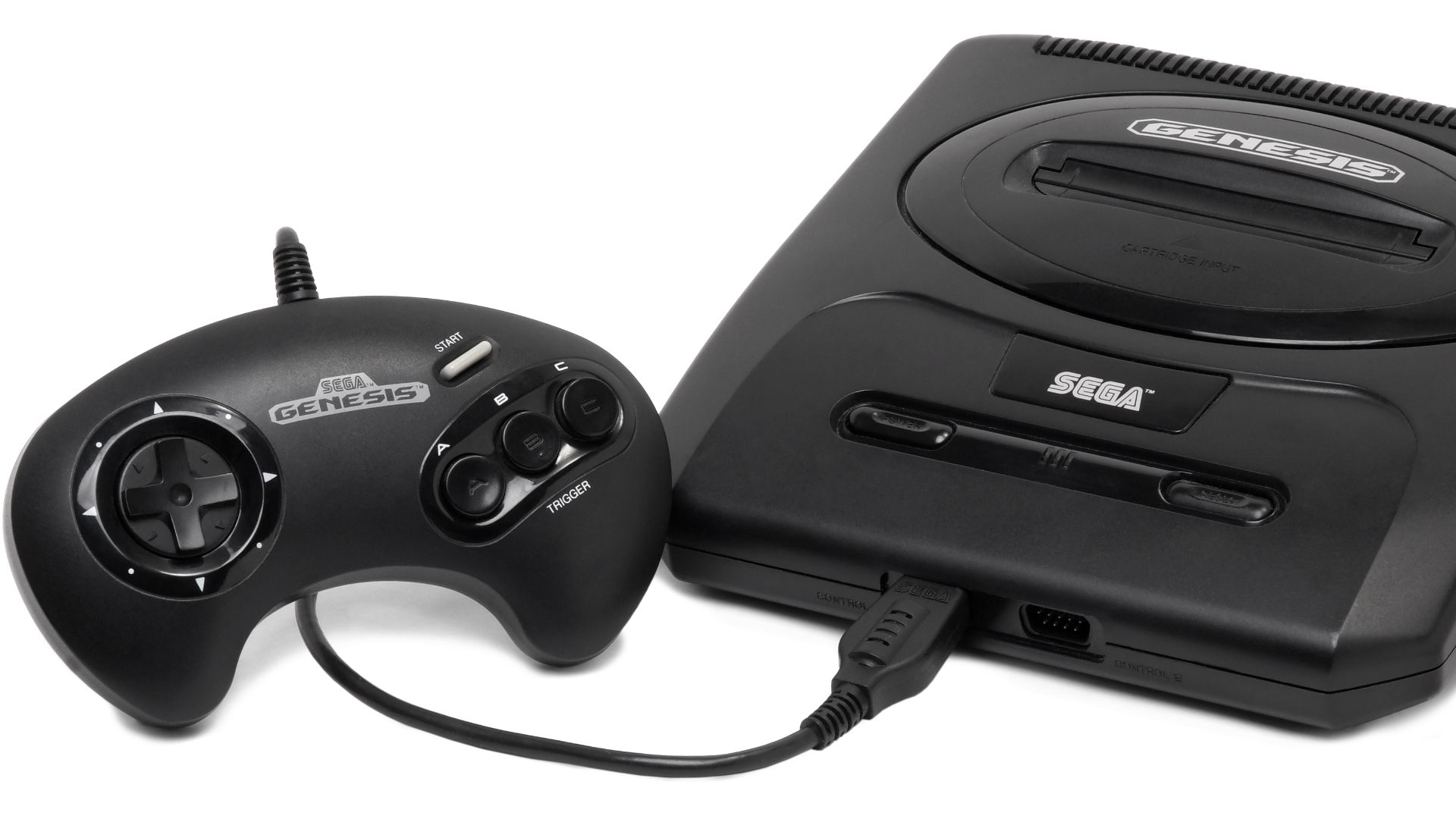
2. Sega Activator
The Sega Activator placed players inside an octagonal floor frame that attempted to read body movement. The idea sounded exciting because it promised full-body control without a standard controller in hand. In practice, it was difficult to use accurately, which made it more interesting as an experiment than as a lasting accessory.
3. Nintendo R.O.B.
R.O.B. was more of a robotic accessory than a traditional controller, but it was designed to interact with software in a playful physical way. Its movements were slow, limited, and dependent on very specific setups.
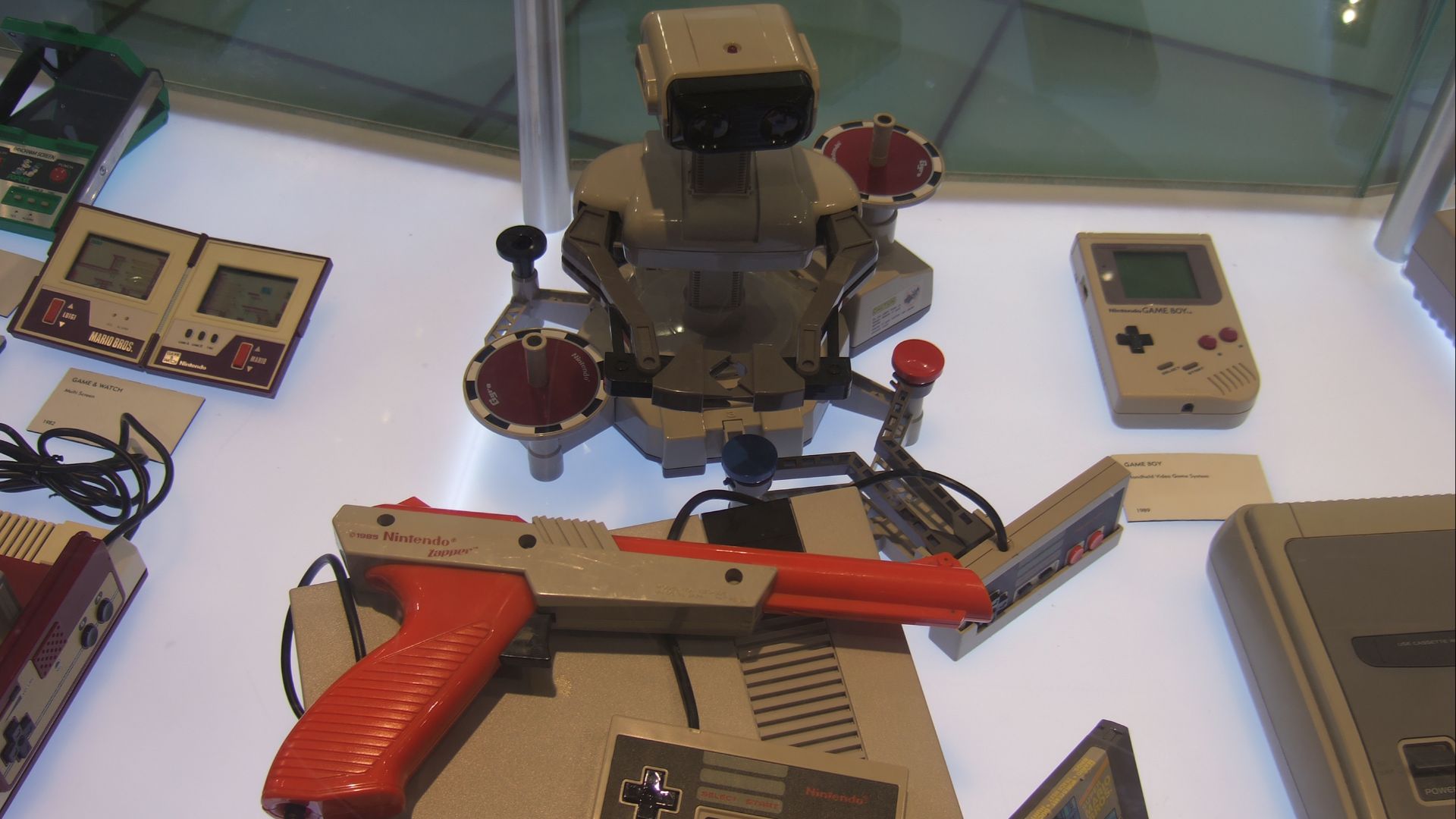 Rob DiCaterino from Clifton, NJ, USA on Wikimedia
4. Atari Mindlink
Atari’s Mindlink was an unreleased headband controller that aimed to translate facial muscle movement into game input. The concept suggested a future where players could control games without a conventional handheld device.
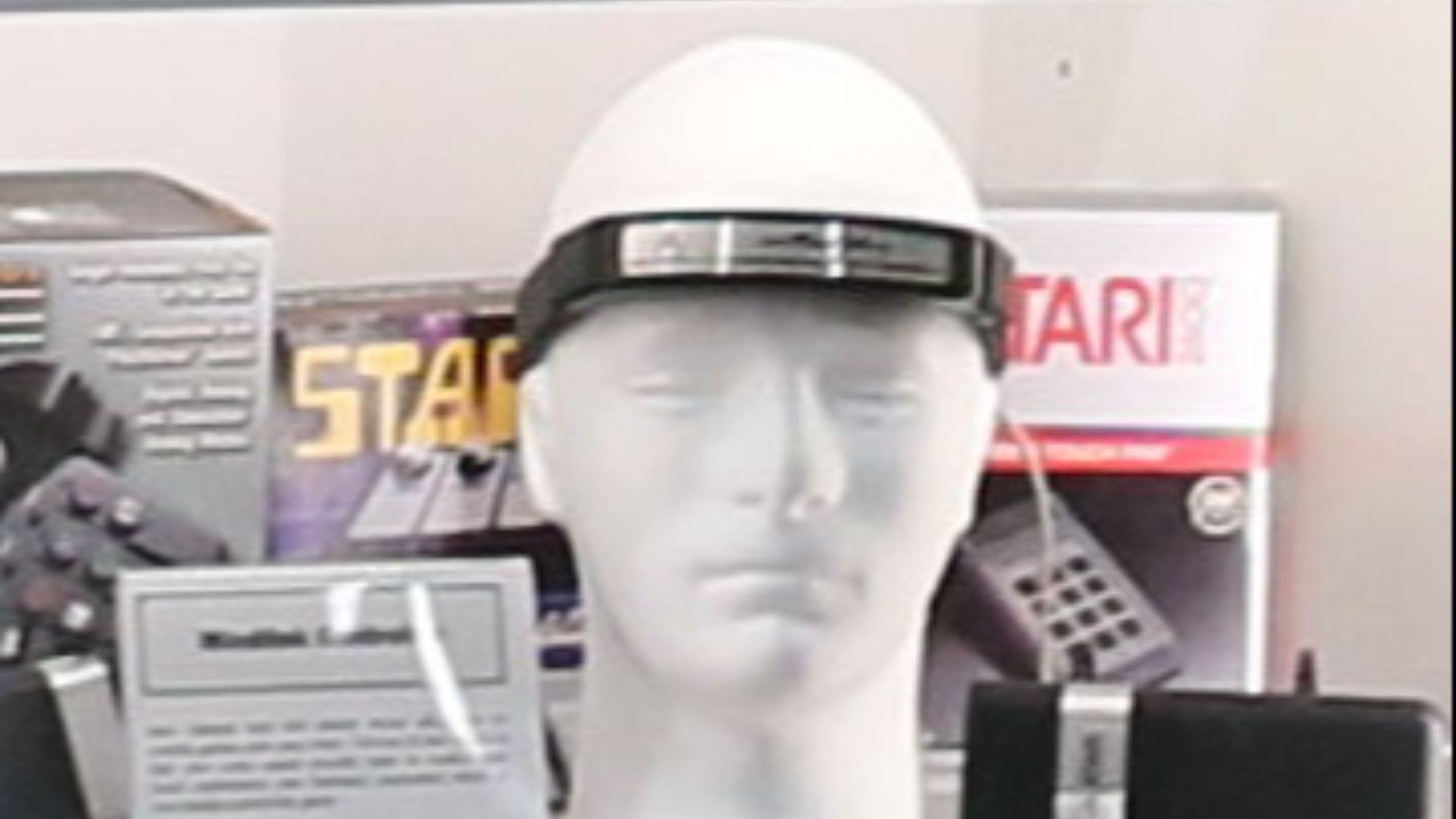 Steve Rainwater from Irving, US on Wikimedia
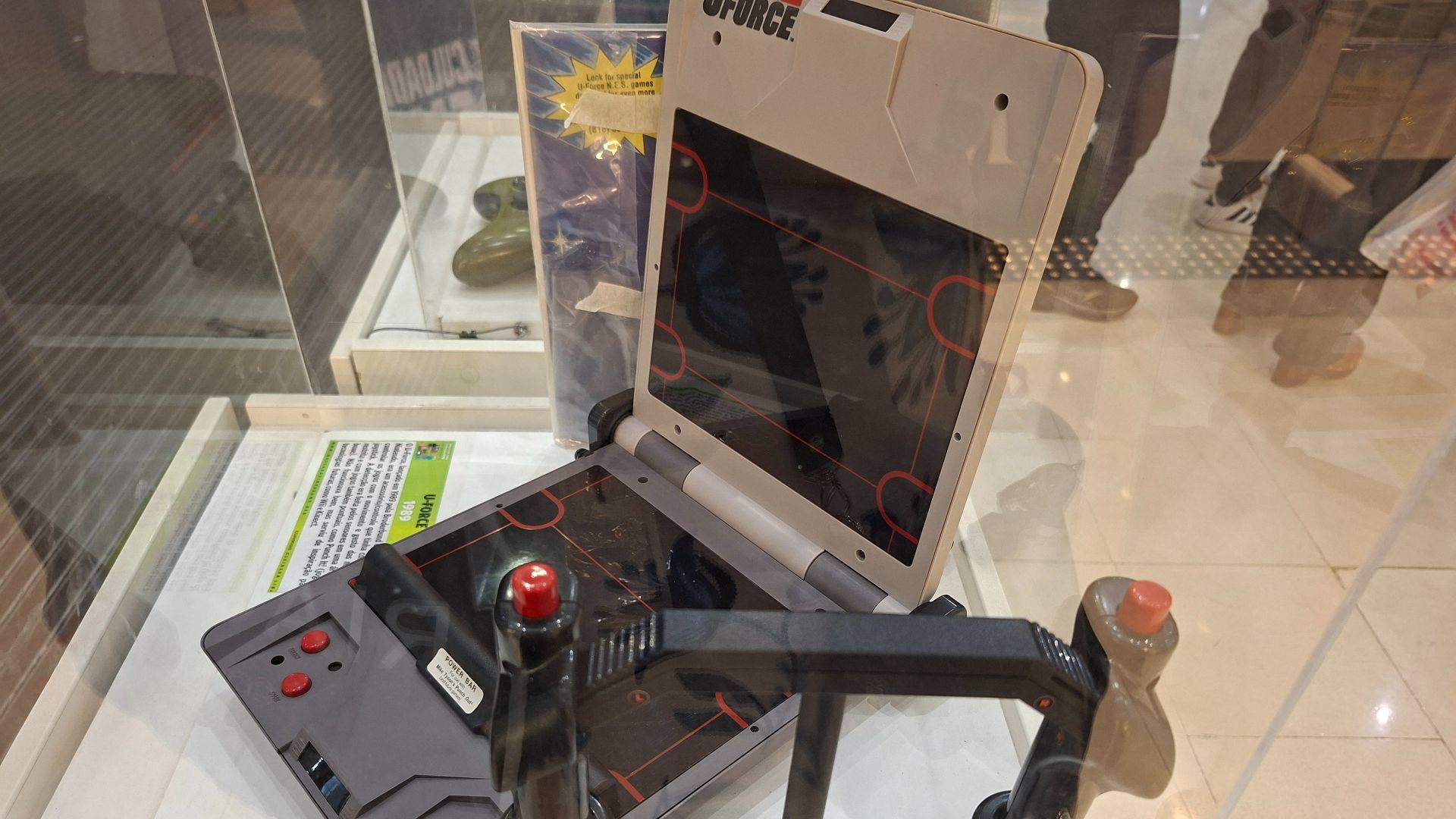
5. U-Force
The U-Force used infrared sensors to detect hand movement instead of requiring players to hold a standard controller. It sounded advanced for its time, but its accuracy and consistency made many games harder to play.
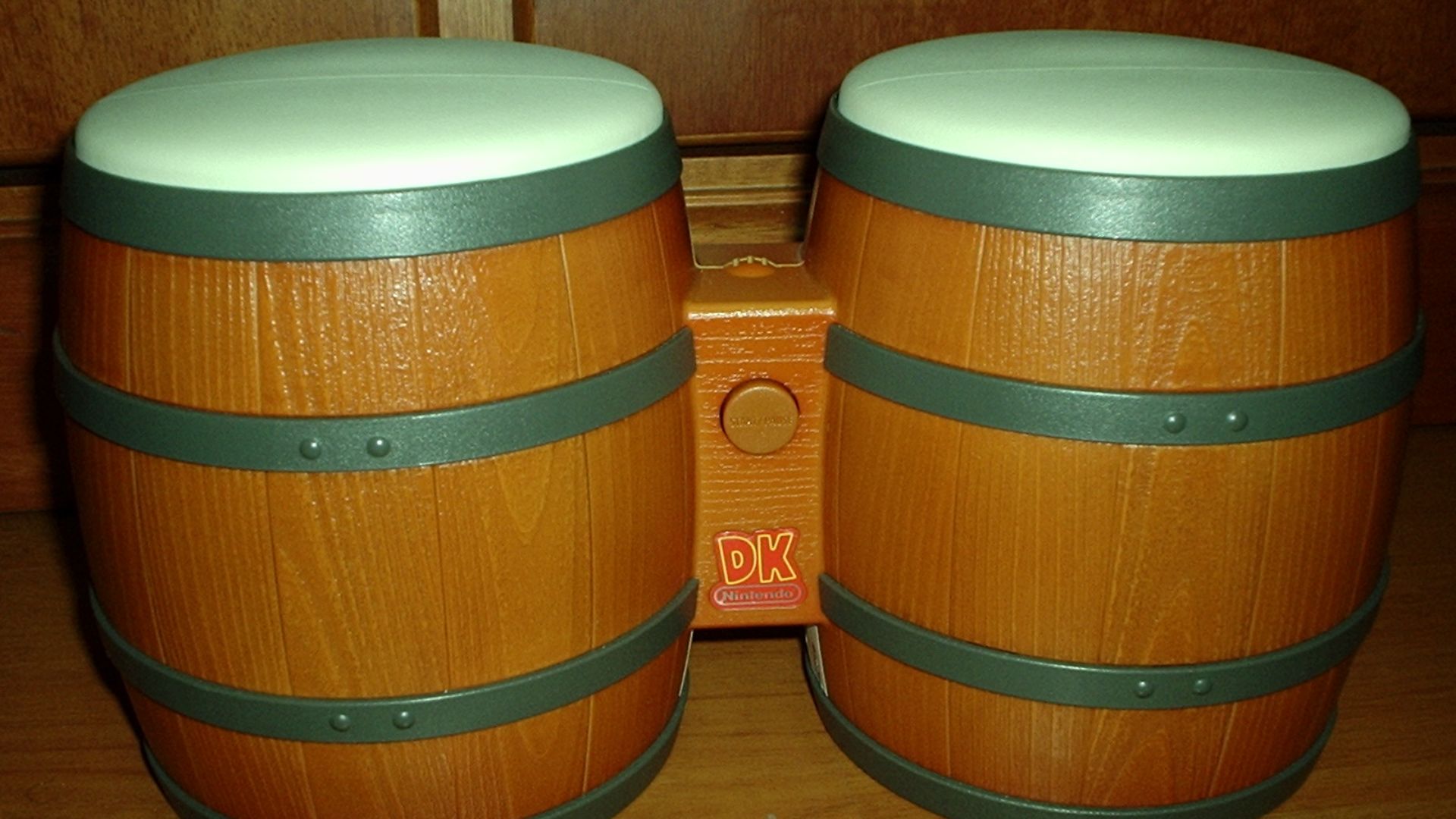
6. DK Bongos
The DK Bongos turned percussion into a game controller, using taps and claps to create a very different kind of interaction. The design was strange, but it worked better than many novelty controllers because its inputs were clear and responsive. It showed that unusual hardware could succeed when the software was built tightly around it.
 Guilherme Schmitt on Wikimedia
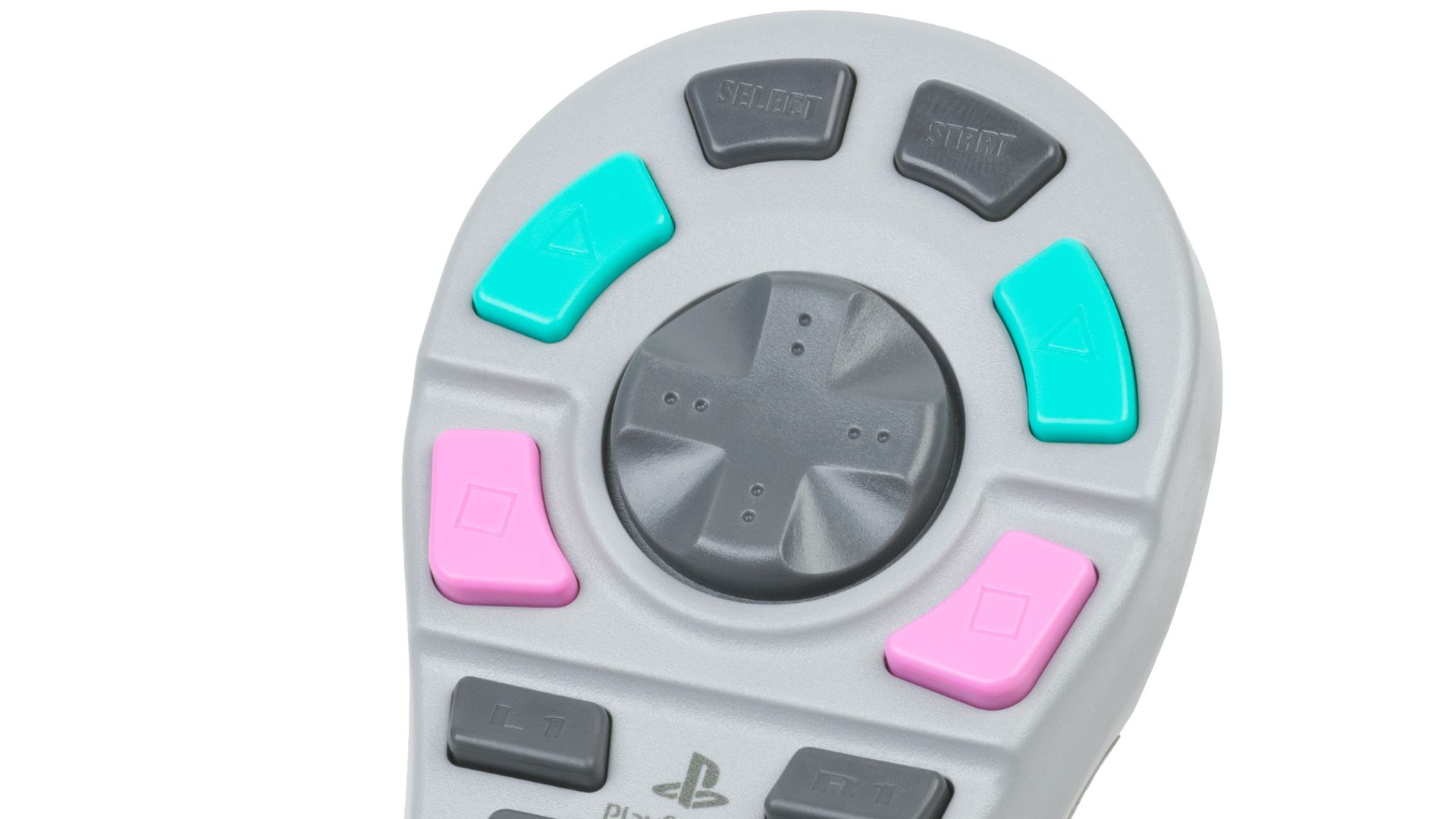
7. ASCII Grip
The ASCII Grip was a one-handed controller designed to let players handle games while keeping the other hand free. Its button layout was practical in theory, especially for slower genres that didn’t demand constant two-handed action.
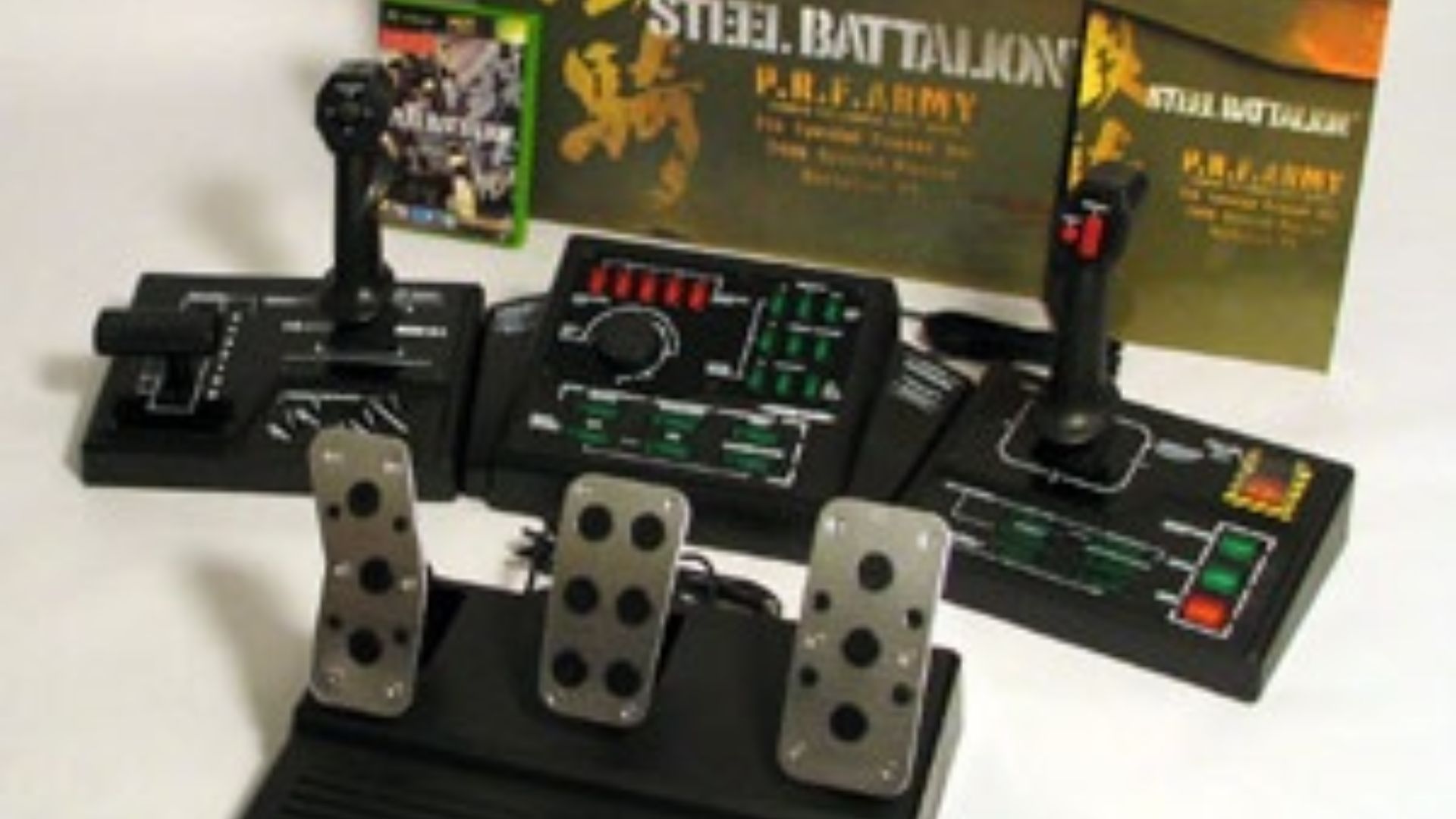
8. Steel Battalion Controller
This enormous controller used sticks, switches, pedals, and dozens of buttons to create an intentionally complex cockpit-style experience. It was expensive, specialized, and intimidating, but that was also the point.
 Xboxsupervisioncreator on Wikimedia
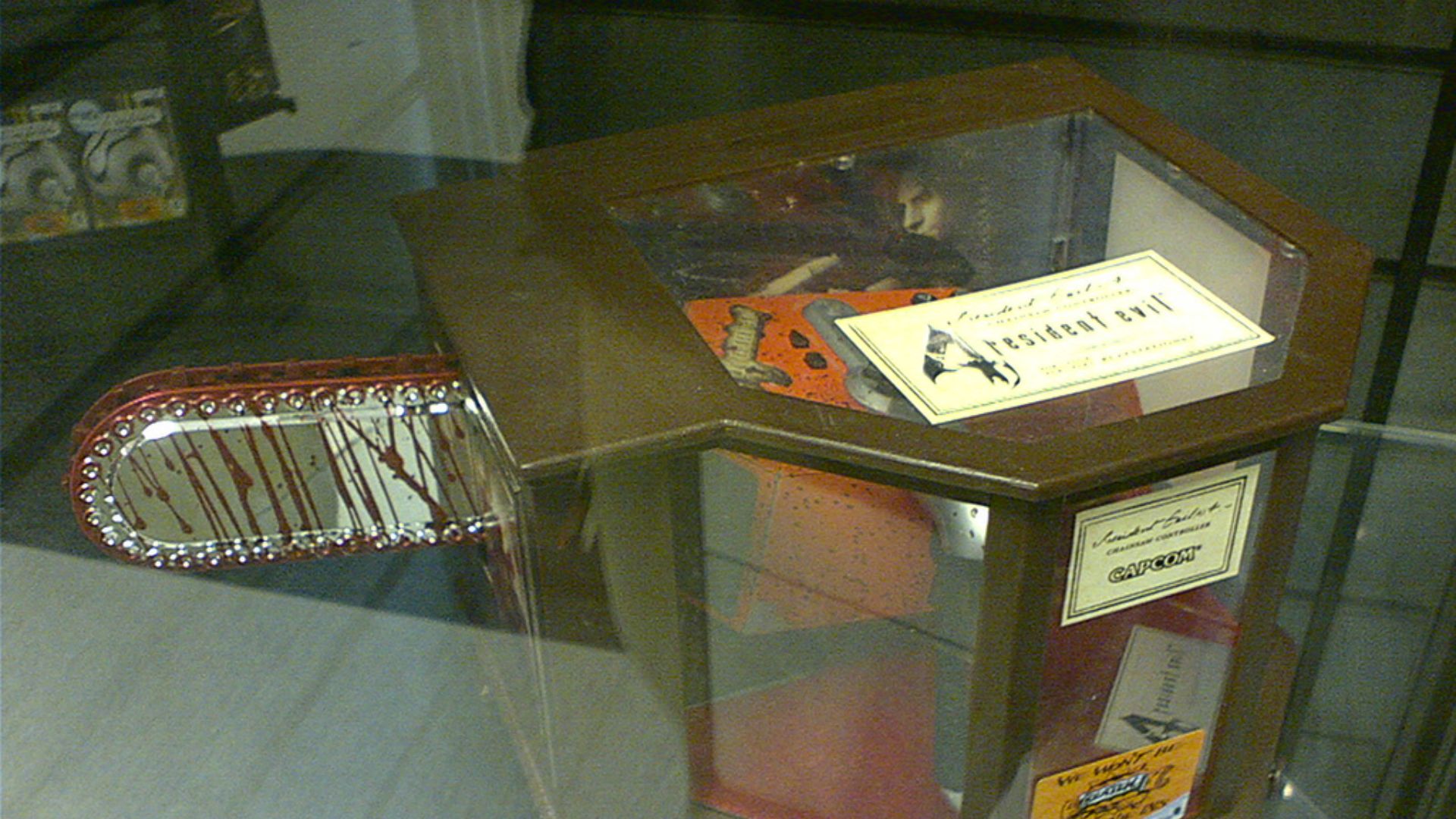
9. Resident Evil Chainsaw Controller
This controller was shaped like a chainsaw and leaned heavily into collectible novelty. It was visually striking, but its unusual form made ordinary play less comfortable than using a standard controller.
 Pete Barr-Watson from the UK. on Wikimedia
10. Dragon Quest Slime Controller
The Slime controller used a rounded character-shaped shell that looked charming but challenged normal hand placement. Its appeal came from personality and collectibility rather than competitive comfort.