Should You Subscribe or Not?
Every time you create an account or shop online somewhere, you're asked to give out your email. It's inevitable. Sure, sometimes there's the illusion of choice (you can "continue as a guest," for one), but there's almost always a perk that only comes when you agree to subscribe, from hidden discounts to easier tracking. Before you know it, you have over 1,000 emails in your inbox, and counting. It doesn't help either that, as easy as it is to opt in, it's not so simple to reverse your choice. Here are 10 of the most annoying things about email subscriptions, and 10 benefits that (kind of) make up for it.
1. They Pile Up Faster Than You Expect
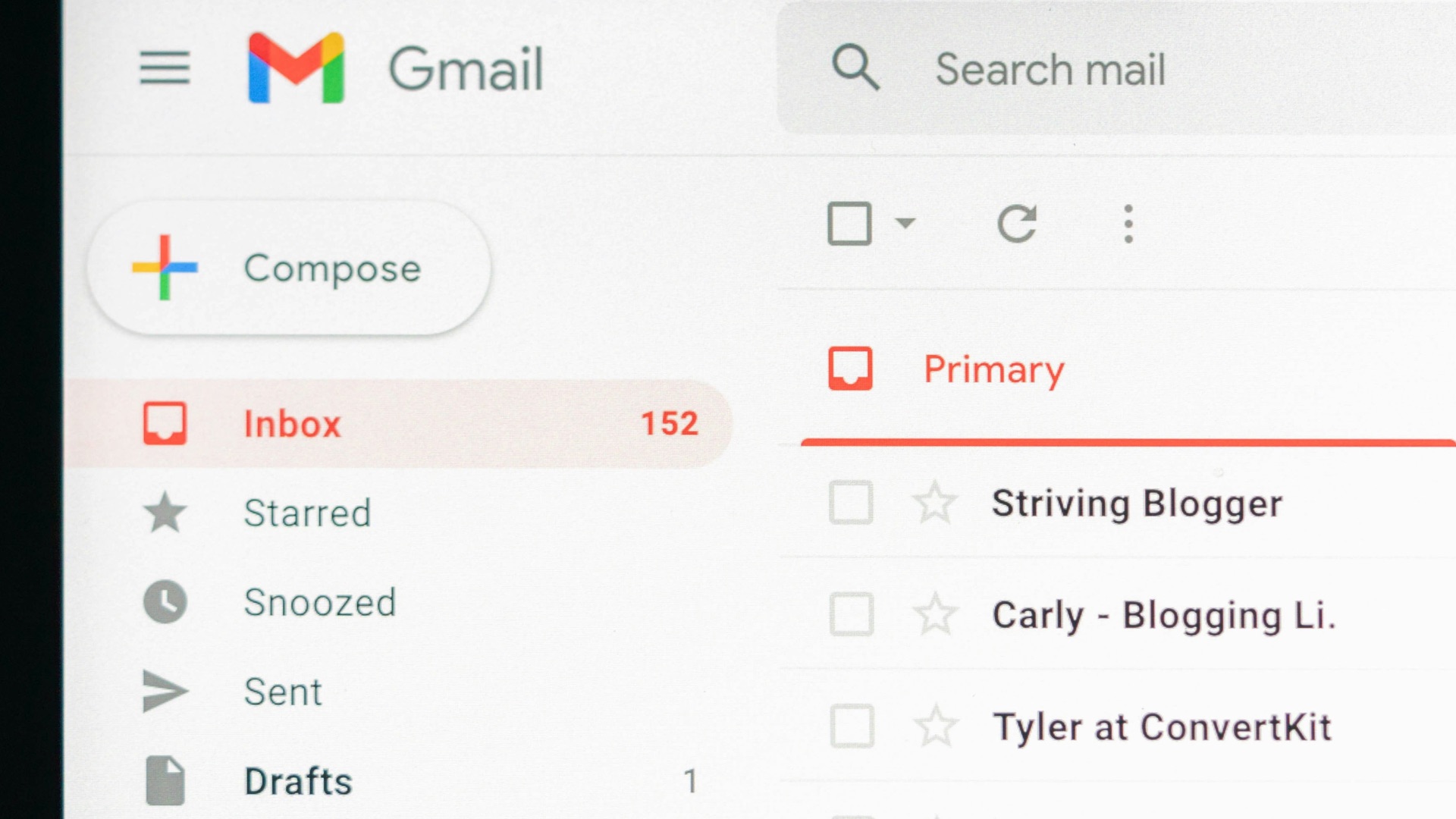
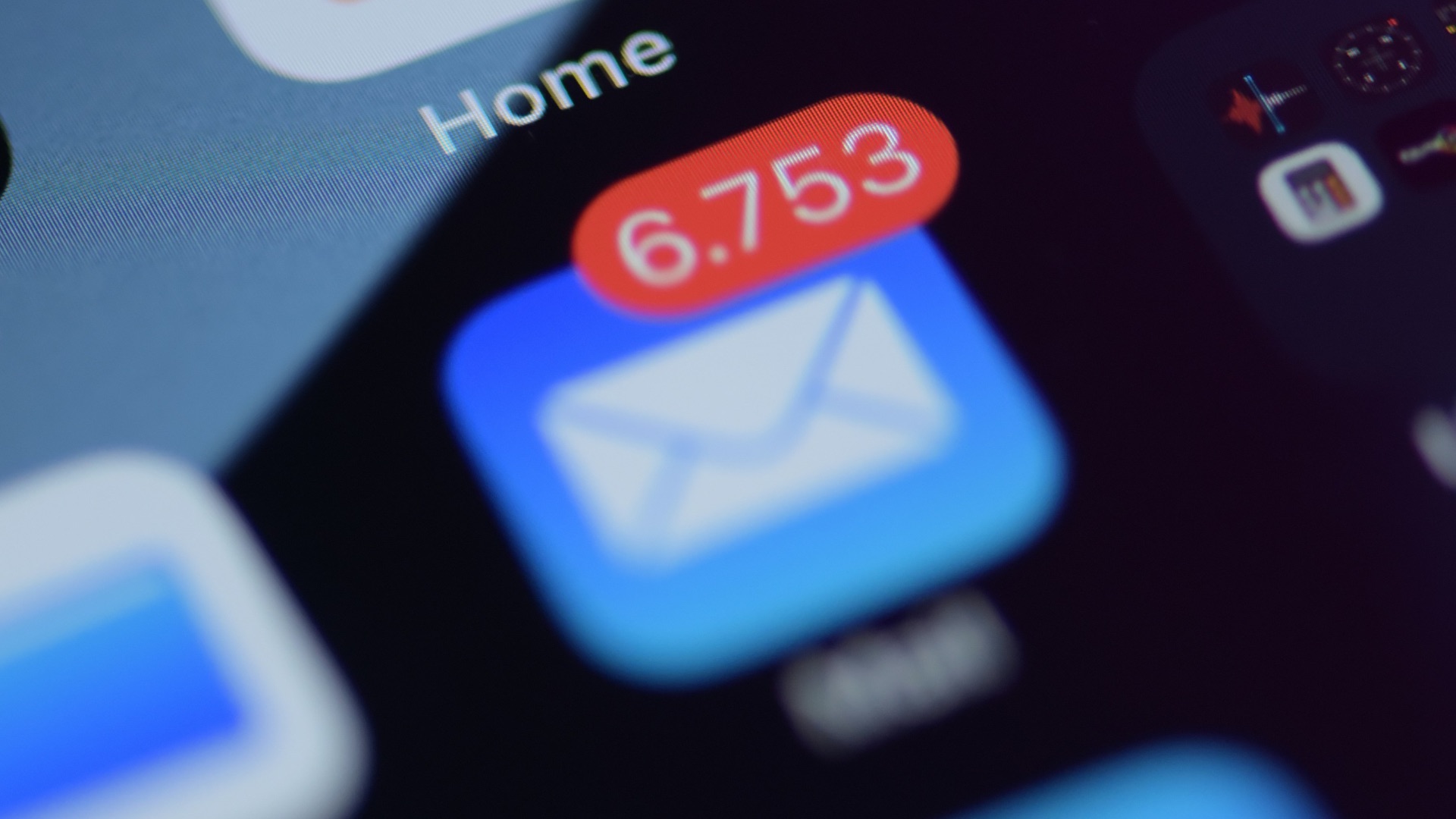
A single subscription doesn’t seem like a big deal when you first sign up. The problem is that every small signup adds another regular message to your inbox, and those messages can arrive daily, weekly, or even multiple times a day. Before you know it, your inbox is crowded with updates you barely have time to open. It can make checking email feel more draining than it needs to be.

2. The Unsubscribe Button Can Be Hard To Find
Some companies make unsubscribing simple, but others bury the link in tiny text at the bottom of the email. You may have to scroll through a long message, dodge promotional links, or click through several pages before you’re actually removed. That extra friction can feel intentional, especially when you only wanted one less message in your inbox. It turns a basic preference into a small but annoying chore.

3. They Can Obscure Important Emails
When your inbox is filled with promotional messages and newsletters, important emails have to compete for attention. A bill reminder, work update, appointment confirmation, or personal message can get pushed down quickly. Even if you check your email often, too many subscriptions can make it harder to notice what actually needs a response. The clutter creates a real risk of overlooking something important.
4. Some Email Way Too Often
Signing up for a newsletter doesn’t always mean you expect a message every morning. Some brands take one signup as permission to send constant sale alerts, product updates, reminders, surveys, and follow-ups. Even when the content is technically relevant, the frequency can become irritating fast. It’s frustrating when something you were interested in starts feeling like inbox pressure.
5. They Can Be Extremely Repetitive
It can be frustrating when subscription emails start to feel repetitive. You might notice the same promotions, reminders, or updates showing up again and again with only small changes. Even if the information was useful the first time, repeated messages can make it feel less valuable. Over time, this repetition can make you less interested in opening emails from that sender at all.

6. They Keep Coming from Brands You Forgot About
Sometimes an email appears from a company you barely remember interacting with. Maybe you bought one item years ago, downloaded a free guide, or entered your email for a one-time discount. Seeing those messages later can feel intrusive, especially when you don’t have any current relationship with the brand. It also makes you wonder how many old signups are still floating around in your inbox.

7. Discounts Can Encourage Unnecessary Spending
Subscription emails often promise savings, but those deals can nudge you toward purchases you weren’t planning to make. A coupon or sale alert may look useful until you realize you’re spending money mainly because the offer landed in your inbox. This can be especially annoying when you’re trying to stick to a budget. The subscription starts acting less like a helpful update and more like a temptation you didn’t ask for.

8. They Can Create a Sense of Inbox Guilt
Unread subscription emails have a way of making you feel behind, even when nothing urgent is happening. A stack of unopened newsletters or promotional messages can look like unfinished business. You may keep thinking you’ll read them later, only for them to keep collecting. That small sense of digital guilt can make email feel heavier than it should.
9. Preferences Don’t Always Work The Way They Should
Some subscription settings promise that you can choose what kinds of emails you receive. In practice, those options don’t always reduce the volume as much as you expected. You may unsubscribe from marketing emails but still receive related updates, reminders, or partner messages. It’s annoying when managing preferences feels like solving a puzzle instead of making a simple choice.

10. They Make Inbox Cleanup Take Longer
Deleting subscription emails one by one can eat up more time than you’d expect. Even using search, filters, and bulk actions can become a project if you’ve let them pile up for months. The worst part is that cleanup doesn’t always feel finished, because new messages keep arriving after you’ve cleared the old ones. It can feel like you’re maintaining a problem rather than solving it.
Yet, as frustrating as email subscriptions can be, especially when they take over your inbox, they aren’t completely useless. When they’re well managed and actually relevant, they can actually offer benefits that are easy to overlook.

1. They Can Help You Save Money
The most obvious perk is discounts, but it’s still worth mentioning because some subscriptions really do deliver useful savings. Store emails can alert you to sales, loyalty rewards, free shipping offers, or birthday discounts you might not find on your own. When you’re already planning to buy something, those messages can help you avoid paying full price. The key is using the deal when it fits your needs, not letting the deal create the need.

2. They Keep Useful Information in One Place
Email subscriptions can act like a simple collection point for updates you want to track. Instead of visiting multiple websites, apps, or social media pages, you can receive relevant information directly in your inbox. This can be helpful for news, local events, work-related topics, hobbies, or industry updates. When the subscriptions are chosen carefully, email becomes less scattered and more convenient.
 Stephen Phillips - Hostreviews.co.uk on Unsplash
3. They Can Remind You About Things You’d Forget
Some subscription emails are useful because they show up at the right time. They may remind you about upcoming sales, seasonal tasks, expiring rewards, renewal dates, or events you meant to check later. Even if you don’t read every message, the subject line alone can sometimes be enough to jog your memory. That kind of reminder can be surprisingly helpful when life gets busy.

4. They Offer a Low-Effort Way to Learn
Newsletters can be an easy way to pick up new information without committing to a full course, book, or long research session. A good subscription might introduce you to trends, practical tips, expert commentary, or ideas you wouldn’t have searched for yourself. Because the information arrives in small portions, it can fit into spare moments during the day. You’re not doing intensive study, but you’re still staying exposed to useful material.

5. They Can Help You Discover Better Products or Services
Some subscription emails introduce new releases, restocks, updates, or recommendations that are actually relevant. This can be useful when you follow brands, creators, stores, or services you already like. Instead of searching repeatedly, you get notified when something changes or becomes available. That can save time, especially for products that sell out quickly or services with limited availability.

6. They Make It Easier to Track Purchases and Accounts
Not all subscriptions are promotional; some provide account alerts, receipts, shipping updates, and membership information. These messages can be useful when you need to confirm a transaction, check a delivery status, or find proof of purchase later. Having those details stored in your email gives you a searchable record. It’s not exciting, but it can be very practical when you need documentation.

7. They Can Support Creators and Small Businesses
Subscribing to an email list can be a simple way to stay connected with people or businesses you want to support. Many independent writers, artists, shops, and service providers rely on email because it gives them a direct way to reach their audience. You don’t have to buy something every time to make the subscription worthwhile. Sometimes staying informed is enough to help you remember them when you’re ready to engage.

8. They Reduce Dependence on Social Media
Email subscriptions can help you follow updates without needing to spend as much time scrolling through feeds. You can receive posts, announcements, essays, or event details without depending on an algorithm to show them to you. This can make the experience feel more intentional because you’re choosing what lands in your inbox. It’s a useful alternative for people who want information without the extra distractions of social platforms.
9. They Give You Early Access to Opportunities
Some email lists share information before it appears anywhere else. That might include ticket releases, limited product drops, early registration, private sales, job alerts, or application windows. For things that move quickly, being on the right list can make a noticeable difference. You don’t need to constantly watch a website when the update can come straight to you.

10. There Are Perks Once You Sort Them
Email subscriptions can feel overwhelming, but they’re also fairly easy to refine over time. Once you unsubscribe from the worst offenders, keep the useful ones, and set up a few filters, your inbox can become much more manageable. You may realize that the problem wasn’t subscriptions in general, but the wrong mix of subscriptions. With a little maintenance, they can shift from clutter to something that actually works for you.