
10 Surprising Ways Your Phone Makes You Forgetful & 10 Ways It Helps You Remember More
A Double-Edged Sword
You probably can't think of spending even an hour without your phone. It is, after all, the device that practically has your entire life in it: it's how you connect to friends, family, and the world outside your bubble. Yet, you likely don't need us to tell you that that convenience comes with real trade-offs; constant phone use, after all, changes the way you encode, store, and recall information, and whether you like it or not, your phone can make you dumb. With that said, let's take a deeper look at 10 ways it can hurt your memory—as well as how it could help you remember more.

1. It Trains Your Brain to Stop Remembering Things
When you know your phone will always have the answer, your brain has less incentive to hold onto information in the first place. This is sometimes called the Google effect, and research connects it to cognitive offloading, where relying on the internet as a repository of information reduces the cognitive demand of encoding that information internally. Over time, following the path of least resistance that your phone has paved for you leads you away from deep memory formation.
2. Constant Photo- and Video-Taking Takes You Out of the Present
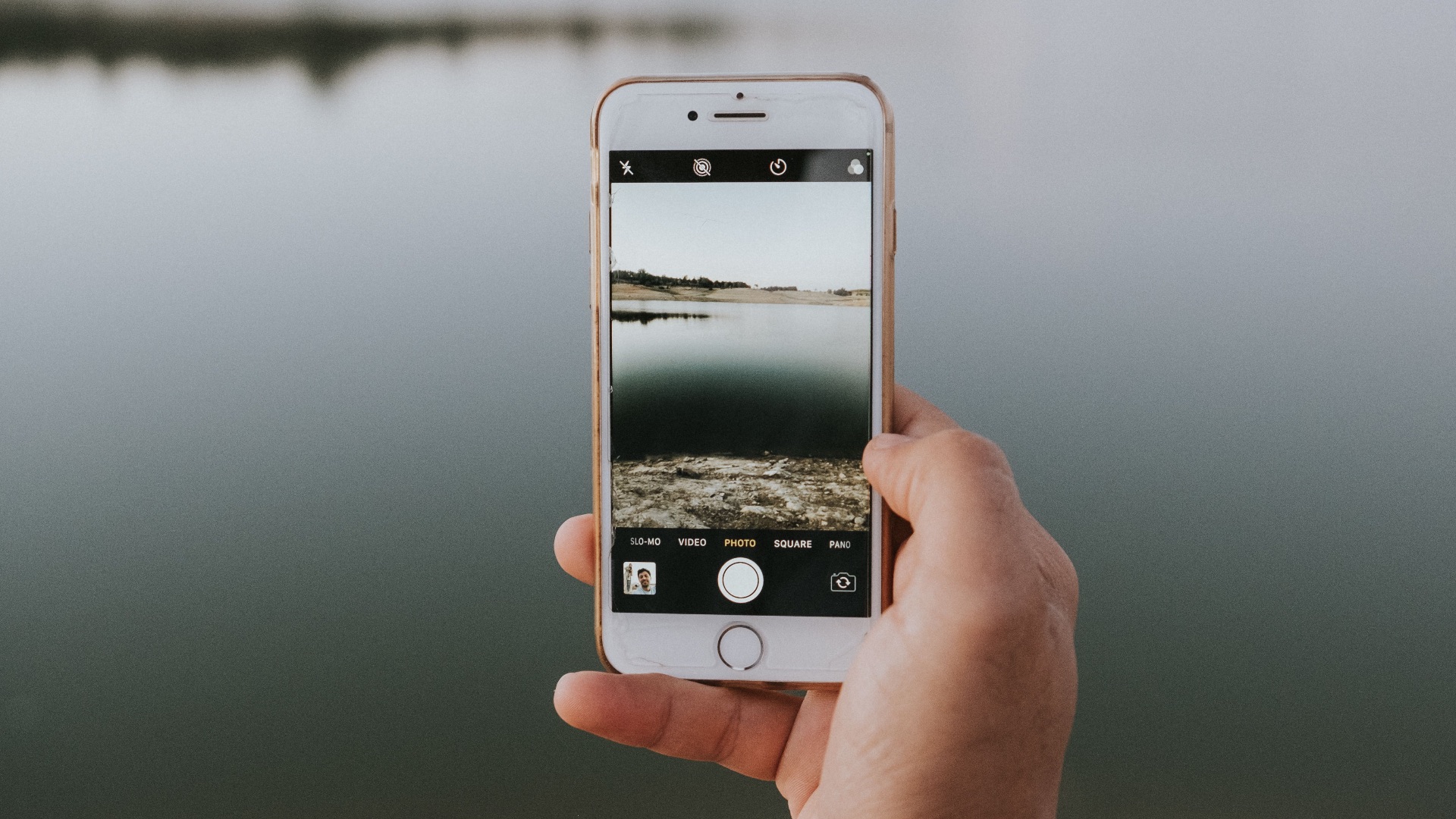
Whether you're on vacation or at a concert, your phone can make it easy to get caught up in trying to capture the perfect photo or video. Instead of fully experiencing what's happening around you, your attention shifts to framing the shot or checking how it turned out. This can make the moment feel less vivid because you're not fully engaged with it as it unfolds. Later, you may have plenty of images to look back on, but fewer clear memories of how it actually felt to be there.

3. GPS Use Weakens Your Internal Sense of Direction
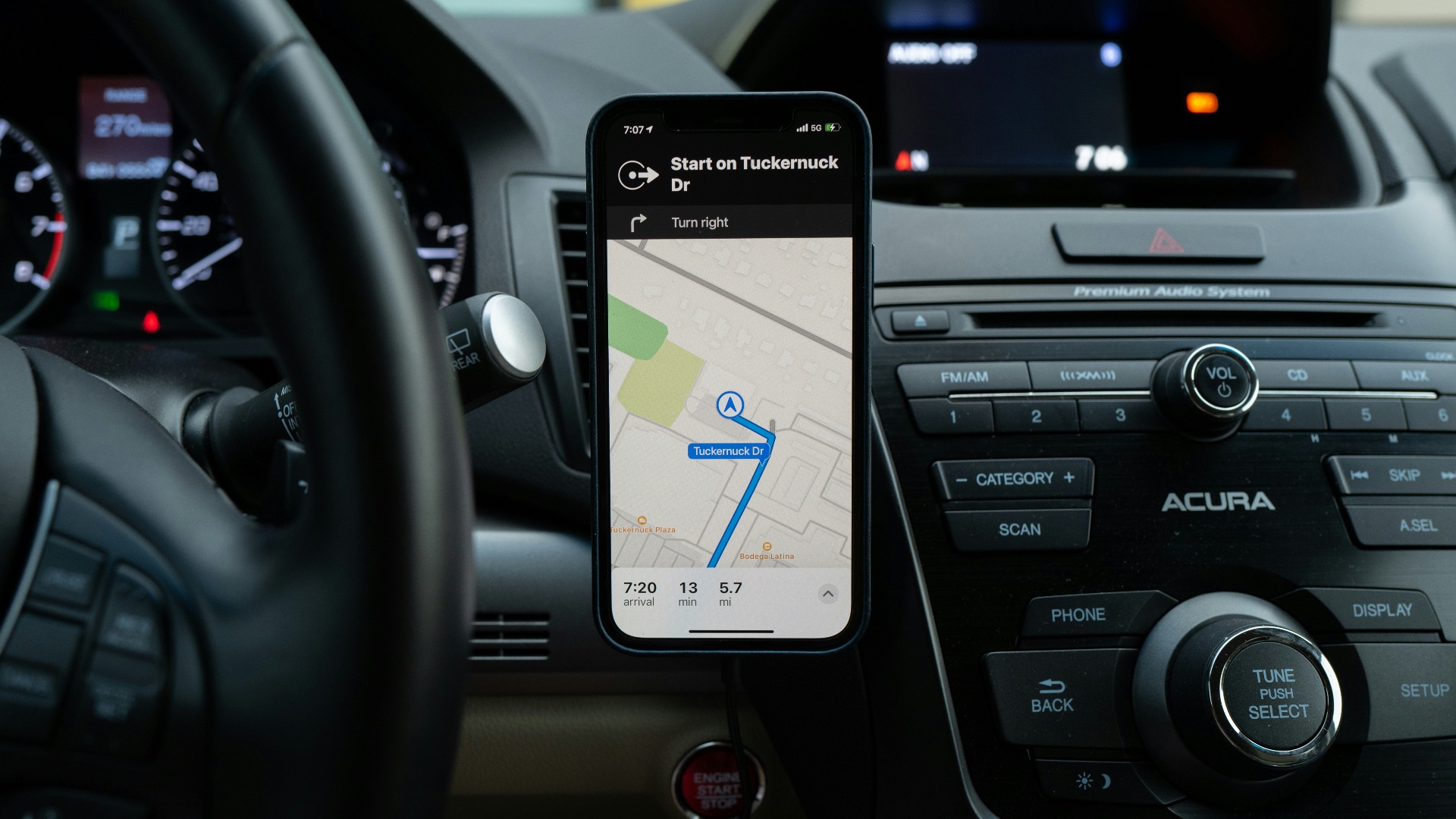
Letting your phone guide every turn might get you where you're going, but it comes at a cost to your spatial memory over time. People with greater lifetime GPS experience generally have worse spatial memory when they have to find their way without GPS assistance, and the more you rely on it, the steeper the decline. Your hippocampus, the part of your brain responsible for building mental maps, simply doesn't get the workout it used to when a voice in your pocket handles all the navigating.
4. Notifications Trigger Constant Interruptions
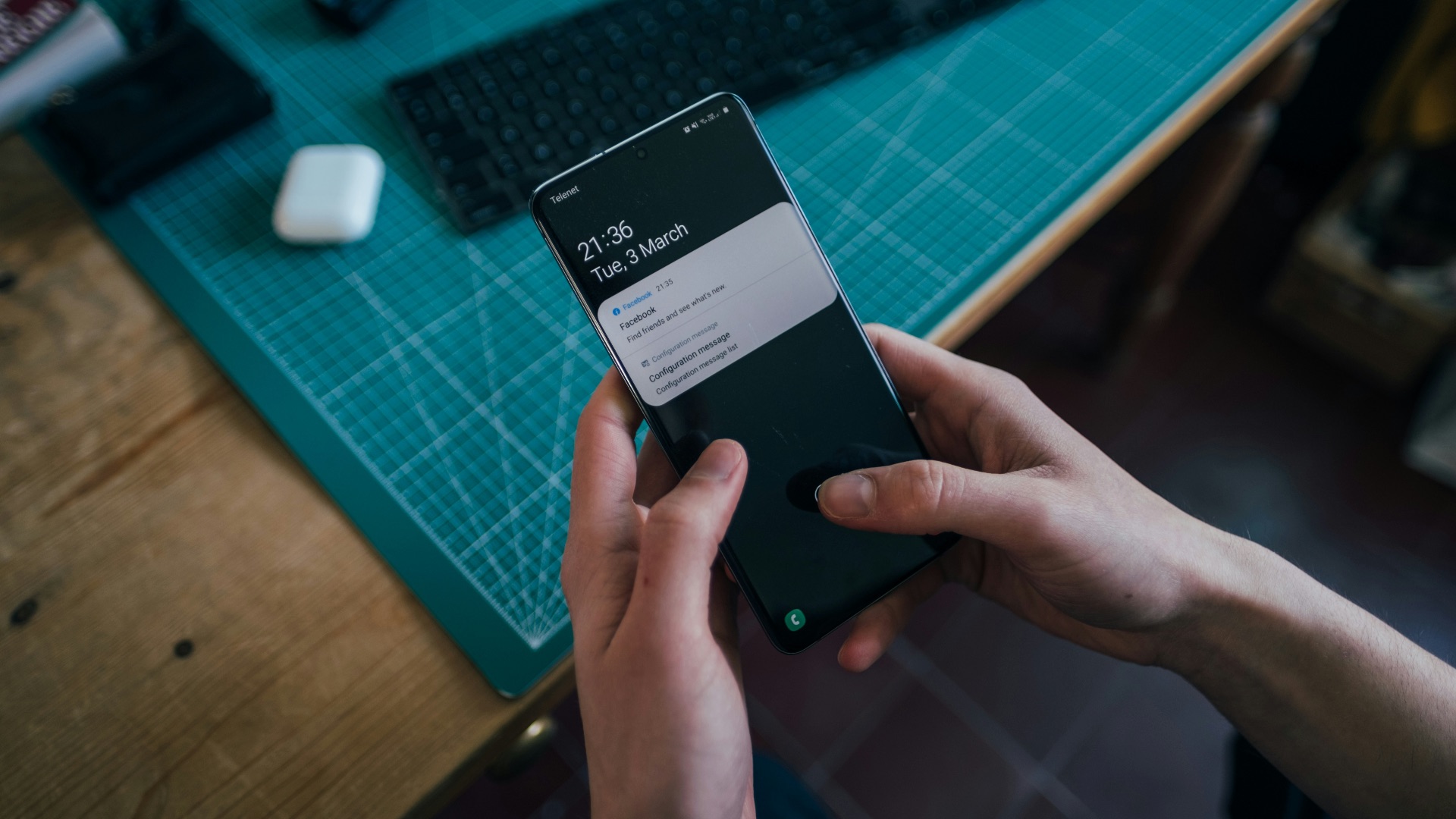
Every buzz or chime pulls your attention away from whatever you were doing, and that interruption matters more than you'd think for memory formation. Frequent interruptions from notifications impair focus on intended tasks, and each time your attention shifts, it comes with a cognitive cost since it takes time and effort to reconfigure your focus back to the original task. If your brain never gets a clean, uninterrupted window to process information, it never properly files that information away for later.
5. The Mere Presence of Your Phone Can Drain Your Focus
You don't even have to be using your phone for it to mess with your memory; just having it nearby can do the trick. Even when your phone is turned off, your brain unconsciously allocates resources toward resisting the temptation to check it, interrupting your attention on the task at hand. That split focus means less mental bandwidth is left over for actually remembering what you're working on.
6. Media Multitasking Overloads Your Working Memory
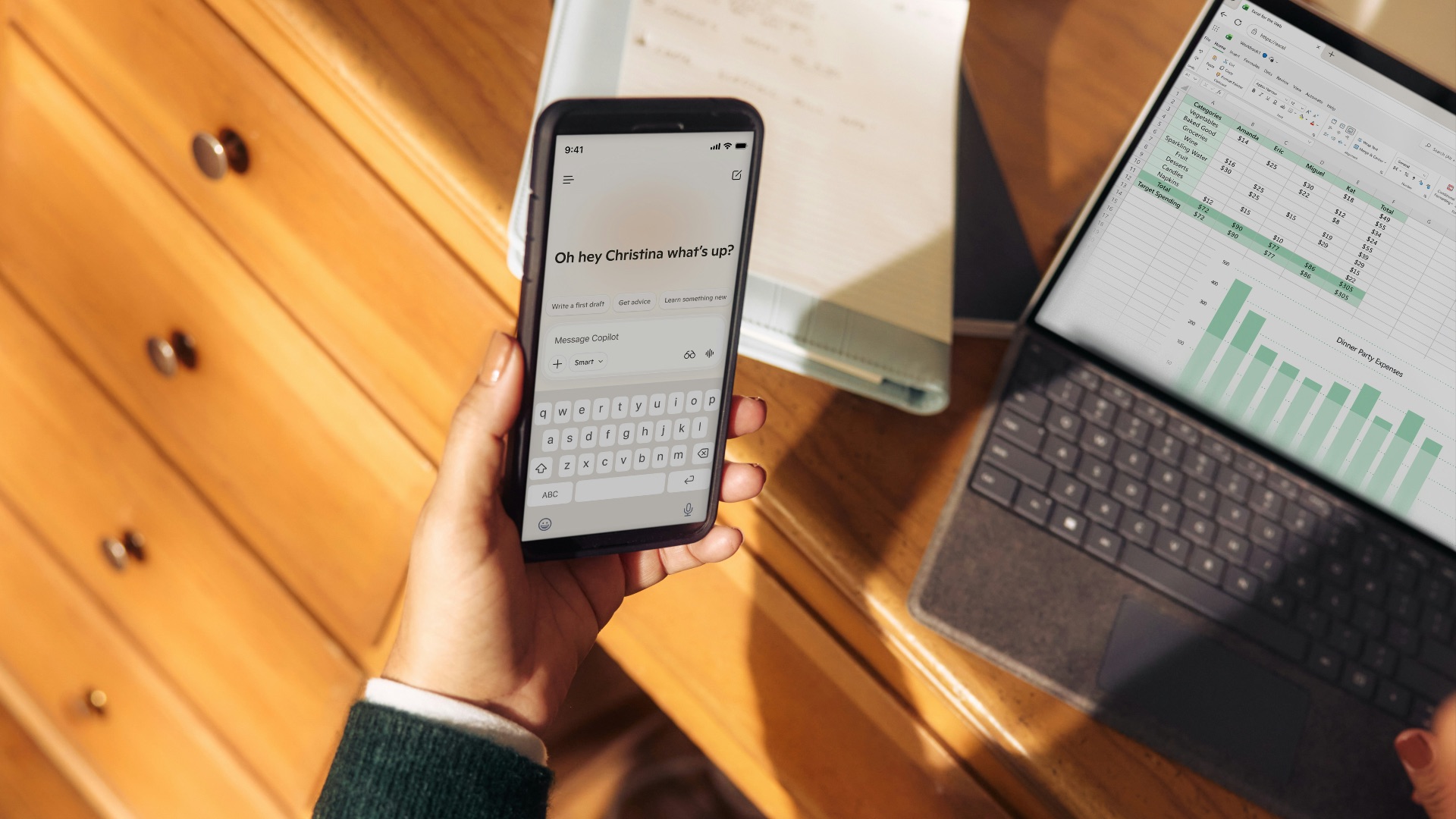
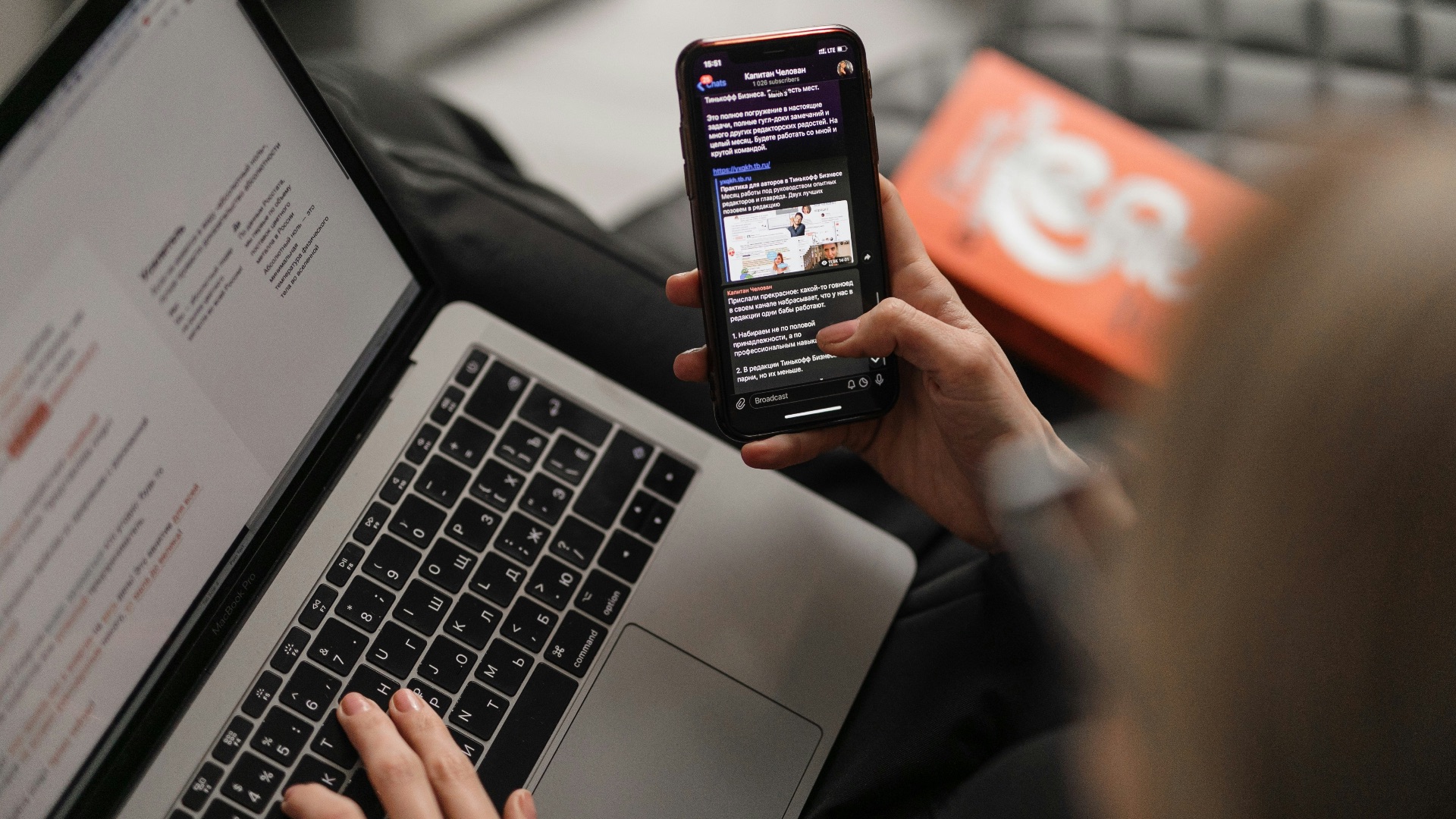
Bouncing between texting, scrolling, and whatever show is playing in the background asks your brain to juggle far more than it's built to handle at once. Cognitive overload from multitasking directly affects working memory, and overloading it with data from multiple sources causes it to fail at properly passing information along to long-term memory. Each app you switch to competes for the same limited mental space, so something inevitably gets dropped before it ever becomes a lasting memory.
7. You Stop Memorizing Things You Used to Know by Heart
There was a time when you could recite a handful of phone numbers from memory without thinking twice, but that skill has quietly faded for most people. A survey of 6,000 mobile phone users found that 71 percent couldn't remember their own children's phone numbers, and 87 percent couldn't recall their children's school numbers. It's not that your memory capacity shrank; it's that you simply stopped practicing the skill once your contacts list took over the job.

8. Constant Scrolling Shortens Your Attention Span
The endless stream of bite-sized content on your phone rewards quick hits of stimulation rather than the sustained concentration that deeper memory formation requires. The constant stream of notifications and information overload can train your brain for short bursts of attention rather than sustained focus. Without sustained attention, information tends to skim across the surface of your mind instead of settling into anything you'll actually recall later.

9. Outsourcing Information Can Make You Vulnerable to Misremembering It
When you rely entirely on your phone to store facts, you also lose the ability to notice when those facts have changed or been altered without your knowledge. Studies have found that when externally stored information was altered without participants' awareness, they often failed to notice and ended up incorporating the false information into their own memory. Trusting your phone completely means you're also trusting that whatever it shows you is accurate, and that's not always a safe bet.
10. Late-Night Scrolling Disrupts Sleep
Memory consolidation happens largely during sleep, so anything that cuts into your sleep quality also cuts into how well you retain what you learned that day. Deep sleep is when the brain engages in synaptic pruning, making room for new information by clearing out old information, and interrupted sleep prevents that pruning from happening properly. Add in research showing that increased screen time also reduces IQ significantly, and it's clear that your bedtime scrolling habit might be undoing some of the day's hard-earned learning.
Fortunately, the story doesn't end there. The same device that can chip away at your memory also happens to come loaded with tools that, when used intentionally, can sharpen your recall and lighten your mental load in ways your brain genuinely appreciates.

1. Contact Lists Protect Connections
Remembering everyone’s phone number is no longer realistic for most people, but your contact list can do more than store digits. For example, you can add notes about where you met someone, how their name is pronounced, or what you last discussed, helping make future interactions smoother. When you treat contacts as memory aids, they become more useful than a basic address book.
2. Voice Memo and Note Apps Free Up Mental Space
You don't have to mentally rehearse a grocery list or a half-formed idea all day once you've gotten it out of your head and into your phone. Writing things down allows you to transfer thoughts from your limited working memory onto an external storage system, giving your brain permission to stop holding onto that information because it's been stored somewhere safe. That mental decluttering leaves more room for the kind of active thinking and problem-solving your brain is actually built for.

3. Reminder Apps Catch the Small Stuff
Recurring reminders for medication, appointments, or simple habits act like a second brain that never gets distracted or tired. Reminder apps free you from the mental load of remembering every small touchpoint, and you can use them to support fragmented working memory for things like taking medications, eating lunch, or maintaining relationships. Instead of holding a dozen tiny obligations in your head all day, you let the app carry that weight while you focus on the task in front of you.

4. Brain-Training Apps Can Sharpen Cognitive Skills
While not every brain-training app lives up to its marketing, some have real evidence behind them. Some older adults who use brain-training apps have shown significant improvements in cholinergic function, a brain chemical system tied to attention, memory, and decision-making, that restored function to levels typically seen in someone 10 years younger. Not every app delivers miracles, of course, but the right one used consistently can produce measurable gains in the specific skills it targets.

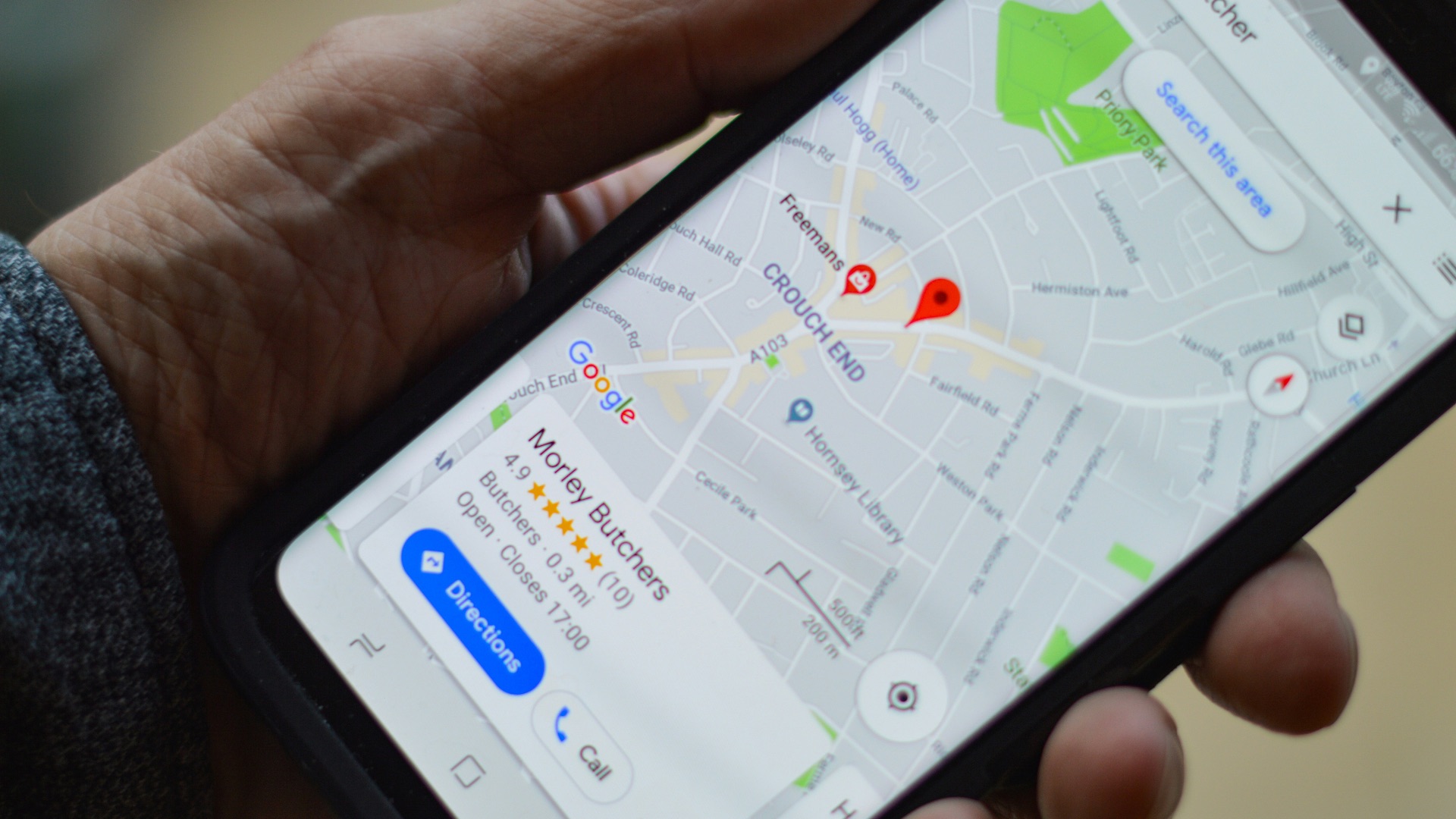
5. Maps Can Save Places You Want To Revisit
Your phone can help you remember restaurants, stores, parks, hotels, and other locations that might otherwise blend together, becoming muddied in your half-formed memories. Saving places in a map app, for one, gives you a personal record of where you’ve been and where you want to go next. Adding labels or notes also makes those saved spots easier to understand when you return to them months later.
6. To-Do List Apps Reduce Mental Clutter
A cluttered mind has a harder time absorbing new information, and offloading your tasks onto a list app clears some of that clutter away. Writing to-do lists helps reduce cognitive clutter, the mental noise that makes it hard to focus, and frees up more working memory so you can actually concentrate on what matters. With fewer loose ends rattling around in your head, you have more bandwidth left over to notice and retain what's actually happening in front of you.
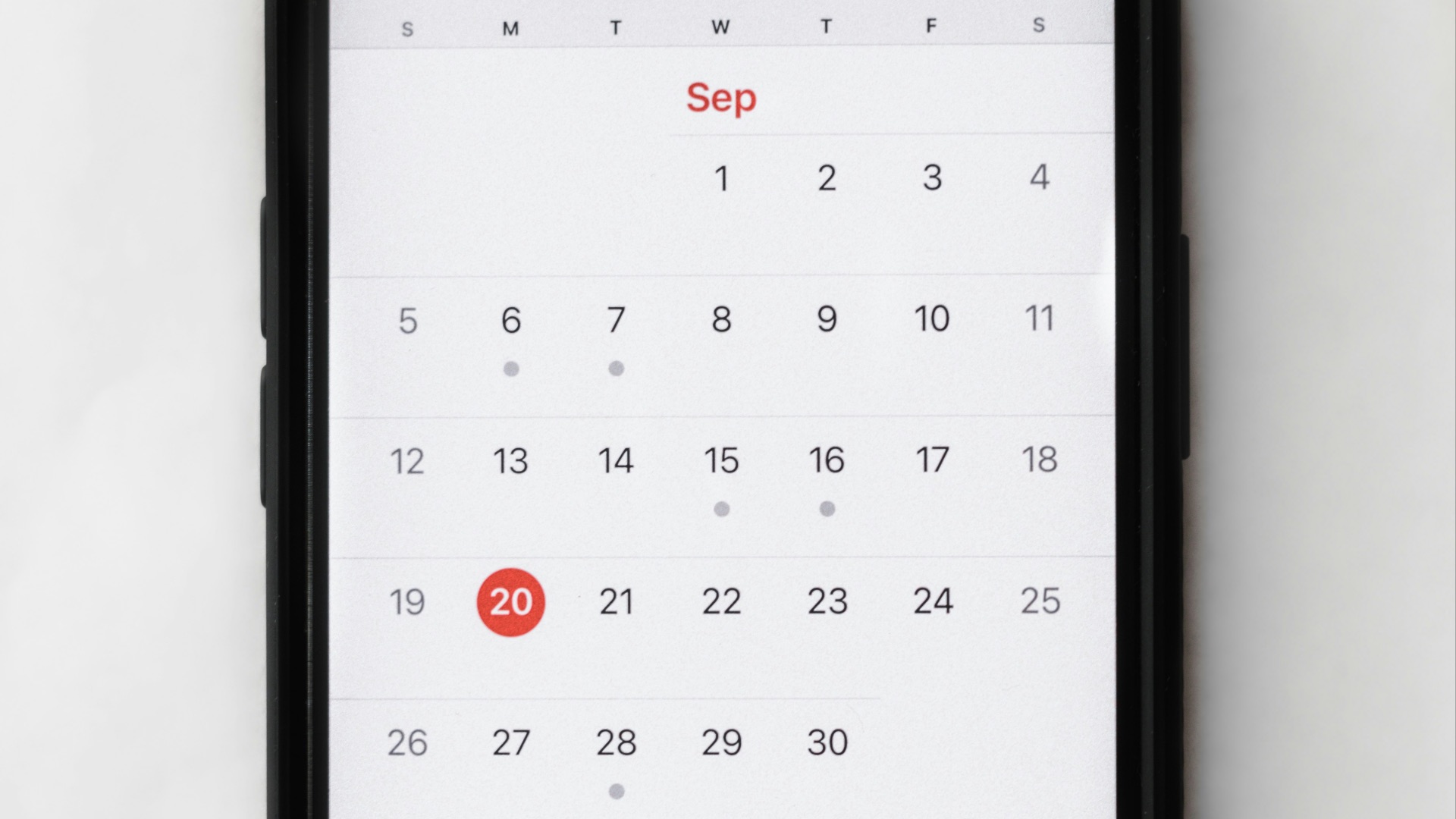
7. Calendar Apps Help You Keep Track of Dates
Constantly running through your schedule to make sure you haven't forgotten anything takes up mental energy that could be used elsewhere. A synced calendar app handles the rehearsal for you, alerting you ahead of each commitment instead of asking your brain to track it on a loop. That shift moves the burden of remembering when something happens onto the device, while you stay free to actually focus on what the appointment requires once you get there.
8. Language Apps Allow You to Better Absorb Vocabulary
Apps such as Duolingo build their entire structure around spacing and repetition rather than one-time exposure. Spaced practice enhances memory, problem-solving, and the transfer of learning to new contexts far more effectively than massed or grouped practice, and these apps automate that spacing so you don't have to plan it yourself. You end up absorbing vocabulary the way memory researchers recommend, even if you never thought about the science behind the app you're swiping through.
9. Sleep Tracking Apps Help Protect the Rest Your Brain Needs
Since memory consolidation depends heavily on quality sleep, apps that monitor and nudge your sleep habits indirectly support your recall the next day. Many of these apps track your sleep stages and flag patterns of disruption, giving you the information you need to adjust your habits before poor sleep starts eating into your memory. Catching a sleep problem early, with the help of data your phone collects automatically, means you can fix it before it compounds into the kind of memory fog that's much harder to reverse.

10. Photos Can Preserve Details You’d Otherwise Forget
Although taking too many photos can distract you, using your camera intentionally can support your memory. Whether it's a photo of a parking spot, recipe, menu, or map, snapping a quick picture can save you from struggling to recall exact details later. The key is taking practical photos that serve a purpose, not photographing everything automatically.