

Video game technology continues to evolve at a remarkable pace, with developers constantly searching for new ways to make gameplay more immersive and interactive. Graphics, artificial intelligence, and virtual reality often dominate discussions about the future of gaming, but voice recognition technology is becoming increasingly important as well. What was once considered a novelty feature is gradually developing into a tool that can influence how players interact with games and digital worlds. As gaming hardware becomes more powerful, developers have greater opportunities to integrate these features into everyday gameplay.
Modern voice recognition systems are far more sophisticated than their early predecessors. Improvements in speech processing, machine learning, and cloud computing have made it possible for games to understand commands with greater speed and accuracy. As next-generation gaming continues to advance, voice recognition has the potential to transform everything from gameplay mechanics to social interaction and accessibility. The technology is steadily moving closer to the seamless experiences that science fiction once imagined.
Voice commands are creating more natural gameplay
Early attempts at voice-controlled gaming often felt limited because systems struggled to understand players consistently. Commands had to be spoken in specific ways, and errors were common enough to disrupt the experience. While these features attracted attention, they rarely became central parts of gameplay. Many players viewed them as interesting experiments rather than practical gaming tools. Technical limitations often prevented these systems from reaching their full potential.
Today's voice recognition technology is significantly more capable. Modern systems can process natural speech patterns and recognize a wider range of commands without requiring exact phrasing. This allows developers to create interactions that feel more intuitive and less dependent on traditional button inputs. Players can communicate with games in ways that more closely resemble real conversations. These improvements make voice features more appealing to mainstream audiences.
Voice commands can also enhance immersion in certain genres. Strategy games, military simulations, and role-playing titles may benefit from allowing players to issue spoken orders directly to characters or teammates. Instead of navigating menus, a player could simply speak a command and see an immediate response. This creates a stronger sense of participation within the game world. In some situations, voice interaction can feel faster and more natural than using a controller.
Enhanced Social Features And AI Interactions
Multiplayer gaming has become one of the largest segments of the industry, making communication more important than ever. Voice recognition can help streamline interactions by converting spoken instructions into in-game actions or assisting with team coordination. These systems may reduce the need for complex menu navigation during fast-paced matches. As a result, communication can become quicker and more efficient. Teams may benefit from smoother coordination during competitive gameplay.
Artificial intelligence is another area where voice recognition may have a major impact. Non-player characters are becoming increasingly sophisticated, and future games may allow players to engage in spoken conversations rather than selecting dialogue options from a list. This could make interactions feel more dynamic and responsive. Players may enjoy greater freedom in how they approach conversations and story-driven content. Such changes could significantly expand the possibilities for interactive storytelling.
Advances in AI-driven speech processing could also lead to more personalized experiences. Characters might recognize a player's preferred communication style, respond differently to various tones of voice, or adapt conversations based on previous interactions. Such features could make virtual worlds feel more reactive and believable. The combination of voice recognition and advanced AI has the potential to reshape narrative design.
Accessibility And Future Possibilities
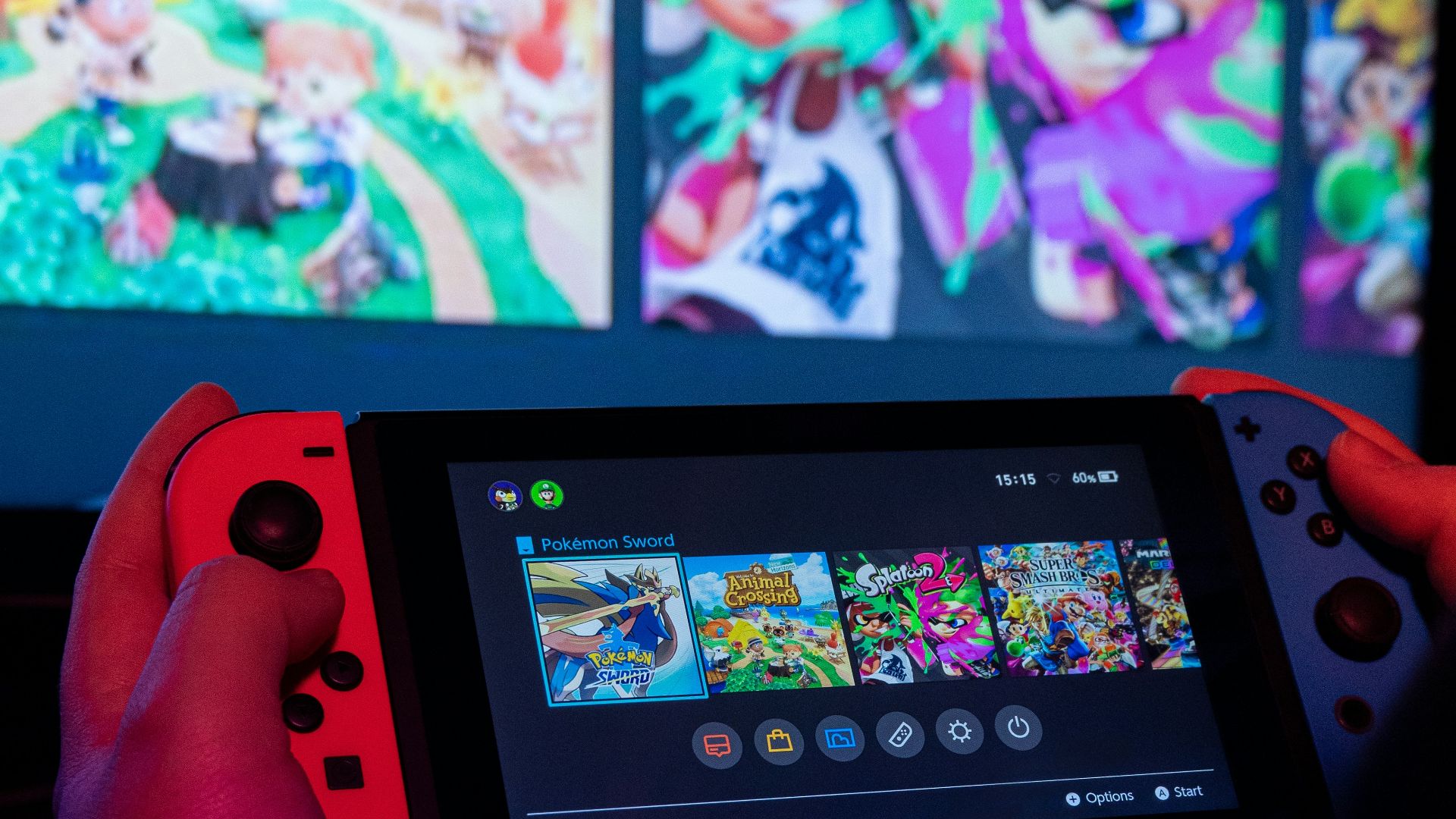
One of the most significant benefits of voice recognition technology is its potential to improve accessibility. Some players face physical challenges that make traditional controllers difficult to use for extended periods. Voice commands can provide alternative ways to interact with games and access important features. This can help make gaming more inclusive for a broader audience.
Developers are also exploring ways to combine voice recognition with emerging technologies such as virtual reality and augmented reality. In immersive environments, speaking commands often feels more natural than pausing to navigate menus. Voice interaction can help maintain immersion while allowing players to perform actions quickly. This creates opportunities for more seamless and engaging gameplay experiences.
The technology still faces challenges, including background noise, language variations, and privacy concerns. However, ongoing improvements continue to address many of these issues. As hardware and software become more advanced, voice recognition is likely to become increasingly reliable and widespread. Future gaming experiences may incorporate spoken interaction as naturally as modern games use controllers today.
While traditional controllers aren't likely to disappear anytime soon, voice recognition is becoming an increasingly valuable addition to the gaming experience. Improved speech processing, stronger AI integration, and enhanced accessibility features are helping transform voice technology from a novelty into a practical tool. As next-generation gaming continues to evolve, voice recognition may play a key role in creating more immersive, responsive, and inclusive virtual worlds for players around the globe.