10 Reasons Nintendo DS Was the Greatest Handheld Console Ever & 10 Ways the Switch Surpassed It
10 Reasons Nintendo DS Was the Greatest Handheld Console Ever & 10 Ways the Switch Surpassed It
The Great Console Debate
Nintendo has always understood handheld gaming better than almost anyone, from the original Game Boy to the Game Boy Advance and many others, but the Nintendo DS and Nintendo Switch in particular represent two very different peaks of that talent. The DS at the time of its release felt like a monumental device, introduced at a time when touch screens still felt new and exciting; if you were a proud owner of one, you probably still keep yours somewhere. The Switch, meanwhile, took the idea of handheld play and expanded it into something even bigger, making the experience more varied and immersive. Let's take a look at them side by side to see why the DS still deserves its place in history, and how the Switch managed to push Nintendo’s portable legacy even further.
 DreCube at Dutch Wikipedia on Wikimedia
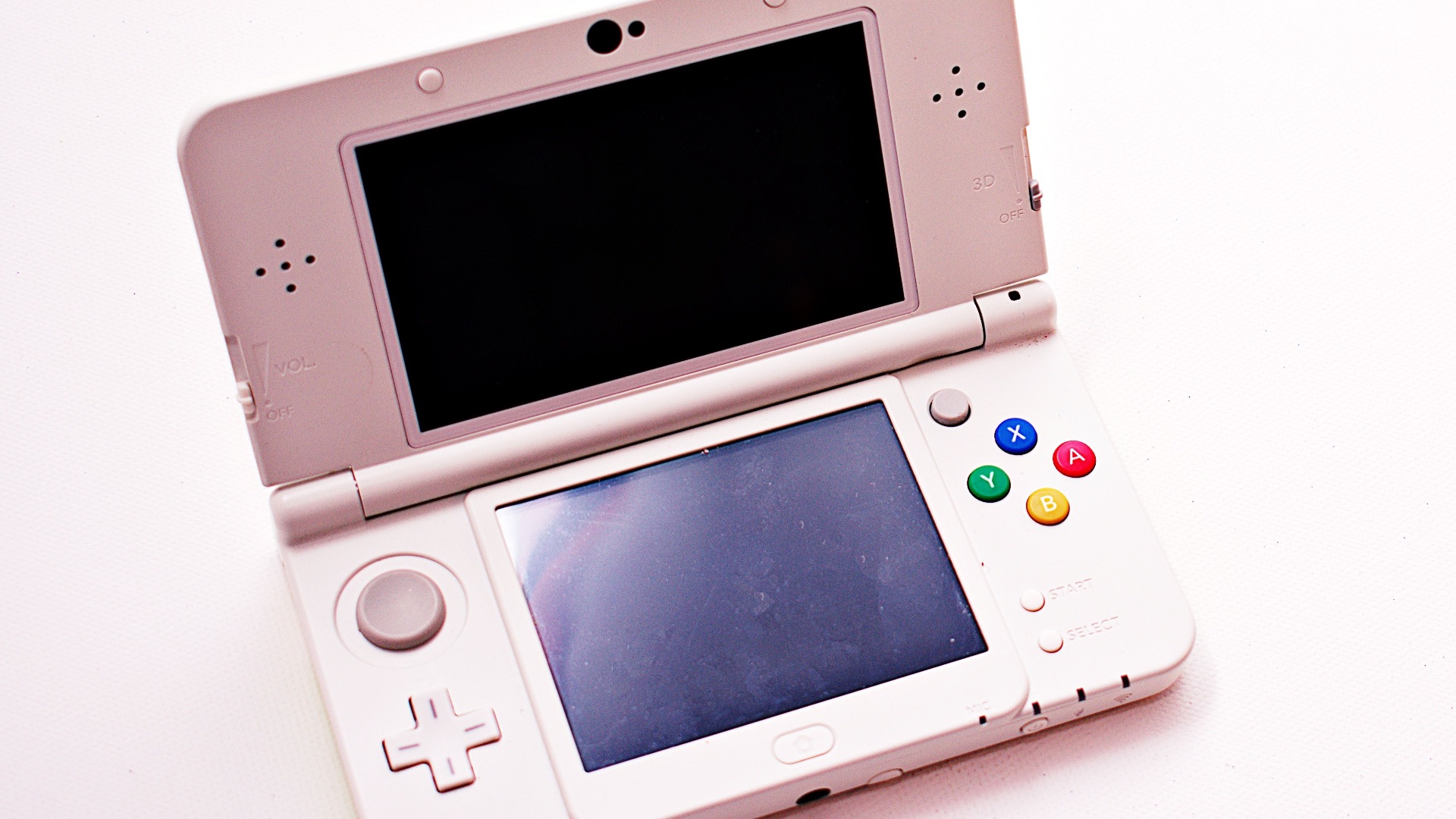
1. It Made the Second Screen Feel Essential
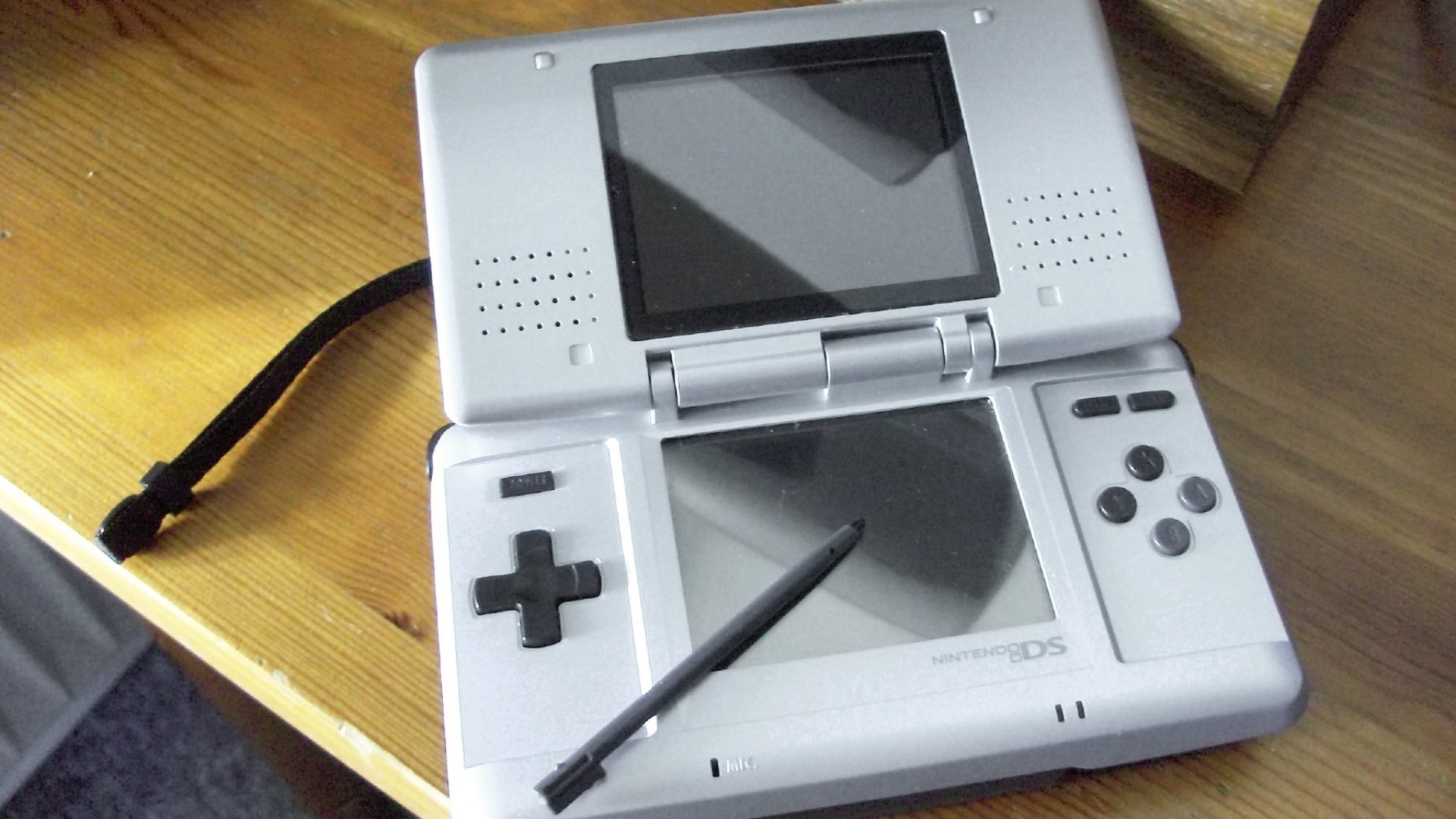
The Nintendo DS didn’t add a second screen just to look different; it built whole styles of play around it. Having maps, menus, inventories, puzzles, and touch controls on a separate display made games feel faster and more interactive. You could glance down, tap something, and stay connected to the action without constantly pausing. That design gave the handheld a personality that still feels distinct today.
2. The Touch Screen Changed Who Could Play Games
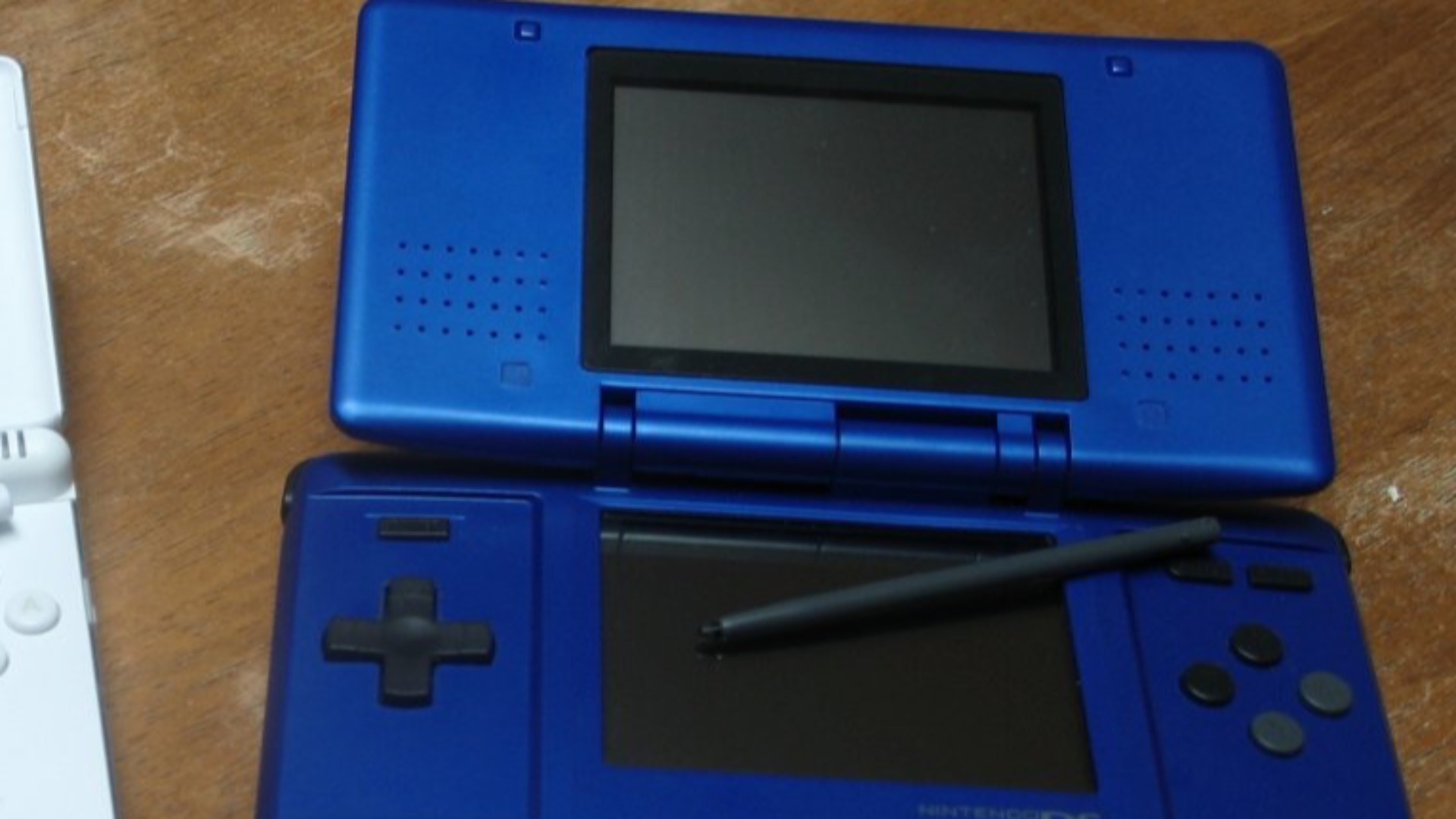
Before smartphones made touch controls normal, the DS helped millions of players understand how direct and approachable touch-based gaming could be. You didn’t need to memorize complex button combinations to enjoy games like Nintendogs, Brain Age, or Cooking Mama. The stylus made the system feel welcoming to people who didn’t always think of themselves as traditional gamers. That broader appeal was one of the biggest reasons the DS became such a cultural force.
 Kitty the Random at English Wikipedia on Wikimedia
3. Its Game Catalog Had Incredible Variety
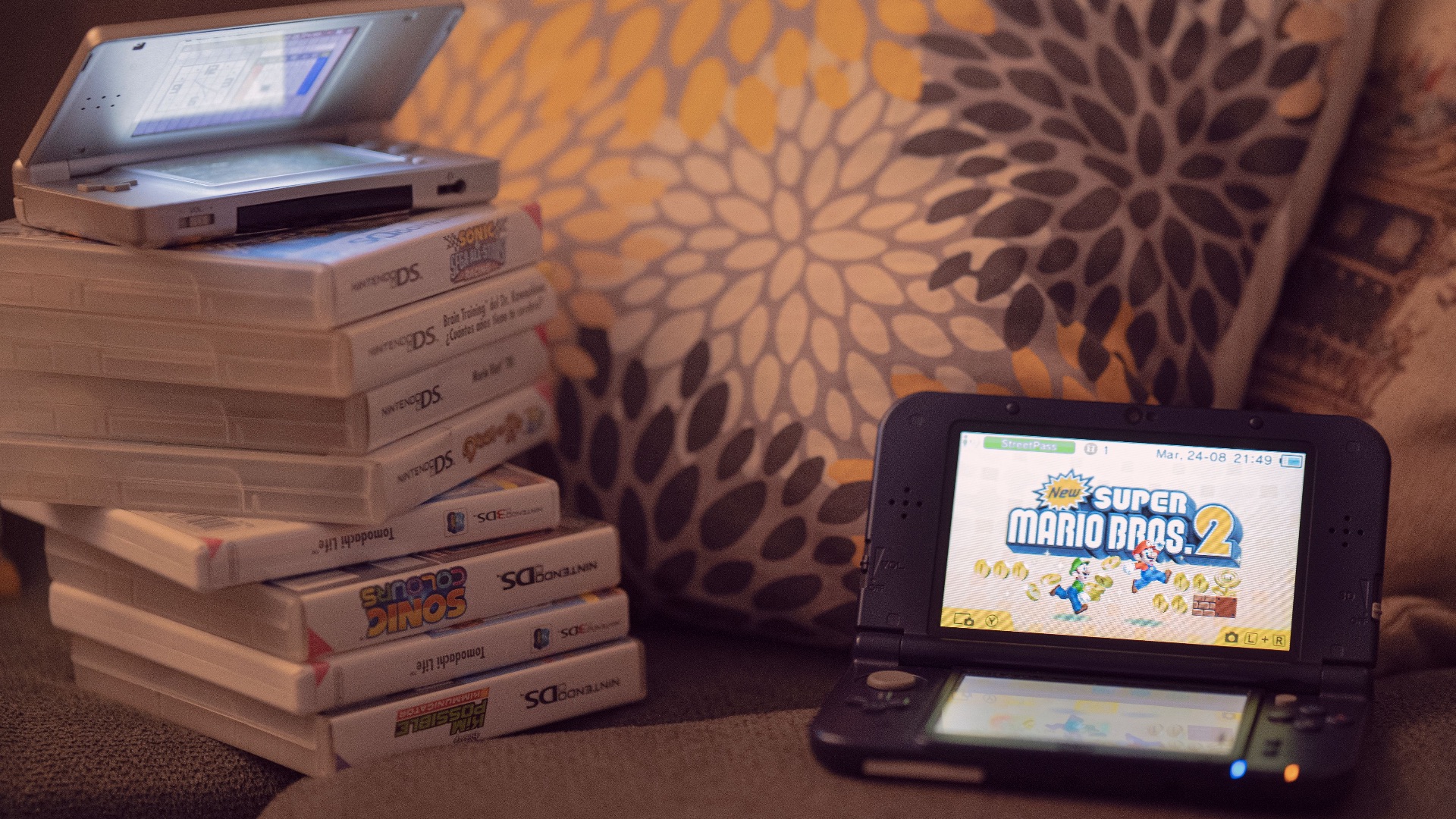
The DS had one of Nintendo’s most varied software catalogs, with major entries in franchises like Mario Kart, Pokémon, Zelda, Animal Crossing, and Kirby. At the same time, it became home to unusual hits, experimental puzzle games, visual novels, pet simulations, cooking software, and brain-training titles. You could be a competitive player, a casual player, or someone who only wanted a few minutes of relaxation, and the DS still had something for you. Few handhelds have ever served that many kinds of players so well.
4. It Made Local Multiplayer Simple and Fun
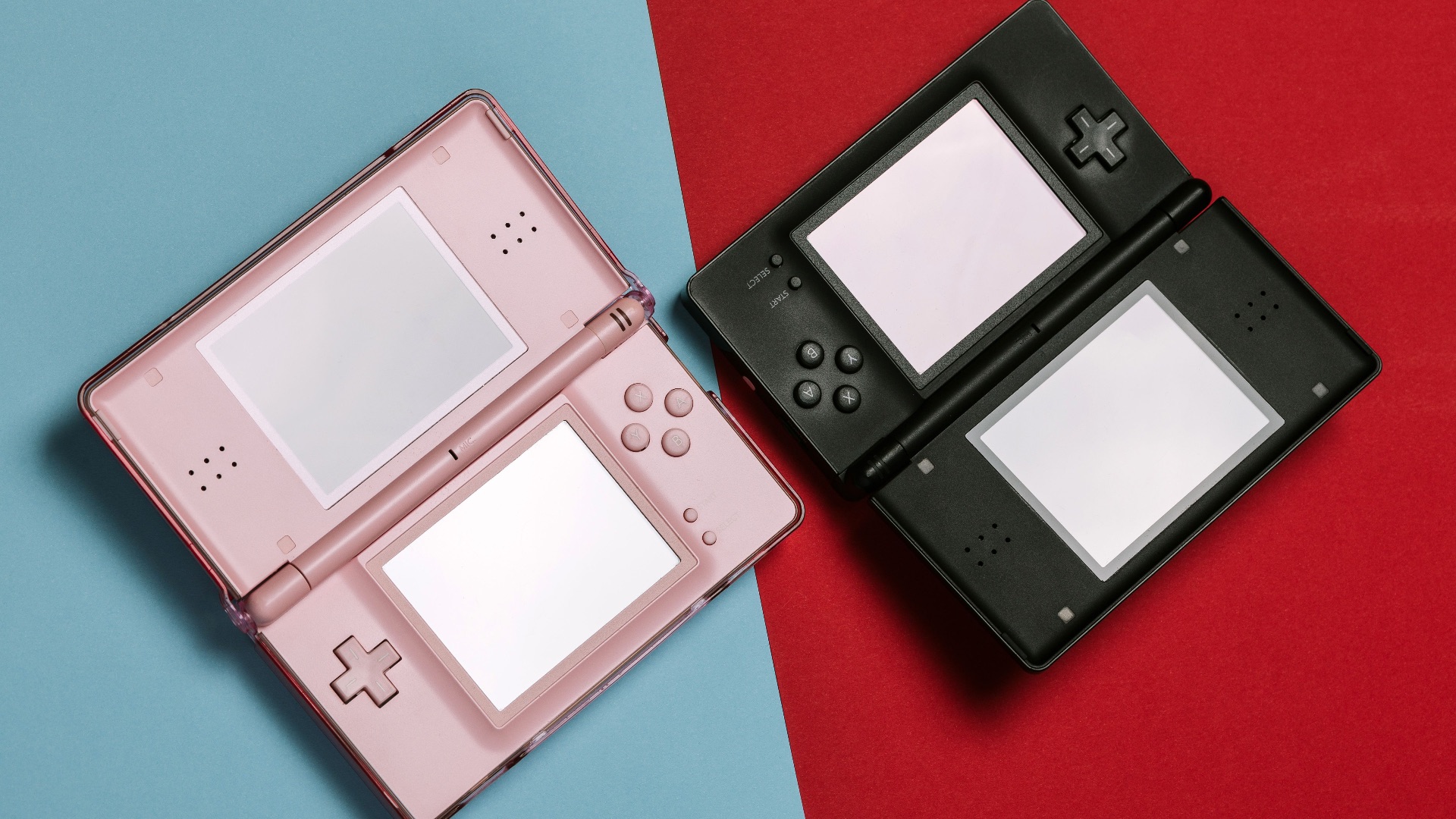
The DS understood that handheld gaming didn’t have to be a solitary experience. Local wireless play made it easy to connect with friends in the same room, and many games supported quick multiplayer sessions without much setup. Some titles even used Download Play, which let multiple people join in when only one player owned the game. That made the DS a social device in a way that felt natural and effortless.
5. Backward Compatibility Gave It Extra Value
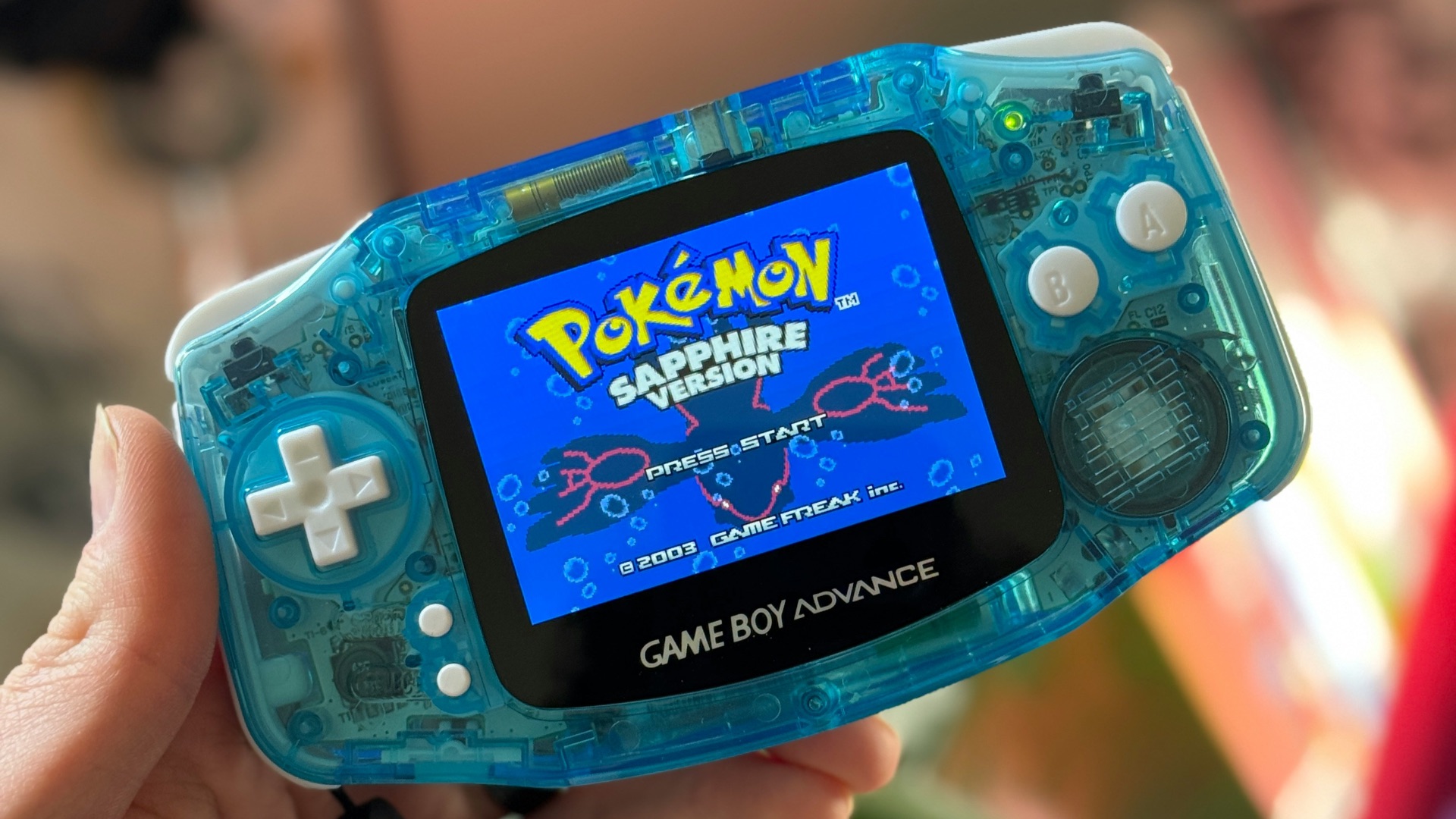
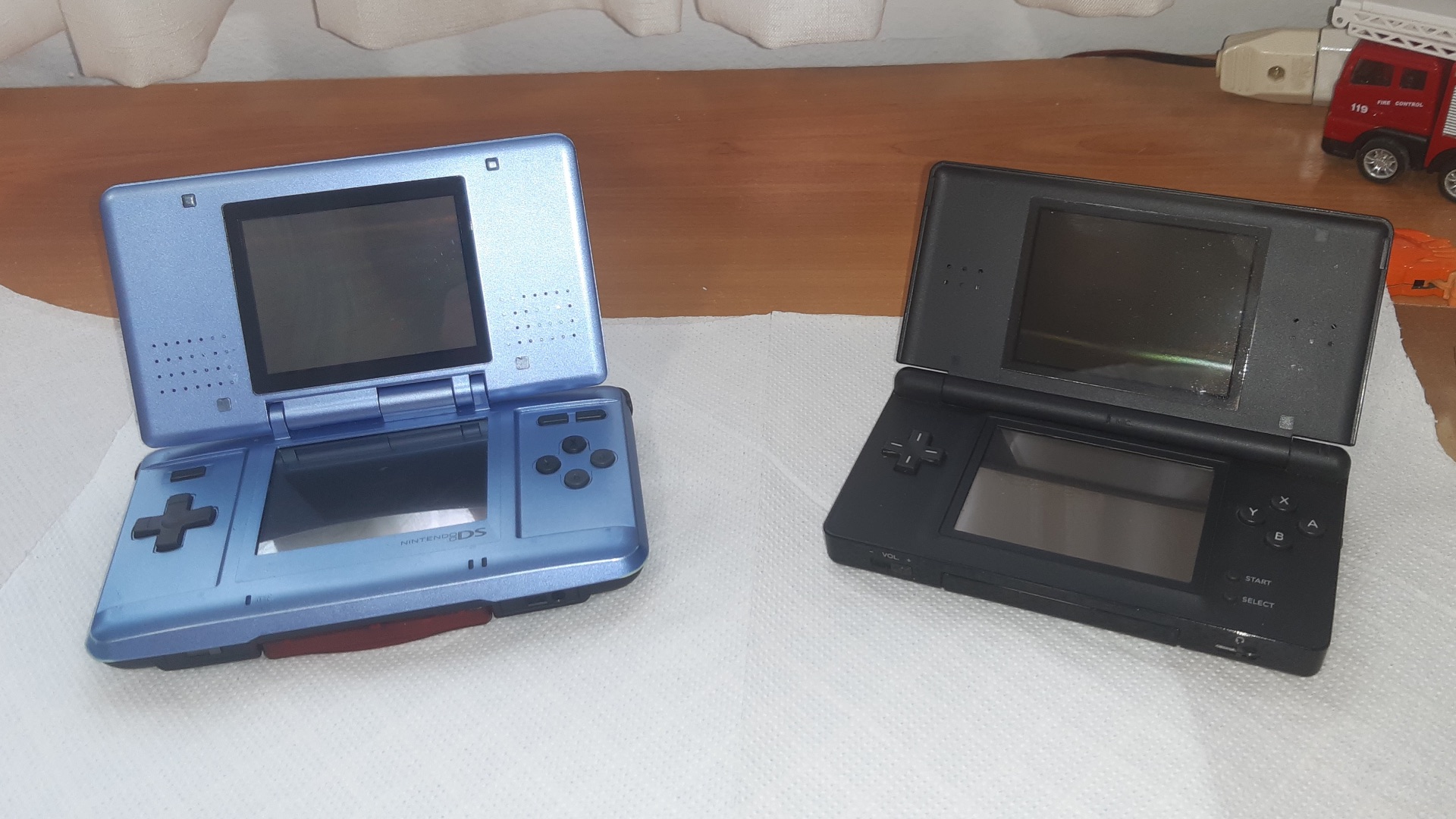
The original DS and DS Lite could play Game Boy Advance games, which instantly made the system more useful to longtime Nintendo fans. You didn’t have to abandon your older collection the moment you bought the new handheld. That mattered because the Game Boy Advance already had a strong catalog of its own. With one device, players could enjoy both a new generation of DS games and many older favorites.
6. It Was Durable Enough for Everyday Life
Part of the DS’s greatness came from how practical it was. The clamshell design protected the screens when you tossed it into a backpack, carried it around the house, or brought it on a trip. It felt like a device made for real use rather than careful display. That durability helped it become a constant companion for kids, teens, and adults alike.
7. It Turned Small Ideas Into Major Hits
The DS gave developers room to make games that didn’t need huge budgets or cinematic presentation to stand out. A clever control idea, a smart puzzle format, or a charming daily routine could become the whole reason to buy a game. That’s why titles like Phoenix Wright: Ace Attorney, Elite Beat Agents, and The World Ends with You still have passionate fans. The handheld rewarded creativity in a way that made its catalog feel unusually personal.

8. It Was Affordable Enough to Reach a Huge Audience
The DS hit a sweet spot by offering fresh technology without feeling out of reach for many families. Its price, long battery life, and sturdy design made it easy to recommend as a first gaming system. Parents could see the value, while players could see the fun right away. That balance helped the DS become one of the best-selling game systems ever.
9. It Made Portable Gaming Feel Personal
The DS often felt like it belonged specifically to the person holding it. You tapped the screen, wrote with the stylus, trained a virtual dog, checked in on your town, or solved puzzles at your own pace. Many games were built around daily routines and small interactions, which made returning to them feel comfortable. That personal quality is a big reason so many players still feel attached to the system.
10. It Proved Handheld Games Could Be Bold
The DS didn’t treat portable gaming as a smaller version of console gaming. It embraced the fact that handheld systems could have their own ideas, controls, habits, and audience. Nintendo took a real risk with the dual-screen and touch-screen setup, and players responded in huge numbers. The result was a handheld that didn’t just succeed commercially, but expanded what people expected from portable games.
And yet, while the DS remains one of Nintendo’s most important and beloved systems, the Switch has made a significant impression, too. Let's take a look at how it might have even surpassed the DS:
1. It Let Players Move Between Handheld and TV Play
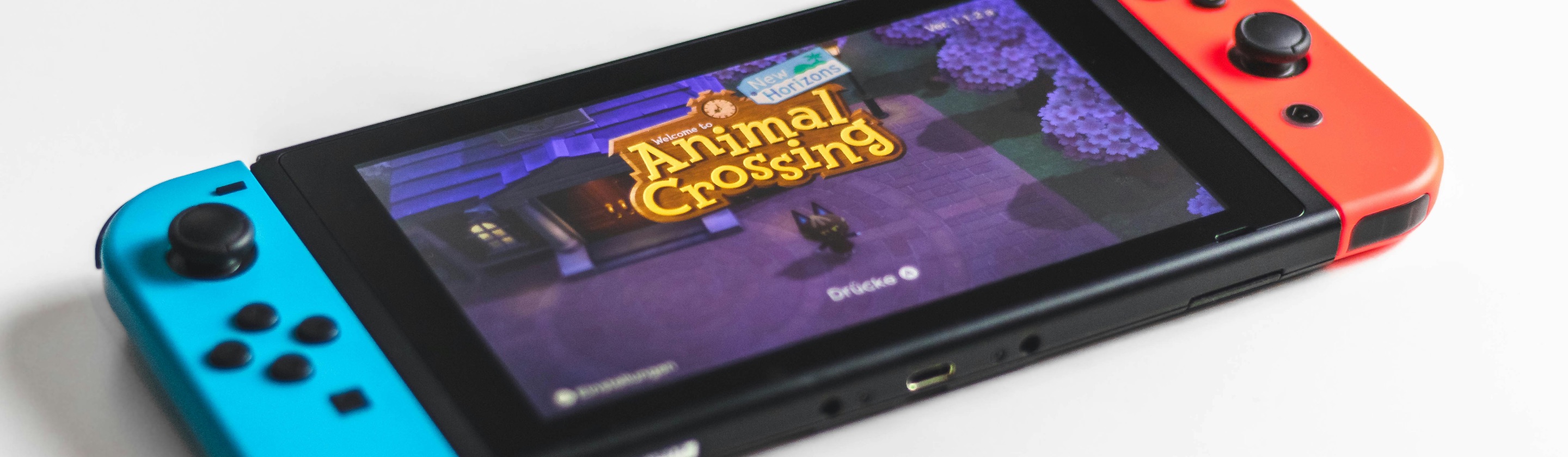
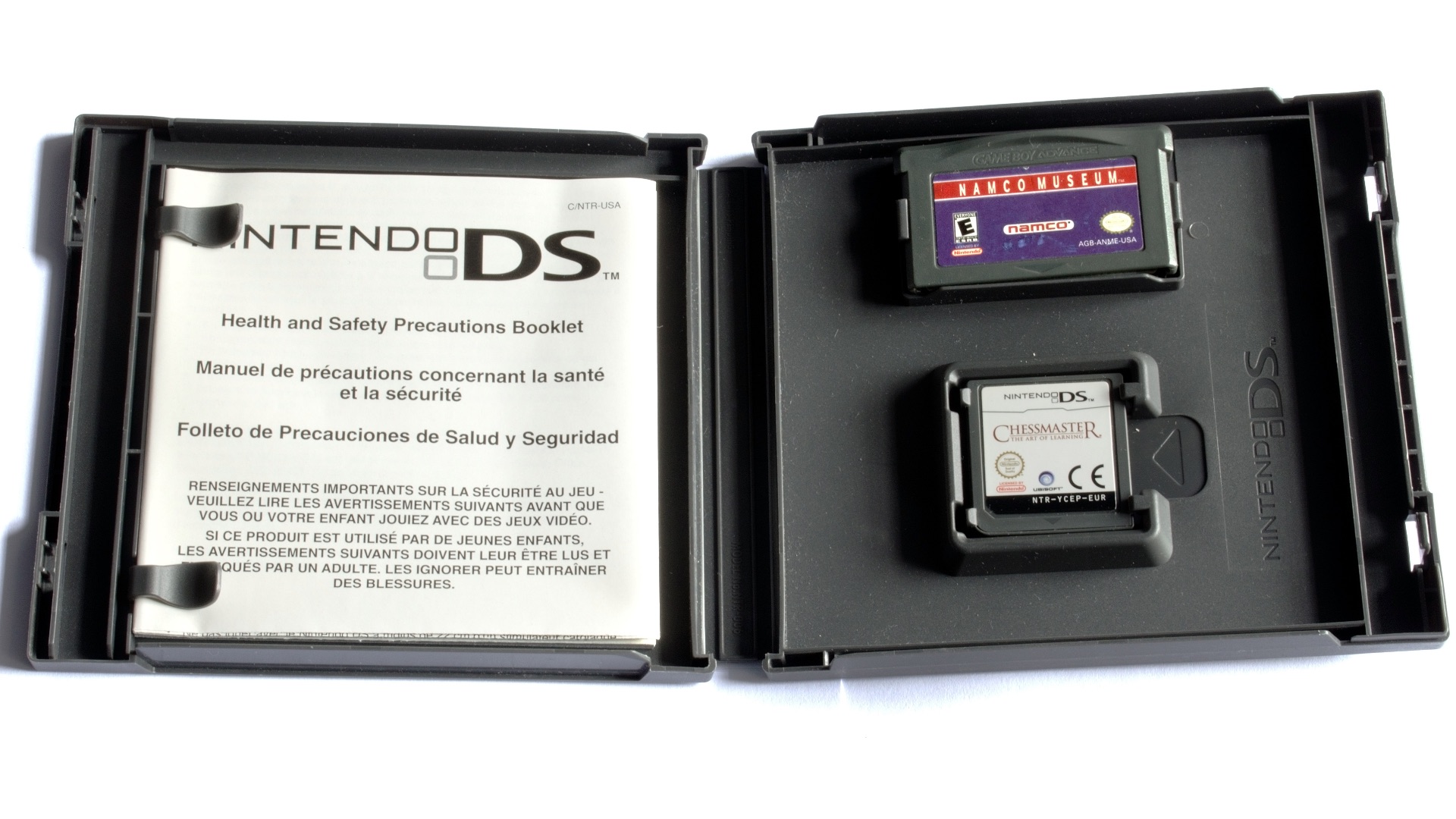
The Switch’s biggest advantage is right in its name: you can play it as a handheld, set it on a table, or connect it to a TV. That flexibility made it feel less limited than earlier portable systems. You could start a game on the couch, continue it during travel, and finish it on a bigger screen. The DS was brilliant as a handheld, but the Switch gave players more ways to use one device.
2. It Brought Console-Scale Games Anywhere
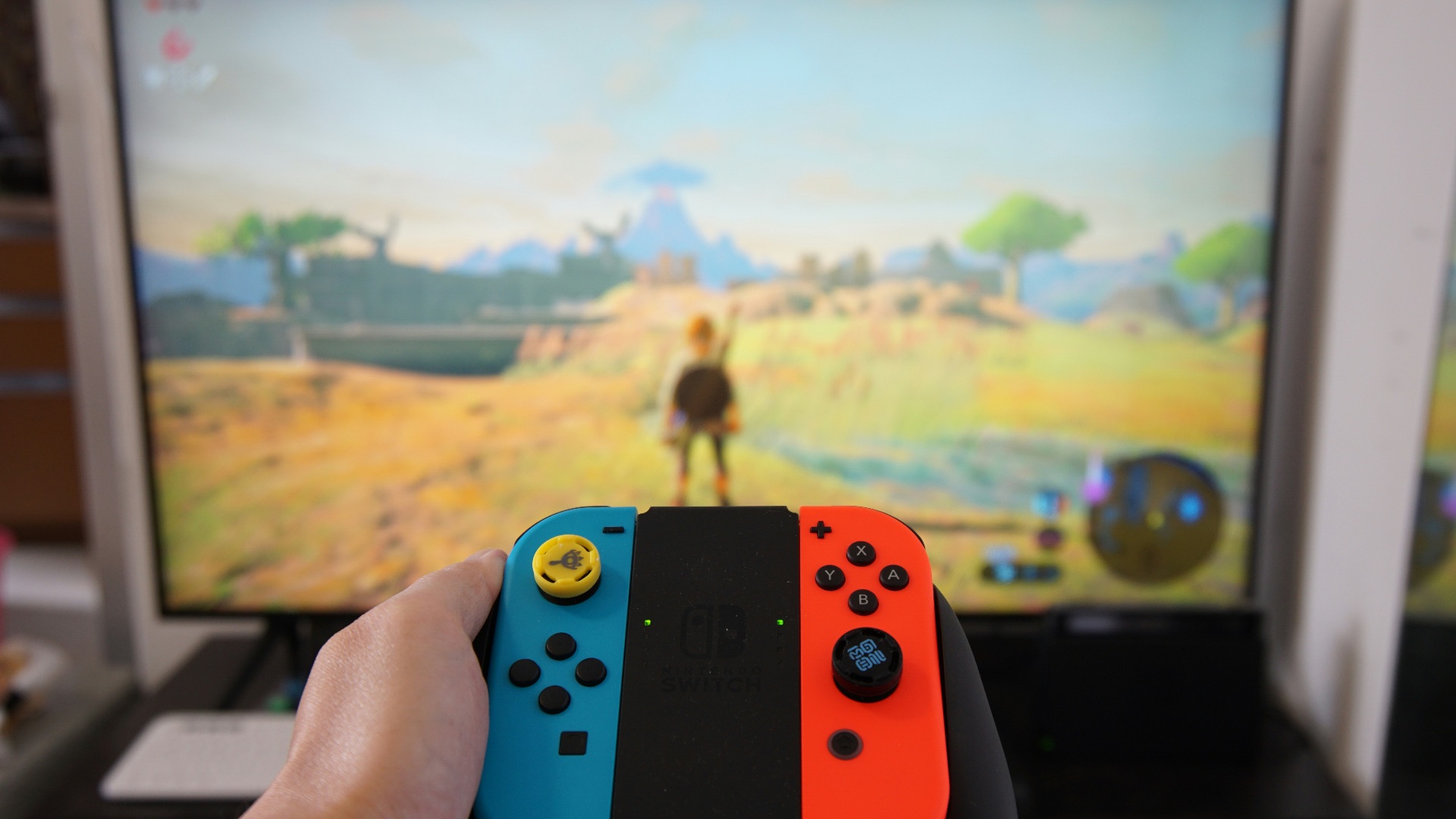
The DS had many excellent games, but the Switch raised expectations for what portable play could look like. Games like The Legend of Zelda: Breath of the Wild, Super Mario Odyssey, Animal Crossing: New Horizons, and Super Smash Bros. Ultimate delivered experiences that felt at home on a television and still worked on the go. That made the Switch feel like a full Nintendo console you could carry. It didn’t ask players to choose between convenience and scale as often as older handhelds did.
3. Its Screen Made Games Feel More Modern
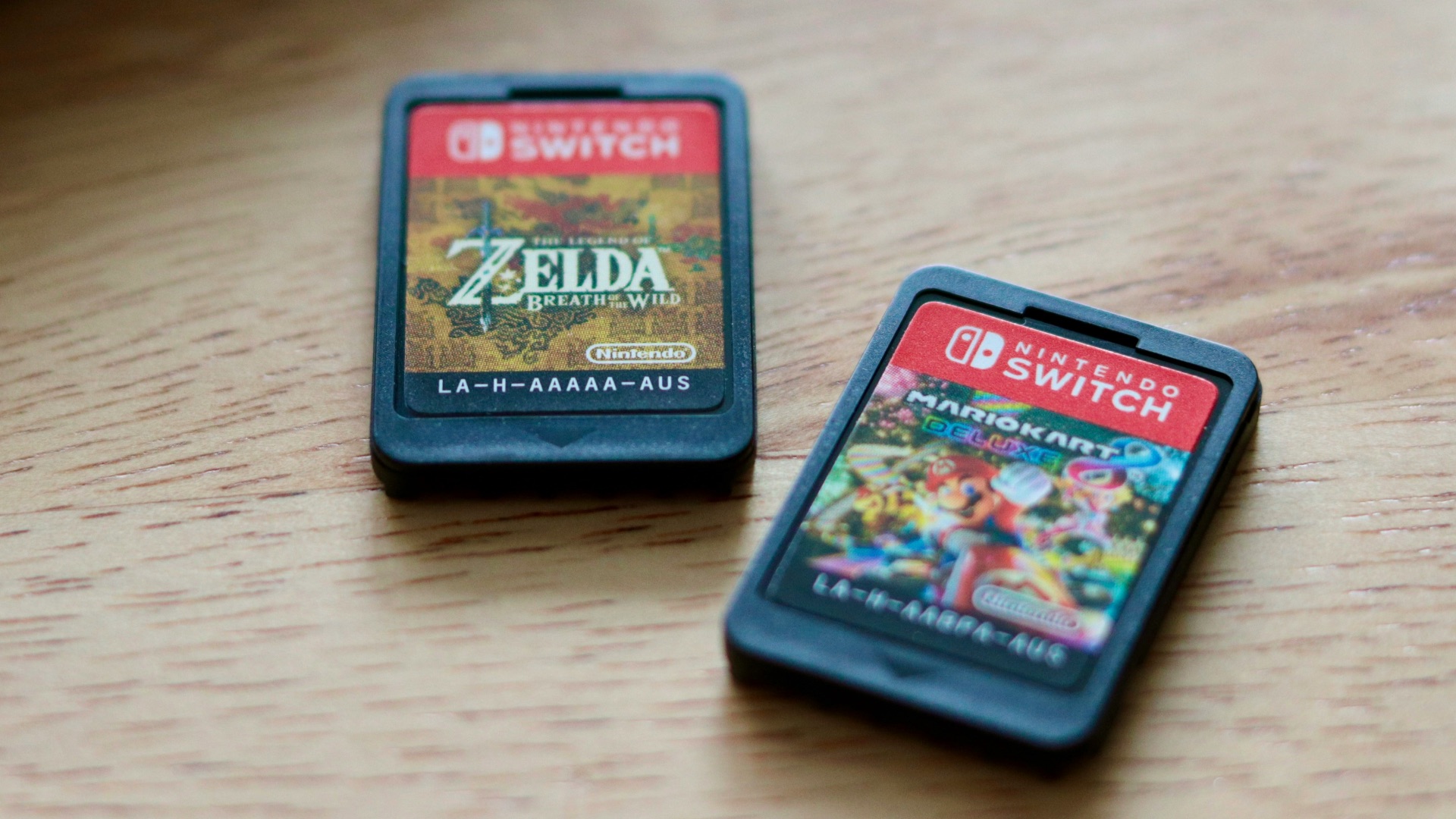
Compared with the DS’s small dual displays, the Switch offered a larger, sharper screen that made portable play feel more comfortable for many players. Text was easier to read, environments had more room to breathe, and action games looked more impressive in handheld mode. The OLED model pushed that experience further with a more vivid display. For players used to modern devices, the Switch felt more current right away.
4. It Made Multiplayer Work in More Situations
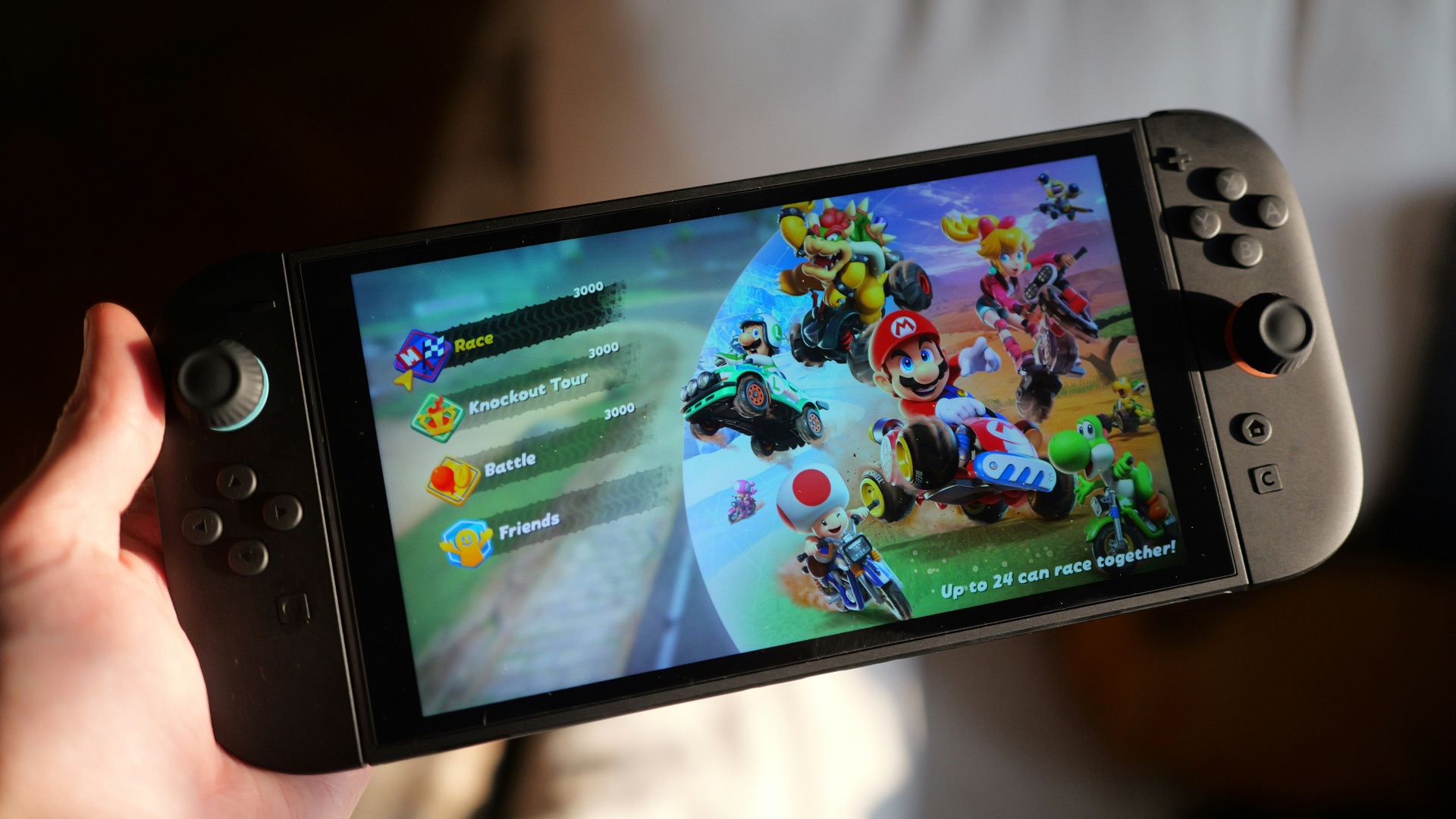
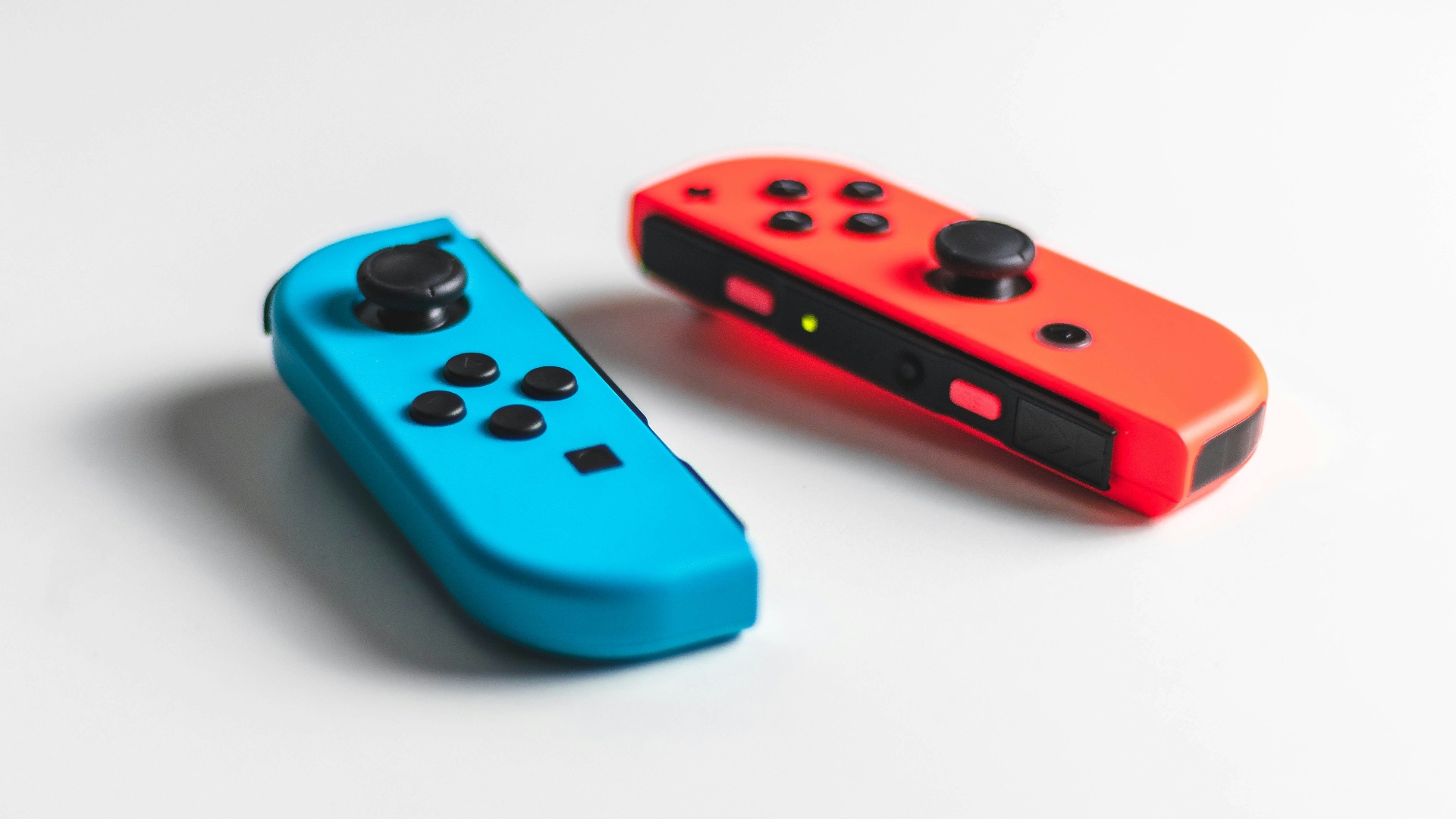
The Joy-Con controllers gave the Switch a multiplayer advantage the DS couldn’t match. You could detach them and share them for quick local play without needing a second system. That made games like Mario Kart 8 Deluxe, Super Mario Party, and Nintendo Switch Sports easy to enjoy with another person almost anywhere. The DS was great for local wireless play, but the Switch made same-screen multiplayer far more immediate.
5. It Became Nintendo’s Main Platform
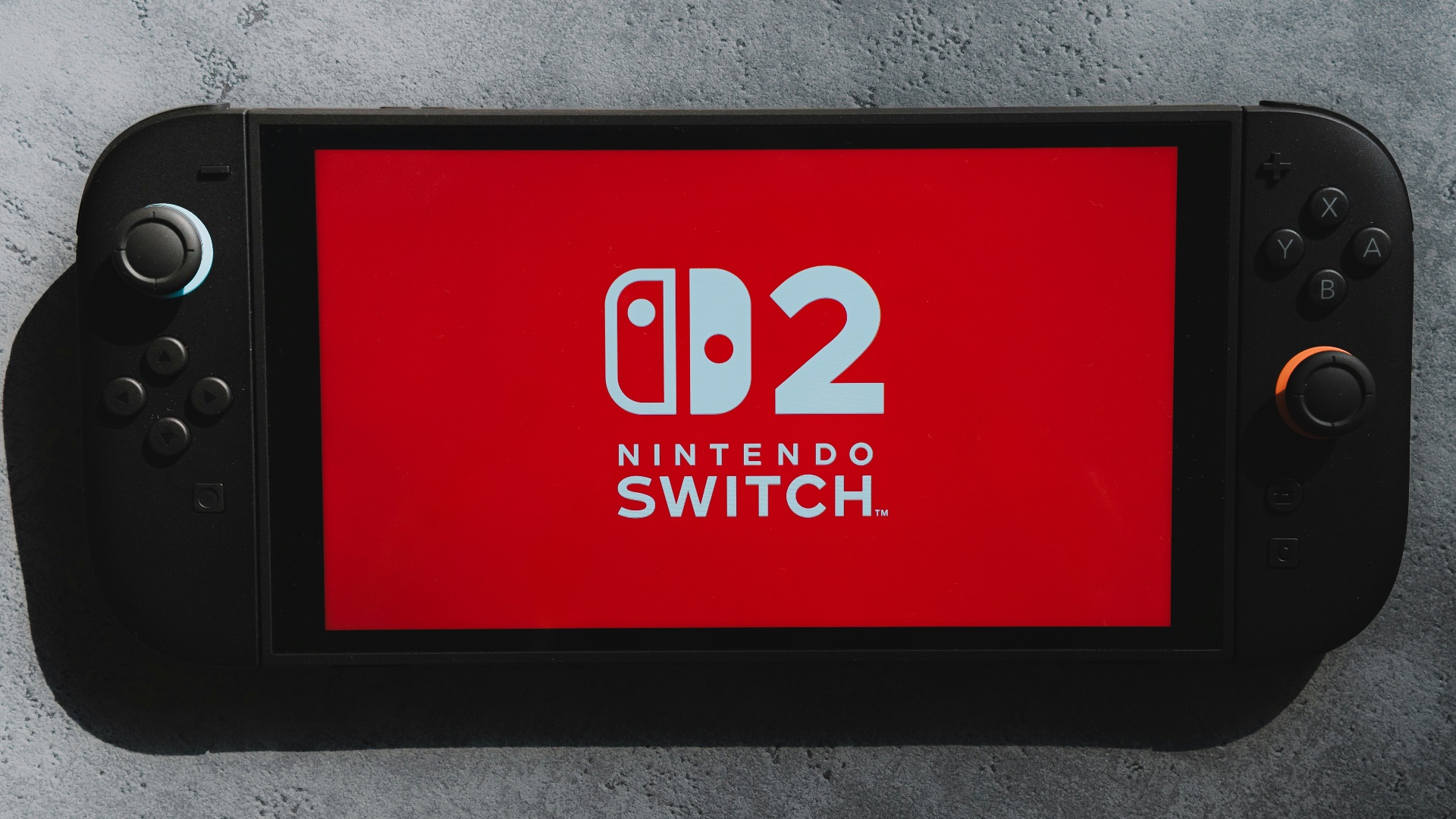
The DS existed alongside Nintendo’s home consoles, while the Switch became the center of Nintendo’s entire game strategy. That meant major development attention, major releases, and long-term support all flowed into one system. Players no longer had to wonder whether the next big Nintendo game would land on the handheld or the console. The Switch simplified Nintendo’s ecosystem in a way that benefited both the company and its audience.
6. Its Digital Store Expanded Access
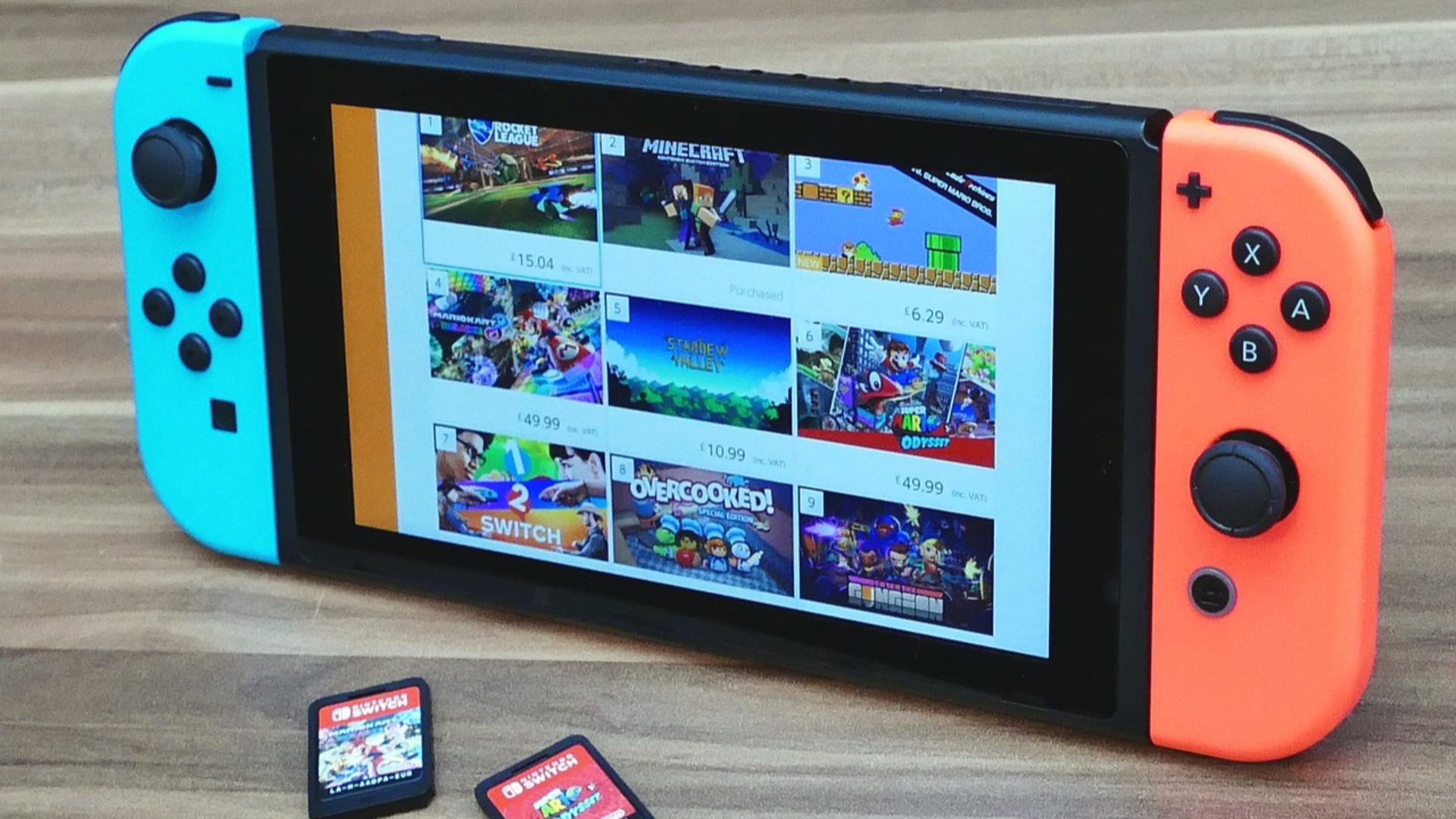
The DS had physical game cards and some online features, but the Switch made digital access a much larger part of the experience. Players could download major releases, indie games, expansions, demos, and updates directly from the eShop. That helped smaller games find large audiences alongside Nintendo’s biggest franchises. It also made the system feel more adaptable over time.
7. It Gave Indie Games a Bigger Portable Home
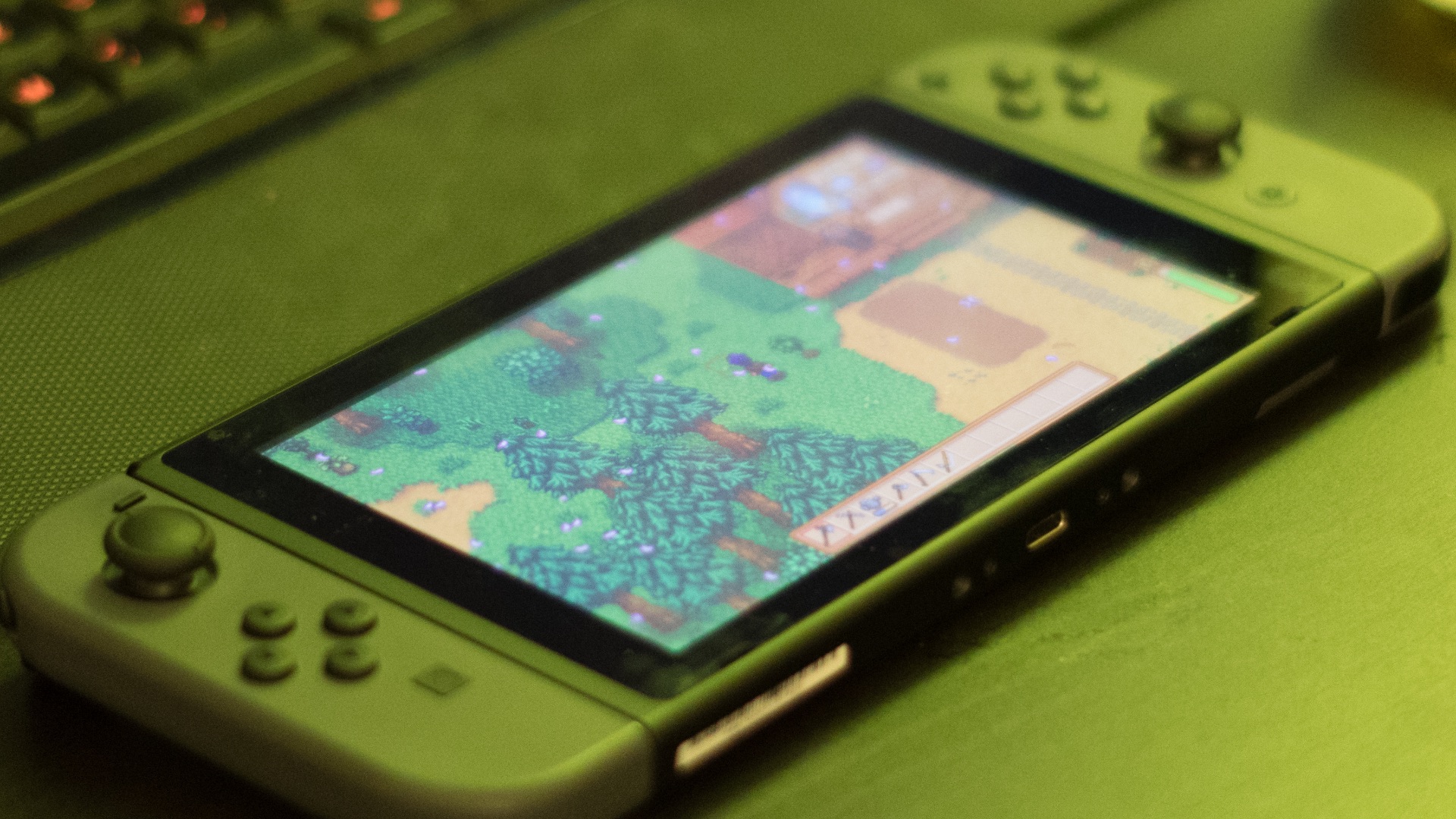
The Switch became a fantastic platform for independent games, especially titles that suited shorter sessions or handheld play. Games like Stardew Valley, Hollow Knight, Celeste, and Hades felt right at home on the system. For many players, the Switch became the preferred platform for indie releases because it combined portability with comfortable controls. The DS had creative smaller games, but the Switch connected that spirit to a much larger digital marketplace.
8. It Offered More Flexible Control Options
The DS had buttons, a stylus, a microphone, and a touch screen, which made it inventive in its own way. The Switch, however, gave players more control setups to choose from, including attached Joy-Con, detached Joy-Con, the Pro Controller, touch controls, motion controls, and handheld-only play. That flexibility helped different genres feel better on the same system. Whether you wanted precise action, relaxed exploration, or party-game motion controls, the Switch usually had a comfortable option.
9. It Kept Games Alive Through Updates and Expansions
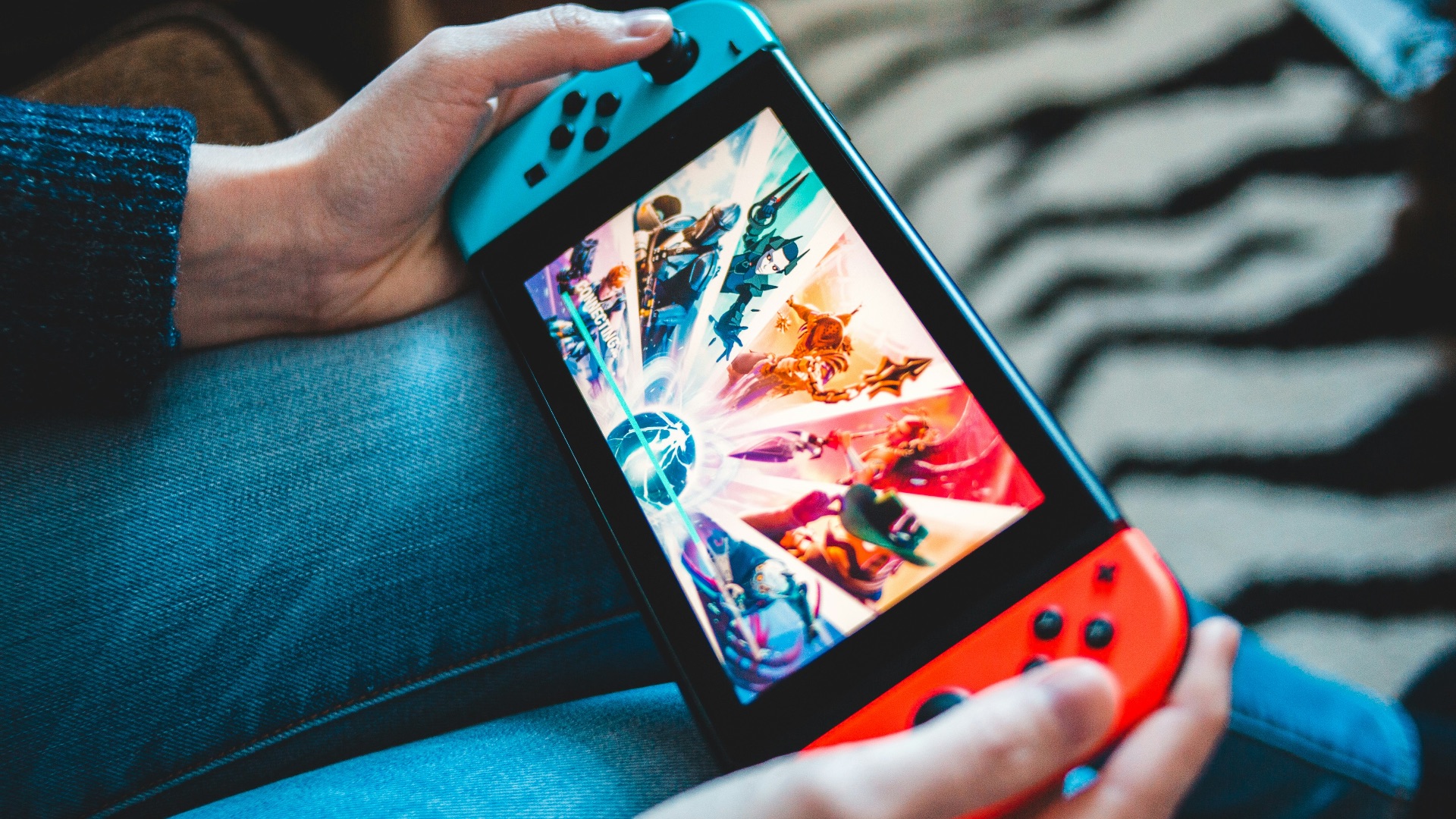
DS games were mostly finished once they reached store shelves. The Switch changed that by making updates, patches, downloadable content, and seasonal events a normal part of Nintendo’s biggest releases. Games like Animal Crossing: New Horizons, Splatoon 3, and Mario Kart 8 Deluxe continued to grow after launch. That gave players more reasons to return long after the first few weeks of excitement had passed.
10. It Surpassed the DS in Nintendo Sales History
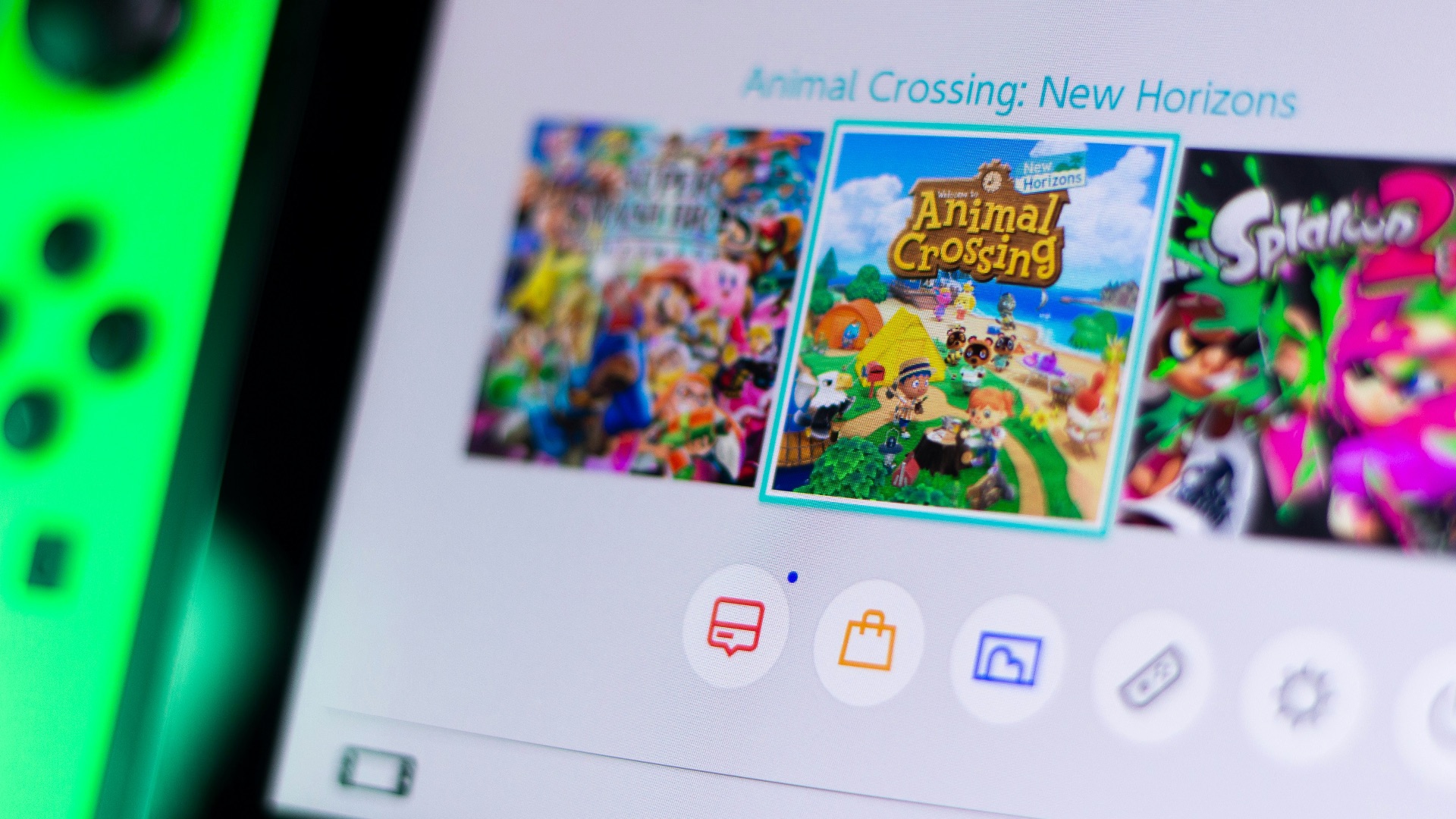
The DS was a sales giant, and passing it was never going to be easy. Yet the Switch eventually climbed beyond the DS to become Nintendo’s best-selling dedicated game system. That achievement says a lot about how strongly the hybrid concept connected with players across many years. The DS may still be one of the greatest handhelds ever made, but the Switch proved Nintendo could take portable gaming even further.