For many comic book fans, the '90s represent one of the most unforgettable and transformative decades in the history of the industry. It featured bold experimentation, a huge sales boom, iconic art, and darker storytelling. It also gave birth to many legendary creators who reshaped the art form.
The '90s not only changed comics but also redefined what they could be. Whether you were buying issues off the newsstand, collecting variant covers, or glued to a crossover event, the decade delivered an unmatched energy that still resonates.
Let's break down why the '90s remain a key high point in comic book history.
The Rise of Creator-Owned Companies
The biggest shift of the '90s came from underpaid and underappreciated creators taking control of their own work. In 1992, a group of successful artists, including Todd McFarlane, Jim Lee, Rob Liefeld, Erik Larsen, and Marc Silvestri, broke free of Marvel to create Image Comics, a creator-owned publishing house.
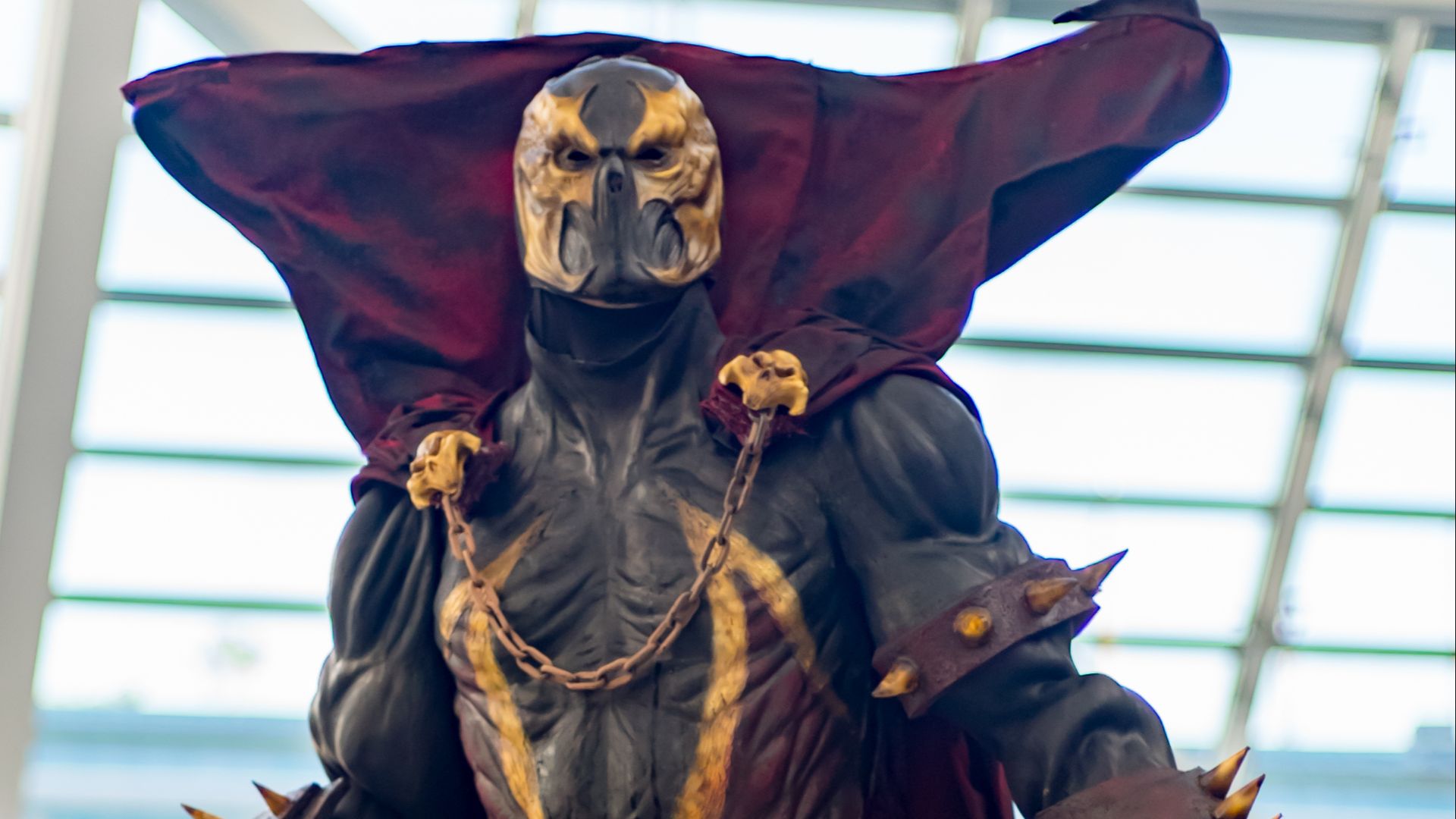
Image Comics was revolutionary. For the first time, artists and writers could earn full ownership of their characters, stories, worlds, and profits. This led to a boom of new titles, like Spawn, WildC.A.T.s, and Savage Dragon.
Image's success sent a shockwave through the traditional comics industry. Major publishers took notice and were forced to treat creators differently. It also opened a door for indie comics to thrive.
Bigger and Bolder Art
'90s-era comics were defined by their dynamic visual style, which became instantly recognizable. Characters had exaggerated proportions, visually striking poses, massive weapons, and futuristic costumes. Every panel was infused with energy and a strong dose of attitude.
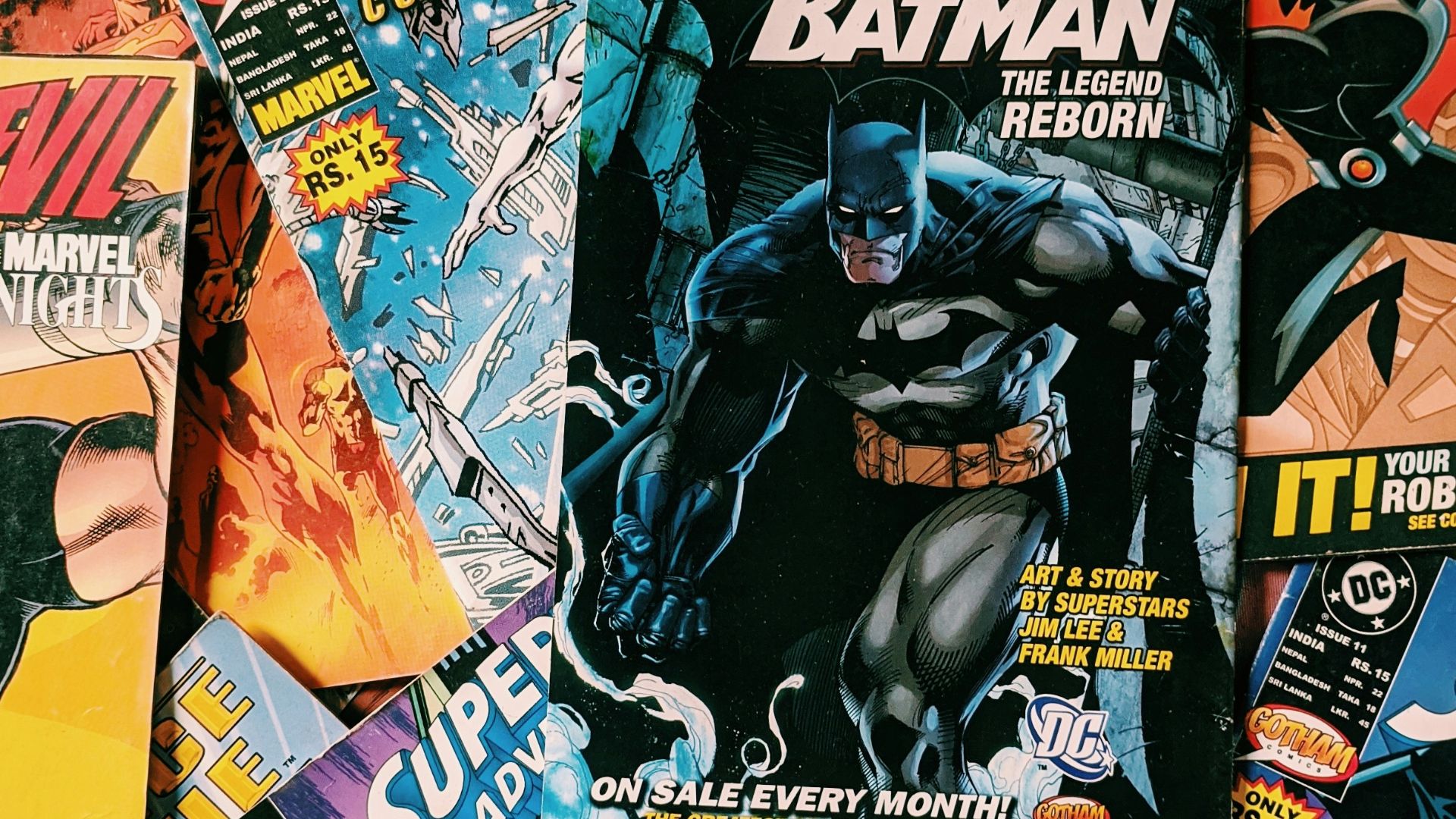
Artists like Jim Lee and Joe Madureira brought an exciting level of detail and tons of personality that surprised and enticed readers. Comics books felt more alive than ever before, as they practically burst off the page and into our eyeballs.
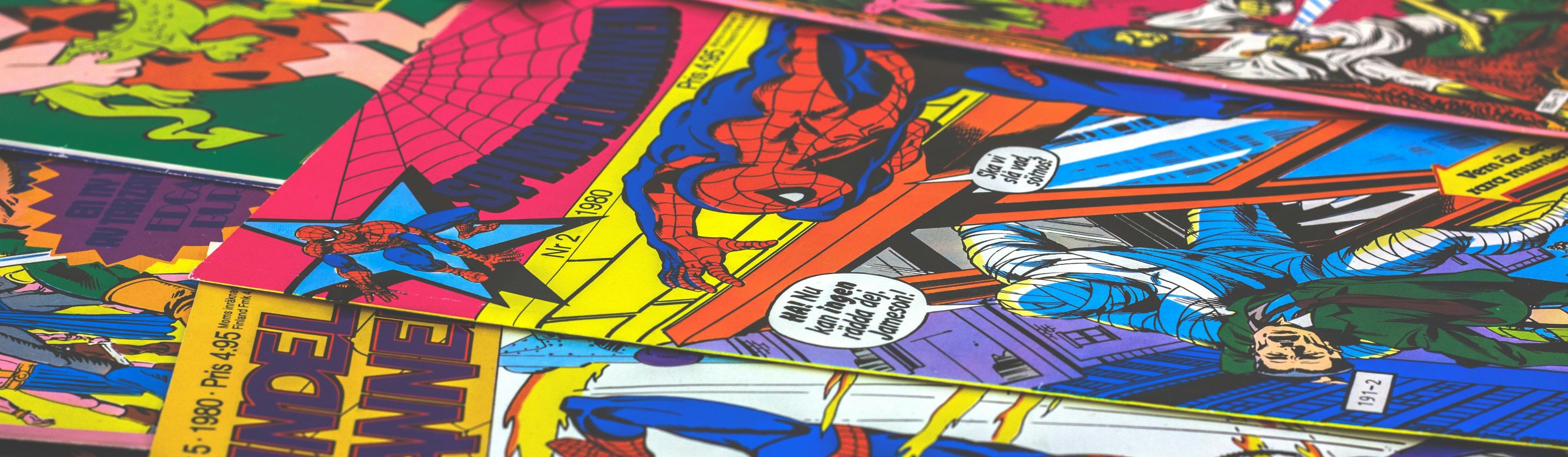
Other technical advancements that are credited to the '90s include digital coloring that became more sophisticated, variant and holographic covers, and the publishing quality improved with glossy paper and richer inks.
Deeper and Darker Storytelling
Comic book readers in the '90s were treated to the Death of Superman, Knightfall, Age of Apocalypse, and Infinity Gauntlet. These comic book events took risks, explored darker themes, and featured more complex plots.
Comics turned to more morally complex characters to drive these stories and create a new generation of readers. The biggest storytelling change was to make characters more human. They often struggled with trauma, identity, and responsibility, and dealt with internal conflict. During this time, we experienced the rise of Spawn, Cable, Deadpool, and Venom, and it was all thanks to the risks taken by creators.
The '90s were a groundbreaking decade for comic books. It delivered bold creativity, experimentation, and storylines that are still beloved. The biggest revolution came from creators finally taking control of their work, pushing comics into a brave new world and setting the stage for the enormous success of today's movies and TV shows based on comic book properties. For many readers, the '90s were not only the golden age of comics, but also when they fell in love with every panel.