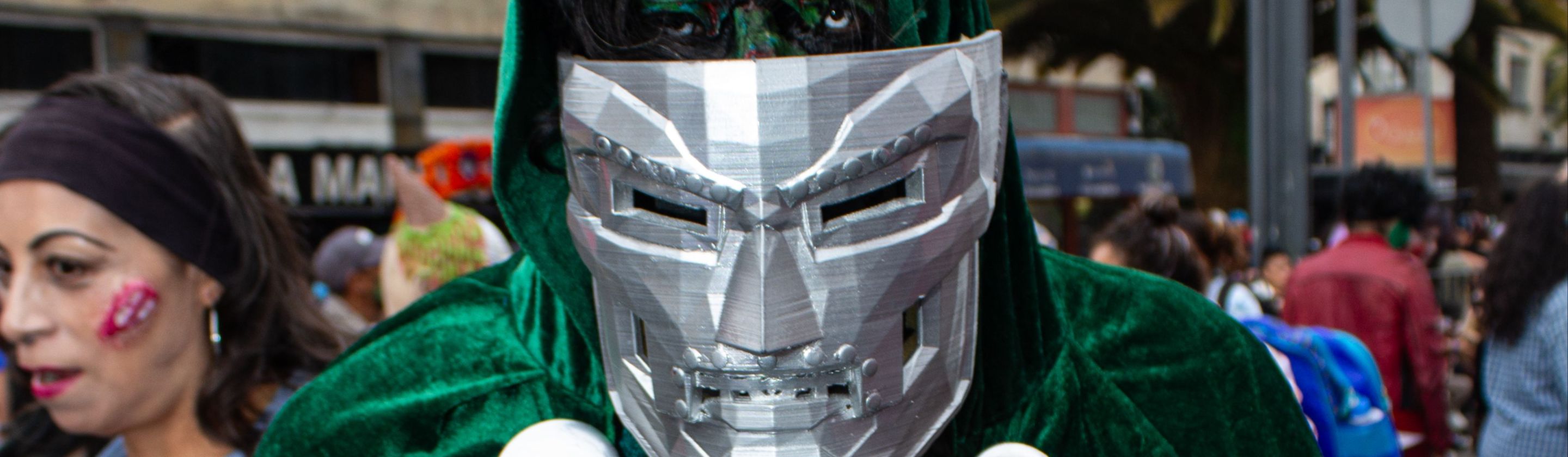
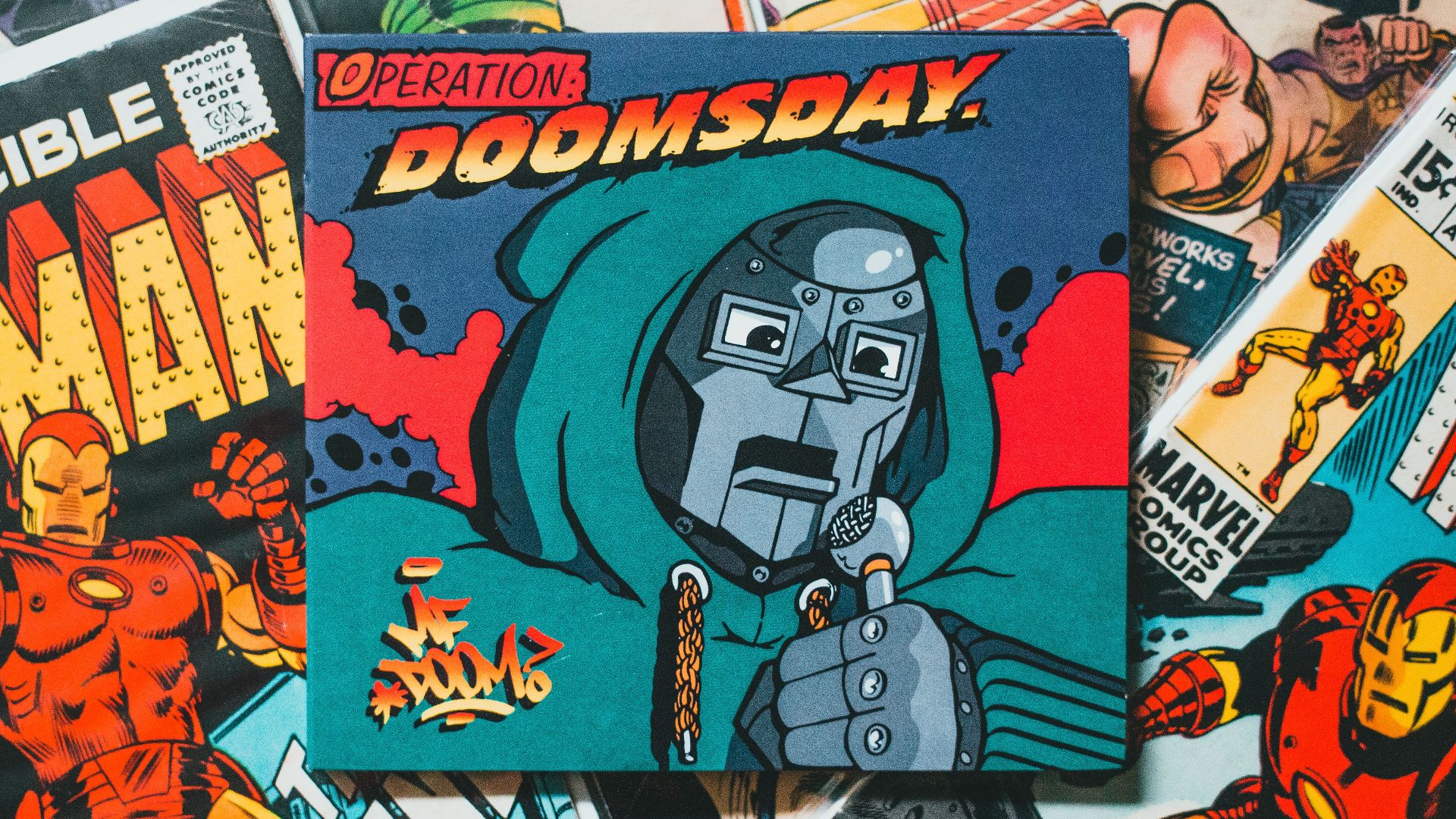
Doctor Doom is one of Marvel’s defining villains, so calling him a hero may sound generous. Victor von Doom has conquered nations, stolen immense power, threatened the Fantastic Four, and repeatedly decided that the world would function better under his personal control. Yet he has also saved reality, protected his homeland, fought beside heroes, and occasionally tried to become one himself.
That contradiction is what makes Doom so difficult to place. His heroic actions are often genuine, but they’re rarely pure. You can admire his courage in one story and be reminded of his tyranny in the next, sometimes even in the same issue.
His Motives Aren’t Entirely Selfish
Victor’s history gives him reasons to care about suffering, even if he expresses that concern in deeply unhealthy ways. Born into a persecuted Romani community in Latveria, he lost both parents while still young and later devoted himself to rescuing his mother’s soul from the demon Mephisto. His experiences taught him that powerless people are easily crushed, but his solution was to become so powerful that nobody could ever challenge him.
That mission to save his mother reveals a side of Doom that ordinary conquest doesn’t. In Doctor Strange and Doctor Doom: Triumph and Torment, he works with Doctor Strange and risks entering Mephisto’s realm to free her. The plan contains deception and arrogance, naturally, but it’s also driven by loyalty, grief, and a willingness to confront something stronger than himself.
His treatment of Latveria creates an even more uncomfortable debate. Doom seized control of the country and rules as an authoritarian monarch, with citizens who regard him through a mixture of respect and fear. At the same time, he sees their security as his personal responsibility and has repeatedly defended the nation from outside threats.
That doesn’t make the dictatorship benevolent, no matter how often Doom insists that his subjects need him. It does mean his interest in ruling isn’t purely about collecting palaces and titles. He believes order, safety, and prosperity can be guaranteed only when every important decision passes through him, which is both his most heroic instinct and one of his most dangerous flaws.
He Can Save the World Without Trusting It
When Marvel faces a disaster large enough, Doom often becomes difficult to ignore. His scientific knowledge rivals the greatest minds on Earth, while his command of magic places him among the universe’s formidable sorcerers. That combination makes him unusually valuable whenever a crisis requires more than punching the nearest villain.
The strongest example came during the 2015 Secret Wars storyline. After the Multiverse collapsed, Doom seized the Beyonders’ power and preserved its surviving fragments as Battleworld. Reality continued to exist because of him, although he immediately crowned himself God Emperor and rebuilt existence around his own authority.
That’s Doom in one remarkably tidy situation. He accomplishes something the conventional heroes couldn’t, saves what remains of creation and then makes himself its unquestioned ruler. Instead of asking whether people want his protection, he assumes that saving them gives him the right to control everything that follows.
His alliances with heroes follow a similar pattern. Doom has worked alongside figures including Doctor Strange, Iron Man, and Spider-Man when their interests aligned or the danger became too great to face alone. He’s capable of cooperation, but rarely humility, so every partnership carries the possibility that he’s helping because victory will confirm his superiority.
He Wants Redemption Without Surrendering His Ego
Doom’s attempt to replace Iron Man provided one of the clearest looks at his capacity for change. After the events of Secret Wars, Victor took up Iron Man-esque armor and began pursuing criminals as the Infamous Iron Man. It wasn’t a simple disguise or short-lived trick, but an effort to prove that he could protect the world rather than dominate it.
The difficulty was that Doom wanted redemption on his own terms. He didn’t become heroic by apologizing to everyone he’d harmed, accepting supervision, or patiently rebuilding trust. Instead, he decided he was now doing good and expected the rest of the world to recognize his transformation quickly.
His rivalry with Reed Richards makes that problem even sharper. Doom genuinely wants to accomplish extraordinary things, but he also needs to be seen as the smartest and most capable person in the room. When Reed succeeds, Victor often treats it as a personal humiliation rather than evidence that someone else may have a better answer.
That insecurity prevents Doom from becoming the hero he sometimes believes he already is. A conventional hero accepts limits, shares responsibility, and understands that saving people doesn’t create ownership over them. Doom can perform the sacrifice and defeat the threat, but accepting equality is usually where the experiment begins to collapse.
However, his better moments can’t be dismissed simply because they come from a "villain." He has protected vulnerable people, confronted cosmic threats, preserved reality, and tried to redirect his abilities toward something constructive. Marvel’s traditional heroes often distrust him for good reason, yet they also know there are situations in which Doom may be the only person capable of helping.
Doctor Doom may be Marvel’s most complicated hero precisely because he isn’t reliably heroic. He can make the right choice for reasons that are noble, selfish, or both at once, then destroy the goodwill by demanding gratitude and obedience. Victor doesn’t merely ask whether a villain can do good; he asks whether saving the world still counts as heroism when you insist on ruling it afterward.