The Canaries In The Internet's Coal Mine
Gamers have spent decades living inside systems the rest of the internet only recently had to deal with, from voice chat with strangers to economies built entirely around digital items. A lot of what now gets treated as a fresh cultural conversation, like streamer burnout or algorithm-driven communities, was already old news in gaming circles years earlier. That head start came from necessity, since online games forced millions of people into shared digital spaces long before social media made that the default for everyone else. Here's 20 things gamers figured out well before the rest of the internet caught up.

1. Voice Chat Changes Everything
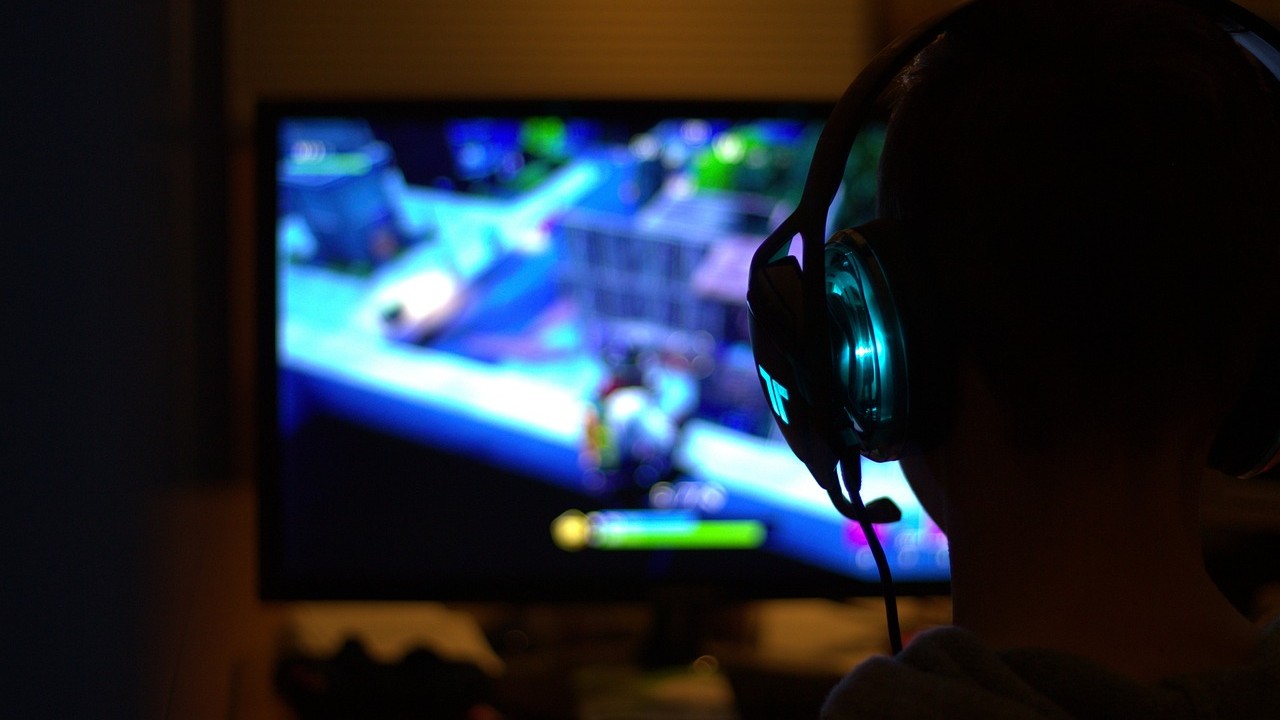
Gamers were coordinating raids and matches over voice chat with total strangers years before video calls became a daily habit for everyone else. That experience taught an entire generation how to read tone without seeing a face, and how quickly a group project falls apart without someone actually talking through the plan.

2. Esports Could Be A Real Career
Long before traditional sports leagues took notice, gaming communities were building leagues, sponsorships, and salaried teams around competitive play. Parents rolling their eyes at a kid practicing for hours turned out to be watching the early version of a career path that now fills arenas and pays real prize money.

3. Streaming Would Become A Job
Watching someone else play a game seemed pointless to outsiders for years, but gaming audiences proved there was a real appetite for it well before platforms like Twitch made it mainstream. That appetite eventually spilled into every other hobby, from cooking to woodworking, once creators realized the same format worked outside games entirely.
4. Loot Boxes Are Basically Gambling
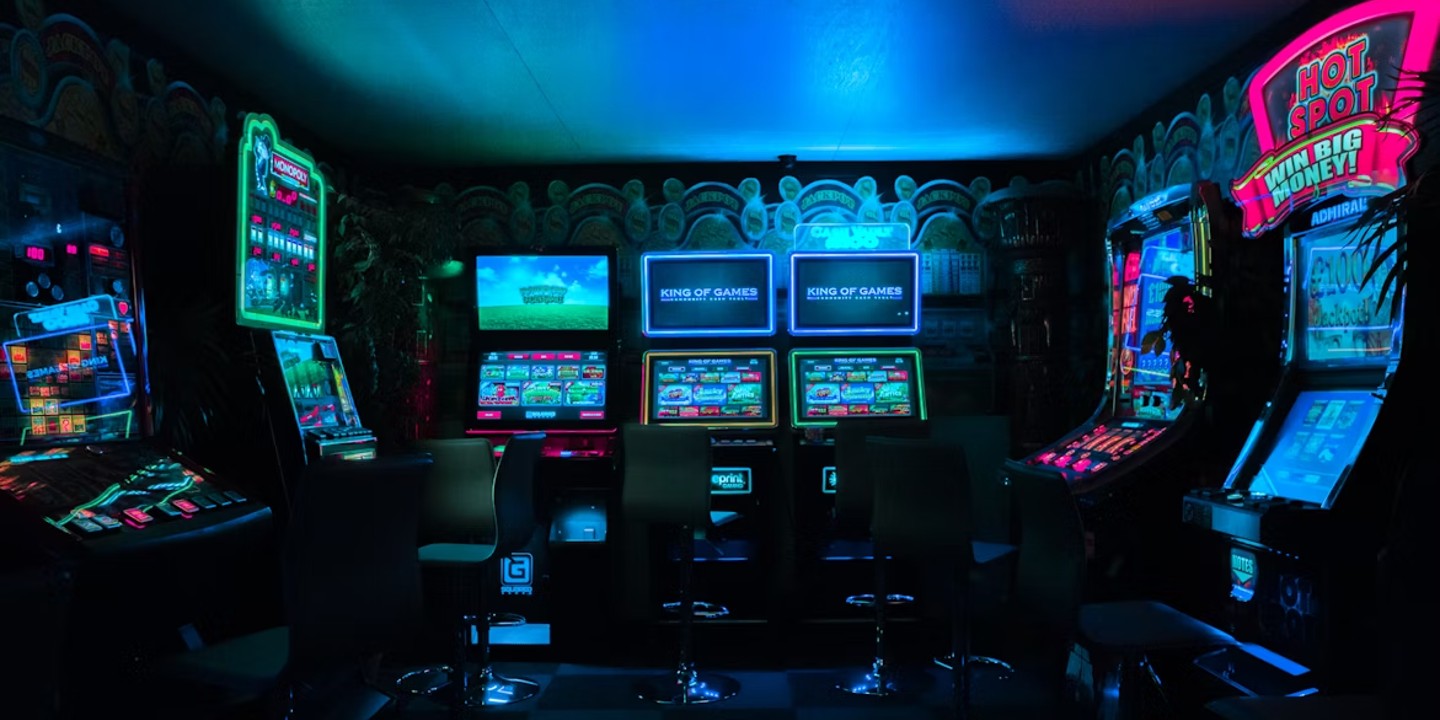
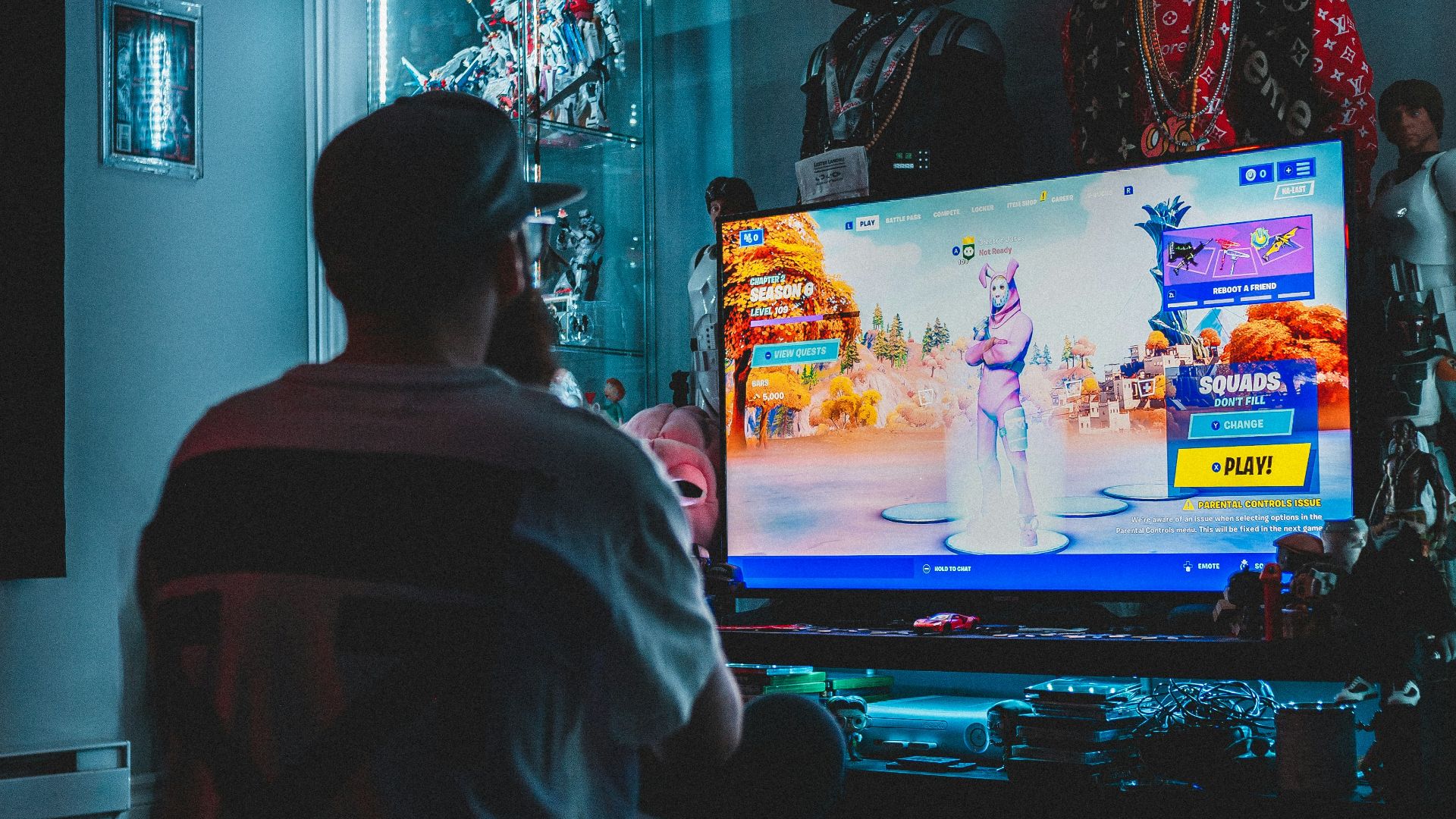
Gamers flagged the psychology behind loot boxes and randomized item drops years before regulators started paying attention, pointing out how closely the mechanics mirrored a slot machine. That early pushback eventually forced several countries to regulate or ban the practice, well after players had already been sounding the alarm in forums and comment sections.
5. Games Ship Unfinished Now
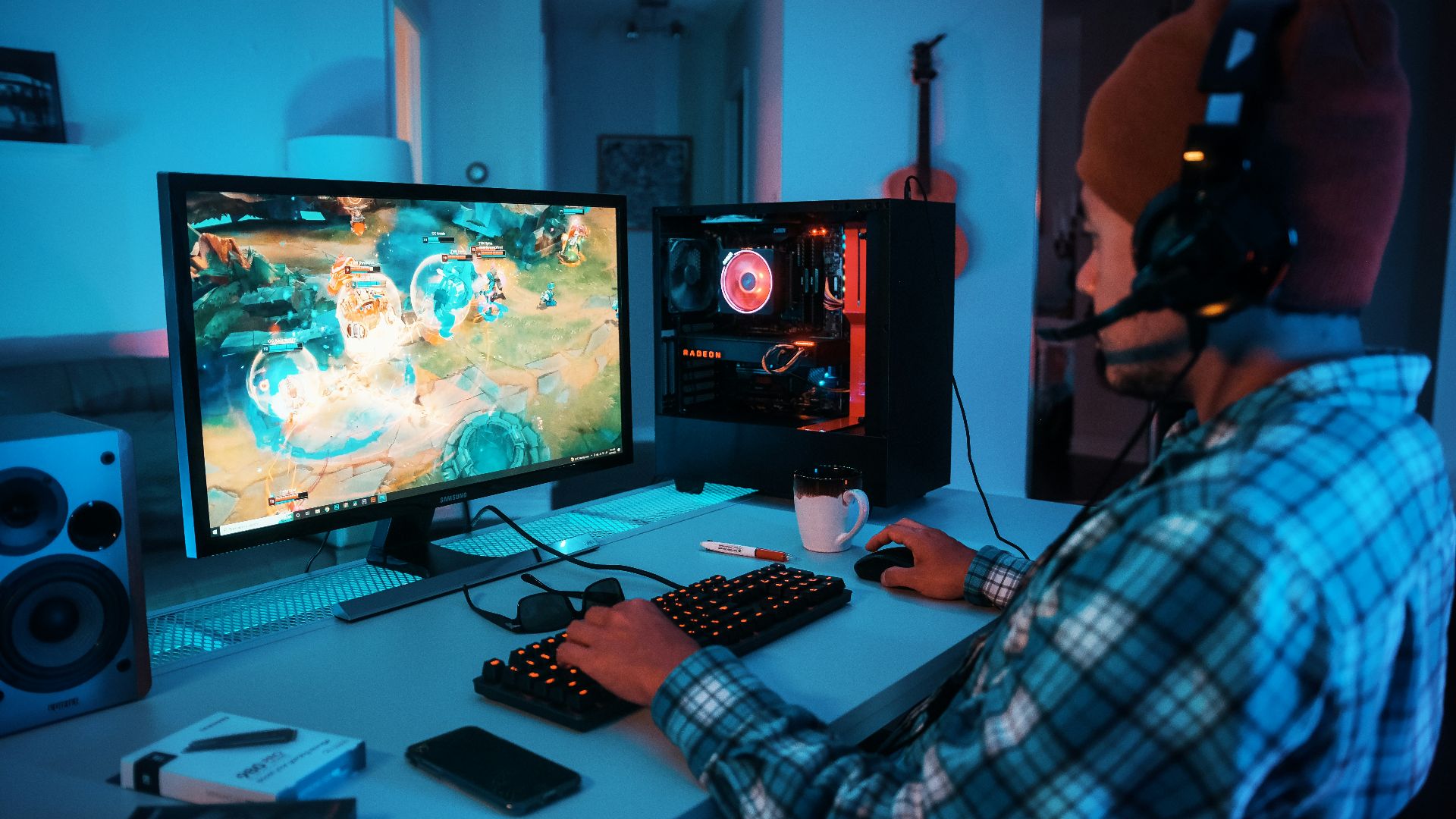
Day-one patches taught gamers early that a release date doesn't mean a finished product anymore, since studios routinely push fixes before players even get through the tutorial. That same pattern later showed up in software and apps across the tech industry, where "we'll fix it in an update" became standard practice everywhere, not just in games.

6. Ranking Systems Shape Behavior
Competitive matchmaking introduced huge numbers of people to ranking algorithms that quietly shape how hard you try and who you get matched against. Gamers learned firsthand how a number attached to your performance can affect mood and motivation, a lesson that now applies just as much to follower counts and engagement scores.

7. Online Communities Need Moderation
Gaming forums and voice servers ran into toxic behavior at scale long before mainstream social platforms had to build real moderation systems. Features like mute buttons, reporting tools, and community guidelines were tested and refined in gaming spaces first, often clumsily, before other platforms borrowed the same playbook.

8. You Don't Really Own Digital Purchases
Gamers learned the hard way that buying a digital game usually means buying a license, not owning a copy, especially once storefronts started removing titles or shutting down entirely. That lesson now applies to ebooks, movies, and music just as much, but gamers were the ones filing complaints about it first.

9. Graphics Cards Are Bigger Than Gaming
PC gamers were tracking GPU prices and supply chains closely long before the rest of the world cared, watching shortages hit during crypto mining booms years before AI demand made the same hardware scarce again. That early attention to a niche market turned out to be an early warning sign for a much bigger tech story.
10. Ergonomics Actually Matter
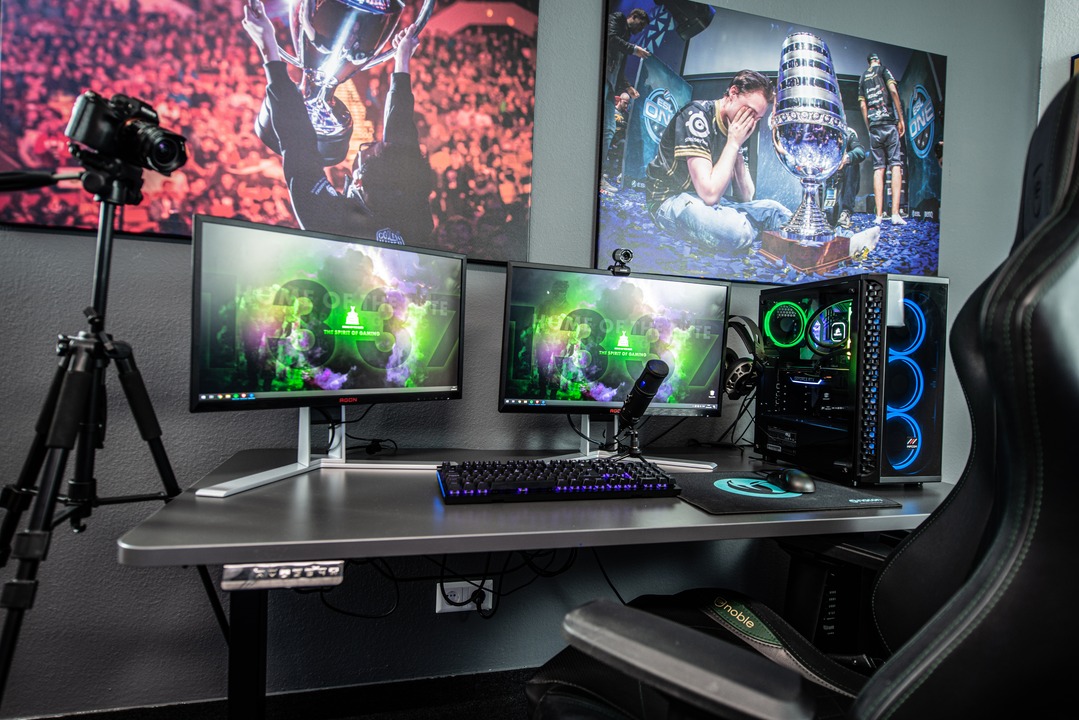
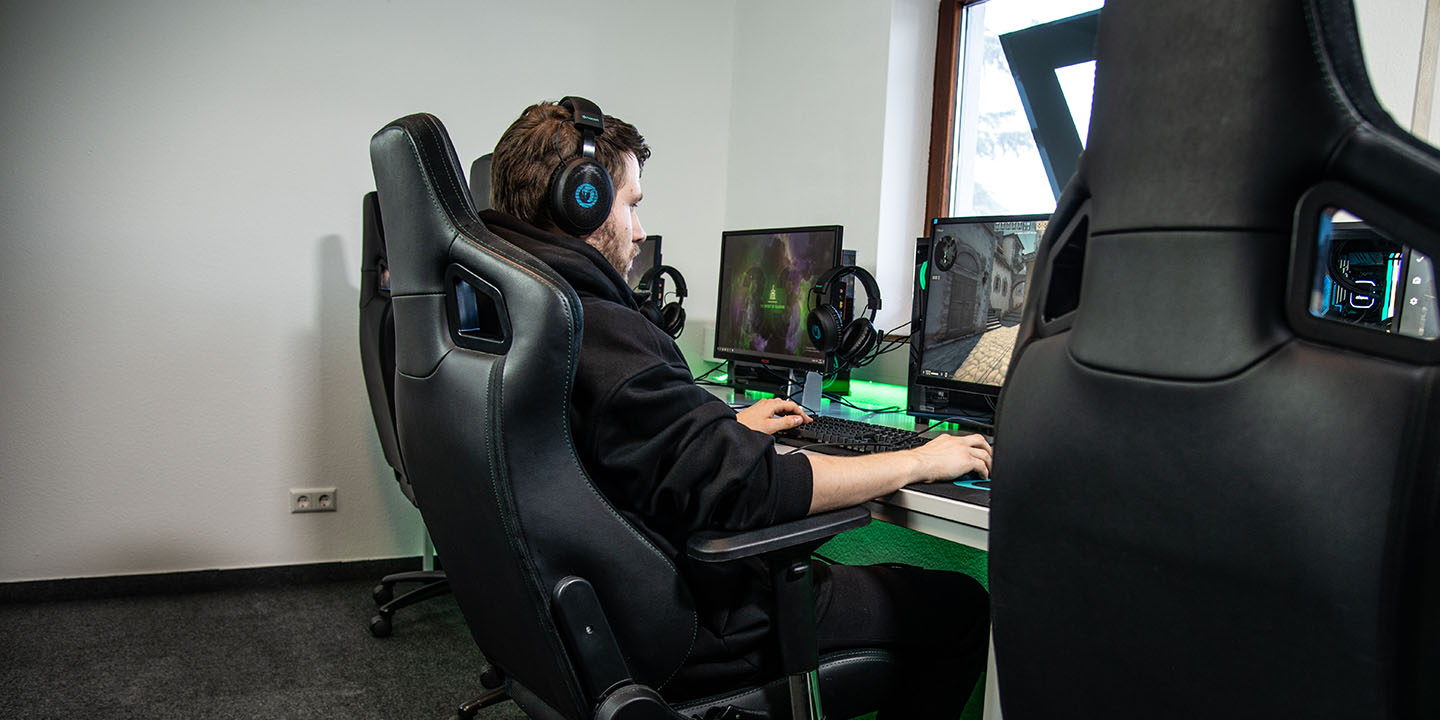
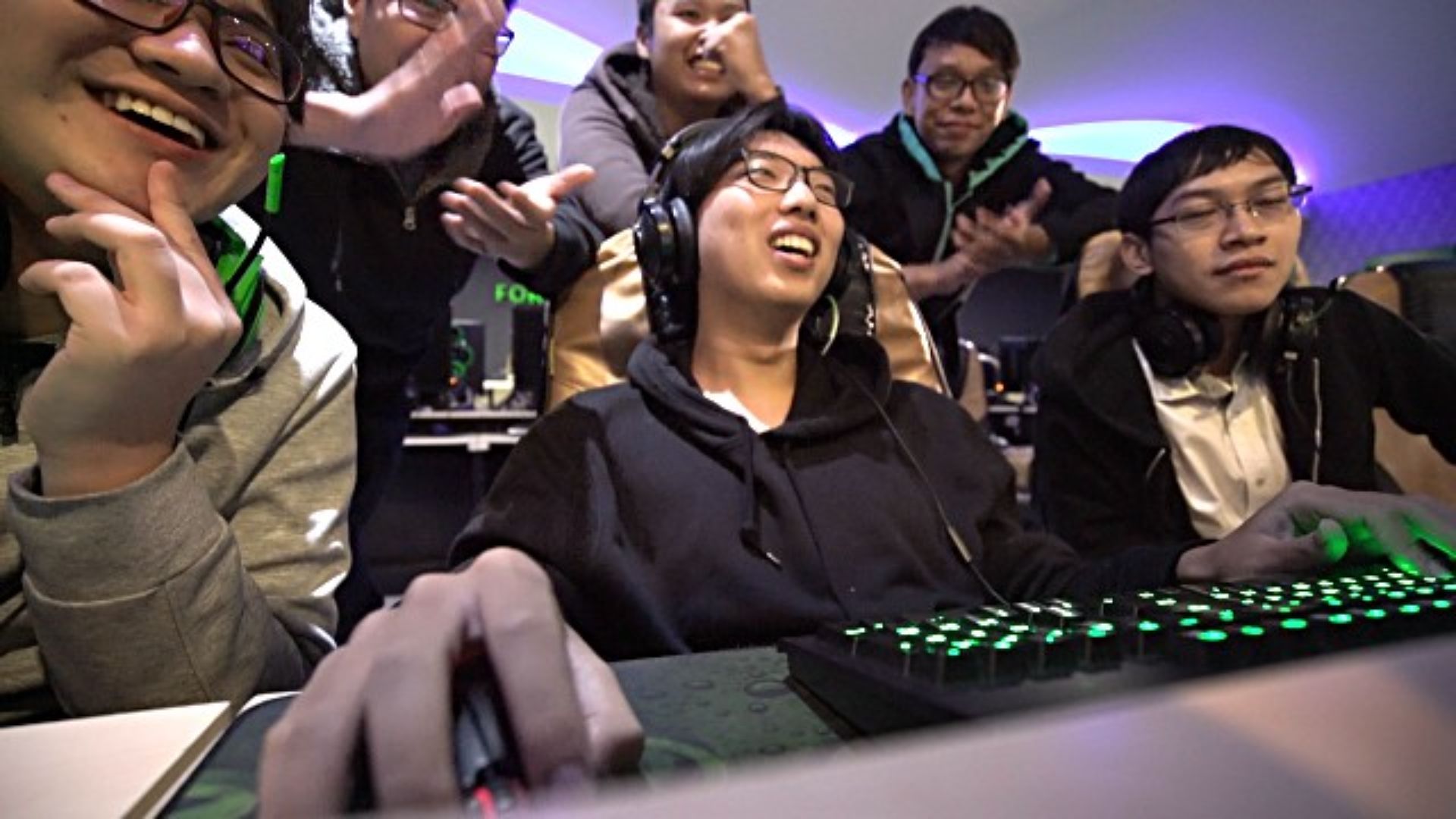
Gaming chairs and mechanical keyboards got mocked for years before office culture quietly adopted the same gear for long workdays. Gamers were dealing with wrist strain and back pain from marathon sessions well before "ergonomic setup" became a common phrase outside gaming communities.

11. Parasocial Attachment Is Real
Viewers forming genuine emotional attachments to streamers they'd never met showed up in gaming spaces well before influencer culture made the term "parasocial relationship" common elsewhere. Gamers were also among the first to watch what happens when a creator burns out under that kind of constant audience attention.

12. Walled Gardens Eventually Crack
Gamers pushed hard for cross-platform play for years, arguing that keeping friends separated by which console they owned made no sense. Companies resisted for a long time before eventually giving in, a pattern that now shows up in debates about messaging apps and other platforms that don't talk to each other.
13. Your Progress Needs A Backup
Losing hours of progress to a crashed hard drive taught gamers to care about cloud saves and account syncing long before most people thought twice about backing up their phone. That habit of treating digital progress as something worth protecting eventually became second nature for anyone managing files across multiple devices.

14. Screen Recording Would Go Mainstream
Capturing and sharing gameplay clips normalized casual screen recording years before it became a routine part of remote work, tutorials, and troubleshooting. Software originally built for highlight reels turned into the same tools people now use to record a work presentation or walk a coworker through a bug.

15. Communities Can Out-Optimize Developers
Players pooling data to figure out the "meta," the most effective strategies and item combinations in a game, showed how fast a large group can outpace the people who actually built the system. That same crowd-sourced optimization instinct now shows up everywhere from investing forums to fitness communities picking apart training plans.

16. Fandom Wikis Predate Modern Crowdsourcing
Gamers were building detailed, collaboratively edited wikis to track item stats and quest lines long before "crowdsourced knowledge base" was a phrase anyone used casually. Those early wikis worked out a lot of the norms around citing sources and settling disputes that other collaborative projects later leaned on.
17. Remote Teamwork Takes Practice
Coordinating a raid or a competitive match with people scattered across time zones taught gamers real lessons about delegation and clear communication long before remote work made those skills a job requirement. Plenty of people who now run smooth virtual meetings first learned to give clear, fast instructions under pressure in a game.

18. Subscription Fatigue Started Early
Season passes and battle passes trained gamers to think hard about recurring payments well before streaming services turned subscription fatigue into a household complaint. Gamers were already juggling which passes were worth renewing years before anyone coined a term for it.
19. Accessibility Features Help Everyone
Gamers with disabilities pushed hard for remappable controls, colorblind modes, and adjustable difficulty long before "accessibility" became a standard checkbox in mainstream software design. Those features, once treated as niche requests, ended up making games and eventually other software easier for far more people than the original request ever anticipated.
20. Harassment Needs Real Tools, Not Just Rules
Gamers dealing with harassment in voice chat and match lobbies learned early that a written code of conduct doesn't stop bad behavior without actual reporting and blocking tools behind it. That hard-earned lesson shaped a lot of the moderation infrastructure other platforms eventually built once harassment became impossible to ignore everywhere else.