

You Almost Feel Bad For Them
A great villain doesn't need a scary character model or a punishing boss fight to earn a place in your memory. What actually sticks with players is smarter and slower: a voice that reshapes how you see the hero, a reveal that turns everything you thought you knew inside out, a monologue that makes you nod along right before you remember whose side you're on. Some of these characters dominate every scene they're in. Others barely appear on screen at all, building their menace out of rumors, environmental clues, and a single, perfectly timed twist. You won't agree with any of them, but by the credits, you'll understand exactly how they got there. Here are 20 villains who prove that great writing can matter more than any weapon in a game's arsenal.

1. GLaDOS, Portal
GLaDOS's dialogue starts as calm, procedural instruction and curdles, chamber by chamber, into lies, backhanded insults, and cheerful threats delivered in the same flat monotone throughout. Her personality unfolds at exactly the pace you solve puzzles, so getting better at the game means learning more about your captor.

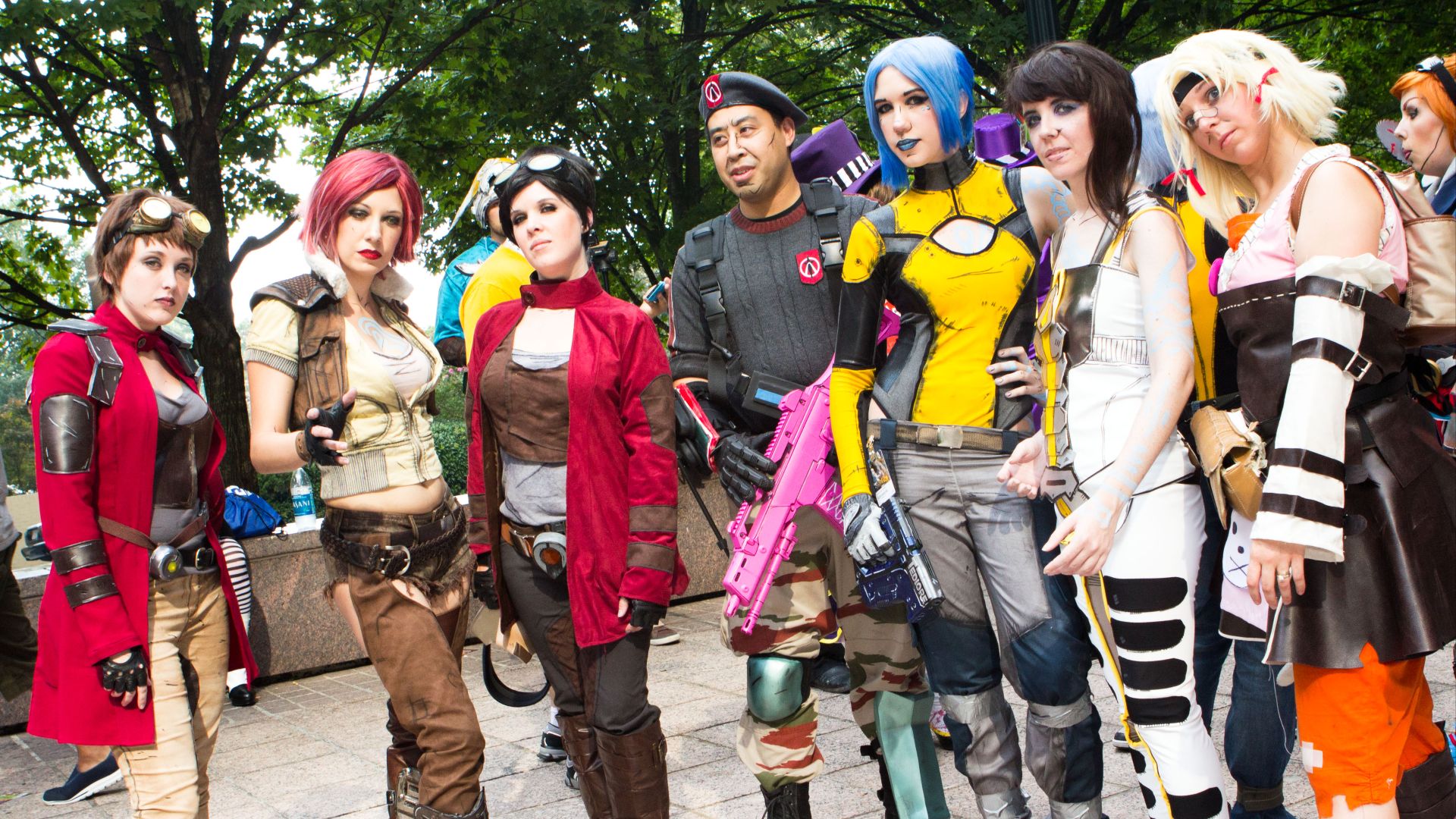
2. Handsome Jack, Borderlands 2
Jack is the villain who's certain he's the hero, and he never stops telling you so. His radio broadcasts are a masterclass in self-justification, letting you listen in real time as his cruelty escalates alongside his excuses for it.
3. Andrew Ryan, BioShock
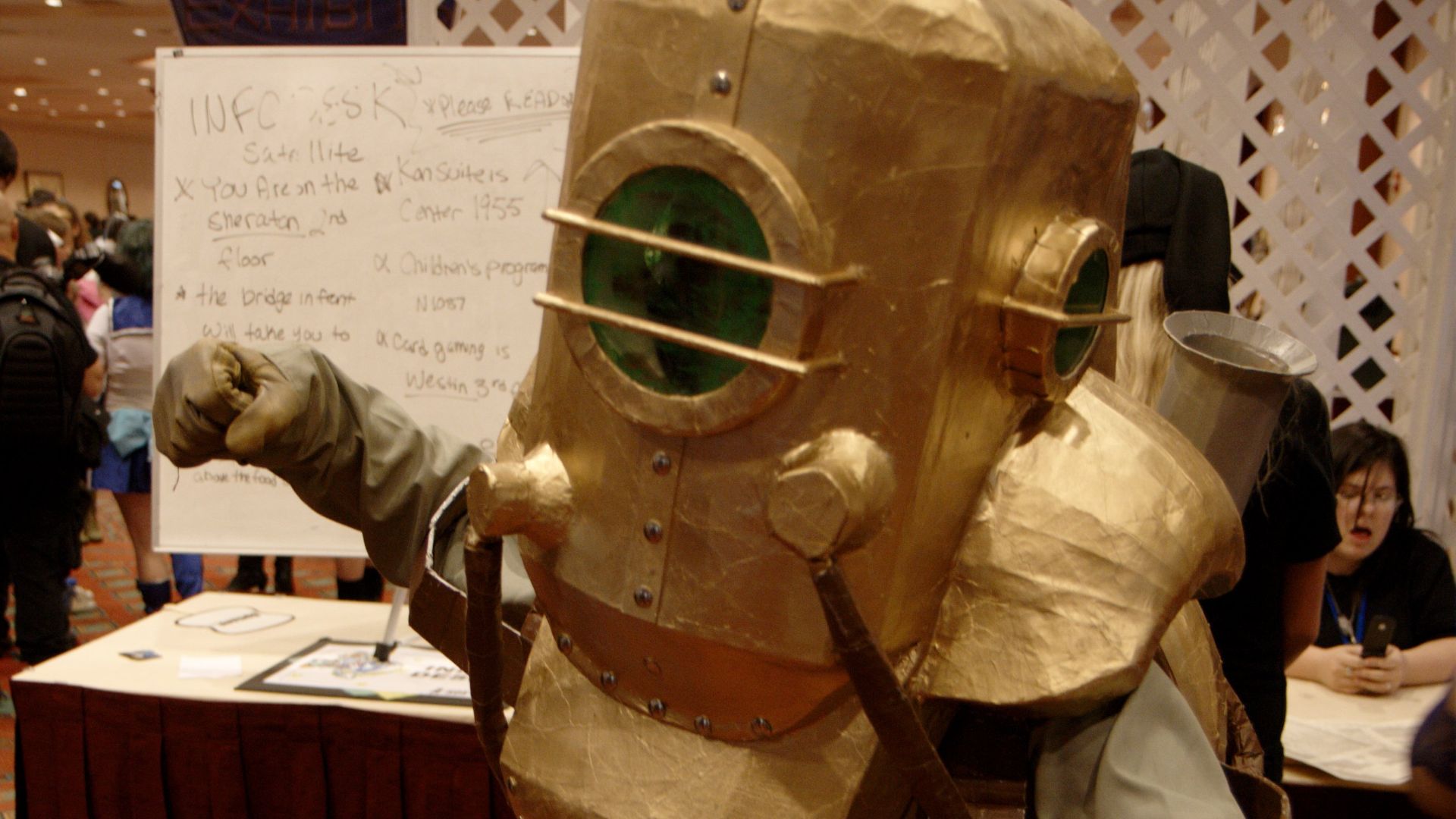
Ryan built Rapture as a monument to total personal freedom. Watching his ideal city collapse into exactly the kind of authoritarian control he swore to escape is the whole tragedy in and of itself.
4. Vaas Montenegro, Far Cry 3
Vaas doesn't monologue so much as improvise, and he's disturbingly good at it. He's volatile, theatrical, and unnervingly perceptive about the violence Jason Brody is starting to enjoy, often noticing Jason's transformation before Jason does himself.

5. Dutch Van Der Linde, Red Dead Redemption 2
This outlaw philosopher sells freedom and family to a gang that's built its entire identity around trusting him. Watching that trust curdle is one of the slowest, saddest villain arcs in gaming. His plans grow more and more desperate, until it's obvious he'd rather burn every relationship he has than admit his grand vision was a lie.

6. Kreia, Star Wars: Knights of the Old Republic II
Kreia isn't interested in being right. She's interested in making sure you've actually earned your own moral conclusions. Her lessons on dependence and unintended consequences are thought-provoking, until she exposes the cracks in her own philosophy.
7. Emet-Selch, Final Fantasy XIV: Shadowbringers
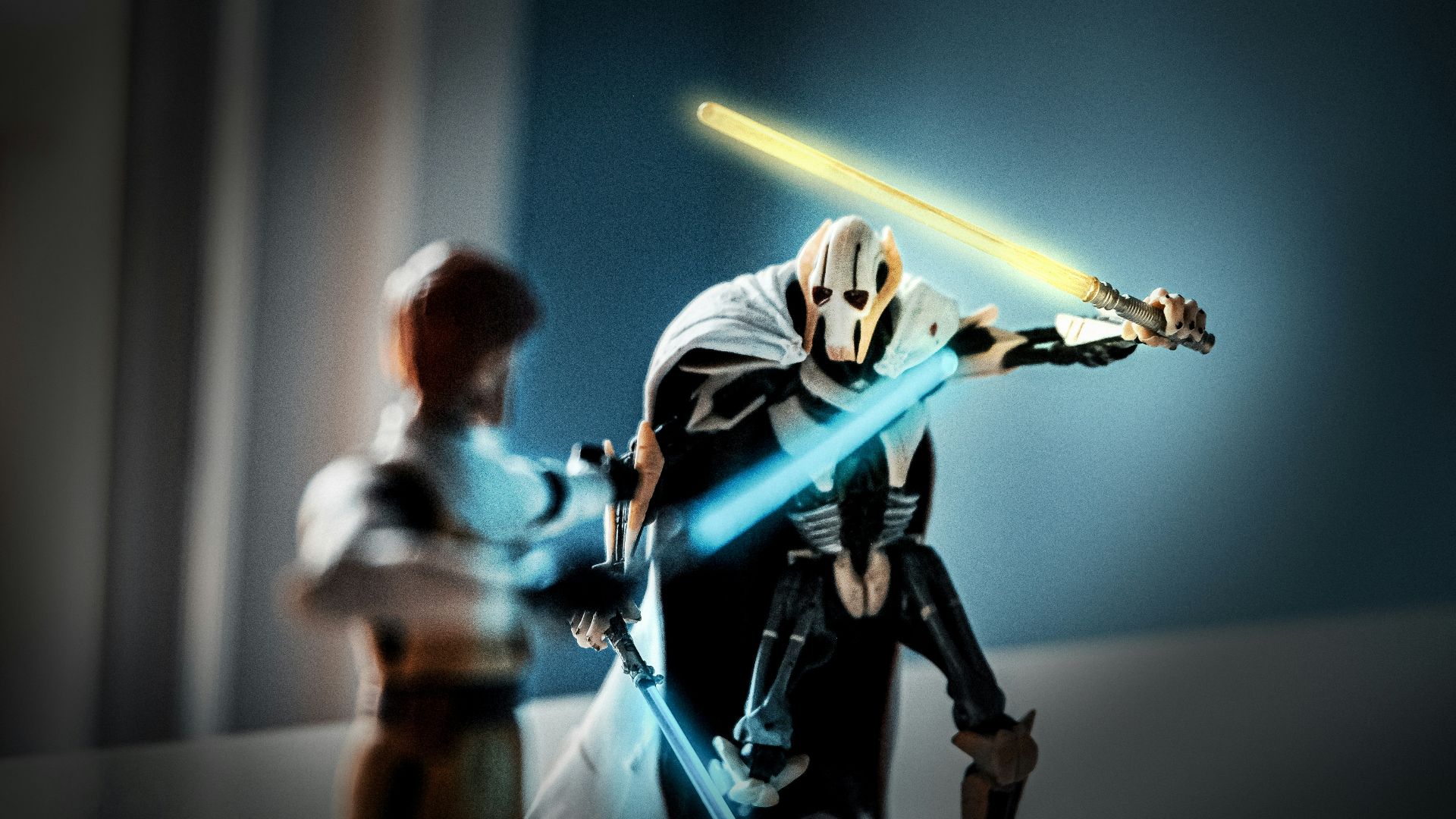
Emet-Selch wants his lost world back badly enough to erase the one that grew in its place. What makes him unforgettable isn't the scale of that ambition; it's how much time the game lets him spend with you. You end up understanding him completely without ever agreeing with him.
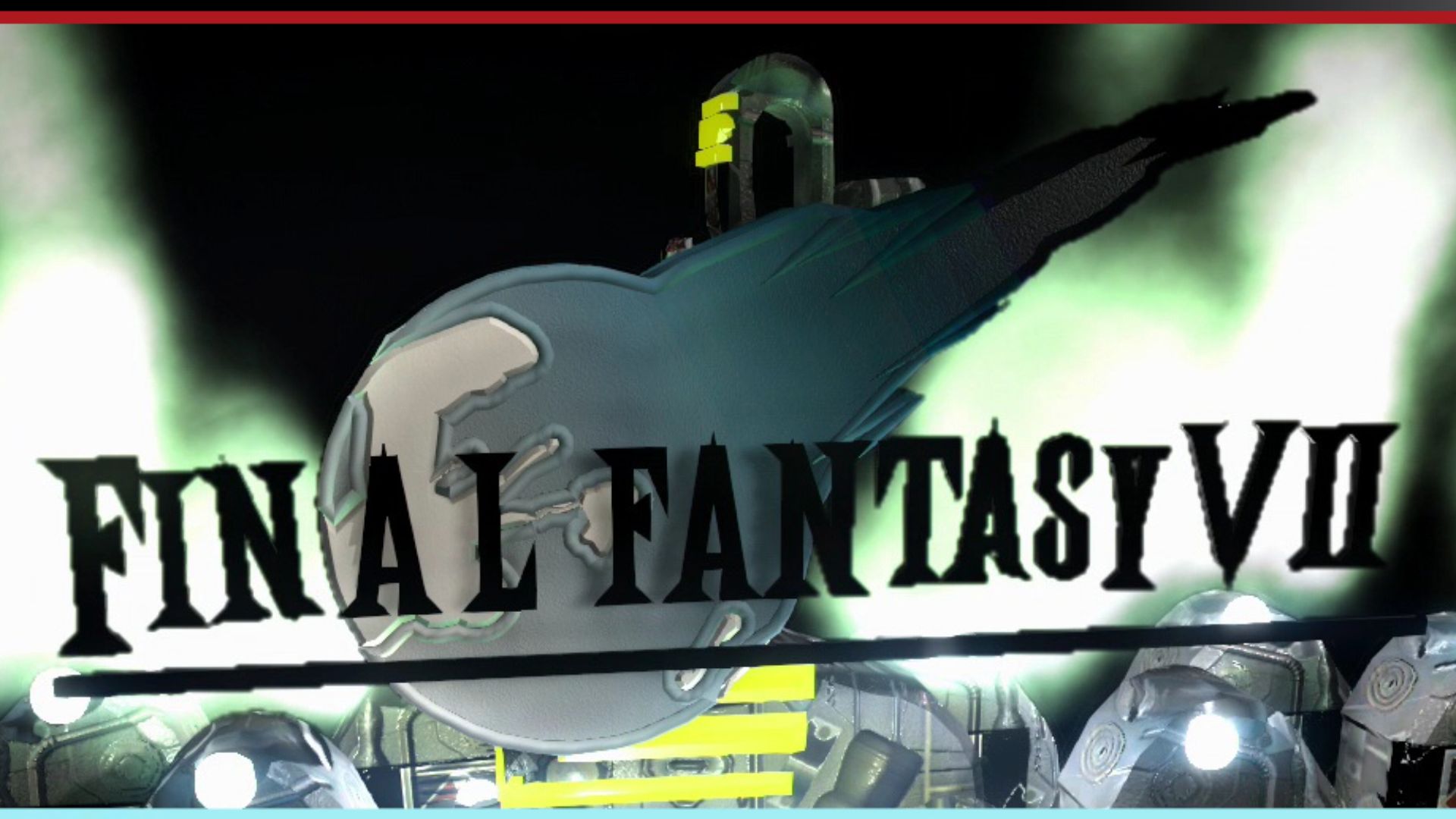
8. Sephiroth, Final Fantasy VII
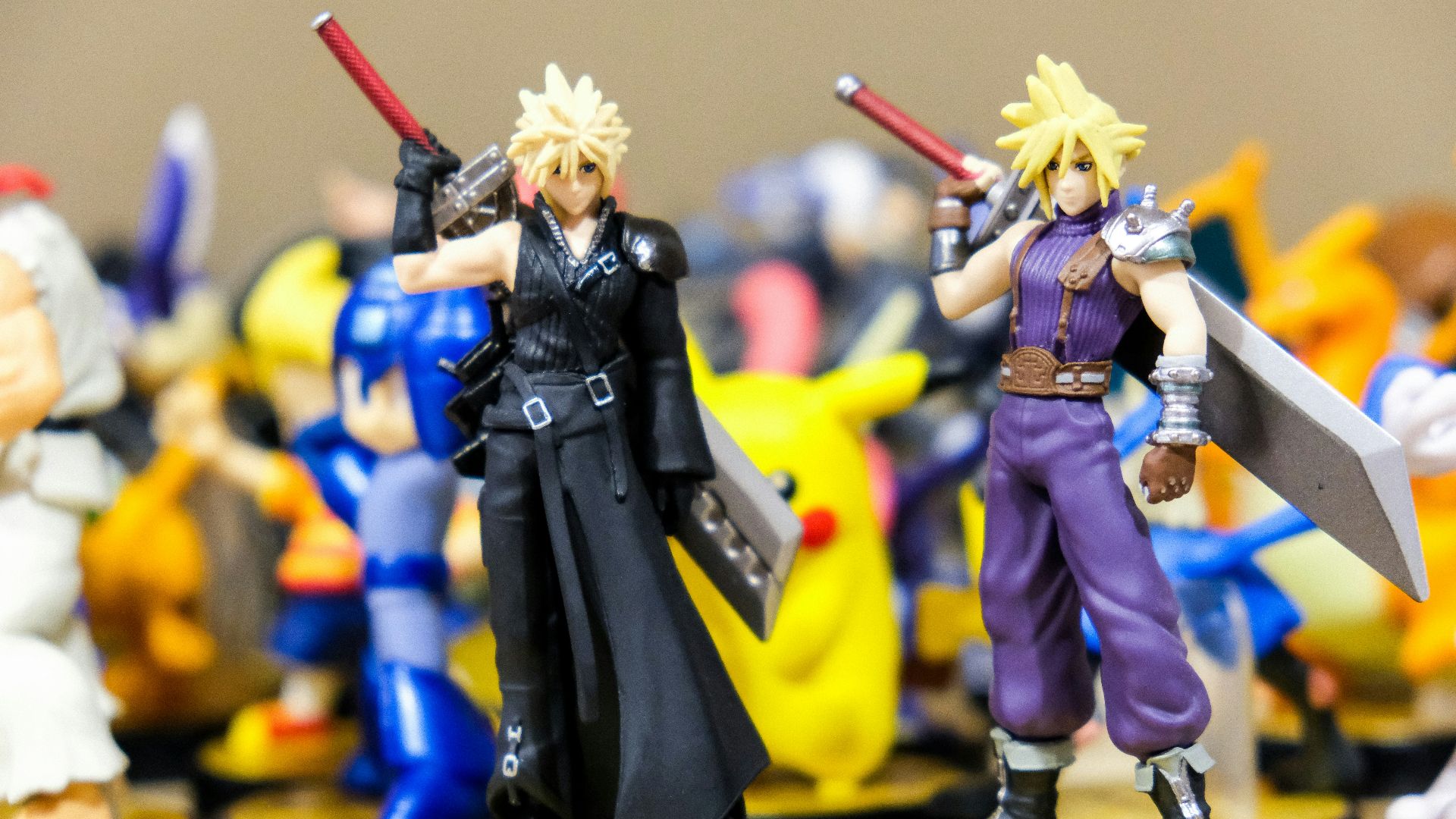
Sephiroth becomes a legend before you ever share a scene with him. Cloud's own fractured memories do the heavy lifting, making his presence feel massive even in his absence. But his real weapon isn't Masamune; it's Cloud's identity, which he picks apart with surgical precision.
9. Kefka Palazzo, Final Fantasy VI
Kefka enters as comic relief, creating a setup for one of the genre's great bait-and-switches. The final act doesn't ask the heroes to simply defeat him; it asks them to rediscover a reason to keep living at all, setting hope directly against Kefka's belief that nothing means anything.
10. The Master, Fallout
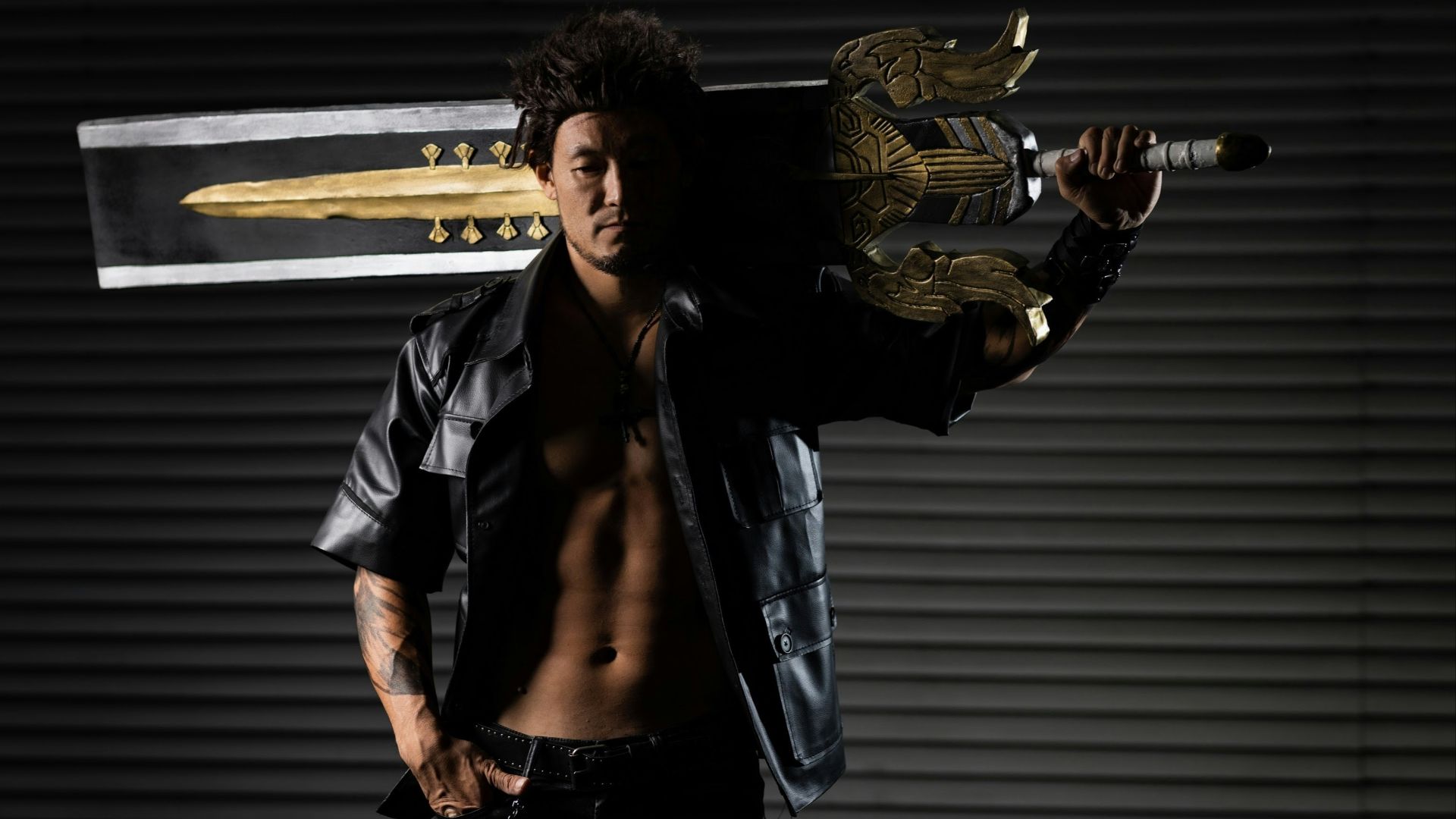
The Master's pitch is almost sympathetic: forced evolution into a single unified species, ending humanity's endless capacity for self-destruction. The horror is entirely in the method: a plan built on stripping away choice and inflicting mass suffering in the name of peace.
11. SHODAN, System Shock 2
For most of the game, SHODAN hides in plain sight as "Dr. Janice Polito," feeding you instructions while secretly using you as a weapon. The reveal recontextualizes every prior command as a calculated manipulation. Her voice, glitching and grandiose, backs up her conviction that she's ascended to godhood.

12. Flowey, Undertale
Flowey remembers every save file. Every reset. Every ending you didn't choose. The genius of his writing is that this isn't a wink at the player; it's load-bearing for his entire character, shaping how he treats everyone he meets and turning the act of reloading a save into a larger moral question.
 Toby Fox and/or Temmie Chang on Wikimedia
13. Odin, God of War Ragnarök
Forget the throne and the spear. Odin's real power is patience. He studies what people are afraid of and what they want, then offers them just enough truth to make his proposals irresistible. His masterstroke is spending the entire game disguised as Týr, walking freely through his enemies' inner circle.
14. Gaunter O'Dimm, The Witcher 3: Hearts of Stone
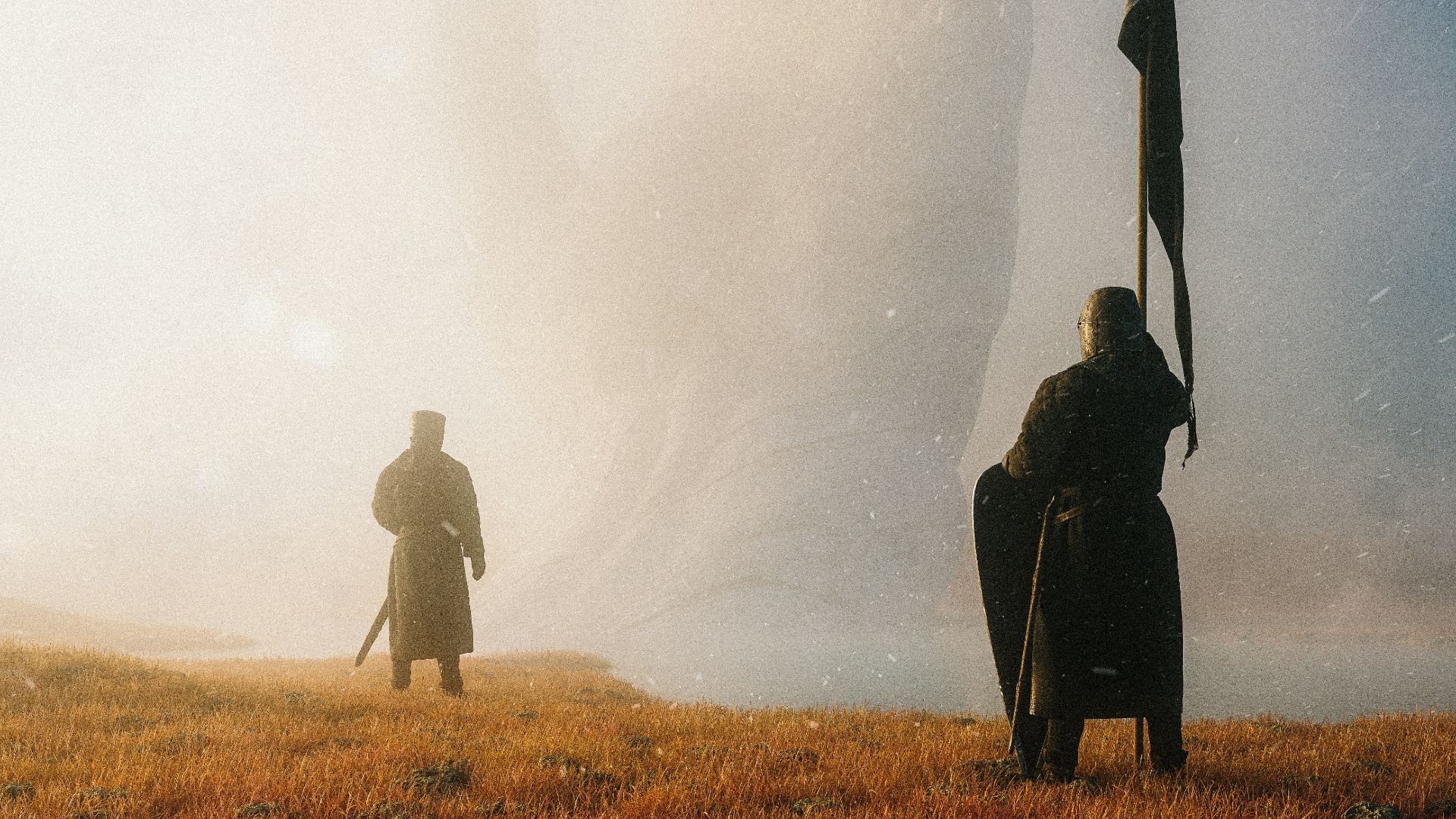
O'Dimm never forces anyone into anything, and that's what makes him so unnerving. His deals with Olgierd von Everec and Geralt hinge entirely on consent, fine print, and desperation, and he waits, endlessly patient, for people to sign away exactly what they don't realize they're losing.

15. Solas, Dragon Age: Inquisition
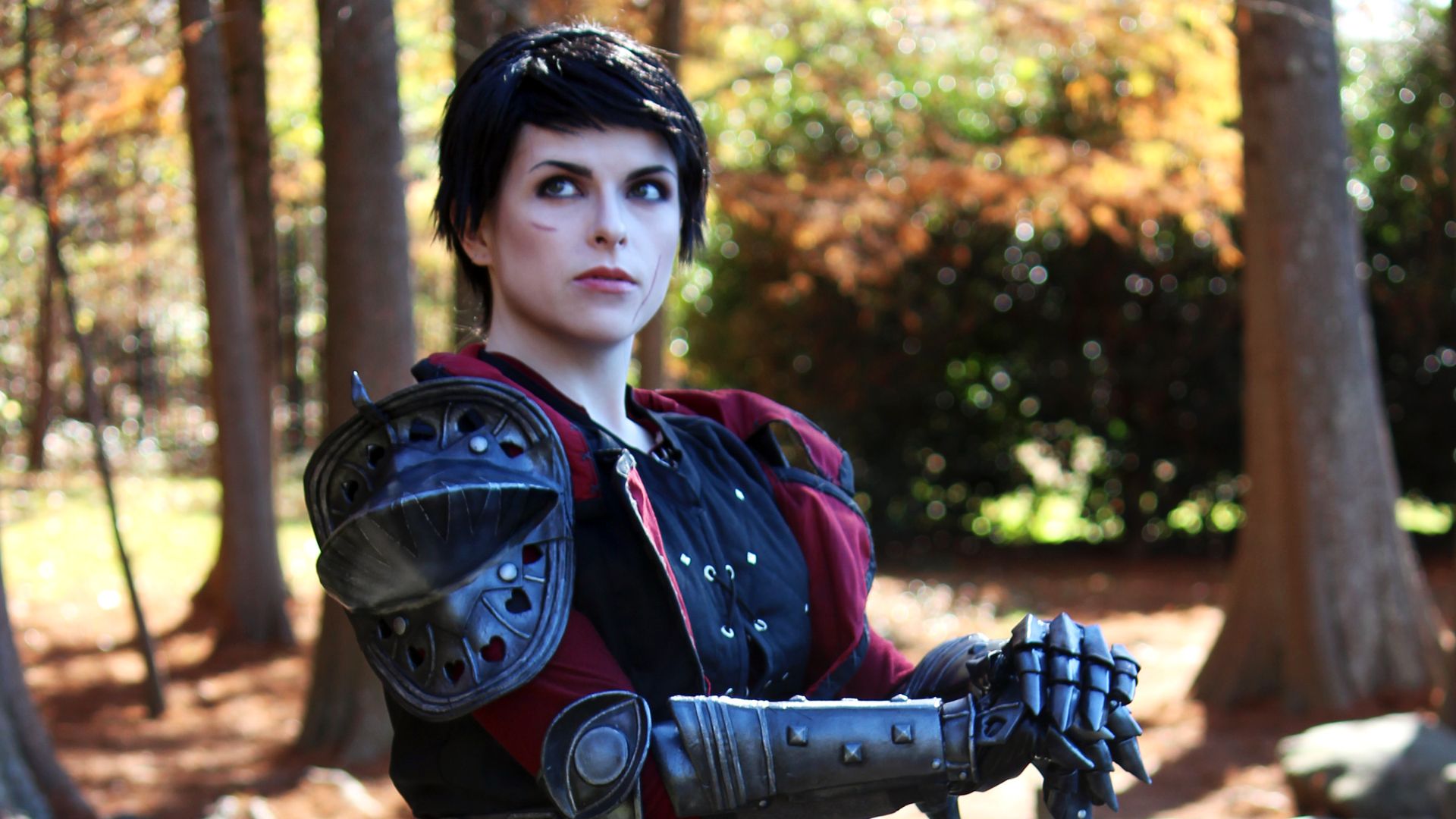
Solas spends most of the game as your thoughtful, slightly aloof ally. Generous with his knowledge and caring toward the people he grows close to. When you learn he intends to tear down the Veil, every prior conversation instantly gains a new perspective. The cruelest detail is that his affection for the people around him was never fake; it just isn't going to stop him from ending their world.
 greyloch from Washington, DC, area, U.S.A. on Wikimedia
16. Colonel John Konrad, Spec Ops: The Line
Walker marches into Dubai hunting a monster named Konrad. The twist is that Konrad has been dead the entire time. The voice judging Walker's every decision is a hallucination conjured by his own collapsing mind. It's a masterstroke of psychological writing: an imaginary villain who exists solely to give Walker someone else to blame.
17. The Boss, Metal Gear Solid 3: Snake Eater
On paper, The Boss commits the ultimate betrayal: defecting, then dying at her own student's hand. In reality, she's completing a mission that demands she accept eternal public disgrace and let history remember her as a traitor, all without her student ever learning the truth in time.
18. Jon Irenicus, Baldur's Gate II: Shadows of Amn
Irenicus kidnaps you, tortures you, and tries to rip a literal god-soul out of your body; and the game still finds room to explain the exile and soul-loss that fuel his obsession with restoration. He never stops treating every person around him as raw material for reclaiming what he lost.

19. Ketheric Thorm, Baldur's Gate 3
Ketheric's loyalty shifts from god to god as he tries to survive losing his wife and daughter, spiraling through persecution and war before landing in service to Myrkul. His grief gives every weary line of dialogue some serious emotional gravity, especially as you piece together his family's fate.

20. Raphael, Baldur's Gate 3
Raphael treats temptation as theater: full of rhyme, grand entrances, and contracts written specifically to hide their real cost in the fine print. Every choice in his design supports one idea: a devil who craves power and fully expects you to admire how cleverly he took it.