 Stanislav Kondratiev on Pexels
Building a retro game collection can be rewarding, but it’s easy to spend too much money on items that don’t fit your interests. A thoughtful collection usually starts with personal history, preferred genres, available space, and a realistic budget rather than a desire to own everything. Deciding what matters most gives the collection a clear direction and makes each purchase feel intentional.
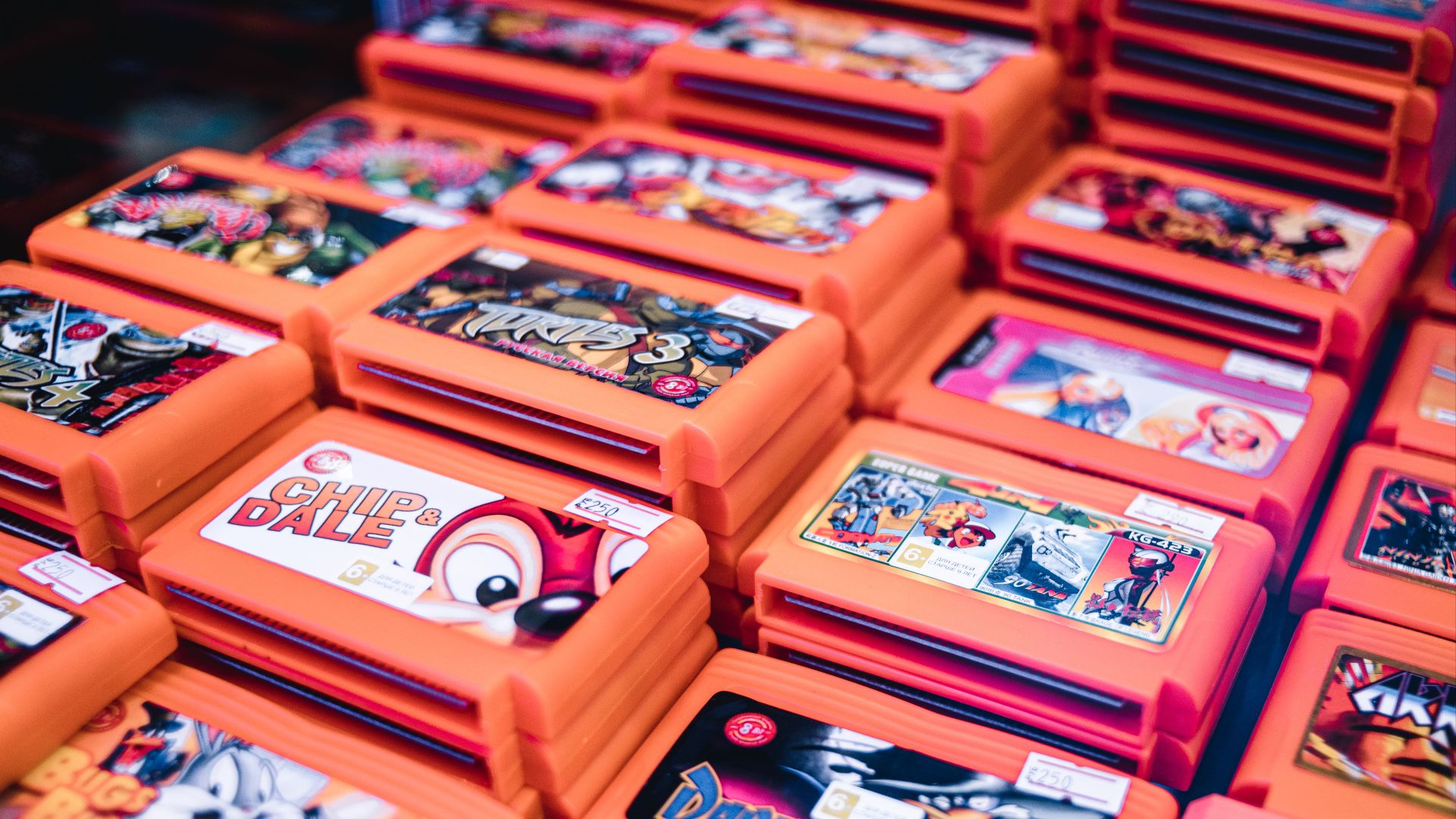
Collectors also need to consider condition, authenticity, hardware compatibility, and long-term storage before buying older games. Prices can vary widely depending on rarity, completeness, and demand, while worn labels or missing manuals may affect value differently from one person to another. Careful research helps you avoid expensive mistakes without removing the enjoyment from the hobby.
Define The Collection Before Buying
Start by choosing a focus that matches your actual interests. You might collect games from one console generation, a favorite genre, a particular publisher, or titles you remember from childhood. A narrower theme makes it easier to recognize worthwhile purchases and prevents the collection from becoming a random pile of cartridges and discs. It also helps you set clearer goals.
Budgeting should come before browsing because nostalgia can make prices feel easier to justify than they really are. Set a monthly spending limit and decide whether that amount includes hardware, accessories, repairs, and storage supplies. Rare items can be tempting, but passing on one purchase is often better than disrupting other financial priorities. A collection should remain enjoyable rather than becoming a source of stress.
Make a written wish list and separate essential items from optional ones. This gives you a reference point during conventions, online auctions, and secondhand store visits, where limited availability can create pressure to buy quickly. Ranking items by importance also keeps you from spending heavily on something that barely interests you. Don't forget to update the list as your tastes change.
Learn How To Buy With Confidence
Research typical selling prices across several marketplaces instead of relying on one unusually high listing. Asking prices don’t always reflect what buyers are actually paying, so completed sales provide a more useful comparison. Condition, region, packaging, and included materials can all influence value. Keeping simple notes on recent prices can help you recognize both genuine deals and inflated offers.
Authenticity deserves special attention because reproductions and altered items are common in parts of the market. Examine label quality, cartridge shells, screws, circuit boards, and printing details whenever possible, while comparing them with verified examples. Some reproductions are clearly disclosed and useful for casual play, but they shouldn’t be sold as originals. When an expensive item can’t be inspected properly, caution is usually the safest choice.
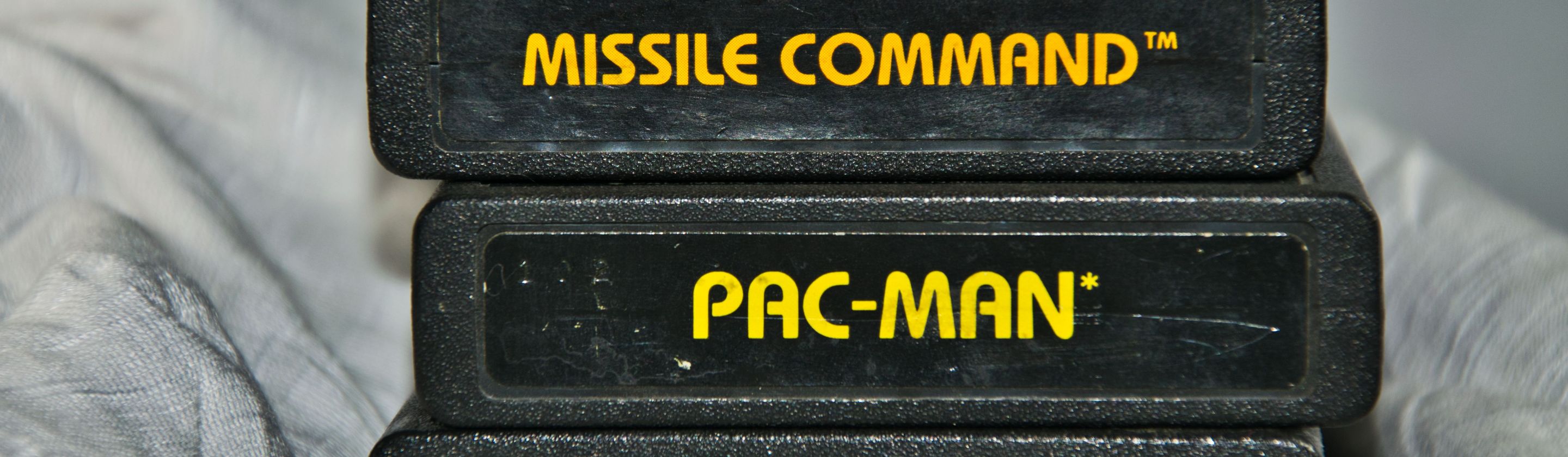
Ask sellers direct questions about testing, repairs, battery replacements, and cosmetic damage. Older cartridges may contain save batteries that no longer work, while disc-based games can have scratches or resurfacing marks. Photos should show the front, back, edges, and any flaws rather than only the most attractive angle. A trustworthy seller will usually provide clear information instead of avoiding reasonable questions.
Preserve The Games And Keep Them Playable
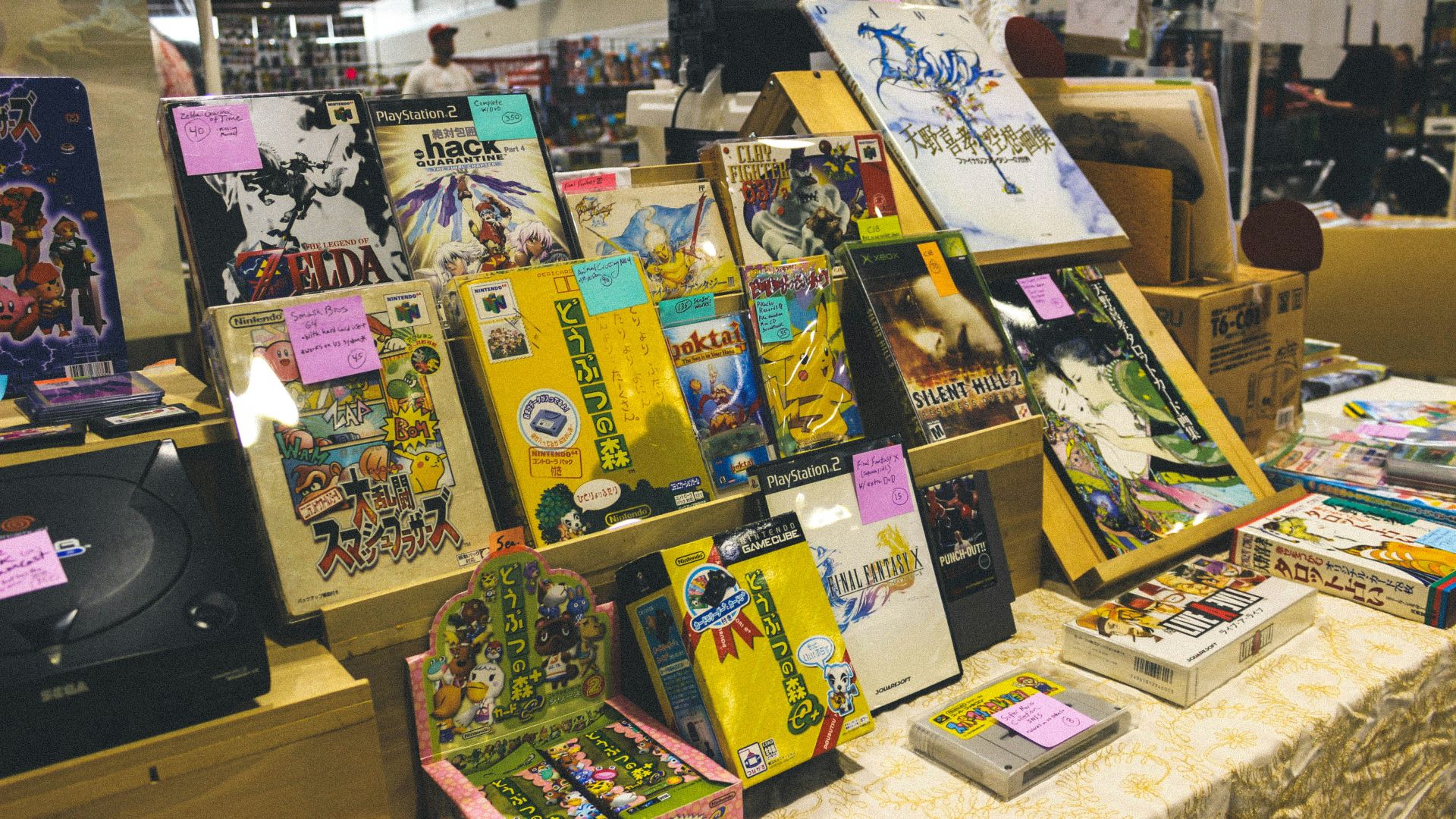
Proper storage protects both appearance and function. Keep games away from direct sunlight, moisture, smoke, and major temperature changes because these conditions can damage labels, packaging, and electronic components. Plastic protectors can help boxed items retain their shape, while sturdy shelving reduces the risk of crushing or bending. Organizing by system or format also makes the collection easier to use.
Clean games and hardware carefully with methods suited to the material involved. Cartridge contacts can often be treated with high-percentage isopropyl alcohol applied sparingly, while harsh household cleaners may damage labels or plastic. Never force a dirty cartridge into a console because debris can transfer to the system’s connector. Regular, gentle maintenance is safer than aggressive restoration.
Test equipment periodically rather than leaving everything untouched for years. Older consoles can develop problems involving capacitors, belts, disc drives, batteries, or power supplies, and early detection may prevent additional damage. Use appropriate voltage equipment and avoid questionable adapters that could harm the hardware. Keeping a simple record of repairs and replacements is especially useful for larger collections.
A strong retro collection reflects the owner’s interests rather than the size of a price guide. Thoughtful goals, careful research, honest budgeting, and proper storage allow the hobby to grow at a comfortable pace. Some of the most satisfying items may be inexpensive games connected to personal memories, while costly rarities can feel meaningless without genuine interest. Curating with patience creates a collection you’ll actually enjoy playing, displaying, and maintaining.