In a few decades, Dungeons & Dragons along with other TTRPGs went from being the cause for satanic panic, to one of the most well-known fan spaces in the world. While the popularity and mainstream acceptance of TTRPGs can't be chalked up to just one thing, there are a few factors contributing to its sudden boost in popularity. One of these factors is the rise of actual play webseries and podcasts.
Actual play, for those not in the know, is best defined as a gaming experience rather than a particular type of content. At its most basic, the audience is watching/listening to a roleplay campaign happen in real-time. It's sort of like theater, specifically an incredibly immersive and high-stakes improv show.
What Is Actual Play?
The only "rule" for actual play is that there must be live playing of the game in question. While Dungeons & Dragons is by far the most popular system for actual play, Pathfinder and The Call of the Cthulhu are also popular. Other than that, actual play is what you make of it.
Actual play can be run by comedians, actors, or just a group of friends who want to share their campaign with the world. Episodes can be short or span several hours each. The worldbuilding can be serious or silly.
While there were actual play live performances throughout the 2000s, the show that really kicked things off was Critical Role. Debuting in 2015, Critical Role saw a collection of popular voice actors bring their campaign to YouTube in real time. The recognizable names, excellent performances, and engaging campaigns all contributed to Critical Role's success, eventually evolving into a production company and animated series.
However, Critical Role was not the only actual play show to have made it big. The Adventure Zone and Dimension 20 are just two examples of shows that not only amassed cult followings but broke into the mainstream. In 2015, you could count the amount of actual play shows on one hand with fingers left over; now, there are dozens.
The Draws Of Actual Play
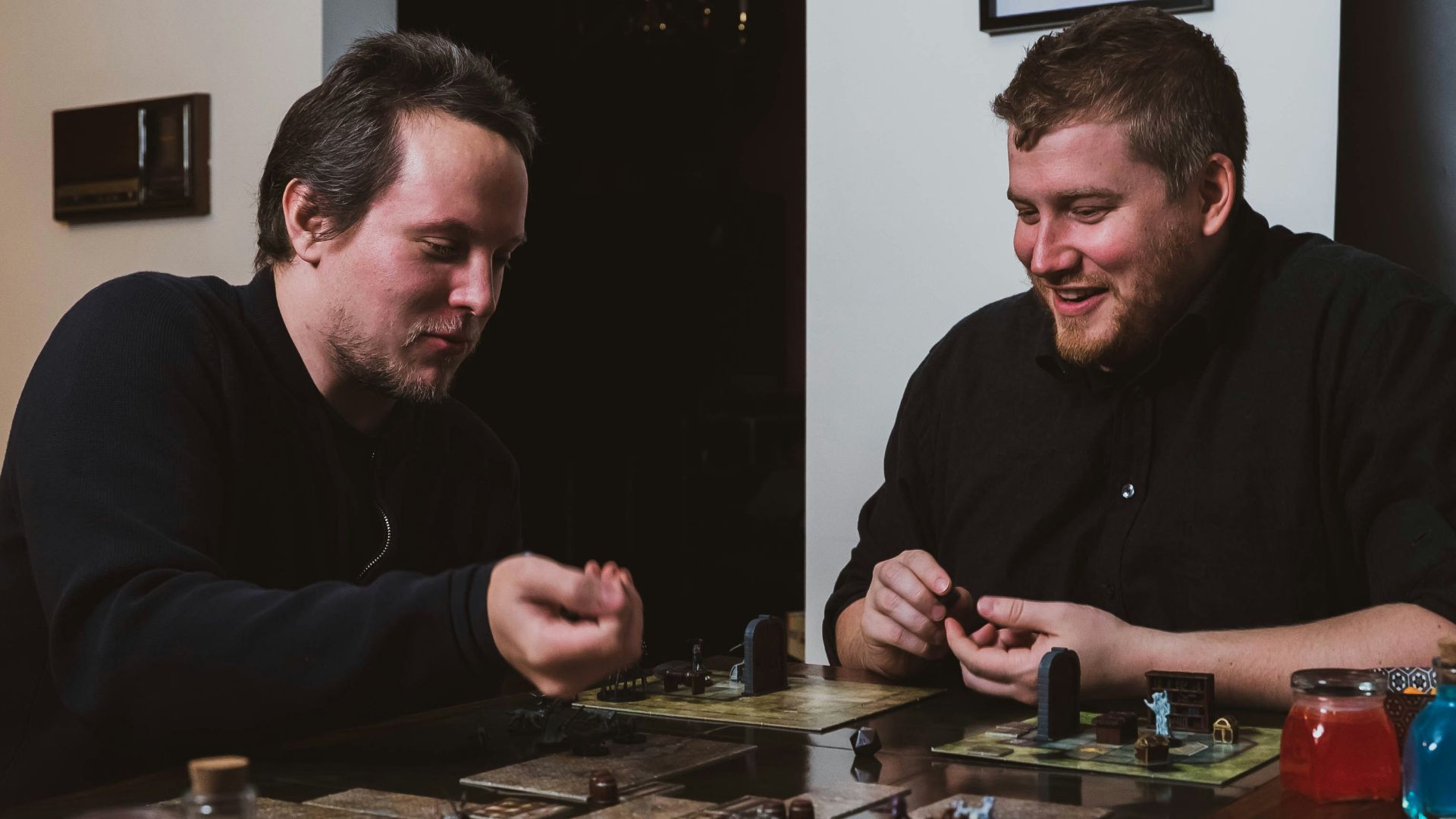
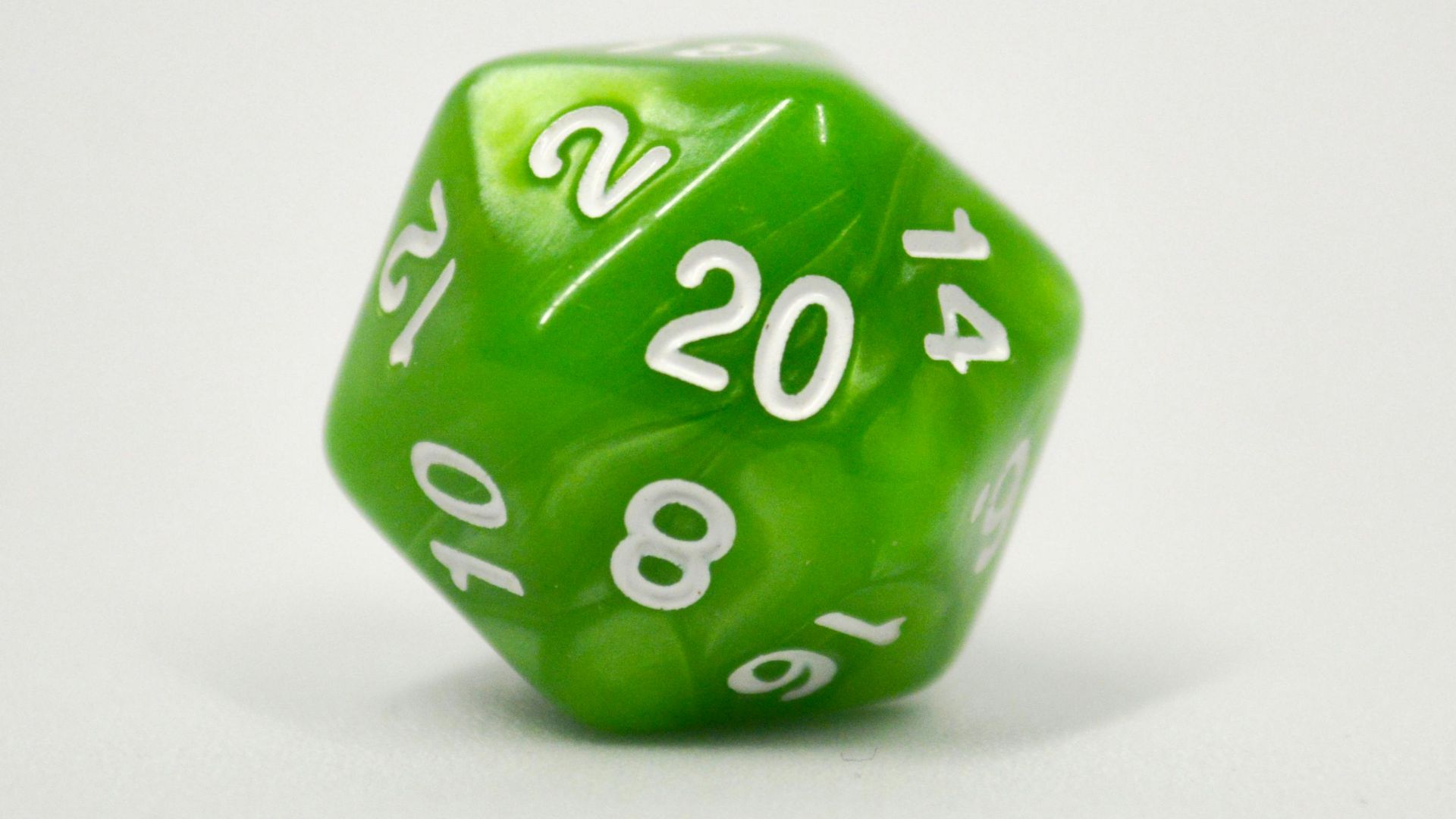
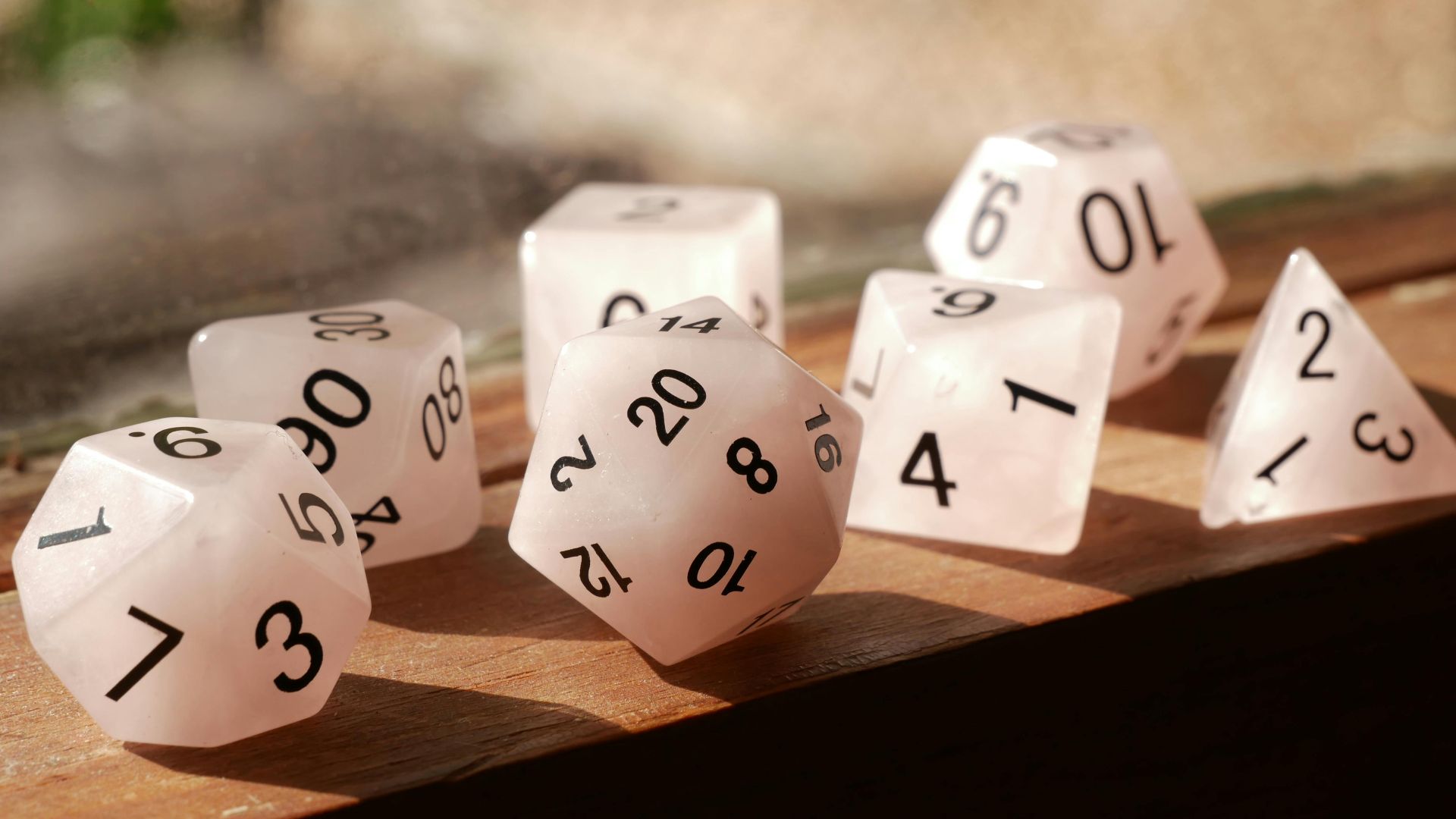
One of the biggest draws of actual play is that these shows allow a peek into a world that can otherwise be intimidating. There are a lot of rules in your average TTRPG—different dice for different roles, plenty of stats and spells to keep track of, a daunting amount of mathematics—and some people take roleplaying very seriously. All this can be overwhelming for potential players, who may see the TTRPG scene as cliquey.
If you think you might like to try your hand at a game, but have difficulty understanding the mechanics, or just want to see what a campaign is actually like, actual play is perfect for dipping a toe into the world. And, for those who don't have a campaign to join in real life, actual play lets you feel like you have a spot at the table.
For players who are nervous about the roleplaying aspect or need inspiration for their characters, actual play shows can encourage them to break out of their shells. While these shows do feature intense emotional drama, they're not afraid to be silly. No matter the production value, any actual play show is, at its' core, a group of friends playing pretend.
Another thing that has contributed to the popularity of actual play is its focus on who gets a spot at the table. Historically, both the TTRPG scene and the public image of roleplaying has skewed overwhelmingly white and male. The biggest actual play show include women, people of color, and LGBT people in their casts both in terms of players and player characters.
In an increasingly digital age when playing a virtual round of D&D is easier than ever, actual play shows are many people's first real exposure to the wide and wonderful world of TTRPGs. We think that's wonderful. There's always room at the table for more players.