The Evolution of Cosplay: From Fringe Fan Culture to Mainstream
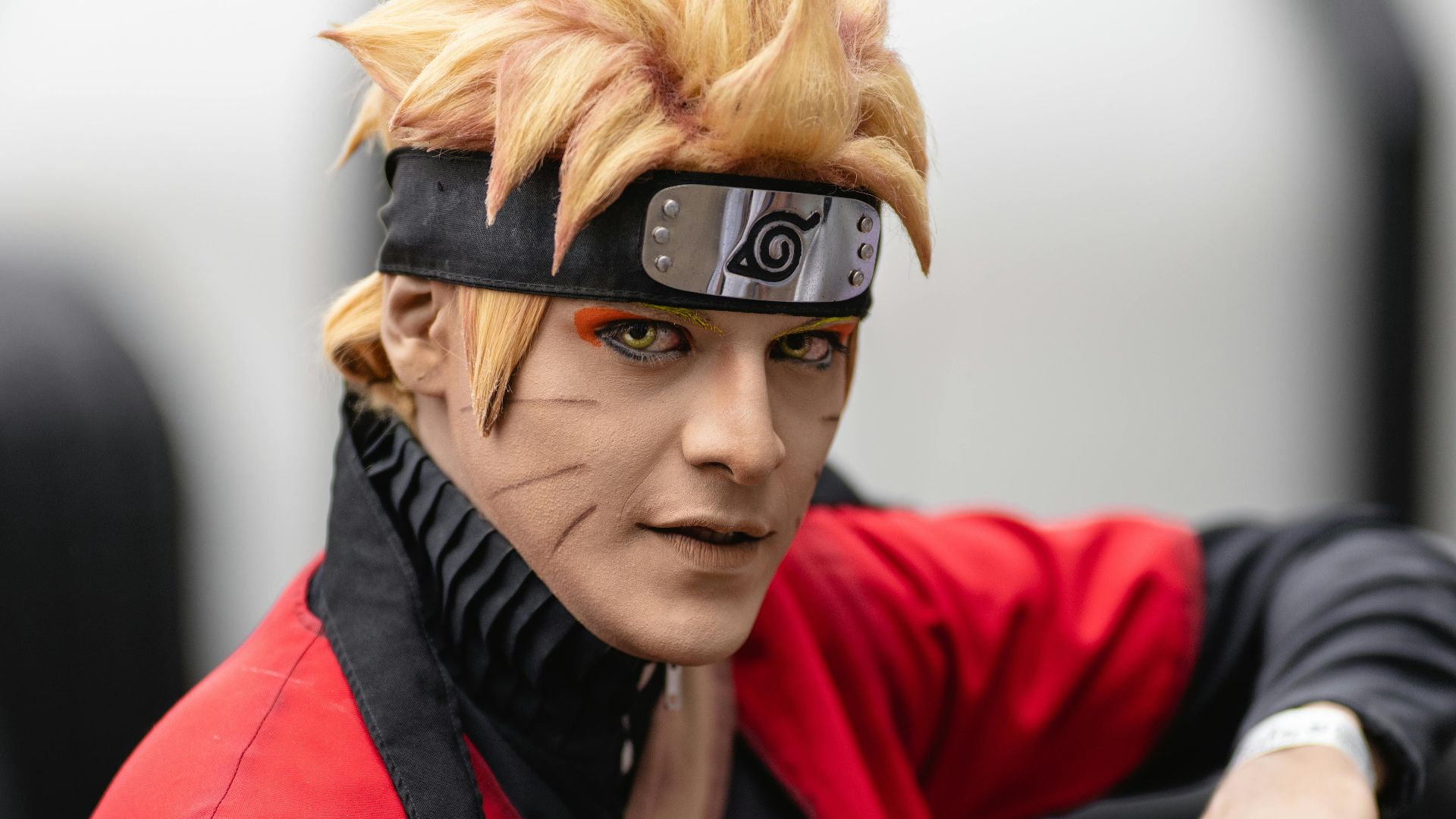
Cosplay didn't begin as the highly visible phenomenon many people know today. For a long time, it lived in the niche corners of fandom, thriving among devoted fans who were willing to spend time, money, and energy dressing up as their favorite fictional characters. To many people looking in from the outside, it seemed odd, overly niche, or simply easy to dismiss as costume play for the unusually committed.
That perception has changed dramatically over the years. What was once treated as fringe fan behavior has become a recognized part of global pop culture, complete with industry influence, social media followings, convention stages, brand collaborations, and growing respect for the skill involved. If you look at cosplay now, you're not just looking at a subculture in costume, but at a creative form that has steadily moved into the mainstream without losing its fandom roots.
Early Cosplay Grew Out of Devotion
Cosplay’s roots are often strongly associated with Japan, though the broader practice of fan costuming existed earlier in Western science fiction convention culture, dating back to 19th-century France. What Japan really did was help shape the modern form and language of the hobby: the word “cosplay” comes from the Japanese portmanteau kosupure, derived from “costume” and “play.” Sources on cosplay history also point to Japanese fan culture in the 1970s and 1980s, especially convention spaces and later anime and manga fandom. The term itself is widely credited to Japanese writer Nobuyuki Takahashi after he attended the 1984 World Science Fiction Convention in LA.
In its earlier stages, cosplay was closely tied to fan communities that already existed outside mainstream attention. Science fiction conventions, anime circles, comic fandoms, and gaming communities gave people a place to share their enthusiasm in ways that felt immersive. Dressing as those characters became one more way to participate, and for many fans, it felt like a natural extension of loving a fictional world deeply.
At that stage, the resources available were also much more limited than they are now. There were fewer tutorials, fewer specialized materials, and far less visibility for costume-making as a public skill. If you wanted to dress as a specific character, you usually had to improvise, sew, adapt, and figure things out through trial and error, which gave the hobby a grassroots feel.
That early DIY quality helped shape cosplay’s identity in lasting ways. It encouraged community, creativity, persistence, and a kind of problem-solving energy that remains central to the culture even now. Long before cosplay was stylish, marketable, or widely admired, it was already teaching people how to make something impressive out of obsession, patience, and very specific fandom knowledge.
The Rise of Conventions & the Internet
The rise of larger fan conventions gave cosplay a much bigger stage. As comic, anime, and gaming events grew in size and visibility, costumes became more visible too, turning hallways, panels, and contest stages into spaces where fan creativity could not be ignored. Once thousands of people gathered in one place, cosplay stopped looking like a rare oddity and started looking like a major feature of the event itself.
The internet changed things even more dramatically because it removed cosplay from the limits of physical gatherings. Fans no longer had to wait for the next convention to share a costume or see what others were making. Forums, photo-sharing sites, blogs, and later social media platforms created a continuous conversation, allowing cosplayers to post progress shots, teach techniques, display finished looks, and build communities that lasted all year.
That digital expansion made the craft side of cosplay much more visible. People began to understand that a costume wasn't simply something bought and worn, but often something researched, constructed, styled, painted, altered, and carefully assembled over time.
The online world also introduced cosplay to audiences who weren't already part of convention culture. You didn't need to attend an anime expo or comic convention to come across a cosplayer’s work because it was already on your screen. As images spread more widely, the hobby reached people who might never have entered those spaces before, and that broader visibility helped shift cosplay from an insider practice to a recognizable cultural form.
Mainstream Attention Changed Cosplay, but Didn't Erase Its Roots
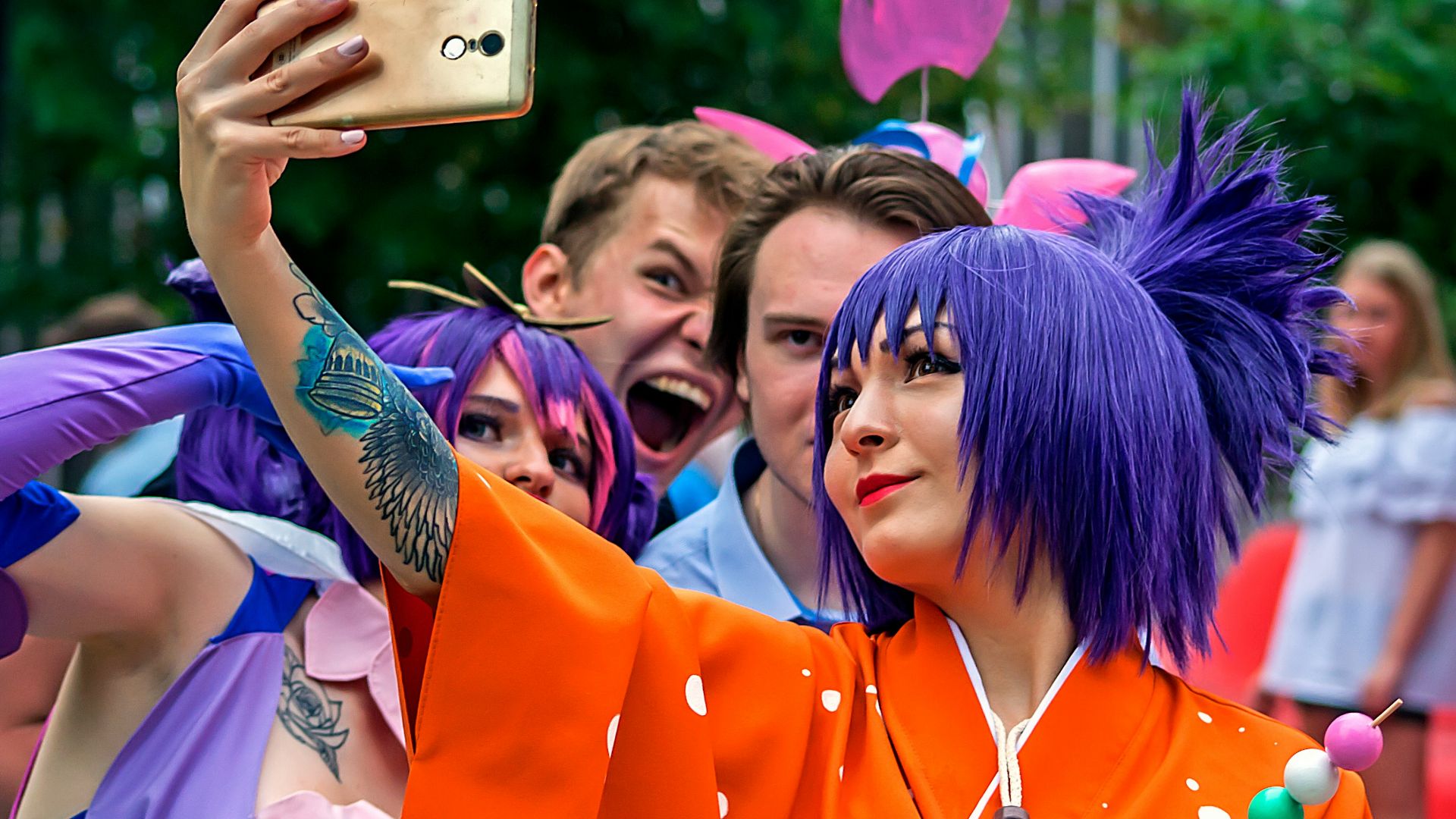
As cosplay gained popularity, the mainstream began responding in ways that would have seemed unlikely in earlier years. Media outlets covered convention fashion, entertainment brands celebrated fan recreations, and costume contests became far more professional. Cosplayers themselves began building large followings, turning a once-niche hobby into a successful career.
That visibility brought benefits, especially in the form of legitimacy. Skills that were once overlooked started receiving more recognition, and people outside the community became more willing to see cosplay as an art form involving craftsmanship, performance, and design. You can now find far more respect for the labor involved, which is a major shift from the days when many dismissed the whole thing as play.
But cosplay’s mainstream rise hasn't erased the reasons people were drawn to it in the first place. At its core, it's still about connection, imagination, and the desire to step closer to stories that matter to you. Whether someone is creating a handmade costume for a local convention, building a massive online audience, or simply dressing as a favorite character for the joy of it, the emotional core remains constant.
That's what makes cosplay’s evolution so interesting. It's moved from fringe fan culture into the center of modern pop culture, yet it still carries the creativity and devotion that shaped it in the beginning. The scale is bigger now, the audience is broader, and the polish is often far greater, but the heart of it still comes from fans who love a world enough to bring it to life with their own hands.