

A sleek gaming chair may look impressive on camera, yet looks rarely tell the full story of comfort. Many people choose one for the bright colors or racing-style shape without thinking about how long they sit during the day.
Office chairs, on the other hand, come from a world shaped by workplace safety rules, ergonomic research, and long-term usability. Their design focuses on posture and support rather than style. That difference matters more the longer someone stays at a desk. Understanding what these chairs do well helps people choose seating that protects the body instead of simply decorating a room.
Better Ergonomics Come From Real Research
Office chairs grow out of occupational health studies that examine how the spine behaves during long hours of sitting. Researchers measure how small posture shifts affect pressure on the lower back and neck. Because of this, many office chairs use adjustable lumbar pads, tilt functions, and seat-depth controls based on ergonomic standards from the International Organization for Standardization (ISO), which develops globally recognized guidelines for workplace seating and posture support.
Gaming chairs generally aim to mimic a racing seat, which holds the body in a fixed position designed for short bursts of activity. That shape can limit natural movement and create pressure points over time. While some gaming chairs include cushions or support pillows, they rarely match the full set of ergonomic adjustments found in professional office seating. This difference affects comfort after long periods at a desk.
Adjustability Supports Long Workdays
Office chairs typically offer broad adjustability because workplace seating must fit many different body sizes. Features such as multi-directional armrests, adjustable back tension, and seat-height ranges help users keep their feet flat on the floor and also their shoulders relaxed. These adjustments follow long-established guidelines from occupational safety experts who study the effects of static sitting on muscle fatigue.
In contrast, gaming chairs often focus on style-based features, such as bucket sides and tall back wings. These additions restrict how wide users can sit or shift their weight. Limited adjustability can push people into unhealthy angles, especially during long sessions of desk work. Over time, improper alignment may increase strain on the back and shoulders.
Durability Usually Favors Office Chairs
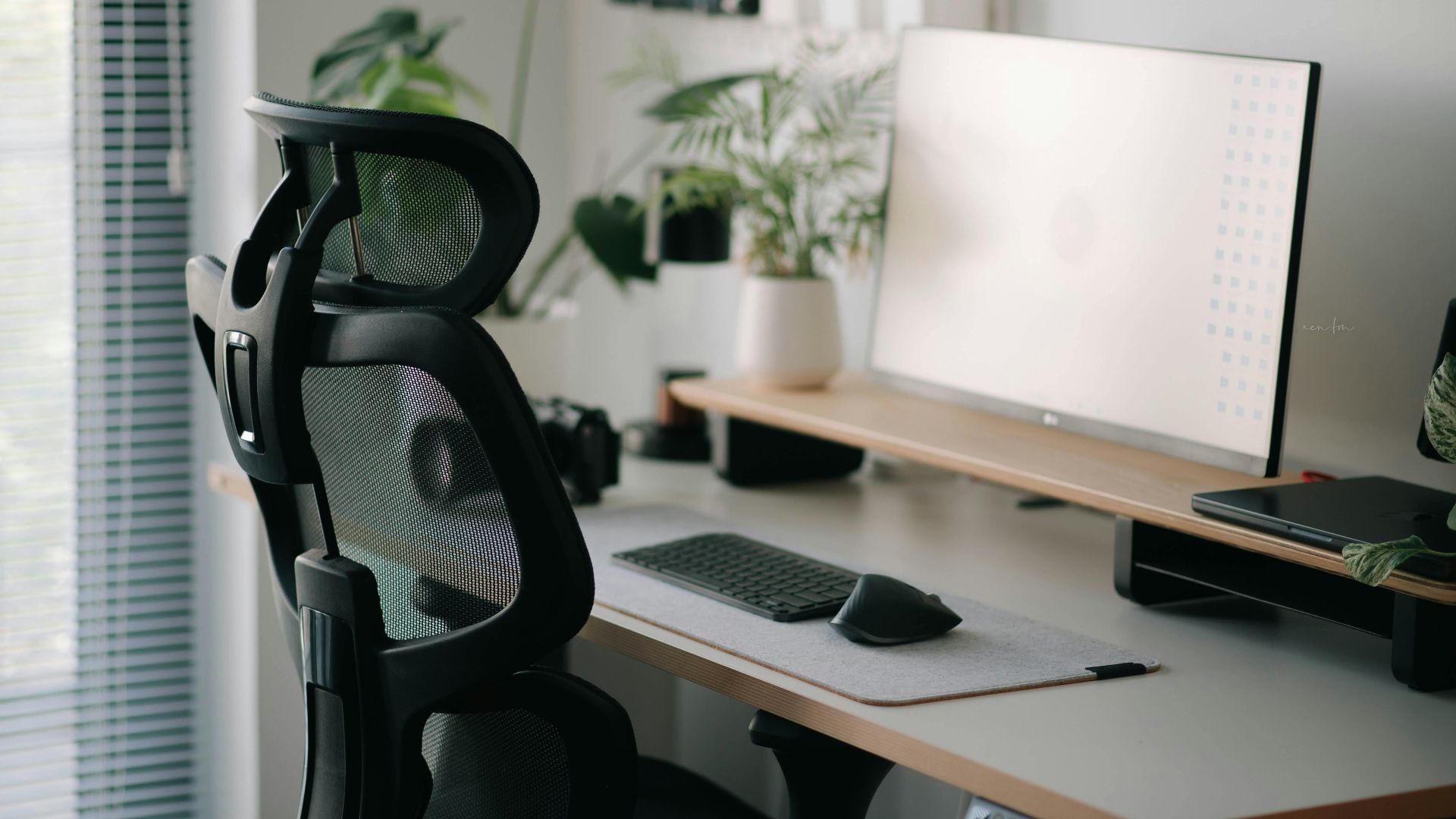
Office chairs undergo testing that simulates years of use, including repeated seat drops, back-pull cycles, and rolling resistance checks. These durability tests reflect how office workers move and swivel throughout the day. Many chairs meet the regulated standards, which outline minimum performance requirements for stability and strength. Meeting these standards helps ensure consistent comfort and reliable construction.
Gaming chairs rarely follow the same testing standards. Many use firm foam, glossy finishes, and decorative stitching that can wear faster under daily use. Some models even emphasize appearance rather than long-term structure. For people who spend many hours sitting, dependable build quality plays a larger role in avoiding discomfort and unnecessary replacements. In the end, a well-built office chair supports the body in ways that style-focused gaming seats simply cannot match.