Real or Fake News? 10 Reasons to Never Trust What You See Online & 10 Ways to Verify the Facts
Real or Fake News? 10 Reasons to Never Trust What You See Online & 10 Ways to Verify the Facts
The Internet Is a Liar
It seems like every two minutes, the internet is giving you some shocking breaking news. Two elephants got in a fight and crushed the caretaker! This plane lost an engine mid-flight and it was chaos! This glass bridge in China shattered randomly! Unfortunately, with the boom of generative AI, these crazy headlines aren't slowing down but are being "backed up" by deepfakes and hyperrealistic, AI-made images. And it's pretty easy to see how these fabricated posts can be incredibly misleading, especially if you don't have an eye for telling apart what's real from fake. Before you believe everything you read and see online (yes, even if the info seems to be coming from an "expert"), here's why you should never blindly trust it, and how you can verify the facts for yourself.

1. Anyone Can Present Themselves as an Expert
A polished profile and a confident speaking style can make someone appear far more qualified than they are. Many online personalities offer medical, financial, legal, or scientific advice without possessing relevant education or professional experience. Unless you check their credentials, you may be taking guidance from someone whose knowledge comes from other social media posts.
2. Algorithms Reward Attention, Not Accuracy
Social media platforms are designed to keep you watching, clicking, commenting, and sharing. Content that provokes anger, fear, or disbelief often attracts more engagement than a careful explanation of the facts. As a result, a sensational falsehood may be promoted widely while a less dramatic correction receives very little attention.
3. Headlines Can Distort the Actual Story
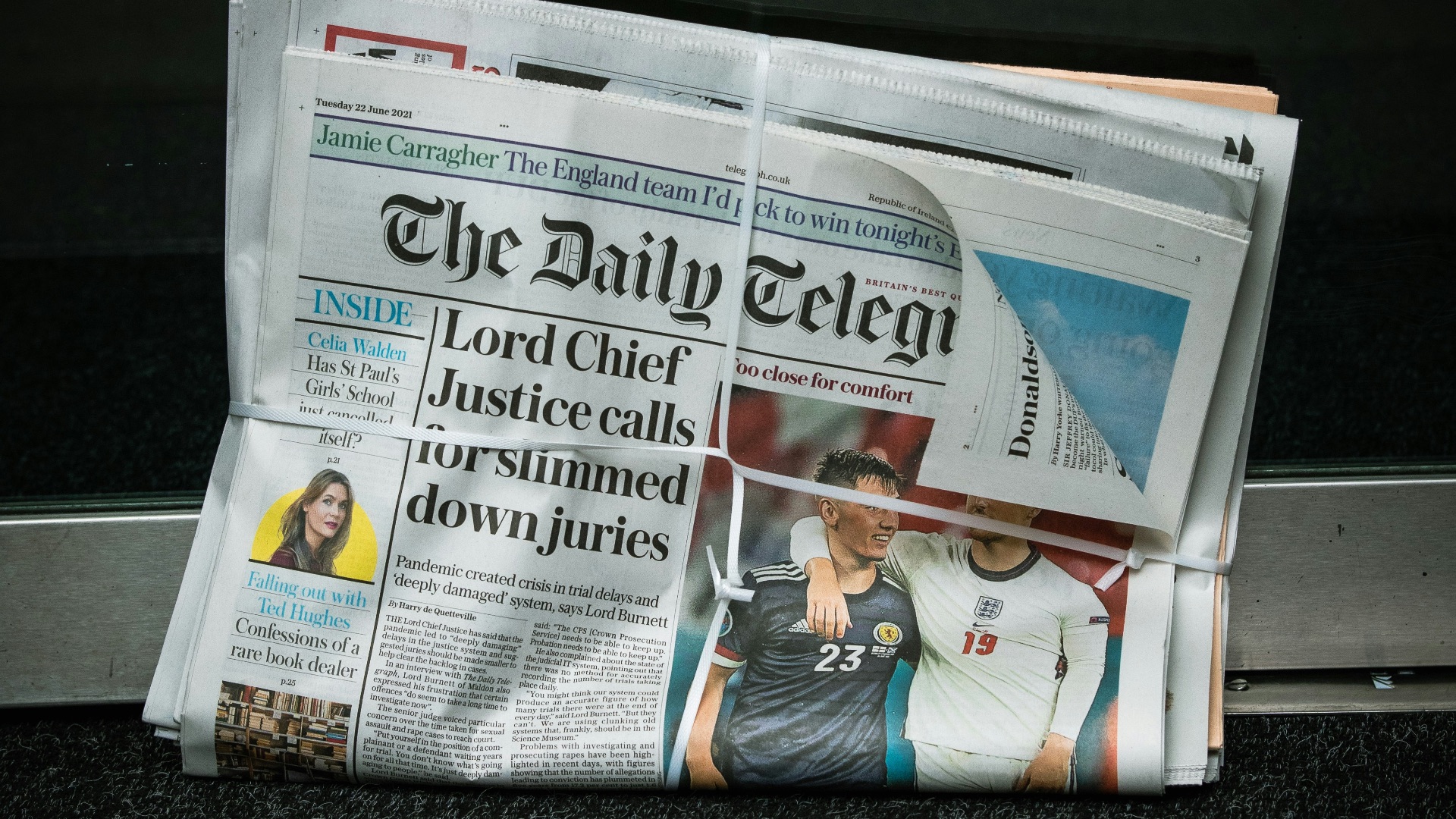
Some headlines exaggerate a minor detail or make a cautious finding sound conclusive because publishers want you to click. Others ask alarming questions that the article itself eventually answers with a clear “no.” Reading only the headline can leave you with an impression that isn’t supported by the information below it.
4. Old Content Is Frequently Reposted as New
A photograph from several years ago can suddenly reappear with a caption claiming it documents something that happened yesterday. Videos from unrelated protests, natural disasters, and military conflicts are also regularly assigned false locations or dates. Without checking when and where the material originated, you may mistake recycled footage for current evidence.
5. Photos and Videos Can Be Manipulated
Editing software can remove people, alter signs, combine separate images, or change the meaning of a recording. Generative AI has also made it easier to produce convincing scenes, voices, and faces that never existed. Visual imperfections may provide clues, but increasingly realistic technology means an image can’t be declared authentic based on appearance alone.
6. Verification Badges Aren’t Proof of Honesty
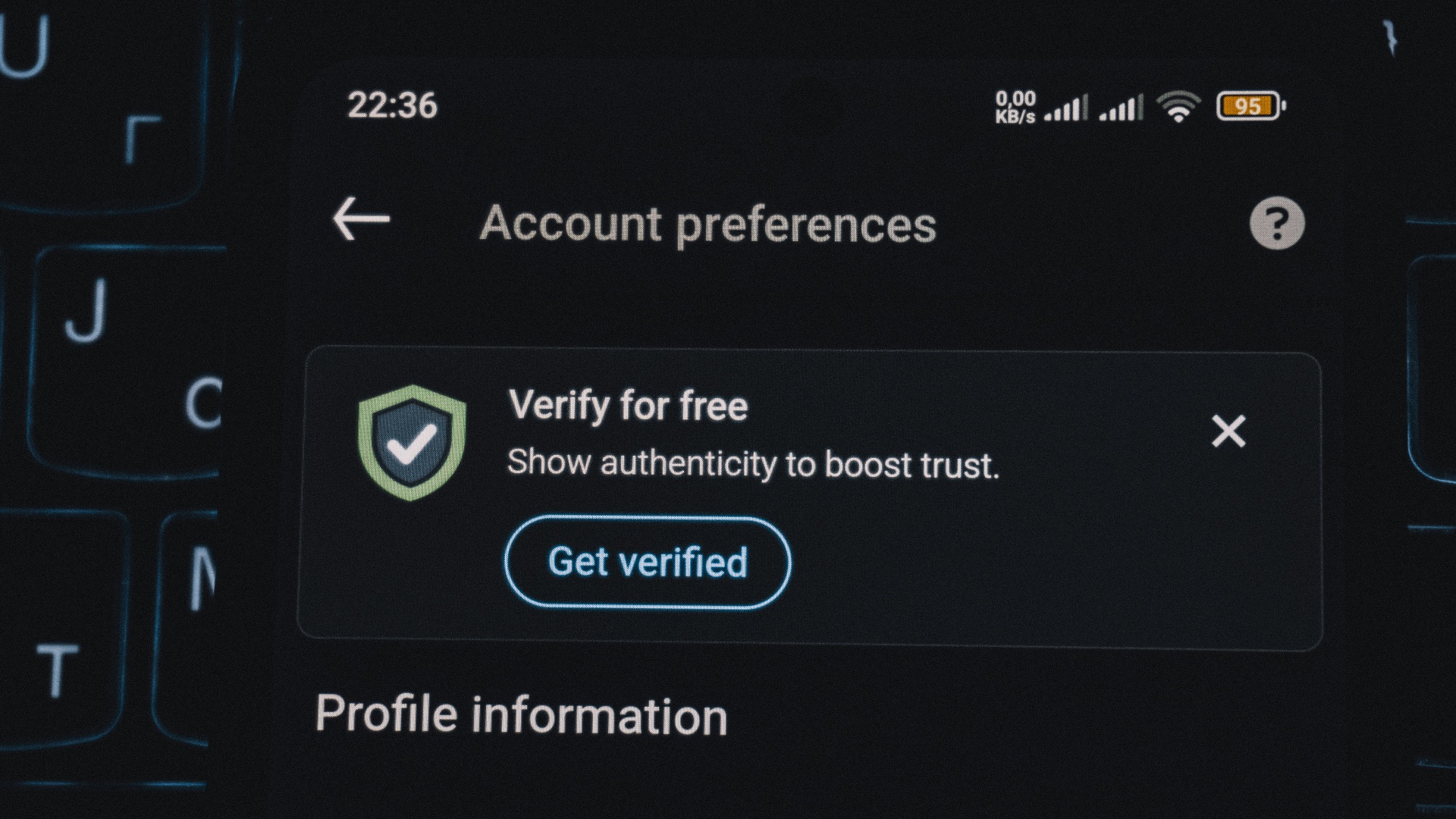
A check mark may indicate that an account pays for a subscription, but it doesn’t guarantee that every statement the account publishes is accurate. Verified users can misunderstand events, repeat rumors, or deliberately circulate fabricated material just like anyone else.
7. Screenshots Can Hide Important Context
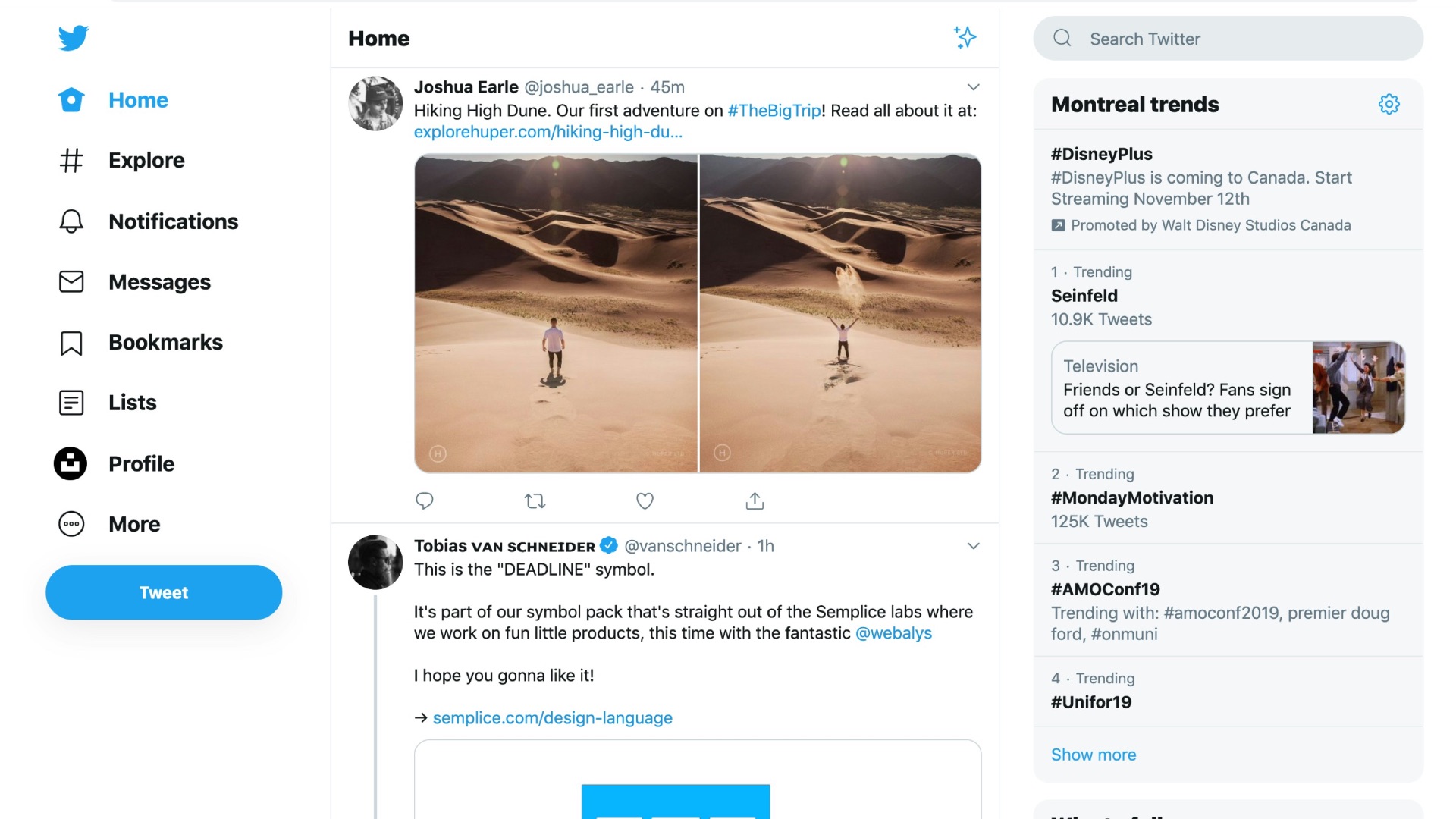
Screenshots are easy to crop, edit, and separate from the conversations in which they originally appeared. A captured headline may come from a parody site, while a quoted message may omit the sentences that explain its intended meaning. Because you can’t see what happened before or afterward, a screenshot should be treated as a clue rather than complete proof.
8. Satire Is Often Mistaken for Reporting
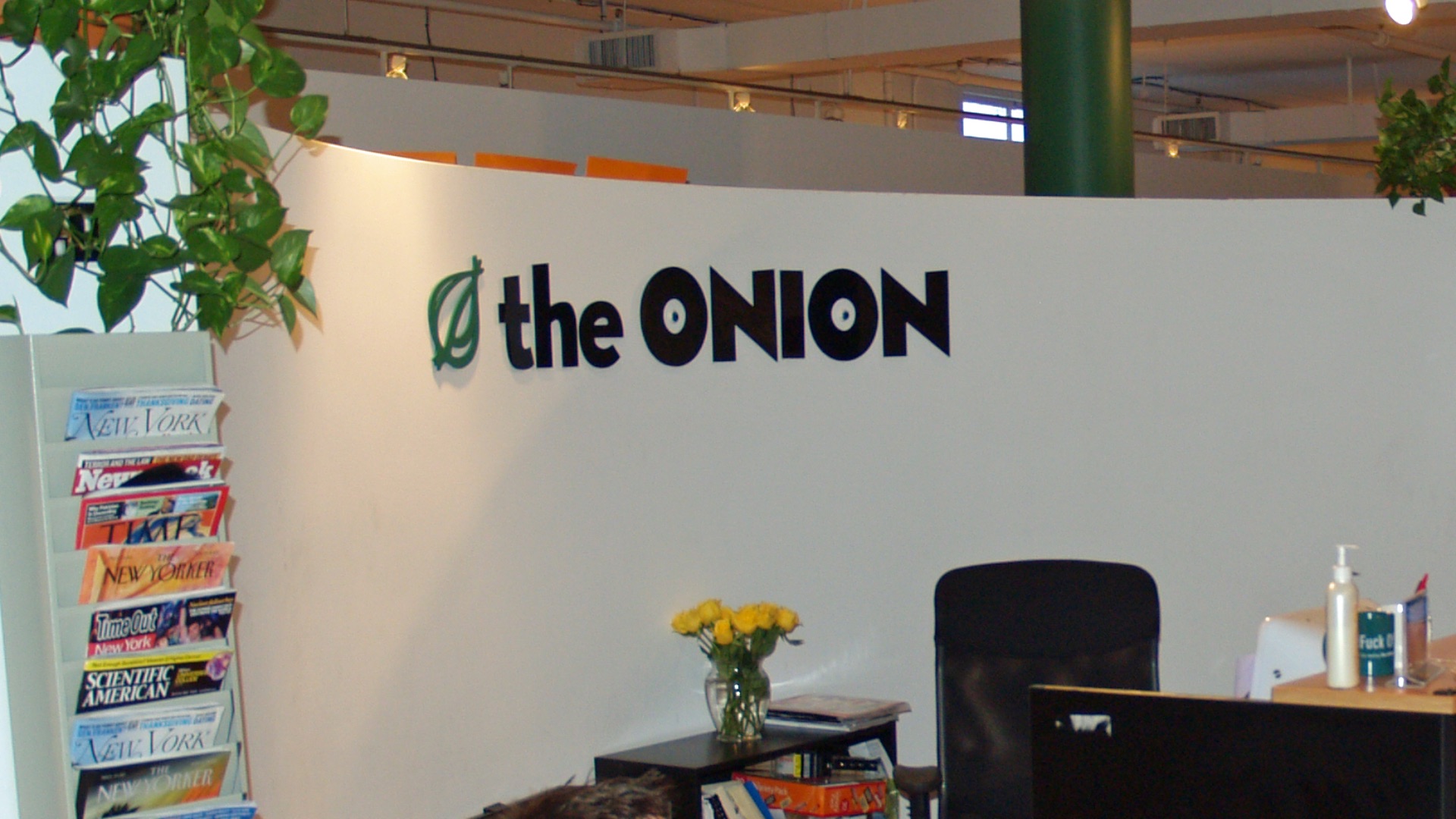
Some websites and social media accounts publish fictional stories for comedy, commentary, or entertainment. Once a post is copied and shared without its original label, readers may interpret it as a serious news report. Even an obviously absurd joke can become misinformation when it reaches an audience unfamiliar with the source.
9. Personal Bias Affects What Feels Believable
People tend to accept information more easily when it supports opinions they already hold. A claim that confirms your political views, health beliefs, or suspicions about a public figure may feel accurate before you’ve examined any evidence. That emotional agreement can make you overlook warning signs you’d immediately notice in a story you disliked.

10. Falsehoods Can Spread Fast
A surprising post can collect thousands of shares before journalists, specialists, or officials have enough time to investigate it. By the time a correction appears, many readers have already moved on or may never encounter the updated information. Repetition can also make a familiar claim seem credible, even when it began as an unsupported rumor.
Distrusting everything would make the internet nearly impossible to use, but believing everything leaves you open to manipulation. The better approach is to slow down, examine the evidence, and give important claims more scrutiny before deciding what deserves your confidence. Here's how to not get tricked online:
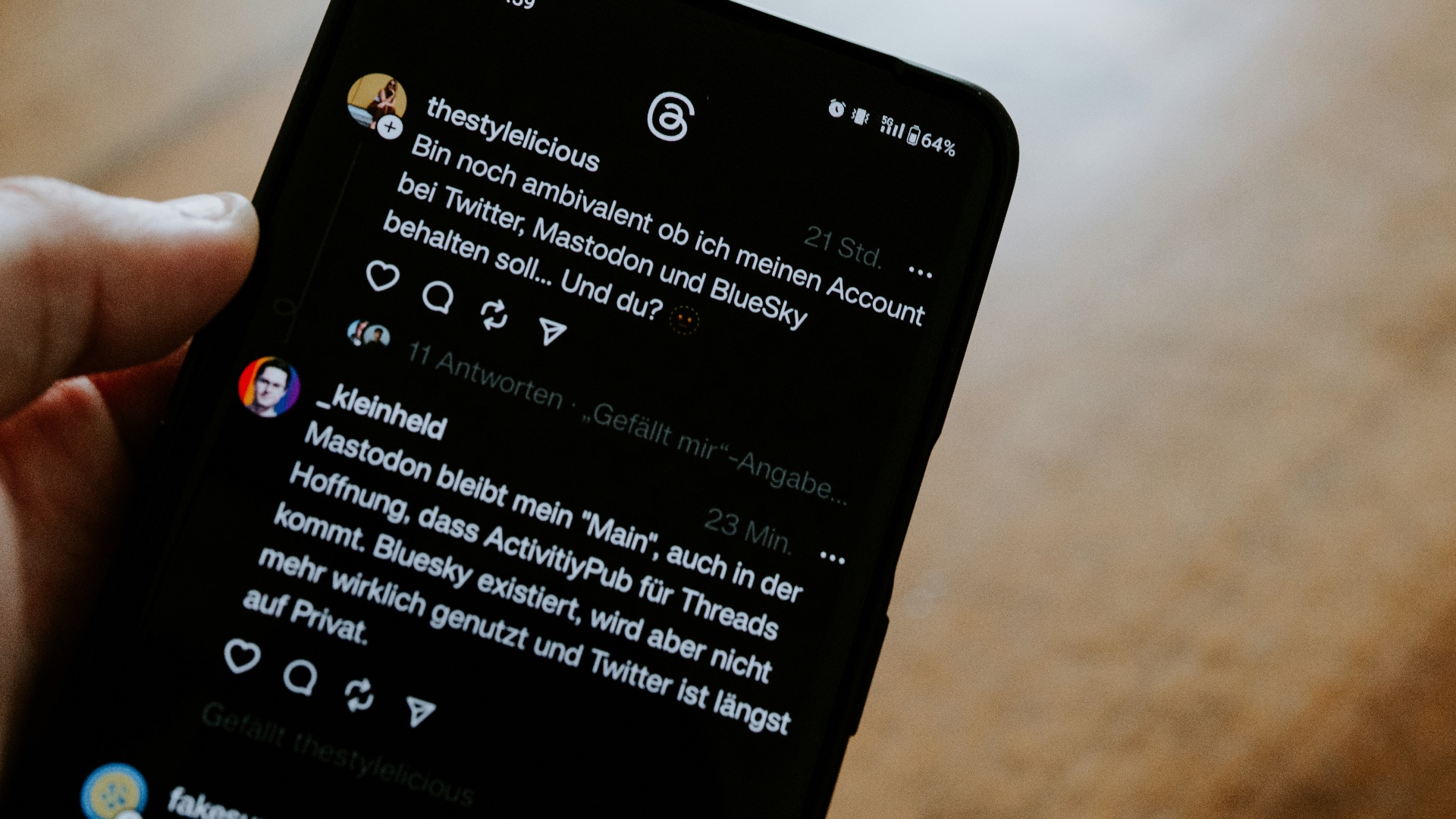
1. Read Beyond the Headline
Open the article and examine what it actually reports before reacting to its title. Check whether the evidence supports the headline or whether the story is filled with speculation, vague wording, and unanswered questions. You may discover that the most dramatic claim appears nowhere in the article itself.
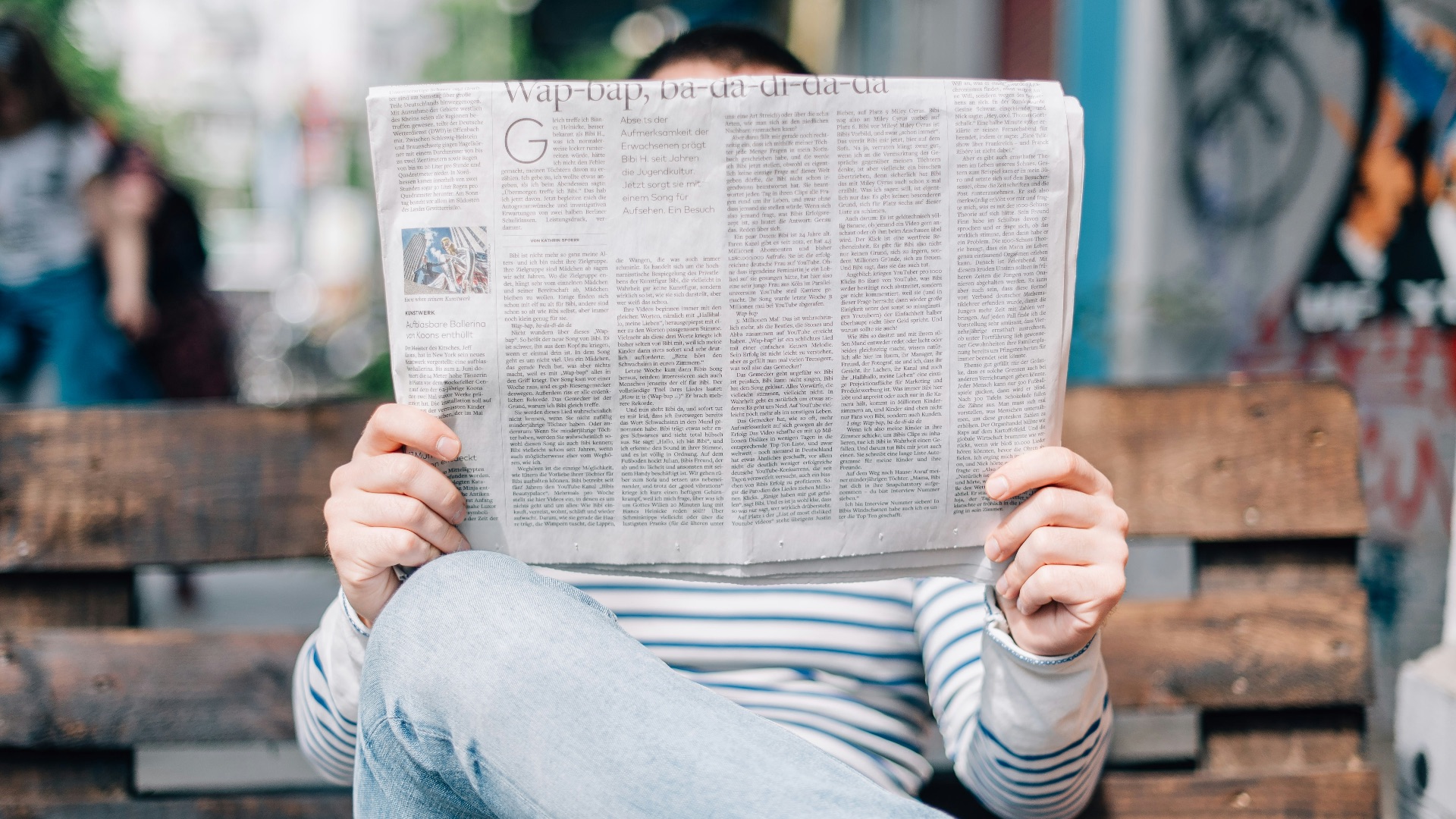
2. Investigate the Original Publisher
Look at the website’s name, address, editorial information, and history rather than judging it by its design. Impostor sites sometimes imitate established news organizations with slightly misspelled domains or copied logos. A legitimate outlet should make it reasonably easy to identify who operates it and how its reporting is produced.
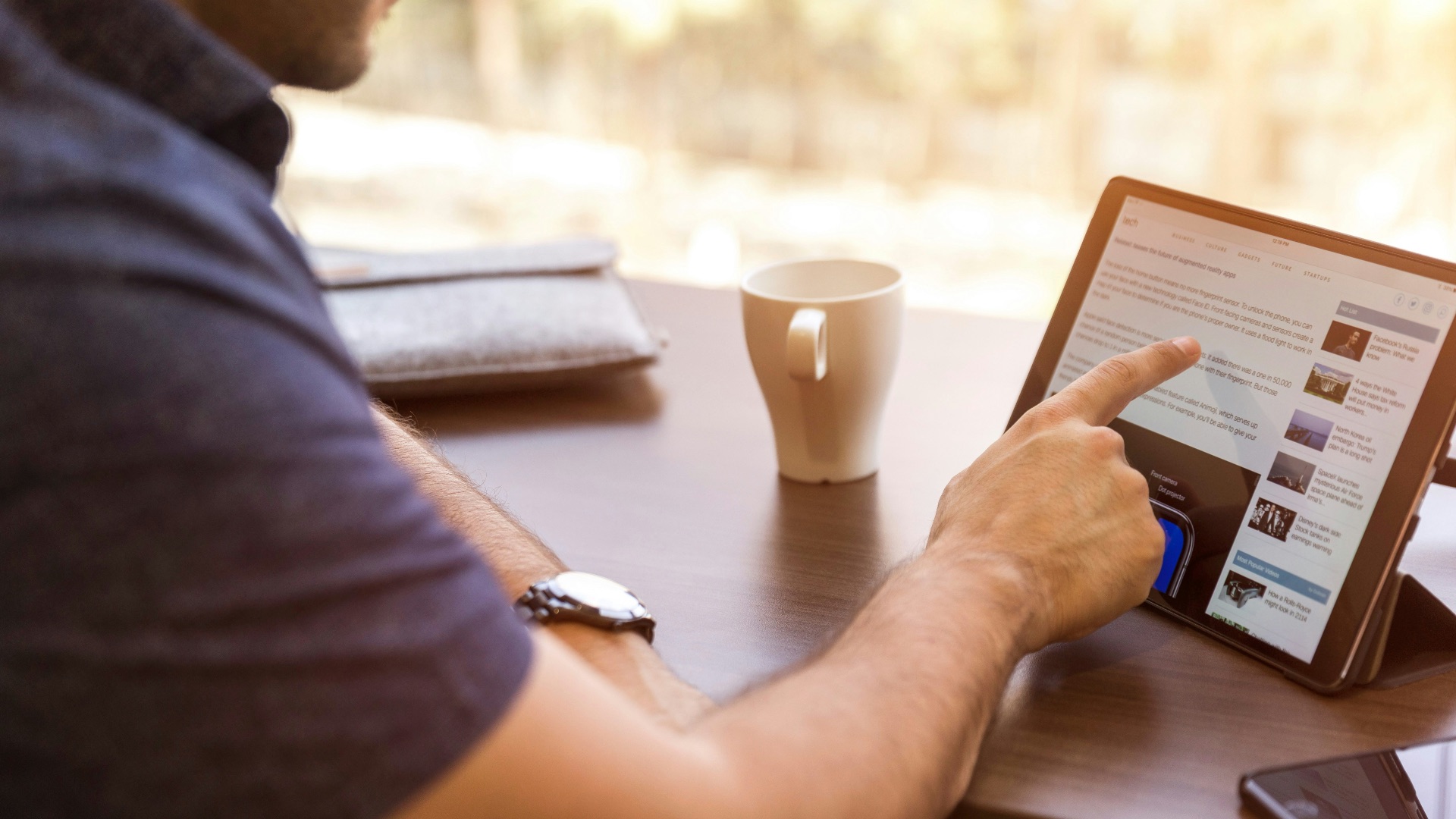 LinkedIn Sales Solutions on Unsplash
3. Check the Author’s Background
Search the writer’s name to see whether they have relevant expertise, a recognizable body of work, or a record of publishing reliable information. An author page should ideally contain more than a generic biography and a profile photograph. If no writer is identified, consider why the organization is unwilling to take responsibility for the article.
4. Confirm the Publication Date
Before sharing a story, make sure it’s recent enough to support the way it’s being presented. An older report may have been accurate when published but no longer reflects current circumstances, regulations, or scientific knowledge. You should also look for updates or corrections that were added after the original publication.
5. Look for the Primary Evidence
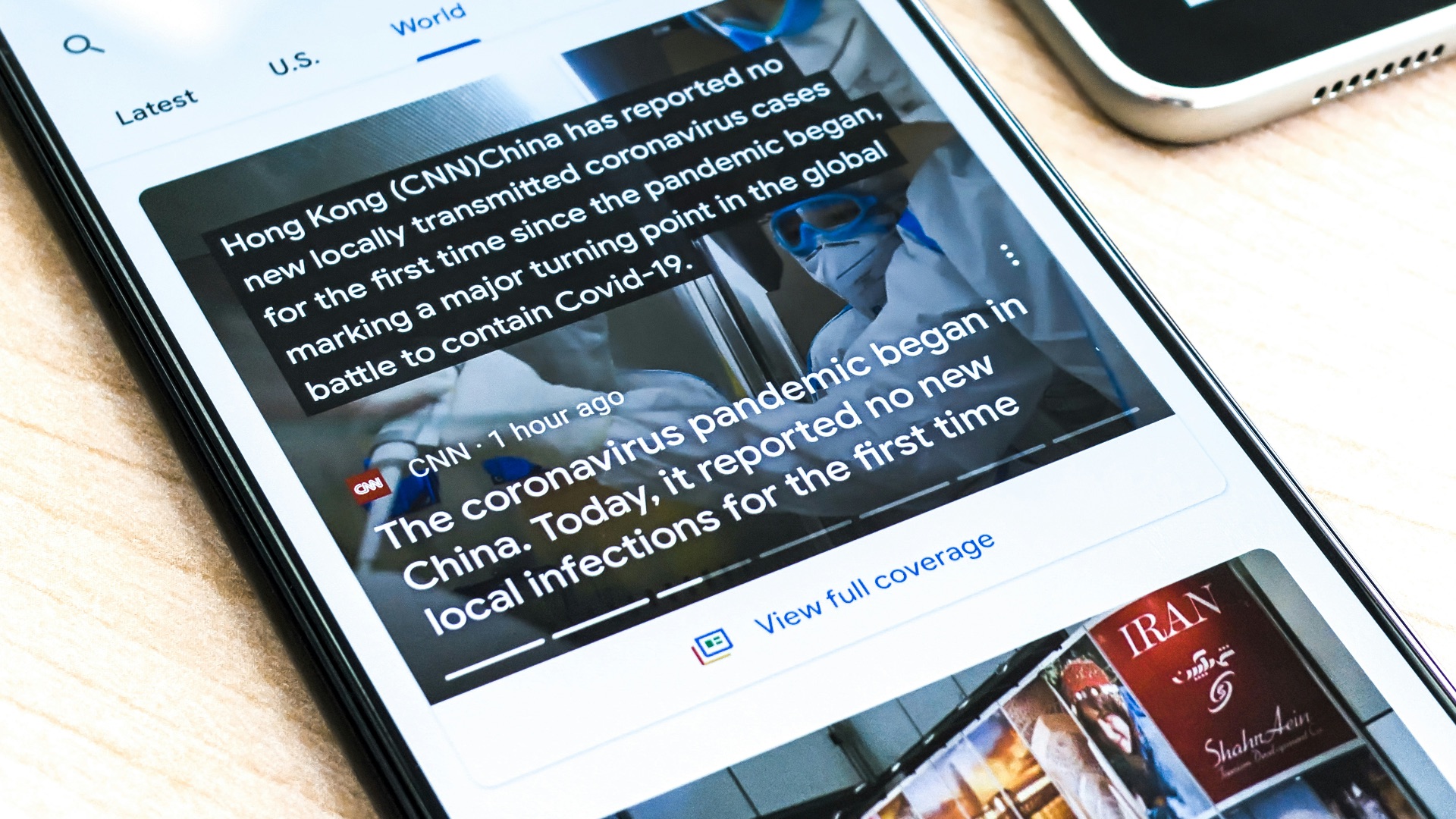
Reliable reporting should point toward documents, studies, recordings, statistics, official statements, or named witnesses whenever those materials are available. Follow those links and check whether the original evidence says what the article claims it says. A blog post summarizing another blog post isn’t a strong foundation for an important conclusion.
6. Compare Several Independent Sources
Search for the same event or claim through multiple established outlets rather than relying on a single article. Strong confirmation comes from organizations that gathered information independently, not from ten websites copying the same original post. Differences between reports may also reveal which details remain uncertain or disputed.
7. Use a Reverse Image Search
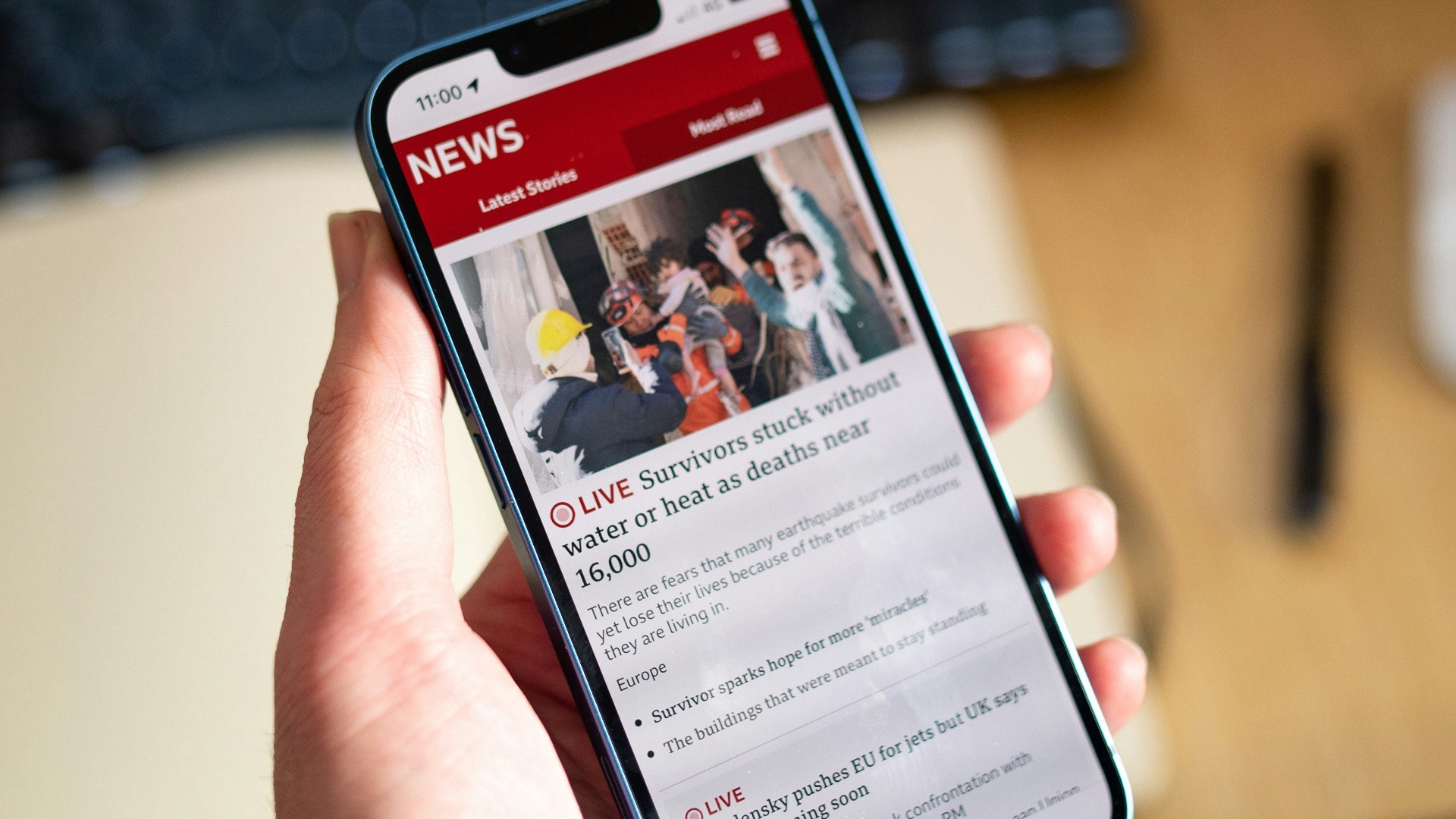
Uploading an image to a reverse-search tool can help you find earlier appearances, alternate captions, and the webpage where it was first published. This is particularly useful when a photograph is being presented as evidence of a breaking event. Finding the same picture attached to an older, unrelated story can expose the false context immediately.
8. Consult Professional Fact-Checkers
When a claim is already circulating widely, a reputable fact-checking organization may have investigated it. Read the full explanation rather than stopping at a rating, since the reality may be more complicated than simply true or false. Good fact checks identify the evidence they reviewed and explain how they reached their conclusion.
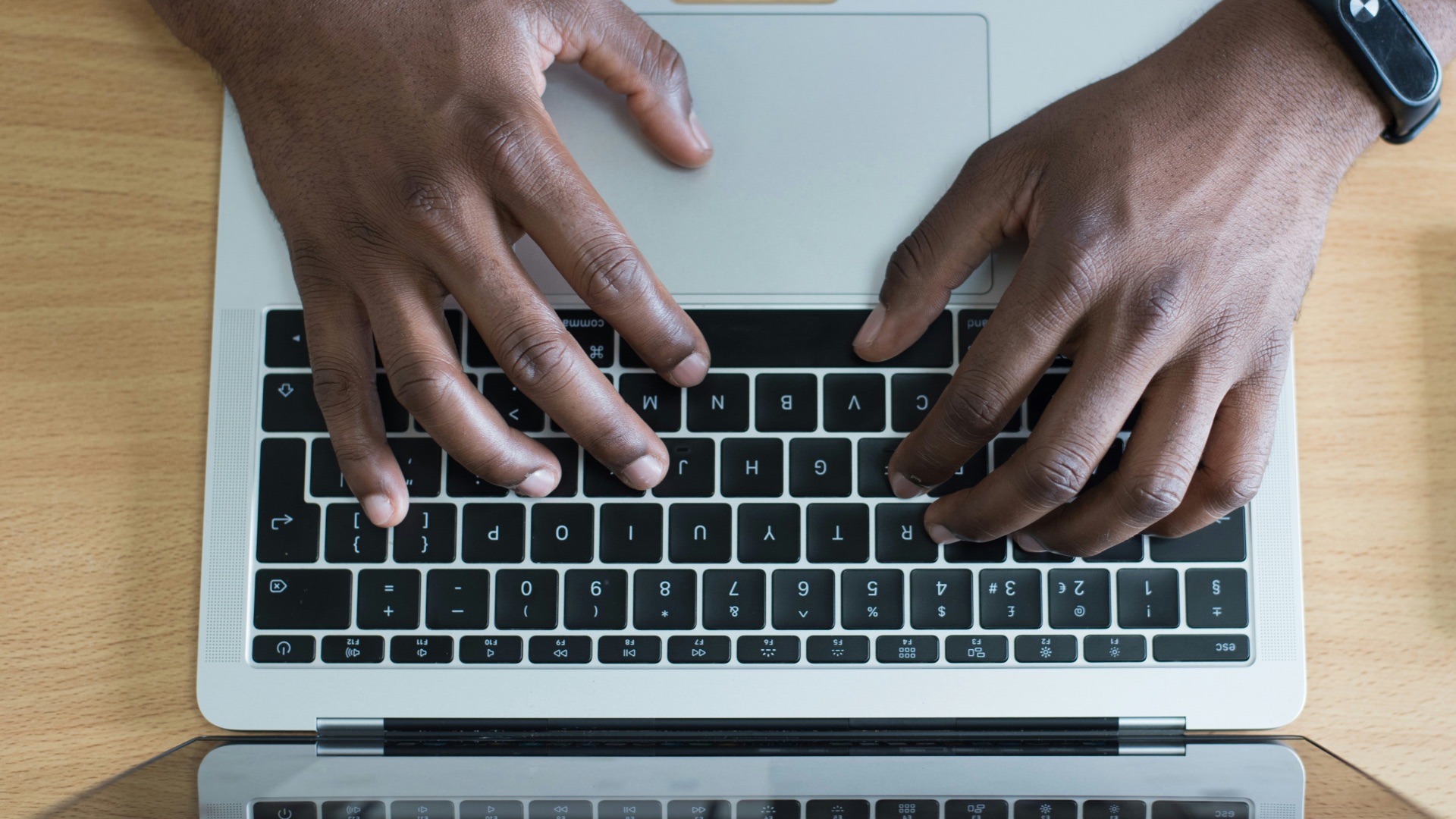 Cytonn Photography on Unsplash
9. Examine Quotes and Statistics Carefully
Search for the complete speech, interview, study, or dataset behind a striking quotation or number. A sentence can be authentic but misleading when it’s removed from its surrounding explanation, while a statistic may describe a much smaller group than a post suggests. Check the sample size, timeframe, definitions, and original wording before repeating it.

10. Pause Before You Share
Urgency is one of the easiest ways to persuade people to spread unverified information. Posts that demand immediate sharing or insist that “the media won’t tell you this” are often trying to prevent careful thought. Taking a few minutes to check the source, context, and supporting evidence can stop a false claim from reaching everyone who trusts you.