
The Skills You Didn't Know You Were Building
Gaming still gets treated like a waste of time by people who've never actually paid attention to what's happening on screen. A raid boss fight and a stressful work deadline pull on the exact same muscles, the ones that manage pressure, adapt on the fly, and keep going after failure. Nobody sits down to grind a game thinking they're practicing life skills, but the overlap shows up constantly once you start looking for it. A lot of what makes someone good at a game turns out to be exactly what makes someone good at everything else too. Here's 20 gaming habits that quietly build skills far beyond the screen.

1. Learning From Every Death
Dying to the same boss attack over and over teaches a very specific kind of patience, the kind that treats failure as information rather than a verdict. Good players adjust after every attempt instead of getting stuck repeating the same mistake. That habit of extracting a lesson from a loss instead of just feeling bad about it translates directly into how someone handles setbacks at work or in relationships.
 Glenn Carstens-Peters on Unsplash
2. Managing A Limited Budget
Deciding whether to save in-game currency for a big upgrade or spend it on something smaller right now builds real budgeting instincts, even if the currency is fake. Players who min-max their resources are essentially practicing delayed gratification under a system with actual consequences for getting it wrong. That instinct carries over surprisingly well to an actual paycheck.
3. Reading An Opponent's Patterns
Fighting games and competitive shooters reward players who notice an opponent's habits, the same dodge every time, the same opening move under pressure. That kind of pattern recognition sharpens the same instincts used in negotiation or reading a room during a tense conversation. Once you've trained yourself to spot a tell in a game, it's hard to stop noticing them everywhere else.
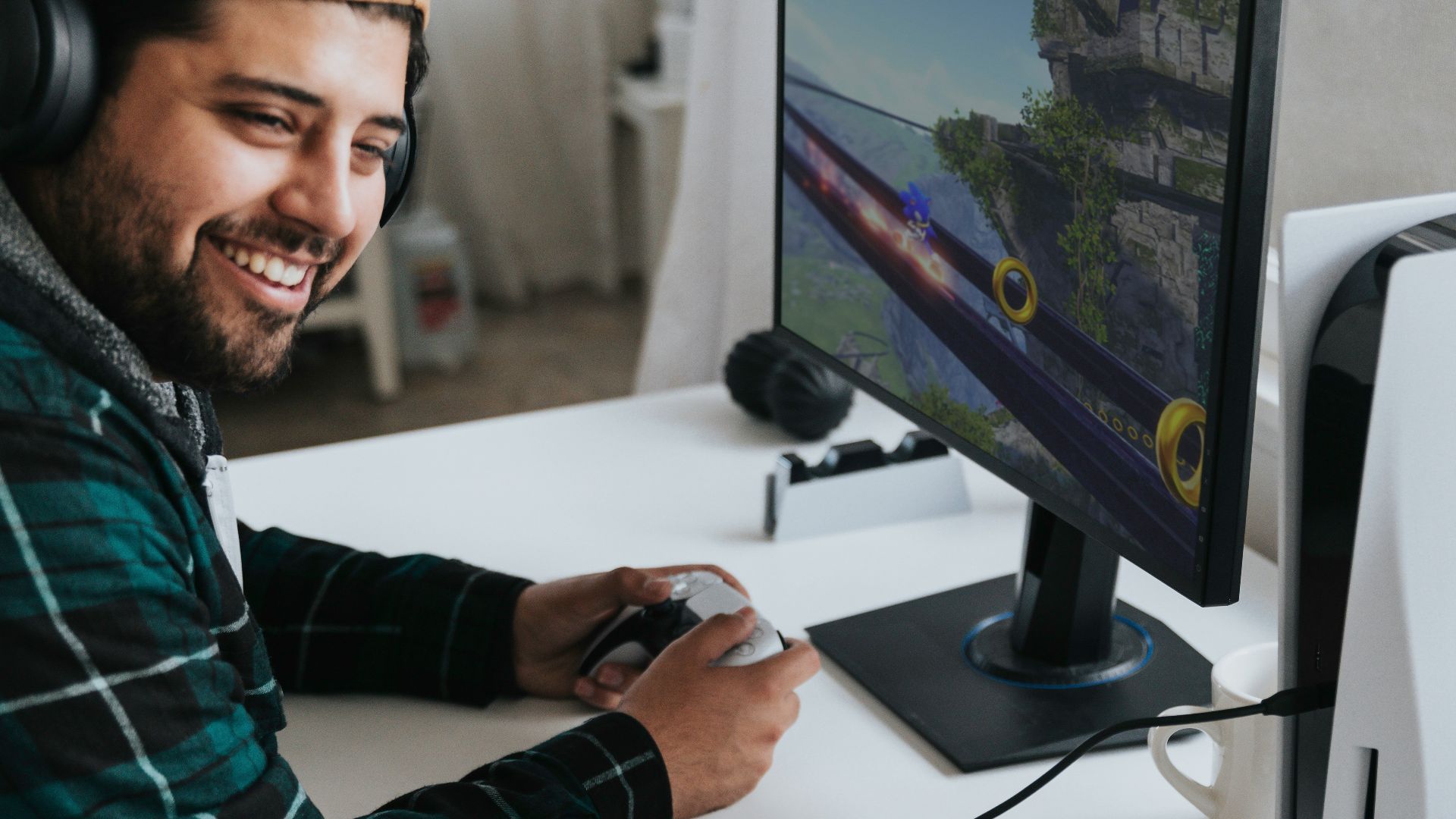
4. Staying Calm In A Clutch Moment
A one-life round with the match on the line forces a very specific kind of composure, since panic almost always leads to a worse decision than a clear head would have made. Players who succeed under that pressure have usually trained themselves to slow their breathing and think instead of react. That same skill shows up directly in a high-stakes meeting or an actual emergency.
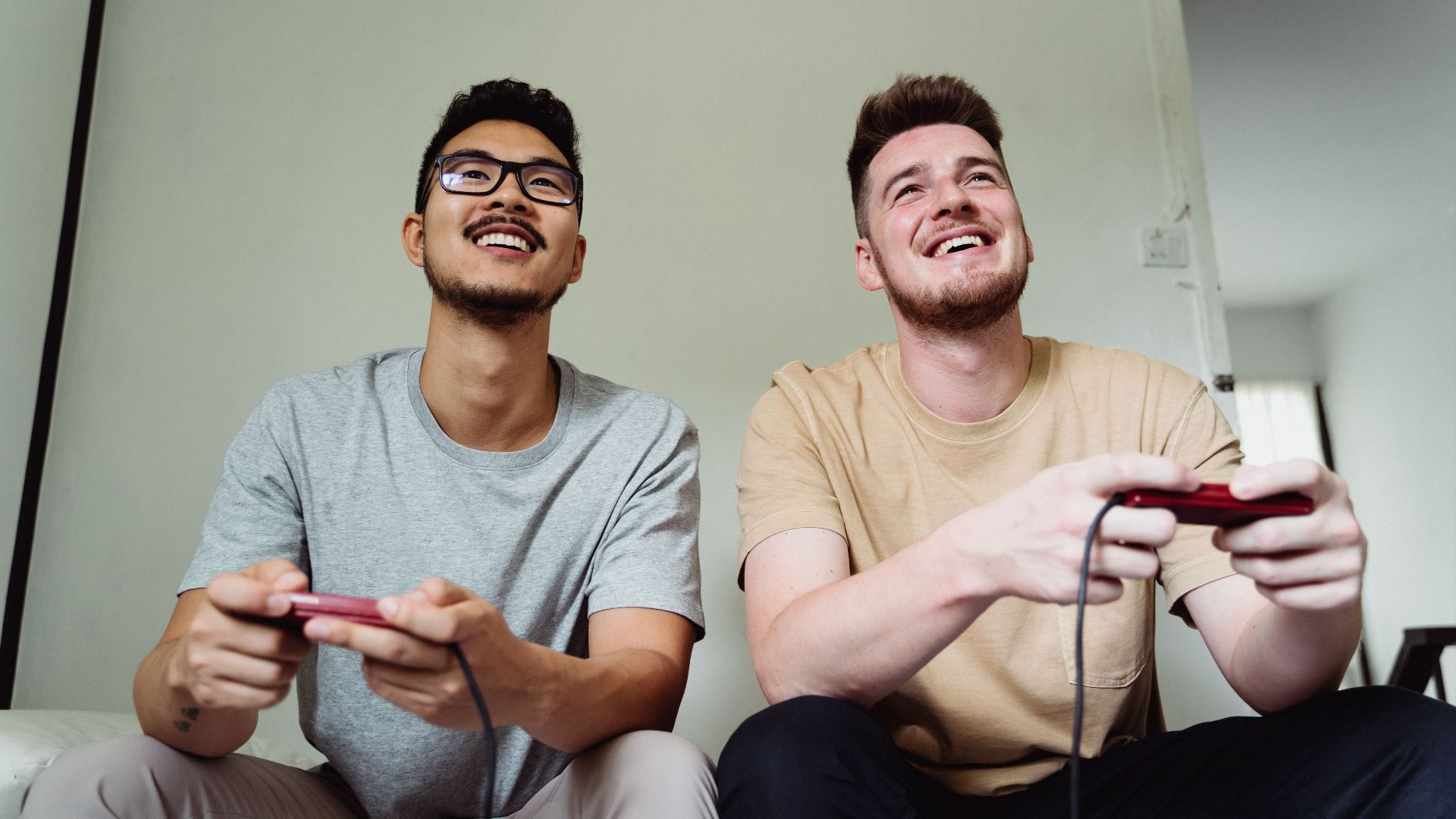
5. Adapting Strategy Mid-Fight
Seeing an opponent's team composition and immediately adjusting a plan on the fly is one of the most transferable skills competitive gaming builds. Rigid strategies fall apart the moment reality doesn't match the plan, in a game or anywhere else. Players who thrive tend to be the ones who treat a plan as a starting point rather than a fixed script.

6. Coordinating With A Team Under Pressure
Calling out enemy positions during a raid or a ranked match requires clear, fast communication with people who don't have time for a long explanation. That habit of giving concise, useful information under time pressure carries over directly into a workplace crisis or a group project running behind schedule. Good callouts in a game and good updates in a meeting are the same skill wearing different clothes.

7. Grinding Toward A Distant Goal
Leveling up a character over dozens of hours builds tolerance for slow, unglamorous progress that doesn't pay off immediately. Plenty of real goals, a degree, a fitness milestone, a savings target, work exactly the same way, rewarding people who can tolerate a long stretch of unremarkable effort. Gamers who've put in that kind of grind already know what it feels like to stick with something before it gets fun.

8. Optimizing A Repeated Process
Speedrunners and efficiency-obsessed players spend hours shaving seconds off a route by cutting out wasted movement and unnecessary steps. That same instinct for spotting inefficiency shows up when someone streamlines a morning routine or reorganizes a cluttered workflow at their job. Once optimizing something becomes a habit in one context, it's hard to turn that instinct off in another.

9. Accepting Feedback Without Getting Defensive
A teammate pointing out a mistake mid-match, sometimes bluntly, is a normal part of competitive gaming culture that most players learn to absorb without spiraling. That thicker skin around direct criticism tends to carry over into how someone takes feedback from a boss or a coach in real life. Gamers who've been called out for a bad play have usually already done the emotional work of separating the criticism from their own worth.

10. Building Muscle Memory Through Repetition
Practicing the same combo or the same aim drill hundreds of times isn't mindless, it's deliberate practice aimed at making a specific action automatic under pressure. That same principle underlies how musicians, athletes, and surgeons actually get good at anything difficult. Gamers who've put in that kind of repetition already understand that mastery is built through boring reps, not sudden inspiration.
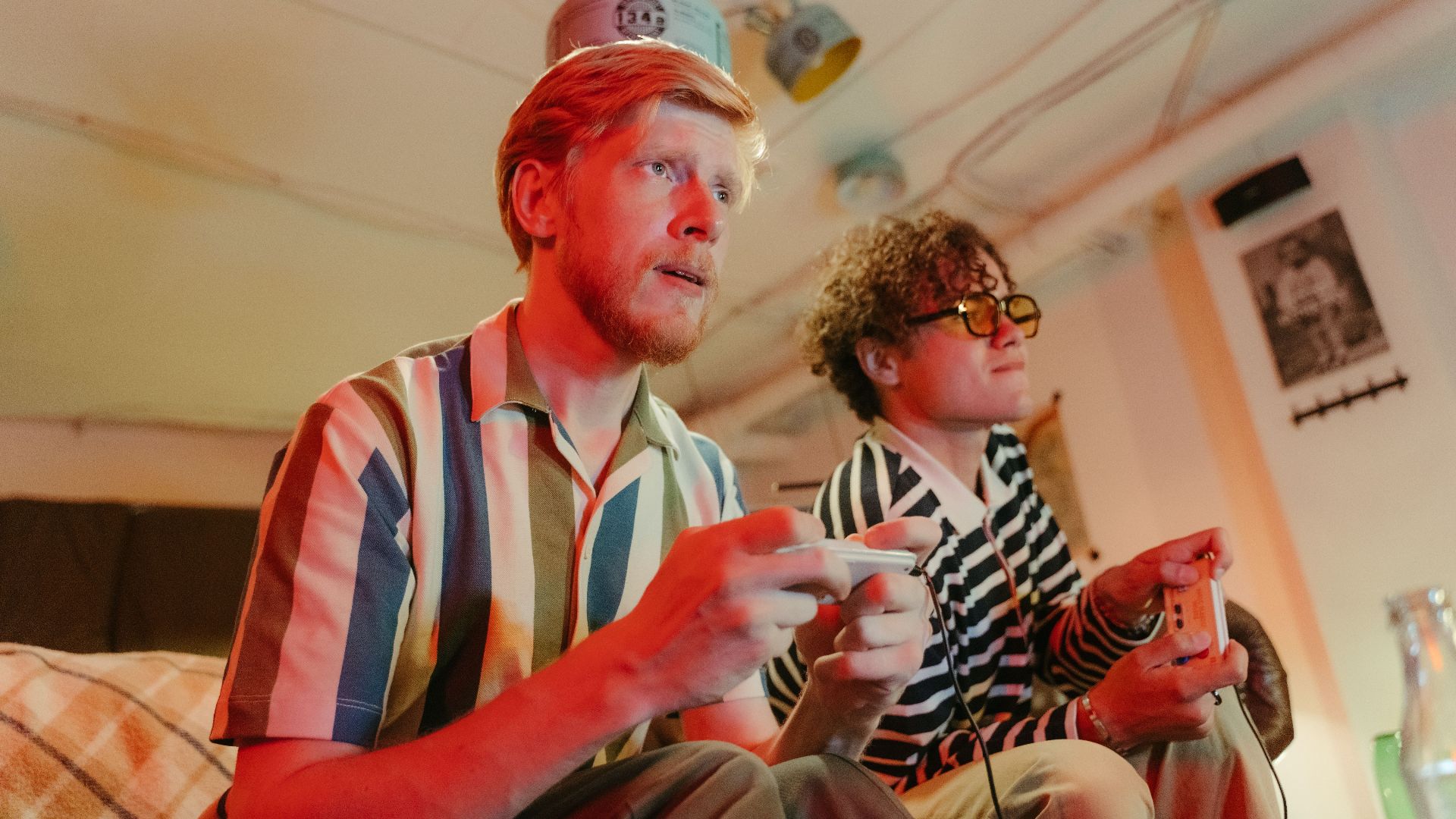
11. Managing Multiple Priorities At Once
Real-time strategy games force players to manage an economy, a military, and a map all at the same time, without the luxury of focusing on just one. That constant juggling builds a real capacity for handling several moving parts without losing track of any of them. It's the same skill that keeps someone from dropping a ball when work, family, and a dozen small errands are all competing for attention on the same day.

12. Staying Aware Of The Whole Situation
Constantly checking a minimap or tracking cooldowns builds a habit of maintaining situational awareness instead of tunnel-visioning on one thing. That same instinct, staying aware of the broader context instead of getting lost in a single task, shows up in driving, in parenting, and in any job that requires noticing more than what's directly in front of you. Gamers who've trained that awareness reflexively tend to notice things other people miss.

13. Setting Small, Achievable Daily Goals
Daily quests and login rewards break a huge overall goal into something manageable enough to tackle in one sitting. That same structure, breaking a big, intimidating project into small daily pieces, is one of the most effective ways to actually finish anything real. Gamers who've internalized that habit through years of daily quests already understand the psychology behind it, even if they never called it that.

14. Losing Without Falling Apart
Competitive gaming guarantees a lot of losses, and players who last tend to learn how to shake off a defeat instead of spiraling into frustration that ruins the next attempt. That emotional recovery, treating a loss as one data point rather than a catastrophe, matters just as much outside a game. People who've practiced that skill in a ranked match tend to handle a real setback with a little more perspective.

15. Bluffing And Reading Intent
Card games and strategy titles that involve hidden information reward players who can project confidence they don't necessarily have, or spot when someone else is doing the same thing. That skill translates almost directly into negotiation, where reading whether someone's bluffing about their real limit can change the entire outcome. Gamers who've practiced this in a low-stakes setting tend to be less rattled doing it for real.

16. Trading And Valuing Resources Fairly
In-game economies built around trading items or currency teach players to judge fair value quickly and negotiate without getting taken advantage of. That instinct carries over surprisingly well into real negotiations, whether it's a used car sale or a starting salary. People who've haggled over virtual loot tend to have a better internal sense of what something is actually worth.

17. Recovering Quickly From A Bad Decision
A wrong turn in a strategy game or a poorly timed engagement in a shooter forces players to reassess and adjust within seconds rather than dwelling on the mistake. That quick mental reset, moving from "that was wrong" to "here's what I do now," is a genuinely valuable skill in situations far more serious than a game. Gamers who've built that reflex tend to recover from real mistakes faster than people who haven't.

18. Following Through On Long-Term Commitments
Maintaining a guild, a raid team, or a competitive ranking requires consistent effort over months, not just a single burst of enthusiasm. That kind of sustained follow-through, showing up reliably long after the initial excitement fades, is exactly what most real commitments require too. People who've kept a guild running for years already understand what long-term consistency actually looks like in practice.
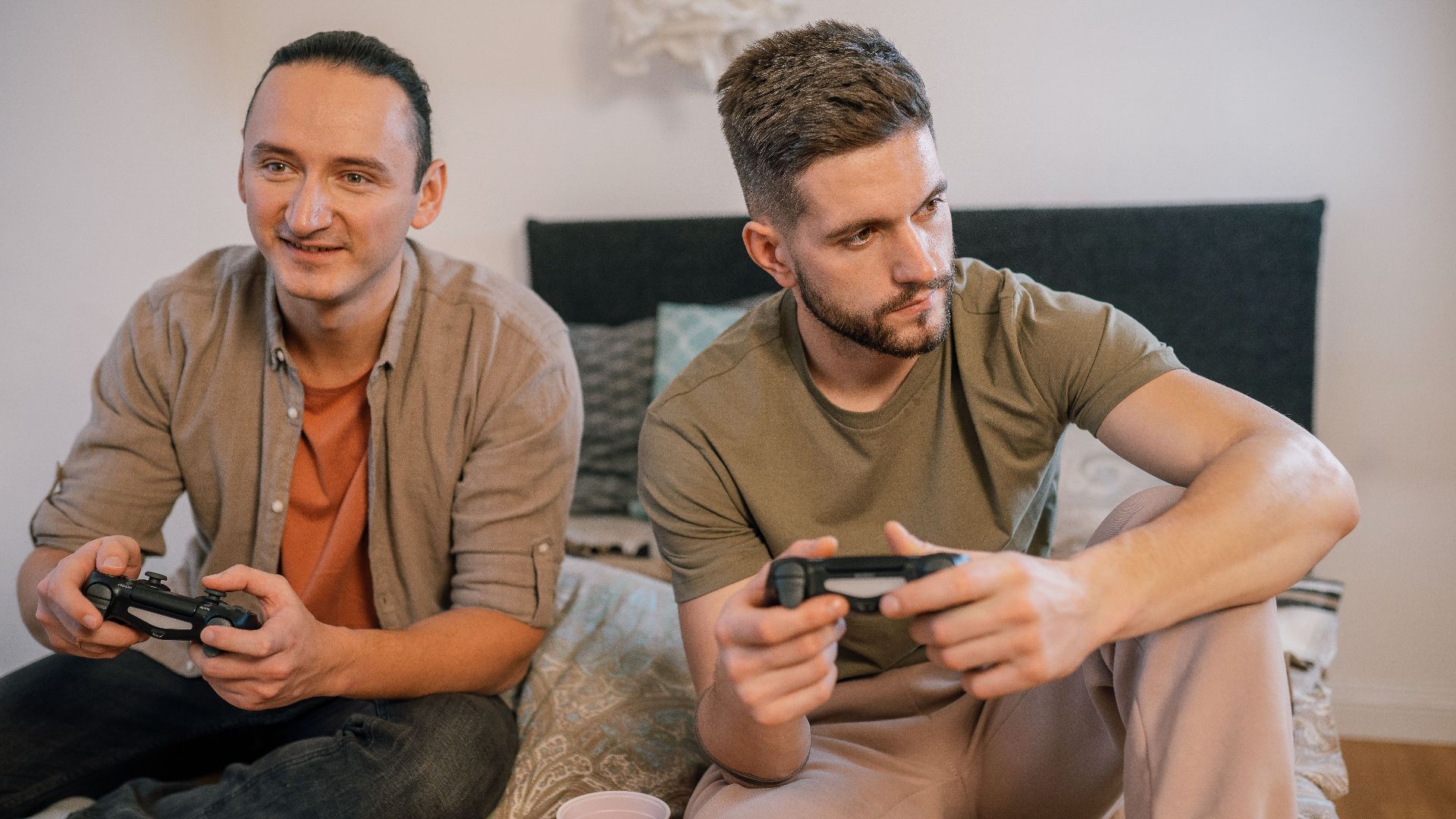
19. Managing Risk Versus Reward
Deciding whether to push for a risky play or settle for a safer, smaller gain is a constant calculation in most competitive games, one that gets sharper with experience. That same risk assessment shows up in real financial decisions, career moves, and even everyday choices about when caution is worth the cost. Gamers who've made that calculation thousands of times in a low-stakes setting tend to make it more calmly when the stakes are real.

20. Staying Curious About How Systems Work
Figuring out an unfamiliar game's mechanics without a tutorial builds a habit of poking at a new system until it starts making sense. That same curiosity, sitting with confusion long enough to actually understand something instead of giving up, applies directly to a new job, a new tool, or any unfamiliar situation life throws at someone. Gamers who've spent years figuring things out through trial and error tend to bring that same patience to problems that have nothing to do with a screen.