Ask Your Kids If They Know What These Things Are
Modern gadgets think for us. Your phone predicts your next word before you've typed it. Your game console lights up the button you're supposed to press. Your camera nails the focus, exposure, and storage without you lifting a finger beyond the shutter button. But it wasn't always this easy. Older machines demanded a partnership. You had to load them, thread them, tune them, rewind them, or coax them into cooperating before they'd do anything useful at all. And sometimes, when a machine got stubborn, the fix wasn't a software update. It was a firm smack on the side. That hands-on relationship with technology used to be just... life. Here are 20 devices that prove it, and that would leave most kids today completely stumped.
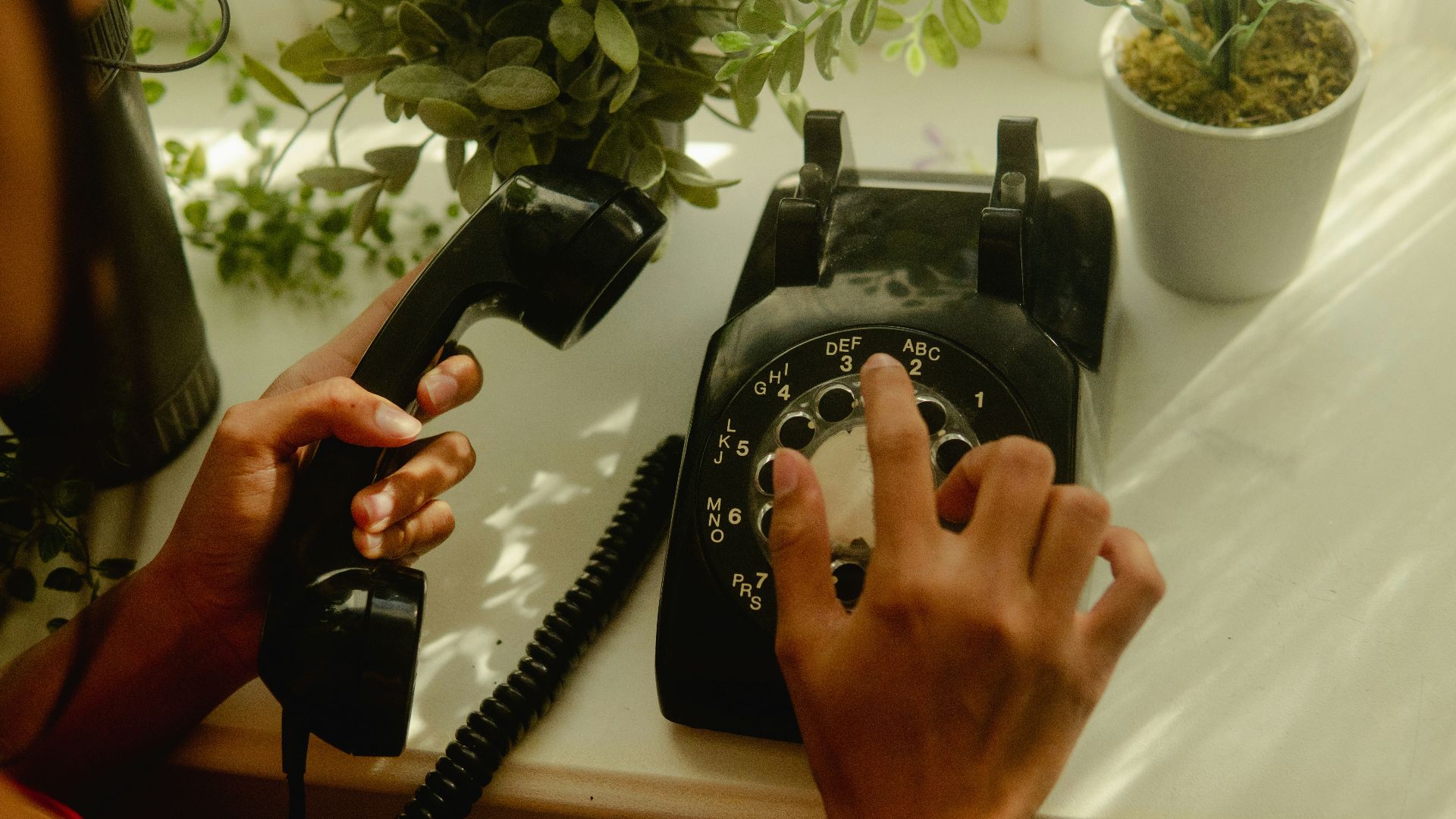
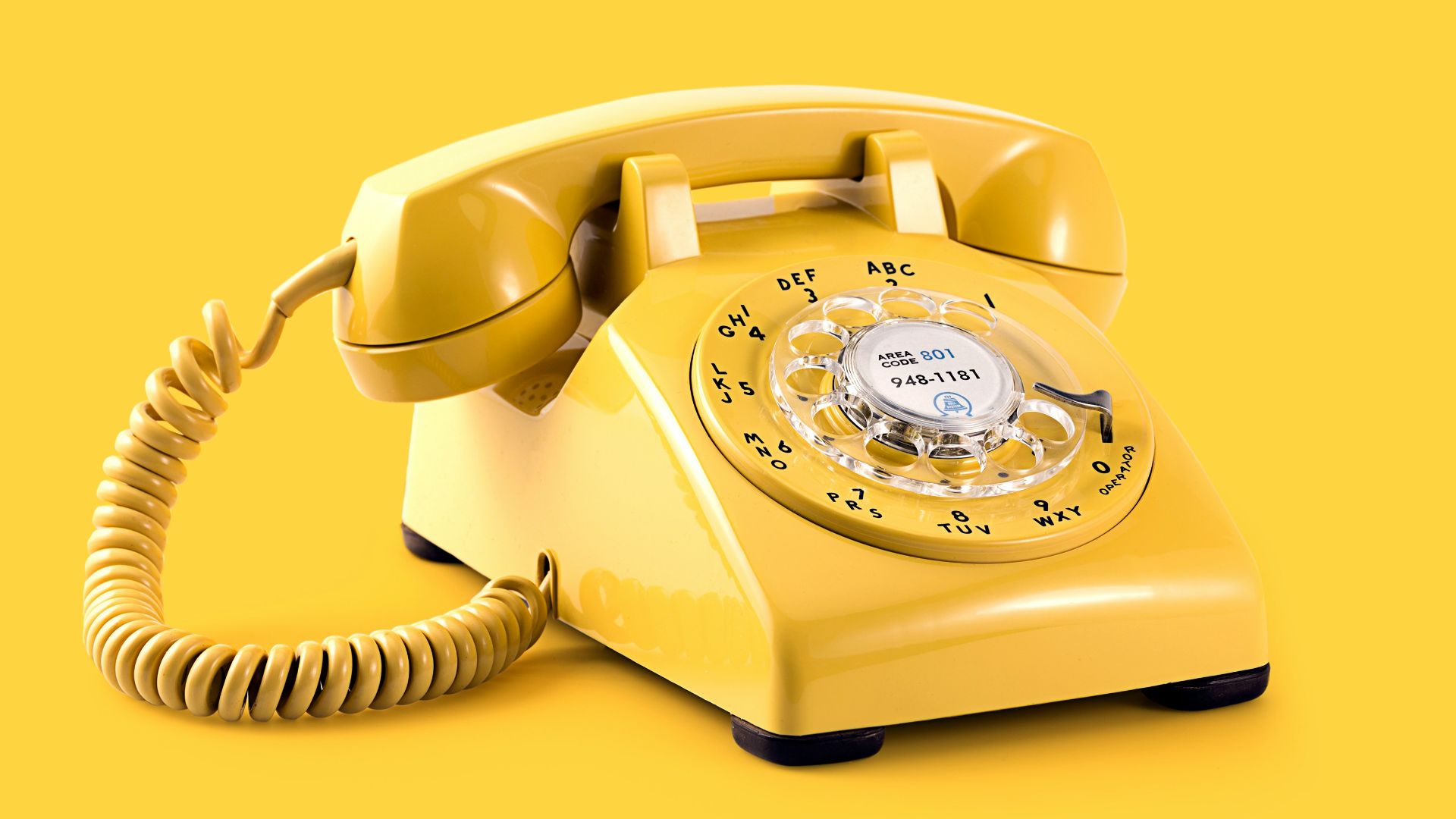
1. Rotary-Dial Telephone
Dialing a number wasn't always instant. You'd slide your finger into the hole for each digit, drag the dial around to the metal stop, then let it spin back on its own before starting the next number. That return swing is what actually generated the electrical pulses the phone line needed. Rush it, or dial a digit wrong, and you had to start the number from scratch.
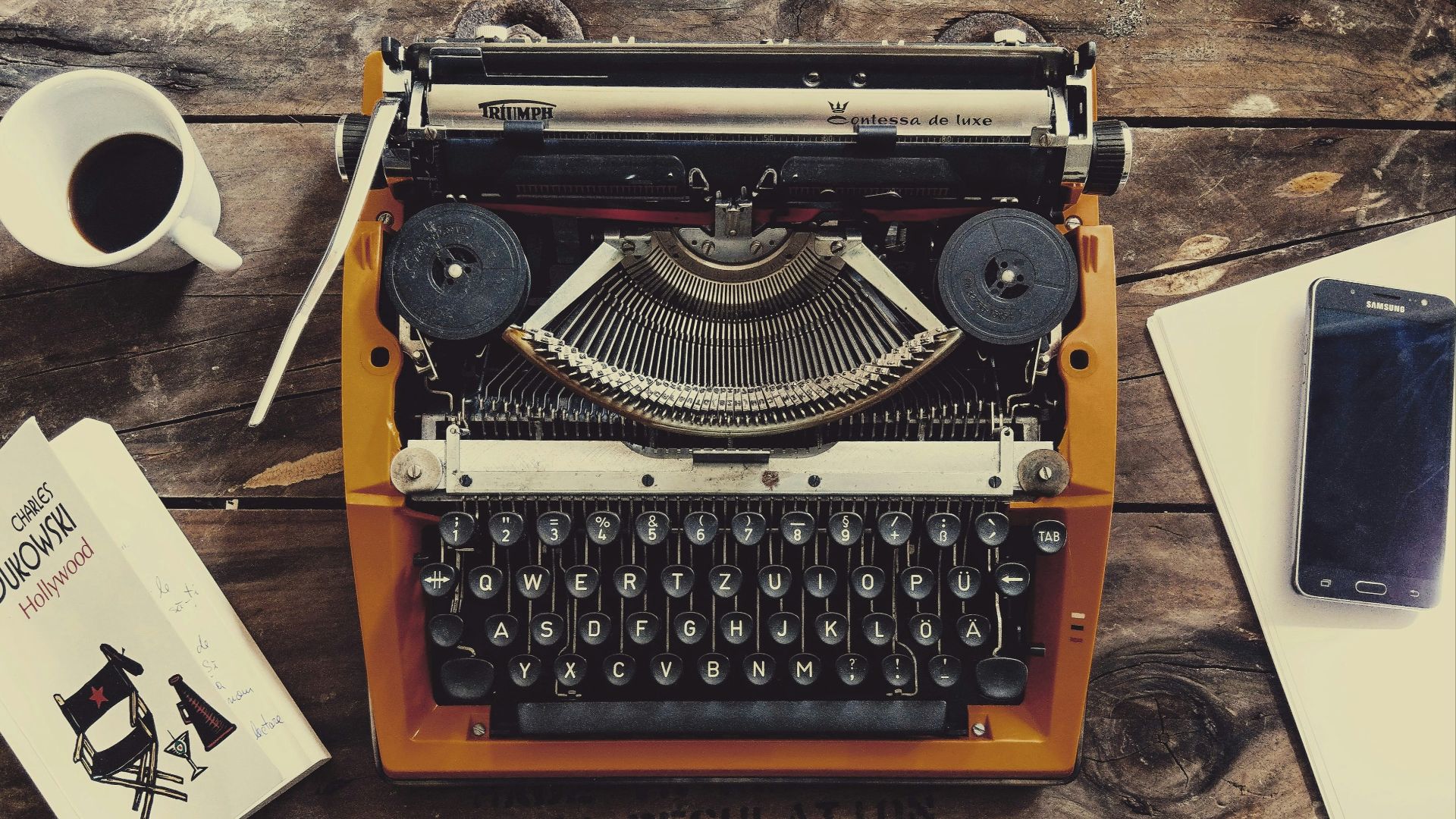
2. Manual Typewriter
No autosave, no undo, no mercy. You rolled the paper around the platen by hand, struck each key hard enough to slap the ribbon against the page, and hauled the carriage back yourself at the end of every single line. A little bell chimed as a warning that you were running out of room. Make a typo? Too bad.
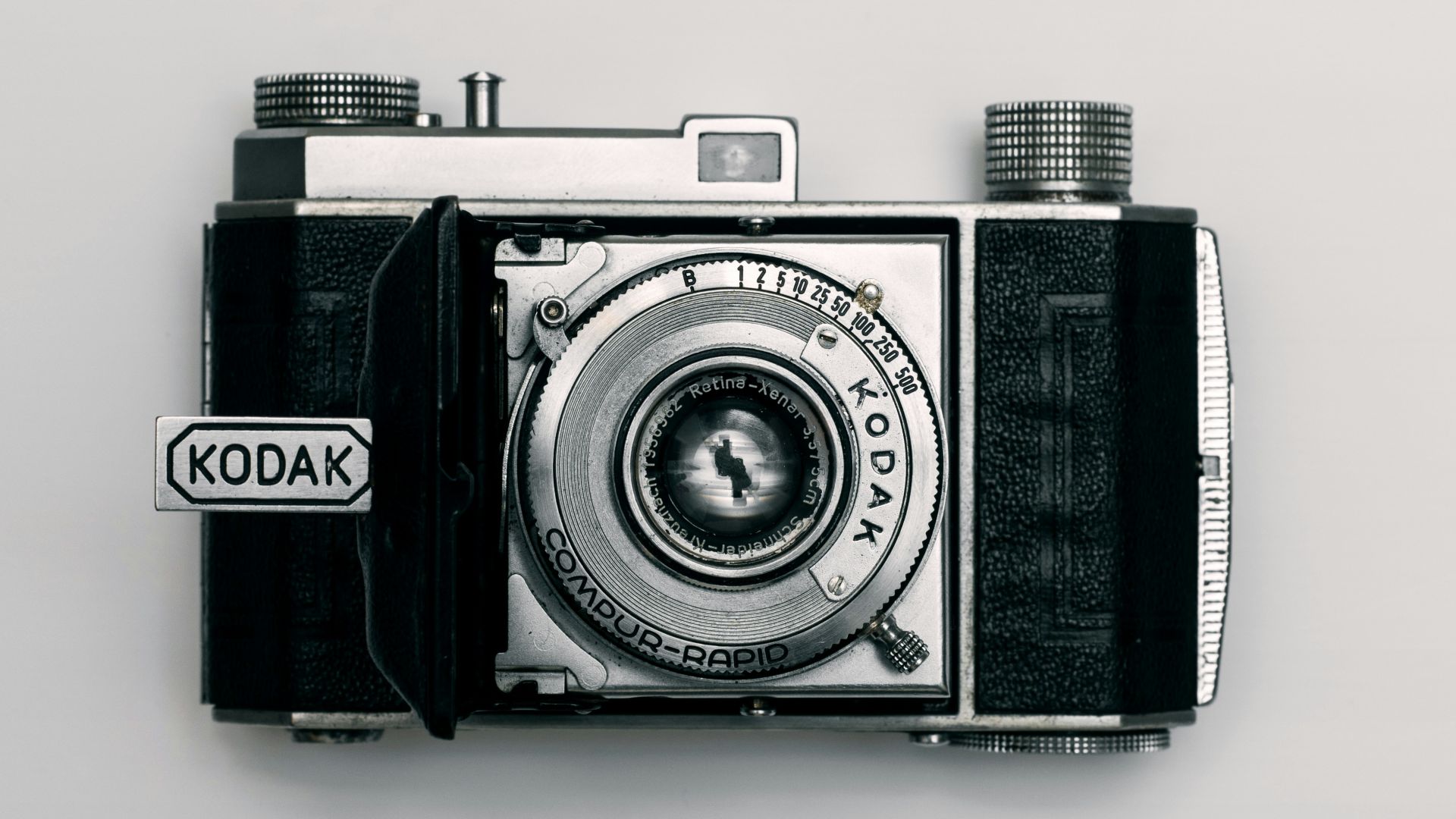
3. 35mm Film Camera
Taking a photo was the easy part. It was the loading that took work. Once you'd shot your last frame, that film had to be rewound completely back into its cassette before you dared open the camera — otherwise, light would flood in and ruin the whole roll.
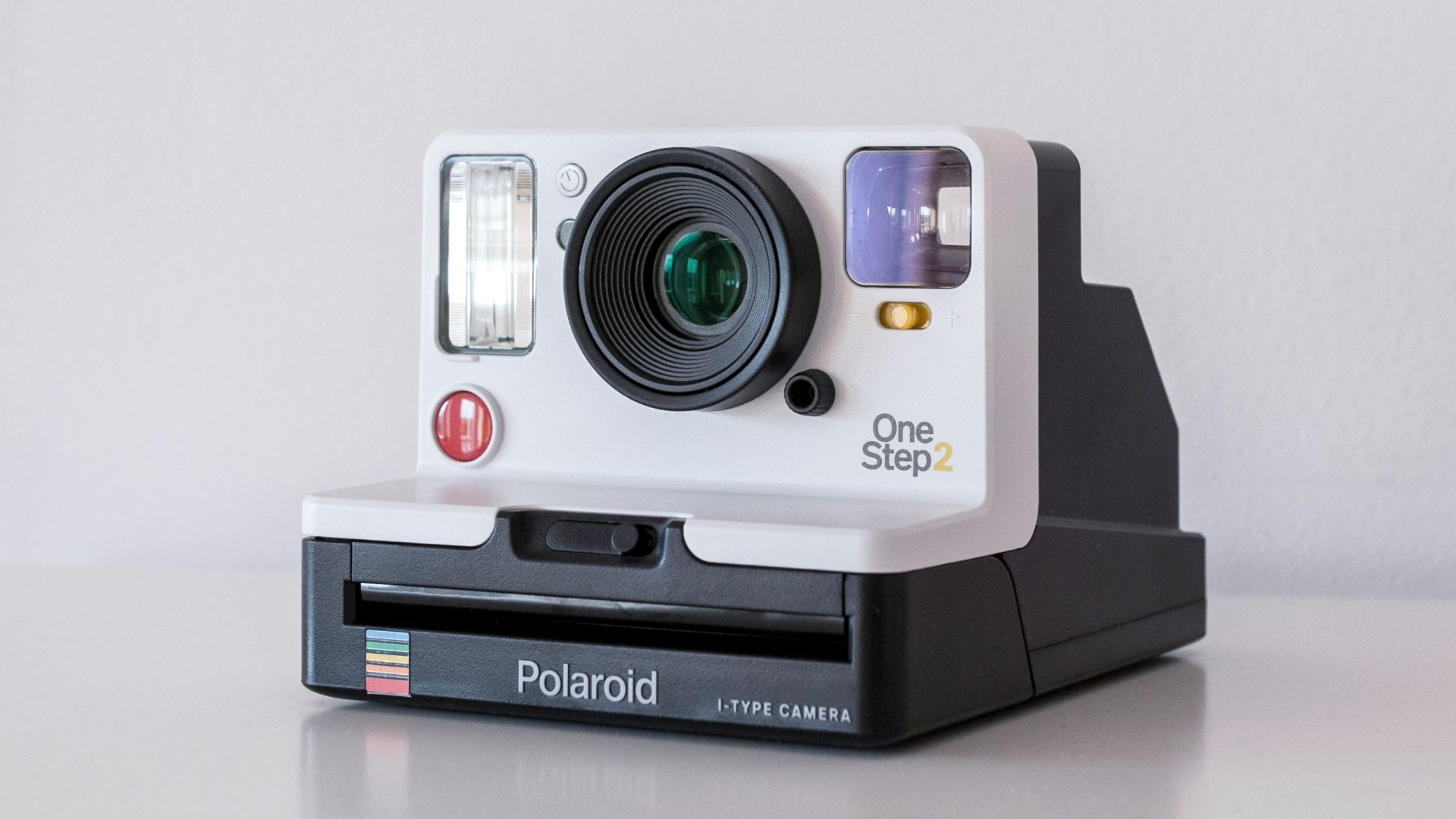
4. Early Instant Camera
Instant gratification, sort of. Peel-apart instant cameras spit out a print, but you still had to physically pull it free and peel the layers apart yourself once enough development time had passed. Mess up the timing or the peel, and you'd smear the image.
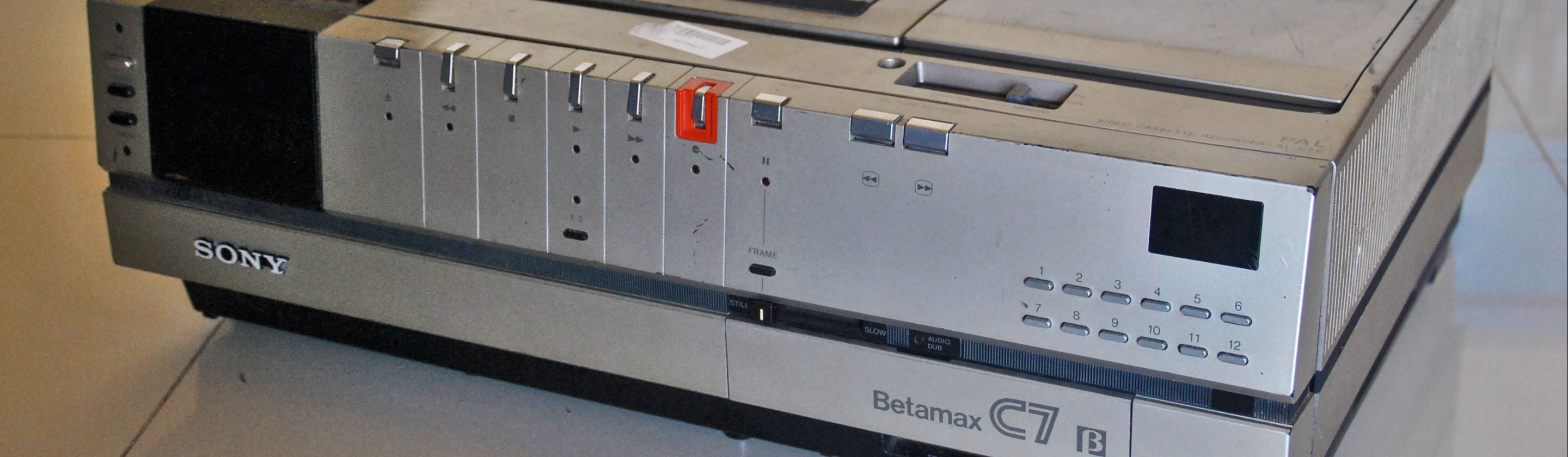
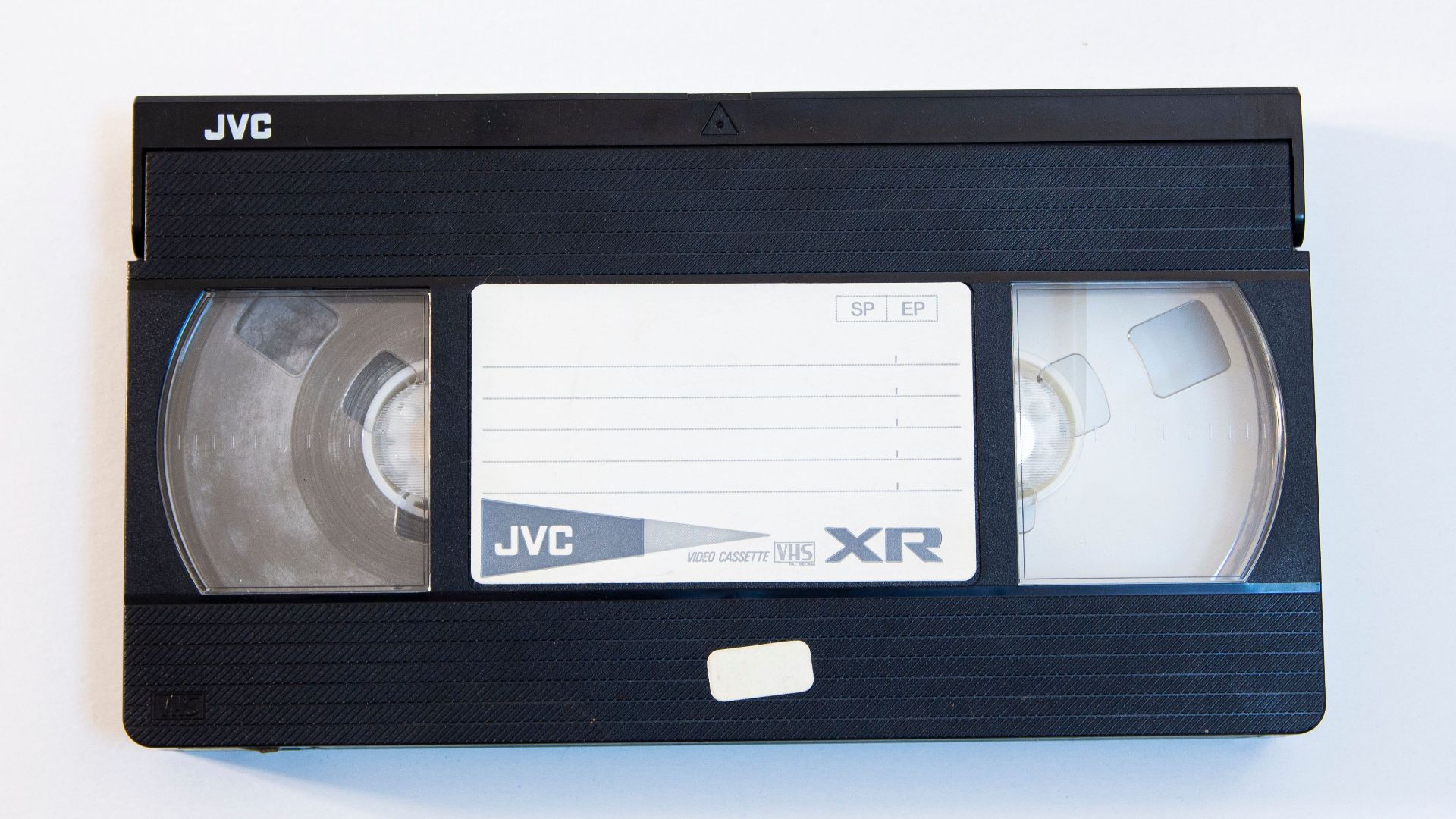
5. VHS VCR
Setting up a VCR wasn’t difficult, per se, but it was involved. VHS took over home video after the first commercial deck landed in 1976, but getting back to your favorite scene still meant sitting through the mechanical whir of the tape spooling.
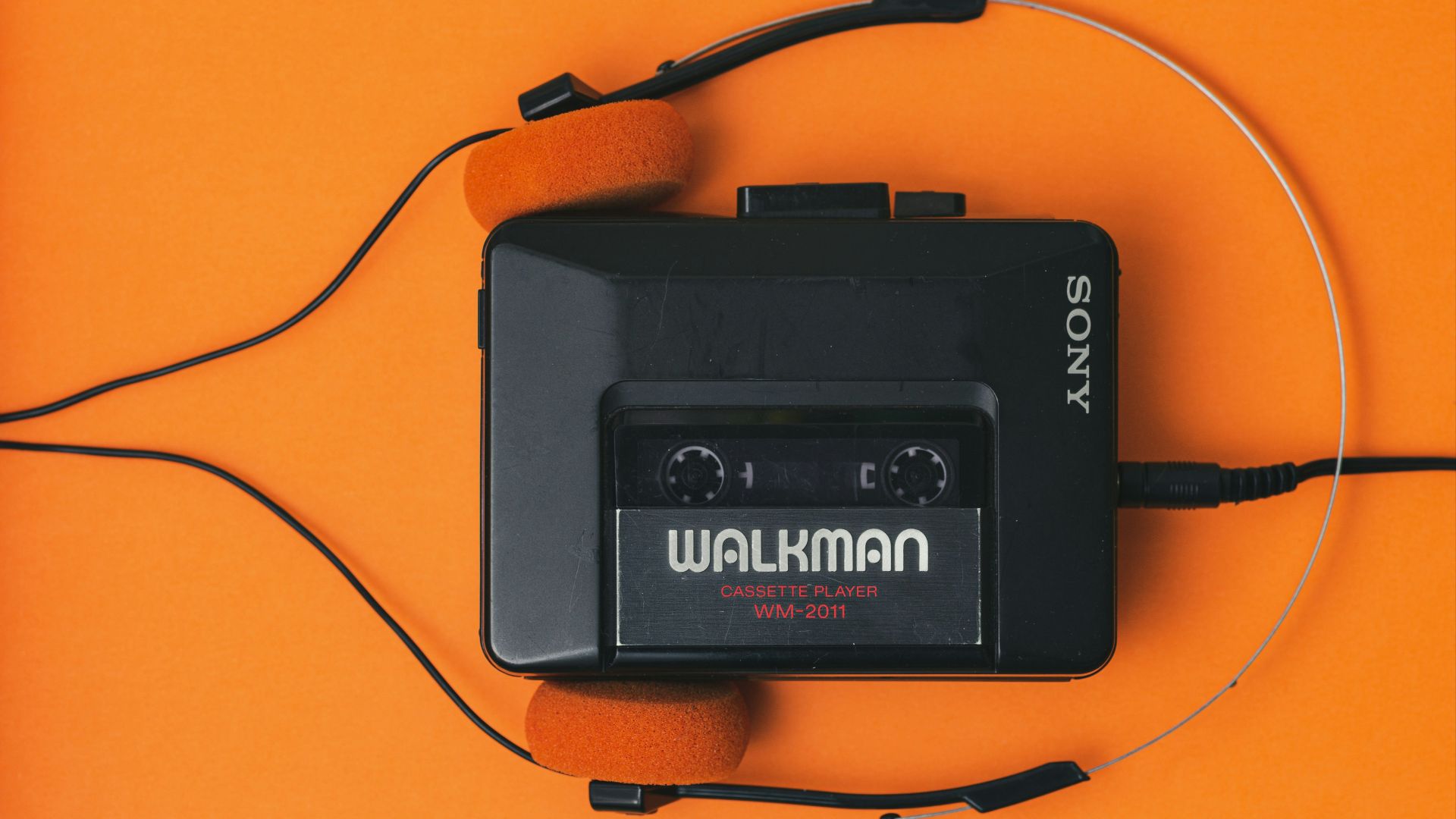
6. Cassette Walkman
The Walkman, first released in 1979, ran on a simple but strict sequence: pop the door open, seat the cassette just right, snap the door shut, then press play. When the tape ran out, your options were to flip it to side B or rewind.
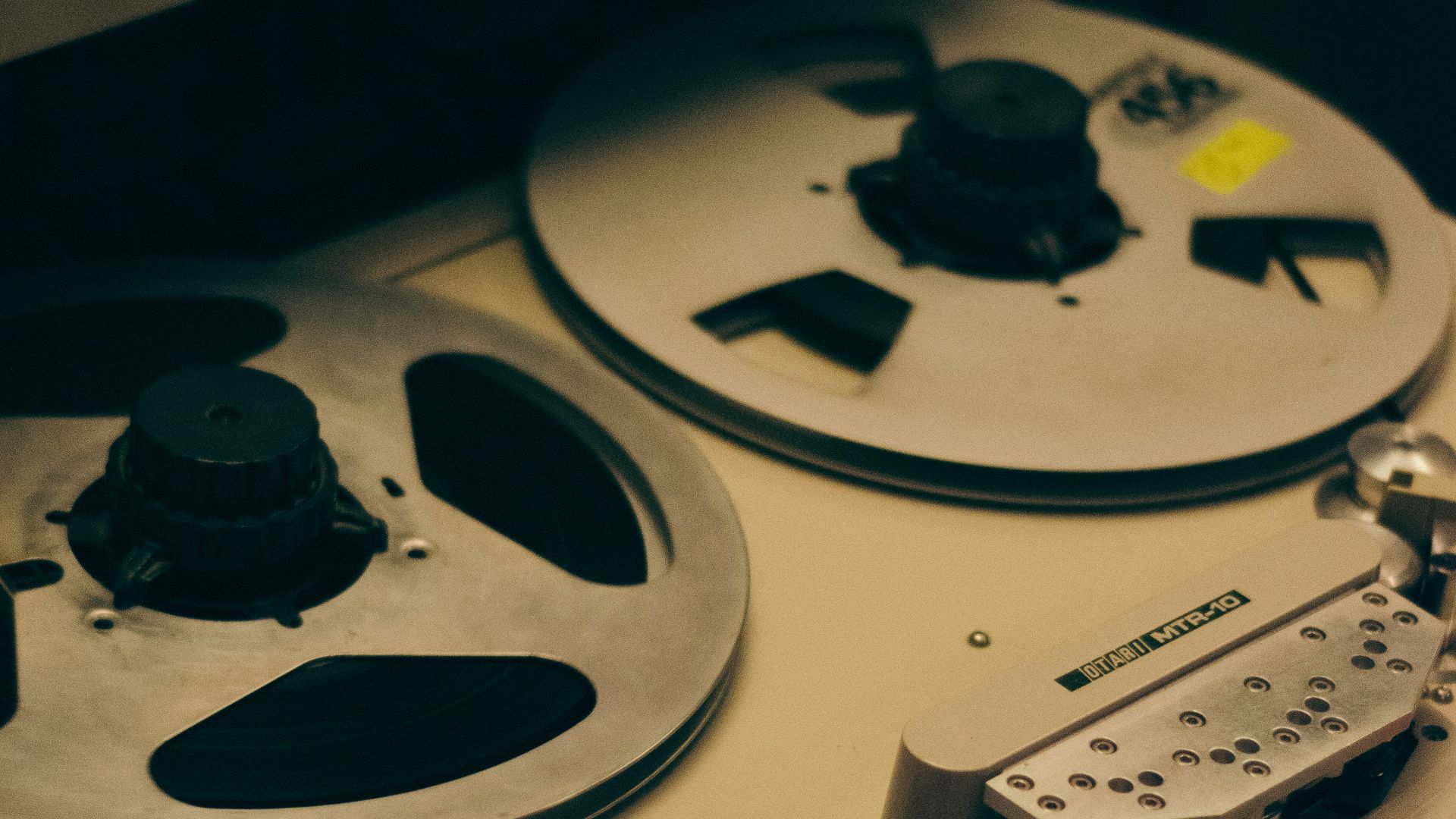
7. Reel-to-Reel Tape Recorder
This was threading as an art form. Tape had to travel from the supply reel, through a maze of guides, across the recording head, and onto the take-up reel. One sloppy threading job left you with loose, tangled tape and a ruined recording.
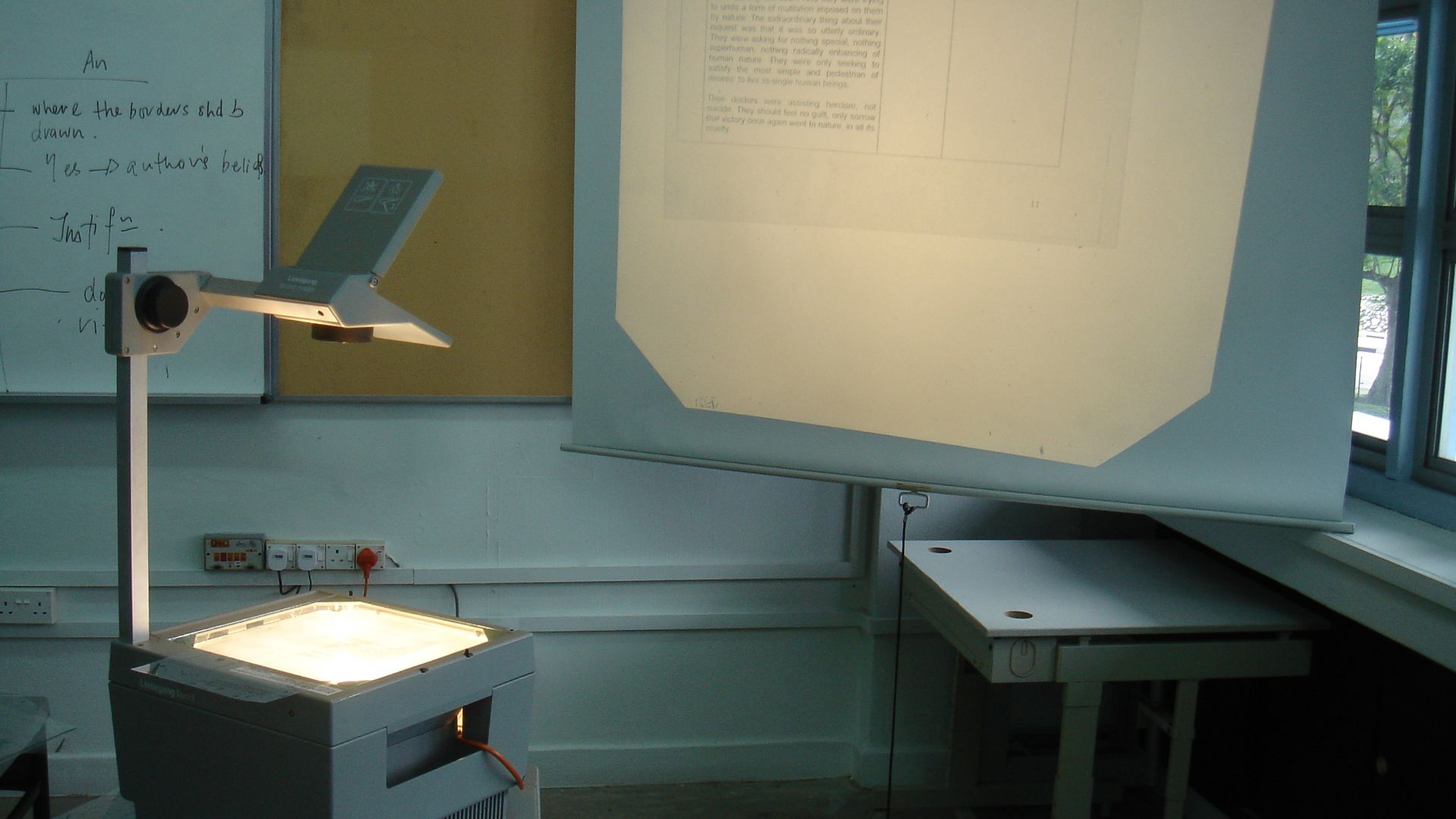
8. Overhead Projector
Every classroom had one, and every teacher had a love-hate relationship with it. Light passed through a transparent sheet, then bounced through lenses and a mirror to blow the image up onto a screen. You had to lay the transparency perfectly straight, focus the picture by hand, and keep your hands (or anything else opaque) off the glowing glass stage.
9. Slide Projector
Family slideshow nights lived or died by this machine. Photographic slides sat in a tray or carousel, one image lighting up at a time, and whoever ran the show had to keep everything in order, adjust the focus, and advance the mechanism carefully. One wrong move and a relaxing evening turned into a jammed, chaotic mess.
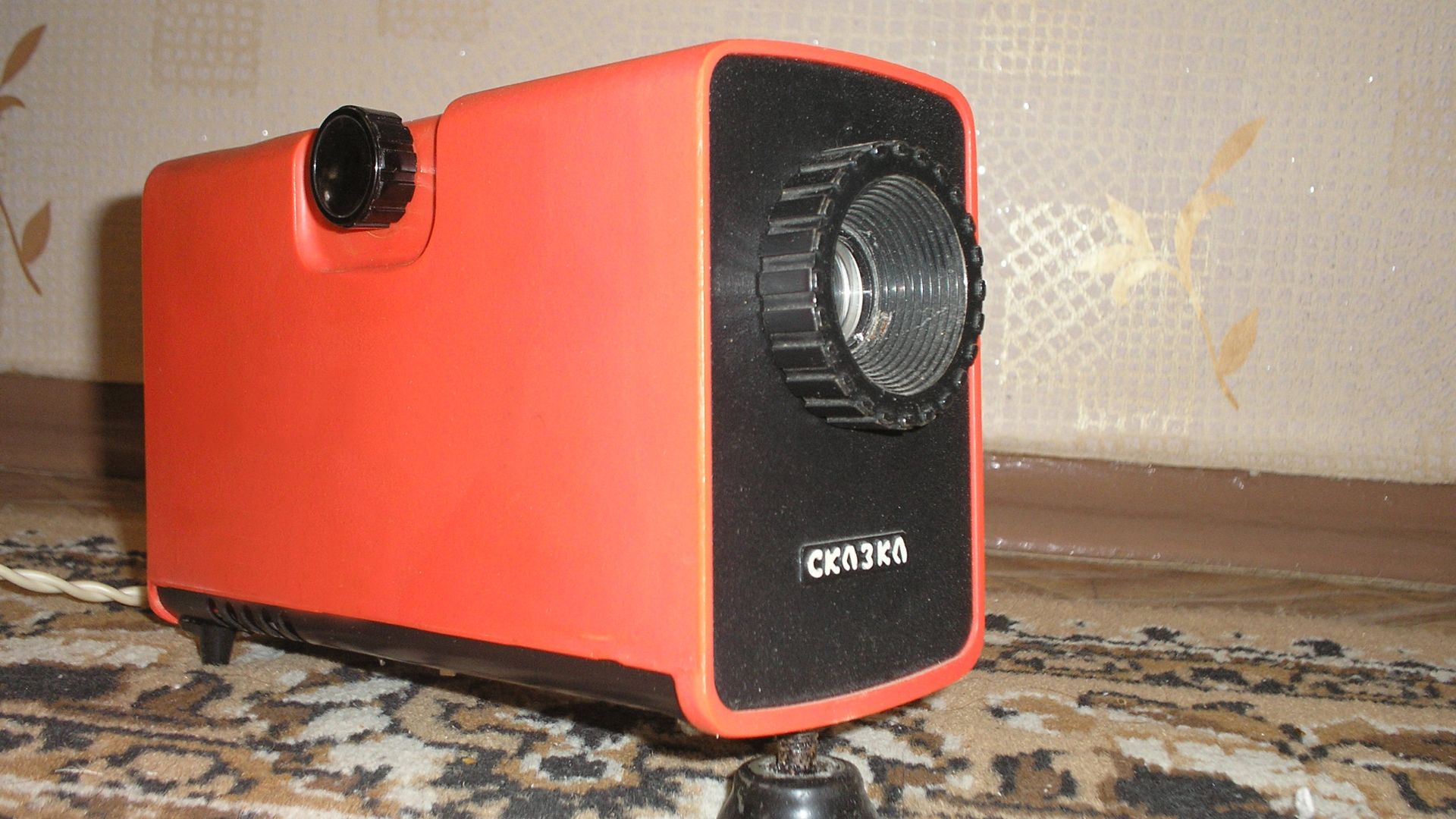 Photo by A. Sdobnikov on Wikimedia
10. CRT Television
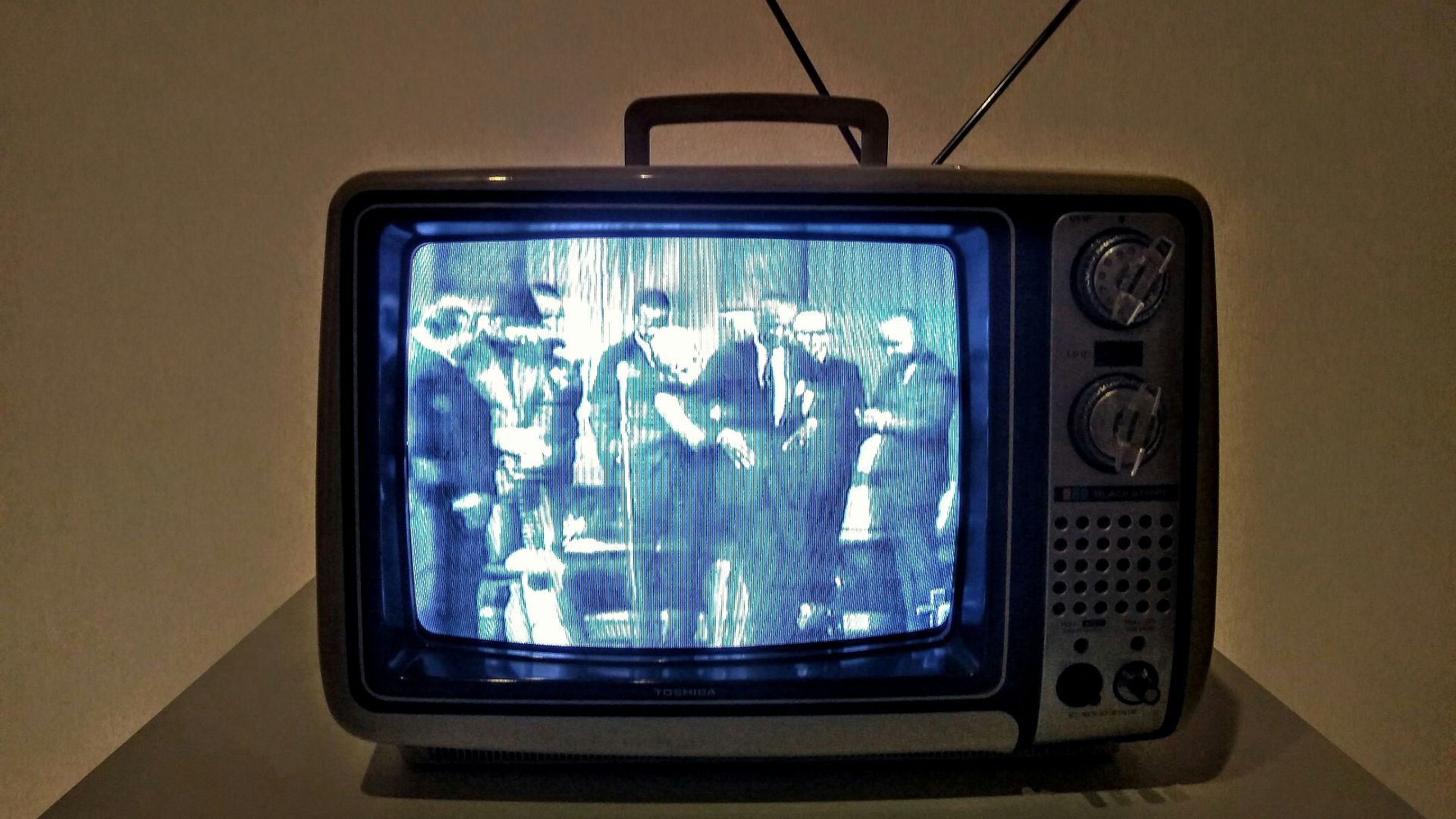
Watching TV sometimes meant becoming a human antenna technician. You'd extend, twist, and angle those rabbit ears until the static finally cleared. The tiniest shift could be the difference between snowy static and your favorite TV show.
11. 3.5-Inch Floppy Disk Drive
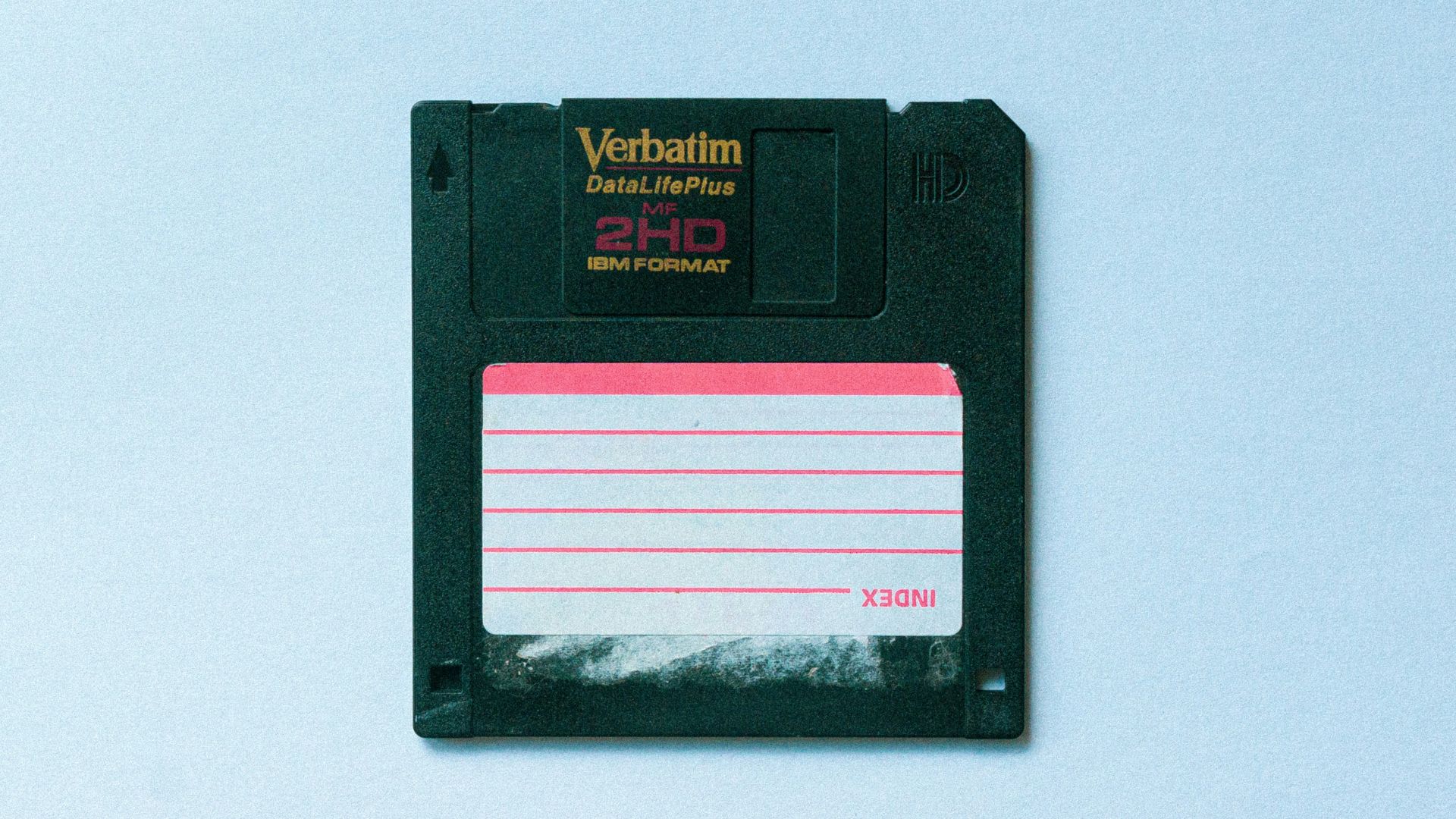
The rigid 3.5-inch floppy was the last major floppy format still in wide use, taking over from the more fragile 5.25-inch disks by the mid-1990s. Saving a file meant physically inserting the disk, waiting patiently for the drive to grind through the save, and being careful not to damage the sliding metal shutter or the magnetic surface underneath.
12. Dot-Matrix Printer
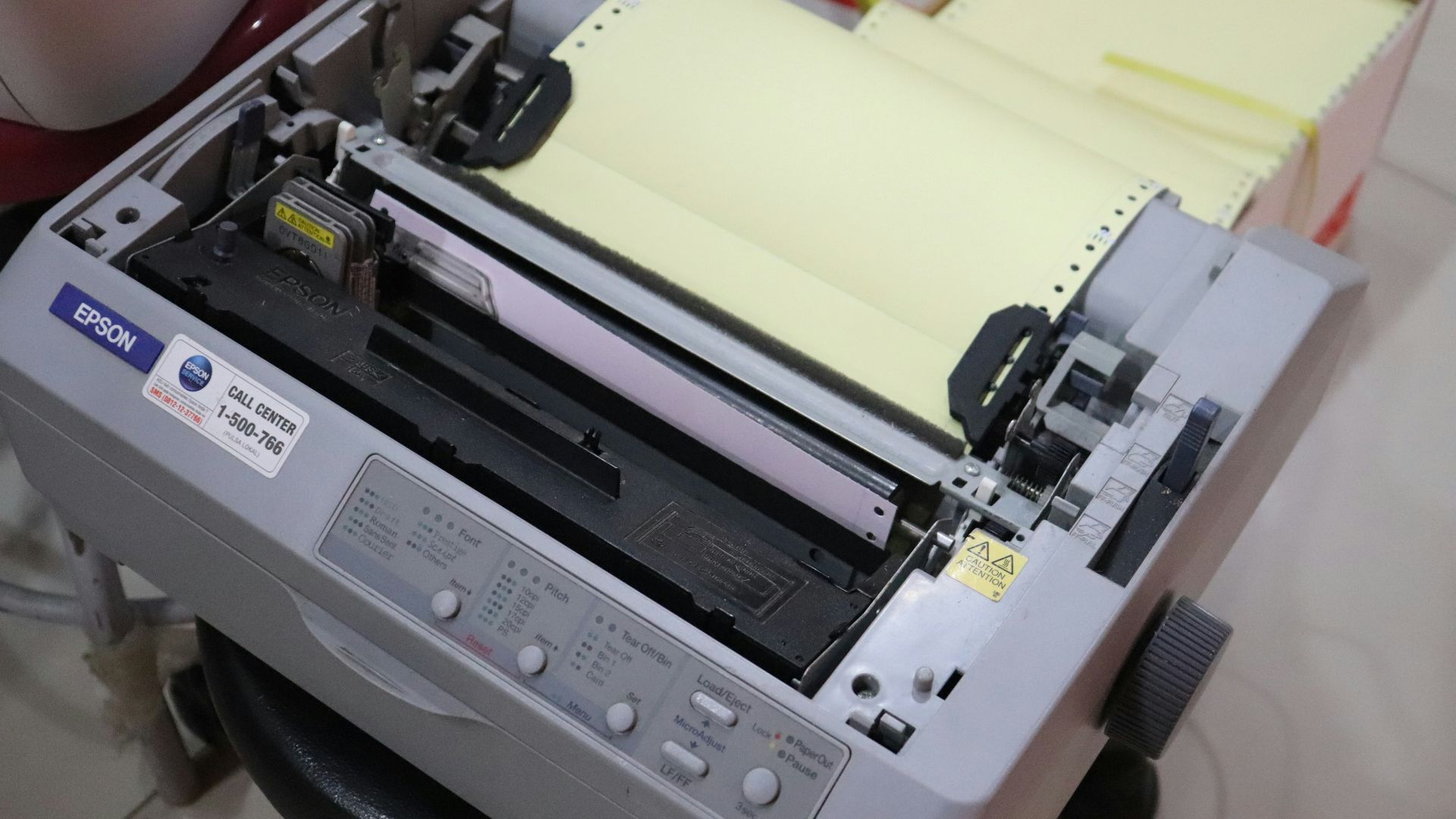
These printers built every letter out of tiny dots, using a grid of pins that hammered an ink ribbon against the page. Most fed on continuous paper with perforated strips running down each side, so finishing a school report meant tearing along a neat row of holes to separate your pages.
13. Dial-Up Modem
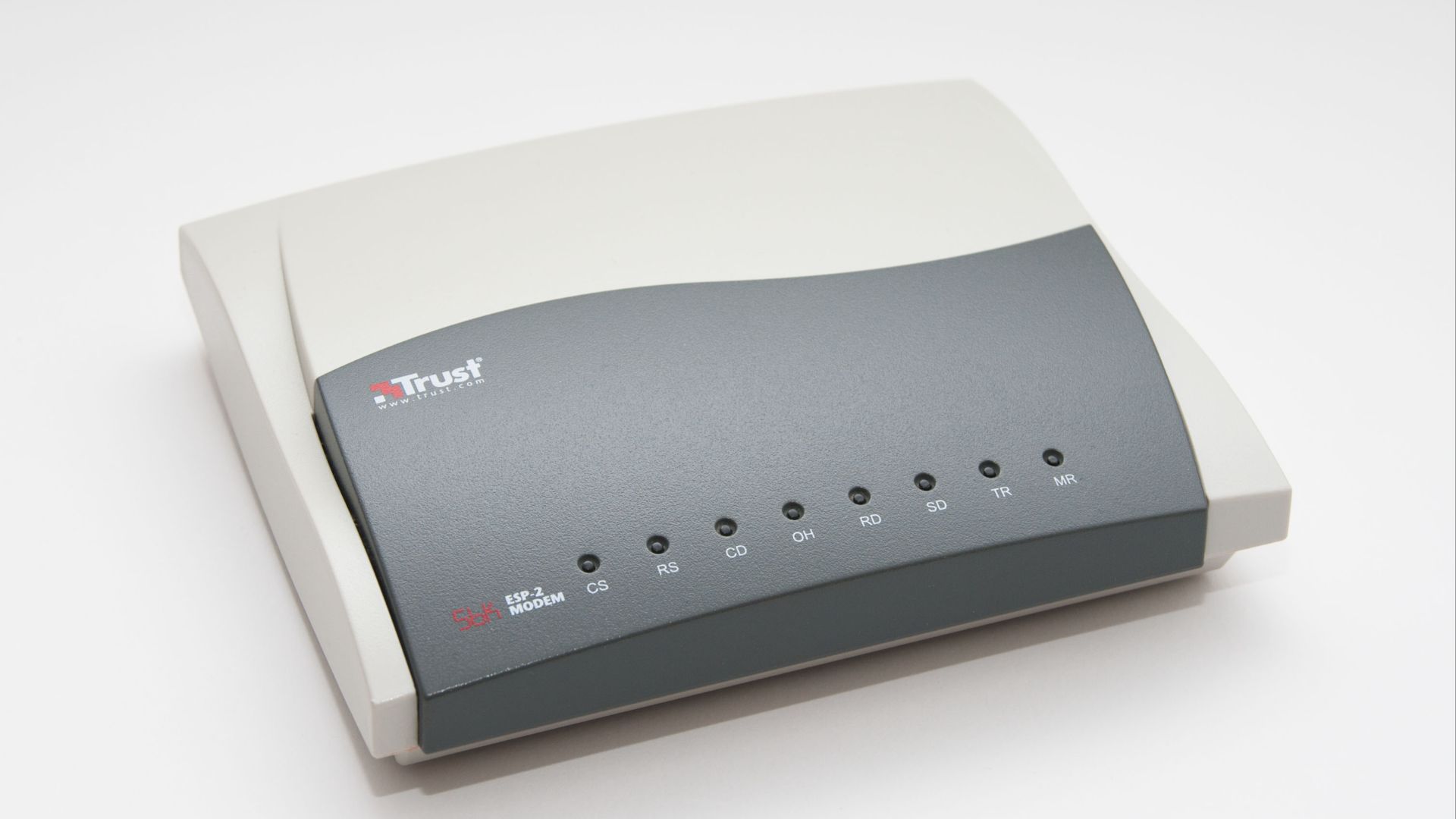
Getting online meant listening to your modem's electronic "handshake," as it converted digital data into audio tones and shot them down a telephone line. If you had one landline in the house, going online meant nobody else could use the phone.
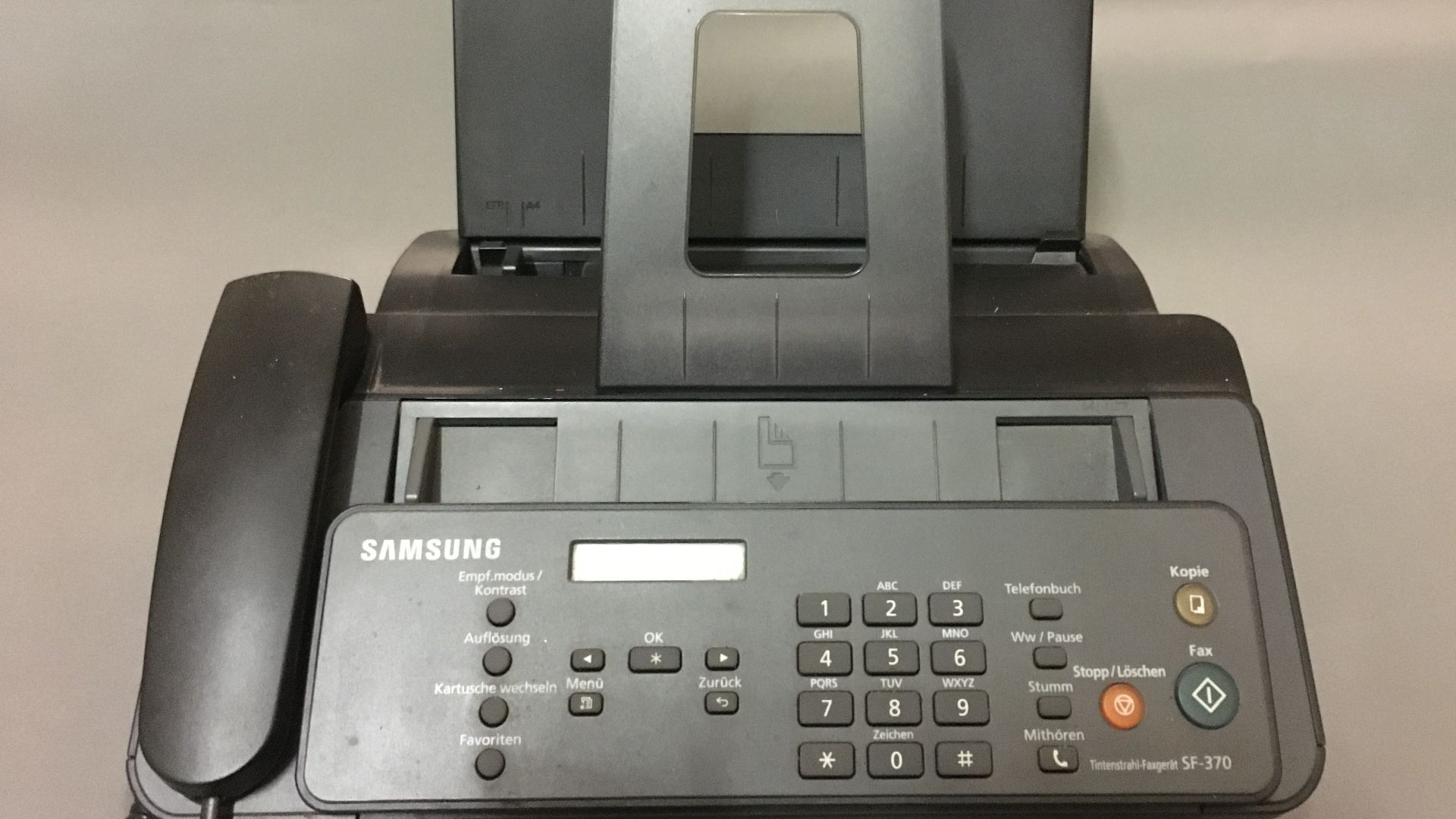
14. Fax Machine
Sending a document required feeding a physical page in perfectly straight, dialing the right number, scanning the page, and transmitting it down a phone line to print out on the other end. You also needed to keep a healthy stock of paper on hand, because you never knew what unexpected fax might come back in return.
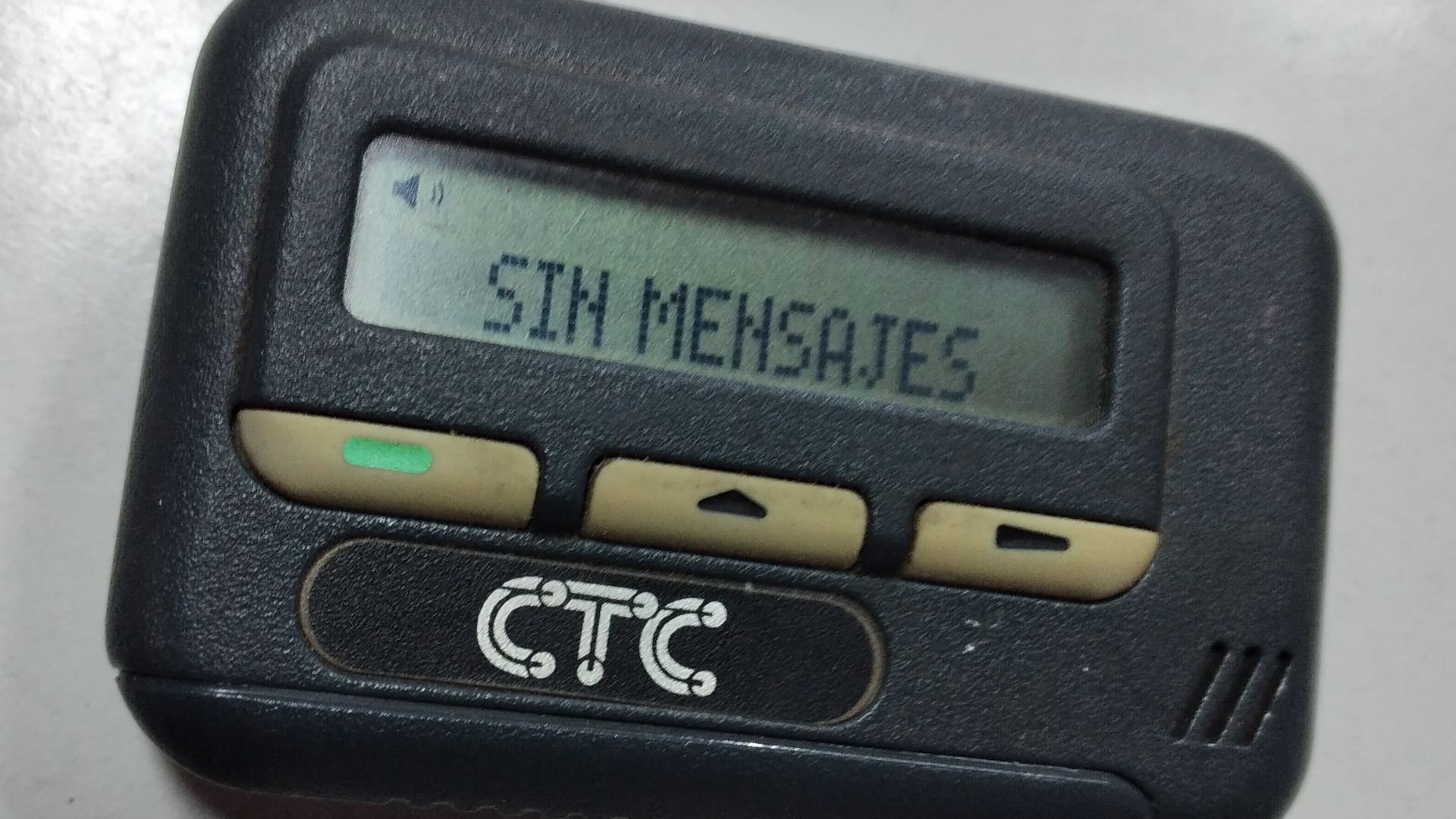
15. Pager
Long before texting, a pager buzzed or beeped to let you know someone needed you, then displayed a phone number or a short message. The device itself couldn't talk back, so once it went off, your job was to track down an actual phone and call the number back as soon as you possibly could.
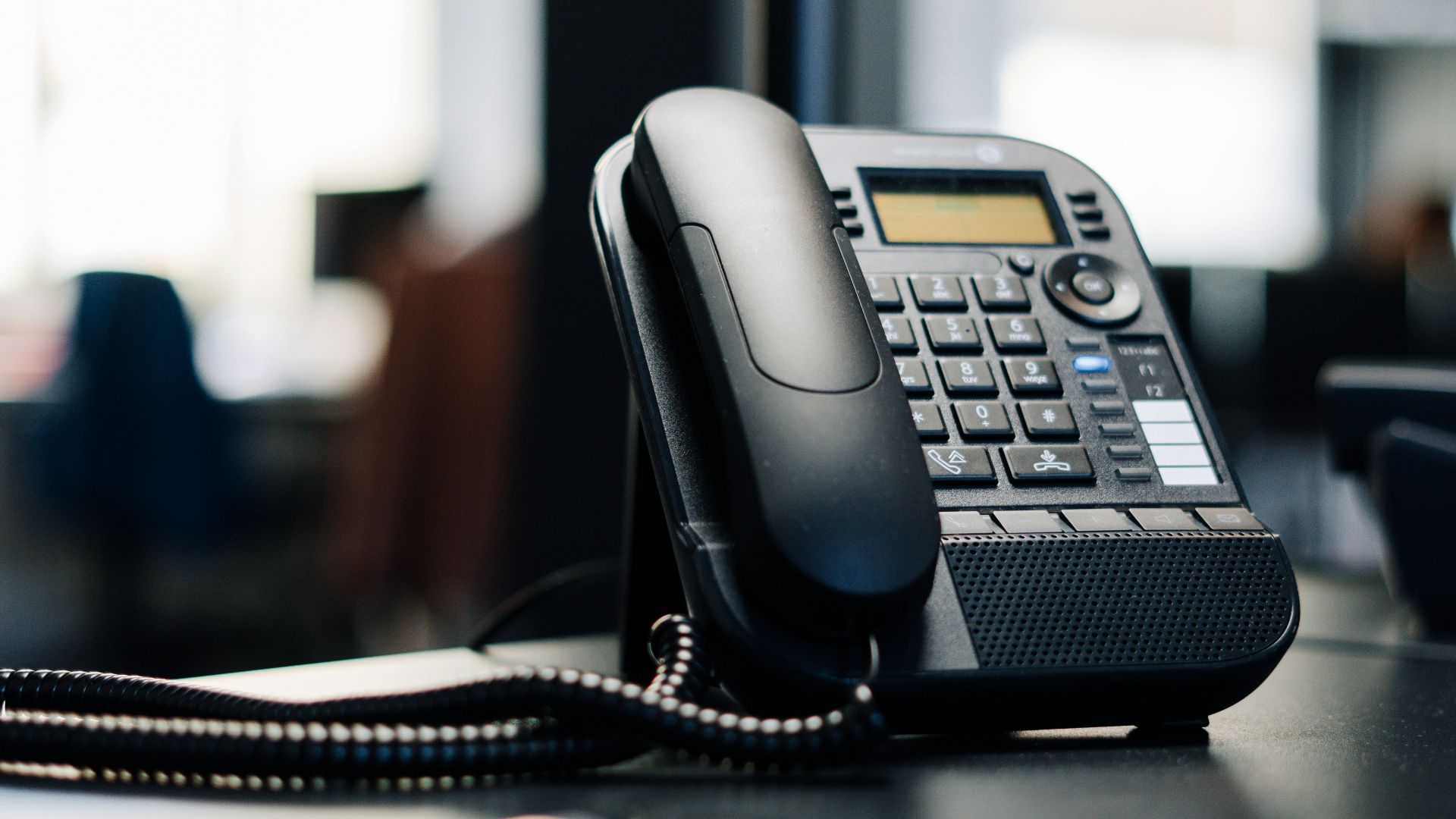
16. Answering Machines
An answering machine picked up when you couldn't, played your recorded greeting, and captured whatever message the caller left behind. On cassette-based models, a blinking light was your only clue that someone had called.
17. Microfilm Reader
Long before search bars, tracking down an old newspaper article meant a trip to the library and a wrestling match with a microfilm reader. Pages were shrunk down and stored on a reel of film, then blown back up on a screen.
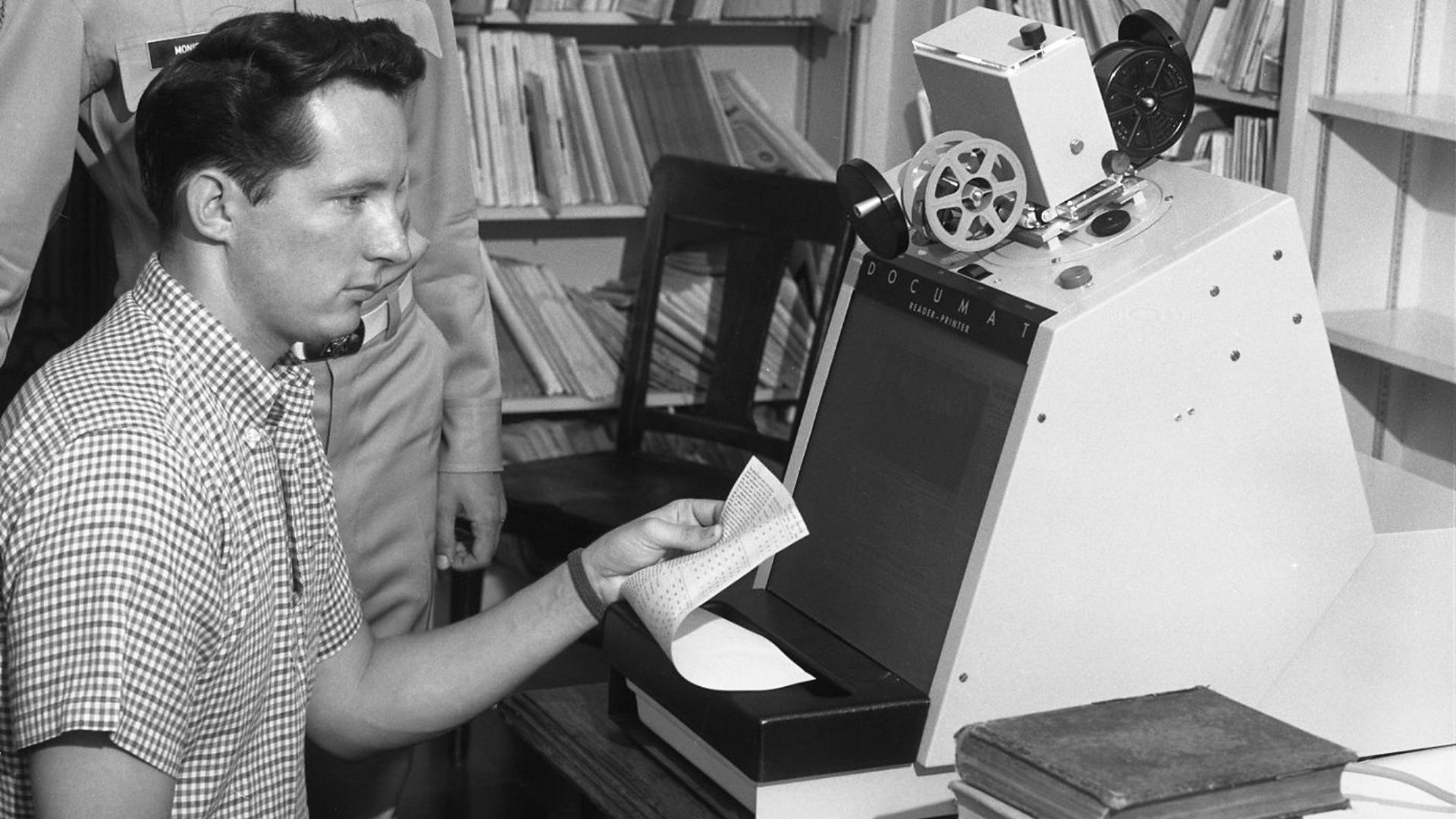 Cushing Memorial Library and Archives, Texas A&M on Wikimedia
18. Punch-Card Keypunch
Data used to live as literal holes punched into stiff paper cards, read later by machines that translated the pattern into information. The cards absolutely had to stay in order. Drop a full stack on the floor, and what used to be a clean batch of data instantly became a very long, very tedious sorting puzzle.
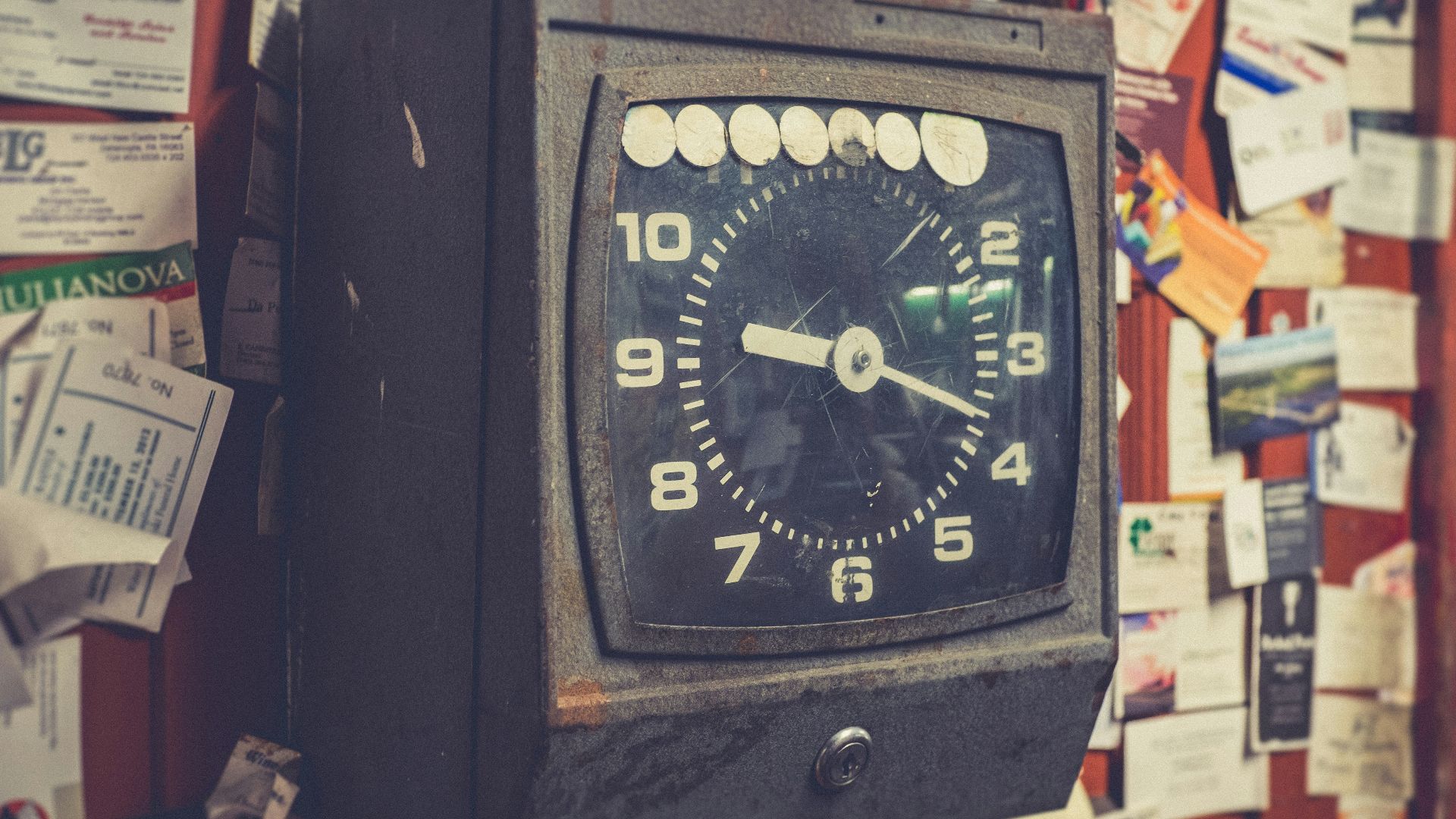
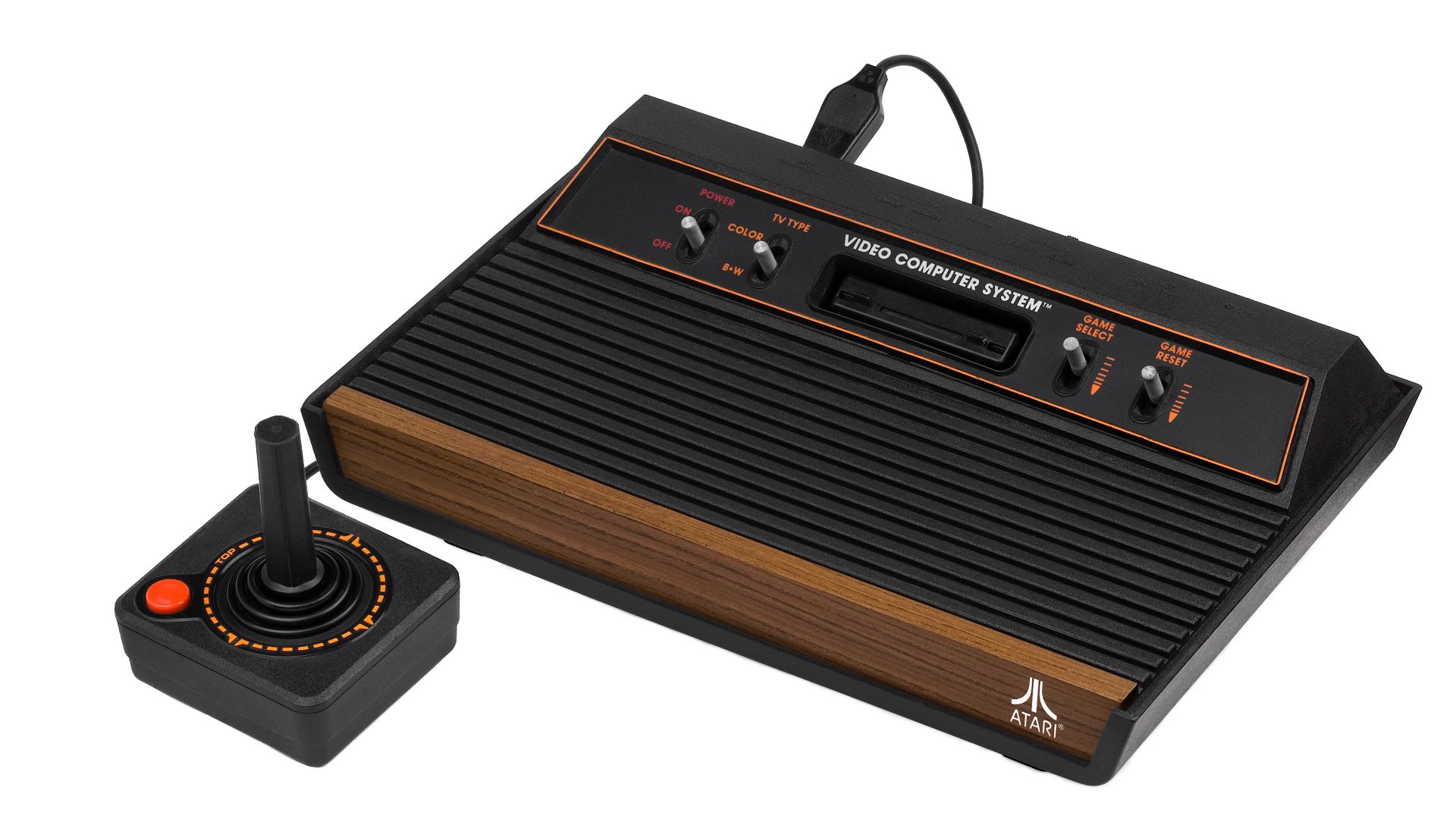
19. Atari 2600
Originally launched as the Atari Video Computer System, the Atari 2600 helped turn removable game cartridges into a household standard. Playing meant plugging in a cartridge, flipping physical switches, and wrestling with a chunky controller.
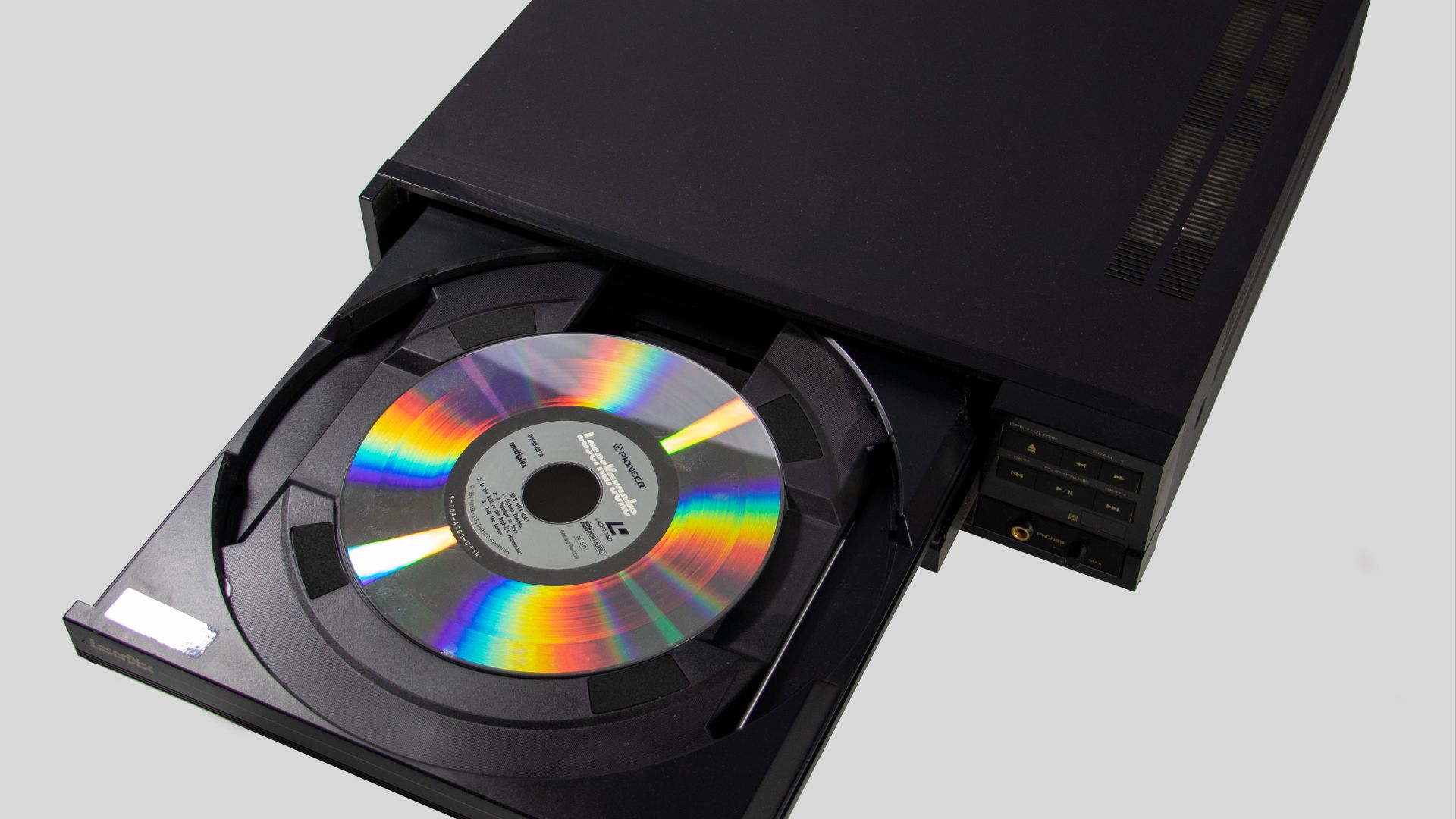
20. LaserDisc Player
LaserDiscs were big, closer in size to a vinyl record than a modern DVD, and they delivered picture and sound quality that was impressive for the era. That said, the format came with quirks: some movies needed a manual flip partway through to keep watching, and unlike VHS, LaserDiscs couldn't record anything off the television.