The Stars of These Platforms
Video games can introduce huge worlds filled with memorable places, stories, and characters. Every now and then, though, one character becomes much easier to recognize than the game around them. A great look, a catchy phrase, or the right crossover can bring that character to people who’ve never touched the original release. Some became movie and television stars, while others stayed popular through memes, toys, guest appearances, and dedicated online fans. These 20 characters built identities that no longer depend on the games where players first met them.
1. Mario
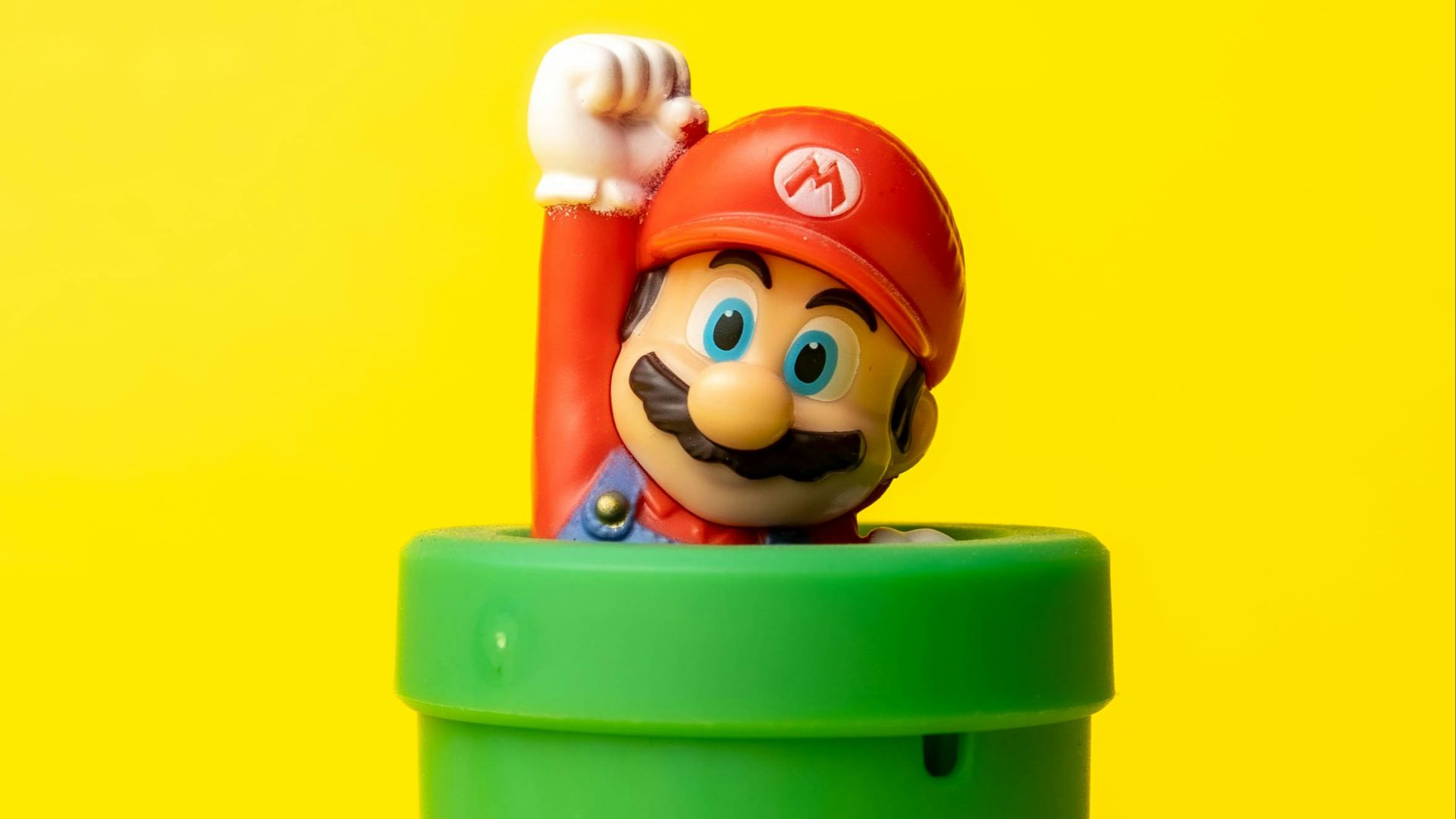
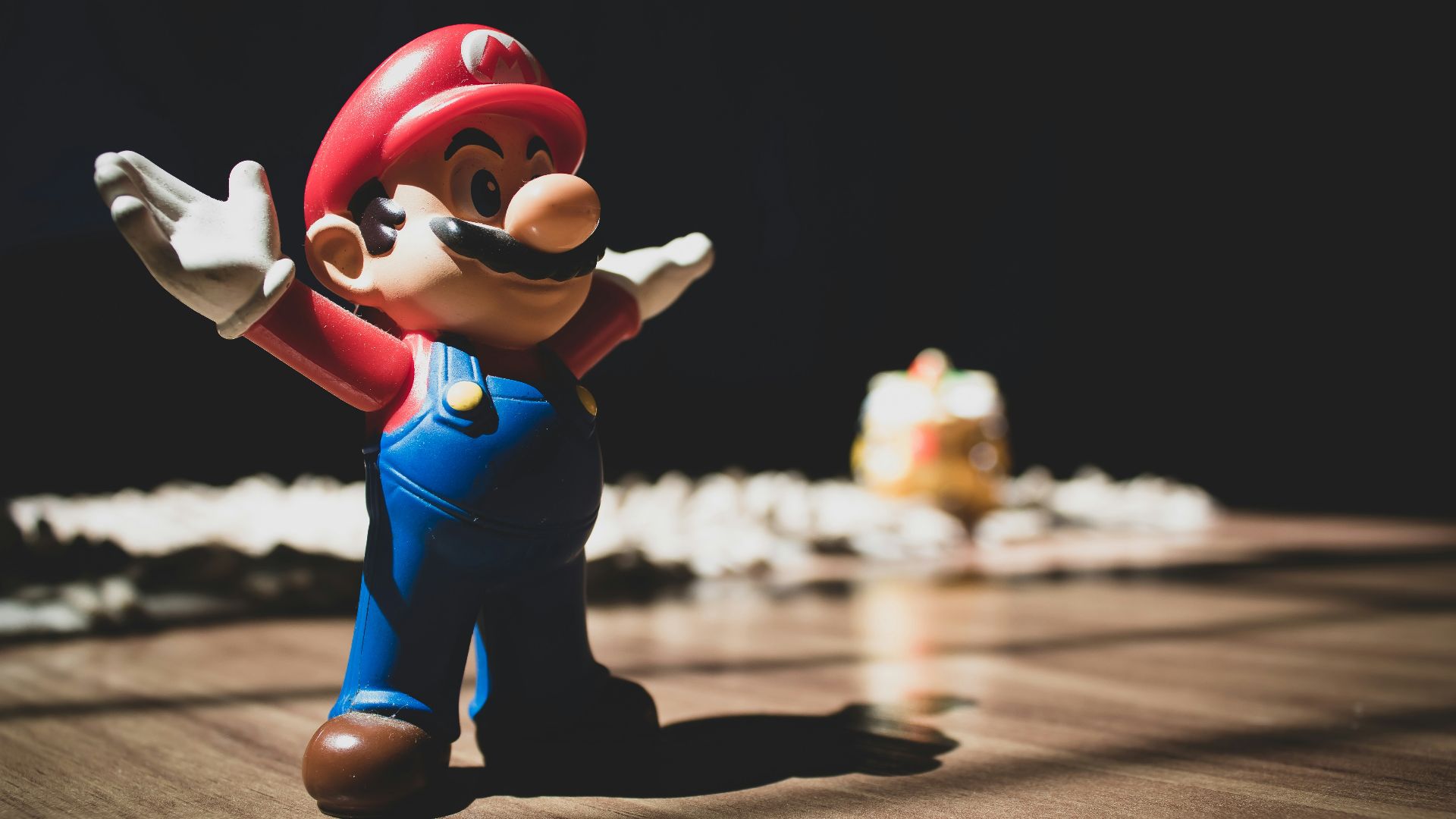
Mario first appeared in the 1981 arcade game Donkey Kong, where Nintendo called him Jumpman. Back then, he was a carpenter who climbed ladders, jumped over barrels, and tried to rescue a captive woman. His red cap, mustache, and blue overalls are now more familiar than the arcade game that introduced him.
 Cláudio Luiz Castro on Unsplash
2. Pac-Man
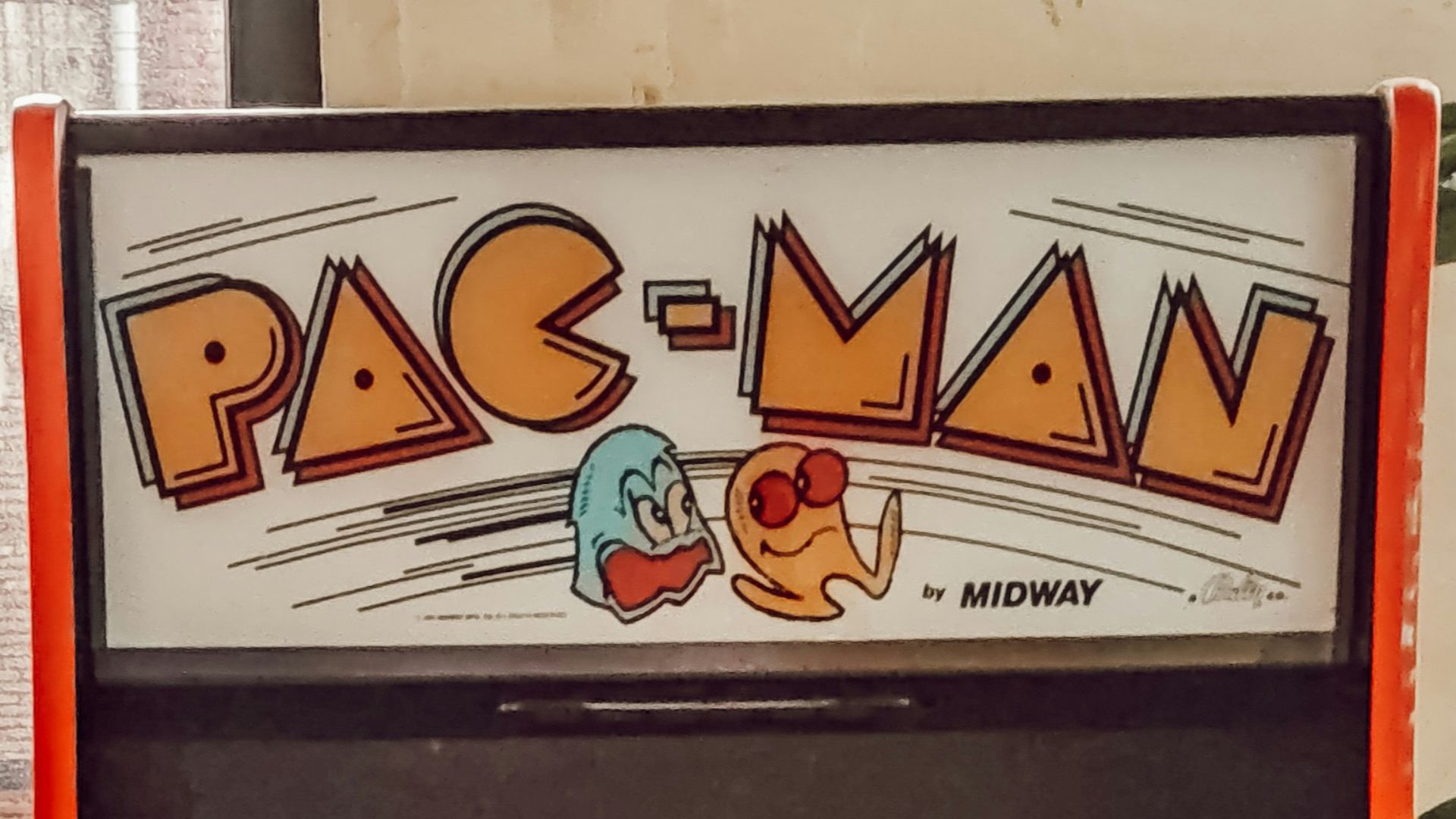
Pac-Man arrived in arcades in 1980, and his simple yellow design quickly became closely linked with video games. From there, Pac-Man appeared in cartoons, music, advertisements, licensed products, and decades of cameos.
3. Pikachu
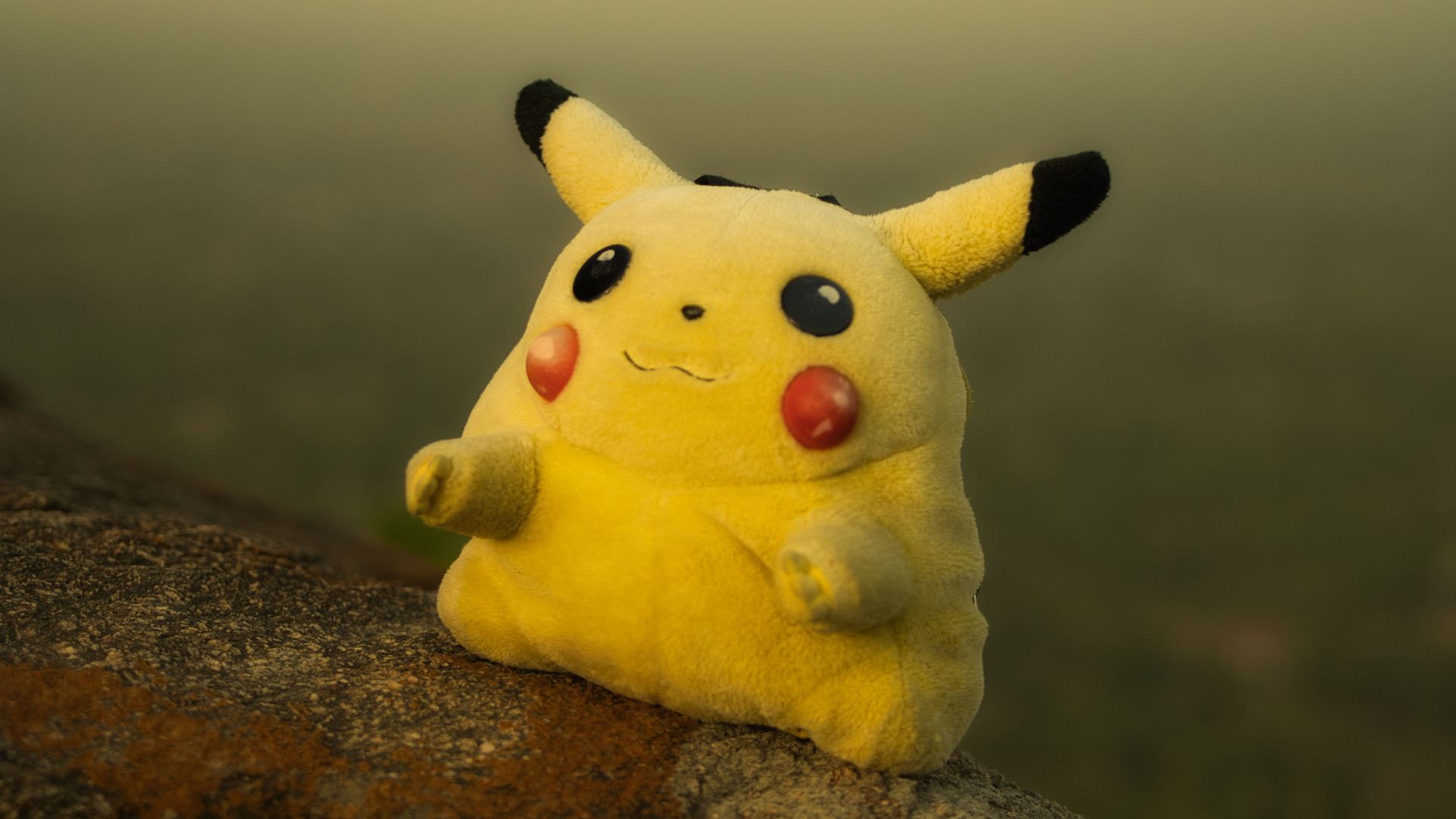
Pikachu was one of the creatures introduced in Pokémon Red and Green, though he wasn’t one of the games’ three standard starter choices. His role as Ash Ketchum’s partner in the animated series completely changed his place in the franchise. The small yellow Pokémon became the public face of the brand.
4. Sonic
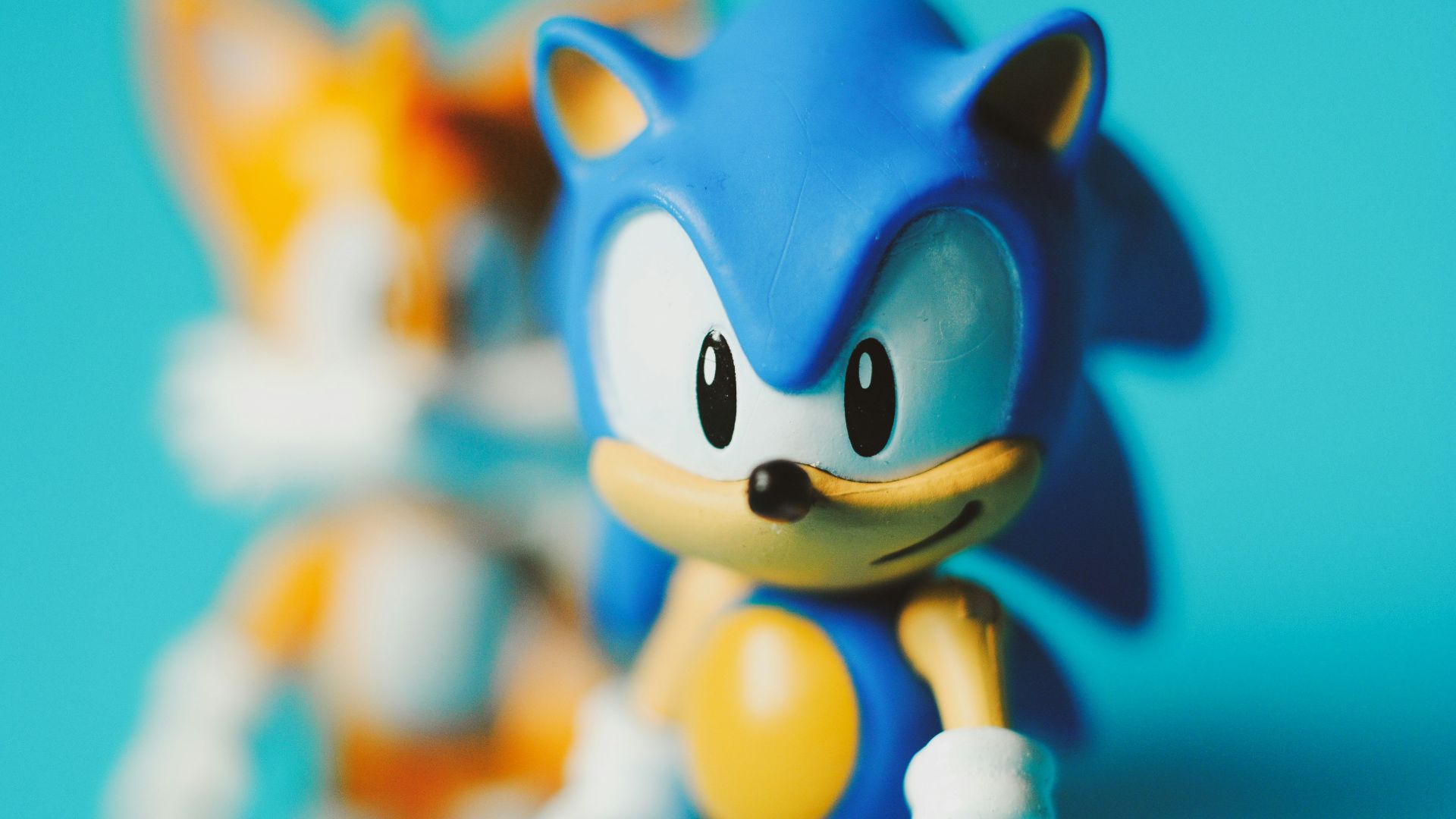
Sonic debuted in 1991 as Sega’s speedy platforming mascot. His first game had him racing through loops, collecting rings, and fighting Dr. Robotnik. Sonic didn’t stay limited to platform games for long. Animated shows, comics, toys, memes, and theatrical movies introduced him to people who’ve never spent an afternoon speeding through Green Hill Zone.
5. Lara Croft
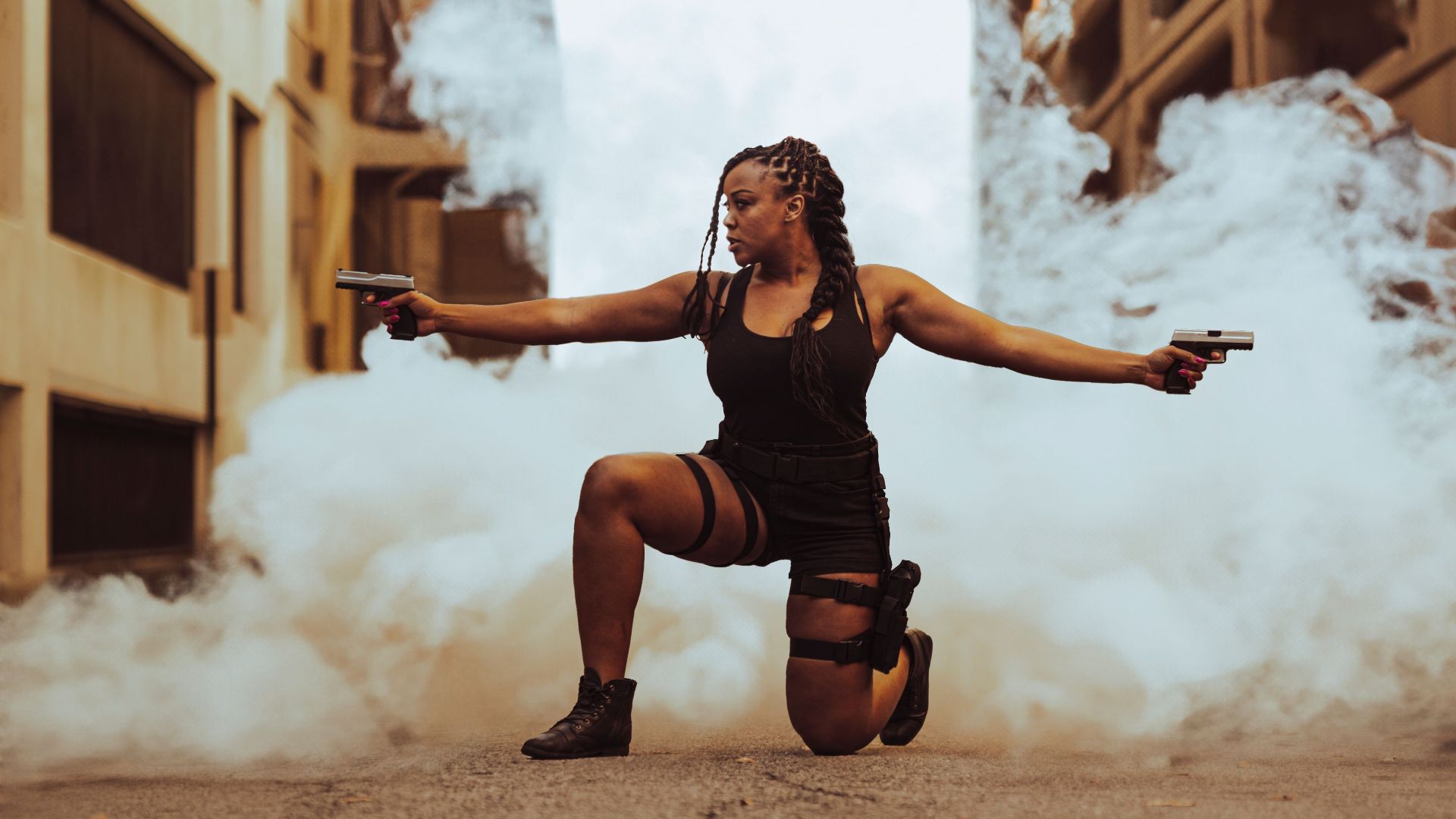
Lara Croft entered gaming through the original Tomb Raider in 1996 and quickly became one of the industry’s most visible human characters. Her archaeological adventures, athletic movement, and twin pistols are recognizable even today. Films, comics, magazine covers, and merchandise brought that image into mainstream entertainment.
6. Waluigi
Waluigi made his first appearance in the Nintendo 64 version of Mario Tennis, where he served as Wario’s partner and Luigi’s lanky rival. His purple outfit, long limbs, exaggerated poses, and frustrated personality made him ideal for jokes and memes. Over time, Waluigi became an online favorite whose reputation reached far beyond the tennis game where he first appeared.
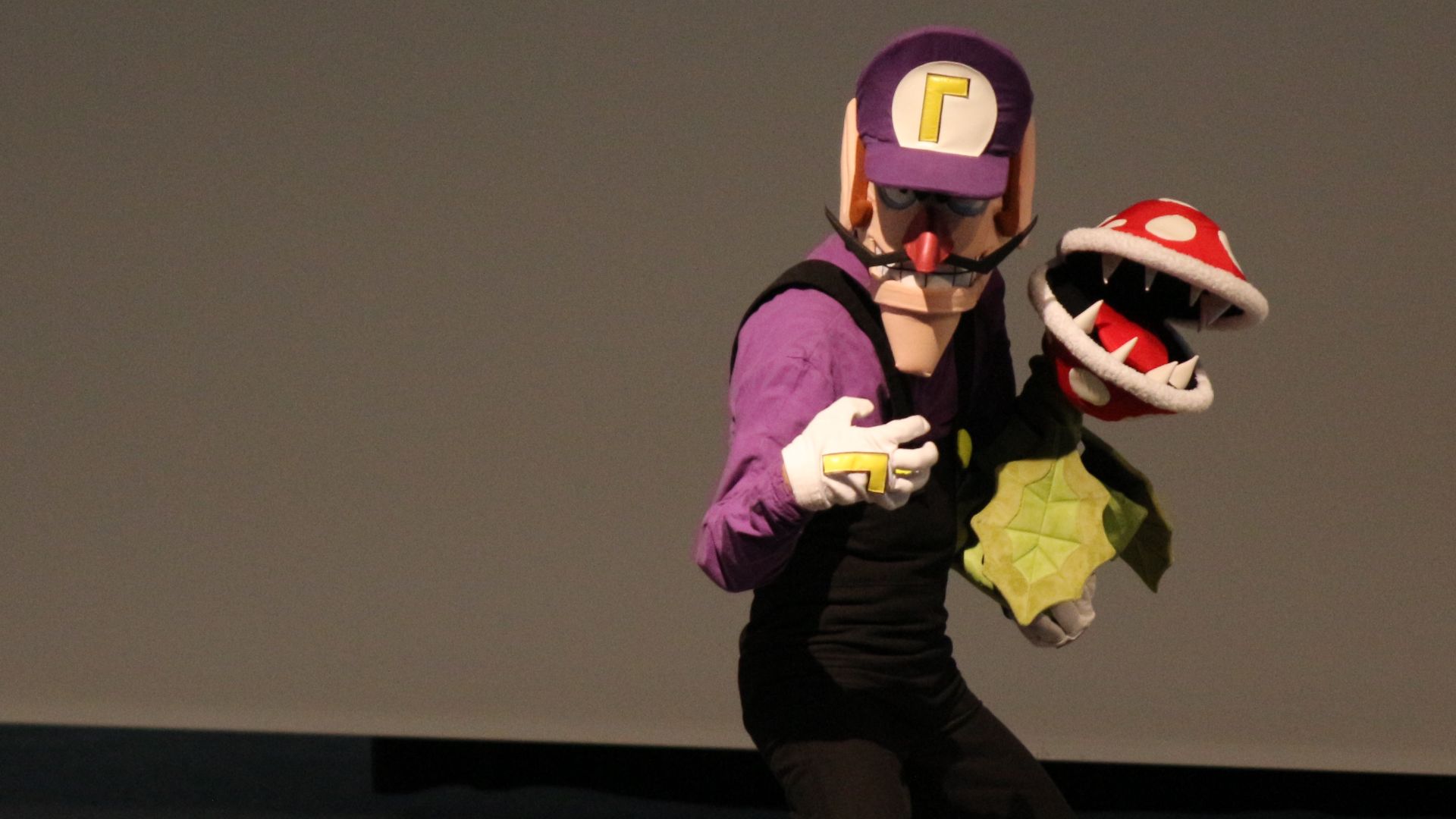 Stéphane Gallay from Laconnex, Switzerland on Wikimedia
7. Captain Falcon
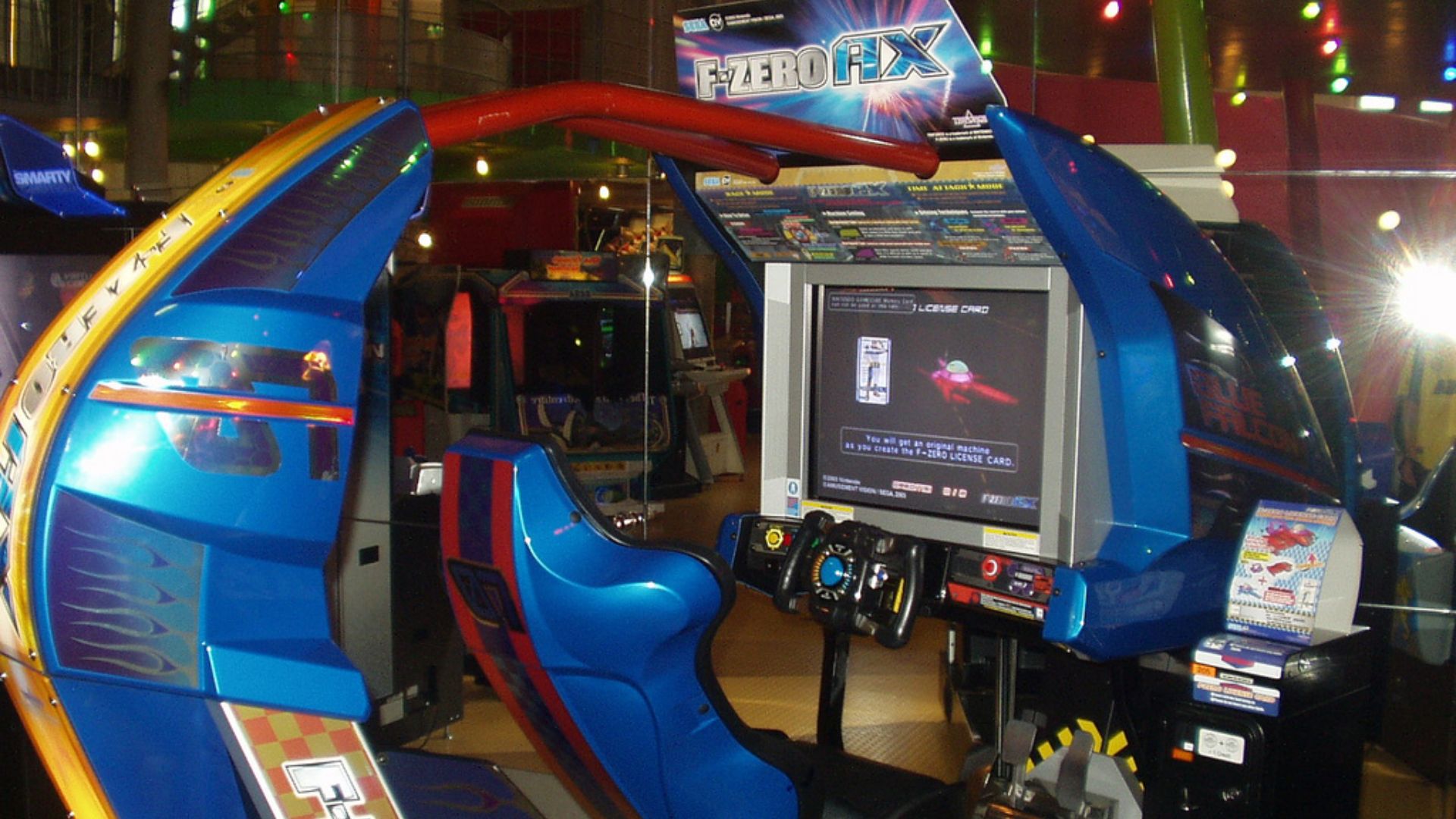
Captain Falcon began as the helmeted pilot of the Blue Falcon in Nintendo’s futuristic F-Zero racing series. Super Smash Bros. only furthered his popularity, giving him the fiery Falcon Punch, loud voice clips, and a memorable close-range fighting style. Those appearances introduced him to players who knew very little about F-Zero, making his fighting-game personality more familiar than his time behind the wheel.
8. Ness
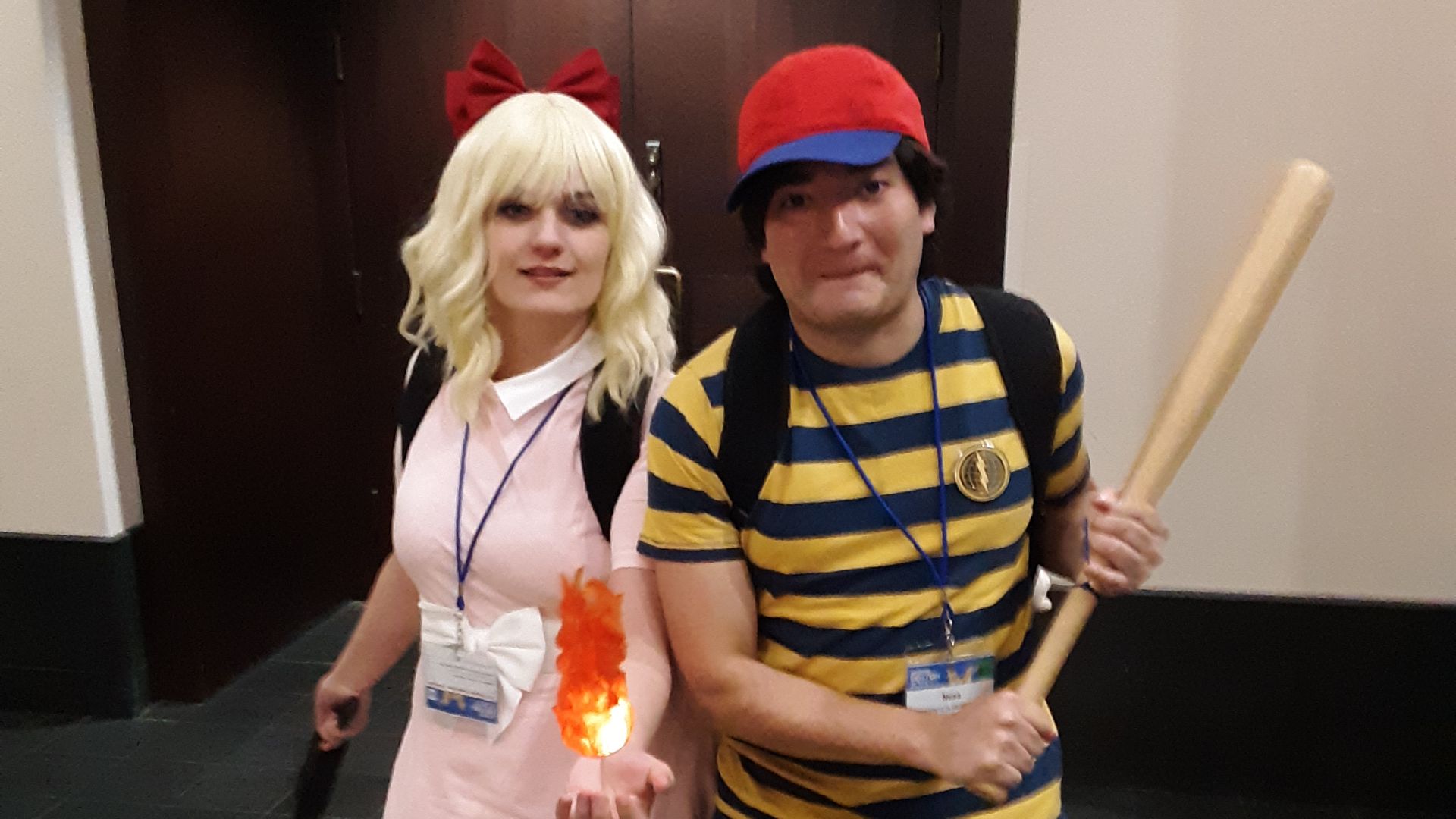
Ness is the psychic, baseball-bat-carrying hero of EarthBound, a role-playing game that gained a devoted following after its original release. His regular place in Super Smash Bros. introduced him to generations of players who hadn’t played EarthBound. Many people first recognized his striped shirt, red cap, bat, and psychic attacks through Nintendo’s crossover fighting series.
9. Pit
Pit debuted as the winged hero of Kid Icarus during the 1980s, though his series went years without a major new installment. That long break made him less visible than several other Nintendo characters from the same period. Super Smash Bros. Brawl brought him back with an updated design and a bigger personality. His return came before Kid Icarus: Uprising revived his home series, giving younger players a reason to recognize his wings and bow.
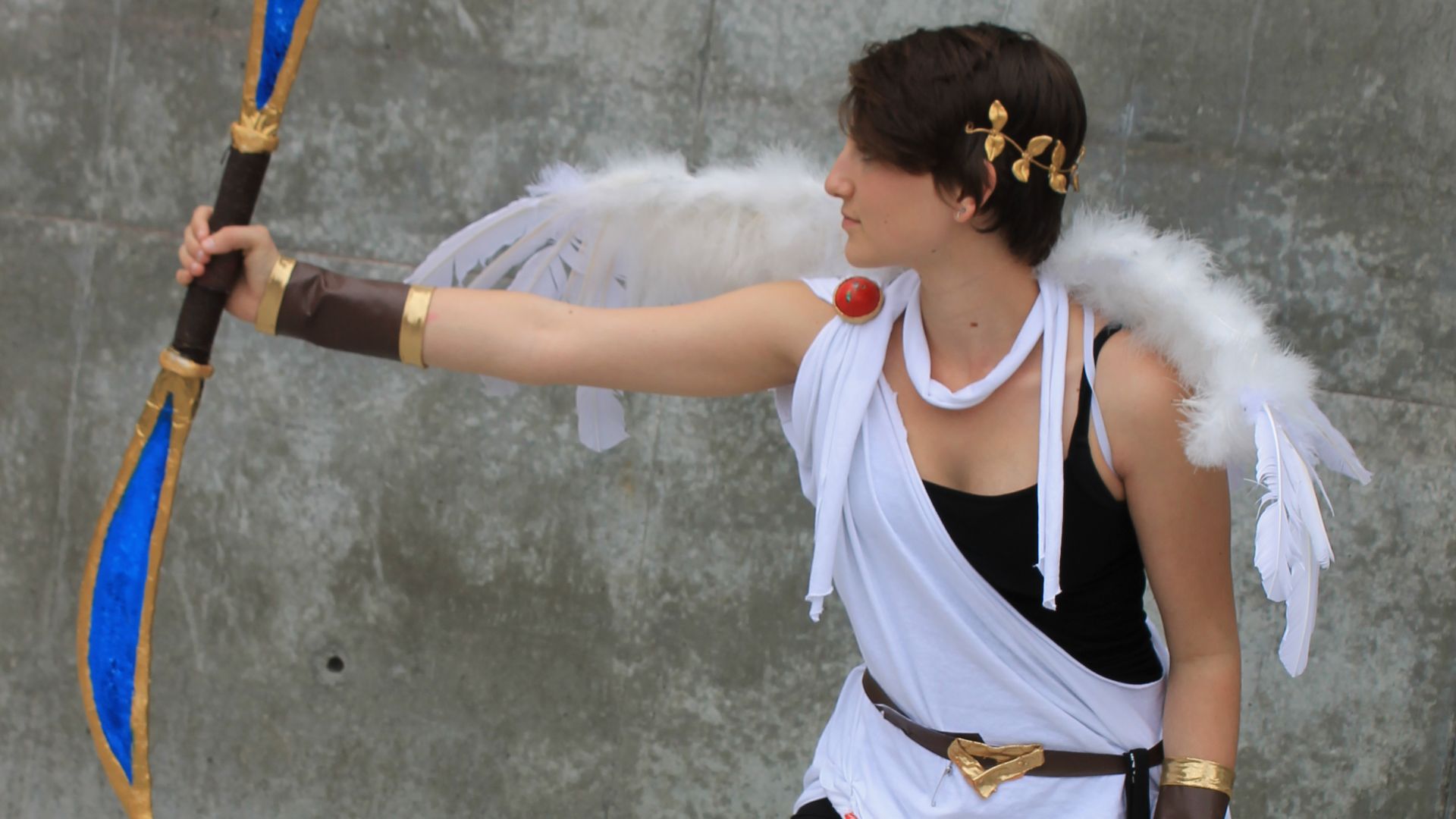 Michael Ocampo from United States on Wikimedia
10. Sans
Sans first appears in Undertale as a laid-back skeleton, telling bad jokes, and clearly knowing more than he first admits. His casual personality makes the deeper parts of his role stand out as the story continues. His difficult battle, glowing eye, and connection to “Megalovania” inspired memes, remixes, fan art, and animations.
11. Pyramid Head
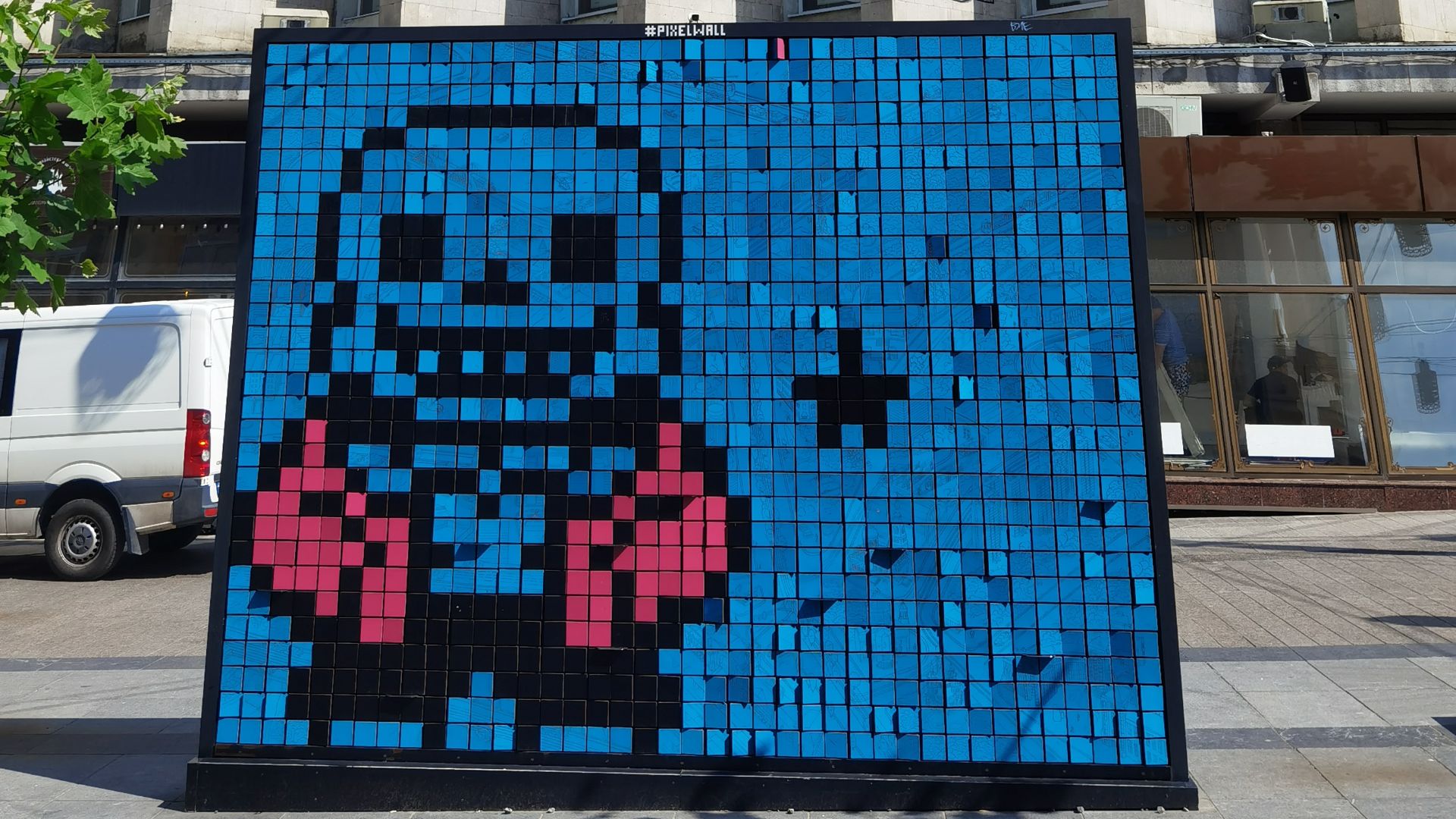
Pyramid Head was created for Silent Hill 2 and is closely connected to protagonist James Sunderland’s guilt, grief, and punishment. Appearances in films, merchandise, and crossover games introduced him to horror fans who may never have followed James through Silent Hill’s foggy streets.
12. Carmen Sandiego
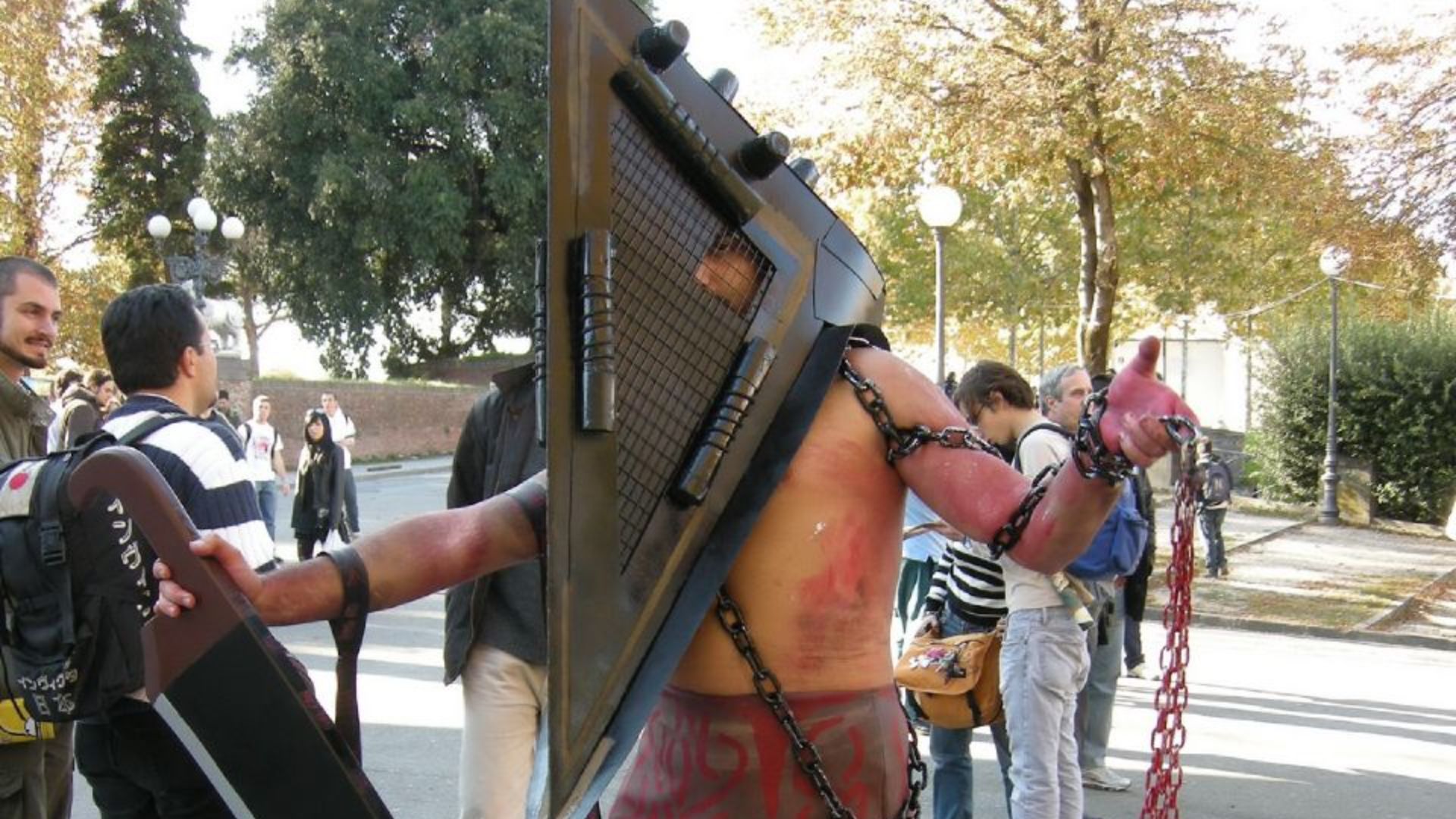
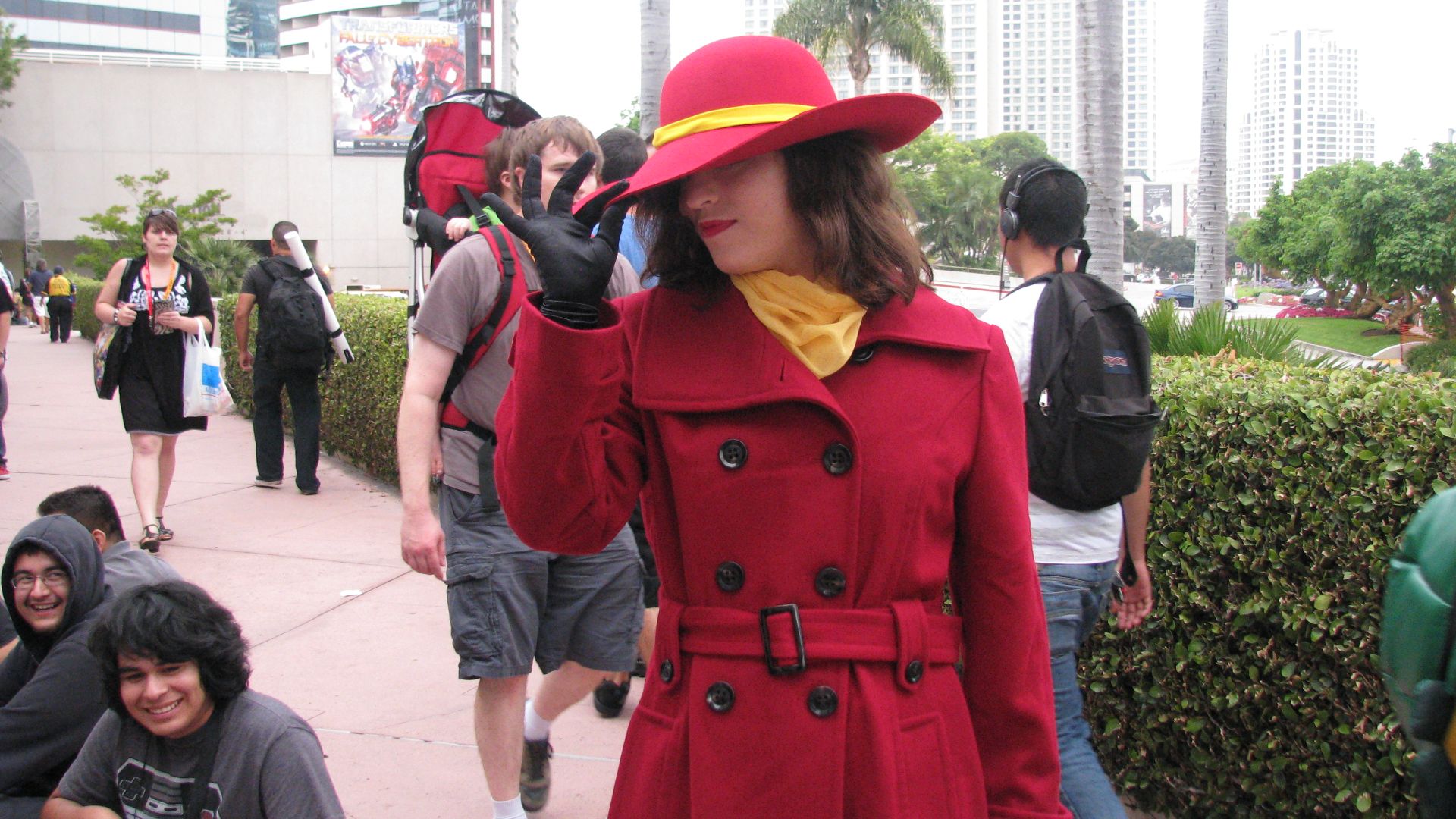
Carmen Sandiego began as the hard-to-catch criminal at the center of an educational computer game. Television game shows, animated series, books, and later reboots carried the red-coated thief into children’s entertainment. Her wide-brimmed hat and mysterious international image became so familiar that she became a staple in the gaming industry.
 William Tung from USA on Wikimedia
13. The Rabbids
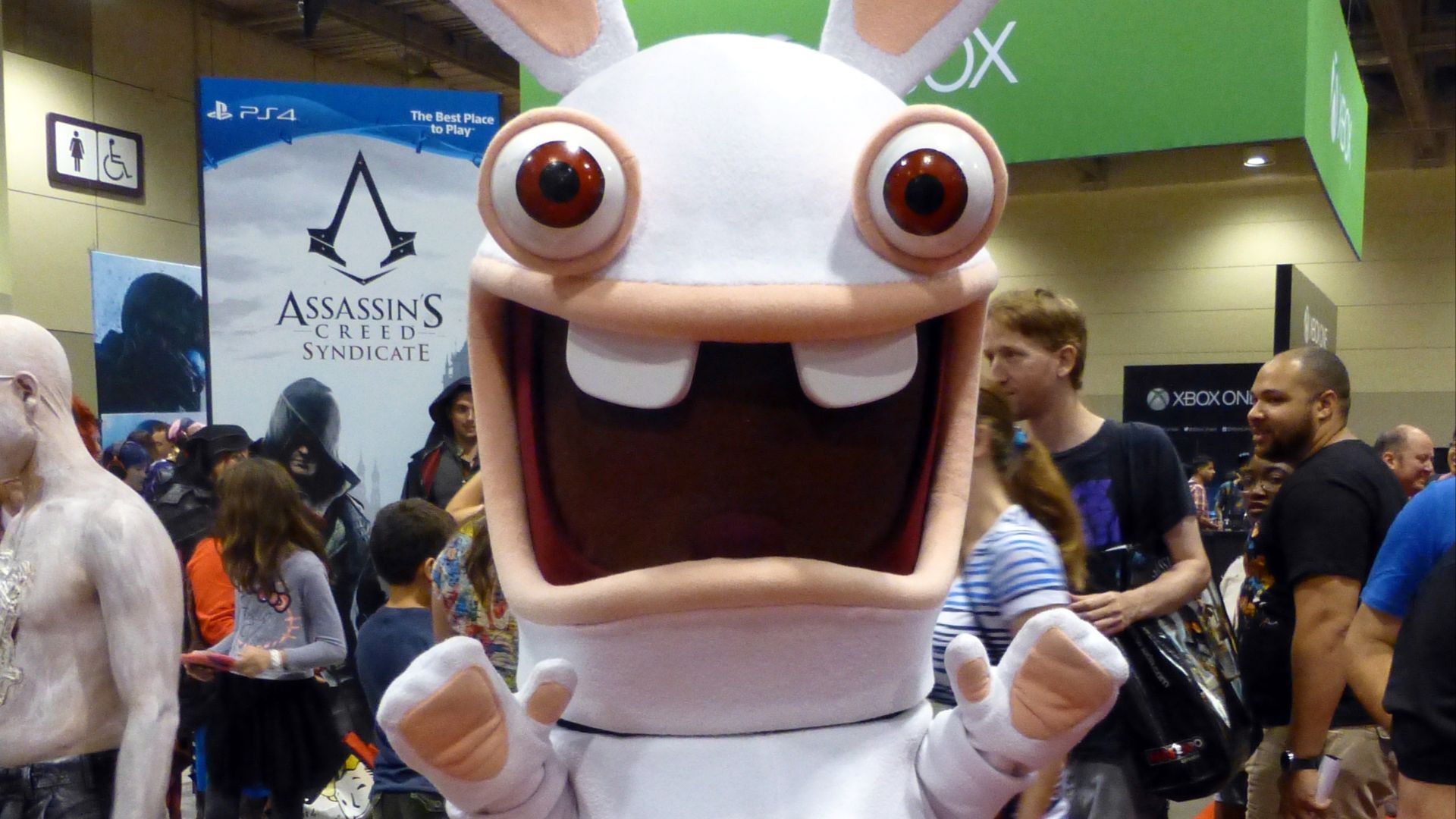
The Rabbids first invaded Rayman’s world in Rayman Raving Rabbids, bringing loud screams, plungers, and plenty of slapstick chaos to the established series. They soon received their own games, animated projects, merchandise, and crossover adventures with Mario.
14. Earthworm Jim
Earthworm Jim debuted in 1994 as an ordinary worm wearing an extraordinary robotic suit, which fit the game’s strange sense of humor. His unusual body, oversized weapon, and bizarre supporting cast helped him stand out during the crowded mascot era of the 1990s.
15. Cuphead
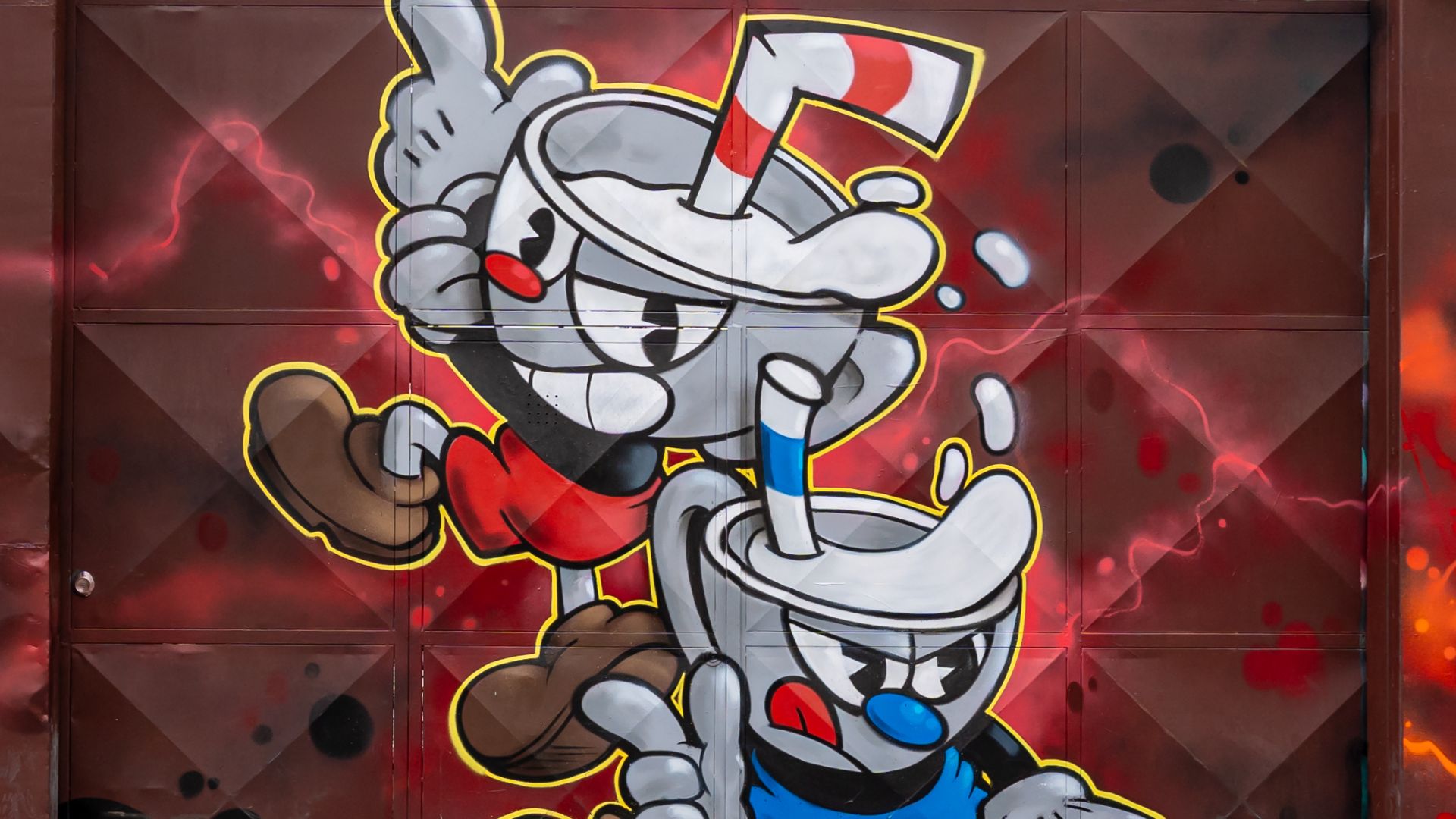
Cuphead’s 2017 game combined tough boss battles with animation inspired by cartoons from the 1930s. The Cuphead Show! placed both characters in a more family-friendly comedy format. It helped the impulsive hero reach viewers who might never attempt the game’s difficult fights.
16. Phoenix Wright
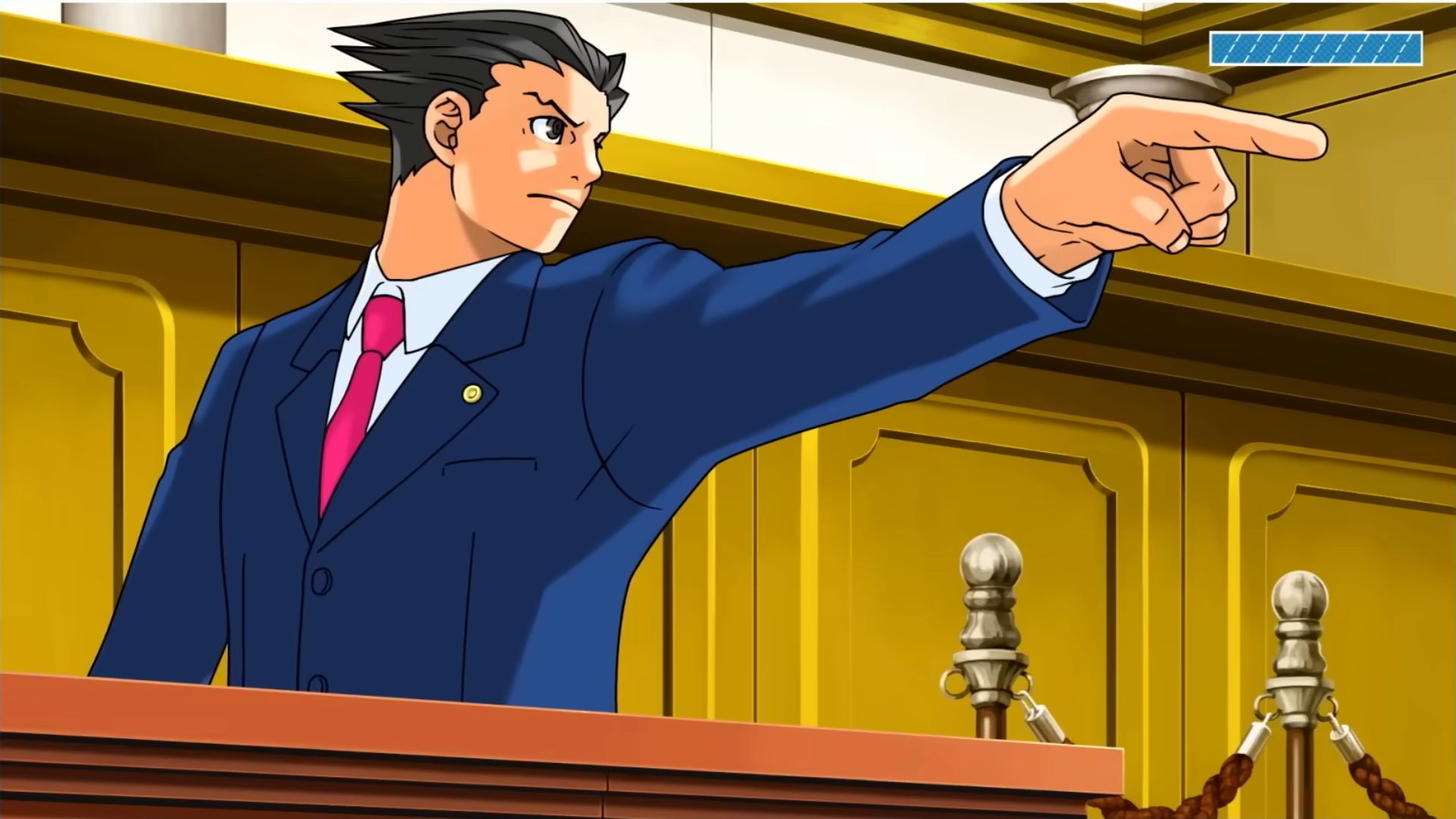
Phoenix Wright became known for pointing across the courtroom and shouting “Objection!” The pose and phrase spread through reaction images, parodies, animation, and crossover appearances. Phoenix became a familiar figure for calling out weak logic, even among people who’ve never examined evidence or questioned a witness in one of his cases.
17. Shovel Knight
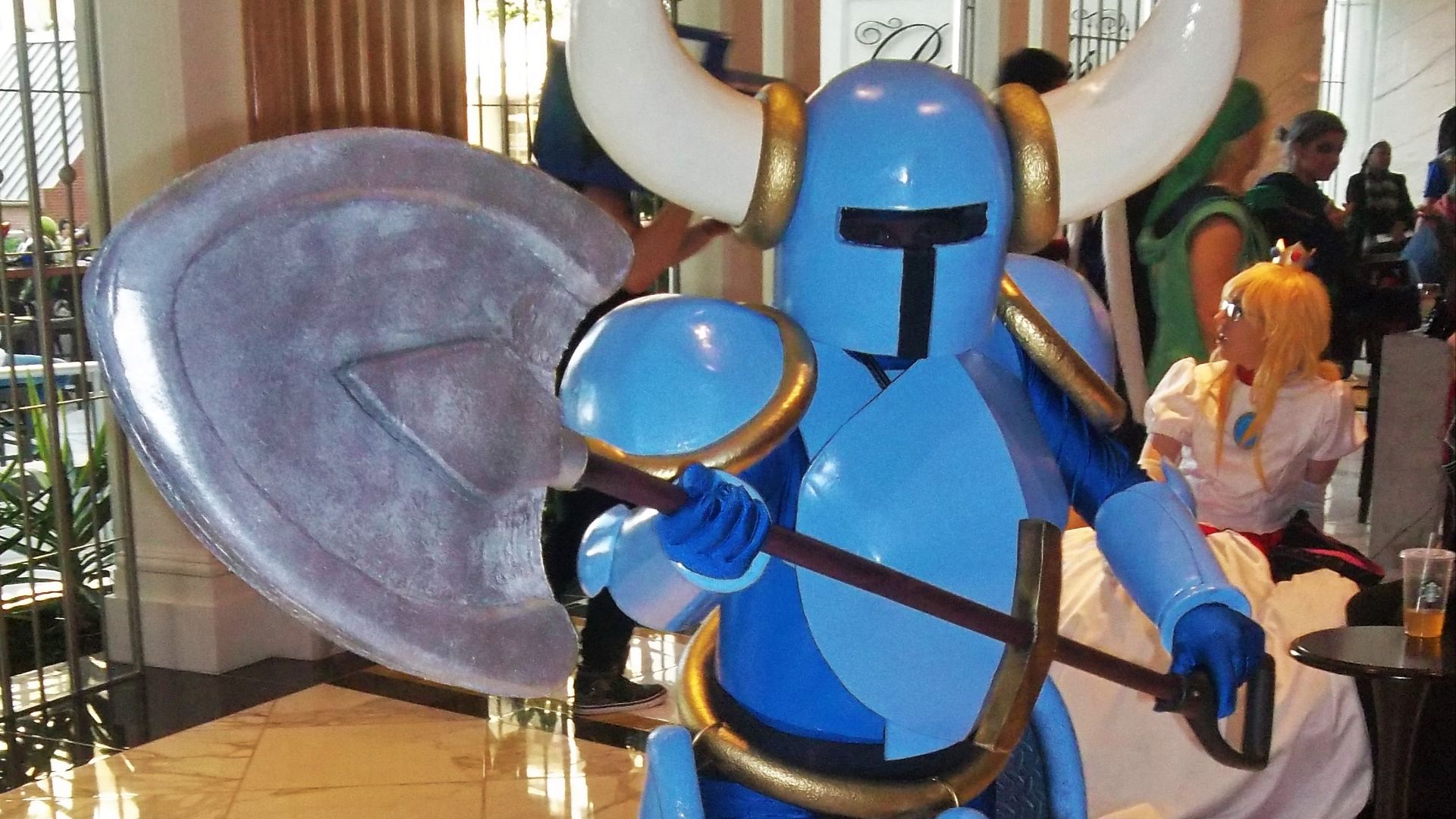
Shovel Knight launched in 2014 wearing blue armor and a horned helmet, with a shovel that worked as both a weapon and a tool. His design matched the game’s old-school look and straightforward platforming action. Guest appearances and cameos soon placed him in many other games and projects.
18. PaRappa
PaRappa the Rapper debuted on the original PlayStation in Japan in 1996 and helped establish rhythm games as a genre of their own. His flat, paper-like design and call-and-response rap performances looked very different from most other games available at the time.
19. Bubsy
Bubsy entered the crowded 1990s mascot race as a wisecracking bobcat starring in a colorful platform game. His catchphrases, cartoon look, and loud personality fit an era packed with animal heroes. Modern collections still present him as both a gaming icon and a platforming punchline, which has helped keep his name alive.
 Bubsy in: Claws Encounters of the Furred Kind (uploaded by drewby) on Wikimedia
20. Q*bert
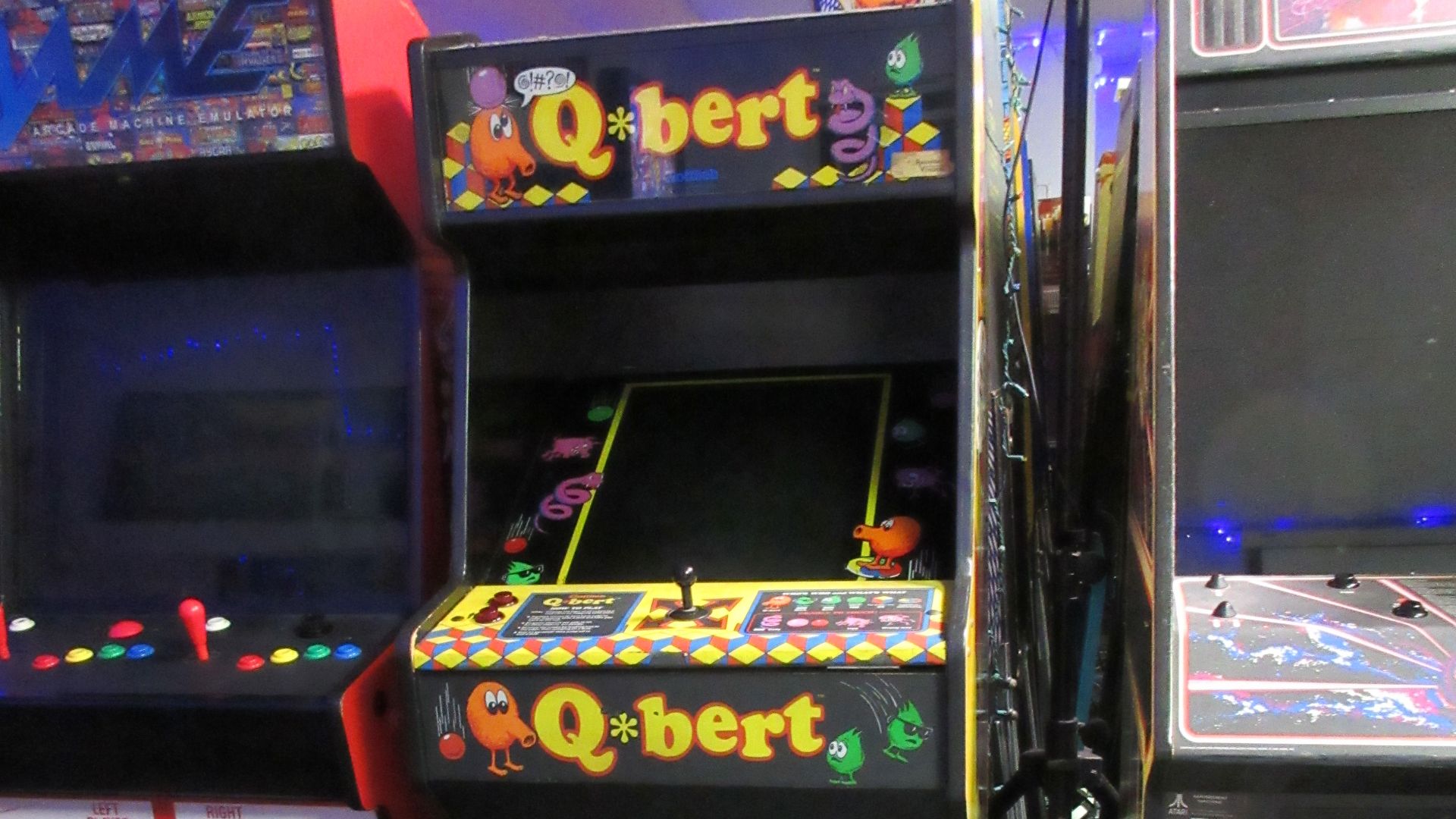
Q*bert debuted in a 1982 arcade game that required you to hop across a pyramid of cubes while avoiding enemies. His orange body, long nose, and speech bubbles filled with symbols gave him a look that was hard to forget. Cartoons, merchandise, and movie appearances brought that design beyond the arcade.