
The Trends That Took Over—Then Quietly Disappeared
Gaming trends tend to rise quickly and fade just as fast, often leaving behind a wave of nostalgia and confusion about how popular they once were. At the time, these fads felt like the future of gaming, shaping how people played, competed, and connected. You probably remember at least a few of these phases that dominated conversations before quietly fading away. Looking back, they highlight how quickly the gaming world evolves. Here are 20 gaming fads everyone forgot about until now.
 Emmanuel Yeboah Okine on Unsplash
1. Motion-Control Gaming Craze
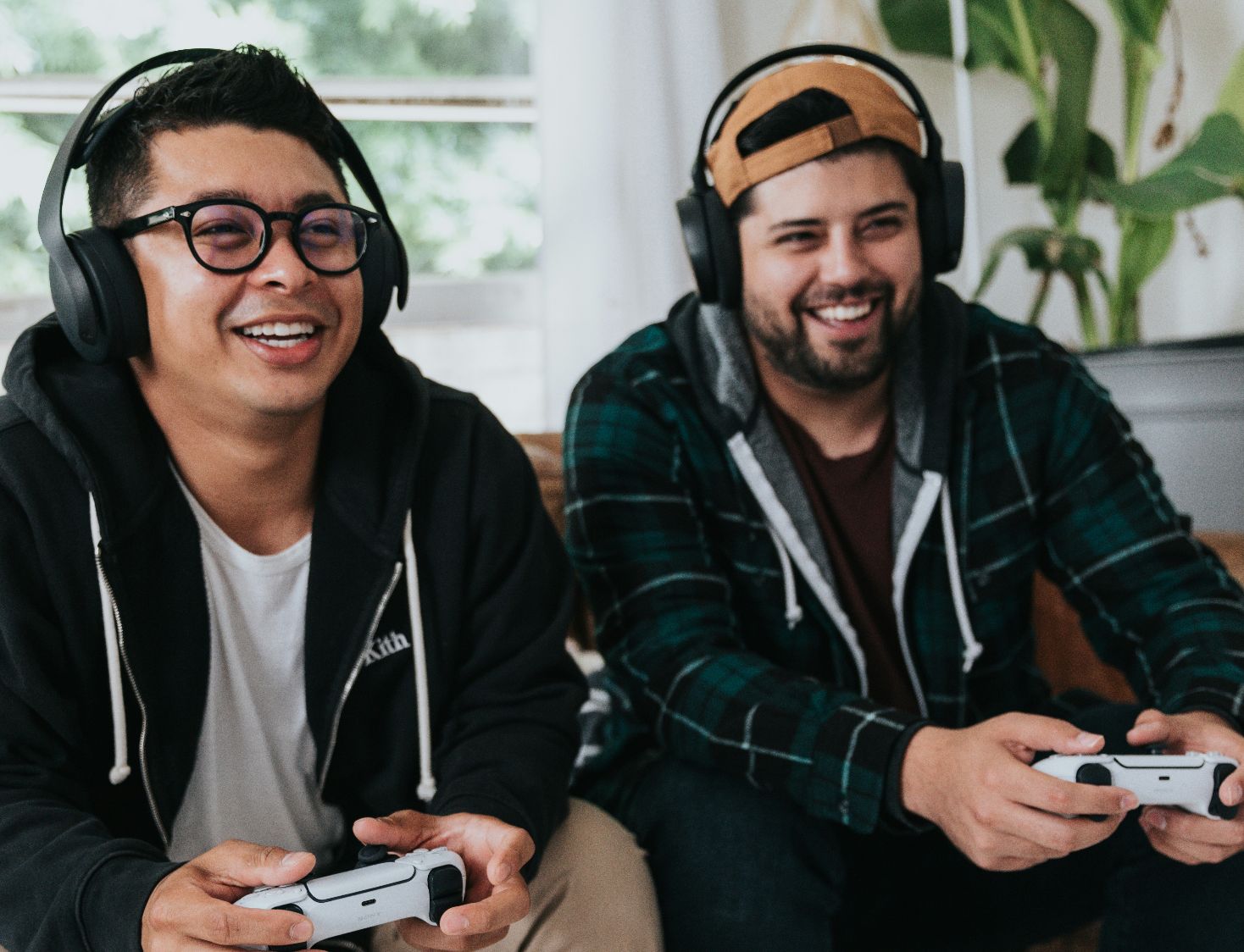
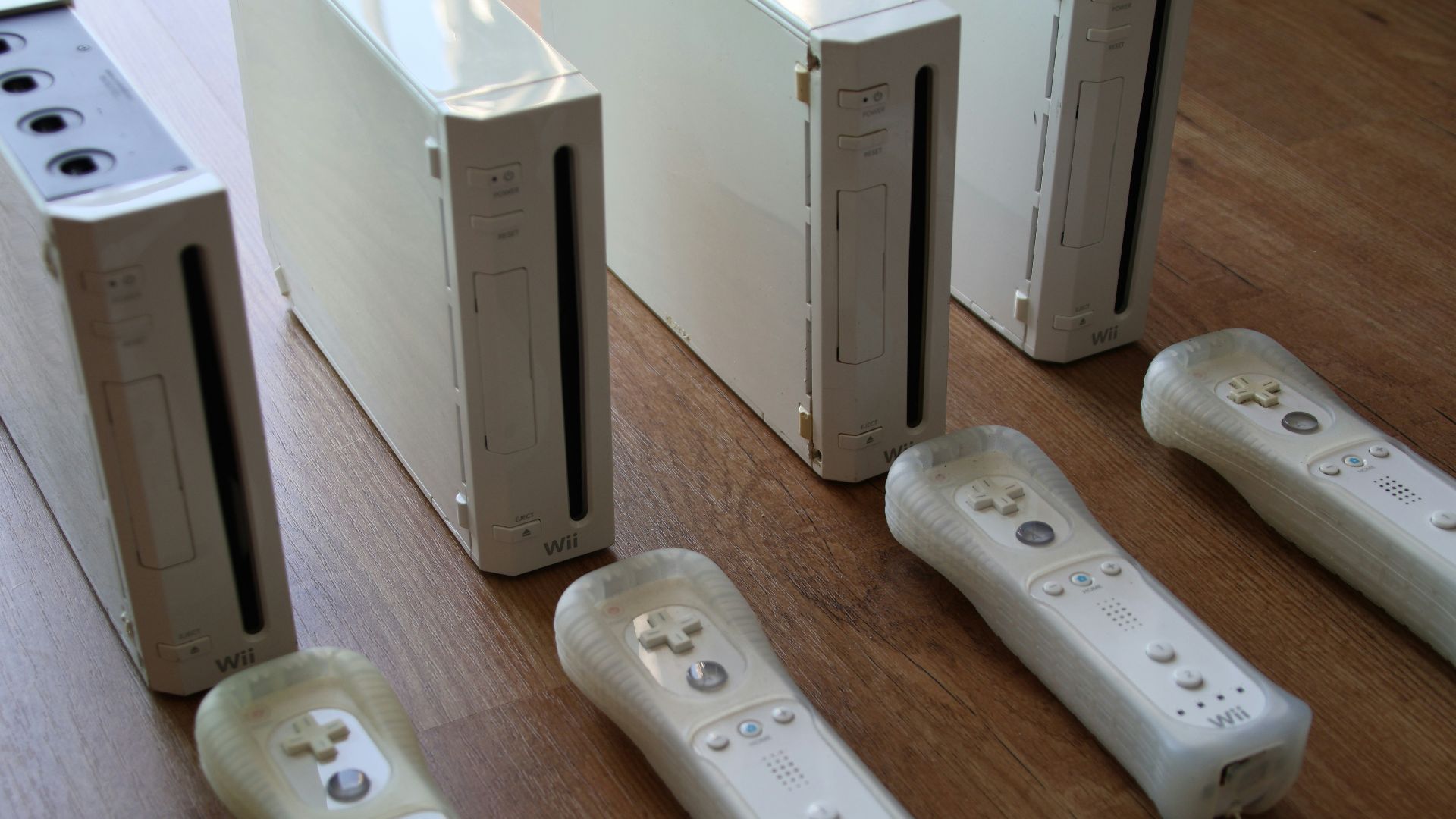
When motion controls became mainstream, it felt like gaming had entered a new era. Systems like the Wii encouraged physical movement instead of traditional controllers. You’d see people swinging, jumping, and mimicking real actions. Over time, the novelty wore off, and most players returned to standard controls.
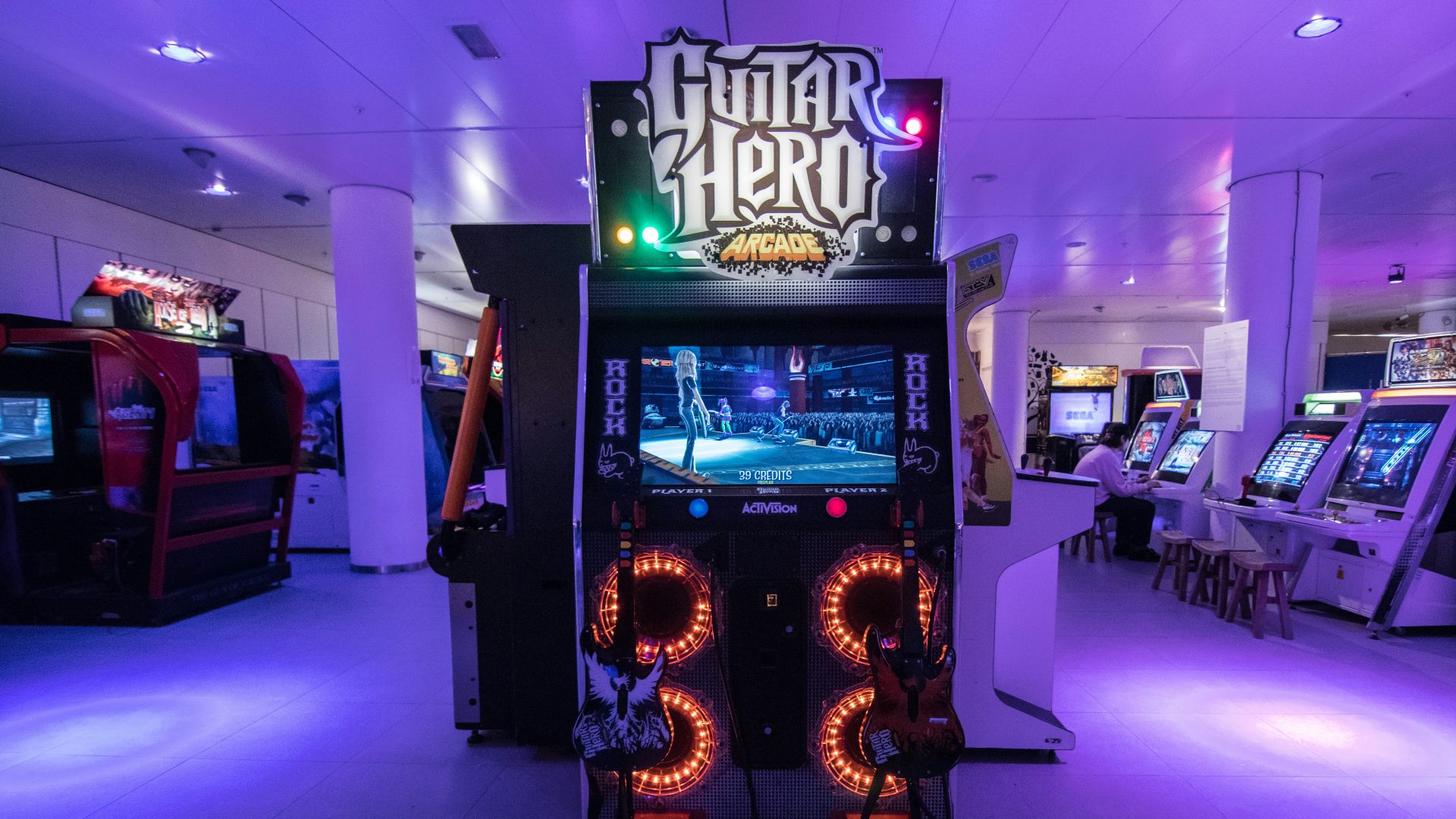
2. Plastic Instrument Rhythm Games
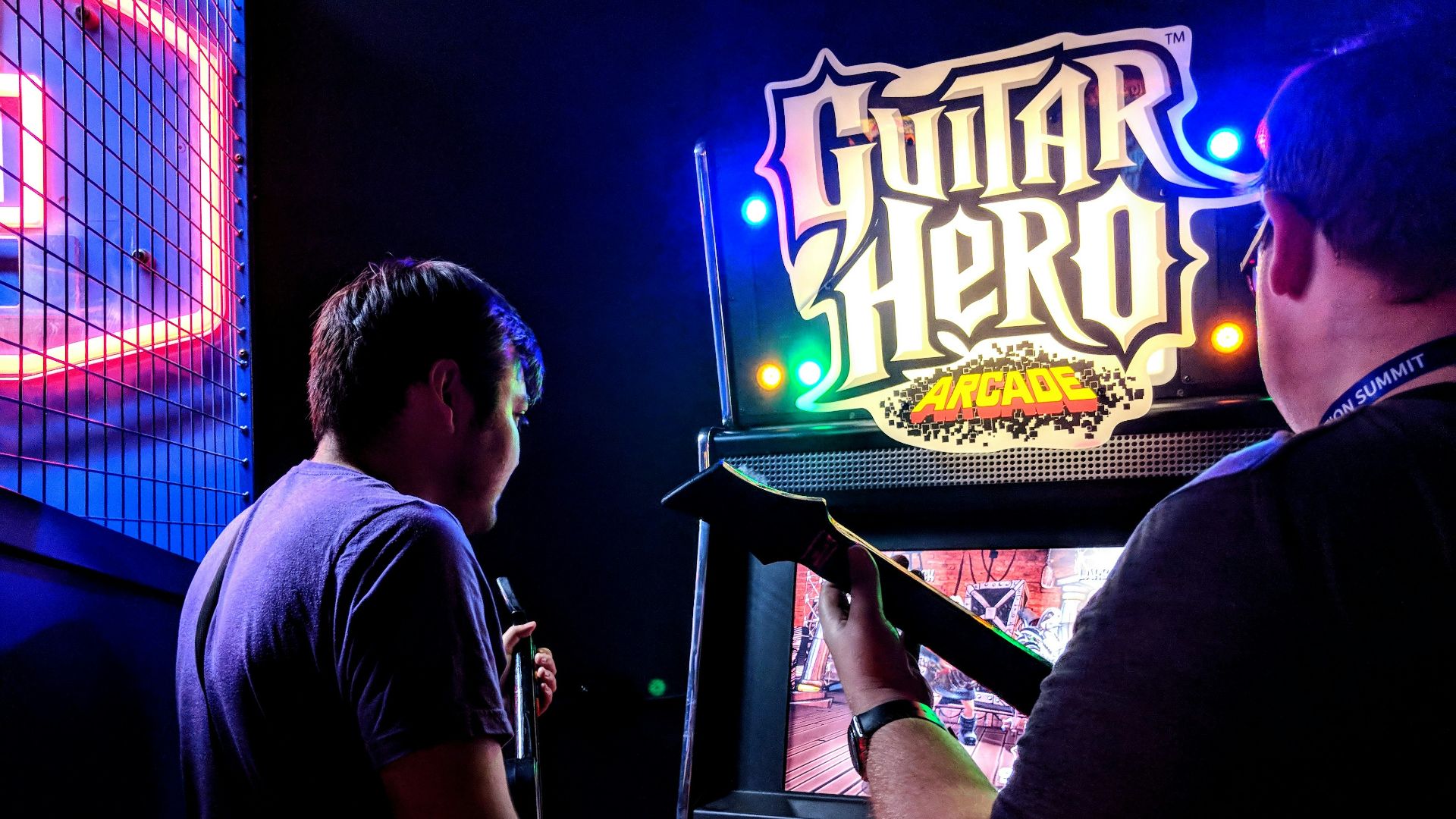
Games that used guitar, drum, and microphone controllers became wildly popular for a few years. You might remember living rooms filled with plastic instruments and group play sessions. Titles like these dominated social gaming for a while. Eventually, the cost and repetition led to a sharp decline in interest.
 Cassidy James Blaede on Unsplash
3. LAN Party Culture
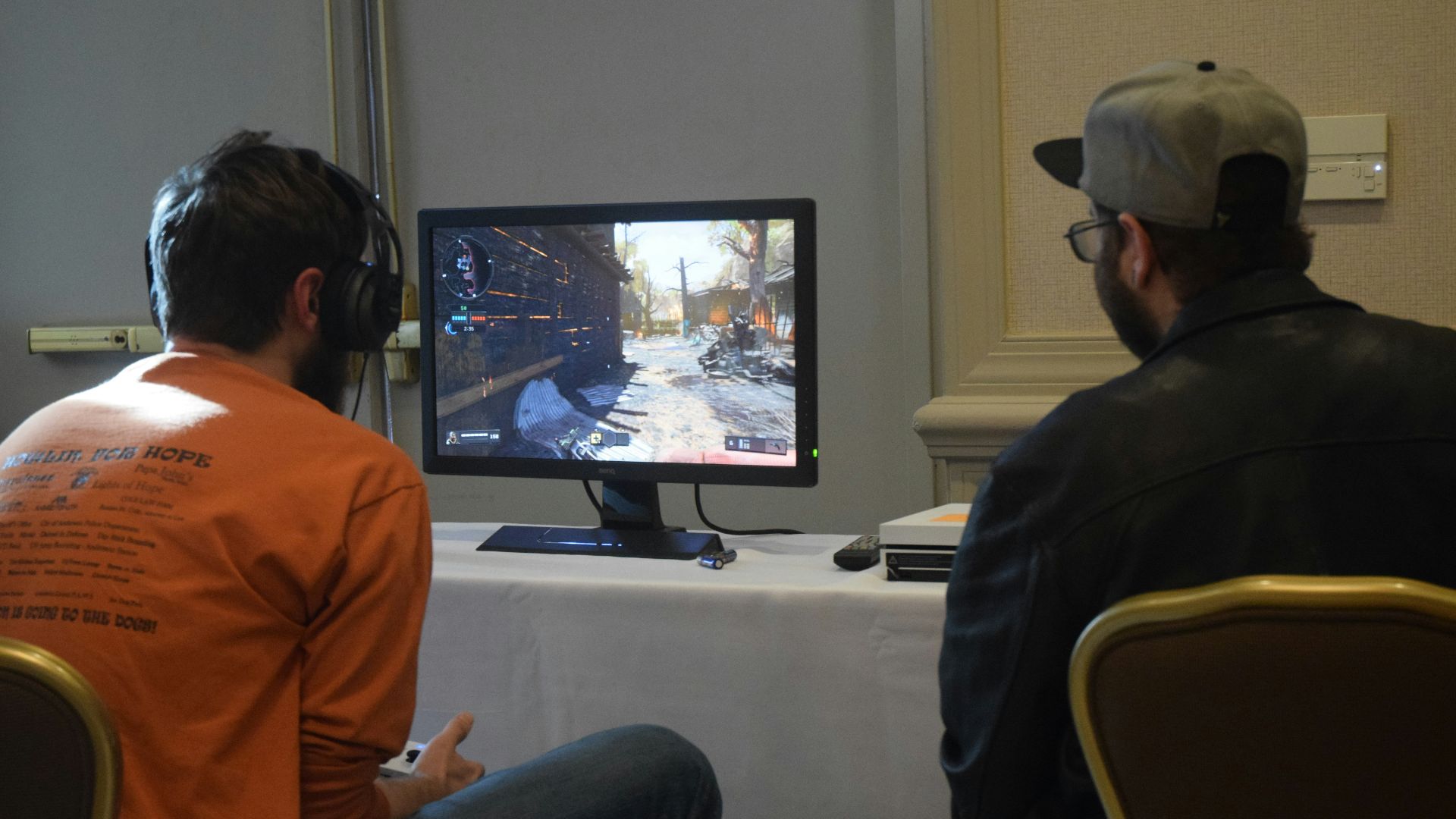
Before fast internet connections became common, gamers gathered in person to connect computers locally. These events required planning, equipment, and physical space. You’d spend hours setting everything up just to play together. As online multiplayer improved, this tradition largely faded.

4. MMO Subscription Boom
Massively multiplayer online games once thrived on monthly subscription models. Players are committed long-term to a single world, often investing significant time. You might remember how dominant this model felt at its peak. Free-to-play alternatives eventually changed expectations.
5. Facebook Social Games
Browser-based games on social media platforms became incredibly popular for a short period. You’d receive constant invites and requests from friends. These games were easy to access and highly addictive. Interest declined as mobile gaming took over.
6. Cover-Based Military Shooters Everywhere
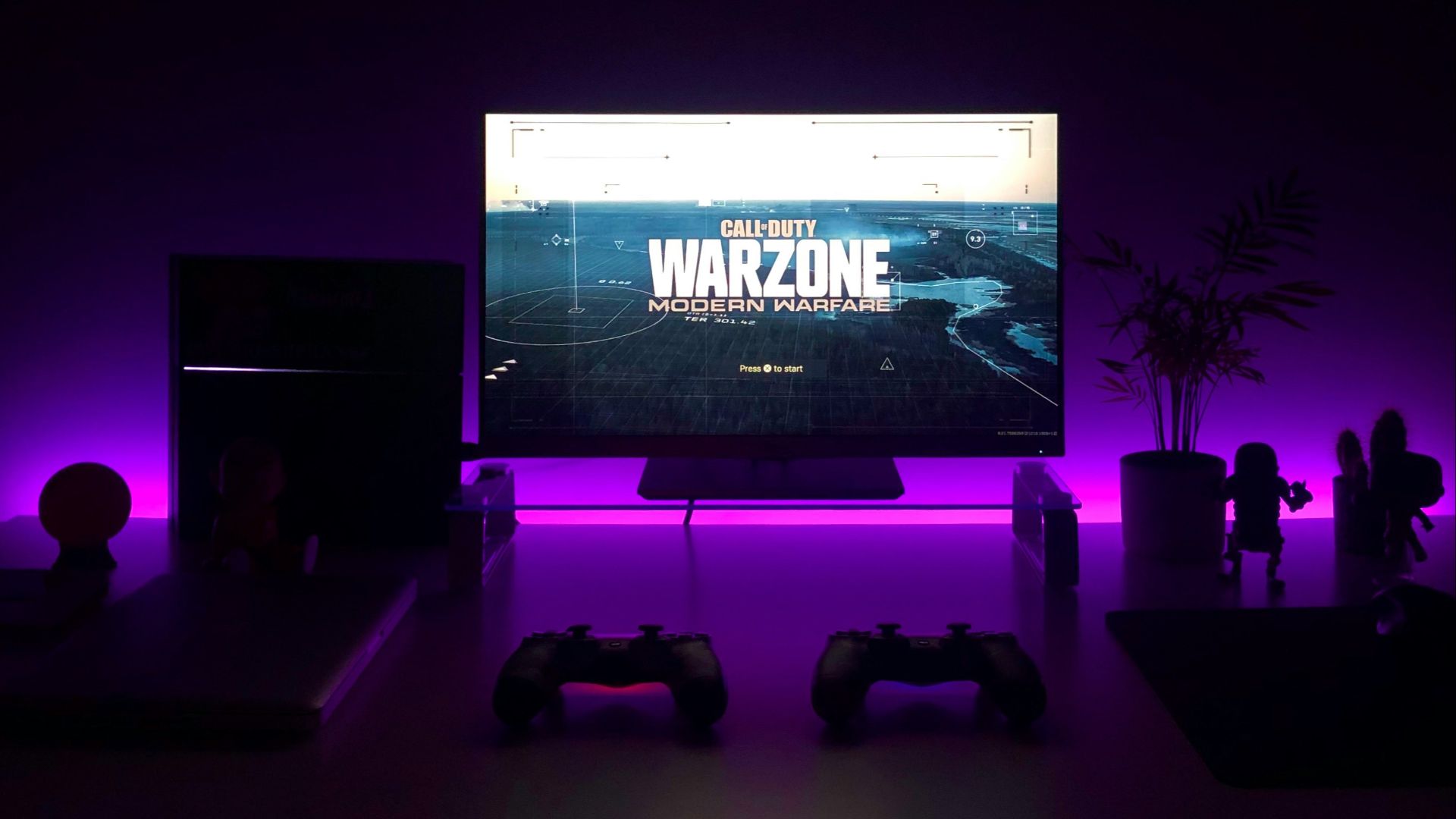
For a time, many shooters adopted similar mechanics and themes focused on modern warfare. You’d notice nearly identical gameplay styles across different titles. The market became saturated quickly, and players eventually moved toward more diverse experiences.
7. Quick Time Event Overload
Quick time events became a defining feature in many story-driven games. You had to press specific buttons during cutscenes to continue. While it added interaction, it often felt repetitive. Developers gradually reduced their reliance on this mechanic.
8. Online Pass Codes
Some games required a one-time code to access online features to limit secondhand sales. You might remember having to buy new copies just for multiplayer access. The system was unpopular and eventually abandoned.
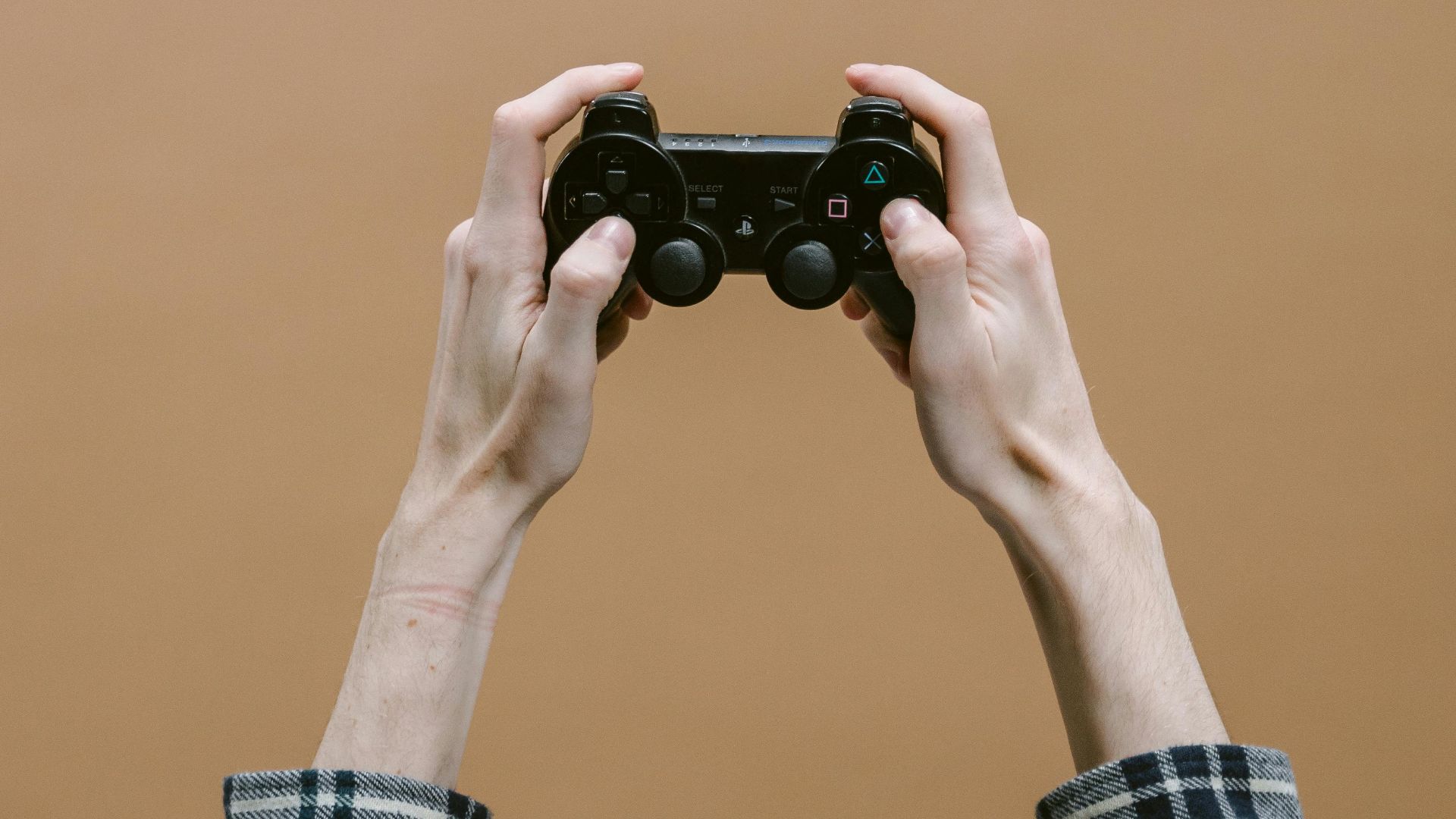
9. 3D TV Gaming Support
For a brief moment, 3D televisions were marketed as the next big thing for gaming. Developers experimented with titles that supported the feature. You needed special glasses and compatible hardware. The trend faded due to limited adoption and practicality.

10. Music-Based Puzzle Games
Games that combined rhythm and puzzle mechanics gained attention for a while. They required timing and pattern recognition. You may have found them unique at first. However, they didn’t maintain long-term popularity.

11. Achievement Hunting Obsession
Earning achievements or trophies became a major focus for many players. Some would go out of their way to complete every challenge. You might remember how it influenced game design and behavior. While still present, the intensity has decreased over time.

12. Wii Fitness Board Games
Fitness-focused gaming using balance boards gained traction for a period. These games encouraged physical activity at home. You’d see people using them for workouts or casual play. Interest declined as dedicated fitness apps and devices improved.
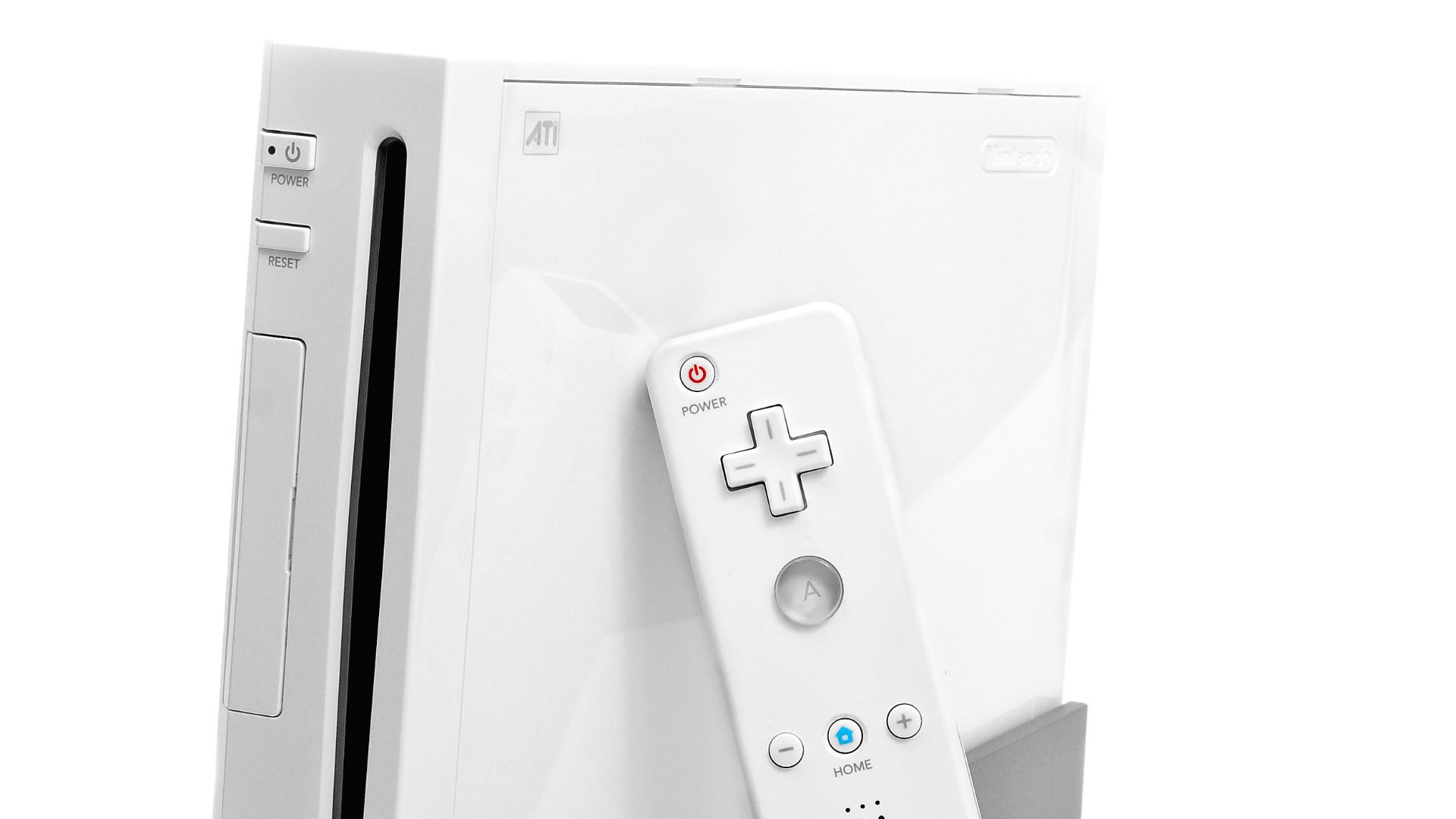
13. Kinect-Only Game Experiences
The Kinect promised controller-free gaming through motion tracking. Developers created titles that relied entirely on body movement. While innovative, it struggled with precision, and long-term appeal and support eventually faded.
14. Browser Flash Games
Flash-based games were once a major part of online gaming culture. You could play them instantly without downloads. Many became iconic despite their simplicity. The decline of Flash technology brought this era to an end.
15. Guitar Hero Clone Explosion
After the success of rhythm games, many similar titles flooded the market. You’d see variations with different themes and instruments. The oversaturation reduced interest quickly. The genre couldn’t sustain its initial momentum.
16. Always-Online Single-Player Games
Some games required a constant internet connection, even for solo play. This led to frustration when servers failed or connections dropped. You may recall the backlash from players. Developers eventually reconsidered this approach.

17. Early VR Hype Wave
Virtual reality experienced a surge of excitement with new hardware releases. Many believed it would redefine gaming entirely. While still evolving, the initial hype didn’t match widespread adoption. Interest settled into a more niche audience.

18. Mobile Endless Runner Boom
Endless runner games became extremely popular on mobile devices. You’d swipe and react quickly to avoid obstacles. These games were easy to pick up but repetitive over time. The trend slowed as mobile gaming diversified.
19. Season Pass Confusion Era
Season passes promised future downloadable content for a single upfront cost. You often didn’t know exactly what you were buying. This created uncertainty among players. Clearer content models eventually replaced this approach.
20. Split-Screen Multiplayer Decline
Split-screen play used to be a standard feature in many games. You’d share a screen with friends for local multiplayer. As online gaming grew, this feature became less common. Many players now look back on it with nostalgia.