More Than Just a Fan Name
Most fandom labels get treated like throwaway internet slang, the kind of thing people put in a bio for a year and then move on from. But a lot of those names carry more weight than people like to admit. They can signal taste, age, online habits, emotional loyalty, and even the exact era when you first learned how intense fandom could get. Some sound playful on the surface, but once you know the culture around them, they start reading like little identity badges. Here are 20 fandom labels that usually mean more than they seem to.
1. Swiftie
Calling yourself a Swiftie says more than “you like Taylor Swift.” It usually means you follow eras, notice lyrical callbacks, and understand that a Taylor Swift album release is never just an album release. It also tends to signal a fan who knows the culture around her almost as well as the music itself.
2. Trekkie
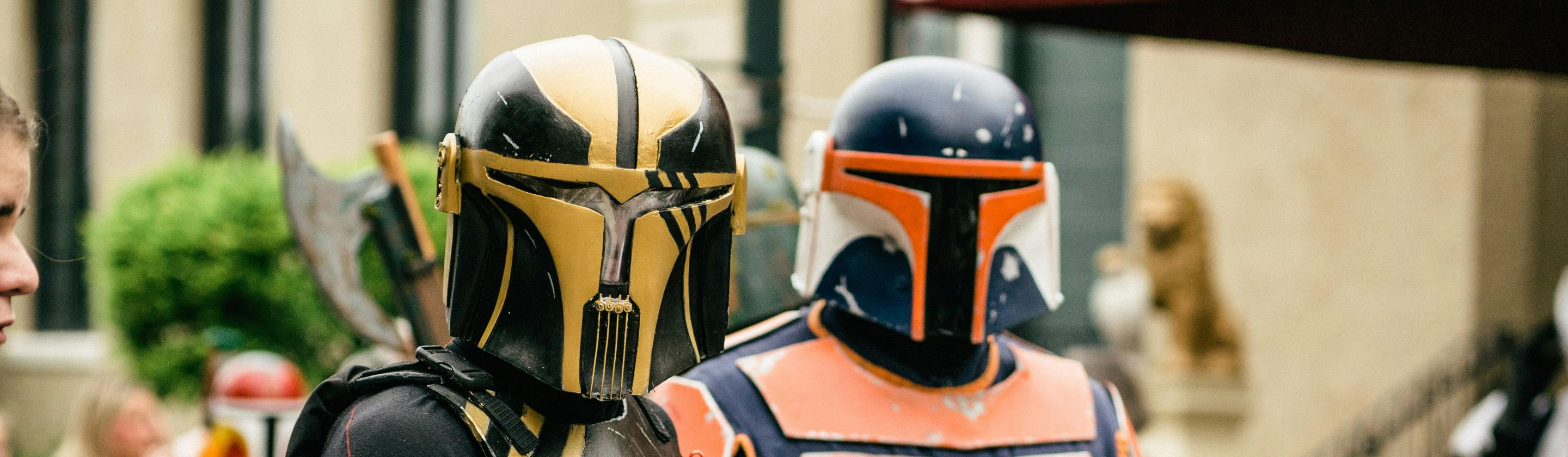
Trekkie is not just a label for someone who has watched a little Star Trek. It suggests real attachment to the world of Star Trek, from the ships and timelines to the bigger ideas about science, ethics, and the future. Even now, it still carries a certain pride in knowing the difference between casual interest and actual devotion.

3. Whovian
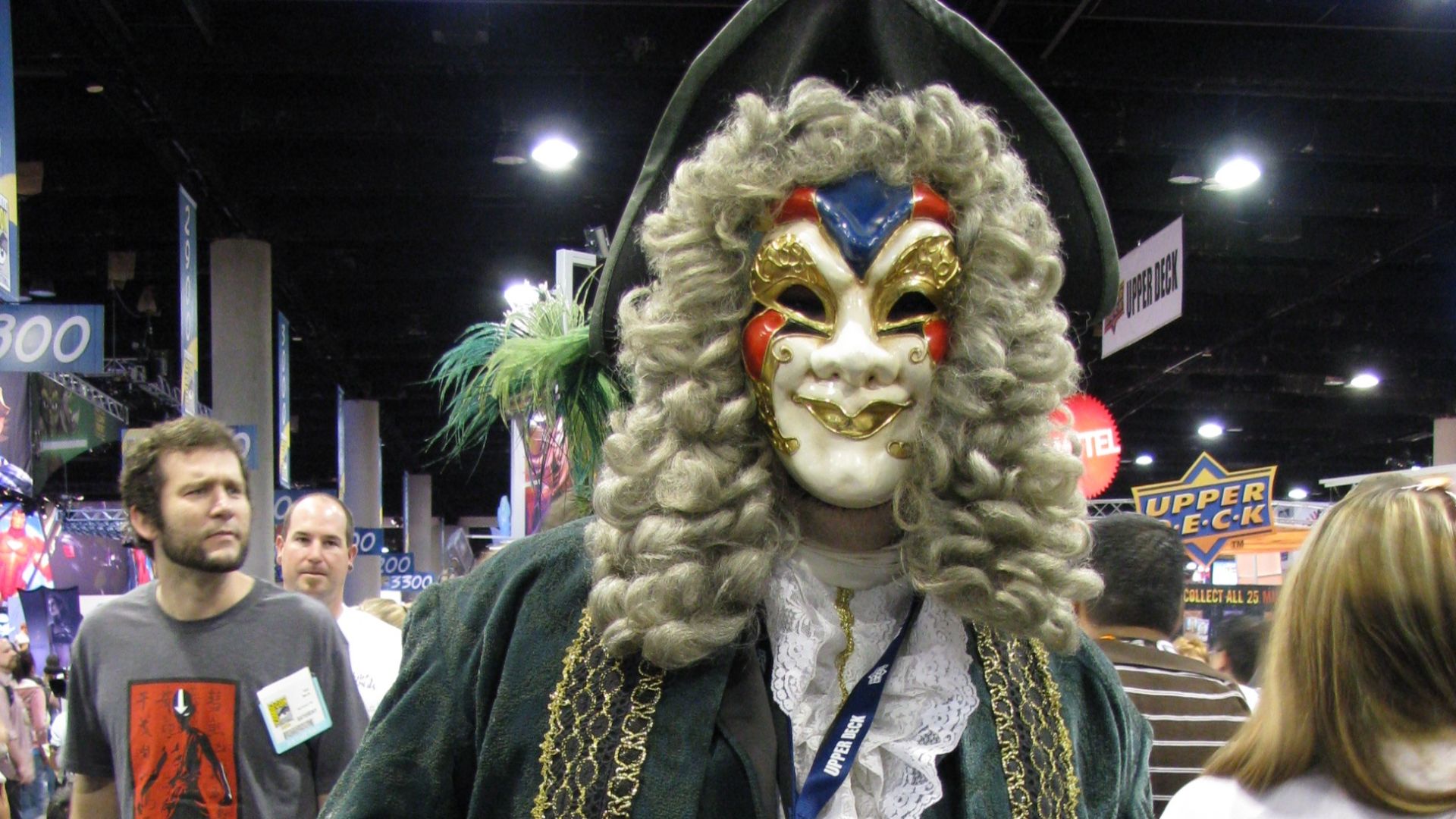
Whovian has always meant more than “Doctor Who fan.” It usually points to someone who is attached to the full emotional machinery of the show, including the regenerations, the heartbreak, the weirdness, and the very specific kind of hope it runs on. People do not usually call themselves Whovians unless Doctor Who got to them in a lasting way.
 commons.wikimedia.org on Google
4. Directioner
Directioner still feels tied to a very specific level of online intensity around One Direction. It brings to mind group chats, lyric debates, old interview clips, and the kind of loyalty that could survive years of solo careers and endless nostalgia. For a lot of people, being a Directioner was less a hobby than a full era of life.
 Sony Music Entertainment Sweden on Wikimedia
5. Belieber
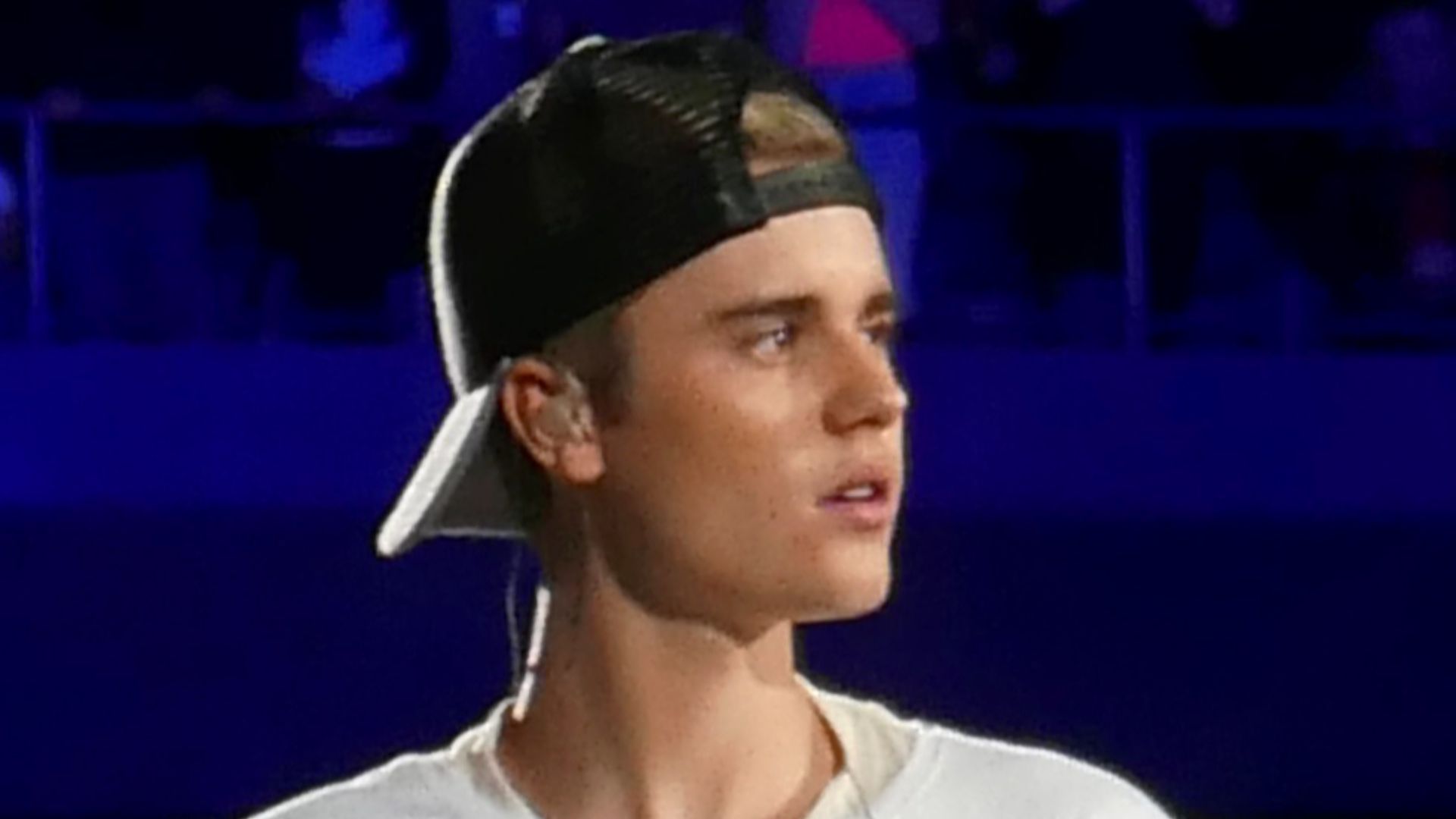
Belieber came to mean much more than liking Justin Bieber songs. It carried the energy of defending him loudly, sticking around through every public phase, and growing up alongside one of the earliest modern internet superstars. The label still feels connected to a very specific kind of all-in pop loyalty.
6. ARMY
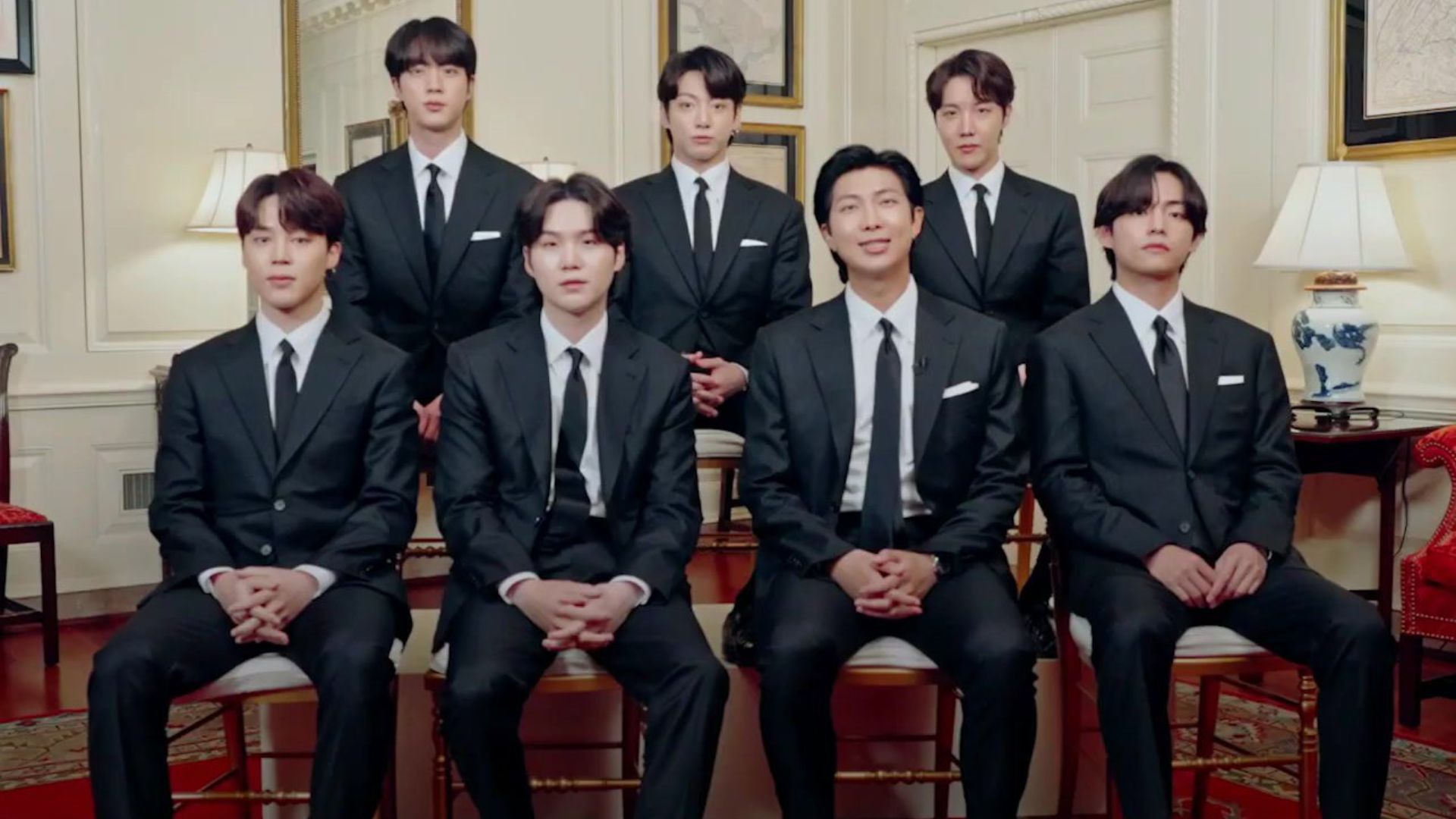
Calling yourself ARMY usually signals a level of commitment to BTS that goes well beyond ordinary fandom. It implies inside language, emotional investment, and an understanding that BTS fandom works on a scale that is organized, global, and intensely engaged. Even people outside the fandom hear ARMY as more than a fan label. They hear it as a serious affiliation.
7. BeyHive
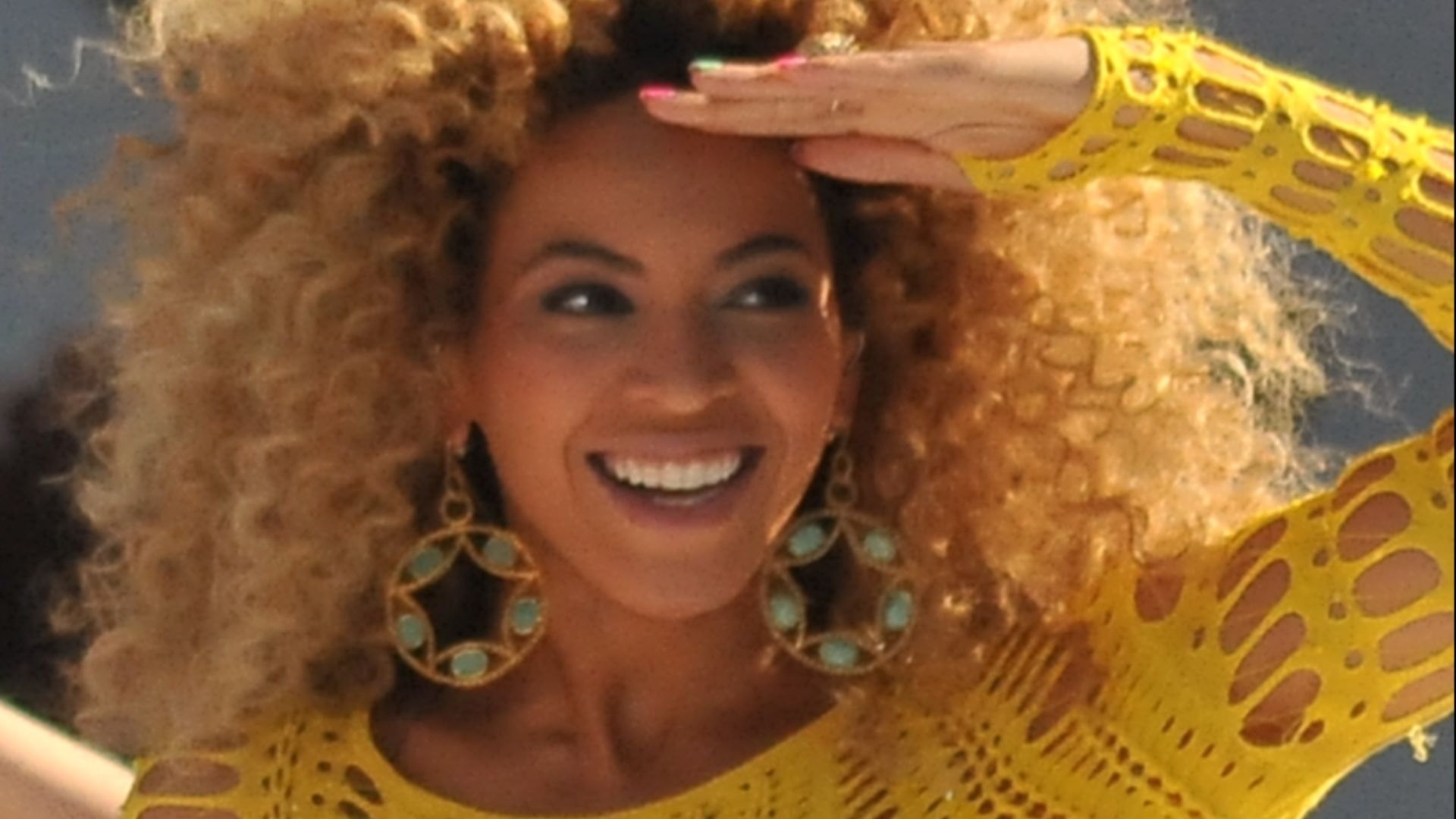
The BeyHive is not just a group of people who enjoy Beyoncé. The name suggests a fan base that treats Beyoncé’s work with real seriousness and usually has very little patience for lazy criticism. It carries loyalty, cultural confidence, and the sense that supporting her is about more than just streaming songs.
8. Deadhead
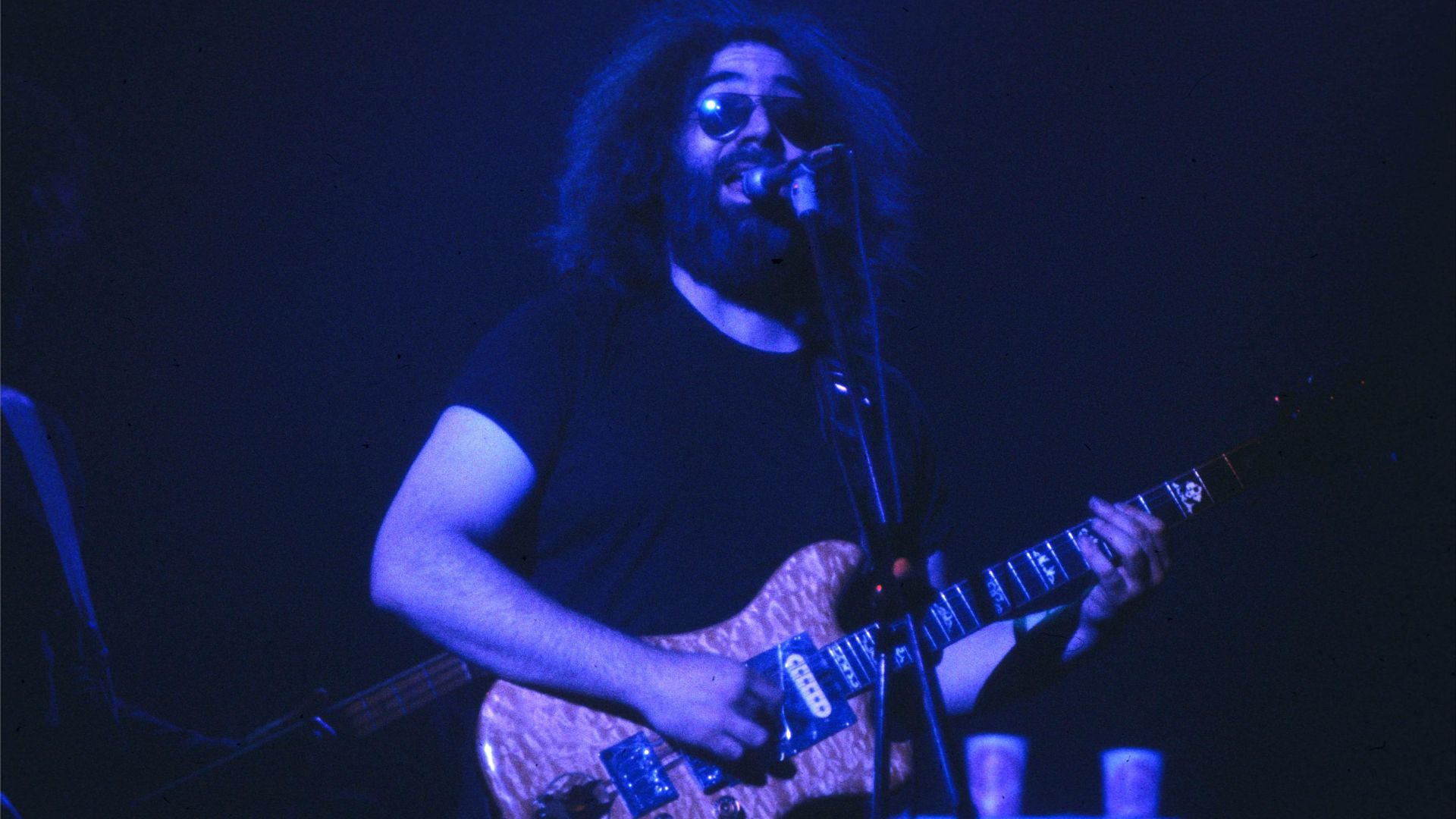
Deadhead means more than being a Grateful Dead fan. It suggests a whole culture around the Grateful Dead, including live shows, community, memory, and a very particular way of moving through music. Even the label feels lived in, like it comes with stories instead of just preferences.
9. Potterhead
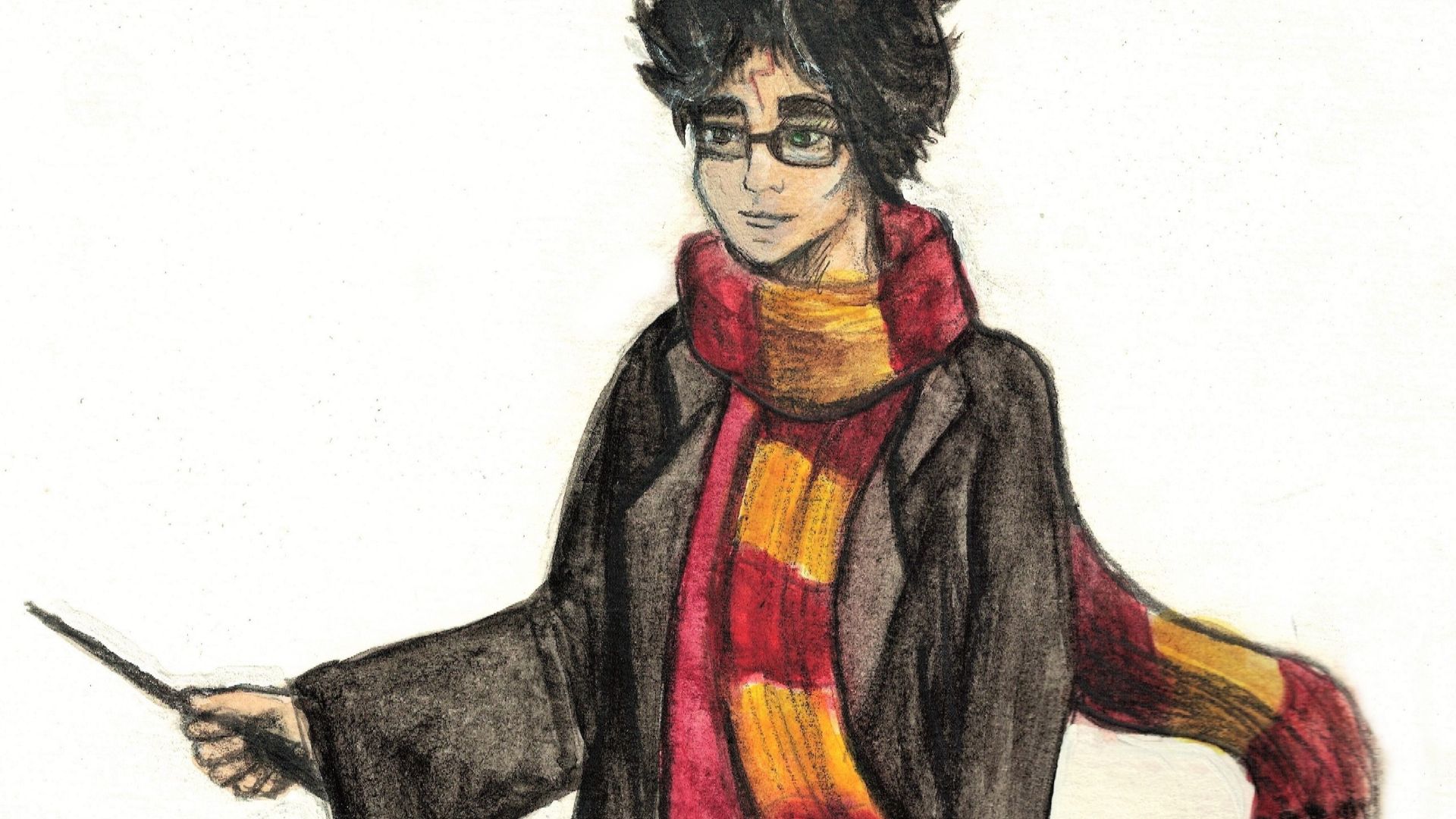
Potterhead has always meant more than simply liking Harry Potter. For a lot of people, it signals childhood attachment, identity, comfort, and years spent knowing the details of that world almost by instinct. That is why the label still lands with weight, even now that it can come with more conflict than it used to.
 Mademoiselle Ortie / Elodie Tihange on Wikimedia
10. Arianator
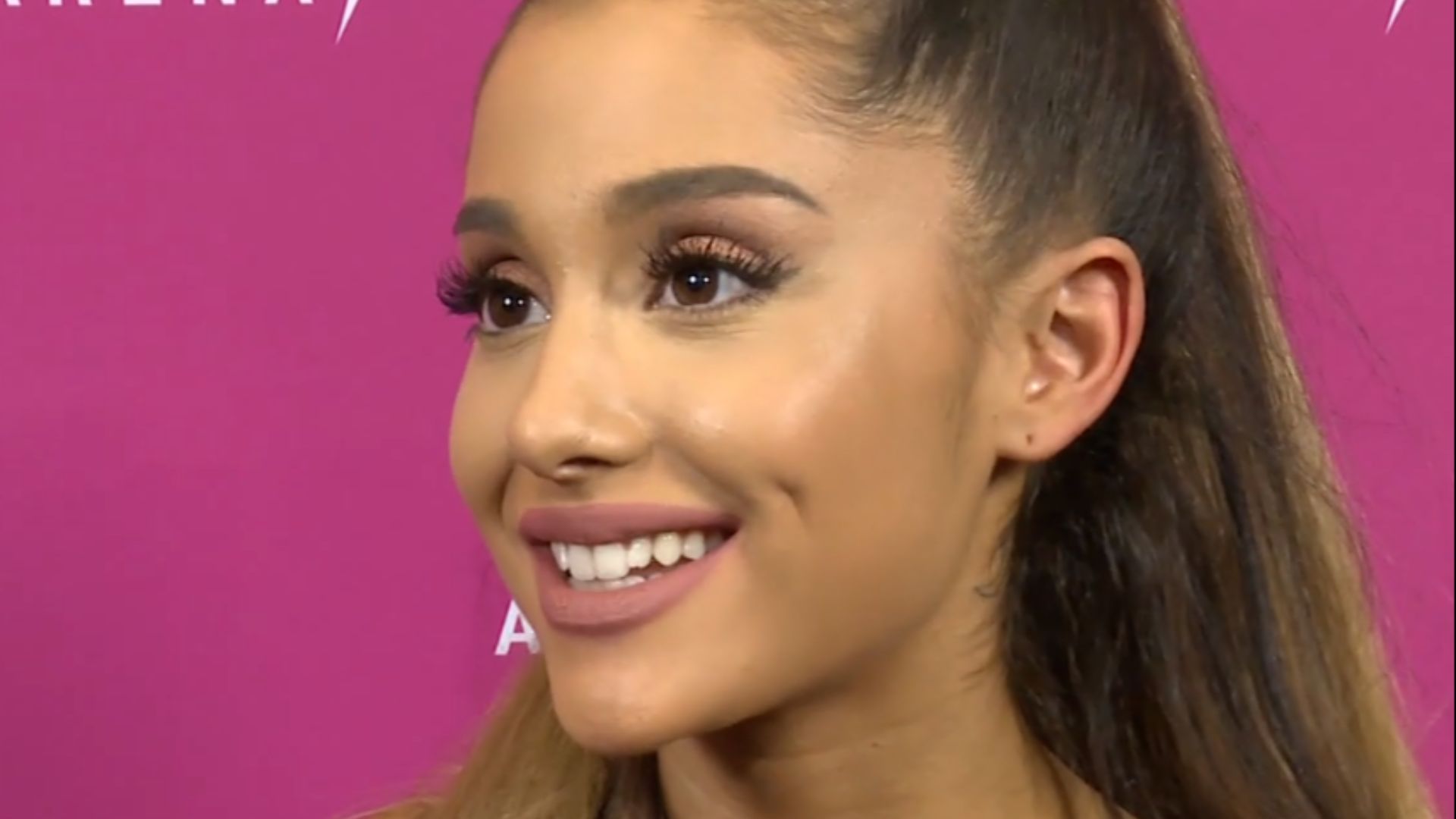
Arianator sounds light, but it usually points to a very online kind of dedication to Ariana Grande. It brings with it fan edits, vocal debates, chart talk, and the sense that following her means following the full pop-cultural orbit around her. The label feels casual until you realize how much shared behavior comes with it.
 Pure DOPE Magazine on Wikimedia
11. Little Monster
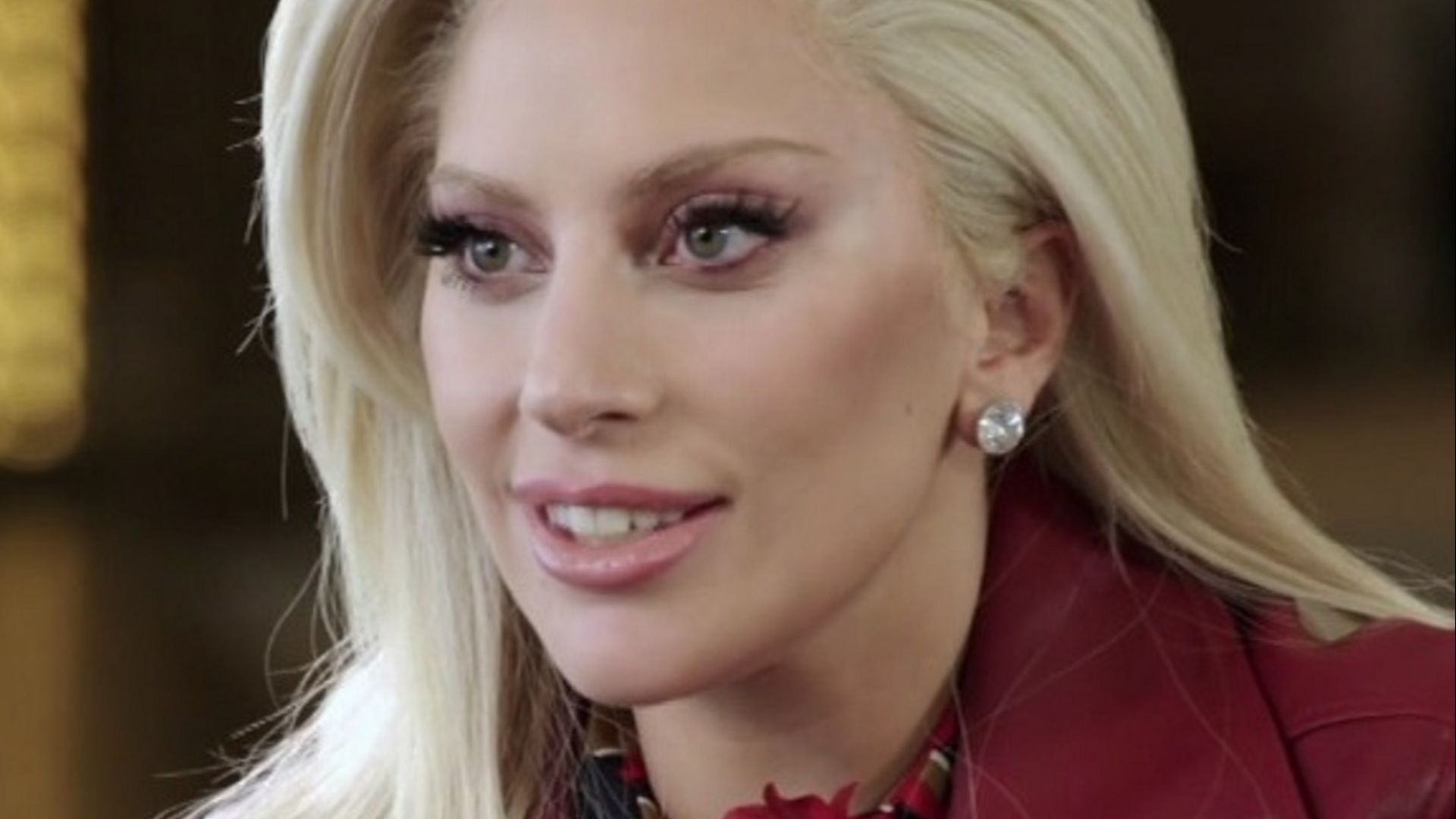
Little Monster has always carried more emotion than a standard artist fandom label. It signals not just love for Lady Gaga, but connection to everything she represented for outsiders, performers, and people who wanted permission to be louder or stranger than the world seemed ready for. For a lot of fans, Little Monster was never just about pop music.
 SMP Entertainment on Wikimedia
12. Barb
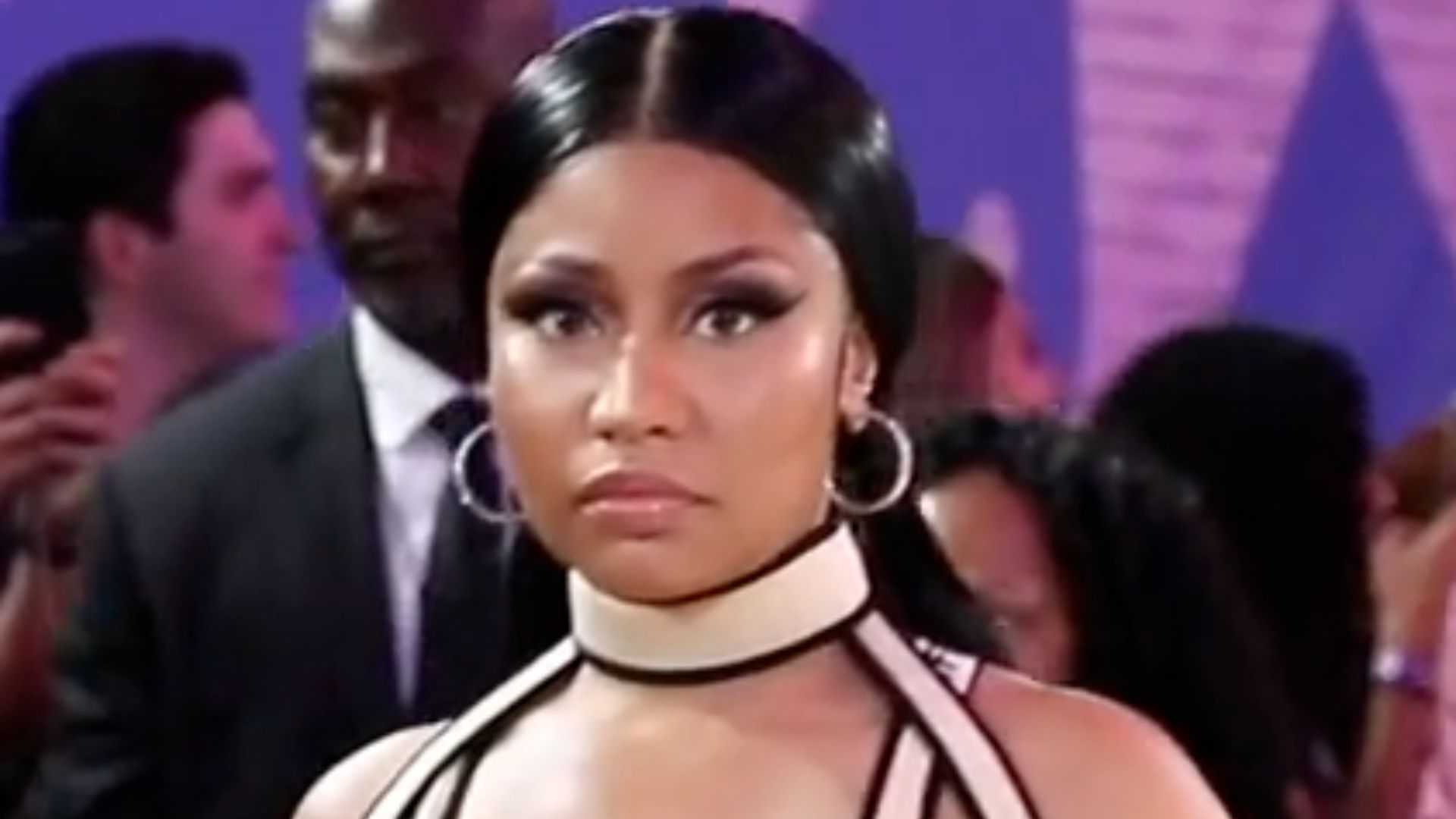
Barbz is the fandom label tied to Nicki Minaj, and it comes with a very specific reputation. The name suggests speed, defensiveness, online fluency, and a fan culture that does not tend to sit quietly when Nicki is part of the conversation. Even people who are not in the fandom usually know the label carries real force.
13. Blink
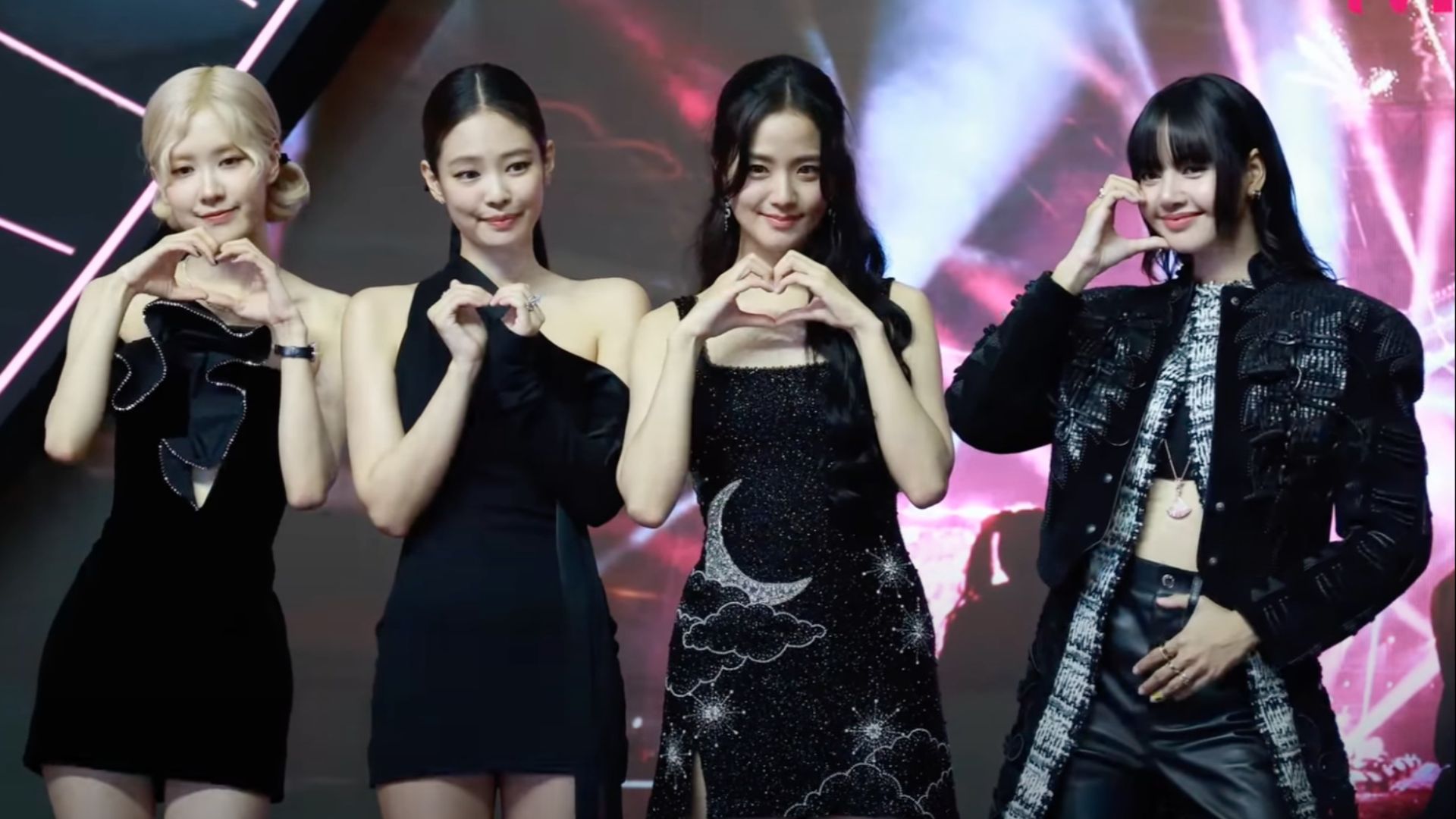
Blink is the fandom name for BLACKPINK, and it signals more than general support for a K-pop group. It usually points to fans who are plugged into the music, the fashion, the visuals, and the global pace of the group’s cultural reach. The label sounds simple, but the identity around it is anything but small.
14. EXO-L
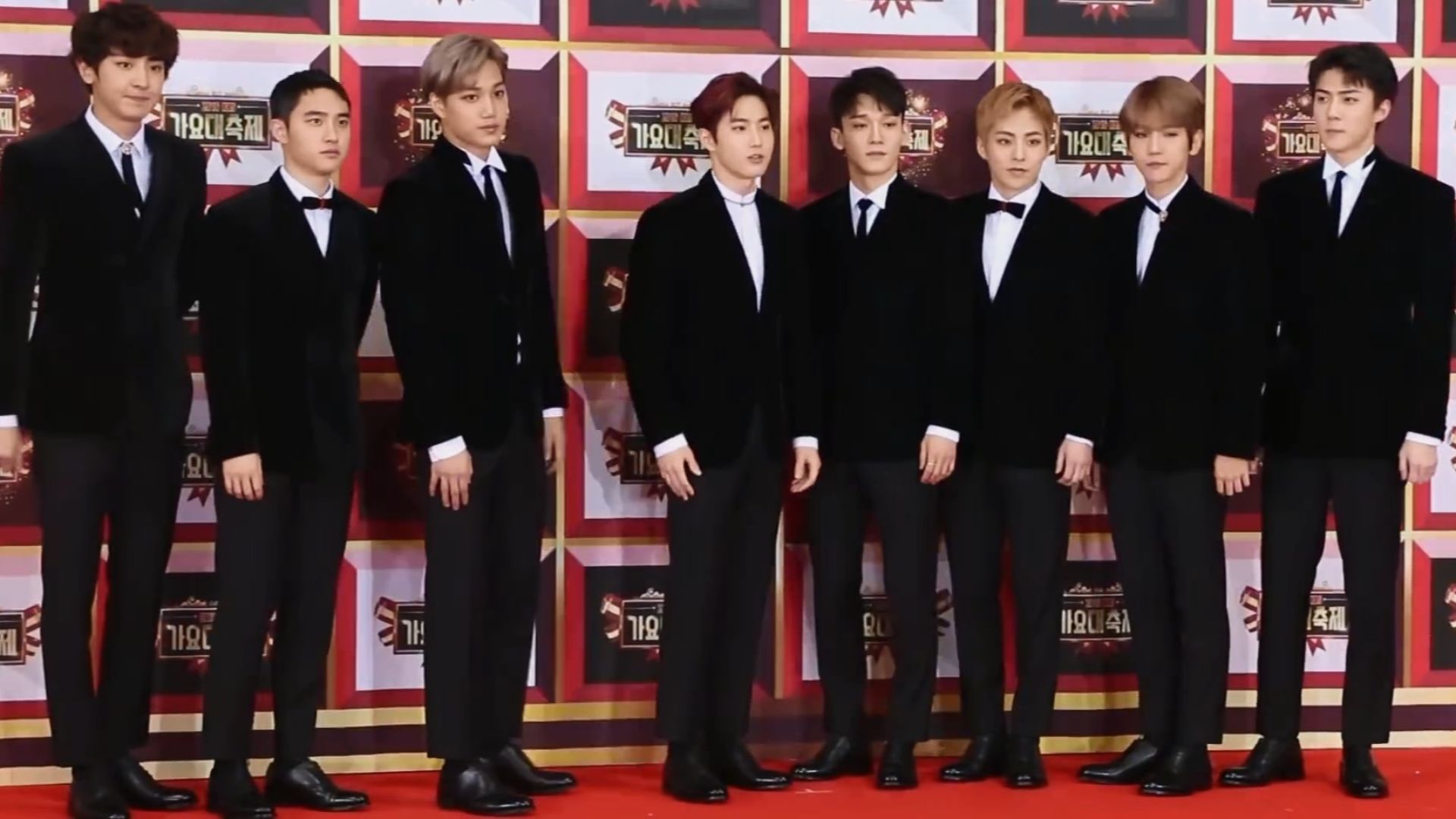
EXO-L is the fandom label for EXO, and it quietly signals a lot to people who know the group. It tends to mean long-term attachment, strong memory for group history, and the kind of fan investment that does not need to announce itself loudly to be real. Even said casually, it usually carries years behind it.
15. Livie
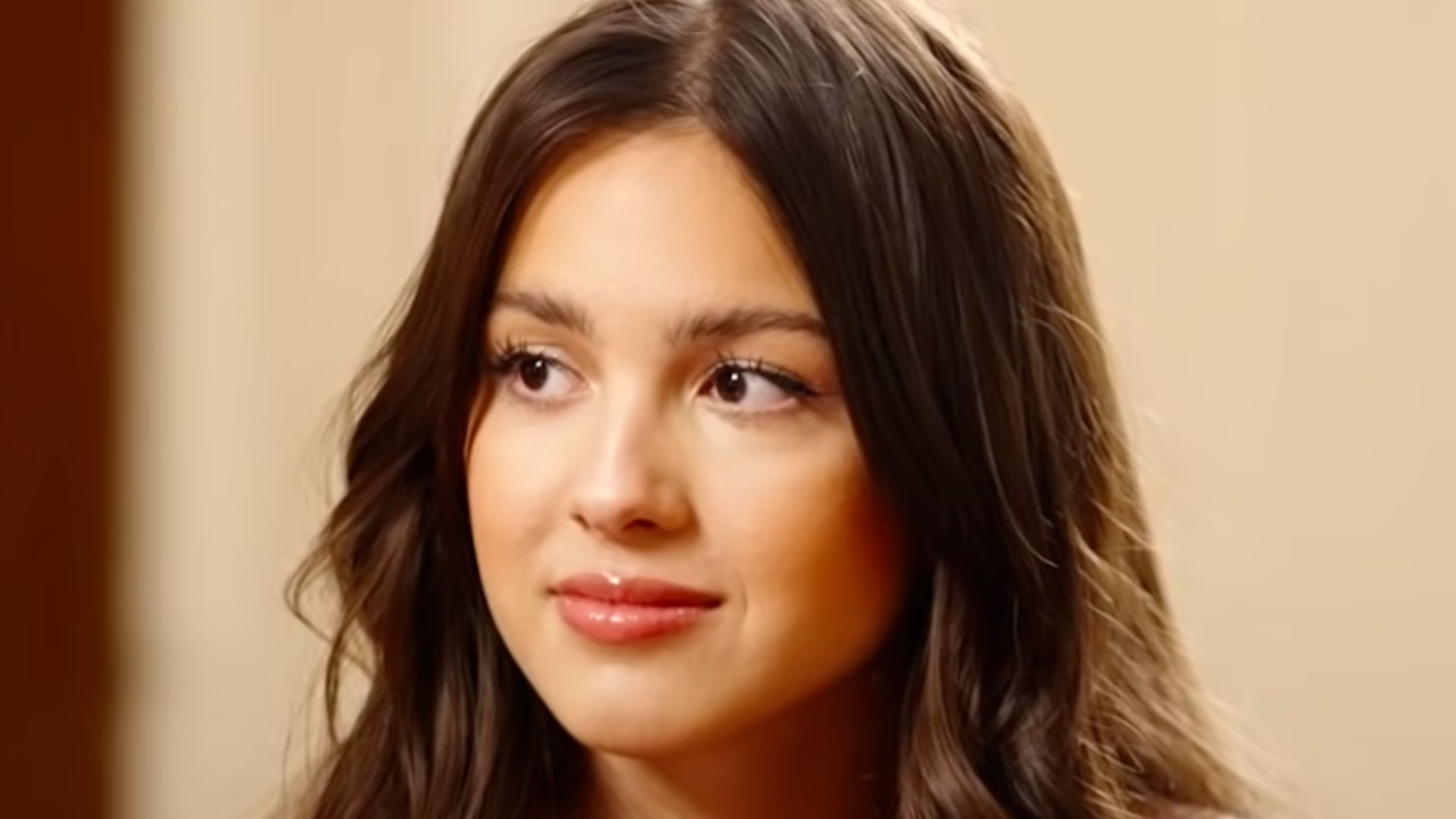
Livie is tied to Olivia Rodrigo, and even though it is newer than some classic fandom labels, it already has a recognizable shape. It suggests emotional investment, social media fluency, and the habit of following not just Olivia Rodrigo’s songs, but the whole feeling around her public image and releases. New fandom names form fast now, but they still become identity markers almost immediately.
 The White House official YouTube channel on Wikimedia
16. Bunnies
Bunnies is the fandom name for NewJeans, and it sounds softer than the culture around it actually is. Like a lot of fandom labels, it quickly became its own little signal for shared references, loyalty, and belonging inside the world built around the group. Cute names have a way of carrying serious commitment once enough people wear them.

17. Cumberbitch
Crude as it is, this label referred very specifically to fans of Benedict Cumberbatch during a certain internet era. It captured that early-2010s mix of irony, thirst, Tumblr humor, and deliberately chaotic fandom language. People did not use it because it was graceful. They used it because it instantly told you what corner of the internet you were standing in.
 Fat Les from London, UK on Wikimedia
18. Bronie
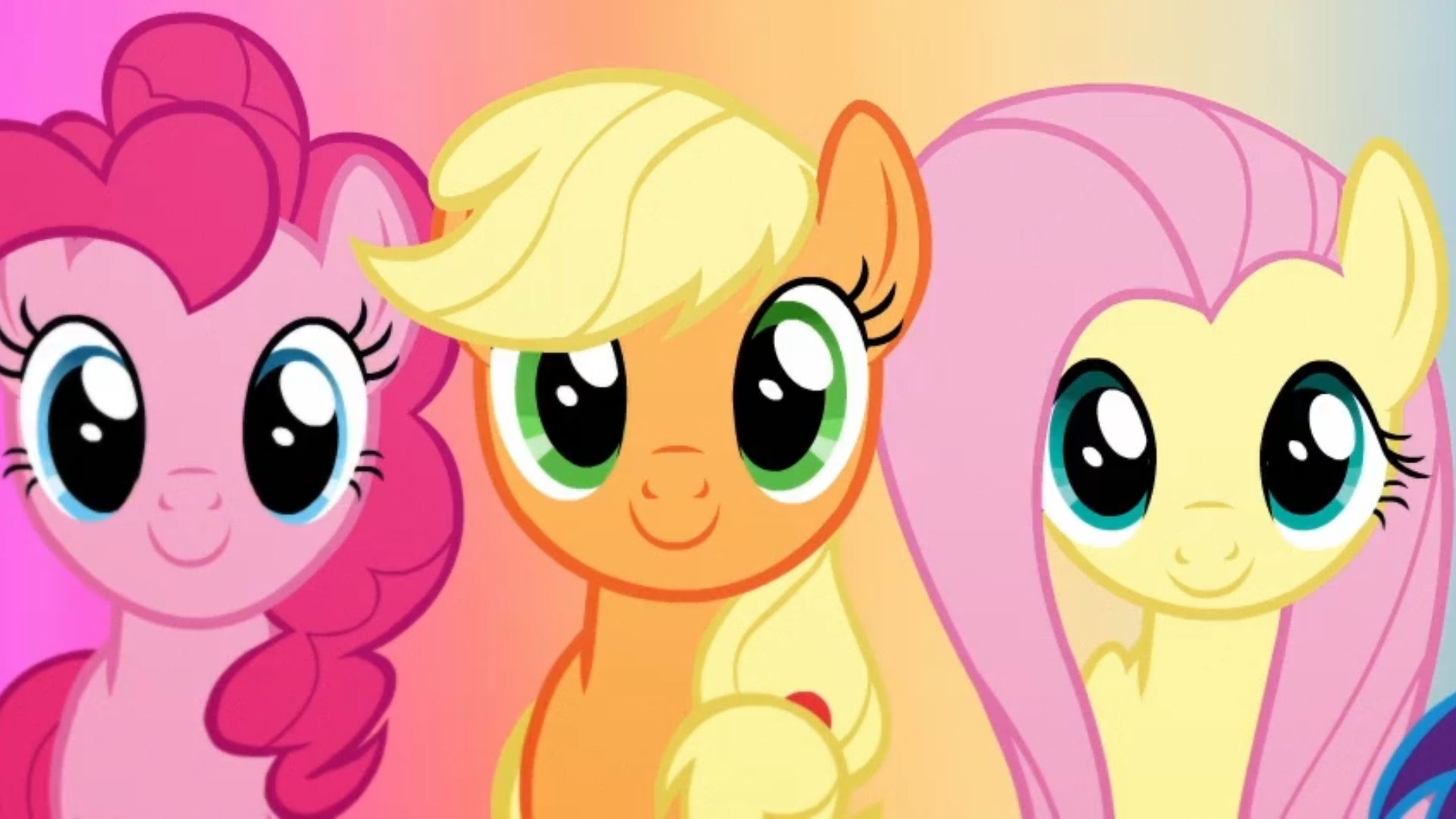
Bronie was never just about liking My Little Pony: Friendship Is Magic. The label came loaded with ideas about irony, sincerity, internet subculture, and the weird places those things overlap. It became shorthand for a whole kind of online identity, not just a show preference.
19. Twihard
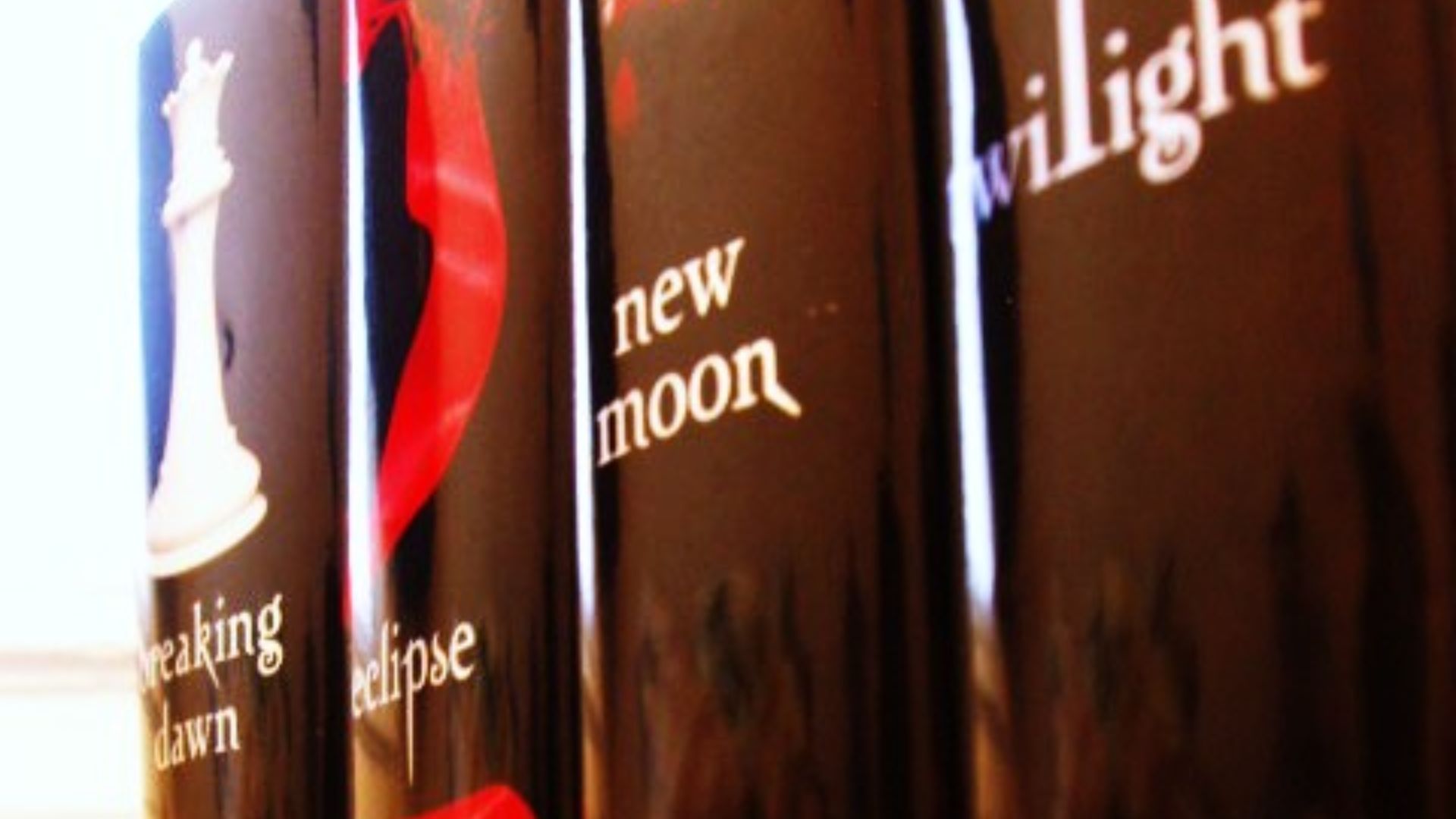
Twihard has always meant more than being a Twilight fan. It usually carried a willingness to be mocked, which made the label feel more committed than softer fan names often do. When people kept using it anyway, that said something about how strong the attachment really was.
20. Disney Adult
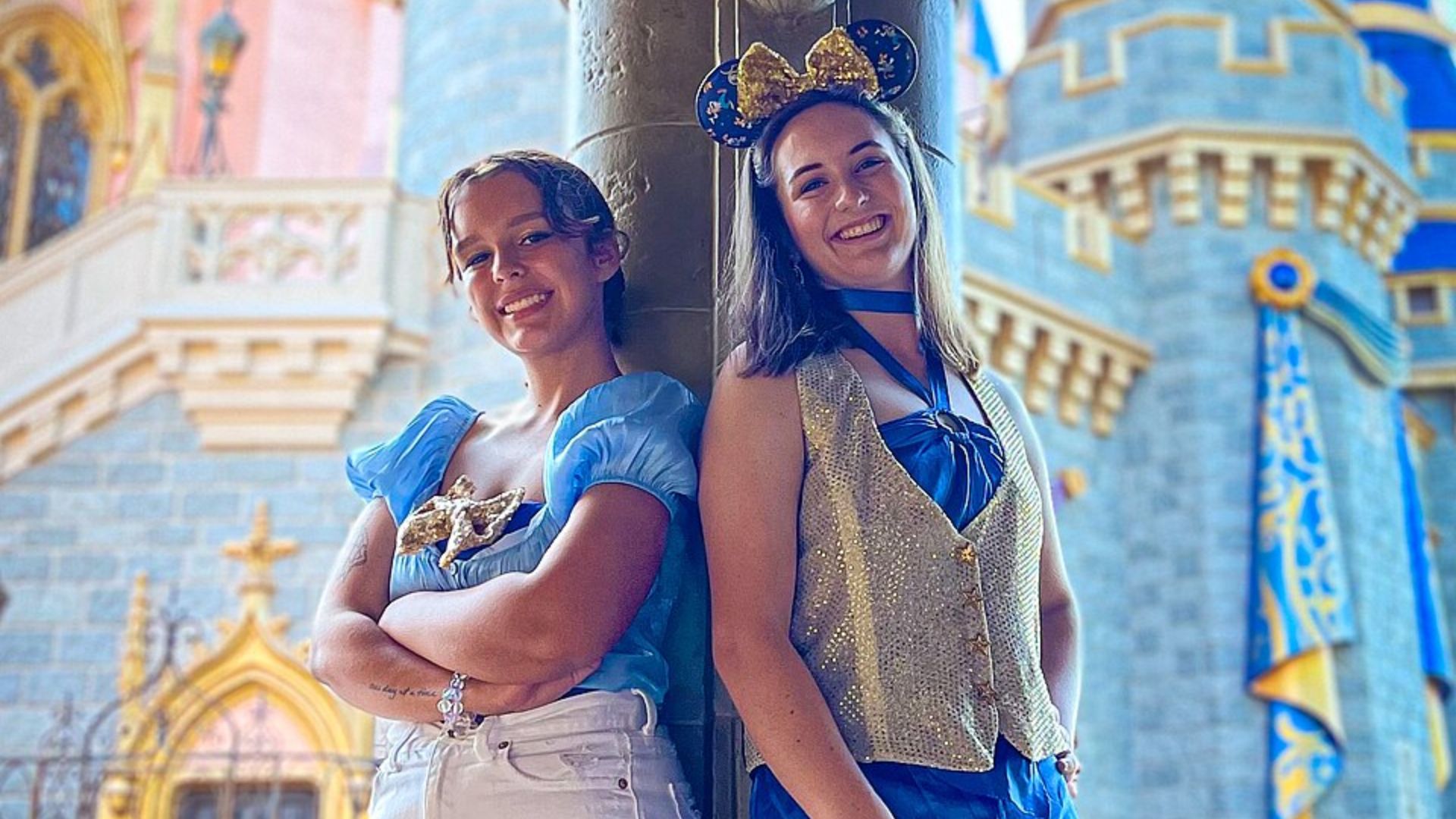
Disney Adult is different from the others because it often gets used half ironically, half defensively, and sometimes as an insult. But it still points to something real: an identity built around Disney as comfort, ritual, nostalgia, and lifestyle. That is why the label lands harder than it looks, even when people pretend they are only joking.