
The Batman Paradox: Why Gotham’s Greatest Hero Might Be Its Most Effective Villain

When you see the iconic Bat-Signal pierce the cloudy night sky of Gotham City, your first instinct is probably to feel a sense of relief. You expect a brooding billionaire to swoop down from the rooftops, handily dispatching muggers and returning peace to the chaotic streets below. Yet, if you take a closer look at the city's never-ending cycle of crime, you might start to wonder if our favorite Caped Crusader is actually perpetuating the very chaos he vows to destroy. This intriguing dilemma, often discussed by comic fans and literary critics alike, suggests that Batman's presence does more to attract theatrical madness than to actually cure it.
While Bruce Wayne's intentions are undoubtedly noble, his highly unconventional methods of vigilante justice have created a fascinating sociological loop. By operating entirely outside the law, he has essentially set a precedent that rules and government systems are merely optional suggestions. Instead of building a stable society, this dynamic turns Gotham into a playground where costumes and personal vendettas replace actual, structural justice. Let's explore how the Dark Knight's legendary crusade might actually make him the most effective, albeit unintentional, villain in his own hometown.
Escalation and the Costume Magnet
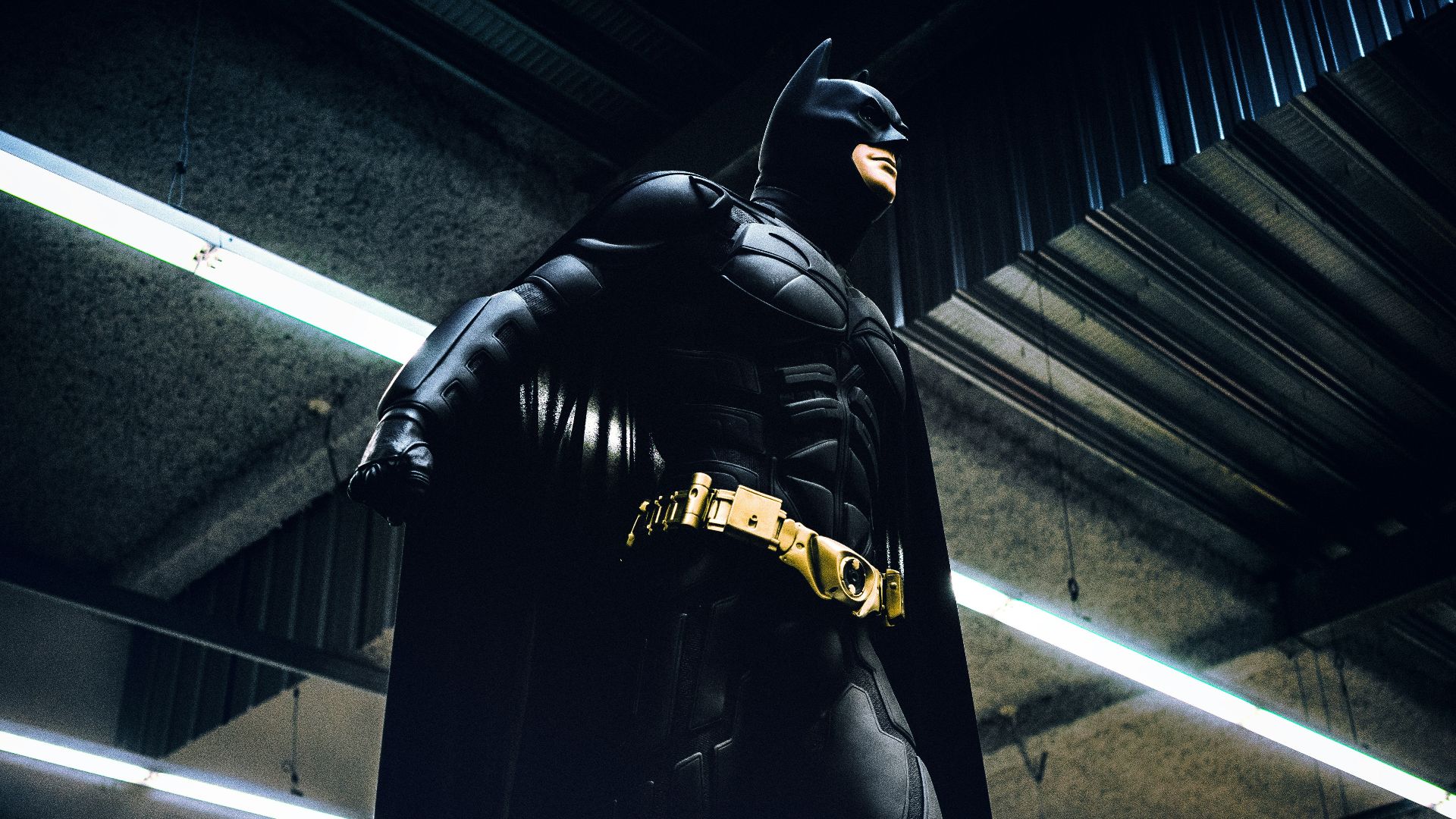
Before Batman put on his pointed ears, Gotham was largely plagued by traditional, albeit corrupt, mobsters like Carmine Falcone. Once a colorful vigilante began swinging from the skyscrapers, the city's criminal underworld realized they needed to step up their game to survive. The sudden appearance of a theatrical hero naturally invited equally theatrical adversaries who wanted to test their wits against the ultimate challenge. It's almost as if Bruce's dramatic persona served as an open invitation for the colorful cast of eccentrics we know today.
If you look at villains like the Joker or the Riddler, their entire identities are intrinsically tied to solving or breaking the puzzle that is Batman. Without a dark, mysterious savior to torment, these theatrical criminals wouldn't have a stage on which to perform their elaborate, destructive acts. They aren't simply robbing banks for the money anymore; they are playing a high-stakes game of chess where the Caped Crusader is the prize. Consequently, the hero's existence inadvertently provides the primary motivation for the city's most destructive crime sprees.
This pattern of cause and effect is what criminologists call the theory of escalation, where a dramatic rise in policing force results in a matching rise in criminal ingenuity. By bringing military-grade technology and armored vehicles to simple street fights, the vigilante forced his enemies to adapt in increasingly volatile ways. The local police department, already struggling to keep up, suddenly found themselves caught in the crossfire of a sci-fi arms race. Ultimately, the citizens of Gotham are the ones who pay the price for this escalating cycle of masked warfare.
The Monopoly on Philanthropy
As the sole heir to the massive Wayne Enterprises fortune, Bruce Wayne possesses the financial power to single-handedly rewrite Gotham's economic future. Instead of funding state-of-the-art mental health facilities or launching massive rehabilitation programs, he spends billions designing heavily armored bat-shaped planes. You have to wonder how much crime could've been permanently prevented if those endless resources had been channeled into basic social safety nets instead of high-tech gadgets. While punching criminals in alleyways might feel satisfying, it doesn't do much to address the systemic poverty that drives them there in the first place.
Moreover, the constant destruction of public property during Batman's nightly chases puts a massive financial strain on the city's already depleted municipal budget. Every time a bat-themed tank smashes through a brick wall or ruins a bridge, taxpayers are left holding the bill for the cleanup. These expensive repairs divert precious funding away from schools, hospitals, and community centers that desperately need the support. It's a highly counterproductive loop where Wayne's night job actively drains the very community his day job is supposed to save.
By keeping his vast wealth tied up in classified military research, Bruce also prevents the local government from taxing those resources to improve public services. The wealth disparity in Gotham remains staggeringly high, creating a fertile breeding ground for desperate citizens to turn to crime. When the only viable employer in town seems to be the local mob or a corrupt chemical plant, people will naturally make bad choices. Thus, the billionaire's hoarding of resources for his personal crusade keeps the city trapped in a state of perpetual economic despair.
When a single masked individual decides who is guilty and delivers immediate physical punishment on the streets, the concept of due process completely crumbles. By bypassing the courts and the jury system, Batman establishes a dangerous precedent where might makes right. This lawless approach teaches the citizens of Gotham that they shouldn't bother trusting their local institutions to handle justice. It creates a deeply cynical society where people rely on a mythical savior rather than working to build a fair, transparent legal system.