
The Small Things That Give Away More Than You Think
Most people imagine doxxing as something dramatic, deliberate, and malicious, the kind of thing that only happens when someone is specifically being targeted. But a lot of the time, the information that makes it possible gets handed over in pieces, casually and without much thought. A photo here, a username there, a screenshot that seemed harmless at the time—none of it feels like a big deal on its own. The problem is that personal information rarely stays isolated for long once it’s online. Little details stack, patterns emerge, and suddenly strangers know more than you meant to tell them. Here are 20 ways people accidentally doxx themselves.

1. Posting a Screenshot With Tabs Open
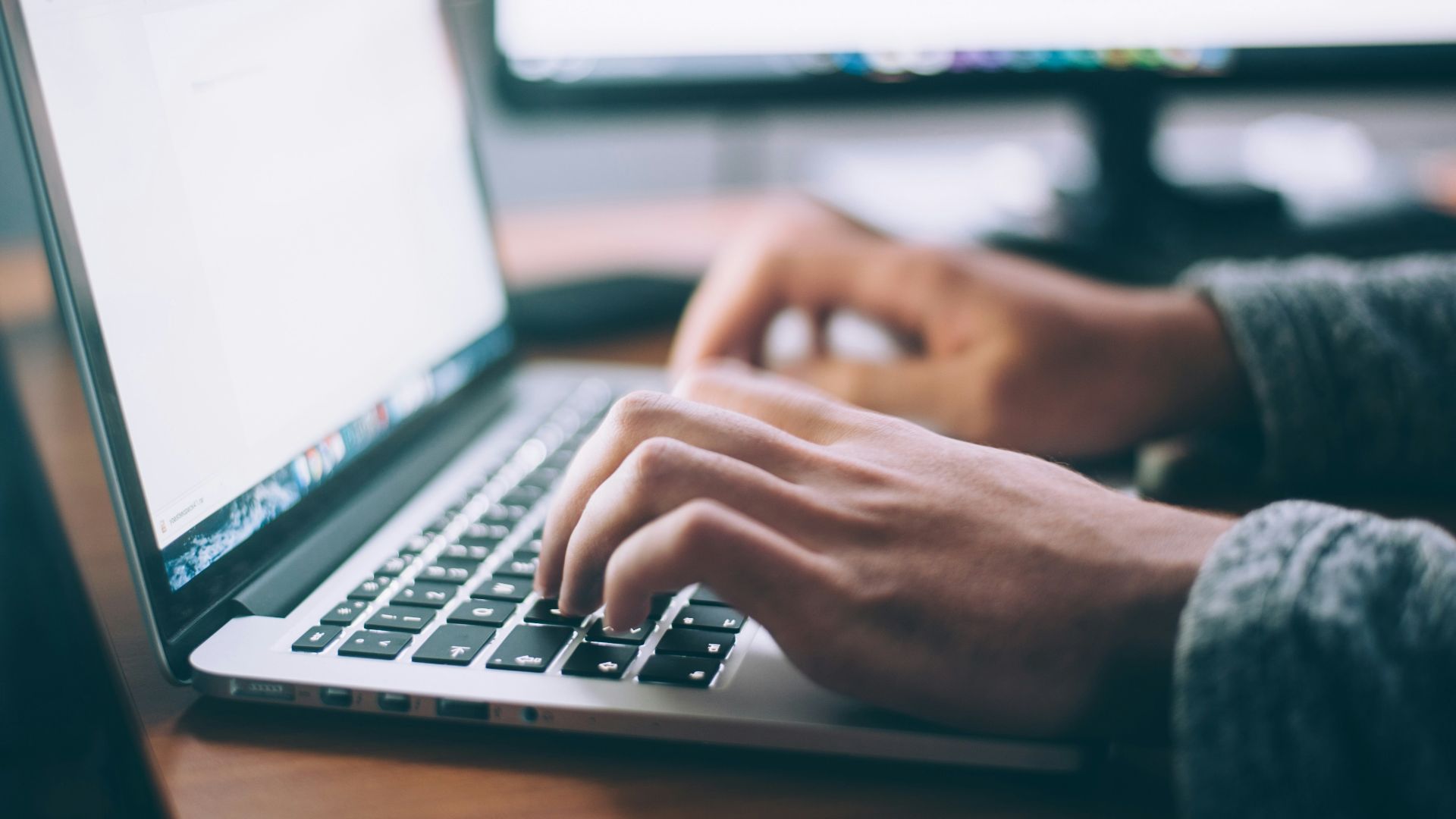
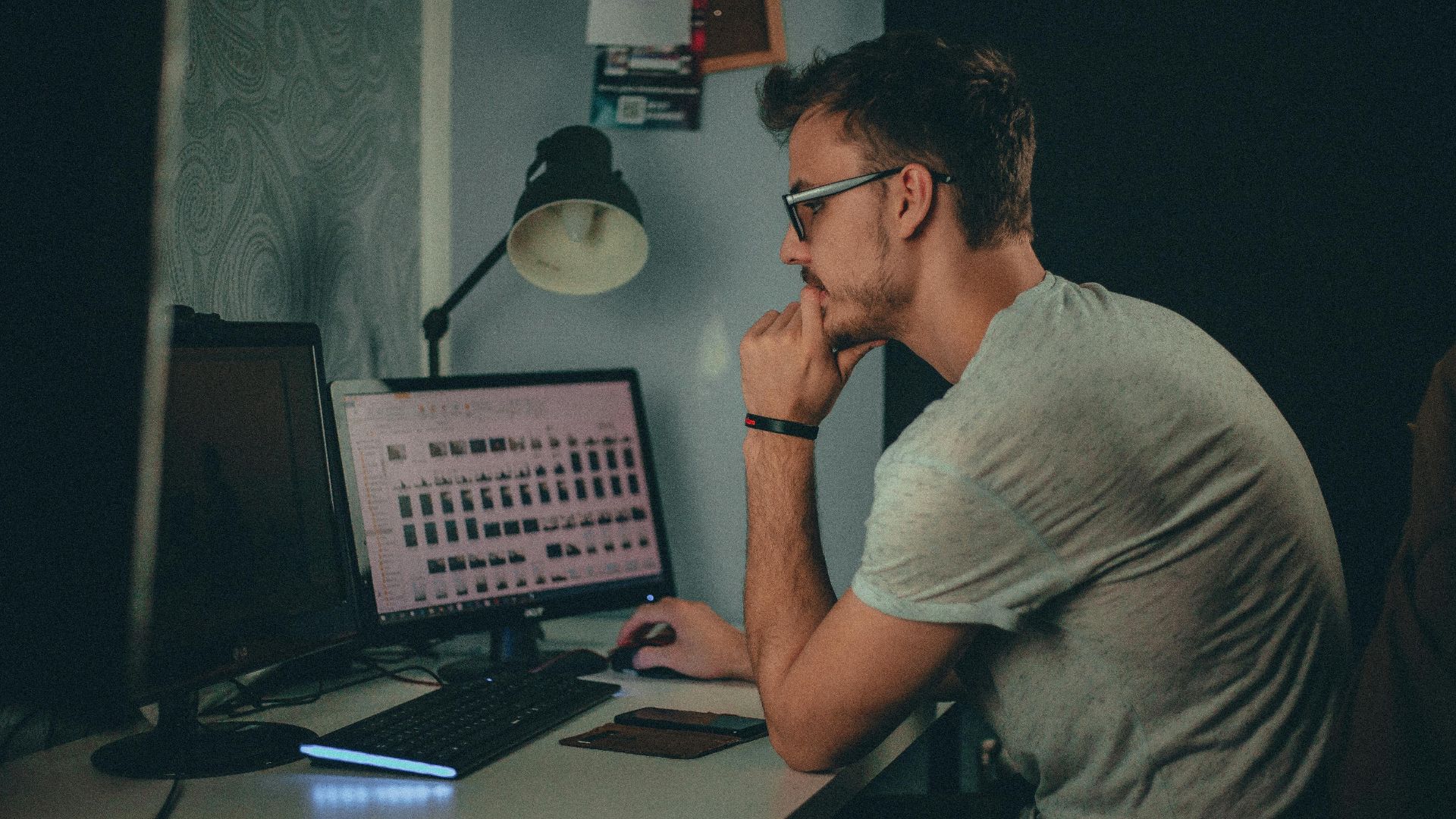
A screenshot can reveal a lot more than the thing you meant to show. Open tabs, bookmarked sites, email previews, or account names in the corner can quietly hand over useful personal details.
 Glenn Carstens-Peters on Unsplash
2. Leaving a Street Name in the Background
Photos taken outside often catch more than people notice. A street sign, storefront, building number, or parking permit in the background can narrow your location down fast.

3. Using the Same Username Everywhere
A reused username makes it easy to connect accounts that were supposed to stay separate. One handle across gaming, work, social media, and shopping platforms can turn your whole online presence into one trail.
4. Sharing Mail or Packages Online
People post flowers, gifts, and deliveries all the time without thinking much about the label. Even a partially visible name, apartment number, or return address can give away more than expected.

5. Forgetting Metadata Exists
Images and files sometimes carry information behind the scenes, including location data or identifying details. If that metadata isn’t removed, you may be sharing more than what’s visible on screen.
6. Posting Distinctive Views From Home
A skyline, courtyard, balcony angle, or very recognizable neighborhood view can be surprisingly identifying. What feels like a nice photo can function like a location clue to someone patient enough to compare details.

7. Showing Work Badges or IDs
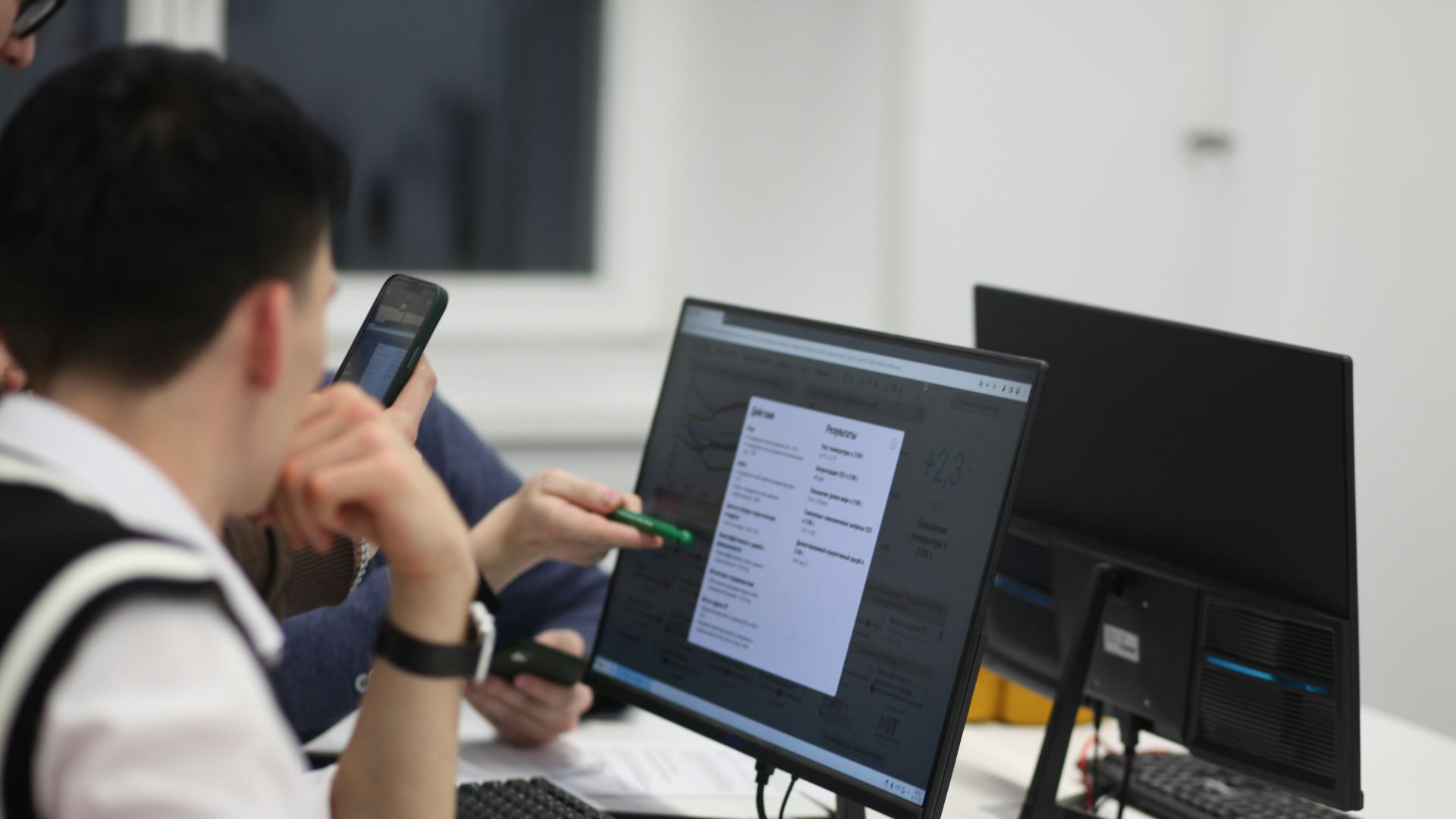
A lanyard, badge, visitor pass, or work laptop sticker in a photo can connect your name to a company or building quickly. Even when the text is blurry, logos and layouts can still be enough.
 Anastassia Anufrieva on Unsplash
8. Mentioning Real-Time Location Too Often
Posting where you are while you’re still there makes it easier for people to track your habits. Repeated check-ins at the same gym, café, train stop, or neighborhood can build a map of your routine.

9. Sharing Event Tickets Carelessly
Concert tickets, boarding passes, conference badges, and reservations often include names, barcodes, or booking numbers. People tend to focus on the excitement and forget how much information the image actually contains.

10. Letting Reflections Do the Work
Reflections in mirrors, windows, glasses, car paint, or appliances can reveal rooms, screens, addresses, and even faces you did not mean to include. They are easy to miss until someone else notices them first.
11. Posting Photos of Your Car
License plates are the obvious issue, but they are not the only one. Parking decals, neighborhood permits, dealership frames, school stickers, and workplace tags can all help place you more precisely.

12. Revealing Your Routine by Accident
People often post in ways that make their patterns obvious without realizing it. The same dog-walking route, commute timing, workout schedule, or school pickup habit can create a very clear picture over time.

13. Using Personal Email for Public Accounts
A personal email tied to a public-facing account can become a bridge to other services. Once that address is exposed, it may connect to your real name, old profiles, or data breaches elsewhere.

14. Showing Documents on a Desk
A casual desk photo can include envelopes, prescriptions, forms, invoices, or sticky notes in the background. The image may look harmless to you, but it can contain exactly the kind of details someone else is looking for.
 LinkedIn Sales Solutions on Unsplash
15. Oversharing in “Get to Know Me” Posts
Those light, playful prompts online can reveal a surprising amount. A birthday, hometown, pet’s name, first school, and favorite teacher may feel harmless separately, but together they can become identifying.

16. Linking Anonymous and Real Accounts
People often mean to keep one account private and another public, then accidentally connect them through cross-posting, mutual followers, writing style, or one reused photo. Once that link is made, anonymity weakens fast.

17. Posting House Keys
Photos of keys are more revealing than they seem. Distinct key cuts, building fobs, lockbox labels, and key tags can expose where you live or at least provide more information than you intended.
18. Talking Too Specifically About Work
You may think you are being vague, but details pile up quickly. A job title, city, office layout, project timeline, and mention of a “small team” can make you easy to identify to anyone motivated enough.

19. Sharing Kids’ School Details
Parents often post uniforms, classroom signs, team schedules, pickup lines, or school event photos without realizing how much location data comes with them. It does not take much for those details to become identifying.

20. Assuming Small Clues Stay Small
This is usually how it happens in the end. One detail rarely doxxes someone by itself, but the combination of photos, captions, routines, usernames, and background information can do the job surprisingly quickly. The risk is often not one big mistake, but a long trail of tiny ones.